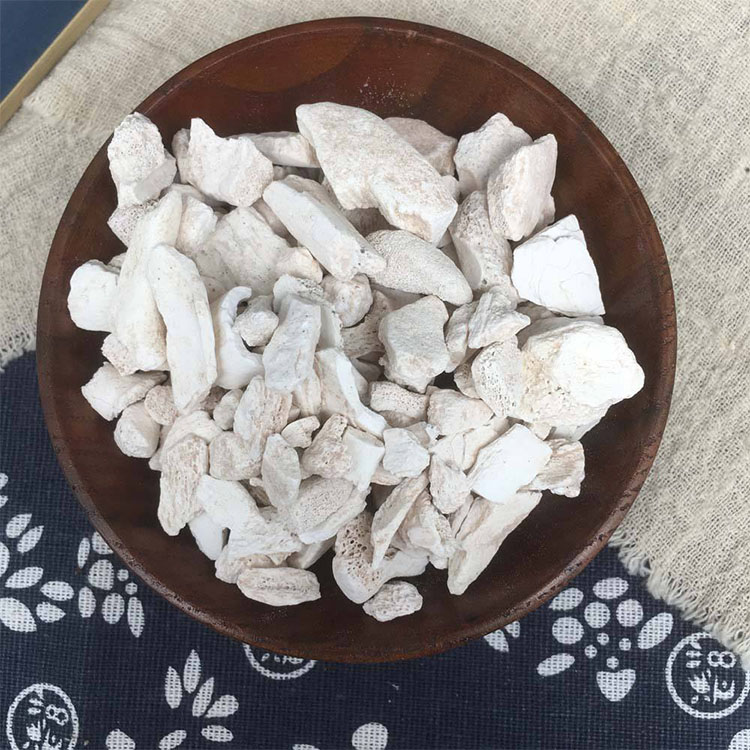
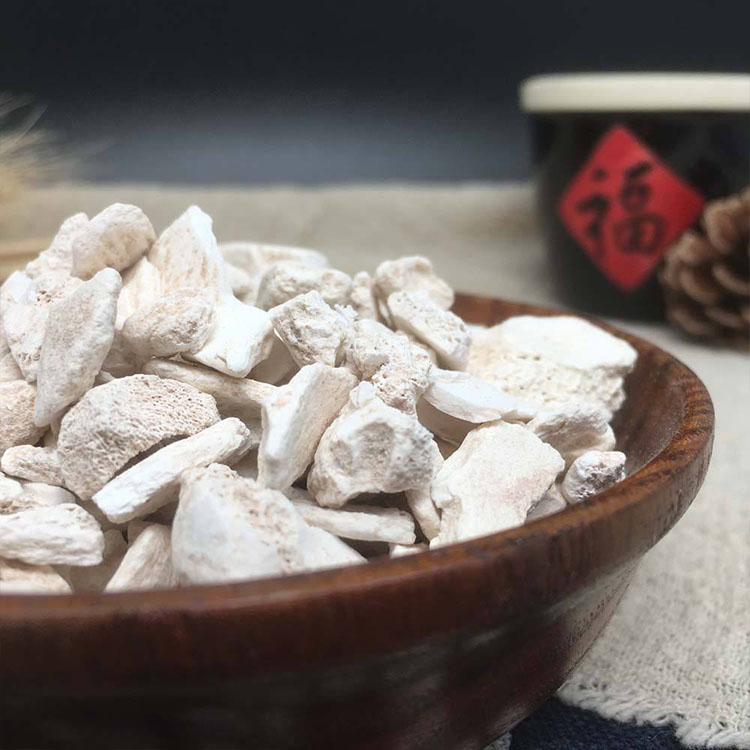
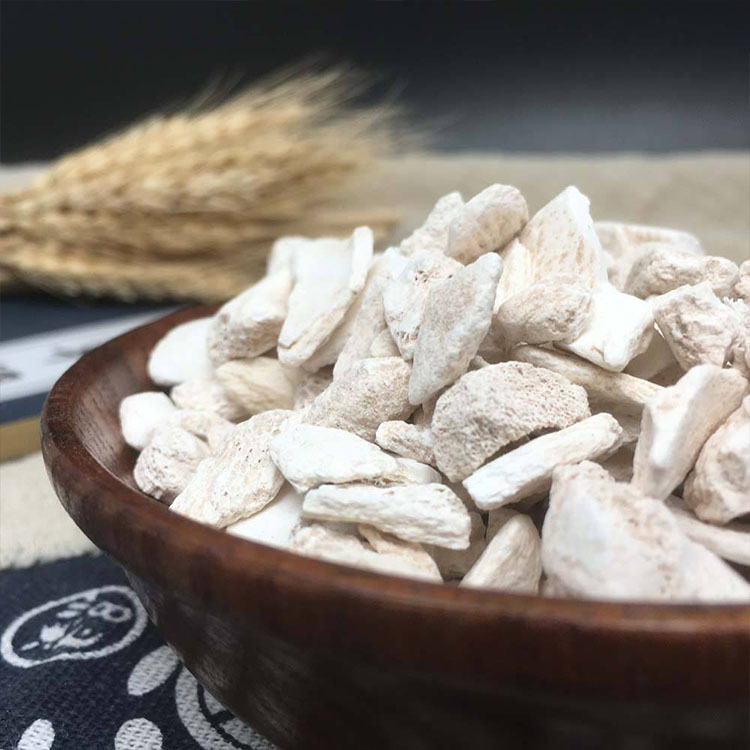
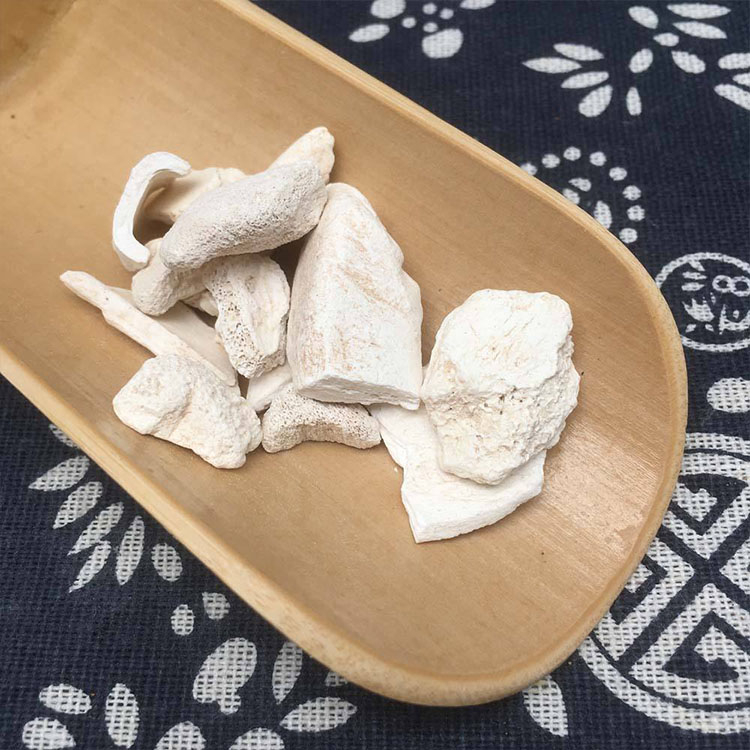
Dragon Bone (Long Gu): foreign matter control + batch traceability guide
Dragon Bone is not a mystical exception to quality control. It is a high-risk, identity-sensitive material that demands tighter foreign matter definitions, stricter batch genealogy, and better release packets than most buyers currently ask for.
Dragon Bone is not difficult because it is “traditional”; it is difficult because it sits at the ugly intersection of fossil identity, contamination risk, old-market habits, and modern compliance expectations, which means a lazy buyer can get fooled by surface appearance, vague origin stories, and generic COAs faster than they realize. Why do so many teams still buy this material like it is just another beige chunk in a sack?
According to a 2026 PubMed review on Long Gu, authentic Wuhua Long Gu is primarily carbonated hydroxyapatite, with porosity above 35% and a trace-element profile that includes Zn and Sr, while the current market is described as saturated with dangerous adulterants such as fluoride-rich dinosaur fossils and processed modern bones. I do not think that is a niche academic warning. I think that is the whole buying brief, stripped of politeness.
And that changes everything.
If your spec for Dragon Bone (Long Gu) does not start with identity lock, extraneous matter definition, lot coding, retained samples, and release evidence, then you are not writing a purchasing standard; you are writing fiction for your own comfort. I have seen operators call this “flexibility.” I call it expensive self-deception.
Under 21 CFR Part 117.130, FDA hazard analysis explicitly treats physical hazards such as stones, glass, and metal fragments as hazards that must be identified and evaluated, whether they occur naturally, are unintentionally introduced, or are introduced for economic gain. So when a supplier shrugs and says, “Some hard inclusions are normal for mineral material,” my answer is blunt: normal is not the same thing as acceptable.
And the agency has already shown how ugly this gets.
In the FDA warning letter to Oregon’s Wild Harvest, the agency described lots that contained wheat, rock, tree nut shells, peanut shell, corn, rodent feces, glass, hard plastic, and even an AA battery, while portions of those lots were still approved and used. That is the hard lesson buyers hate hearing: removing the visible fragment does not prove the lot is clean, and FDA said exactly that. Would you sign that release just because the top layer looked better after rework?
For Long Gu, I would define foreign matter in two buckets. First, prohibited extraneous matter: glass, metal, plastic, insect parts, fecal contamination, packaging fibers, and cross-material fragments from other SKUs. Second, reportable mineral extraneous matter: loose sand, soil clods, gravel, and drilling or cutting fines that do not belong to the accepted Long Gu piece profile. Mixing those two buckets is how buyers end up arguing emotionally instead of auditing rationally.
The Long Gu control table I would actually approve
Control Point
What weak buyers accept
What I would require for Dragon Bone (Long Gu)
Why it saves money later
Identity
“Looks like fossil bone”
Os Draconis / Long Gu named on spec, photo standard, retained golden sample, lot photos, source statement
Stops substitution with modern bone or unrelated fossil material
Foreign matter
“Natural variation”
Written split between prohibited extraneous matter and reportable mineral extraneous matter, with lot-by-lot findings recorded
Cuts off endless post-shipment disputes
Batch code
Supplier lot only
Supplier lot + intake lot + finished lot, all mirrored on COA, invoice, carton, and pallet label
Makes recalls and claims survivable
Release evidence
Generic COA PDF
Lot-specific COA, moisture, heavy metals, micro where applicable, visual-cleanliness record, reviewer signature
Stops “wrong COA, right shipment” chaos
Retained sample
None
Sealed retained sample for each released lot, date-stamped and photo-matched
Gives you a physical reference when arguments start
Packaging integrity
“Bag looks fine”
Inner liner lot, bag seal check, carton marks, pallet map, release photos
Prevents mixed-lot shipping and warehouse confusion
This is boring work.
But the wholesale herbal material supplier for factories page gets one thing exactly right: purity is not a vibe, and foreign matter, moisture, ash, extractives, and safety checks belong inside a data-based qualification stack, not in sales language. I wish more suppliers said that plainly.
Batch traceability or batch fiction
No lot, no talk.
Under 21 CFR § 111.255, a batch production record is required for every dietary supplement batch, and it must include complete information relating to production and control. That is the legal baseline, not an aspirational best practice. If your Long Gu trail breaks between raw intake, sorting, repacking, labeling, and shipment, you are below the line already.
And weak traceability kills people outside herbs too.
On 24 July 2025, WHO and UNODC said that at least 25 documented excipient-contamination incidents over the past 90 years caused more than 1,300 deaths worldwide, and since October 2022 WHO has issued 7 Medical Product Alerts for contaminated liquid oral medicines plus 2 alerts for falsified bulk chemicals; the report also called for greater transparency and traceability, and stronger action against falsified labels, certificates, and composition claims. Different product class, same institutional lesson: paperwork is not bureaucracy when the paperwork is the only thing standing between a bad lot and a dead customer.
So here is my rule.
A Long Gu batch genealogy should link the supplier lot, quarry or collection statement if available, intake date, sorter or cleaner record, defect observations, retained sample ID, COA ID, packaging-material lot, label version, pallet ID, and outbound shipment ID into one chain that a stranger can follow in five minutes. If it takes your team twenty-seven minutes and three phone calls to reconstruct one lot, you do not have traceability. You have scavenger hunting.
The site’s own Best Practices for Herb Batch Management page makes the same point in buyer language, and the customs documents for herbal imports guide sharpens it further by tying batch IDs to COAs, invoices, packing lists, and border documents. That pairing is smart because claims, customs, and recalls all attack the same weak spot: mismatched records.
What the Long Gu batch file should contain
I do not trust pretty folders.
I trust a release packet that shows the lot number, Latin name, common name, product state, inspection date, foreign matter findings, moisture result, Pb/Cd/As/Hg panel, reviewer signature, packaging-material lot, shipment date, and destination customer code, because those are the fields that stop arguments before they become losses. Why keep pretending that “traceability” means anything if none of that is in the file?
The factory-side raw material qualification checklist belongs in this cluster because it talks like a buyer, not a brochure: identity, purity, moisture, microbiology, heavy metals, residues, packaging test, and lot genealogy. That language supports the article’s core promise better than another soft “about us” detour ever will.
What buyers still get wrong
Too much romance.
I keep seeing teams over-specify the poetic side of Long Gu and under-specify the mechanical side, which is backwards, because the things that destroy trust in this category are not ancient texts or formula theory but fluoride-rich substitutes, modern-bone adulteration, dirty repacks, record mismatches, and weak release discipline. The PubMed review on Long Gu is direct on the adulteration problem, and it is one reason I think any supplier selling Long Gu with only a calcium number and a flattering photo is asking to be disbelieved.
And here is my unpopular opinion.
For Long Gu, “traditional authenticity” without chain-of-custody proof is not authenticity at all. It is branding. Real control means the lot can survive a skeptical QA manager, a customs broker, and an angry customer on the same Tuesday.
FAQs
What is Dragon Bone (Long Gu) foreign matter control?
Dragon Bone (Long Gu) foreign matter control is the documented system used to define, detect, segregate, quantify, and reject extraneous material in Os Draconis lots, including prohibited contaminants like glass, metal, plastic, insect matter, and fecal contamination, plus reportable mineral debris such as loose sand, gravel, and cutting fines. It only works when the definition is written into the spec and tied to representative sampling, lot photos, retained samples, and release review rather than casual visual opinions.
How do you verify Long Gu batch traceability?
Long Gu batch traceability is the auditable ability to connect one finished shipment of Dragon Bone back to its raw supplier lot, intake inspection, processing or cleaning record, retained sample, COA, packaging-material lot, label version, and outbound customer shipment without gaps, relabeling confusion, or conflicting document numbers. In practice, I verify that the lot code matches across the COA, invoice, packing list, carton marks, pallet label, and internal release form, because that is where weak systems usually crack first.
Why is Long Gu more vulnerable to adulteration than ordinary herbal slices?
Long Gu is more vulnerable to adulteration because it is a fossil-derived medicinal material with limited authentic supply, visual similarity across non-equivalent fossil or bone materials, and historically weak standards that can reward surface resemblance over deeper identity verification, microstructure review, and origin documentation. That is why I treat Long Gu as an identity-sensitive material first and a commodity second; the 2026 literature is explicit that processed modern bones and other misleading substitutes are already in the market.
What should a Long Gu release packet include?
A Long Gu release packet is the complete lot-specific evidence bundle that supports shipment release, including the batch or lot number, product identity, foreign matter findings, moisture or condition checks, heavy metals panel, COA reference, packaging-material lot, label version, release signature, and shipment mapping to cartons, pallets, and customer destination. My standard is simple: if a third party cannot trace that packet backward and forward in one sitting, the batch is not ready to move, no matter how attractive the pieces look in photos.
Your next move
Do this now.
If you are publishing this page for buyers, make the article work like a real procurement tool: tighten the Long Gu spec, define foreign matter in writing, require lot-specific evidence, and use the internal path that moves readers from product identity to batch management to customs-readiness without fluff. Then make the commercial ask sharper: request the current lot photos, the retained sample policy, the exact batch-code format, and a real COA pack for the shipment you are actually trying to sell.
Our low MOQ of 1 kg (2.2 lb) makes it easy to order Chinese herbal slices or wholesale Chinese medicine herbs. Private-label and bilingual labeling are also available.
Delivery Cycle & Support
We have a fast 7-day lead time. We provide free samples, COA reports, and technical support to help you bring high-quality bulk Chinese herbs to market.
Quality & Certifications
Our products are manufactured in a GMP-certified facility and meet ISO22000 standards. All Chinese herbs are third-party tested for heavy metals, pesticides, and microorganisms.