If you want to understand Chinese herbal medicine cost, stop staring at the per-kilo number. The real bill is built from harvest conditions, daodi origin, compliance testing, logistics, tariff exposure, and how much pain the importer is hiding.
I’ve watched buyers fixate on a neat USD/kg quote, then act shocked when the landed cost jumps after COA review, origin verification, moisture loss, customs paperwork, and one failed batch force the supplier to rebuild the whole margin stack from scratch. Why are people still pretending Chinese herb prices are set by one simple number?
The blunt answer is this: Chinese herb prices are mainly driven by origin, harvest yield, grade, processing method, contamination risk, testing burden, freight, tariffs, and how much commercial risk the seller is willing to carry. And yes, that means two offers for “the same herb” are often not the same product at all.
The price tag is never just the price tag
Cheap quotes mislead.
On paper, a buyer can skim an all herbs and spices catalog and think sourcing is a menu exercise, but serious procurement starts with the hidden variables: plant part, cut size, sulfur status, moisture band, storage history, daodi origin, and whether the supplier can prove any of it without turning the email chain into theater. The site itself is built around that distinction, with more than 100 varieties split by category, GMP and ISO 22000 quality claims, and third-party COA testing for heavy metals, pesticide residues, and microorganisms.
And that matters.
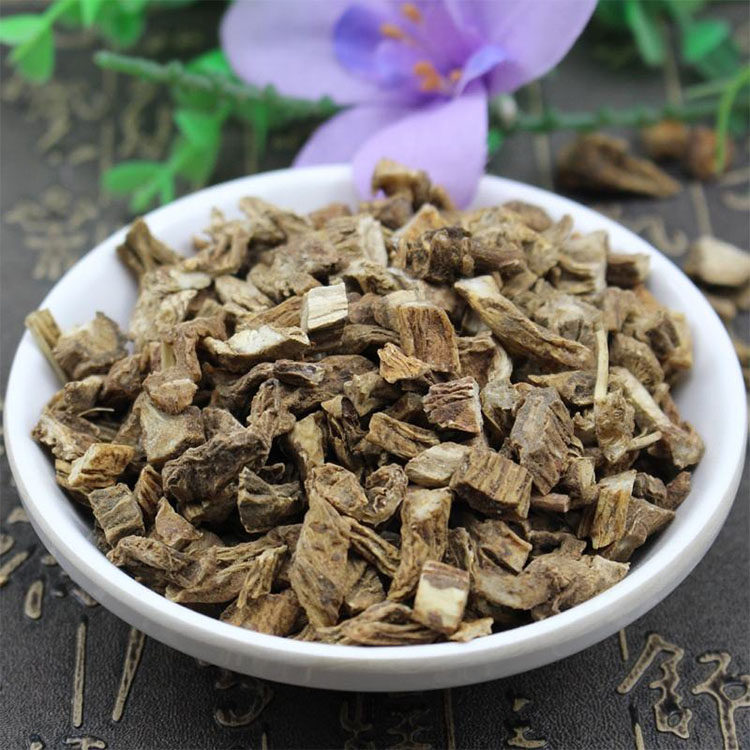
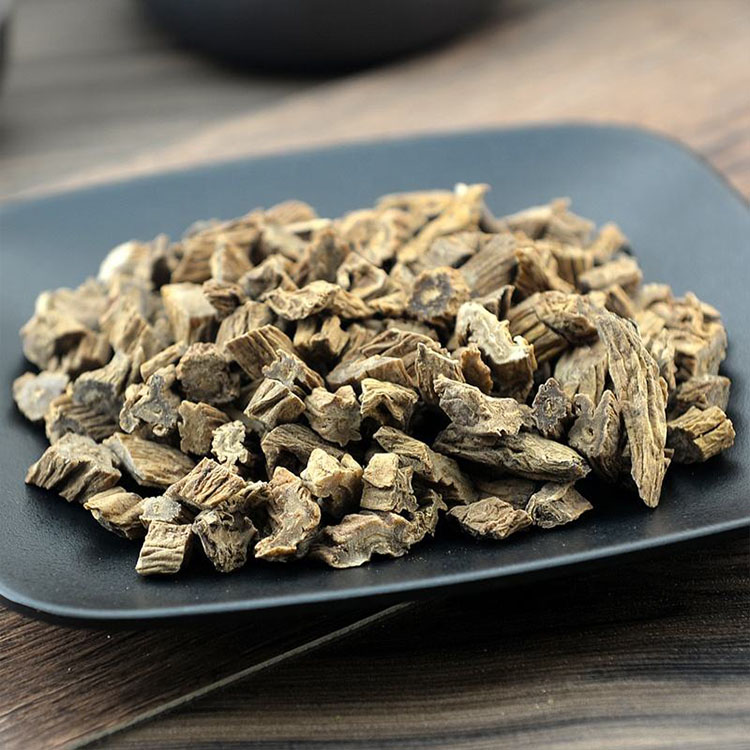
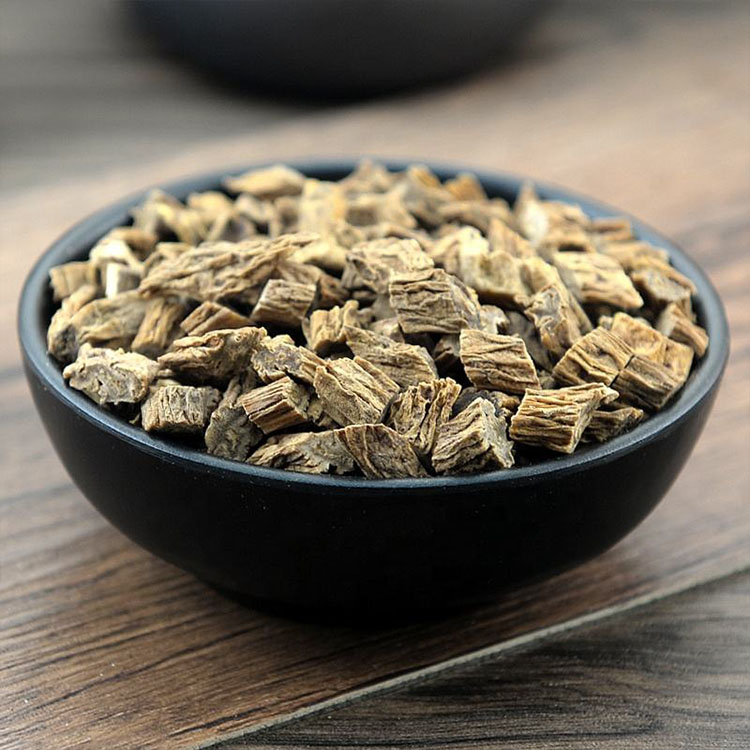
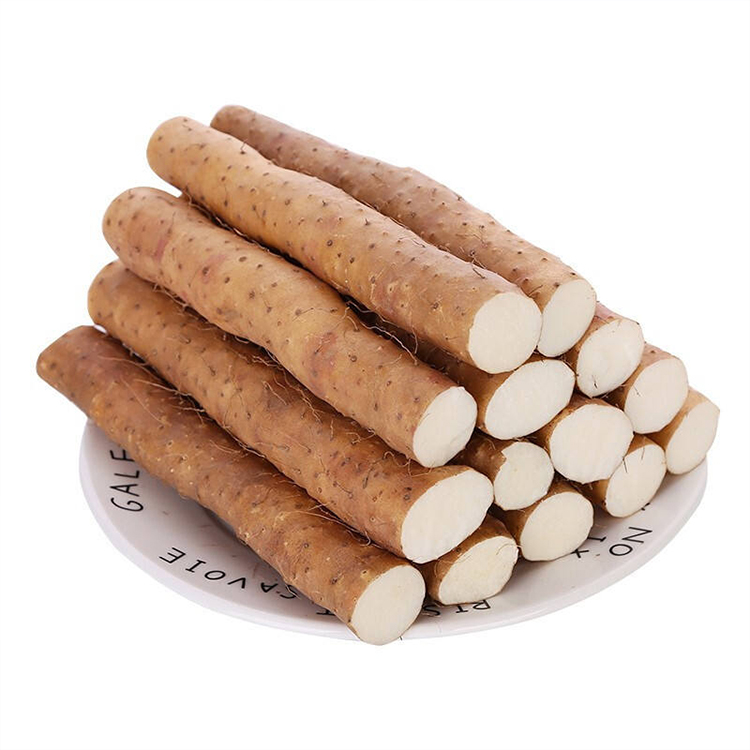
If your purchasing team is sourcing root and rhizome Chinese medicinal ingredients, you are not buying a generic commodity in the same way you buy salt or sugar; you are buying a biological input whose chemistry, appearance, and pass-rate can shift with origin farm, drying discipline, and batch handling. GuoCao’s own category pages lean hard into farm-to-factory traceability and batch-level transparency for that reason.
Table of Contents
Tariffs don’t stay at the port
Taxes travel downstream.
According to Reuters’ February 2025 report on China tariffs and medical imports, U.S. hospitals and generic drugmakers warned that new tariffs on Chinese imports would push prices higher and raise shortage risk; that article was about medicines, not raw TCM slices, but the mechanism is identical: the importer pays, then the market absorbs the pain. A March 2025 supplier bulletin from Mayway on Chinese herb prices made the herb-specific version explicit, saying added duties had pushed the tariff burden on Chinese herbs to roughly 35%–45% after the latest increase took effect on March 4, 2025.
That is the hard truth.
I do not buy the fairy tale that Chinese herbs suddenly become “expensive” because suppliers got greedy. More often, what buyers are seeing is landed-cost math finally catching up with reality: tariff, freight, compliance, slower cash conversion, and the premium charged by any supplier smart enough not to underwrite your forecasting mistakes.
So when a seller points you to a wholesale Chinese herbal slices guide, don’t treat it like filler content. Treat it like an operating manual. The guide correctly frames sourcing around customs, quality specifications, batch failure, product categories, and long-term supply relationships instead of fantasy spot buying.
Factory price is vanity, landed cost is reality
Margins disappear fast.
A factory offer that looks “better” by 8% can become the worse deal once you add retesting, relabeling, transit delays, and the cost of tying up inventory that cannot be sold until documents and specifications line up. If you are comparing Chinese herbal medicine cost without mapping freight terms, tariff exposure, and release risk, you are not comparing prices. You are comparing illusions.
Weather, origin, and the daodi premium
Weather rewrites quotes.
In Reuters’ August 2024 report on extreme weather in China, wholesale prices for 28 vegetables tracked by China’s Ministry of Agriculture and Rural Affairs rose from 4.29 yuan/kg to 6 yuan/kg between June 17 and August 15, a 39.9% jump, while more than 1.13 million hectares in Henan were affected and Beijing added 100 billion yuan in support for flood-hit rebuilding. That article was not about TCM specifically, but anyone who thinks medicinal crops sit outside the same drought, flood, labor, and transport stress is kidding themselves.
And here’s the part buyers miss.
The herbs that anchor many classical formulas are often roots and rhizomes with long cultivation cycles and origin-sensitive value perception. Astragalus (Huang Qi), Angelica sinensis (Dang Gui), and Atractylodes macrocephala (Bai Zhu) are not interchangeable just because the Latin looks familiar on a spreadsheet. A poor harvest in a key origin zone does not just reduce supply; it reshuffles grade availability, pushes buyers down-quality, and makes premium lots look “overpriced” when they are simply scarcer.
That pattern is echoed in the academic literature too. A Frontiers review on climate change and medicinal plants flagged habitat loss, disease pressure, and climate sensitivity in economically important medicinal species, including ginseng, and cited China’s January-November 2022 imports of American ginseng at 3,332.25 tons worth USD 63.05 million. When climate risk meets sustained demand, Chinese herb price fluctuations stop being temporary noise and start looking structural.
Cheap herbs get expensive after the first failed lab result
Compliance costs money.
The cleanest legal example is FDA Import Alert 54-10, which authorizes detention without physical examination for certain products containing aristolochic acid and states that aristolochic acid is a potent carcinogen and nephrotoxin; the alert also spells out refusal-of-admission risk under Section 801(a)(3). That is not abstract policy language. That is a direct reminder that one identity error, one contaminated botanical, or one sloppy naming convention can turn a “cheap” batch into dead inventory.
This is why I usually distrust the lowest quote in the inbox.
A supplier that can show third-party COAs, GMP production, ISO 22000 compliance, small-batch samples, and usable turnaround windows is not padding price for fun. They are charging for a lower probability of disaster. On this site, the bulk herb FAQ on MOQ, samples, and lead times says standard MOQ starts at 1 kg, samples can ship in 1–3 business days, standard stock lead time runs 3–7 business days, and COA-backed technical support is available. The OEM/ODM Chinese herbal customization page adds GMP, ISO 22000, and third-party testing language for heavy metals, pesticides, and microorganisms. That is not fluff. That is cost-bearing infrastructure.
What actually moves Chinese herb prices
Factor
What it changes
Why the quote moves
Tariffs and duties
Landed cost after import
Importers pass added tax through the chain rather than absorbing it forever
Weather and harvest disruption
Yield, grade mix, drying quality, timing
Scarcity raises premiums on better lots and pushes weaker lots into circulation
Daodi origin and grade
Buyer confidence and resale value
Authentic, consistent origin commands a premium because the risk is lower
Compliance and testing
Release risk and rework cost
COAs, identity checks, and contaminant screening add cost but reduce failure risk
MOQ, packaging, and customization
Unit economics
Small runs, custom labels, and private blends always cost more per unit
Demand swings across markets
Inventory pressure
Export demand, domestic use, and buyer stockpiling distort normal pricing
Demand is unstable, and that instability gets priced in
Demand moves faster than sourcing.
A peer-reviewed Frontiers analysis of TCM trade among RCEP countries cites China Customs data showing China’s 2023 pharmaceutical trade at USD 195.36 billion, with TCM at about 4% of that total, while January-May 2024 TCM trade reached USD 3.461 billion, down 3.65% year on year. The same paper notes that TCM export value among RCEP members surged from USD 1.856 billion in 2013 to USD 3.397 billion in 2015, then went through an adjustment period before pandemic-era acceleration. That is exactly the kind of uneven demand pattern that makes professional buyers nervous and prices defensive.
What does that mean in practice?
It means suppliers protect themselves with wider quoting bands, stricter specifications, and shorter validity windows. And buyers who understand how Chinese herb supply affects prices stop asking, “Can you do better?” and start asking, “What exactly is included in this lot, and what risk are you carrying for me?”
I’ll say it plainly. The market punishes lazy procurement. If you want lower TCM herb prices, you usually need one of four things: looser specifications, more stable forecasting, larger volume, or a supplier willing to take more risk than is healthy.
FAQs
What factors affect Chinese herb prices?
Chinese herb prices are the combined result of origin, harvest yield, grade, processing method, moisture level, contamination risk, testing burden, freight, tariffs, and importer margin, which means the number on the quote reflects both the herb itself and the commercial risk wrapped around it. In plain English, buyers pay not only for the plant, but for the probability that the batch arrives, clears, and performs as expected.
Why are Chinese herbs so expensive?
Chinese herbs are expensive when the supply chain is carrying hidden costs such as tariffs, weather damage, failed lots, tighter compliance screening, small-batch customization, and quality premiums for traceable daodi material, all of which push the final quote far above the raw farmgate cost. The highest prices usually show up where authenticity, lab pass-rates, and stable documentation matter more than simple volume.
How does Chinese herb supply affect prices?
Chinese herb supply affects prices by changing how much usable, compliant, saleable material exists at each grade level, so even when total harvest volume looks acceptable, shortages in top-grade lots or disruptions in drying, storage, or transport can still push quotes sharply higher. Supply is never just quantity; it is usable quantity after sorting, testing, and logistics.
Are TCM herb prices driven more by quality or by shipping?
TCM herb prices are driven by both quality and shipping, but quality usually sets the base value while shipping, tariffs, and customs friction determine how painful the landed cost becomes once the batch leaves origin and enters an importing market. A low freight month cannot rescue a bad lot, and a beautiful lot can still become overpriced if the logistics chain goes sideways.
Your next step
Stop guessing.
If you are auditing factors affecting Chinese herb prices for a real buying program, review your current quotes against six points: origin, grade, test scope, tariff exposure, delivery terms, and customization burden. Then compare that against the supplier’s published wholesale guide for importing herbal slices, the bulk herb FAQ on MOQ and samples, and the request-a-quote page for Chinese herbal slices. If the quote still looks cheap after that, great. But if it only looked cheap before you asked hard questions, now you know why.
Our low MOQ of 1 kg (2.2 lb) makes it easy to order Chinese herbal slices or wholesale Chinese medicine herbs. Private-label and bilingual labeling are also available.
Delivery Cycle & Support
We have a fast 7-day lead time. We provide free samples, COA reports, and technical support to help you bring high-quality bulk Chinese herbs to market.
Quality & Certifications
Our products are manufactured in a GMP-certified facility and meet ISO22000 standards. All Chinese herbs are third-party tested for heavy metals, pesticides, and microorganisms.