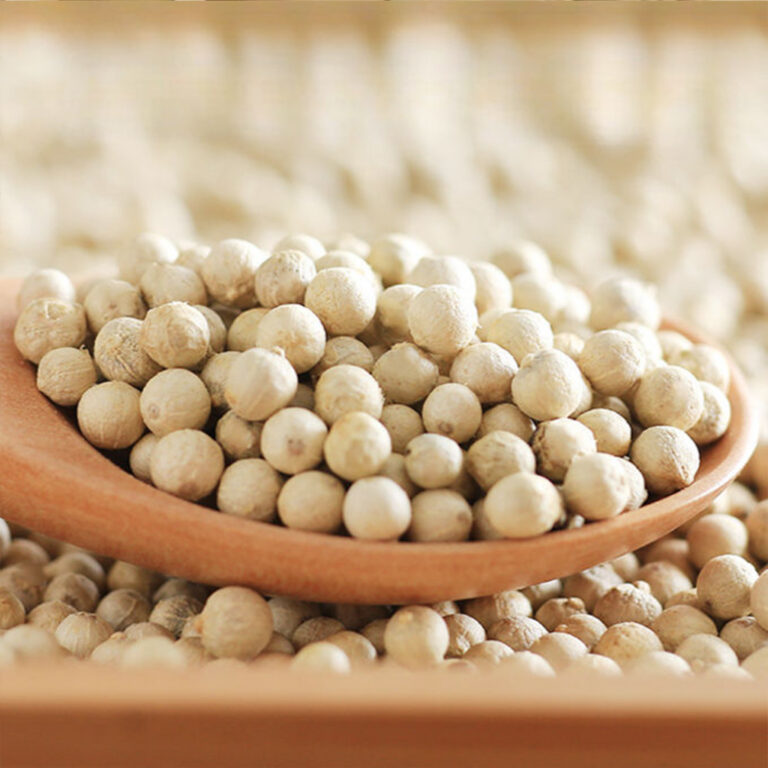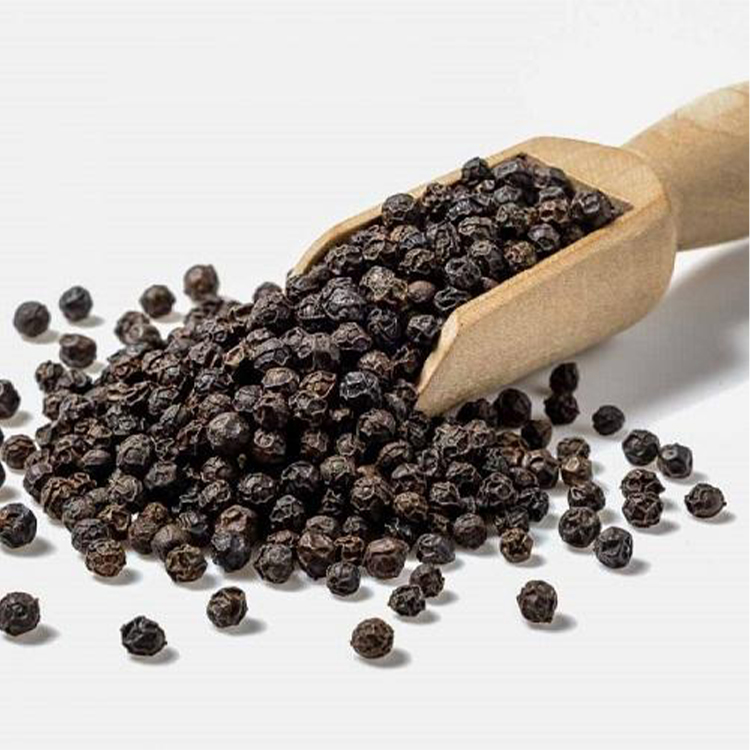



Black pepper is not a commodity you can approve by appearance and price alone. This guide explains how professional buyers should evaluate density, aroma chemistry, microbial controls, treatment validation, and lot-specific documentation before signing a wholesale contract.

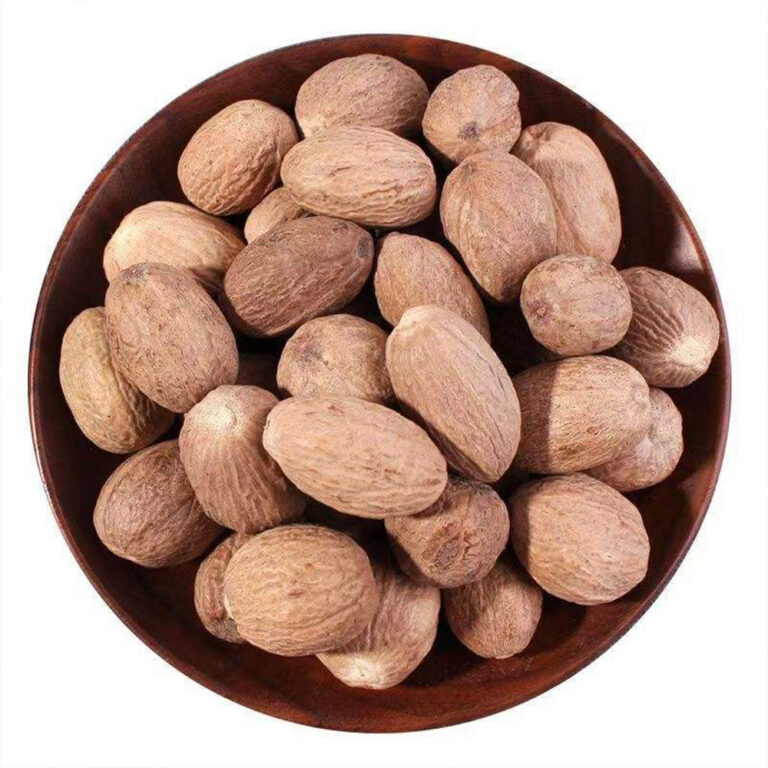
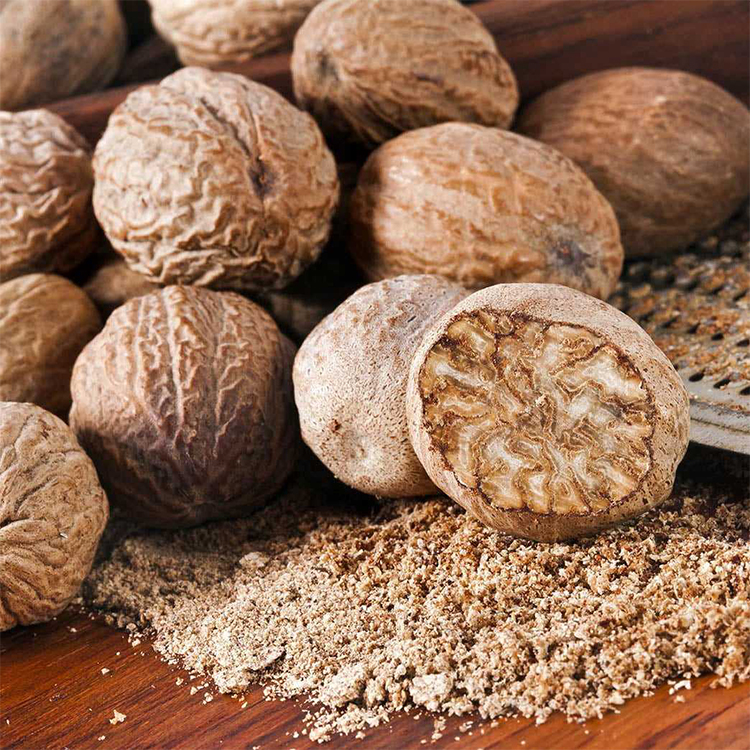
Bulk nutmeg quality changes once a seed is cracked or milled. This sourcing guide explains the specifications, testing records, sampling methods, and commercial risks buyers should define before approving a shipment.

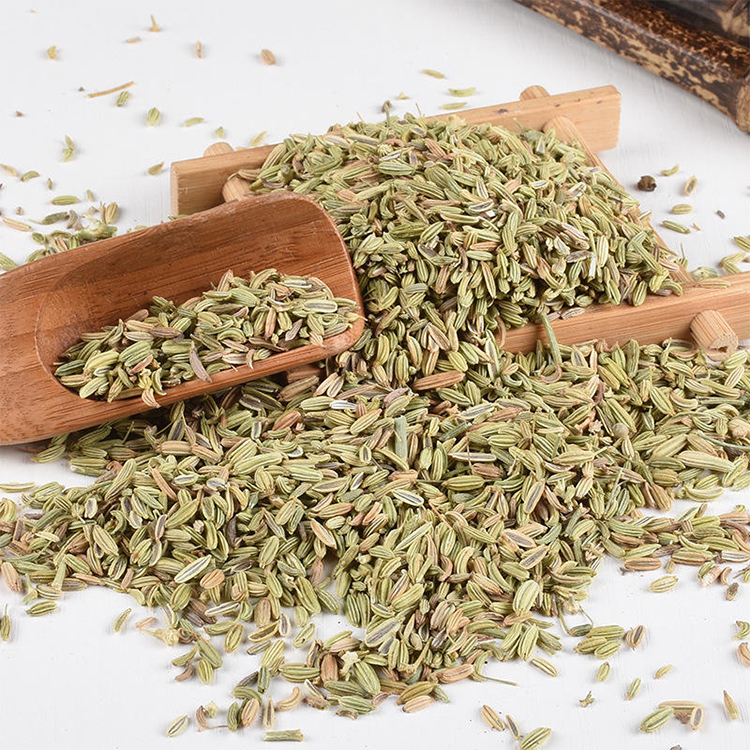
Fennel seed may enter a seasoning factory, herbal tea line, supplement program, or traditional medicine supply chain. The physical material can look identical, but the required identity evidence, chemistry, safety controls, documentation, and legal claims are not.

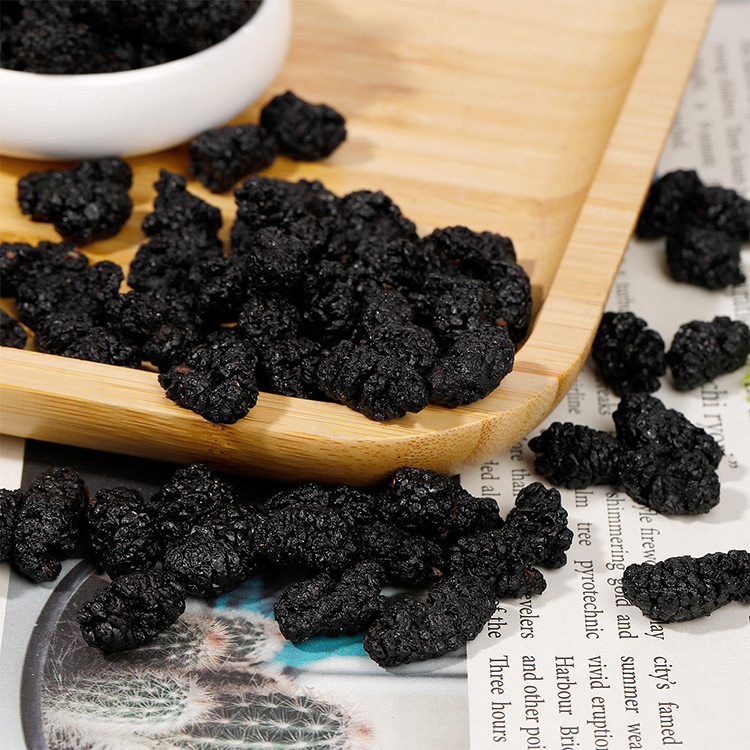
Bulk mulberries are easy to photograph and surprisingly hard to standardize. This buyer-focused guide explains how color, soluble solids, acidity, drying control, water activity, packaging, and storage records determine whether a lot performs—or becomes an expensive complaint.

Cuscuta seed is not a simple agricultural commodity. Herbal formulation brands need verified species, batch-specific test data, controlled cleaning, traceability, and a specification that matches the destination market.

Aged Chen Pi and ordinary dried tangerine peel may look similar in a supplier photograph, but they are not commercially identical. This wholesale guide explains how buyers should compare origin, storage age, aroma, chemistry, safety testing, traceability, and intended use before approving a bulk order.

Food-grade and herbal-grade coix seed may come from the same crop, but they are not purchased, tested, released, or documented in the same way. This guide explains how serious buyers should compare identity, sensory quality, contaminants,

Kudzu root block high quality relies on three linked variables: starch retention, moisture control, and cutting-size circulation. This technical overview clarifies just how expert customers should specify, test, and decline Ge Gen obstructs prior to irregular material gets to removal, decoction, food, or OEM manufacturing.

Dried ginger flakes look simple up until they get in a real assembly line. This guide breaks down spice, organic, tea, and practical food applications with sourcing cautions, high quality checkpoints, regulatory context, and useful formula suggestions for severe buyers.

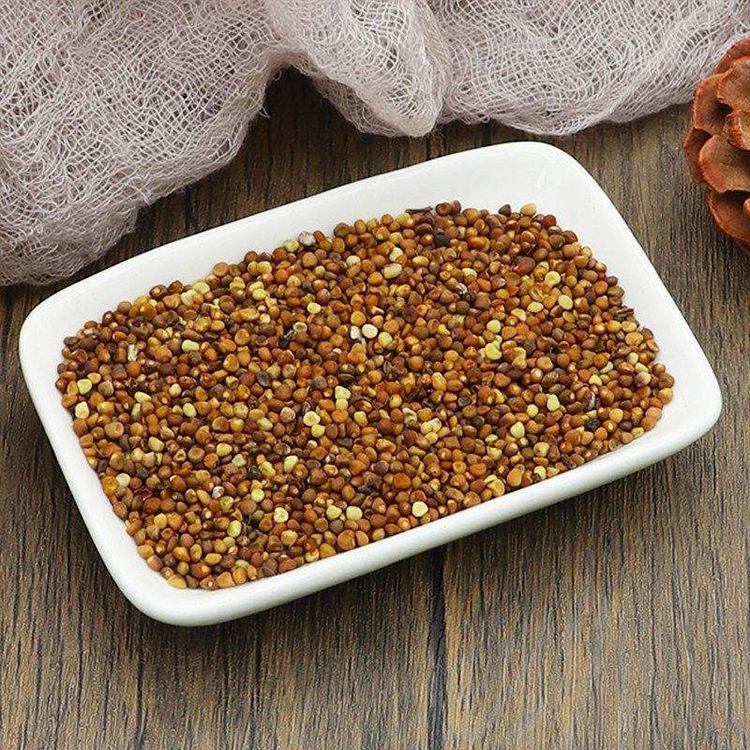
Cassia seed looks simple up until it reaches a tea-bag line, supplement formula, or export audit. This overview discusses exactly how severe customers need to review clean cassia seed, roasted cassia seed, storage conditions, and distributor proof before authorizing a mass order.

Buying ginseng slices wholesale is not about finding the prettiest root photo or the lowest kilogram price. It is about proving species identity, controlling moisture, demanding COA data, matching cut size to the final product, and protecting your brand before a bad batch reaches the consumer.

Low-cost bulk seasonings can become expensive quickly. Below is what food brands should validate before purchasing wholesale dried spices from China, from third-party laboratory screening to FSVP documents, virus reduction, and traceability.