Fennel Seed Wholesale Guide: Spice and Herbal Use Differences
Fennel seed may enter a seasoning factory, herbal tea line, supplement program, or traditional medicine supply chain. The physical material can look identical, but the required identity evidence, chemistry, safety controls, documentation, and legal claims are not.
Because the same greenish-brown lot can be packed into a sausage seasoning, milled into an herbal tea blend, or positioned as Foeniculi Fructus, its commercial identity changes with the intended use, test panel, claims, documentation, processing history, and destination-market law.
So why do buyers still compare it by color and price alone?
My blunt answer is habit. Too many buyers treat fennel seeds wholesale as a commodity search when it is really a specification problem. A low price per kilogram means very little when one quotation covers cleaned culinary seed and another covers authenticated herbal material with third-party testing, retained samples, traceability, and destination-specific documentation.
The hard truth: “spice grade” and “herbal grade” are not universal grades. Unless a wholesale fennel seed supplier connects those terms to written limits, analytical methods, and the exact batch being shipped, they are sales language.
“Fennel Seed” Hides More Than One Commercial Identity
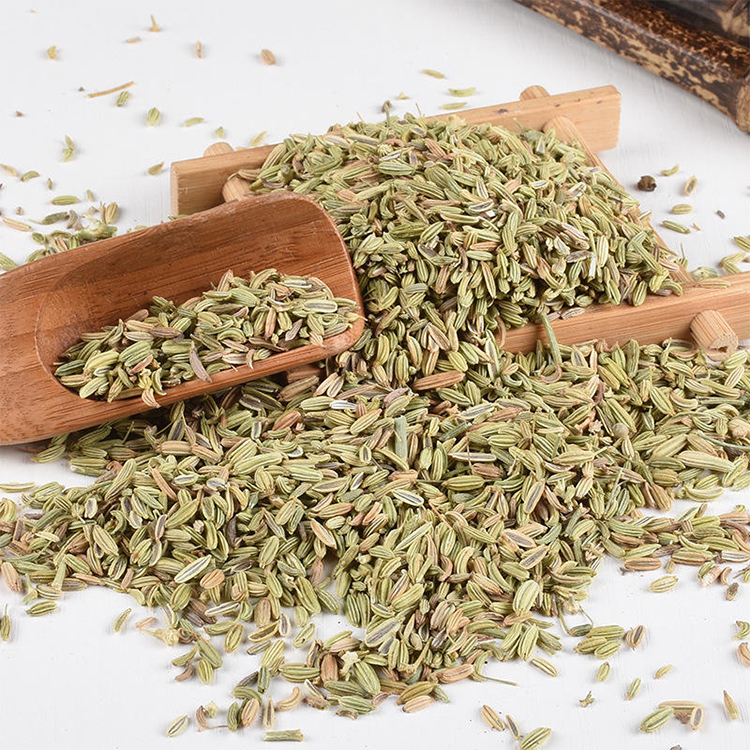
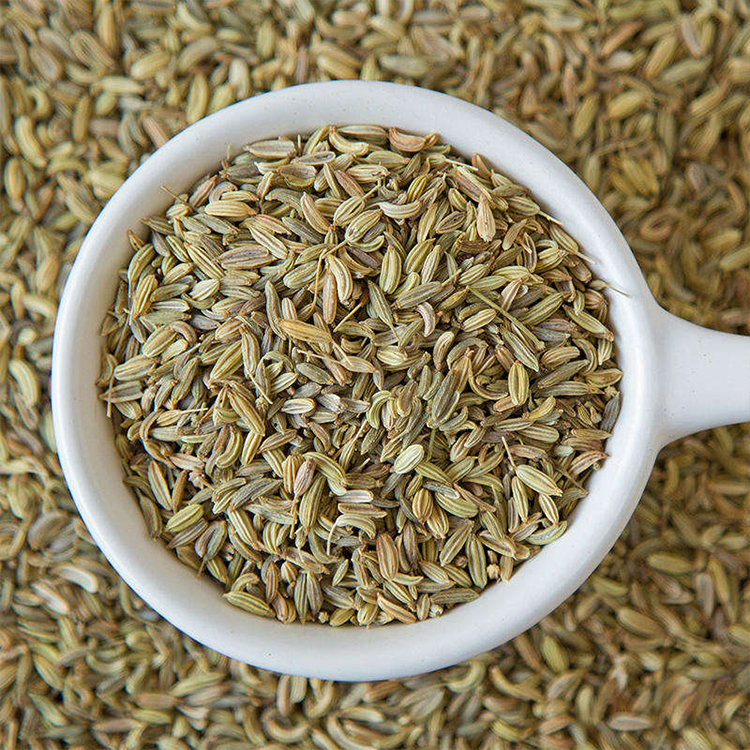
The first insider detail is botanical. What the trade calls fennel “seed” is technically the clean, dried, ripe fruit of Foeniculum vulgare Mill. The FDA’s own spice definition for fennel seed identifies volatile oil, moisture, total ash, and acid-insoluble ash as meaningful quality characteristics.
That distinction is not academic. Fruit maturity, variety, drying, storage, broken-seed percentage, and volatile-oil loss all affect aroma, extraction performance, and commercial value.
European herbal standards go further by distinguishing sweet and bitter fennel fruit. The European Medicines Agency’s assessment reports that sweet fennel should contain at least 20 mL/kg of essential oil, with at least 80% anethole in that oil. Bitter fennel is described with at least 40 mL/kg of essential oil, at least 60% anethole, and at least 15% fenchone.
The chemistry matters:
Trans-anethole: C₁₀H₁₂O, associated with the sweet, anise-like aroma
Estragole: C₁₀H₁₂O, a structural isomer of anethole and an active safety discussion point
Fenchone: C₁₀H₁₆O, contributing a sharper, more camphoraceous note
A green seed is not automatically sweet fennel. A stronger aroma is not automatically higher herbal quality. And visual inspection cannot establish a chemical profile.
Valid organic chain of custody plus herbal identity, safety, and intended-use qualification
Neither column is automatically “better.” They answer different commercial questions.
Spice-Grade Fennel Is an Aroma and Food-Safety Contract
Fennel spice uses include meat seasonings, bakery products, pickles, sauces, confectionery, spice blends, herbal-style beverages, and tea products sold as conventional foods. For these applications, buyers usually care about sweetness, anise intensity, color, broken material, grind behavior, and aroma retention during heating.
In the United States, common and sweet fennel appear in 21 CFR §182.10 among spices and natural seasonings generally recognized as safe for their intended use. That does not exempt the shipment from contamination controls, labeling rules, importer verification, or adulteration provisions.
This is where casual sourcing becomes expensive.
FDA research found that spice shipments from 37 of 79 countries had recorded Salmonella contamination. For fiscal years 2007–2009, the overall Salmonella prevalence among imported spice shipments was approximately 6.6%, while about 12% of shipments examined during that period showed filth such as insects or animal hair. The data are older, but the lesson has not aged: dried does not mean sterile.
Buyers looking for factory-direct dried spices should therefore request more than a polished product photograph. At minimum, I would expect:
Batch-specific Salmonella results
Total plate count and yeast-and-mold data appropriate to the application
Moisture or loss-on-drying results
Volatile-oil or agreed sensory performance data
Foreign-matter and insect-control criteria
Pesticide, heavy-metal, and risk-based mycotoxin testing
Treatment records for steam, irradiation, or another validated microbial reduction process
Packaging and storage controls that protect volatile compounds
The FDA even maintains fennel-specific enforcement guidance. Its Compliance Policy Guide for fennel seed describes potential regulatory action when insects or mammalian excreta occur in at least 20% of subsamples, or when mammalian excreta average 3 mg per pound or more.
Do not misuse those numbers.
They are enforcement guidance, not a premium purchasing specification. A professional food company should not tell its supplier, “Stay just below the seizure threshold.” The commercial target should be clean material produced under preventive controls, with defects and foreign matter limited by a far tighter buyer-approved specification.
That sounds obvious. It is not.
Herbal-Use Fennel Adds Identity, Preparation, and Claim Risk
Fennel herbal uses involve another layer of control because the product may be brewed, extracted, concentrated, combined with other botanicals, or marketed with statements about normal body functions.
The EMA describes sweet fennel fruit medicines as traditionally used for mild spasmodic gastrointestinal complaints, menstrual cramping, and as an expectorant in cough associated with colds. These are European traditional-use conclusions, not automatic marketing permissions in every country.
In the United States, herbal labeling depends heavily on the product category and the exact words used. FDA permits properly substantiated structure/function claims for dietary supplements, but disease-treatment claims generally require drug authorization. A company making a qualifying structure/function claim must also follow notification and disclaimer requirements. The FDA’s structure/function claim guidance explains that the manufacturer must hold evidence that the claim is truthful and not misleading.
So “supports normal digestion” and “treats gastrointestinal disease” are not interchangeable sentences.
Words change jurisdiction.
For herbal procurement, I would specify the accepted botanical variety, the plant part, whether the material is whole or comminuted, whether roasting or other processing is allowed, the intended preparation, and the reference standard. The site’s broader fruit and seed medicinal-material catalog is relevant because fennel sits beside materials with entirely different identity risks and processing requirements; category membership alone never proves suitability.
Estragole Has Become a Serious Buyer Question
Estragole deserves direct discussion, especially when fennel enters concentrated teas, extracts, infant-positioned products, or supplements.
In July 2025, EFSA published a draft assessment stating that its scientists could not establish a safe exposure level for estragole from fennel seed preparations based on the available evidence. EFSA highlighted babies, young children, pregnant women, lactating women, breastfed infants, and fetuses as vulnerable groups; it also stated that preparations with estragole removed or undetectable were not considered to present that identified risk. The consultation closed on September 17, 2025.
A draft opinion is not a universal ban.
But dismissing it would be reckless. Buyers developing concentrated herbal products should ask whether estragole has been measured in the raw material and finished preparation, what method was used, how extraction changes exposure, and whether the intended consumer group requires a more conservative formulation decision.
The 2024 EMA monograph also says general-population estragole exposure should be kept as low as practically achievable and sets particularly restrictive intake language for pregnant or breastfeeding women and children below 12 in its traditional medicinal-product framework.
My opinion is firm: a generic essential-oil result is not enough for a high-concentration fennel program. Anethole and estragole share the same molecular formula, C₁₀H₁₂O, but they do not share the same safety discussion. The analytical method must separate and quantify them.
How I Would Write a Bulk Fennel Seed Specification
The best fennel seed wholesale supplier is not the company with the longest list of certificates. It is the company that can connect the quoted material to measurable requirements and accept consequences when the lot fails.
I would put the following fields into the request for quotation and final contract.
1. State the Exact Identity
Request:
Common name: fennel seed
Botanical name: Foeniculum vulgare Mill.
Variety: sweet, bitter, or buyer-approved commercial variety
Plant part: clean, dried, ripe fruit
Trade or herbal name: Xiao Hui Xiang or Foeniculi Fructus, where applicable
Country and region of origin
Harvest year and production lot
The bulk Fennel Seed and Xiao Hui Xiang product page provides the correct starting identity and available wholesale format, but a purchase order should still bind the exact shipment to an agreed specification.
2. Declare the Intended Use
Write one sentence that removes ambiguity:
Intended for steam-treated culinary spice blending in the United States.
Or:
Intended as comminuted Foeniculi Fructus for herbal tea products sold in the European Union.
Or:
Intended as extract feedstock for a dietary supplement; estragole data required.
That one line determines much of the test panel.
3. Define Physical and Sensory Performance
Specify color range, odor, taste, seed size, broken-material percentage, foreign matter, insect damage, dust, bulk density, and grind size.
For milling projects, state a screen requirement such as 20 mesh, 40 mesh, or 80 mesh. “Fine powder” is not measurable.
For spice blending, approve a reference sample and define aroma retention after storage or heat processing. For tea applications, evaluate infusion color, aroma, floating material, extraction time, and sediment.
4. Name the Analytical Methods
A useful COA should report numerical results, units, limits, and methods. Depending on the market and product, the panel may include:
TLC, HPTLC, microscopy, or DNA-based identity support
Gas chromatography or GC-MS for volatile compounds
LC-MS/MS or GC-MS for pesticide residues
ICP-MS for Pb, Cd, As, and Hg
Validated microbiological methods for Salmonella and indicator organisms
Moisture, total ash, and acid-insoluble ash
Risk-based aflatoxin or broader mycotoxin testing
The site’s guide to pesticide and heavy-metal testing for herbal products is a useful companion when building this panel. Its central principle is right: “clean” without methods and numerical limits is marketing, not quality.
5. Separate Organic Status From Safety Status
Organic fennel seeds wholesale require authentic certification and traceable handling. In the U.S., organic labels must be reviewed and approved by a USDA-accredited certifying agent, according to the USDA organic-labeling rules.
But organic does not mean pathogen-free.
It does not mean zero pesticide residue, because drift, environmental persistence, cross-contact, or fraud can still occur. It does not answer the heavy-metal question. It does not prove the correct fennel variety. And it says nothing by itself about estragole in a concentrated preparation.
Certification and testing solve different problems.
6. Normalize the Price Before Comparing Quotes
Consider a hypothetical comparison:
Supplier A: untreated whole seed at $2.40/kg
Supplier B: cleaned and validated steam-treated seed at $3.10/kg
Supplier A appears $0.70/kg cheaper. But if off-site microbial treatment, extra freight, re-testing, shrinkage, and rehandling add $0.90/kg, its effective cost becomes $3.30/kg before delay risk.
Cheap vanished fast.
I compare landed, released cost—not the number in the first quotation. Testing, processing, packaging, documentation, customs delays, rejected production time, and claims review all belong in the calculation.
7. Put Failure Terms in Writing
A contract should define:
Sampling procedure
Independent laboratory rights
Retained samples
Re-test rules
Acceptance hierarchy when laboratories disagree
Replacement, refund, or credit terms
Responsibility for freight and disposal
Corrective and preventive action requirements
The site’s bulk herbal contract-writing guide covers identity, moisture, ash, pesticides, metals, microbiology, mycotoxins, sulfur dioxide, traceability, and testing methods in a format buyers can adapt.
Supplier Claims I Would Challenge Immediately
“This is premium fennel.” Premium according to which numerical specification?
“It is herbal grade.” Which botanical variety, monograph, preparation, tests, and intended market?
“It is food grade.” Which country’s food law, microbiological limits, treatment process, and foreign-supplier verification package?
“It is organic.” Which certifier, certificate scope, lot traceability, and transaction documentation?
“COA available.” Is the COA current and batch-specific, or is it a recycled PDF from a different shipment?
Importers cannot outsource responsibility to a certificate. In a February 2024 warning letter, FDA described FSVP inspections of a specialty food importer conducted in 2020, twice in 2022, and again in November 2023, emphasizing the importer’s duty to perform risk-based activities verifying that foreign suppliers meet applicable U.S. food-safety standards.
Paper is not protection when the verification program behind it is weak.
FAQs
What is the difference between fennel seed as a spice and as an herb?
The difference between fennel seed as a spice and as an herbal ingredient is the intended use and release specification: spice-grade material is bought for flavor, aroma, food safety, and process performance, while herbal-grade material adds authenticated identity, medicinal-use documentation, preparation method, claim controls, and often pharmacopoeial testing.
The physical lot may look similar, but its testing, labeling, extraction, and legal requirements can differ substantially.
How do I choose a reliable wholesale fennel seed supplier?
A reliable wholesale fennel seed supplier is a manufacturer or documented trading partner that ties every shipment to the correct Foeniculum vulgare identity, origin, harvest or production lot, processing method, batch-specific COA, microbiological and contaminant results, retained sample, packaging specification, and a written remedy for confirmed nonconformity.
Ask for a representative sample, current certification documents, anonymized recent test reports, analytical methods, treatment validation, and failure terms before paying a commercial-order deposit.
What tests should bulk fennel seeds receive?
Bulk fennel seeds should be tested for botanical identity, sensory conformity, moisture or loss on drying, volatile oil, total ash, acid-insoluble ash, foreign matter, insects, Salmonella, relevant indicator organisms, pesticide residues, heavy metals, and risk-based mycotoxins, with methods and acceptance limits matched to the destination market and intended use.
Herbal extracts and concentrated preparations may also require anethole, fenchone, estragole, extract-ratio, solvent-residue, and stability data.
Are organic fennel seeds automatically safer?
Organic fennel seeds wholesale means the seed lot and every certified handling step meet the organic rules of the destination market; it does not mean the lot is automatically free of Salmonella, insects, pesticide drift, heavy metals, mycotoxins, or excessive estragole, so organic certification must sit beside, not replace, technical testing.
A valid organic certificate answers a production-and-handling question. A batch-specific COA answers selected identity and safety questions.
Can the same fennel lot be sold for spice and herbal use?
One fennel seed lot can serve both spice and herbal markets only when that exact batch is deliberately qualified against both specifications, including food-safety hazards, sensory and volatile-oil performance, authenticated botanical and plant-part identity, destination-market labeling rules, herbal documentation, claim restrictions, packaging, and any applicable pharmacopoeial or estragole-related requirements.
Changing the product description on the invoice does not create dual qualification.
Request a Fennel Seed Specification Before Requesting the Lowest Price
Do not send a supplier a message saying, “Please quote your best fennel seed.”
Send the intended use, destination country, annual volume, trial quantity, sweet or bitter preference, whole or milled format, microbial-treatment requirement, organic status, packaging format, target test panel, claim category, and required delivery date.
Then ask for five items:
A representative pre-shipment sample
A written specification
A batch-specific COA
Traceability and certification documents
Written nonconformity terms
For whole seed, powder, tea-cut material, or customized blends, review the available fennel seed wholesale format and submit your technical requirements. Projects requiring controlled grinding, blending, or private-label packaging can also use the site’s bulk herb blending and milling services.
Our low MOQ of 1 kg (2.2 lb) makes it easy to order Chinese herbal slices or wholesale Chinese medicine herbs. Private-label and bilingual labeling are also available.
Delivery Cycle & Support
We have a fast 7-day lead time. We provide free samples, COA reports, and technical support to help you bring high-quality bulk Chinese herbs to market.
Quality & Certifications
Our products are manufactured in a GMP-certified facility and meet ISO22000 standards. All Chinese herbs are third-party tested for heavy metals, pesticides, and microorganisms.