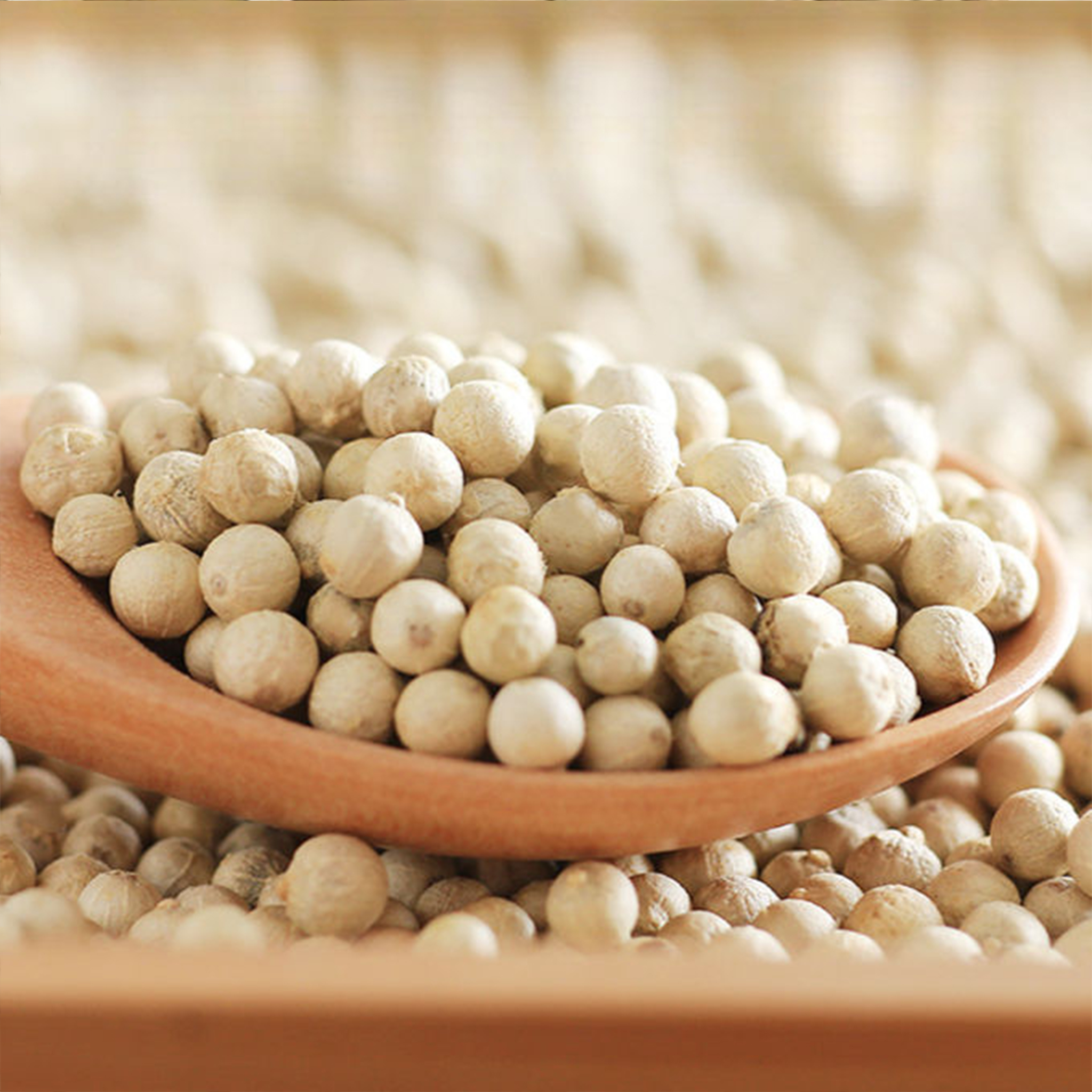
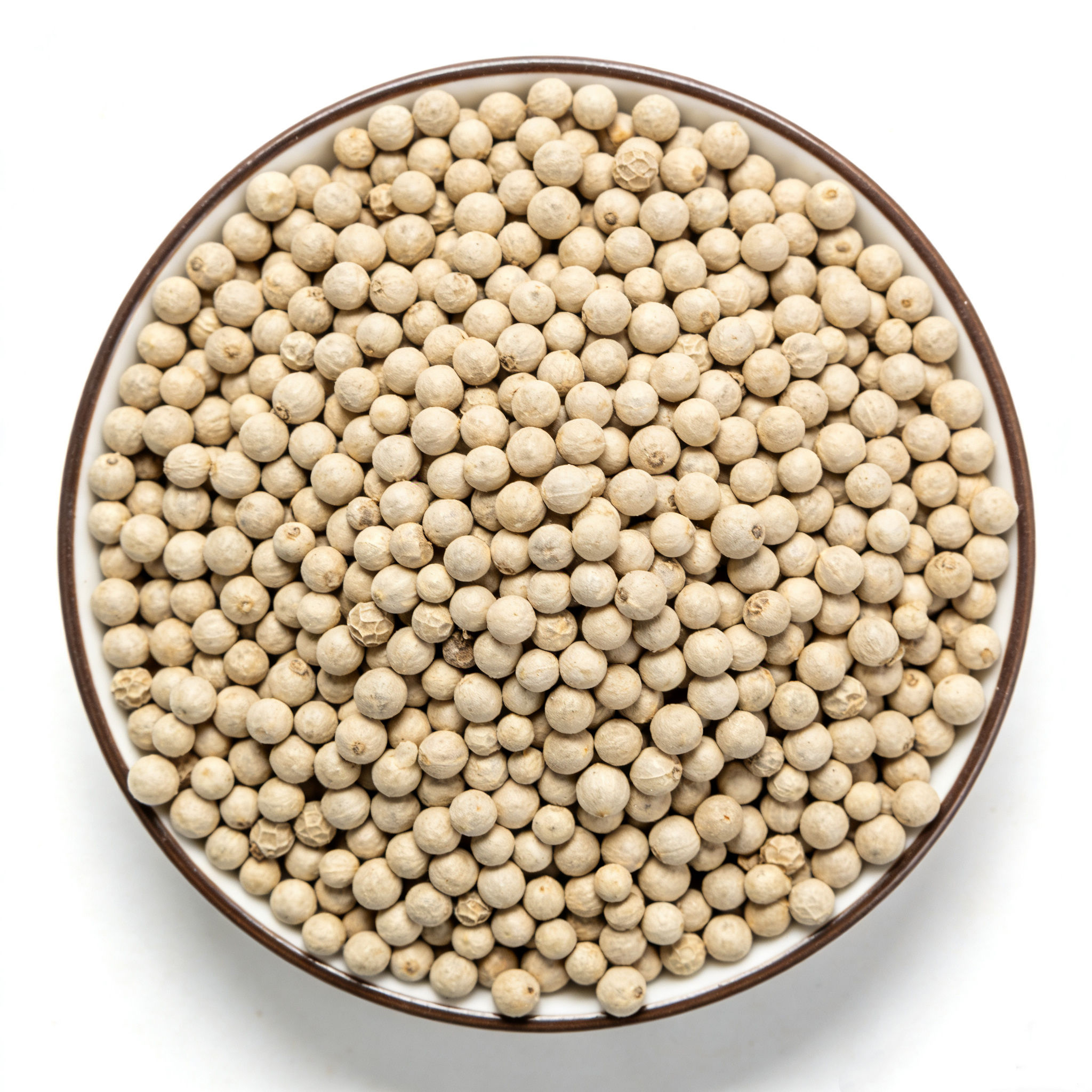
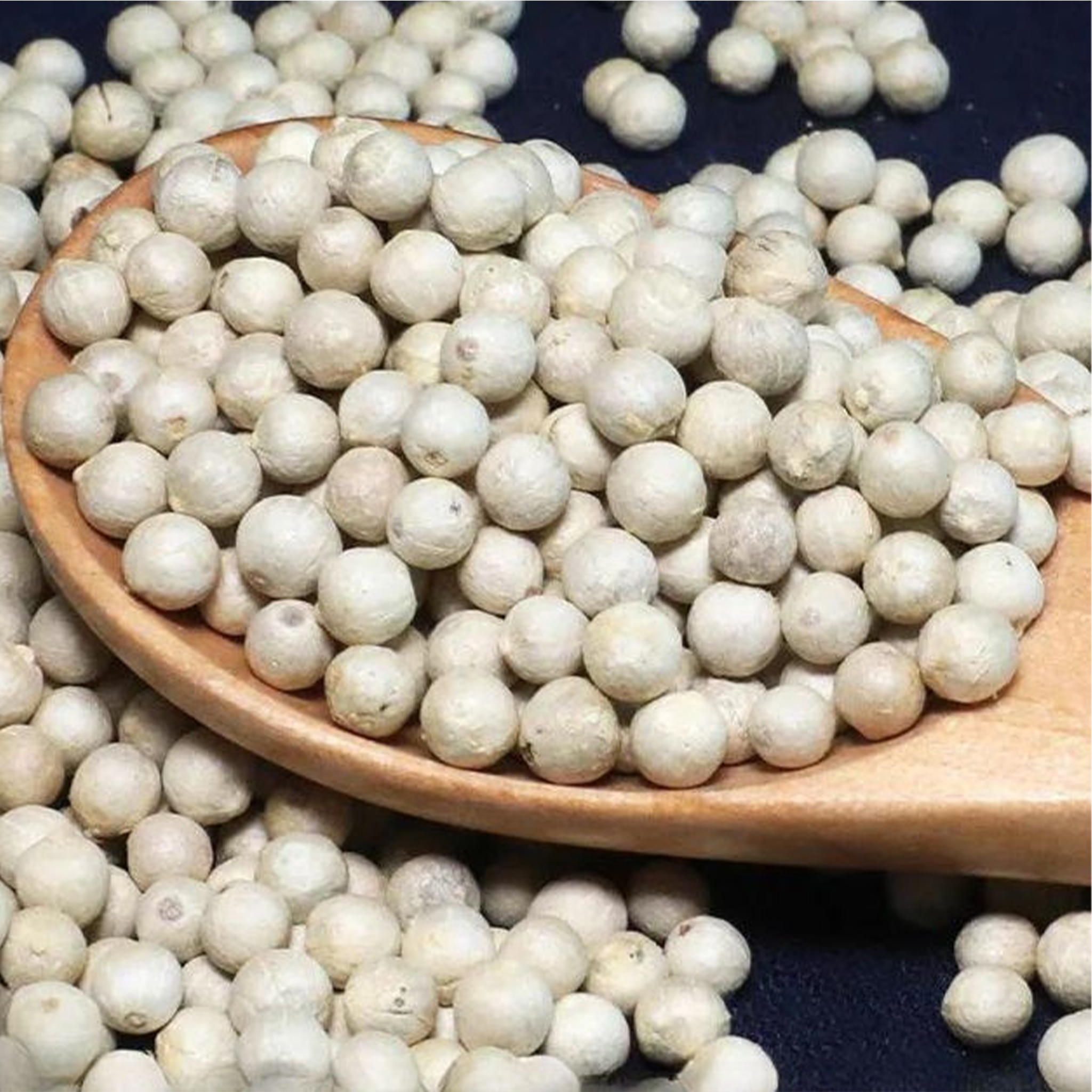
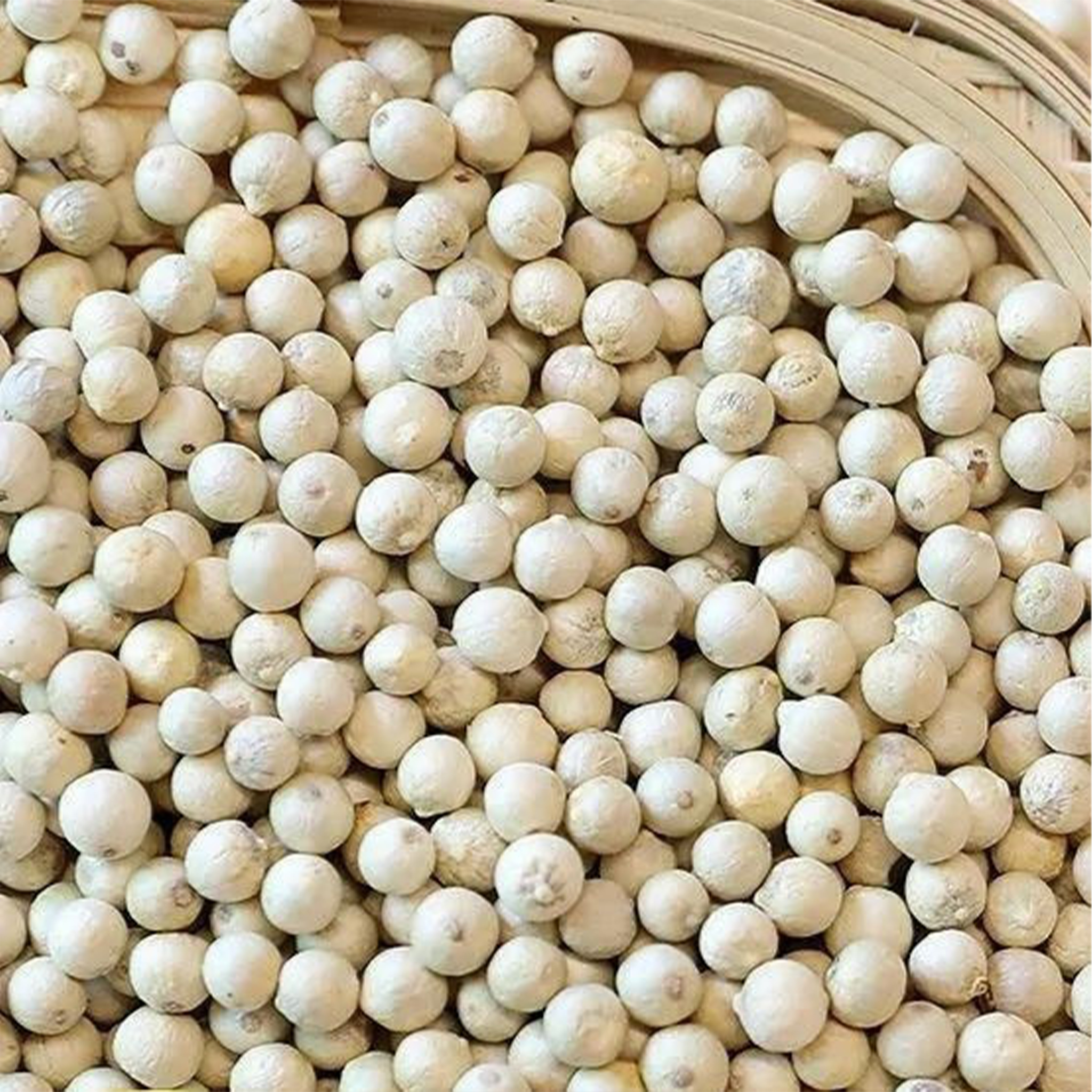
White Pepper Sourcing Guide: Odor, Cleanliness, and Processing Control
White pepper quality is decided long before the product reaches a grinder. This sourcing guide explains how professional buyers can identify odor defects, cleanliness failures, uncontrolled processing, weak microbial documentation, and unreliable suppliers before approving a commercial shipment.
A white pepper sample may look uniform, pale, and commercially attractive, yet still carry the evidence of stagnant soaking water, uncontrolled fermentation, slow drying, dirty handling, post-treatment contamination, or storage conditions that no polished certificate can explain away.
So why do buyers still approve white pepper from photographs and a one-page COA?
I think the answer is uncomfortable: visual grading is easy, while investigating the processing history takes work. A supplier can adjust lighting for a photograph. They cannot easily fake a coherent record showing retting duration, water management, drying conditions, pathogen reduction, post-kill segregation, laboratory sampling, and lot-level traceability.
That is where serious white pepper sourcing begins.
Buyers evaluating bulk white pepper from a commercial supplier should treat appearance as one data point, not the verdict. White pepper is produced from ripe fruits of Piper nigrum after the outer pericarp is removed. How that skin is removed determines far more than color.
It affects odor. It affects volatile compounds. And it affects microbial risk.
White Pepper Sourcing Starts With Process History
White pepper wholesale purchasing is often reduced to five familiar questions:
What is the origin?
What is the price per kilogram?
Is the color white enough?
What is the moisture level?
Can the supplier provide a COA?
Those questions are not useless. They are simply incomplete.
My first question is different: How did this lot become white pepper?
A professional white pepper supplier should be able to explain whether the pepper was processed through traditional water retting, controlled immersion with scheduled water replacement, steam-assisted peeling, mechanical peeling, or a combined method. The answer should include measurable parameters rather than phrases such as “traditional processing” or “advanced technology.”
The distinction is not academic. A 2024 study in Foods examined manual immersion periods of 5, 7, and 10 days, mechanical peeling speeds of 30, 45, and 60 r/min, and steam pretreatment periods of 15, 20, and 25 minutes. The researchers identified 20 volatile compounds—13 monoterpenes and 7 sesquiterpenes—and found that processing conditions changed the final volatile profile. The full white pepper processing study is available here.
That is real processing control.
“Water-processed” is not.
The Four Records I Request First
Before discussing a container order, I would request:
A process-flow diagram covering raw pepper intake, ripening, peeling, washing, drying, cleaning, treatment, grading, and packing.
The actual peeling or retting parameters used for the offered lot.
A lot-specific COA connected to a production date and batch code.
A retained physical sample representing the shipment.
These records should agree with each other. If the sample is labeled Lot WP-260615, the COA, production log, treatment record, packaging list, and commercial invoice should all point back to WP-260615.
A generic annual laboratory report is not lot evidence.
White Pepper Odor Is a Manufacturing Signal
White pepper naturally has a different sensory profile from black pepper. It can be earthy, musky, fermented, warm, and sharply pungent. That does not mean every aggressive odor is acceptable.
There is a line.
Clean white pepper odor should be recognizable as peppery and characteristic without becoming fecal, sewage-like, swampy, excessively sour, moldy, rancid, or chemically tainted. When buyers call all unpleasant notes “normal white pepper smell,” they give weak processors permission to ship defects.
The 2024 Foods study found that 3-carene and D-limonene were the main aroma contributors. Across the tested samples, 3-carene contributed at least 55% of the calculated flavor effect, while D-limonene contributed about 21%. β-caryophyllene, α-pinene, p-cymene, and α-copaene also helped distinguish processing treatments.
These compounds are not marketing vocabulary. They are evidence that processing can change aroma chemistry.
The same study reported that prolonged river soaking can create foul odors, water pollution, and higher microbial counts. Its controlled experiments also found that pepper immersed for 5 days produced a slightly better flavor profile than samples immersed for 7 or 10 days, while mechanical peeling at 45 r/min produced a profile similar to 7-day manual immersion.
Does that mean every supplier should use exactly 5 days or 45 r/min?
No.
It means the supplier should know its validated operating window and be able to explain why it works for its raw material, equipment, water system, climate, drying method, and customer specification.
Build an Odor Standard Before the Shipment Leaves
“Normal aroma” is a weak specification because two people can interpret it differently.
I prefer a retained-reference system:
Approve a pre-shipment reference sample.
Evaluate whole peppercorns and freshly ground material.
Use clean, odor-neutral grinders and containers.
Compare the offered lot against the approved reference.
Record the result with named defect categories.
Keep both supplier and buyer retention samples.
A simple internal score can help:
0: Clean, characteristic white pepper aroma
1: Minor variation, commercially acceptable
2: Noticeable fermented or earthy note requiring review
3: Strong off-note; place lot on hold
4: Severe swampy, fecal, moldy, or rancid odor
5: Immediate rejection
This is not an international legal scale. It is a buyer-control tool. The important part is consistency.
For a 20,000 kg order, a discount of $0.20 per kilogram saves $4,000. That sounds attractive until the lot fails sensory approval and the buyer pays for warehouse holds, resampling, laboratory testing, repacking, demurrage, or disposal.
Cheap odor gets expensive.
Cleanliness Means More Than a Pale Surface
Clean-looking pepper lies.
White pepper cleanliness should cover visible foreign matter, hidden contamination, microbiological status, chemical hazards, storage hygiene, and the possibility of recontamination after treatment. Color cannot answer those questions.
The FDA has described pathogens and filth in spices as a systemic problem. In its spice risk assessment, the agency examined shipments from 79 countries and found Salmonella-contaminated shipments from 37 of them. Spice imports offered for U.S. entry during fiscal years 2007–2009 showed an estimated Salmonella prevalence of about 6.6%, while approximately 12% were adulterated with filth such as insects and animal hair. The FDA spice-safety findings can be reviewed here.
FDA later collected 7,249 retail spice samples, including white pepper, black pepper, paprika, cumin, coriander, oregano, basil, garlic, curry powder, sesame seed, and capsicum. Retail prevalence was lower for most categories than the estimated import-level prevalence, a result consistent with the application of pathogen-reduction treatments after import.
That finding matters for sourcing. An untreated agricultural ingredient and a validated ready-to-use spice are not commercially equivalent.
Cleaned: Physical foreign material has been reduced.
Tested: A laboratory examined defined samples for defined parameters.
Treated: A validated pathogen-reduction process was applied.
One claim does not automatically prove the others.
Physical Cleanliness Controls
For whole white pepper, I would ask about:
Receiving inspection
Destoning or density separation
Aspiration
Sieving
Magnetic separation
Visual sorting
Metal detection
Packaging integrity
Pallet and warehouse hygiene
A sieve can remove material larger or smaller than its aperture. It cannot prove the absence of Salmonella. A magnet can capture ferrous metal. It cannot remove stones, stainless-steel fragments, mold metabolites, or pesticide residues.
Controls must be layered.
Microbiological Cleanliness Controls
At minimum, the purchase specification should identify:
Salmonella requirement
Escherichia coli requirement where applicable
Total aerobic microbial count
Yeast and mold limits
Sampling method
Analytical method
Laboratory identity
Lot number
Test date
Release authority
Do not copy microbiological limits from another company’s specification without checking the destination market, customer use, processing status, and whether the pepper will enter a ready-to-eat product.
The site’s guide to quality standards for herbs and export ingredients provides a useful framework for connecting microbiological, chemical, identity, and documentation requirements rather than treating the COA as an isolated sheet of numbers.
The Recall Data Buyers Should Not Ignore
The spice industry has already paid for weak controls.
A CDC investigation connected contaminated imported black and red pepper used on ready-to-eat salami with 272 illnesses across 44 states and the District of Columbia between July 2009 and April 2010. Twenty-six percent of patients with available information were hospitalized. Approximately 1.3 million pounds of salami were initially recalled, followed by expansions of about 17,000 and 115,000 pounds. The CDC outbreak investigation documents the complete chain of events.
Investigators found the outbreak strain in 29% of tested black pepper samples and Salmonella in 9% of tested red pepper samples intended for production. CDC also reported that eight spice-associated Salmonella outbreaks from 1973 through 2009 caused 1,656 illnesses and noted that a 2008 outbreak had been associated with ground white pepper.
This was not a theoretical hazard model. People became ill.
And the commercial damage spread beyond the first supplier. The investigation triggered recalls involving spice suppliers, meat products, downstream recipients, and multiple lots.
A May 2024 Reuters analysis found that one major Indian spice producer had experienced an average U.S. shipment-rejection rate of 14.5% since 2021 because of bacterial findings. Between October 2023 and May 3, 2024, 13 of 65 shipments—about 20%—were rejected after Salmonella checks. The manufacturer maintained that its products were safe, but the case still demonstrates how repeated border failures can become a public commercial story. Reuters published the shipment analysis here.
My opinion is blunt: a low quotation is not a procurement victory when the supplier’s control system transfers the inspection, rejection, and reputation risk to the buyer.
Processing Methods: What Buyers Gain and Risk
There is no magic peeling method. Every process creates a different control problem.
Faster skin loosening and potential microbial reduction
Excessive heat may change aroma, color, or essential-oil retention
Steam time, temperature, load size, validation study, post-process handling
Separate pathogen-reduction treatment
Better control of Salmonella and overall microbial load
Recontamination after treatment or undisclosed processing
Treatment certificate, validated parameters, post-kill zoning, lot segregation
The research data provide useful reference points, but they are not a universal factory recipe. The 2024 study found that 15 minutes of steaming followed by mechanical peeling produced an aroma profile comparable to pepper manually peeled after 7 or 10 days of immersion. Extending steaming beyond 15 minutes caused more distinguishable flavor changes in the tested material.
A supplier using 20 or 25 minutes is not automatically wrong. But the supplier should have sensory, chemical, or process-validation evidence showing that the longer treatment works for its product.
Kill Steps Must Be Named, Not Implied
When a salesperson says the white pepper is “sterilized,” I ask for the noun and the numbers.
Was it treated with saturated steam, vacuum steam, dry heat, irradiation, or another approved method? What load size was validated? What were the treatment date, dose or time-temperature parameters, target organism, log-reduction objective, and post-treatment controls?
FDA made the supply-chain issue explicit in a November 6, 2023 warning letter to a ready-to-eat seasoning manufacturer. The agency identified white pepper, onion powder, garlic powder, paprika, cayenne pepper, and celery powder as ingredients associated with bacterial pathogens such as Salmonella. It also identified white pepper, cayenne, and paprika as ingredients associated with mycotoxin hazards. The FDA warning letter is available here.
The letter criticized the absence of an adequate supply-chain program, approved-supplier controls, verification activities, and a complete food-safety plan. FDA further stated that, when Salmonella in a ready-to-eat seasoning is a hazard capable of causing serious adverse health consequences or death, an annual onsite supplier audit is the appropriate verification activity unless another written determination is justified.
That is the hard truth: supplier approval cannot be outsourced to the COA.
The White Pepper Specification I Would Use
A useful white pepper specification must tell the supplier what is acceptable, how compliance will be measured, and what happens after a failure.
Specification area
Weak wording
Stronger buyer wording
Product identity
White pepper
Whole dried white peppercorns from Piper nigrum L.; agreed origin and crop period
Appearance
Cream white
Representative approved color range; free from abnormal discoloration and visible mold
Odor
Normal
Characteristic pungent white pepper odor; no sewage-like, fecal, moldy, rancid, chemical, or other abnormal note
Processing
Water processed
Supplier must declare peeling method, immersion duration, water-management method, drying process, and pathogen-reduction treatment
Foreign matter
Clean
Maximum limits and inspection method defined for stones, stalks, fibers, insects, extraneous seeds, and metal
Microbiology
Pass
Named organisms, numerical limits, sample unit, test method, laboratory, and acceptance rule
Moisture
Standard
Agreed maximum measured by a named analytical method
One-step-back and one-step-forward records tied to raw input, process lot, packing date, COA, and shipment
Failure action
Contact supplier
Buyer may hold, resample, retest, reject, recondition, or claim documented costs under agreed conditions
The exact numerical limits should be written for the destination market and end use. Whole pepper sold to a grinder, ground pepper used in a cooked sauce, and treated pepper added to a ready-to-eat seasoning do not carry identical exposure conditions.
Your agreement should also identify who pays for referee testing when results conflict.
Otherwise, every failure becomes an argument.
How to Audit a White Pepper Supplier
A professional supplier audit should follow the pepper, not the presentation slides.
Start at Raw Material Intake
Check whether the supplier records:
Farm, collector, or upstream supplier
Country and region of origin
Crop or receipt date
Raw-material condition
Pest evidence
Mold evidence
Moisture status
Supplier approval
Intake lot code
Then trace one lot forward.
The site’s guide to batch control from farm to finished product is useful here because traceability should connect physical material movement with records, retained samples, processing dates, COAs, and shipment documents.
Inspect the Retting and Peeling Area
Ask uncomfortable questions:
Is potable or otherwise suitable process water used?
Are tanks cleaned between lots?
Is soaking time recorded or estimated?
How often is the water replaced?
Can mixed lots enter the same tank?
Is manual foot trampling used?
How are workers, footwear, tools, and floors controlled?
Where does wastewater go?
How are peel residues removed?
The smell of the processing area tells you something. Records tell you more.
Follow the Product Through Drying
Slow or uneven drying can preserve the damage created during retting. Check dryer loading, bed depth, turning frequency, temperature measurement, final-moisture testing, cooling, and the time between drying and bagging.
Do not allow hot pepper to be sealed immediately in moisture-barrier packaging without a controlled cooling step. Condensation does not care about the shipping deadline.
Verify Post-Kill Segregation
Treated pepper should not cross paths with untreated raw material, dirty pallets, shared scoops, unclean conveyors, uncontrolled air, or workers moving freely between hygiene zones.
Look for:
Physical zoning
One-way material flow
Dedicated tools
Cleaning records
Environmental monitoring where relevant
Packaging-room controls
Treatment-status labels
Hold-and-release procedures
A certificate from the treatment subcontractor does not prove that the lot stayed clean afterward.
The Supplier Questions That Expose Weak Systems
Ask these before requesting the final price:
How many days was this lot immersed?
Was the water stagnant, replaced, or continuously flowing?
What measurable endpoint determines completion of retting?
Was peeling manual, mechanical, steam-assisted, or combined?
What treatment was used to reduce Salmonella risk?
Where was the pepper packed after treatment?
Can you show raw and post-treatment microbiological trends?
How many incremental samples formed the laboratory composite?
Does the COA refer to the offered shipment or another production lot?
How quickly can you trace the lot back to its raw-material sources?
What happens when a lot fails odor inspection?
Can the buyer receive a sealed retention sample before shipment?
Strong suppliers answer in process language.
Weak suppliers answer with adjectives: premium, natural, clean, selected, traditional, export quality, and guaranteed.
Adjectives are cheap.
Records cost money.
FAQs
What causes the unpleasant odor in white pepper?
Unpleasant white pepper odor is an off-note created or intensified by uncontrolled retting, decomposing fruit material, stagnant or contaminated water, excessive soaking time, slow drying, microbial activity, oxidation, poor storage, or cross-contamination, rather than a defect that can be judged accurately from the pepper’s pale color alone.
Some earthy or fermented character is normal. Sewage-like, fecal, swampy, moldy, rancid, or chemical odors should trigger a hold and comparison against an approved retained sample.
How do I source high-quality white pepper?
High-quality white pepper sourcing is a documented purchasing process that verifies ripe-fruit origin, peeling method, retting duration, drying control, sensory acceptance, foreign-matter limits, pathogen reduction, lot-specific laboratory results, and traceability before the buyer approves price, shipment, or release for commercial use.
Start with a representative sample and process records. Do not approve a container solely from photographs, a generic COA, or a supplier’s claim that the product is “export grade.”
What is the best white pepper processing method?
The best white pepper processing method is the validated combination of peeling, washing, drying, cleaning, microbial treatment, and post-treatment handling that consistently meets the buyer’s odor, flavor, color, cleanliness, safety, legal, environmental, and cost requirements without relying on an uncontrolled soaking period or undocumented manual practice.
Controlled water retting can preserve familiar sensory characteristics, while mechanical or steam-assisted peeling can reduce time and water dependence. The supplier must prove consistency for its specific process.
What should a white pepper COA include?
A white pepper certificate of analysis is a lot-specific laboratory and release document identifying the product, batch, sampling date, test date, analytical methods, moisture result, microbiological results, relevant chemical or contaminant results, specification limits, pass-or-fail status, laboratory identity, and authorized approval connected to the shipment being purchased.
A COA should not replace the process record, treatment certificate, supplier audit, traceability file, or physical inspection. It reports selected test results from selected samples.
How can I verify a white pepper supplier?
White pepper supplier verification is a risk-based review of the company’s raw-material controls, processing parameters, hygiene, pathogen-reduction method, laboratory program, traceability, complaint history, recall readiness, documentation accuracy, and ability to reproduce the approved sample across commercial lots rather than merely provide certificates or attractive factory photographs.
Begin with document review, then use a remote or onsite audit. Finally, trace one real lot from incoming pepper through processing, testing, packing, and shipment.
Is white pepper safe without steam treatment or irradiation?
Untreated white pepper is not automatically unsafe, but it carries an agricultural-ingredient risk that must be evaluated through supplier controls, intended use, representative microbiological testing, destination-market requirements, and any validated downstream lethality step rather than through an unsupported assumption that drying or normal cooking will always eliminate contamination.
For ready-to-eat uses, I would require a clearly documented pathogen-control strategy. “The customer will cook it” is not a suitable answer when the pepper enters a product that may not receive an adequate heat treatment.
Your Next Step: Demand a Lot-Level Evidence Pack
Do not begin your next white pepper negotiation with “What is your best price?”
Begin with evidence.
Request a representative sample, processing-flow diagram, declared retting and peeling method, odor standard, lot-specific COA, pathogen-reduction record, post-kill handling summary, packaging specification, and traceability example.
Then compare the documents.
For private-label, custom mesh, grinding, blending, bilingual labeling, or export documentation, review the available custom herbal and spice manufacturing options and submit the intended application, destination country, annual volume, microbiological requirements, packaging format, and target delivery schedule.
The buying decision is simple once the evidence is visible.
A reliable white pepper supplier can explain exactly how the lot was made, cleaned, treated, tested, packed, and traced.
Our low MOQ of 1 kg (2.2 lb) makes it easy to order Chinese herbal slices or wholesale Chinese medicine herbs. Private-label and bilingual labeling are also available.
Delivery Cycle & Support
We have a fast 7-day lead time. We provide free samples, COA reports, and technical support to help you bring high-quality bulk Chinese herbs to market.
Quality & Certifications
Our products are manufactured in a GMP-certified facility and meet ISO22000 standards. All Chinese herbs are third-party tested for heavy metals, pesticides, and microorganisms.