Bay Leaf Wholesale Guide: Color, Breakage, and Aroma Retention
Wholesale bay leaf quality cannot be judged by color alone. This guide shows professional buyers how to evaluate botanical identity, whole-leaf ratio, breakage, aroma strength, drying history, packaging, food safety, and batch documentation before approving a commercial shipment.
A bright-looking shipment may have been photographed under flattering light, mixed with a better grade at the surface, or stored long enough to lose much of its aroma while retaining just enough color to impress an inexperienced purchasing team.
So what are you actually buying?
In the bay leaf wholesale trade, buyers are not merely purchasing dried leaves. They are buying botanical identity, usable whole-leaf yield, visual consistency, volatile-oil retention, microbial risk control, packaging performance, and evidence that the commercial lot matches the sample.
That distinction matters. A lot that appears cheap can become expensive after breakage, fines, weak aroma, repacking, production rejects, and customer complaints are counted.
My position is blunt: never approve bulk bay leaves from a photograph and a generic Certificate of Analysis. Approve a written specification, a representative sample, and a traceable batch.
The Real Product Is Laurus nobilis, Not “Something Called Bay”
Identity comes first.
True Mediterranean bay leaf is Laurus nobilis L., a member of the Lauraceae family. But several unrelated plants are also sold under names containing “bay” or “laurel.” The University of Wisconsin notes that California laurel, Umbellularia californica, and the bay rum tree, Pimenta racemosa, are different plants from true sweet bay.
That is not botanical trivia. Different species can produce different leaf dimensions, flavors, volatile profiles, regulatory classifications, and safety considerations.
A professional purchase order should state at least:
Botanical name: Laurus nobilis L.
Plant part: dried leaf
Commercial form: whole, broken, cut, or ground
Country or region of origin
Harvest or production year
Treatment status
Batch or lot number
Intended application
The international reference is ISO 6576:2004 for whole and ground laurel leaves. ISO states that the standard covers Laurus nobilis leaves for wholesale purposes and includes recommendations concerning storage and transport. It was reviewed and confirmed again in 2025, so the 2004 edition remains current.
Buyers evaluating Chinese supply can compare commercial offers against the site’s Bay Leaf (Xiang Ye) wholesale product specification, which identifies the product as Laurus nobilis and places it within the dried-spice category.
No Latin name? Stop.
A dried bay leaves supplier that cannot put the species name, origin, lot code, and product form on one document has not earned the right to discuss “premium grade.”
Bay Leaf Color Quality Is Evidence, Not a Verdict
Buyers love green leaves because green is easy to photograph and easy to explain to retail customers. But color is only a screening signal.
It is not proof of freshness.
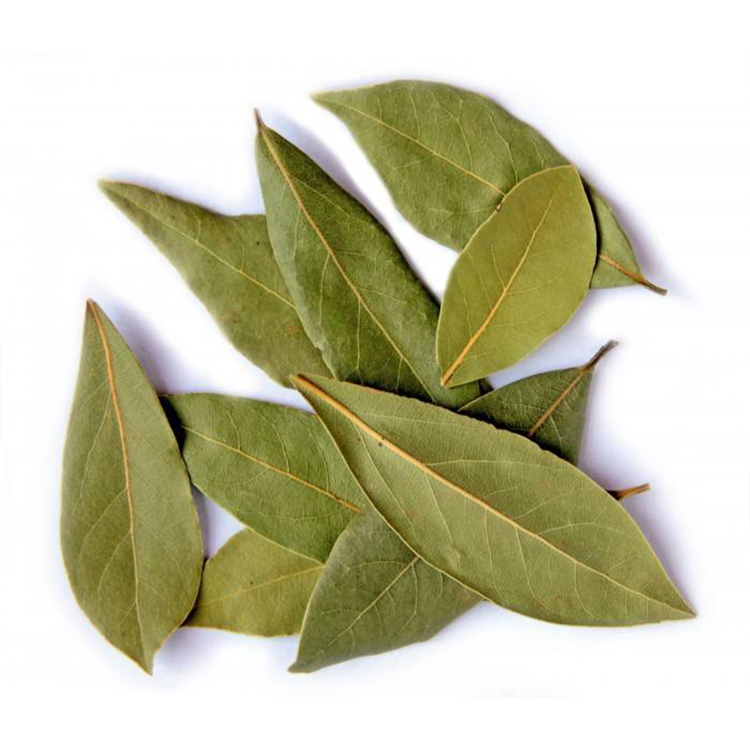
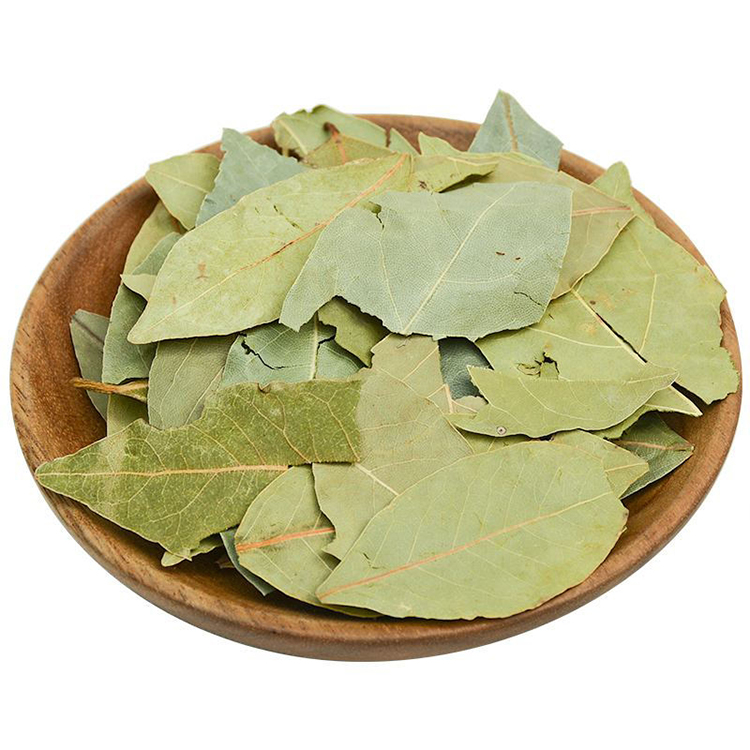
Healthy dried Laurus nobilis leaves commonly retain an olive-green, pale-green, blue-green, or gray-green appearance rather than a vivid artificial green. North Carolina State University describes the living leaf as leathery and ranging from green to blue-green or silvery gray-green.
During drying and storage, chlorophyll changes, surface oils move, tissues become brittle, and color gradually shifts. Heat, oxygen, light, humidity, harvest maturity, drying speed, and storage time can all influence the final appearance.
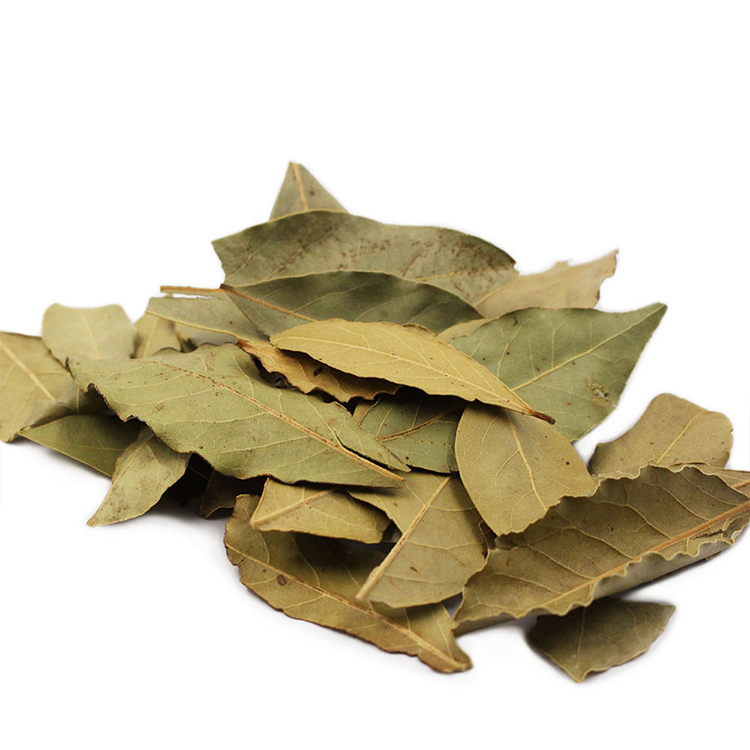
The site’s detailed guide to bay leaf color stability and handling signals makes the right distinction: pale-green whole leaves can suggest better handling, while yellow-brown, brittle, fragment-heavy material may indicate age, heat exposure, rough transport, or poor storage. But color must still be checked against odor, moisture, breakage, and lot records.
What Different Colors Should Trigger
Observation during inspection
Possible explanation
What the buyer should verify
Consistent olive or pale green
Controlled drying and limited light exposure
Aroma, harvest date, moisture and storage history
Mixed green and brown leaves
Mixed maturity, mixed crop years or uneven drying
Lot uniformity and whether batches were blended
Yellow-brown leaves
Aging, oxidation, high drying temperature or warm storage
Volatile aroma, production date and warehouse logs
Dark spots or irregular blackening
Physical damage, moisture exposure or plant blemishes
Mold inspection, water activity and foreign matter
Unnaturally vivid green
Lighting, image editing or possible undeclared treatment
Physical retained sample and treatment declaration
Dull gray leaves with little odor
Long storage or severe volatile loss
Sensory comparison with an approved reference sample
Green leaves that crumble immediately
Excessive dryness or rough handling
Moisture, packing density and broken-leaf percentage
These are investigative signals, not automatic pass-or-fail rules.
A green leaf with a weak odor may be commercially inferior to a slightly duller leaf that still releases a clean, strong, characteristic fragrance. Buyers who reward color without measuring aroma encourage suppliers to optimize appearance instead of performance.
I would inspect every sample under the same neutral lighting, against the same background, with an approved reference lot beside it. Phone photographs should support that inspection, not replace it.
Why let camera settings write your quality standard?
Breakage Is a Hidden Discount Taken From the Buyer
Broken bay leaves are not automatically defective. Their commercial value depends on the final application.
Whole leaves are normally preferred for retail jars, restaurant packs, premium culinary kits, garnish-sensitive products, and brands whose customers expect recognizable leaves. Broken material may work perfectly well in seasoning blends, extraction, food-service sachets, soup bases, herbal blends, or products that will be milled later.
But the price must reflect the form.
This is where negotiations often become dishonest. The seller quotes a whole-leaf grade, the top of the sample looks excellent, and the commercial bags arrive with a heavy layer of fragments and fines at the bottom.
A practical buyer specification can separate the shipment into three fractions:
Whole leaves: Leaves that retain the main blade and remain suitable for the intended retail or food-service presentation.
Broken leaves: Recognizable leaf sections that have lost a defined portion of the blade but are still larger than the agreed minimum size.
Fines: Small particles, crumbs, dust, stem fragments, and material passing through the buyer’s agreed sieve.
Do not write “mostly whole.”
Write numbers.
The following ranges are commercial starting points, not quotations from ISO 6576:
Intended use
Suggested whole-leaf target
Suggested broken-leaf cap
Suggested fines cap
Premium retail jars
90% or more
8% or less
2% or less
Standard retail or food service
80% or more
15% or less
3% or less
Industrial seasoning blends
Application-specific
Application-specific
Usually tightly controlled
Milling or extraction
Whole ratio may be less important
Permitted by contract
Controlled to prevent dust and yield disputes
The correct limits depend on leaf size, packing method, destination, transport route, and the buyer’s processing line.
Whole vs Broken Bay Leaves Is an Economic Decision
Suppose a 10,000-kilogram order contains eight percentage points more breakage than the approved specification. That represents 800 kilograms of downgraded material.
The leaves may still be usable. But usable is not the same as worth the contracted price.
Breakage can increase:
Sorting labor
Retail filling variation
Dust extraction requirements
Rejected finished packs
Complaint rates
Flavor inconsistency
Warehouse cleanup
Production loss during conveying
And breakage usually accelerates during shipment. Overfilled bags, compressed cartons, weak corrugated cases, excessive headspace, repeated pallet movement, and container vibration can turn an acceptable pre-shipment lot into a disappointing arrival lot.
For delicate leaves, the packaging specification is part of the product specification.
Aroma Retention Is Where the Expensive Truth Hides
Smell the sample.
Bay leaf value is closely connected to its volatile compounds, including 1,8-cineole, α-terpinyl acetate, sabinene, α-pinene, β-pinene, and related aromatic constituents. Their proportions vary by origin, plant condition, harvest timing, drying method, and analytical method.
The aroma is not a vague luxury feature. It is chemical inventory.
A 2011 drying study indexed by the FAO AGRIS agricultural research database compared shade drying at 25°C with oven drying at 30°C, 40°C, and 50°C. The researchers reported essential-oil yields of 1.47% at 40°C, 1.41% at 30°C, 1.31% for shade drying, and 1.22% at 50°C. The 40°C treatment also produced the highest measured 1,8-cineole proportion, at 61.0%.
That result does not mean every supplier should dry every crop at exactly 40°C. Equipment, airflow, loading depth, leaf maturity, initial moisture, and drying duration differ.
It does prove something commercially important: drying temperature changes the oil result. “Sun-dried” or “machine-dried” is not enough information for a serious aroma-retention discussion.
The University of Wisconsin also notes that mature bay leaves can be used fresh and that their oils become more concentrated after drying. Yet drying alone does not guarantee a strong commercial lot. Poorly controlled drying can remove moisture while also losing the volatile compounds the buyer actually wants.
Dry is not enough.
A Simple Comparative Aroma Test
Aroma inspection does not need to become theater. It does need consistency.
For internal lot comparison, I would use the following controlled method:
Take equal-weight samples from the candidate lot and the approved reference lot.
Place each sample in identical clean glass jars.
Break the same number of leaves immediately before evaluation.
Close the jars for a fixed period, such as ten minutes.
Evaluate both samples at the same room temperature.
Record aroma intensity, cleanliness, characteristic bay notes, stale notes, mustiness, smoke, chemical odor, and foreign-odor transfer.
Use at least two trained assessors when the decision affects a full shipment.
This is an internal comparative test, not a replacement for gas chromatography or a validated laboratory method. Its value comes from repeatability.
A buyer can also prepare a controlled hot-water infusion when the final use is soup, sauce, tea, or broth. Use the same leaf weight, water volume, temperature, steeping time, and vessel for every lot.
The worst sensory method is the one I see most often: one person opens a shipping bag, takes a quick sniff in a busy warehouse, and writes “aroma good.”
That proves almost nothing.
How to Store Bay Leaves to Retain Aroma
Bay leaf aroma retention depends on limiting exposure to heat, oxygen, light, moisture fluctuations, pests, and foreign warehouse odors.
Cool, dark, dry, sealed.
The storage room should not smell of detergent, coffee, essential oils, chemicals, garlic, smoke, or another strongly aromatic ingredient. Dried leaves can exchange odors with their environment, especially when inner liners are thin, damaged, or repeatedly opened.
For bulk bay leaves, I prefer:
A clean food-contact inner liner
Strong outer bags or cartons that resist puncture
Low unnecessary headspace
Protection from direct sunlight
Stable warehouse temperature
Controlled humidity
Sealed containers after every sampling event
FEFO rotation based on production and approved shelf-life data
Pallets kept away from walls and floors
Lot labels visible without opening the primary pack
Do not blindly copy a generic shelf life from another spice.
The correct shelf life should be supported by the supplier’s packaging format, storage conditions, sensory data, moisture results, microbial program, and retained samples. Whole leaves generally protect their aromatic compounds better than pre-ground material because grinding greatly increases exposed surface area, but a badly stored whole leaf can still become flat.
The site’s farm-to-finished-batch traceability guide describes the operational controls buyers should expect: linked lot codes, drying records, warehouse zoning, FEFO rotation, packaging reconciliation, and the ability to trace raw material backward and finished shipments forward.
That is what aroma protection looks like on paper.
Food Safety Does Not Disappear Because the Product Is Dry
Dry spices can carry pathogens.
The warning here is category-level rather than bay-leaf-specific, but no professional buyer should ignore it. According to the FDA’s spice safety assessment, imported spice shipments tested during fiscal years 2007–2009 showed an estimated 6.6% Salmonella prevalence—roughly twice the rate for other imported FDA-regulated foods. About 12% of spice shipments examined during that period were adulterated with filth such as insects or animal hair.
The FDA later collected 7,249 retail samples across 11 spice categories and found Salmonella prevalence was significantly lower at retail for most tested categories than at import, partly reflecting treatment and controls applied after entry.
A bay leaf procurement specification should therefore address, where relevant to the destination market and intended use:
Salmonella
Escherichia coli
Total aerobic microbial count
Yeast and mold
Pesticide residues
Heavy metals
Foreign matter
Insect contamination
Moisture
Treatment or microbial-reduction status
Allergen and cross-contact controls
Packaging integrity
Lot-specific test reports
The exact limits must match the destination market, application, customer standard, and legal route. Buyers working across food, herbal, supplement, and traditional-medicine channels can use the site’s international herbal quality standards guide to structure pesticide, metal, microbiological, storage, and documentation requirements.
A COA is useful. A recycled COA is dangerous.
Check that the document identifies the same product, botanical species, batch number, production date, test date, methods, units, laboratory, and acceptance specification as the goods being shipped.
The Bay Leaf Quality Grading Sheet I Would Send Suppliers
A strong request for quotation should make comparison easy.
Use a table like this:
Specification item
Buyer requirement
Supplier declaration
Product name
Dried bay leaf
Botanical name
Laurus nobilis L.
Plant part
Leaf
Origin
State country and region
Crop or production year
State year
Form
Whole / broken / cut
Leaf dimensions
Declare typical range
Color
Approved physical reference
Whole-leaf ratio
Buyer-defined percentage
Broken-leaf limit
Buyer-defined percentage
Fines limit
Buyer-defined percentage and sieve
Stem content
Maximum percentage
Foreign matter
Maximum percentage
Moisture
Agreed maximum and test method
Aroma
Clean, characteristic, reference-matched
Mustiness
Not permitted
Visible mold
Not permitted
Live insects
Not permitted
Microbial criteria
Market- and application-specific
Pesticide panel
Destination-market compliant
Heavy metals
Destination-market compliant
Treatment status
Steam, irradiation, untreated, or other
Inner packaging
Food-contact liner specification
Outer packaging
Bag or carton strength and net weight
Lot traceability
Required
Retained sample
Required
COA
Lot-specific
Pre-shipment sample
Must represent commercial lot
Send the same sheet to every candidate supplier.
Otherwise, one seller quotes whole leaves, another quotes mixed leaves, a third excludes sterilization, and the cheapest number wins a comparison it never deserved to enter.
How to Challenge a Dried Bay Leaves Supplier
I would ask these questions before discussing the final price:
What percentage is whole after transport?
Not before packing. After normal export handling.
Ask how the supplier defines a whole leaf, how the percentage is measured, what sample weight is used, and whether the result comes from the finished packed lot.
Was the sample hand-selected?
This question makes sales teams uncomfortable, which is exactly why it works.
The supplier should confirm that the commercial shipment will match the sample in color, size, whole-leaf percentage, aroma, cleanliness, and crop year.
How was the crop dried?
Ask for drying type, approximate temperature range, duration, loading method, moisture endpoint, and controls against contamination.
A supplier may protect proprietary details. That is fair. “We dry it properly” is not a proprietary detail; it is an empty sentence.
How is aroma protected after drying?
Look for sealed liners, controlled storage, short exposure during grading, FEFO rotation, batch segregation, and evidence that cartons are not stored beside strong-smelling products.
What happens when breakage exceeds the contract?
The purchase agreement should define inspection timing, sampling method, tolerance, evidence requirements, replacement, discount, reprocessing, or rejection.
Without a remedy clause, a specification is merely a wish.
Can the batch be traced backward?
A reliable Chinese herbal product procurement process should connect supplier qualification, identity testing, hazard analysis, lot-release criteria, records, and recall capability.
The best bay leaves for wholesale are not the leaves with the most flattering sales description. They are the leaves whose identity, physical grade, aroma, safety, packaging, and batch history can survive inspection.
FAQs
What is the best color for wholesale bay leaves?
The best color for wholesale bay leaves is a reasonably consistent natural olive-green, pale-green, blue-green, or gray-green shade that matches the agreed reference sample and is supported by clean aroma, controlled moisture, low breakage, and documented storage history. Brightness alone does not prove freshness, oil retention, safety, or superior grade.
Buyers should compare samples under standardized lighting and investigate mixed brown-green lots, unusual brightness, dark spotting, severe fading, or color that does not match the aroma. A slightly dull leaf with a strong, clean fragrance may outperform a greener but exhausted lot.
What is an acceptable broken-leaf percentage in bulk bay leaves?
An acceptable broken-leaf percentage is a buyer-defined maximum based on the final application, packaging method, transport route, and price, with “whole,” “broken,” and “fines” described by measurable size or integrity criteria. Premium retail grades generally require much tighter control than leaves intended for grinding, extraction, or industrial seasoning production.
As a commercial starting point, premium retail buyers may request at least 90% whole leaves, while standard food-service buyers may accept 80% or more. These are negotiation ranges, not universal legal limits or direct ISO requirements.
Are whole or broken bay leaves better for wholesale purchasing?
Whole bay leaves are better for premium presentation, retail jars, food-service packs, easier visual inspection, and slower aroma loss, while broken leaves can offer better value for grinding, extraction, seasoning blends, soup bases, and applications where appearance has no commercial function. The better choice is the form that matches the buyer’s process and price model.
Do not pay a whole-leaf price for a mixed lot. And do not reject correctly priced broken material when it performs well in a downstream process that destroys the leaf shape anyway.
How should buyers store bay leaves to retain aroma?
Bay leaves should be stored in sealed food-contact packaging in a cool, dry, dark, clean, odor-free area with stable humidity, protection from pests, limited oxygen exposure, and FEFO inventory rotation. Every opened package should be resealed promptly because repeated exposure to warm air, light, moisture, and foreign odors accelerates sensory deterioration.
For long-distance shipments, buyers should also specify liner integrity, outer-carton strength, pallet protection, and storage records. Ground bay leaf normally requires even stronger aroma protection because its increased surface area exposes more material to oxygen.
How can I identify a reliable bay leaf wholesale supplier?
A reliable bay leaf wholesale supplier is a company that can prove botanical identity, origin, lot traceability, whole-leaf ratio, breakage limits, moisture control, aroma consistency, treatment status, contaminant testing, packaging performance, and correspondence between the approved sample and commercial shipment. Evidence should be batch-specific rather than copied from an unrelated production run.
Ask for a representative sample, completed specification sheet, lot-specific COA, packaging details, production or crop year, traceability records, treatment declaration, and written claim procedure. Suppliers that answer measurable questions with adjectives are not ready for professional procurement.
Does greener bay leaf always have stronger aroma?
Greener bay leaf does not always have stronger aroma because visible chlorophyll retention and volatile-oil retention are influenced by overlapping but different factors, including harvest maturity, drying temperature, airflow, light, oxygen exposure, storage time, packaging, and natural origin variation. Color should therefore be treated as one inspection signal rather than a direct aroma measurement.
Approve color and aroma separately. The cleanest system is to maintain both a physical color reference and a retained sensory reference from the approved lot.
Build the Specification Before You Buy
Do not begin with “What is your best price?”
Begin with species, origin, crop year, whole-leaf percentage, broken limit, fines limit, moisture, aroma reference, microbial criteria, treatment status, packaging, traceability, and claim terms.
Then request the price.
For your next bay leaf wholesale order, send the supplier a measurable specification sheet and request a representative pre-shipment sample from the packed commercial batch. Compare that sample against your approved reference, document the result, and retain both samples until the shipment has been received and released.
Our low MOQ of 1 kg (2.2 lb) makes it easy to order Chinese herbal slices or wholesale Chinese medicine herbs. Private-label and bilingual labeling are also available.
Delivery Cycle & Support
We have a fast 7-day lead time. We provide free samples, COA reports, and technical support to help you bring high-quality bulk Chinese herbs to market.
Quality & Certifications
Our products are manufactured in a GMP-certified facility and meet ISO22000 standards. All Chinese herbs are third-party tested for heavy metals, pesticides, and microorganisms.