Mace vs Nutmeg: Why Buyers Need Separate Specifications
Mace and nutmeg are both produced by Myristica fragrans, but they are not commercially interchangeable. This guide explains why professional buyers need separate specifications, COAs, samples, contaminant limits, sensory standards, and packaging requirements for each material.
Mace and nutmeg come from the same fruit. That fact has caused an absurd amount of confusion in wholesale purchasing.
Not the same.
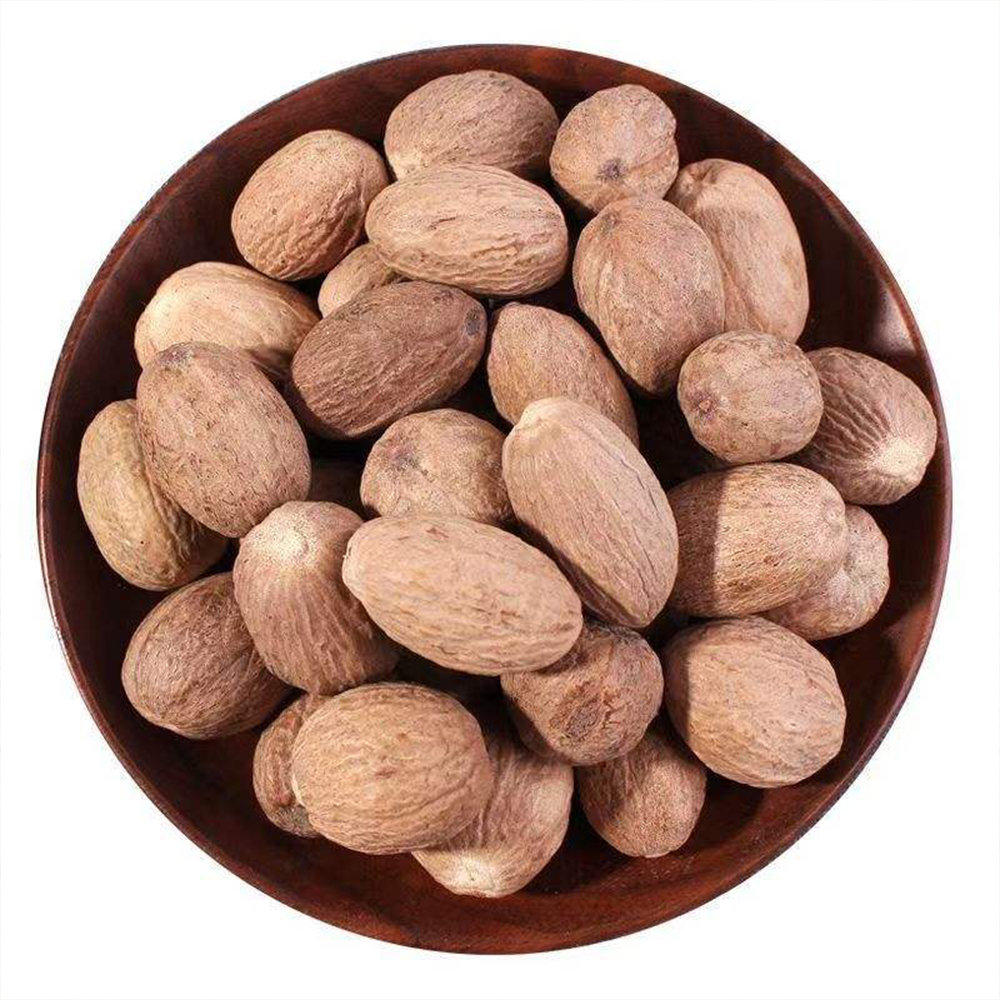
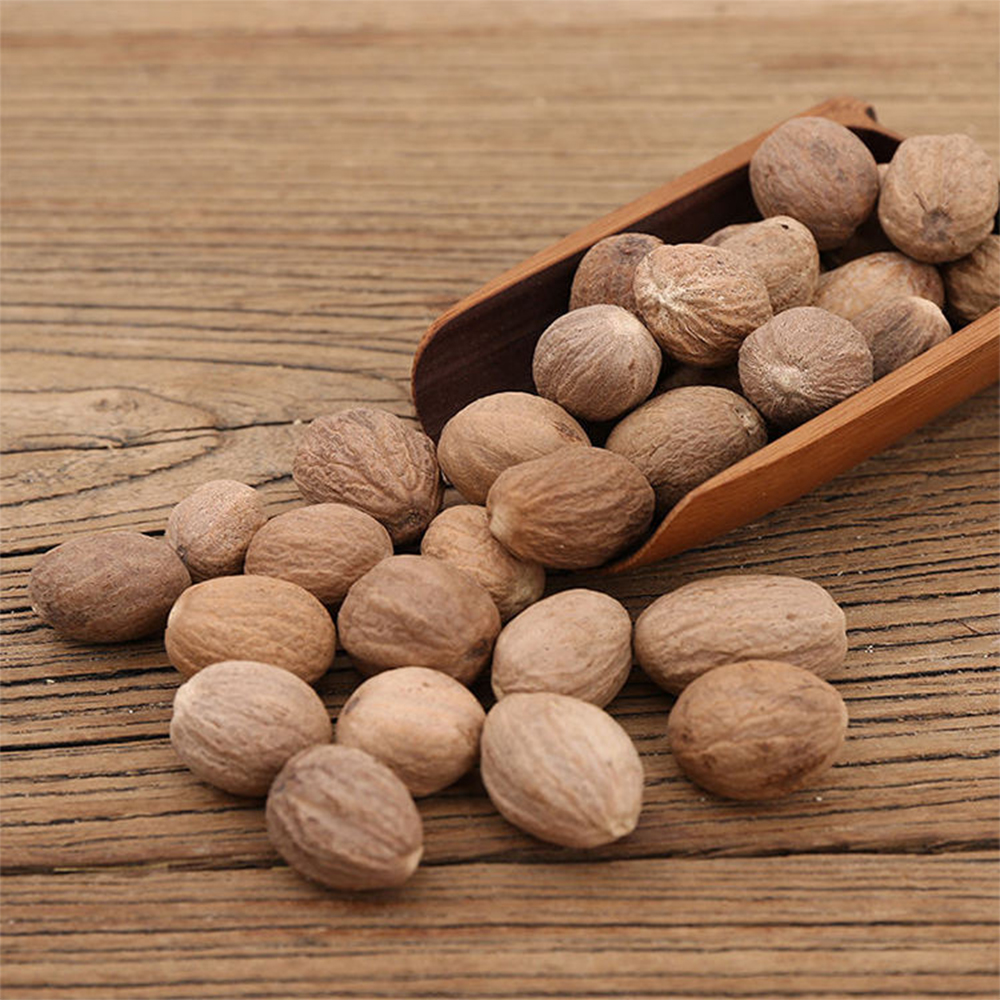
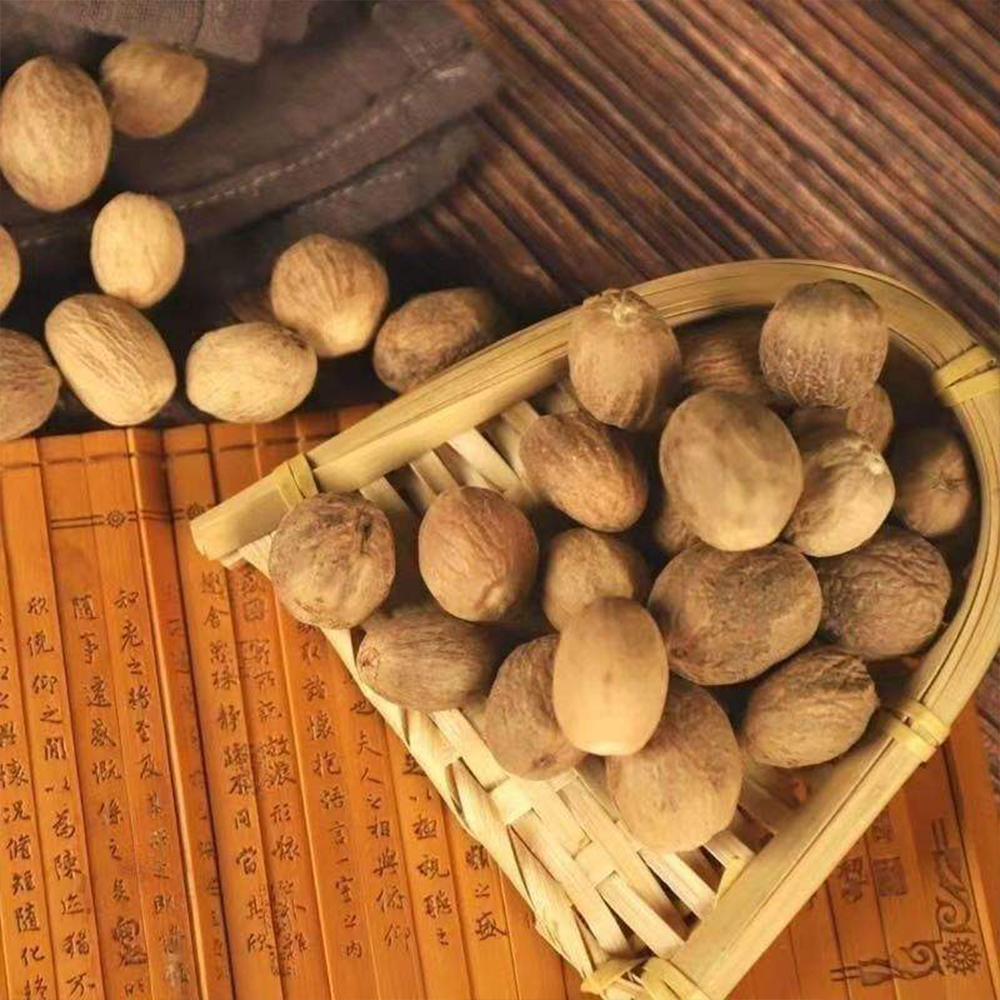
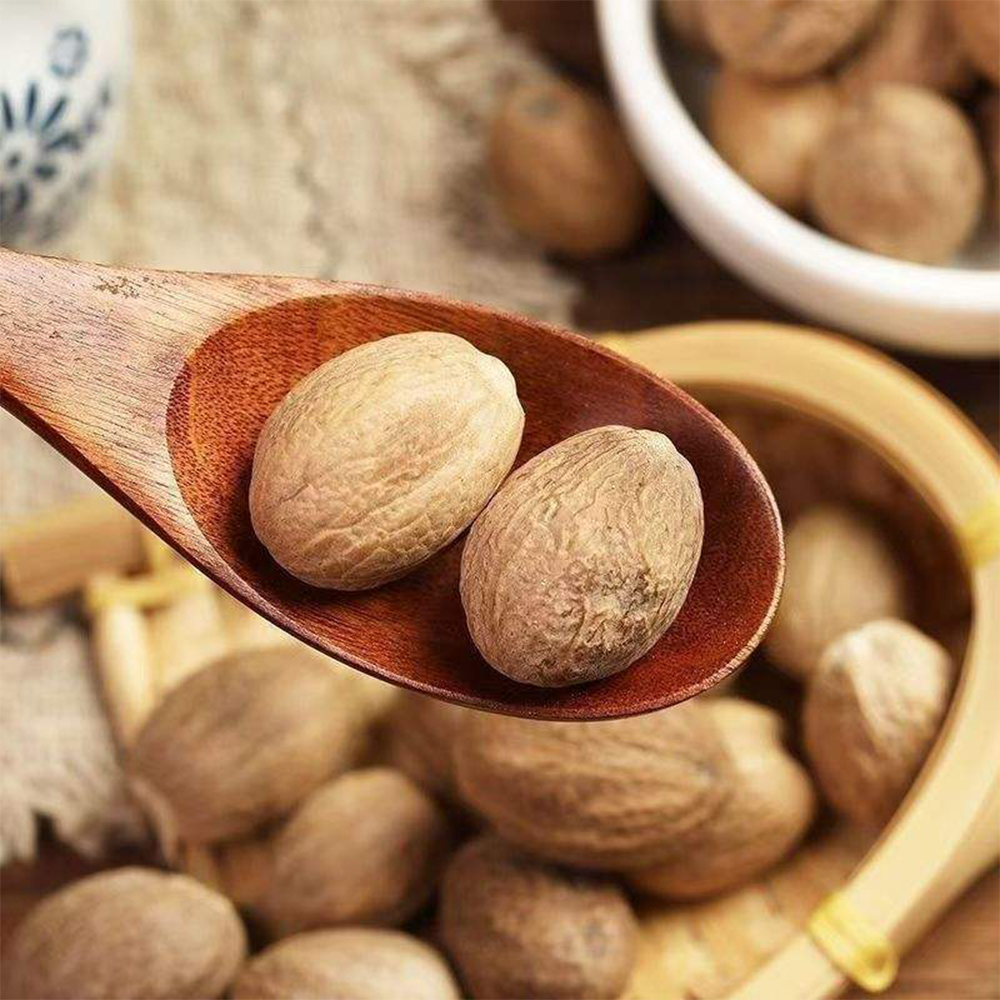
Nutmeg is the dried seed or kernel of Myristica fragrans, while mace is the thin, reddish, net-like aril that surrounds the seed before drying; they differ in physical structure, oil distribution, visual grading, processing behavior, storage risk, and commercial value. Why would a professional buyer approve them under one generic “nutmeg products” specification?
The UCLA biomedical spice archive describes the distinction plainly: the dried seed produces nutmeg, while the dried aril produces mace. Modern research also treats the kernel and aril as separate materials when comparing composition, essential oils, functional properties, and processing outcomes.
My view is blunt: a supplier offering mace and nutmeg under the same specification is not simplifying procurement. The supplier is transferring uncertainty to the buyer.
The Same Tree Produces Two Different Commodities
The fruit of Myristica fragrans splits open when mature. Inside sits a hard seed surrounded by a bright red aril. The seed becomes nutmeg. The aril is removed, flattened or separated into blades, and dried to become mace.
That botanical relationship does not make them equivalent.
Nutmeg contains substantial fixed oil, commonly called nutmeg butter, in addition to volatile aromatic compounds. Mace has a different physical structure and much less fixed oil, while its volatile-oil content and composition can vary significantly according to origin, plant material, drying, extraction method, and processing history. An FAO technical review reports that fixed oils are virtually absent from mace and that mace volatile oil may account for roughly 4% to 17% of its composition.
This affects purchasing in very practical ways.
A dense nutmeg kernel can be graded by size, count per kilogram, shrivelling, internal condition, insect damage, shell contamination, volatile oil, and broken percentage. Mace must be judged by blade integrity, color, proportion of fines, stalk or seed fragments, scorching, browning, aroma intensity, brittleness, and powder uniformity.
Same species. Different evidence.
Buyers looking across a broader product range can review the company’s factory-direct dried spices catalogue, but the purchase specification should still identify each spice by botanical name, plant part, commercial form, crop information, and intended application.
Mace vs Nutmeg Specifications at a Glance
The table below shows why copying a nutmeg specification into a mace purchase order is poor procurement practice.
Procurement factor
Nutmeg specification
Mace specification
Why separation matters
Botanical identity
Myristica fragrans Houtt.
Myristica fragrans Houtt.
The species may match, but the plant parts do not
Plant part
Dried seed kernel
Dried aril surrounding the seed
Identity testing must confirm the correct anatomical material
Codex recognizes several commercial styles, including nutmeg in shell, shelled whole nutmeg, broken seed, and ground or powdered seed. It also assigns different chemical requirements according to form.
Codex nutmeg parameter
Shelled whole
Broken or cracked
Ground or powdered
Maximum moisture
10.0%
10.0%
8.0%
Maximum total ash, dry basis
3.0%
3.0%
3.0%
Maximum acid-insoluble ash
0.5%
0.5%
0.5%
Maximum water-insoluble ash
1.5%
1.5%
1.5%
Minimum volatile oil, dry basis
6.5 mL/100 g
6.0 mL/100 g
5.0 mL/100 g
Live insects
0 per 100 g
0 per 100 g
0 per 100 g
These figures are baselines, not a complete purchase contract. They do not replace crop-year identification, origin, count per kilogram, defective-kernel limits, permitted treatment, Salmonella requirements, aflatoxin limits, pesticide scope, packaging, sampling instructions, or destination-country rules.
For buyers comparing whole, cracked, and ground formats, the site’s bulk nutmeg sourcing guide provides a more detailed breakdown of milling, sampling, volatile-oil retention, packaging, and lot-control risks.
And here is an opinion some suppliers will dislike: ground nutmeg should be treated as a processed ingredient, not simply as whole nutmeg made smaller.
Once the kernel enters a mill, the buyer loses the ability to see shrivelled seeds, shell fragments, internal mould, mixed grades, or off-quality kernels. The specification must therefore become more detailed as the product becomes less visually transparent.
Mace Needs Its Own Measurable Specification
Mace specifications are often weaker than nutmeg specifications. Buyers receive descriptions such as “red mace,” “premium blades,” or “high aroma” without a color standard, blade-size distribution, maximum fines level, or declared drying method.
That is not enough.
Identity and Commercial Form
The specification should state:
Botanical name: Myristica fragrans Houtt.
Plant part: dried aril
Form: whole blades, broken blades, fragments, or powder
Country of origin
Crop or production period
Whether different origins or crop periods may be blended
Whether Papuan mace or another Myristica species is prohibited
A botanical name alone does not prove the correct plant part. The supplier should declare “dried aril,” not merely “mace/nutmeg.”
Color and Blade Integrity
Mace color is commercially important because drying temperature, smoke exposure, ageing, moisture, and oxidation can move the material from bright red-orange toward dull orange, brown, or nearly black.
Do not approve “natural color.”
Use an approved physical retain, calibrated photographs, or instrument-based color values such as CIELAB L*, a*, and b*. For whole blades, define the percentage of intact blades, broken pieces, fines, dark pieces, scorched material, stalk matter, and attached seed fragments.
Can the supplier measure these values consistently? That is the real question.
Volatile Oil and Sensory Profile
A mace COA should report the test method and actual volatile-oil result rather than the word “conforms.” Because published studies show substantial variation in mace oil yield and composition, the buyer should establish an agreed minimum based on origin, form, treatment status, intended application, and approved production samples.
The sensory specification should describe:
Aroma strength
Warm, sweet and resinous character
Permitted peppery or citrus notes
Absence of mould, smoke, rancidity, fermentation, chemical odor, and warehouse taint
Comparison method against an approved retain
A laboratory number can support sensory approval. It cannot replace it.
Powder and Fines
For ground mace, specify the target mesh, minimum percentage passing the sieve, permitted oversize, maximum ultrafine fraction, bulk density, milling date, temperature-control method, metal-detection standard, and whether carriers or anticaking agents are permitted.
For whole or broken mace, define fines at both factory release and destination. Thin blades can break during vibration, compression, and ocean transport, so a shipment that passes before loading may arrive with a different commercial grade.
Regulatory Evidence Buyers Should Not Ignore
Procurement teams sometimes treat contamination clauses as boilerplate. Regulators do not.
FDA Nutmeg Defect Levels Are Surprisingly Specific
For ground nutmeg, the guide identifies an average of 100 or more insect fragments, or an average of at least one rodent hair per 10-gram sample. FDA specifies that determinations are based on at least six subsamples.
Those are enforcement reference points. They are not targets that a quality buyer should accept.
I would write tighter commercial limits, require representative pre-shipment sampling, and reserve the right to reject lots showing visible infestation, mould, rodent contamination, or abnormal odor even when a limited laboratory sample appears acceptable.
Salmonella Is a Nutmeg Supply-Chain Risk
The FDA’s Import Alert 99-19 includes ground and cracked nutmeg among products that may be detained because of Salmonella. That alone should end the lazy assumption that a dry spice is automatically microbiologically safe.
A 2023 FDA warning letter to Krishiv Foods discussed whole nutmeg associated with an establishment listed under the Salmonella import alert. FDA stated that the laboratory report supplied by the importer did not address all hazards associated with the nutmeg and that other adequate verification documentation had not been provided.
This is the lesson: one Salmonella result is not a complete foreign-supplier verification programme.
A serious specification should identify the permitted pathogen-reduction treatment, treatment date, validation evidence, post-treatment segregation, environmental controls, sampling plan, laboratory method, and required result—typically Salmonella absent in the agreed analytical unit.
European Mace Limits Must Be Written Into the Contract
For mace entering the European market, the Netherlands Enterprise Agency’s CBI market-entry guide lists maximum levels of 5 μg/kg for aflatoxin B1, 10 μg/kg for total aflatoxins B1, B2, G1 and G2, and 15 μg/kg for ochratoxin A.
The same guide reports PAH limits of 10 μg/kg for benzo[a]pyrene and 50 μg/kg for the sum of regulated PAHs, while identifying Salmonella as the primary microbiological concern and requiring its absence.
These limits should appear in the purchase specification, not merely in an email saying “EU compliant.”
“EU compliant” raises immediate questions. Which regulation? Which analytical method? Which reporting limit? Which laboratory? Which lot? Which sample?
How to Source Mace and Nutmeg Without Buying a Surprise
The safest sourcing process is not complicated. But it must be documented.
Issue Two Separate RFQs
Send one request for nutmeg and another for mace. Each RFQ should specify:
Botanical identity and plant part
Commercial form
Intended food, extraction, seasoning, retail or herbal application
Destination market
Annual and trial quantity
Origin requirements
Crop period
Physical grade
Chemical limits
Microbiological limits
Mycotoxin, pesticide and heavy-metal scope
Treatment status
Packaging structure
COA format
Sampling method
Retained-sample procedure
Do not let the supplier answer both requests with one generic product sheet.
Approve Separate Reference Samples
The approved nutmeg sample should represent kernel size, internal condition, aroma, oil strength, color, and defect tolerance.
The approved mace sample should represent blade color, integrity, aroma, brittleness, fines, and permitted dark material.
Seal, sign, date, and code both retains. Keep enough material for sensory comparison and independent testing.
Match the COA to the Lot
A COA should display actual numeric results, the test method, sample date, production lot, laboratory identity, and specification limit.
For example, “aflatoxin B1: 2.1 μg/kg” is useful. “Pass” is weak.
The site’s buyer specification and COA checklist covers identity, moisture, ash, pesticides, Pb/Cd/Hg/As, microbiology, aflatoxins, sulfur dioxide, analytical methods, and retained samples.
Audit the Processing Route
For nutmeg, inspect shelling, sorting, cracking, grinding, sieving, magnets, metal detection, heat treatment, and rejected-kernel handling.
For mace, inspect aril separation, drying temperature, smoke exposure, blade sorting, color grading, grinding, light protection, and fines recovery.
Where custom cutting or powder production is involved, review the documented bulk herb and spice milling process before approving commercial production.
And ask the uncomfortable question: can rejected whole nutmeg or damaged mace be redirected into powder?
The answer should be documented.
FAQs
What is the main difference between mace and nutmeg?
Mace is the dried aril surrounding the seed of Myristica fragrans, while nutmeg is the dried seed kernel itself; although both come from the same fruit, they differ in structure, appearance, oil distribution, grading criteria, processing behavior, storage sensitivity, and commercial specification requirements.
Nutmeg is normally purchased whole, broken, cracked, or powdered. Mace is commonly traded as whole blades, broken blades, fragments, or powder. Buyers should never approve both products against one generic specification.
Why do mace and nutmeg need separate specifications?
Mace and nutmeg need separate specifications because each material has different identity markers, visual defects, physical grades, volatile-oil expectations, processing risks, foreign-material profiles, sampling requirements, packaging needs, and destination-market controls, making a shared specification too vague to support reliable inspection, testing, rejection, or dispute resolution.
A shared specification may fail to define mace color and blade integrity or nutmeg kernel count, internal defects, shell fragments, and Codex format-specific moisture limits.
What tests should buyers request for bulk mace and nutmeg?
Bulk mace and nutmeg should be tested for botanical identity, moisture, volatile oil, total ash, acid-insoluble ash, foreign matter, pesticide residues, heavy metals, aflatoxins, ochratoxin A where applicable, Salmonella, aerobic plate count, yeast and mould, while powders also require particle-size and adulteration controls.
The exact panel must reflect the destination country, final application, treatment history, customer standard, and agreed sampling plan. Actual results and methods are more informative than a simple “pass” statement.
How can buyers identify a reliable mace or nutmeg supplier?
A reliable mace or nutmeg supplier can demonstrate plant-part identity, origin and crop traceability, controlled drying, documented grading, representative sampling, validated pathogen controls, batch-specific testing, retained samples, suitable packaging, complaint procedures, and consistent compliance with the approved specification across samples, production records, invoices, COAs, and repeat shipments.
Factory photos and a low quotation are not enough. Buyers should review records, test representative samples, define rejection rights, and verify that the production lot matches the approved commercial sample.
Can mace and nutmeg use the same COA?
Mace and nutmeg should not use the same COA because a certificate of analysis must identify the actual plant part, commercial form, lot number, specification limits, analytical results, treatment status, and relevant physical defects for the tested product, none of which can be assumed to apply equally to both materials.
Even when the laboratory panels overlap, separate COAs protect traceability and prevent a seed-kernel result from being presented as evidence for dried aril—or the reverse.
Request Two Specifications Before You Request One Price
The difference between mace and nutmeg is not academic. It affects formulation, aroma, yield, regulatory exposure, packaging, shelf stability, inspection, and the buyer’s ability to reject an unsuitable shipment.
So stop buying by product name alone.
Request one lot-specific specification for nutmeg and another for mace. State the plant part, form, origin, crop period, sensory grade, measurable defects, oil requirement, contaminant limits, microbial requirements, treatment status, packaging, sampling method, and COA format.
For custom grades, private-label packaging, grinding, blending, or market-specific testing, review the available custom herbal and spice solutions and submit the intended use, destination market, required form, quantity, testing scope, and packaging format through the wholesale spice enquiry page.
One fruit produces two spices.
Your contract should show that you understand the difference.
Our low MOQ of 1 kg (2.2 lb) makes it easy to order Chinese herbal slices or wholesale Chinese medicine herbs. Private-label and bilingual labeling are also available.
Delivery Cycle & Support
We have a fast 7-day lead time. We provide free samples, COA reports, and technical support to help you bring high-quality bulk Chinese herbs to market.
Quality & Certifications
Our products are manufactured in a GMP-certified facility and meet ISO22000 standards. All Chinese herbs are third-party tested for heavy metals, pesticides, and microorganisms.