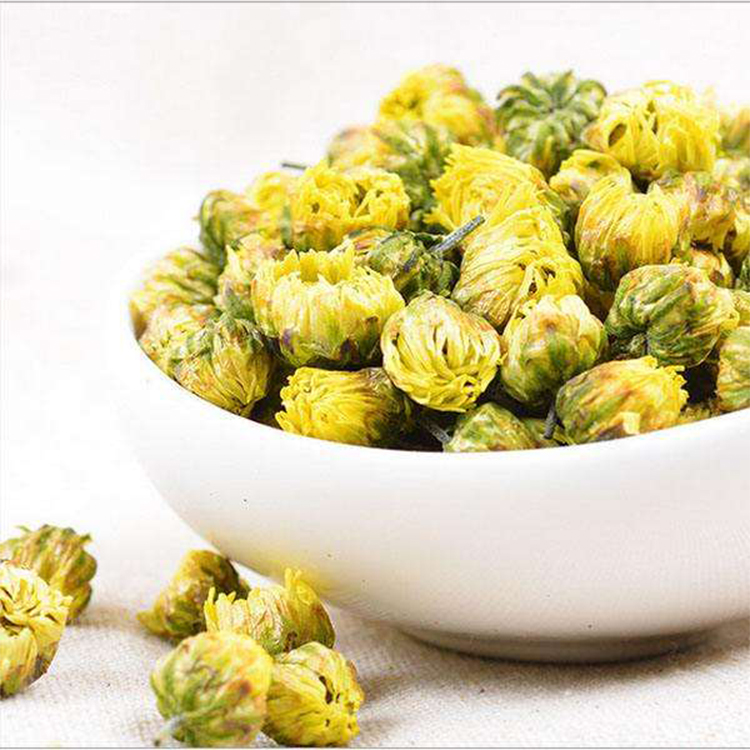
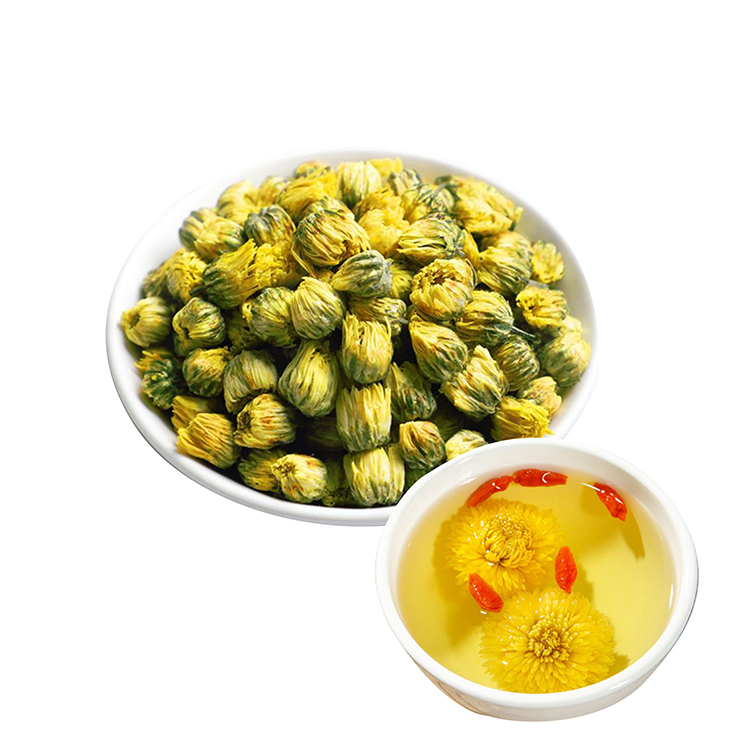
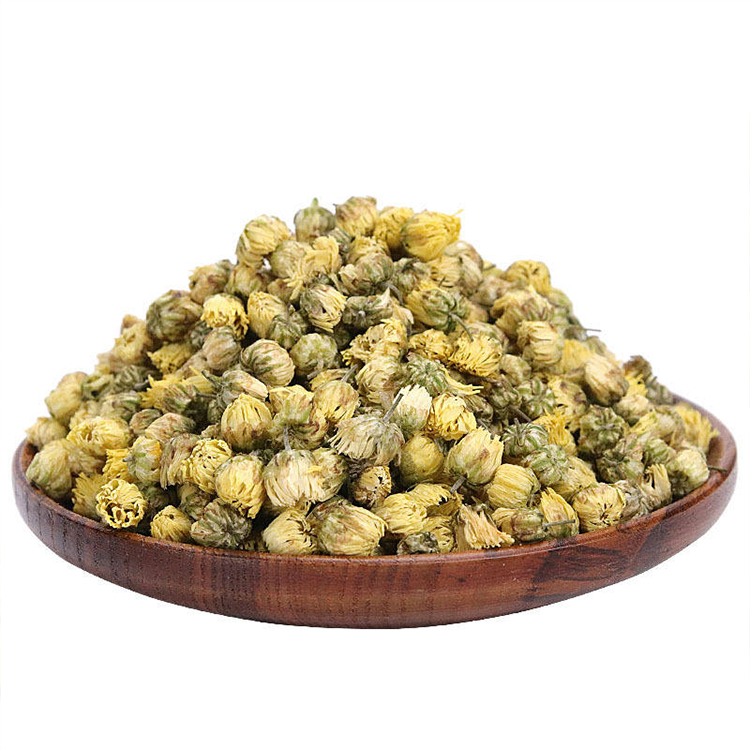
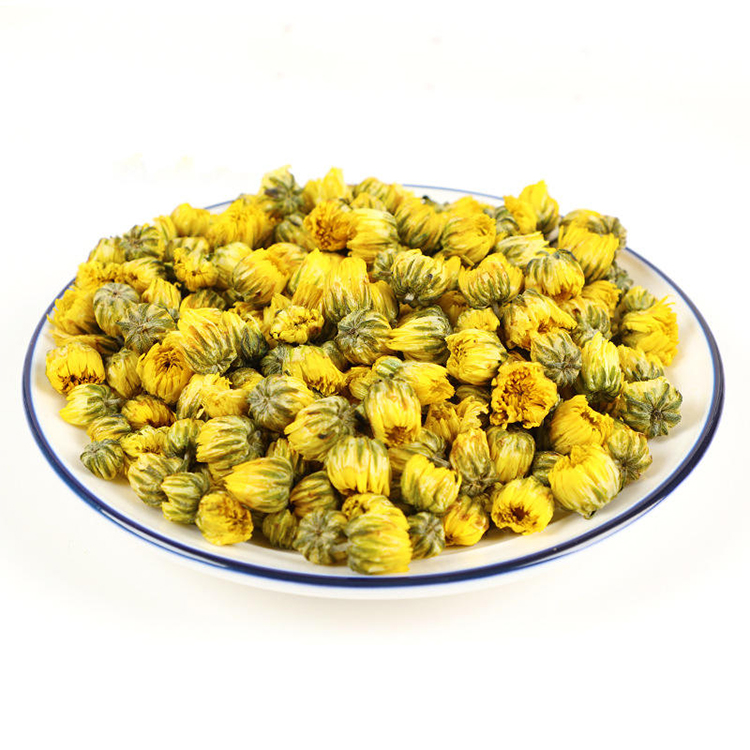
Chrysanthemum Flower Bulk Buying Guide: Color, Aroma, and Origin
Color may attract the buyer, but it cannot prove freshness, origin, aroma strength, or safety. This guide explains how professional buyers should evaluate bulk chrysanthemum flowers before approving a commercial shipment.
But when a buyer approves a Chrysanthemum Flower Bulk order from photographs alone, that attractive white or yellow lot may conceal old inventory, aggressive drying, mixed production areas, weak aroma, excessive petal loss, pesticide exposure, or a botanical identity that was never properly documented.
Would you sign a five-ton contract based on a phone screen?
I would not.
People searching for bulk chrysanthemum flowers are usually not looking for gardening advice. They are comparing suppliers, origins, physical grades, sensory performance, laboratory documents, packaging formats, and landed risk.
That makes this a commercial investigation, not a beauty contest.
The first hard truth is simple: “bright color,” “strong aroma,” and “famous origin” are not specifications. They are sales phrases until the supplier connects them to a batch number, representative sample, test method, acceptance limit, and written rejection procedure.
Buy the evidence.
Chrysanthemum Flower Bulk Is Not One Standardized Commodity
The name Chrysanthemum morifolium covers commercially distinct materials sold for tea, traditional herbal preparations, beverage blends, extracts, retail repacking, and functional-food manufacturing. Flower size, petal structure, cultivar, harvest stage, processing method, origin, and intended application can all change the acceptable grade.
The market also uses names such as:
Ju Hua
Chrysanthemi Flos
Hangbaiju
Taiju
Gongju
Chuju
Boju
Huaiju
Fubaiju
These names are not interchangeable decorations.
A 2022 quality-control study reported approximately nine commercial chrysanthemum types in the Chinese market, while Boju, Huaiju, Gongju, Hangju, and Chuju were among the origin- and processing-related forms recorded in the Chinese Pharmacopoeia framework discussed by the researchers. The same paper analyzed 30 flower-head samples and highlighted chlorogenic acid, luteolin-7-O-glucoside, and 3,5-O-dicaffeoylquinic acid as part of modern chrysanthemum quality evaluation.
Before requesting dried chrysanthemum flowers wholesale, buyers should first compare the intended material with a defined Chrysanthemum Flower and Ju Hua product profile, then state whether the order is intended for visible whole-flower tea, tea bags, extraction, grinding, or herbal formulation.
That single decision changes everything.
A whole-flower tea brand needs visual integrity. An extraction plant may tolerate more breakage but demand tighter marker-compound consistency. A tea-bag manufacturer may prioritize particle size, dosing uniformity, microbial status, and low dust.
So what exactly are you buying?
Color Is Evidence, Not a Complete Grade
Buyers love pale petals.
A clean white, ivory, golden, or yellow appearance can indicate suitable cultivar characteristics and controlled processing, but color can also be altered by harvest maturity, drying temperature, humidity, storage time, lighting, camera settings, and post-processing.
The science is more complicated than the sales photograph. A 2024 Frontiers transcriptomic and metabolomic study compared white, gold, and yellow Chrysanthemum morifolium tissues and identified 90 differential metabolites, dominated by flavonoids, flavonoid derivatives, and lipids; researchers also reported 38 significantly enriched gene-expression pathways.
In plain commercial language: two flowers with different colors may also carry different chemical profiles.
And two flowers with similar colors may still come from different origins.
This is why I reject the claim that “whiter always means better.” Whiter may fit one buyer’s visual standard, but it does not automatically prove stronger aroma, higher marker-compound content, safer residue results, or more authentic origin.
What Good Color Inspection Should Record
Do not write “bright natural color” in the purchase order. Write an inspection method.
A workable visual inspection can record:
Declared color family: white, ivory, pale yellow, golden yellow, or buyer-approved reference
Permitted brown, blackened, or scorched flowers
Percentage of visibly faded heads
Uniformity across the sample
Petal-to-center color contrast
Presence of green stems, leaves, soil, fibers, insects, or foreign botanical matter
Comparison against an approved retained sample under standardized lighting
Infusion color after a fixed brewing method
Photograph the sample under neutral lighting with a gray card or approved color reference. Keep the camera distance and exposure consistent.
Small details matter.
A supplier photograph taken beside a sunny window cannot be compared honestly with an incoming inspection performed under cool warehouse LEDs. Without a controlled reference, color disputes become arguments rather than measurements.
Color Must Be Tested Against Infusion Performance
Dry appearance is only half the inspection.
Use a repeatable brewing procedure such as a fixed flower-to-water ratio, controlled water temperature, defined infusion time, and identical glassware. Record the liquor’s color, clarity, sediment, floating debris, aroma release, bitterness, sweetness, and aftertaste.
The exact brewing method should match the final product. A visible-flower tea sold in glass cups should be evaluated differently from material intended for extraction at industrial temperature and pressure.
Pretty flowers can brew badly.
Aroma Reveals Freshness, Drying, and Storage Damage
Open the bag.
Fresh bulk chrysanthemum tea material should express a recognizable floral, herbaceous, mildly sweet, or cultivar-specific aroma without mustiness, smoke contamination, sour fermentation, chemical odor, damp cardboard, warehouse perfume, or stale hay.
But “strong aroma” is still too vague.
Aroma strength can rise because desirable volatile compounds were preserved. It can also seem stronger because the lot contains more broken petals, has recently been warmed, or carries an aggressive processing odor. The buyer must distinguish intensity from quality.
Build a Sensory Reference, Not a Memory
Human memory is unreliable. Retained samples are not.
I recommend comparing every production lot against:
An approved reference sample
The current crop-year sample
The previous accepted shipment
A known aged or defective sample
This creates a practical sensory library. It also helps purchasing, quality-control, and product-development teams use the same language.
Describe the aroma in defined terms:
Floral
Honey-like
Green
Herbal
Camphoraceous
Sweet
Hay-like
Woody
Smoky
Musty
Sour
Chemical
Weak or exhausted
Then score intensity, cleanliness, and similarity separately.
A strongly musty flower is not aromatic quality. It is a rejection signal.
Aroma Loss Usually Starts Before the Shipment Leaves
Volatile compounds are affected by drying temperature, drying duration, oxygen exposure, sunlight, packaging permeability, warehouse temperature, moisture cycling, and storage time.
Flowers are fragile.
When dried flower heads repeatedly absorb and release moisture, petals weaken, aroma fades, color changes, and localized microbial risk may increase. A sealed bag does not correct damage that occurred during drying or pre-packing storage.
Ask the chrysanthemum flower supplier for:
Harvest or processing date
Drying method
Drying temperature range where recorded
Storage duration before packing
Warehouse conditions
Packaging material and liner structure
Whether vacuum, nitrogen flushing, or oxygen-control measures are used
Treatment history, including fumigation, irradiation, steam, or other microbial intervention
“Sun-dried” is not a complete answer.
How many hours? Under what weather? Was the material covered overnight? How was it protected from soil, insects, vehicle exhaust, and sudden rain?
Professional buyers should ask uncomfortable questions before the deposit, not after the container arrives.
Origin Names Carry Value, but Labels Can Travel
Origin affects price.
It may also affect cultivar, flower structure, traditional processing, aroma, chemical profile, consumer recognition, and suitability for a particular herbal or tea application.
Yet origin is one of the easiest claims to copy onto a sales sheet.
A bag marked “Hangbaiju” does not prove that the flowers were cultivated and processed in the declared production area. A trading company’s address does not prove agricultural origin either.
This distinction matters:
Company location: where the seller is registered
Processing location: where flowers were dried, sorted, sterilized, or packed
Agricultural origin: where the flowers were cultivated and harvested
Commercial origin name: the variety or regional name used in the market
These four locations may be different.
Modern Research Shows Why Appearance Is Not Enough
Origin authentication is no longer limited to paperwork. Researchers have tested near-infrared spectroscopy, hyperspectral imaging, stable isotopes, mineral profiles, laser-induced breakdown spectroscopy, chemometrics, and machine-learning models.
One peer-reviewed study using laser-induced breakdown spectroscopy with a first-derivative LASSO-LDA model reported 85.9% prediction accuracy on its independent chrysanthemum test set. That result is useful, but it also proves the larger point: even laboratory classification is probabilistic, so a photograph and supplier statement are nowhere near enough. Review the origin-identification study.
Another 2025 study discussed NIR and ICP-MS data fusion with an explainable XGBoost-SHAP model and cited earlier five-origin classification work achieving 92.0% overall accuracy. These tools are not routine requirements for every buyer, but they show that origin can leave measurable chemical and elemental patterns.
The lesson is blunt.
Origin should be documented.
Evidence I Would Request for a Named Origin
For a commercially important origin claim, request:
Farm, cooperative, or collection-area identification
Province, county, or production-zone declaration
Cultivar or commercial type
Crop year
Harvest records
Processing-site records
Lot genealogy from farm to packed batch
Supplier invoices or transfer records
Representative pre-shipment sample
Change notification when the source area changes
For higher-risk or high-value contracts, add stable-isotope, elemental, chromatographic, DNA, or spectroscopic authentication when economically justified.
Buyers needing a broader overview of flowers available for formulation can review the wholesale flower and whole-herb category before narrowing the inquiry to the exact chrysanthemum type and application.
Chrysanthemum Flower Quality Grading Needs More Than Flower Size
Large flowers impress buyers.
But diameter alone does not establish chemical quality, freshness, flavor, or safety. Small, dense flowers may fit one tea format better than large, open heads, while heavily expanded flowers may lose petals during transport.
A 2025 Fubaiju study combined inflorescence diameter with polyphenolic content rather than treating size as a stand-alone grade. The researchers used cluster analysis and further validation methods, reinforcing a point the trade often ignores: physical appearance and chemical measurements should be interpreted together. Read the Fubaiju grading research.
A separate 84-batch chrysanthemum study used UHPLC-Orbitrap-MS/MS and chemometric methods to screen quality-control markers across different species and cultivars. The study was designed for authentication, geolocation assessment, varietal tracing, and quality-marker discovery—not merely visual grading.
That is the direction serious procurement is moving.
A Buyer-Side Chrysanthemum Specification Table
The figures below are example commercial starting points, not universal legal limits. Adjust them to the destination market, intended use, customer specification, processing step, pharmacopoeial standard, and validated risk assessment.
Control Point
Example Buyer Requirement
Inspection Method
Why It Matters
Botanical identity
Chrysanthemum morifolium; exact commercial type stated
Macroscopy, microscopy, chromatography, or validated identity method
Prevents species and variety substitution
Plant part
Dried flower heads; stem allowance defined
Manual separation and weighing
Controls undeclared stems and non-flower material
Intact flower ratio
Example target: ≥90% by weight
Representative sample, manual sorting
Supports visible whole-flower tea presentation
Broken petals and fragments
Example maximum: ≤10% by weight
Sieve plus manual separation
Affects appearance, dust, dosing, and extraction rate
Foreign matter
Example maximum: ≤0.5%
Manual examination and weighing
Controls soil, fiber, leaves, insects, and other plants
Moisture
Buyer-defined limit, often supported by water activity
Validated moisture method and calibrated aw meter
Reduces caking, degradation, and microbial risk
Water activity
Example internal target: aw ≤0.60 where suitable
Calibrated water-activity meter
Helps assess available moisture, not just total moisture
Color
Match approved reference within agreed tolerance
Standardized light box and retained sample
Reduces subjective disputes
Aroma
Clean, characteristic, no musty or foreign odor
Blind sensory panel against reference
Detects aging, storage damage, and contamination
Infusion performance
Defined color, clarity, aroma, bitterness, and sediment
Fixed brewing protocol
Connects raw material to consumer experience
Marker compounds
Buyer-, pharmacopoeia-, or application-defined
HPLC, UPLC, or validated equivalent
Supports consistency and identity
Pesticide residues
Comply with destination-market limits
Risk-based multi-residue method
Protects market access
Heavy metals
Market- and application-specific limits
ICP-MS or validated equivalent
Controls chemical contamination
Microbiology
Product- and process-specific limits
Validated microbiological methods
Supports food or herbal safety
Packaging
Food-contact inner liner, sealed outer pack
Packaging specification and seal inspection
Protects aroma and moisture condition
Lot traceability
One lot code across sample, COA, invoice, and bags
Document reconciliation
Prevents certificate swapping
The formulas matter too. Chlorogenic acid is C16H18O9, while luteolin-7-O-glucoside is C21H20O11; both appear in chrysanthemum quality research, but neither should be turned into a universal commercial minimum without a named method, reference standard, intended use, and buyer-approved limit.
Numbers without methods are decoration.
How to Choose Bulk Chrysanthemum Flowers Without Buying the Sales Pitch
A quotation should not be your first document.
Start with a specification request. Buyers who need a broader supplier-vetting framework should first review this guide to sourcing bulk Chinese herbs without accepting low-grade material. It covers origin records, batch photographs, contaminant testing, moisture control, processing statements, and rejection terms.
Step 1: Define the Final Application
State whether the flowers will be used for:
Whole-flower retail tea
Loose herbal tea blends
Tea bags
Ready-to-drink beverages
Extract production
Powder production
Traditional herbal formulations
Cosmetic or fragrance extraction
Private-label finished products
A supplier cannot recommend the right grade without knowing the process.
Step 2: Request a Lot-Linked Sample
Do not accept a showroom sample that is unrelated to current inventory.
The sample should be linked to:
Supplier lot number
Current available quantity
Declared origin
Crop or processing date
COA
Packaging format
Intended shipment lot where possible
Seal and retain part of the sample for dispute resolution.
Step 3: Run Physical and Sensory Inspection
Record:
Average flower diameter
Intact-head percentage
Broken petals
Stems
Foreign matter
Color distribution
Aroma
Infusion behavior
Visible insects or webbing
Moisture-related softness
Scorched, blackened, or mold-suspect material
Do not merely write “sample approved.” Attach the inspection sheet and photographs to the purchasing record.
Step 4: Verify the Laboratory Scope
A one-page COA marked “PASS” proves very little.
Check whether the report identifies:
Exact batch
Sample date
Laboratory
Test method
Reporting limit
Quantification limit
Units
Specification limit
Actual result
Pass/fail decision
Laboratory accreditation scope where required
The pesticide panel should reflect the destination market and agricultural risk. Testing only five familiar compounds does not prove compliance with a market that screens hundreds.
Step 5: Compare Sample and Shipment
Use the same method at incoming inspection.
The approved sample, production lot, COA, invoice, and packaging labels must carry matching identification. When possible, use a statistically defensible sampling plan rather than opening the cleanest bag at the top of the pallet.
That happens.
And experienced buyers know it.
Import Compliance Can Destroy a Cheap Deal
A $0.20-per-kilogram discount on a 5,000 kg order appears to save $1,000.
Then one residue failure triggers laboratory costs, storage charges, delayed production, relabeling, destruction, re-export, customer penalties, and lost shelf space. Suddenly, the “cheap” lot becomes the most expensive material in the warehouse.
This is not theoretical.
The U.S. FDA’s Foreign Supplier Verification Programs guidance states that covered food importers must establish and follow supplier-verification programs so imported food meets applicable U.S. requirements and is not adulterated. FDA’s FSVP summary identifies pesticide residues, natural toxins, pathogenic bacteria, decomposition, allergens, and physical contamination among the hazards importers may need to evaluate.
Importers may need testing, record review, supplier audits, corrective actions, and reevaluation at least every three years—or sooner when new hazard or supplier-performance information appears.
And enforcement has teeth.
FDA Import Alert 99-08, published in its updated form on July 28, 2026, covers detention without physical examination of listed processed foods associated with illegal pesticide residues. FDA’s guidance states that one violative entry may support adding a specific product and firm to the Red List when the applicable criteria are met.
One failure.
That is why a generic supplier certificate is not an importer verification program.
For buyers selling into multiple markets, compare the destination’s pesticide maximum residue levels, microbiological requirements, food or herbal classification, labeling law, treatment restrictions, and contaminant limits. The site’s overview of international quality standards for Chinese herbal materials can serve as a starting framework, but the final specification must name the rules applicable to the buyer’s actual market and product category.
The Supplier Questions I Would Ask Before Paying
Ask these questions in writing:
What is the exact botanical identity and commercial type?
Where was the flower cultivated?
Where was it dried, sorted, treated, and packed?
What is the crop or processing date?
Is the offered sample taken from current saleable inventory?
What percentage of whole flowers, fragments, stems, and foreign matter is guaranteed?
What drying method was used?
Was sulfur dioxide, fumigation, irradiation, steam, or another treatment applied?
What pesticide method and compound list were used?
Are the COA and laboratory report linked to the offered lot?
What packaging barrier protects aroma and moisture?
Can the supplier keep origin and cultivar consistent across repeat orders?
What happens if the shipment differs from the approved sample?
Who pays for independent retesting?
Can the buyer reject, replace, rework, or receive credit for a failing lot?
Watch the response pattern.
A reliable supplier may need time to gather records, but the answers should become more specific. A weak supplier becomes vaguer as the questions become more technical.
“Do not worry” is not evidence.
Red Flags in Dried Chrysanthemum Flowers Wholesale
I would stop the approval process when I see:
No Latin botanical name
Origin listed only as “China”
The same COA used for several crop years
No lot number on the report
Laboratory report issued before the crop was harvested
Perfectly identical flowers in every marketing photograph
Strong perfume-like or chemical odor
Damp, flexible, or clumped flowers
Excessively brown centers or scorched petals
Musty odor hidden by fragranced packaging
Insect webbing or powder at the bag bottom
A pesticide report with no compound list
“Heavy metals passed” without actual values or methods
A supplier refusing a retained sample
A sudden origin change without notification
Production goods that cannot be compared with the approved sample
Cheap prices do not cause every failure.
But unrealistic prices remove the money needed for careful harvesting, controlled drying, sorting, laboratory work, moisture-resistant packaging, traceability, and rejection of bad inventory.
The loss is hidden somewhere.
FAQs
What is bulk chrysanthemum flower?
Bulk chrysanthemum flower is dried Chrysanthemum morifolium flower-head material purchased by weight for tea, herbal blends, extracts, beverages, repacking, or manufacturing, with commercial acceptance based on botanical identity, named origin, crop and processing history, sensory condition, physical grade, contaminant results, packaging, and batch-level traceability.
It should never be approved solely from a common name, photograph, or supplier-defined grade.
What are the best chrysanthemum flowers for tea?
The best chrysanthemum flowers for tea are current-crop, correctly identified flowers whose color, aroma, infusion appearance, bitterness, sweetness, flower integrity, moisture, residue profile, microbial condition, and origin match the buyer’s recipe, target price, brewing format, destination law, and consumer expectations rather than a vague supplier label such as premium grade.
There is no universal best variety for every tea product.
How does professional chrysanthemum flower quality grading work?
Professional chrysanthemum flower quality grading is a documented system that separates lots through measurable physical, sensory, chemical, and safety criteria, including flower diameter, intact-head percentage, petal loss, color tolerance, odor, infusion performance, moisture, foreign matter, marker compounds, pesticide residues, microorganisms, origin evidence, and defect-based rejection rules.
The grade should also state the sampling method, analytical method, and remedy when a shipment fails.
What documents should a chrysanthemum flower supplier provide?
A chrysanthemum flower supplier should provide the exact botanical and commercial identity, production area, crop or processing date, lot number, representative sample, current COA, pesticide panel, heavy-metal and microbiological results, moisture data, treatment declaration, packaging specification, traceability records, change-notification terms, and a written remedy for failed or substituted shipments.
Additional documents may be necessary for organic, food, dietary-supplement, pharmaceutical, or private-label markets.
Why does origin matter when buying bulk chrysanthemum flowers?
Origin affects bulk chrysanthemum because cultivar, soil, climate, harvest timing, and processing tradition can alter flower shape, color, volatile aroma, phenolic profile, brewing behavior, and market identity, while visually similar lots may still come from different production areas; therefore, origin must be treated as a traceability claim that requires documentary or analytical support.
The seller’s office address should never be accepted as proof of agricultural origin.
How should bulk chrysanthemum flowers be stored?
Bulk chrysanthemum flowers should be stored in sealed, food-contact packaging within a clean, dry, cool, low-light warehouse, protected from condensation, insects, floor moisture, strong odors, direct sunlight, temperature cycling, and repeated opening that accelerates oxygen exposure, aroma loss, petal damage, moisture migration, and quality variation.
Use pallets, inspect seals, monitor warehouse conditions, apply first-expired-first-out rotation, and quarantine bags showing mustiness, softness, webbing, condensation, or unusual discoloration.
Request a Lot-Linked Sample Before You Approve the Price
Do not ask a supplier, “What is your best chrysanthemum price?”
Send a requirement.
State the exact product identity, intended application, preferred origin, flower size, whole-flower ratio, color reference, aroma profile, brewing method, contaminant panel, treatment restrictions, packaging, order quantity, destination country, and documentation requirements.
Then request a representative, lot-linked sample.
For custom tea blends, retail packaging, private-label products, or application-specific processing, review the available custom herbal and spice manufacturing options before setting the final specification.
When the requirements are ready, submit the botanical name, target grade, quantity, market, packaging format, and testing panel through the bulk chrysanthemum sourcing inquiry page.
Our low MOQ of 1 kg (2.2 lb) makes it easy to order Chinese herbal slices or wholesale Chinese medicine herbs. Private-label and bilingual labeling are also available.
Delivery Cycle & Support
We have a fast 7-day lead time. We provide free samples, COA reports, and technical support to help you bring high-quality bulk Chinese herbs to market.
Quality & Certifications
Our products are manufactured in a GMP-certified facility and meet ISO22000 standards. All Chinese herbs are third-party tested for heavy metals, pesticides, and microorganisms.