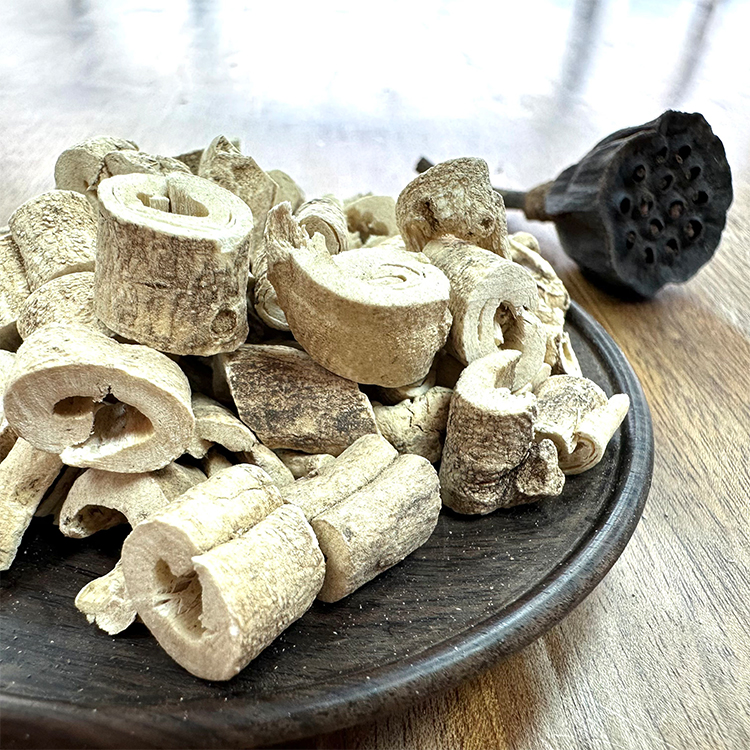
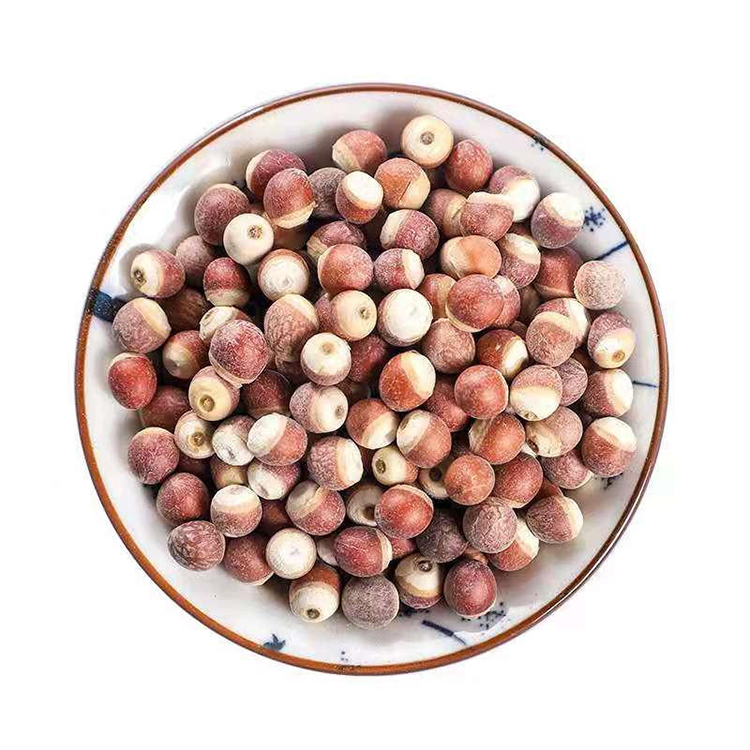
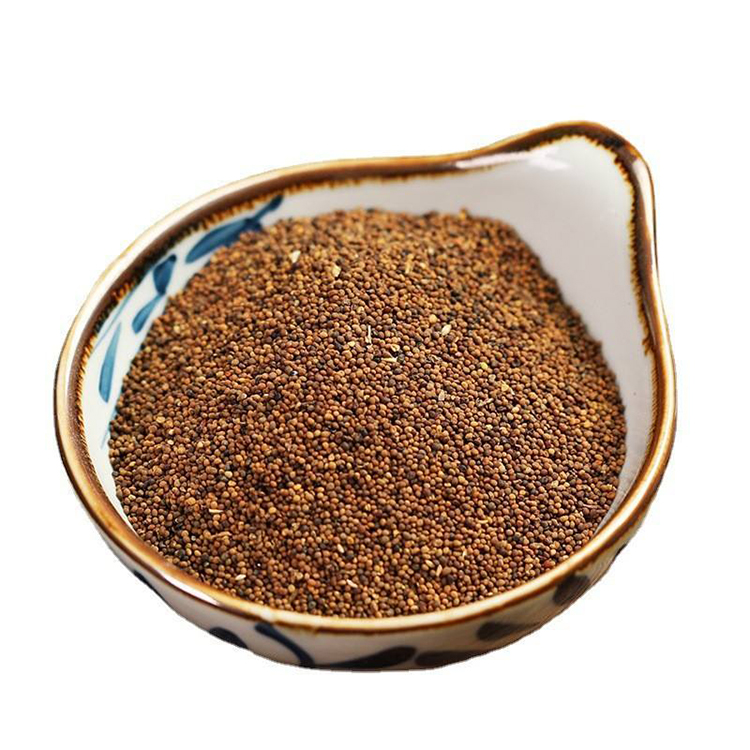
Bark herbs are not filler botanicals. They belong in formulas where bitterness, tannins, volatile oils, alkaloids, extraction time, and supplier discipline actually matter.
Unlike leaves, which often release soluble compounds quickly, bark herbs force a formulator to think about particle size, extraction time, solvent polarity, tannin load, volatile oils, microbial control, batch identity, and whether the final product can survive bitterness, sediment, and astringency without tasting like a failed prototype.
So why do brands still treat bark like garnish?
Here is my blunt answer: bark herbs belong in formulas where structure matters. Not every wellness powder deserves them. Not every tea bag can handle them. And not every “natural supplement” brand has the sourcing discipline to buy them properly.
For buyers building with Bark herbs, the first stop should be a real bark category, not a random ingredient spreadsheet. GuoCao’s Barks Chinese Medicines page groups the core cortex materials buyers usually compare: Cinnamon Bark / Rou Gui, Eucommia Bark / Du Zhong, Magnolia Bark / Hou Po, Phellodendron Bark / Huang Bai, Mulberry Root Bark / Sang Bai Pi, and related bark-based Chinese medicinals.
The bigger question is not “Can bark herbs be used?” The sharper question is: which functional formulas can use bark herbs without creating taste, compliance, safety, or extraction problems?
Table of Contents
The Market Wants Botanicals, But Regulators Want Proof
The supplement market is not a sleepy niche. CDC data from the National Center for Health Statistics reported that 57.6% of U.S. adults aged 20 and over used at least one dietary supplement in the past 30 days during 2017–2018, and botanicals appeared among the common supplement categories in several age groups, especially adults aged 40–59. That is real demand, not internet folklore.
But demand does not excuse lazy formulation.
The FDA’s Botanical Drug Development guidance makes the regulatory mindset obvious: botanical products create unique development questions around identity, consistency, controls, and documentation. Even if you are making a dietary supplement or functional beverage rather than a drug, the lesson is the same. The paper trail matters.
One hard case proves the point. FULYZAQ, a botanical drug approved in 2012, used crofelemer, a proanthocyanidin mixture derived from the red latex of Croton lechleri. The FDA label describes 125 mg delayed-release tablets and identifies the active substance as a botanical drug material. Read the FULYZAQ FDA label. That is not bark, but it is a useful warning for bark formulators: complex plant materials can be developed seriously, yet only with documentation, chemistry, and controls.
And the enforcement side is uglier. The FTC once banned sellers of Chinese herbal supplements from claiming products could prevent, treat, or cure diseases, including diabetes and Alzheimer’s-related claims, after repeat violations. See the FTC’s Dia-Cope Chinese herbal supplement case. The lesson is simple: bark herbs can support functional positioning, but disease claims can destroy a brand.
The Best Functional Formula Types for Bark Herbs
1. Functional Beverages and Herbal Tea Blends
Functional beverages can use bark herbs when the formula benefits from warmth, bitterness, aroma, or slow-release extraction. Cinnamon Bark / Rou Gui brings warm aromatic notes; Magnolia Bark / Hou Po contributes earthy bitterness and aromatic depth; Mulberry Root Bark / Sang Bai Pi can fit clean seasonal wellness concepts.
But here is the trap: bark is not leaf tea.
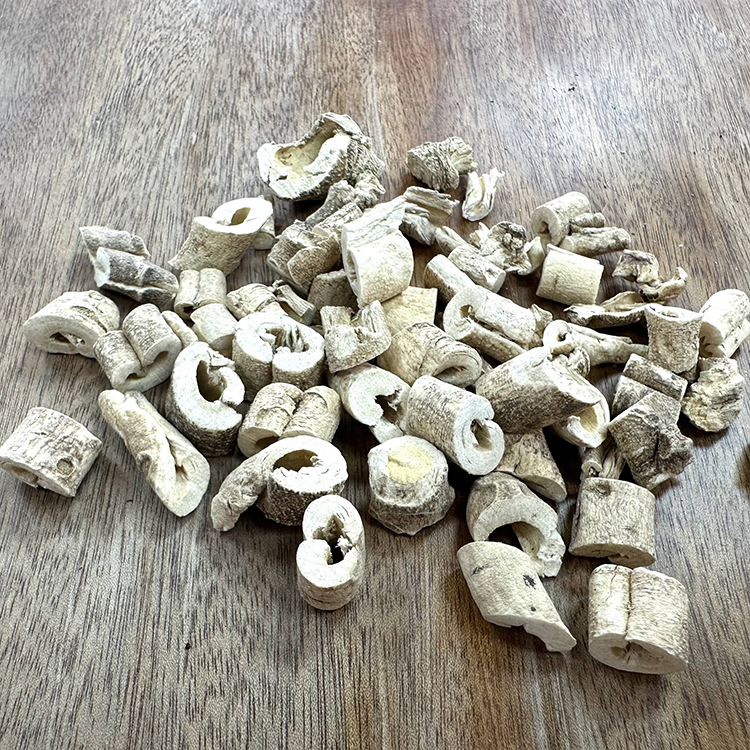
If you put thick bark chunks into a quick-steep tea bag and expect a 3-minute extraction, you are selling theater. The compounds may not move fast enough. Thin slices, small cuts, or properly prepared bark herbal extracts are usually better for beverage formats.
For beverage-focused buyers, GuoCao’s article on bark-based Chinese medicinals for functional beverages is the more practical internal read because it connects bark materials with beverage development rather than treating them as museum herbs.
Best-fit beverage angles:
Warming spice teas with Cinnamon Bark / Rou Gui
Night-positioned herbal drinks with Magnolia Bark / Hou Po
Bitter digestive-style tonics with small amounts of Magnolia or Phellodendron
Seasonal respiratory-positioned teas with Mulberry Root Bark / Sang Bai Pi
Premium traditional herbal tea bags using cut bark instead of coarse chunks
Hard truth: if the beverage tastes like boiled wood, the formula is not “authentic.” It is unfinished.
2. Digestive Comfort Formulas
Digestive formulas are one of the most defensible homes for bark herbs.
Magnolia Bark / Hou Po is the obvious candidate in traditional herbal medicine formulas, especially where formulators want an aromatic, bitter, moving profile. Cinnamon Bark / Rou Gui can support warming digestive concepts. Phellodendron Bark / Huang Bai, rich in berberine-type alkaloid positioning, belongs only in more bitter, advanced formulas where the brand understands taste and compliance limits.
The chemical entities matter here. Magnolia bark is commonly discussed around magnolol and honokiol, both with the formula C18H18O2. Cinnamon bark brings cinnamaldehyde, C9H8O, while cassia cinnamon can raise coumarin, C9H6O2, concerns. Phellodendron is associated with berberine, often represented as C20H18NO4+.
Do I think every digestive gummy needs bark? No.
In fact, gummies are often a poor delivery format for bark herbs unless the brand uses standardized extracts and masks taste aggressively. Bark ingredients are more honest in capsules, decoction packs, granules, liquid extracts, and adult-positioned bitter tonics.
3. Mobility, Joint, and Active-Lifestyle Formulas
Eucommia Bark / Du Zhong is the bark material I would watch closely for mobility formulas.
It has a long history in traditional Chinese medicine formulas connected with bones, tendons, and physical resilience. From a modern formulation angle, it also gives a brand a cleaner story than throwing twenty trendy botanicals into a capsule and hoping the label looks impressive.
But be careful. “Joint comfort support” is one thing. “Treats arthritis” is another.
For brands buying wholesale, the smarter path is to pair Eucommia bark with supply documentation, origin control, and sensible formula architecture. GuoCao’s wholesale herbal supplier for bulk orders page is useful here because bulk bark procurement is not just about price per kilogram; it is about repeatable cuts, documentation, lead times, and batch consistency.
A professional mobility formula can use bark herbs when it has:
A clear adult-use concept
A capsule, tablet, decoction, or extract format
Batch-level identity testing
No disease-treatment language
Stability planning for moisture and microbial control
4. Calm, Sleep, and Stress-Positioned Formulas
Magnolia Bark / Hou Po is the bark herb most brands want for calm and sleep-adjacent formulas.
I understand why. Magnolia has strong name recognition in the supplement trade, and magnolol plus honokiol give formulators specific marker compounds to talk about internally. A review in PubMed-indexed literature summarizes Magnolia officinalis bark composition, pharmacology, and safety, including its major lignans and traditional use background; see this NIH-hosted article on Magnolia officinalis bark biology and toxicity.
But the commercial mistake is predictable: brands overdose the romance and underbuild the formula.
A calm formula using bark herbs needs taste strategy, sedation-risk review, medication-interaction review, and conservative claim language. In capsules, this is easier. In beverages, Magnolia can work, but the bitter-aromatic profile must be balanced with licorice, ginger, citrus peel, jujube, mint, or other botanicals depending on the target market.
Short answer? Magnolia can fit.
Longer answer: it fits when the brand respects bitterness, chemistry, and adult-use labeling.
5. Metabolic and Blood-Sugar Positioning Formulas
This is where the industry gets reckless.
Cinnamon Bark / Rou Gui and Phellodendron Bark / Huang Bai often appear in metabolic-positioned formulas because consumers already connect cinnamon, berberine, and “glucose support” language. That does not give marketers permission to imply diabetes treatment.
The NCCIH warns that cinnamon products may not clearly identify species or plant parts, and that cassia cinnamon can contain coumarin, which may be an issue with prolonged high intake or sensitive liver conditions. Read NCCIH’s Cinnamon: Usefulness and Safety.
So yes, bark herbs can be used in metabolic-support herbal supplement formulas. But I would demand tighter specs than usual:
Species identification: Cinnamomum cassia vs. Ceylon cinnamon where relevant
Coumarin awareness for cassia materials
Marker-compound testing where claims imply consistency
Careful warning language for medication users
No diabetes-treatment claims
Real serving-size discipline
My opinion: metabolic formulas are profitable, but they are also where sloppy herbal brands invite regulators, angry customers, and class-action lawyers.
6. Respiratory and Seasonal Wellness Formulas
Bark herbs can support respiratory-seasonal formulas when the concept is traditional, gentle, and clearly positioned around wellness support rather than disease treatment.
Mulberry Root Bark / Sang Bai Pi is a natural candidate in traditional herbal medicine formulas. Magnolia Bark / Hou Po also appears in formulas where digestive and respiratory concepts meet. Cinnamon Bark / Rou Gui can bring warmth to cold-weather formulations, especially teas and syrups.
But do not pretend bark herbs are instant aromatherapy.
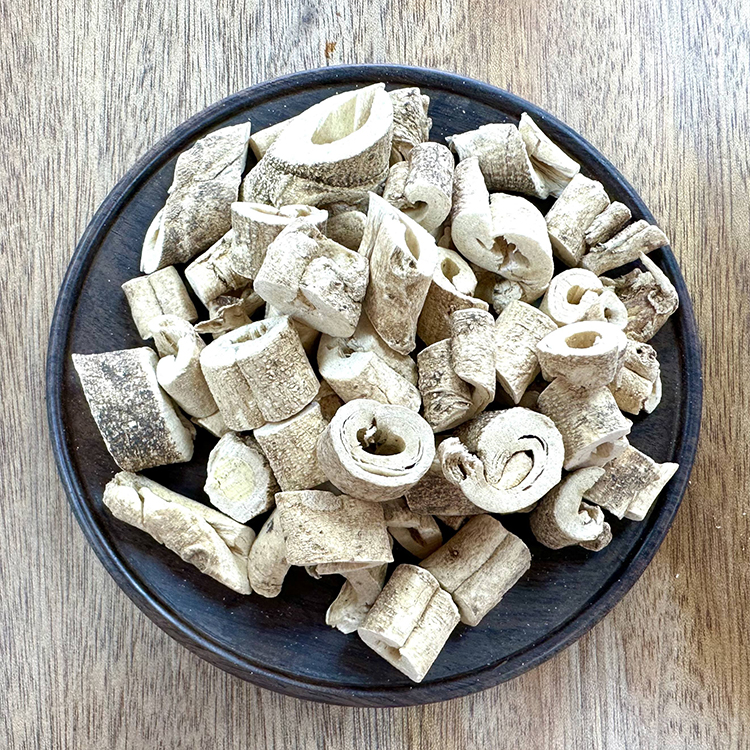
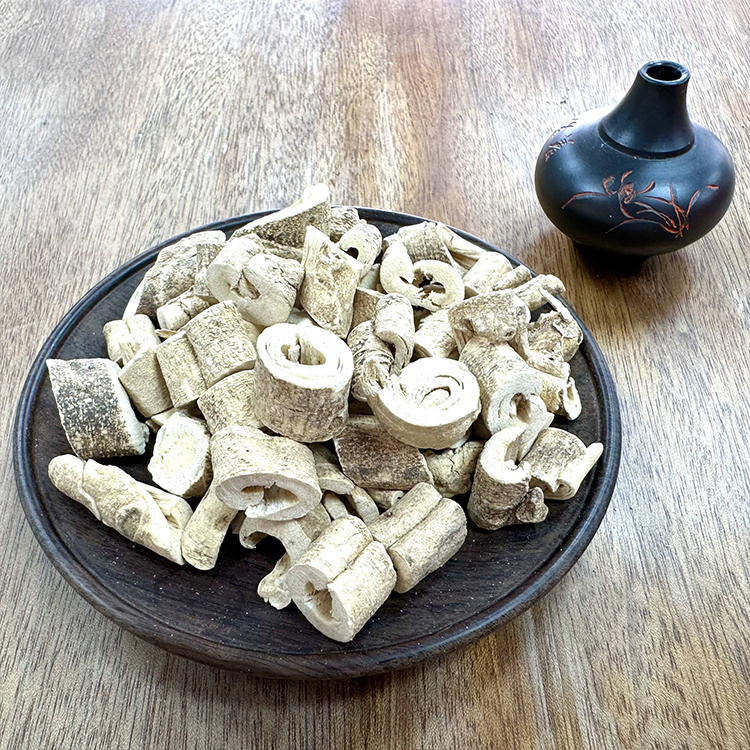
Roots and barks often need stronger extraction than flowers and leaves. This is why sourcing form matters. GuoCao’s guide to bark herbs in slices, strips, or chunks is useful because form affects extraction speed, packaging behavior, appearance, and industrial handling.
A seasonal wellness tea might use bark slices. A capsule may use bark extract powder. A syrup may need decocted concentrate. A gummy probably needs a clean standardized extract, not raw bark powder.
Bark Herbs by Formula Fit: A Buyer’s Table
Functional Formula Type
Bark Herbs That Fit
Main Technical Role
Best Format
Watch-Out
Functional beverages
Cinnamon Bark, Magnolia Bark, Mulberry Root Bark
Aroma, warmth, bitterness, seasonal positioning
Tea bags, liquid extracts, decoction concentrates
Thick cuts extract slowly
Digestive comfort formulas
Magnolia Bark, Cinnamon Bark, Phellodendron Bark
Bitter-aromatic profile, warming profile, traditional gut positioning
Capsules, tinctures, granules, adult tonics
Bitter taste and claim risk
Calm and sleep-positioned formulas
Magnolia Bark
Honokiol and magnolol marker-compound story
Capsules, tablets, evening beverages
Sedation and interaction review
Mobility formulas
Eucommia Bark
Traditional tendon, bone, and active-lifestyle positioning
Capsules, decoction packs, extracts
Needs identity and origin control
Metabolic support formulas
Cinnamon Bark, Phellodendron Bark
Cinnamaldehyde, berberine-type positioning
Capsules, tablets, extracts
Coumarin, medication users, claims
Respiratory-seasonal blends
Mulberry Root Bark, Magnolia Bark, Cinnamon Bark
Seasonal wellness, warming, traditional formula depth
Tea, syrup base, decoction packs
Avoid disease-treatment language
Bitter tonic formulas
Phellodendron Bark, Magnolia Bark
Alkaloid bitterness, digestive-style complexity
Liquid tonics, capsules
Not for sweet mass-market products
Traditional herbal medicine formulas
Multiple cortex herbs
Formula structure, taste direction, historical compatibility
Decoction slices, granules, concentrated extracts
Requires trained formula design
Where Bark Herbs Fail
Bark herbs fail in lazy products.
They fail in three-minute tea bags with oversized cuts. They fail in children’s gummies where bitterness has to be buried under sugar and acid. They fail in “detox” products that make aggressive liver, kidney, parasite, diabetes, or cancer claims. They fail when the supplier cannot prove species, origin, processing method, moisture range, microbial status, heavy metals, pesticide residues, and batch identity.
The FDA has continued to flag dietary supplement manufacturers for CGMP failures. In one 2024 warning letter, the agency cited serious violations of dietary supplement CGMP rules under 21 CFR Part 111, saying products were adulterated because they were prepared, packed, or held under conditions that did not meet CGMP requirements.
That matters for bark herbs because bark is often visually deceptive. Pretty bark can still be wrong bark. Clean-looking bark can still be over-moist, poorly dried, sulfur-treated, contaminated, substituted, or exhausted after prior extraction.
If a supplier only says “high quality,” I get nervous.
If the supplier can discuss Latin name, Pinyin name, cut form, harvest origin, moisture control, COA, heavy metals, pesticide limits, microbial results, packaging, and intended application, we can start talking.
How to Choose Bark Herbs for Functional Herbal Formulations
Start With the Product Format
A bark herb should be chosen by format first, not by romance.
For tea bags, ask whether the bark is cut thin enough for infusion. For capsules, ask whether you need raw powder or extract. For tinctures, ask about solvent compatibility. For ready-to-drink beverages, ask whether sediment, bitterness, and stability can be controlled. For traditional decoctions, ask whether slices, strips, or chunks match the user’s preparation method.
Brands sourcing broader botanical ingredients can compare GuoCao’s all herbs and spices portfolio to decide whether bark should be paired with roots, rhizomes, fruits, seeds, flowers, or spices.
Demand Identity Before Price
The cheapest bark usually becomes expensive later.
Cinnamon is the classic example. Species and plant part matter. NCCIH notes that cinnamon products may not clearly state which species or plant parts are used, and that chemical differences can affect the product’s impact. That is exactly why bark herb sourcing should begin with identity, not price.
Your internal spec should include:
Latin binomial
Common name
Pinyin name if using Chinese herbal materials
Plant part
Cut size
Moisture range
Microbial limits
Heavy metal limits
Pesticide residue requirements
Marker compounds when relevant
COA requirement per batch
Packaging and storage conditions
This is boring work. It also saves companies.
Match Bark Herbs With Other Botanical Ingredients
Bark rarely works alone in elegant herbal formulas.
Cinnamon Bark can pair with ginger, cardamom, clove, citrus peel, or licorice in warming beverage concepts. Magnolia Bark can pair with ginger, pinellia-style concepts, mint, jujube, or calming botanicals depending on market rules. Eucommia Bark can pair with root and rhizome materials for mobility formulas. Phellodendron Bark should be used carefully because bitter alkaloid character can overpower a blend fast.
If you are developing private label products, do not simply ask, “What bark is popular?” Ask, “What role does this bark play in the formula?”
That is the difference between a formula and a shopping cart.
The Compliance Line Nobody Wants to Talk About
Functional formulas can use bark herbs. Disease formulas should not hide behind the word “functional.”
Here is the line I would draw for a serious brand:
Acceptable direction:
Supports digestive comfort
Helps maintain daily wellness
Traditionally used in herbal formulas
Supports an active lifestyle
Crafted for cold-weather wellness
Designed for bitter tonic beverage concepts
Danger zone:
Treats diabetes
Cures inflammation
Reverses arthritis
Eliminates asthma
Repairs liver damage
Prevents viral infection
Works like a prescription drug
The FTC case involving Chinese herbal supplements is a permanent warning. When sellers claimed their products could prevent, treat, or cure disease, enforcement followed. Strong bark herbs do not protect weak claims.
They expose them.
FAQs
What functional formulas can use bark herbs?
Bark herbs can be used in functional formulas built for digestive comfort, warming beverages, mobility support, calm-night positioning, respiratory-seasonal blends, bitter tonics, and standardized herbal extracts, when the ingredient identity, particle size, extraction method, and compliance claims match the intended product format.
The best applications are adult-focused products where bitterness, aroma, tannins, volatile oils, and slow extraction are useful rather than annoying. Tea bags, capsules, decoction packs, tinctures, granules, syrups, and functional beverage bases can all work if the bark is prepared correctly.
Are bark herbal extracts better than raw bark slices?
Bark herbal extracts are better when a formula needs fast dispersion, standardized marker compounds, compact dosage, cleaner mouthfeel, or easier capsule production, while raw bark slices are better for traditional decoctions, visible premium tea blends, buyer recognition, and formulas where slow extraction is acceptable.
I would not call one universally superior. Extracts solve manufacturing problems. Slices preserve traditional identity. Chunks may look impressive but can extract poorly in quick-use formats. The right choice depends on your delivery system and your label promise.
Which bark herbs are best for herbal formulas?
The best bark herbs for herbal formulas usually include Cinnamon Bark / Rou Gui, Magnolia Bark / Hou Po, Eucommia Bark / Du Zhong, Phellodendron Bark / Huang Bai, and Mulberry Root Bark / Sang Bai Pi because each offers a distinct traditional role, taste profile, and formulation purpose.
Cinnamon fits warming concepts. Magnolia fits digestive and calm-positioned formulas. Eucommia fits mobility and active-lifestyle positioning. Phellodendron fits bitter tonic or advanced formulas. Mulberry Root Bark fits seasonal and respiratory-style traditional blends.
Can bark herbs be used in functional beverages?
Bark herbs can be used in functional beverages when they are cut, extracted, or concentrated in a way that matches the drink format, because thick bark pieces often extract too slowly for quick steeping and may create bitterness, sediment, or weak flavor if handled carelessly.
For ready-to-drink products, extracts or decocted concentrates usually make more sense. For premium tea bags, thin slices or smaller cuts are better. For instant powders, standardized bark extracts are often the cleaner technical choice.
What safety issues matter most with bark herbs?
The main safety issues with bark herbs are correct species identification, plant-part verification, coumarin risk in cassia cinnamon, microbial quality, heavy metals, pesticide residues, medication interactions, pregnancy and lactation caution, and illegal disease-treatment claims that can turn a normal supplement into a regulatory problem.
Cinnamon is a good example because cassia cinnamon can contain coumarin. Phellodendron requires caution because berberine-type positioning can raise interaction questions. Magnolia should be reviewed for sedative positioning. Serious brands document these issues before launch.
Your Next Step: Build Bark Formulas Like a Buyer, Not a Tourist
If you are developing herbal formulas, bark herbal extracts, functional beverages, or traditional herbal medicine formulas, start with the role of the bark herb before you ask for a quote.
Choose the formula type. Choose the delivery format. Define the claim boundary. Then demand the bark specification.
Our low MOQ of 1 kg (2.2 lb) makes it easy to order Chinese herbal slices or wholesale Chinese medicine herbs. Private-label and bilingual labeling are also available.
Delivery Cycle & Support
We have a fast 7-day lead time. We provide free samples, COA reports, and technical support to help you bring high-quality bulk Chinese herbs to market.
Quality & Certifications
Our products are manufactured in a GMP-certified facility and meet ISO22000 standards. All Chinese herbs are third-party tested for heavy metals, pesticides, and microorganisms.