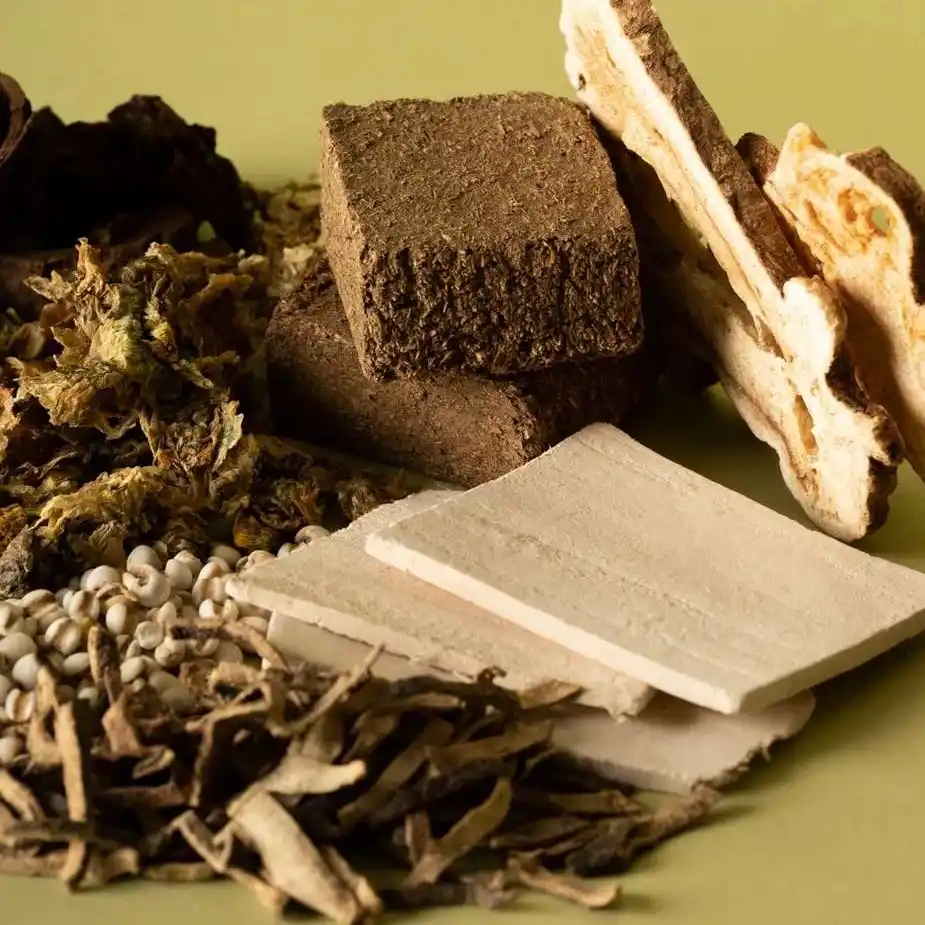
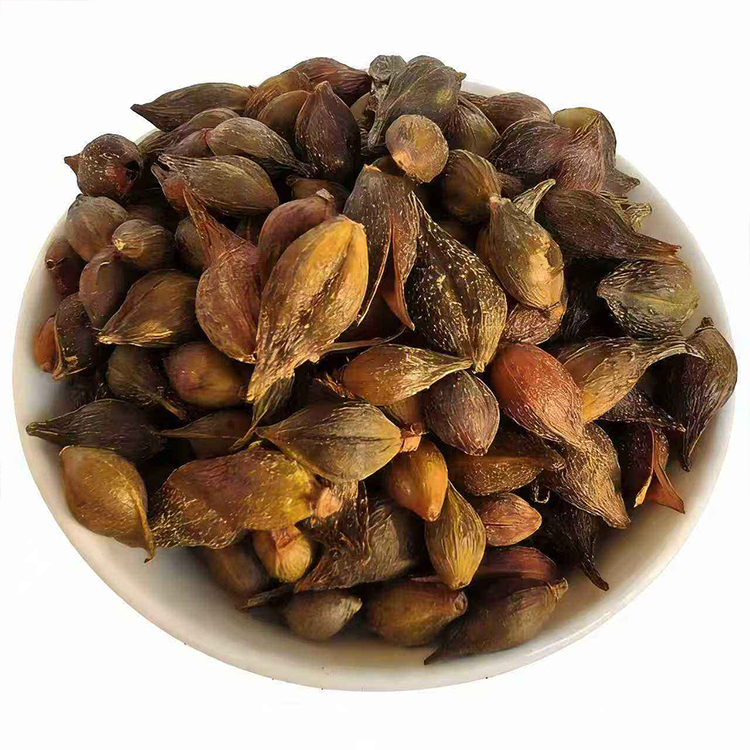
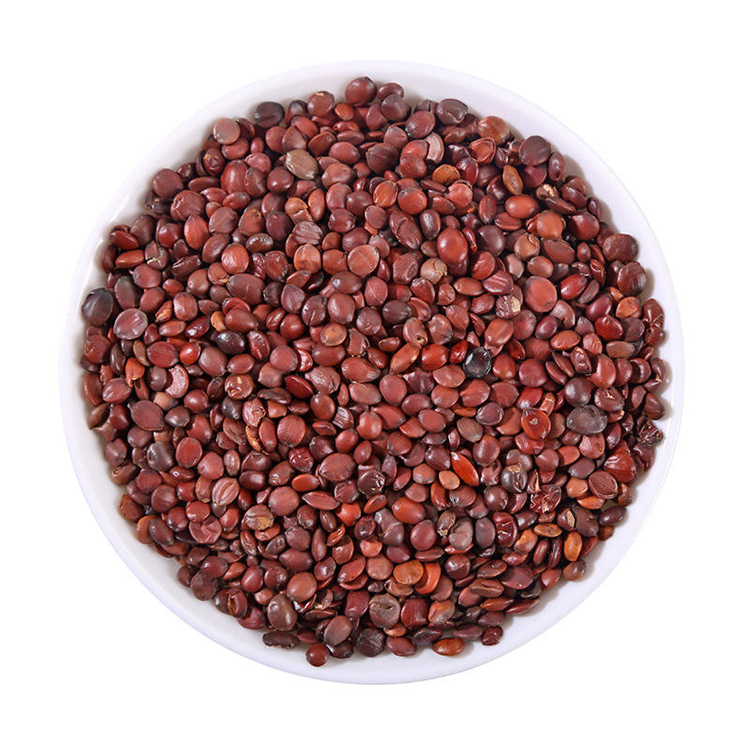
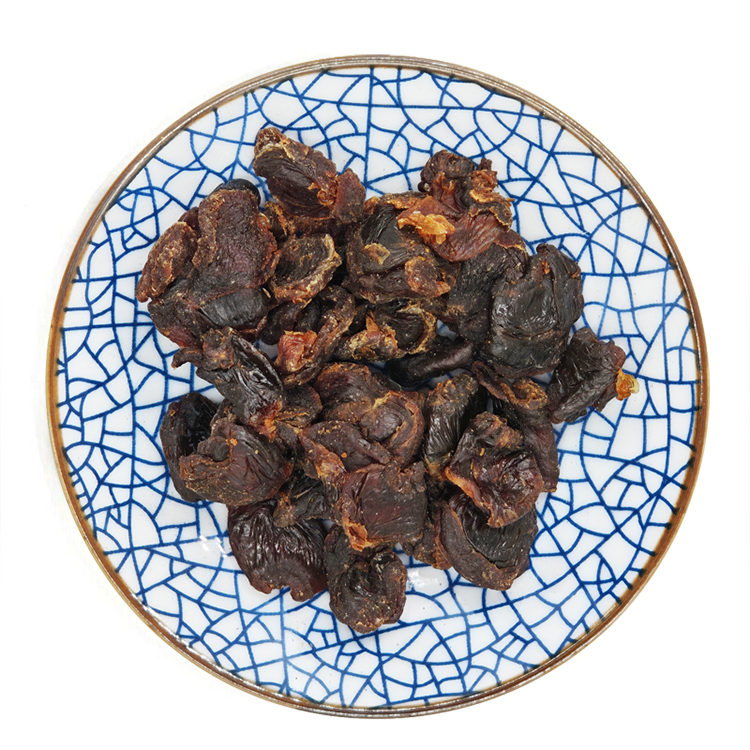
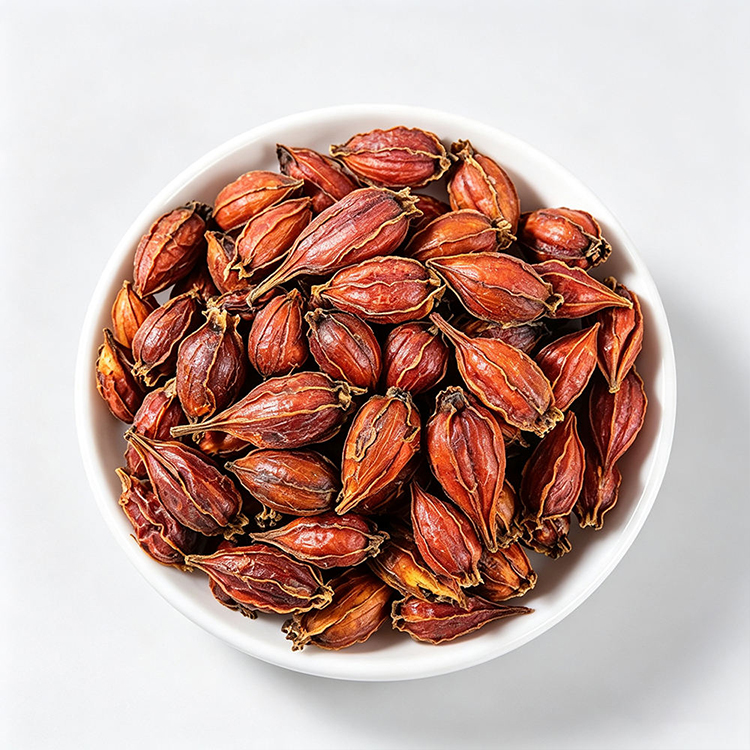
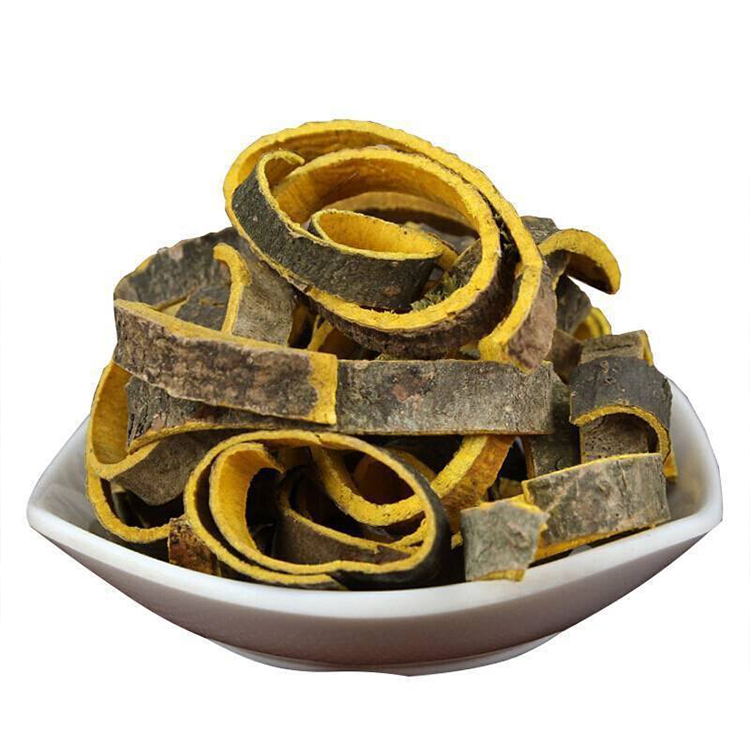
You’re building beverages for real people, not for textbooks. Bark botanicals give you dense actives, stable supply, and familiar flavors you can turn into repeat buys. In Chinese materia medica, “barks” aren’t side notes—they’re workhorses. Below, we focus on Eucommia ulmoides, Magnolia officinalis + Phellodendron amurense , and Cinnamomum (cassia/“Chinese cinnamon”). Quick note on “Cnidium bark”: the Cnidium used in TCM is usually the fruit not bark; in beverage work most teams mean cinnamon bark (Cinnamomum). We’ll use that so your R&D stays on-brief.
GuoCao can back this with GMP slicing, ISO 22000 food safety, third-party COA, 2500-ton annual capacity, and OEM/ODM runs, including enzyme beverages production lines. Global docs ready. If you need a straight-through supplier for barks, roots & rhizome, fruits & seeds, flowers & whole herbs, or animal & mineral classes, you can source from GuoCao and lock your QA chain end-to-end.
Eucommia ulmoides bark extract | blood-pressure support | functional beverage base
Eucommia bark and leaf share a core chemistry: lignans (e.g., pinoresinol diglucoside) and iridoids (aucubin lineage). These map to endothelial NO pathways and anti-inflammatory tone. That’s good for beverages claiming blood-pressure support with daily use.
Human evidence (randomized trial data)
A standardized Eucommia bark extract (with defined lignan content) showed short-term reductions in ambulatory blood pressure (~7.5/3.9 mmHg over two weeks) with good tolerance in adults. Mechanistic work also points to gut-microbiota mediation. Keep the claim sober: “supports healthy blood pressure” beats hard medical phrasing.
Taste: bark brings bitter/green notes. Use acid line (citric/malic), polymer-tannin management, and microencapsulation to mute harsh edges.
pH: hold pH 3.2–4.0 for better stability of iridoids and phenolics.
Matrix: works in tea-like RTDs, oat/almond latte formats (protein-polyphenol smoothing), or sparkling spritzers.
Process: HTST works; add de-aeration (vacuum) and antioxidant system to protect aroma. Don’t over-shear, else you raise haze.
Sourcing: for slices or granules, see Barks and Chinese Herbal Slices categories; for blended botanicals, coordinate cut size to match extraction kinetics.
Use-case scenes (need states)
“Workday calm pressure” iced tea;
“Post-work walk” warm brew;
“Low-caffeine morning” latte base. Simple copy beats hype: “You sip daily. Let the numbers trend right.”
Honokiol/magnolol (Magnolia) + berberine alkaloids (Phellodendron) show signals on stress, anxiety scores, and cortisol in adult trials. In beverage terms: a “focus & unwind” SKU for afternoon or pre-bed.
Formulation notes (stability & bitterness)
Bitterness is real. Use lipid carriers, β-cyclodextrin, or resin de-bittering.
Stability: honokiol/magnolol get light-sensitive at neutral pH; run amber bottle, ascorbate + chelation, and keep pH mildly acidic.
Flavor map: lean into spice-citrus or roast notes; add a light vanilla-cocoa base to round edges.
Regulatory lens: berberine gets region-specific advisories (pregnancy, certain meds). Use “stress support” language; avoid medical claims. Log everything with QA and label review.
Scenes & channels
Desk-friendly still drink for focus;
Evening calm herbal;
Zero-alcohol nightcap. Pull authenticated bark inputs via Barks and lock COAs with GuoCao.
Cinnamomum cassia / C. verum bark | glycemic control | warm-spice beverages
Evidence snapshot
Meta-analyses and recent trials show modest improvements in fasting glucose/HbA1c. Not magic, but helpful when paired with diet and movement. Great news for spiced tea/latte lines and winter limited editions.
Safety snapshot (coumarin)
Mind coumarin. Prefer C. verum (Ceylon) for lower coumarin if you aim for higher daily volume. Set sensible serving sizes and don’t overshoot. Keep it clean-label.
Formulation notes
Flavor: cinnamon lets you reduce added sugar while keeping sweet perception.
Matrix: instant tea sticks, concentrate shots, or RTDs.
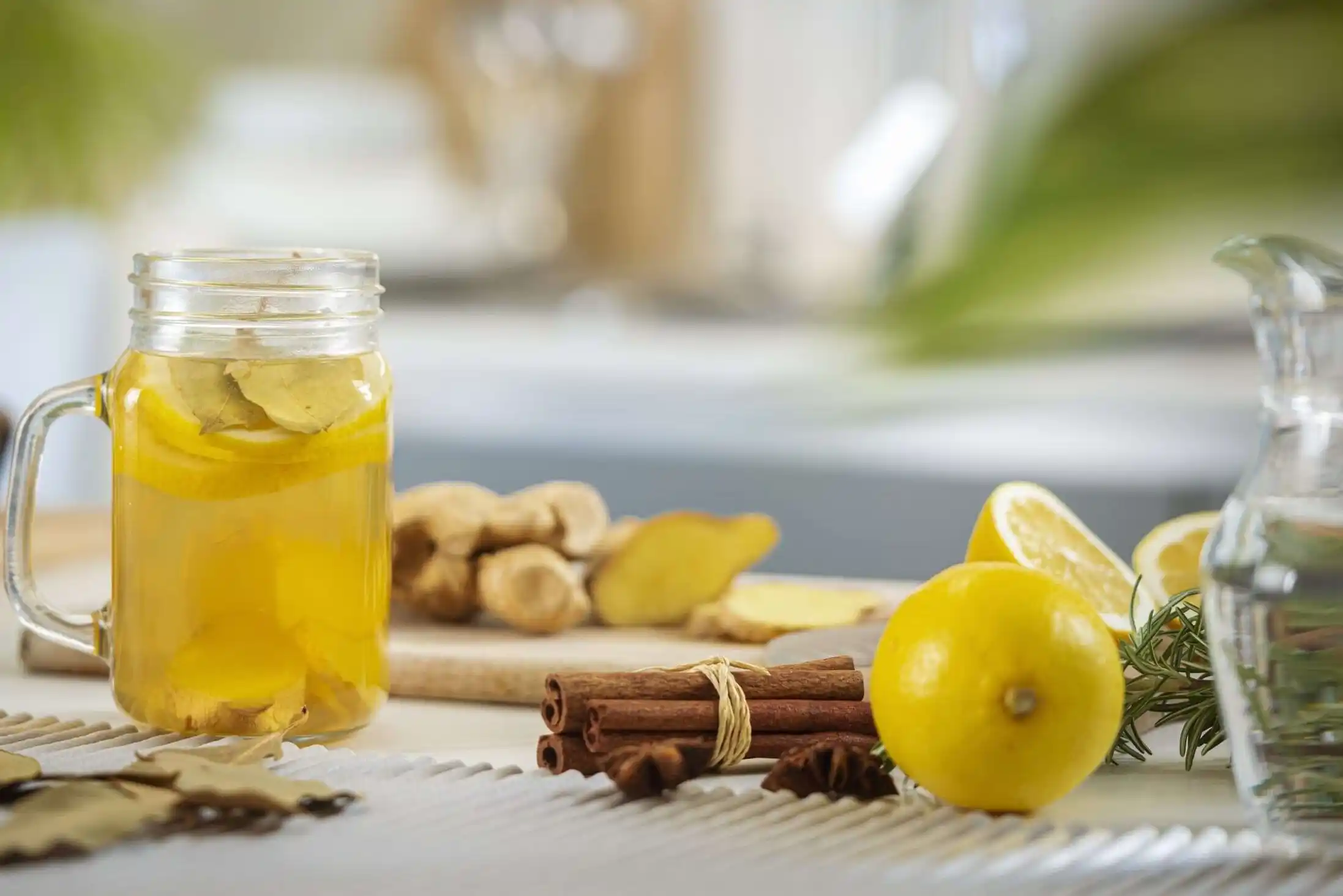
Process: consider steam-volatiles capture or folded oils to keep top-notes after heat. Source sticks, chips, or powder via Barks and build blends with Fruits & Seeds (hawthorn, jujube) and Flowers & Whole Herbs (chrysanthemum) for tradition plus taste.
(Numbers summarize published findings; keep claims compliant. Use QA to verify exact dosage and serving messaging.)
Product category map you can pull today (sourcing path)
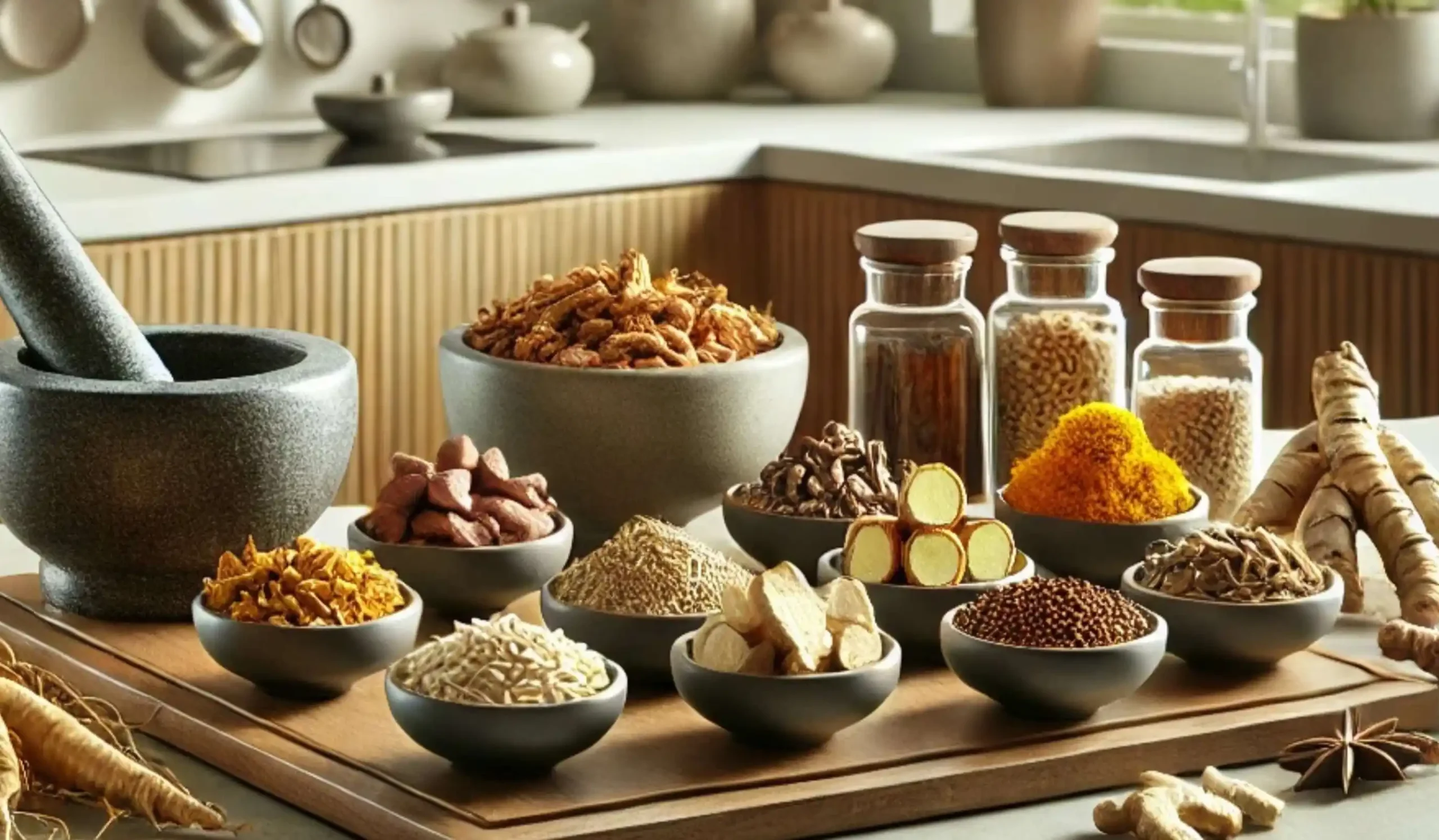
You can build full pipelines by mixing bark slices with other classes. Start with Barks, then layer supportive botanicals from Roots & Rhizome (ginger, codonopsis), Fruits & Seeds (hawthorn, goji), and Flowers & Whole Herbs (chrysanthemum, osmanthus). If your brief touches cosmeceutical cross-over or mineral tonics, coordinate with Animal & Mineral under the same QA umbrella. Need private label? Use OEM/ODM with GuoCao’s GMP slicing and ISO 22000 line to keep audits smooth.
R&D playbook (pilot → scale)
Brief & guardrails Define use-case (BP support, stress, glucose), target pH, sweetness strategy (sucrose-reduction via spice), clean-label needs, and region rules. Decide if it’s RTD, concentrate, or stick pack.
Extraction & standardization
Choose cut size for slices to balance extraction time and filtration.
Use solid–liquid extraction with controlled TDS; run negative pressure de-aeration before fill.
Standardize to marker compounds (e.g., pinoresinol diglucoside for Eucommia; honokiol/magnolol for Magnolia; cinnamaldehyde for cinnamon). Keep COAs attached to lots from GuoCao.
De-bittering & organoleptics
Combine acid/latent sweetness (citrus, apple) and creaminess (oat protein) to smooth bark notes.
Add flavor top-notes late; capture volatiles when you heat.
Short sensory loops: 5–7 person internal panel is fine, just don’t bias. (yea, grammar not perfect here)
Stability & packaging
pH-controlled, HTST for microbial kill; watch polyphenol haze.
Amber bottle or UV-blocking sleeve for honokiol systems.
Run accelerated stability (40 °C/75% RH) + freeze-thaw; document deltas.
Regulatory & claims
Use structure/function style: “supports…,” “helps maintain…,” “promotes…”.
Coumarin: manage with species selection and serving size.
Berberine: apply region guidance; add pregnancy/medications caution if required.
Keep ISO 22000 records and third-party COAs on file; GuoCao can supply both.
Magnolia-Phellodendron night herbal (zero-alcohol): warm spice-cocoa profile, lipid carrier for honokiol, amber glass, evening ritual.
Cinnamon oat latte (RTD): C. verum bark fraction, light cocoa, decaf coffee note, sweetness held down by cinnamon’s sweet-bias.
Sparkling hawthorn-cinnamon spritz: tart fruit + bark spice; great for winter limiteds. All four can be sourced end-to-end through GuoCao with OEM/ODM fill and enzyme beverage options if you want a fermented line extension.
Commercial angle (why this SKU set works)
Claim clarity: consumers understand blood pressure, stress, and blood sugar. No need to educate from zero.
Taste: cinnamon sells; citrus-tea sells; cocoa-vanilla sells. Bark bitterness can be managed.
Repeat rate: daily use-states drive re-orders.
Retail fit: one tea-like still, one spice latte, one evening calm → three flavors, three day-parts.
Supply & QA: single-vendor chain via GuoCao simplifies audits (GMP, ISO 22000, COAs).
Regional reach: GuoCao ships to US, EU, Australia, Japan, Korea, Canada, Malaysia, Philippines and more, with docs in place. You can talk “reduced sugar perception,” “clean-label,” “pH-safe actives,” “microencapsulation,” and “pilot-to-scale continuity.” That’s industry language buyers like.
Our low MOQ of 1 kg (2.2 lb) makes it easy to order Chinese herbal slices or wholesale Chinese medicine herbs. Private-label and bilingual labeling are also available.
Delivery Cycle & Support
We have a fast 7-day lead time. We provide free samples, COA reports, and technical support to help you bring high-quality bulk Chinese herbs to market.
Quality & Certifications
Our products are manufactured in a GMP-certified facility and meet ISO22000 standards. All Chinese herbs are third-party tested for heavy metals, pesticides, and microorganisms.