You want safe, steady, tasty product. You don’t want drama. When herbs and spices live under one factory roof—intake, slicing/grinding, kill-step, blending, filling, warehousing—the line runs cleaner and faster. Fewer handoffs. Fewer gaps. Tighter flavor control. That’s the whole play.
I’ll keep it plain, pack in real keywords buyers search for, drop a proof table, and map everything to GuoCao so you can move from idea to order without detours.
FSMA Preventive Controls & ASTA GMP for Spices
Why it matters. Spices and botanicals carry dust and micro risks. FSMA preventive controls push you to prevent instead of react; ASTA GMP turns that into daily routines. Under one roof you run one hazard analysis, one batch-release trail, and one supplier-approval map. QA walks from raw receiving to post-kill and packing without chasing a third party. Simple beats clever.
GuoCao fit. We run GMP lines aligned with ISO 22000, plus third-party COA for heavy metals, pesticides, and micro. It’s standard, not “special.” Learn more on About Us.
Steam Sterilization & Irradiation for Spices (In-House Kill-Step)
The buyer ask. “Where’s your kill-step?” You need a validated control that drops microbial load while protecting aroma. Steam (often vacuum-assisted) and ionizing irradiation are proven routes when parameters stay tight. Keep that inside the plant and you avoid open-bag trips and re-contam chances between vendors. Your post-kill zone stays clean; your line-clearance actually means something.
Ops tip. Treat mesh size and dwell time as CTQs (critical-to-quality). If pepper goes fine, tighten the sieve and watch heat pickup. If bark stays chunky, tune slice thickness first, not just dryer time.
Hygienic Zoning & One-Way Flow in GMP Herbal Factories
The boring wins. Cross-contam sneaks in through people, tools, and air. Hygienic zoning separates raw and post-kill. One-way flow locks movement into a simple path. Add color-coded utensils, dry-clean SOPs, and ATP trend checks. You feel it in fewer holds and cleaner audits.
Store right next to the line. Herbs breathe. With ambient / cool / modified-atmosphere storage inside the same site, planners shift lots without trucks, so water activity and volatiles stay in range.
ISO 22000, Third-Party COA & Traceability
Paper that protects.ISO 22000 aligns people, hazards, and verification. Third-party COA adds an external layer for metals, pesticides, and micro. Real traceability—both directions—turns a scary recall into a tight, surgical action. Mock recall on Tuesday, audit on Thursday? You won’t sweat it.
GuoCao fit. System + testing + record-keeping live together. We keep sample retention and batch docs organized so your market approvals move faster.
Integrated Warehousing: Ambient / Cool / MA
Why storage shapes flavor. Over-warm storage mutes top notes and invites moisture creep; over-dry scuffs mouthfeel. When ambient, cool, and MA zones sit inside the same factory, planners can relocate stock in hours, not weeks. Results: steadier OTIF, better aroma integrity, and fewer “why does this lot taste tired?” emails.
OEM/ODM Private Label for Herbs & Spices
What one roof unlocks. You brief the spec—mesh/slice, moisture window, blend ratios, label claims—and the same team runs trials, micro, AQL, and artwork. No eight suppliers. No “who owns the COA?” ping-pong. Label control sits next door to production, not across town. Explore custom paths here: Custom Chinese Herbal & Spice Solutions.
Buyer pain we solve (straight talk).
Kill-step validation with post-kill segregation for complex blends.
Spec lock on mesh size, slice thickness, moisture, and AOAC methods.
Allergen & cross-contact map, even for botanical-only lines.
Artwork control for multi-region labels (date formats, lot codes, units).
Mock recall cadence and supplier approval docs ready before a retailer asks.
Product Categories Under One Roof (Real “use scenarios”)
Blends cross boundaries—spices with barks, flowers with seeds. One factory prevents “truck-to-truck” contamination and timing mess.
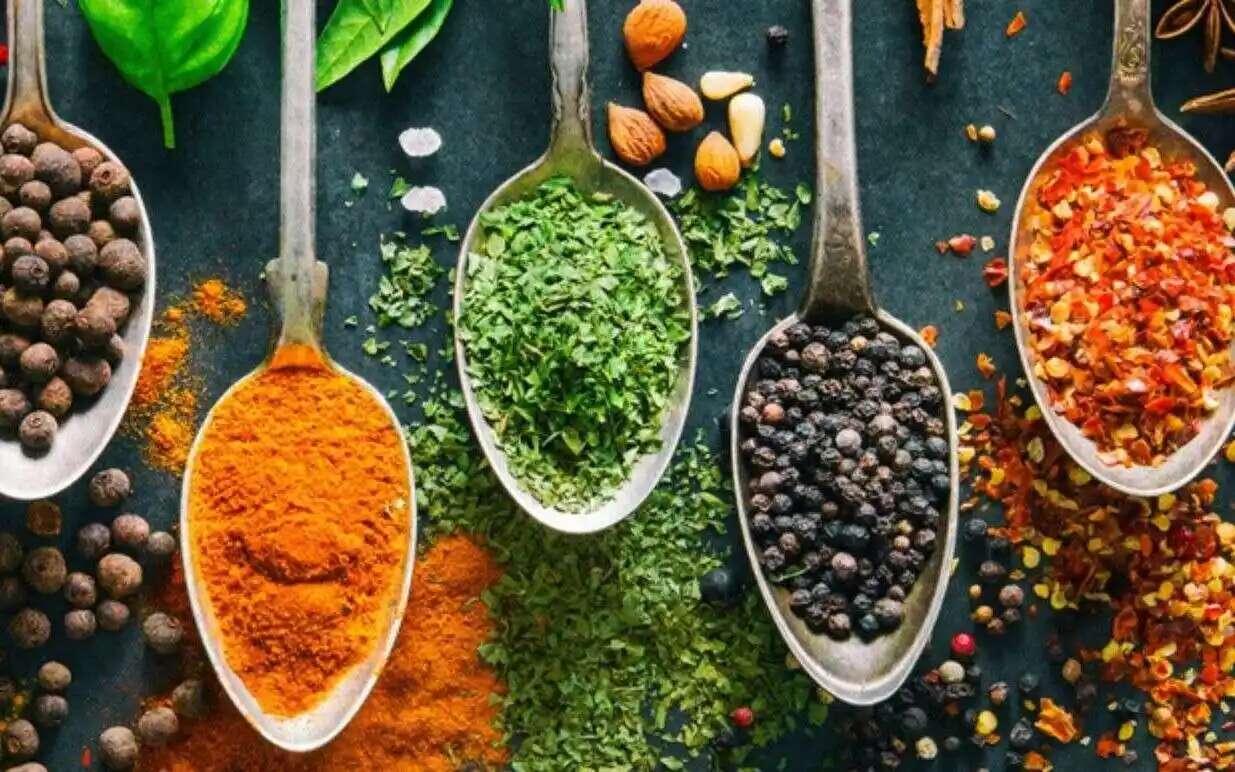
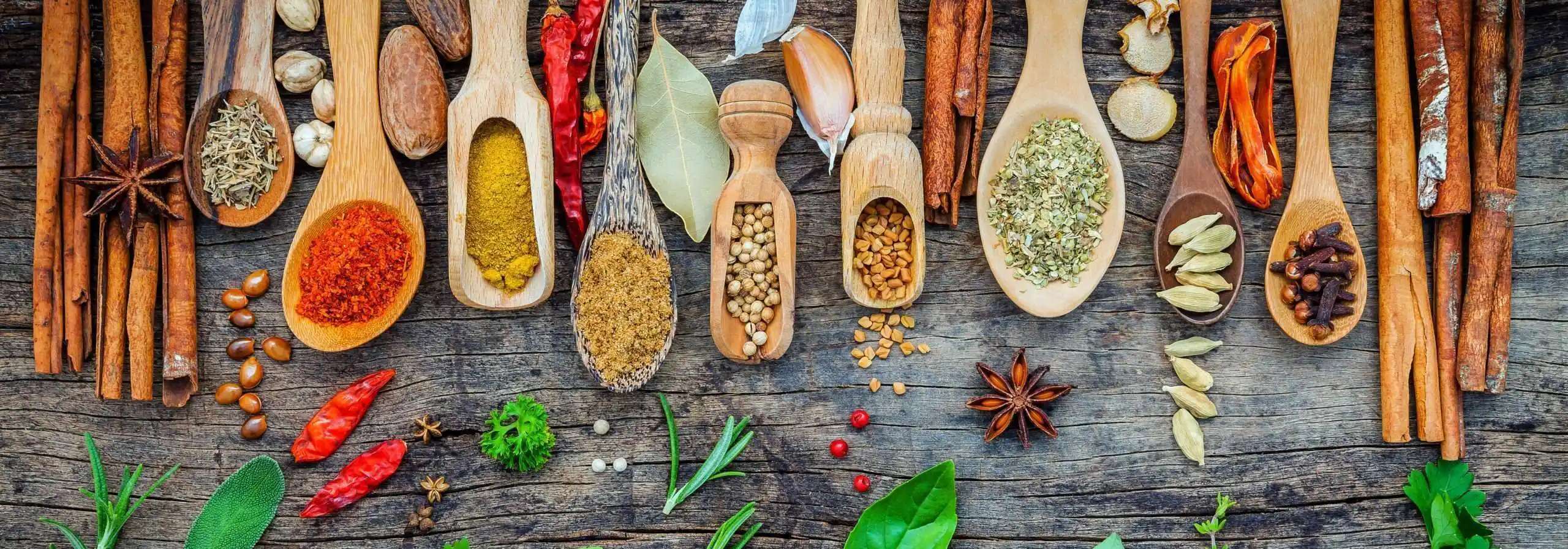
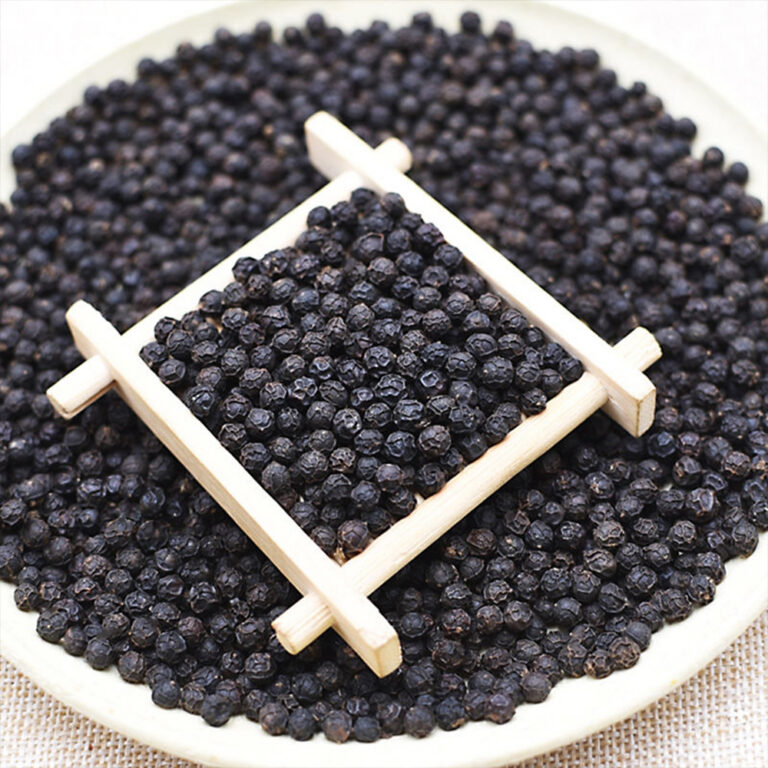
Dried Spices — clove, pepper, nutmeg, tsaoko, bay leaf. Steam-treat, grind, sieve, fill, and push to cool store. Browse Dried Spices.
Flowers & Whole Herbs — chrysanthemum, honeysuckle, epimedium… Ideal for tea-cut visuals and RTD bases. See Flower & Whole Herbs.
Barks (Cortex) — cinnamon/cassia, magnolia, eucommia. Watch fines %, tune slicing, and set metal-detect thresholds. Explore Barks Chinese Medicines.
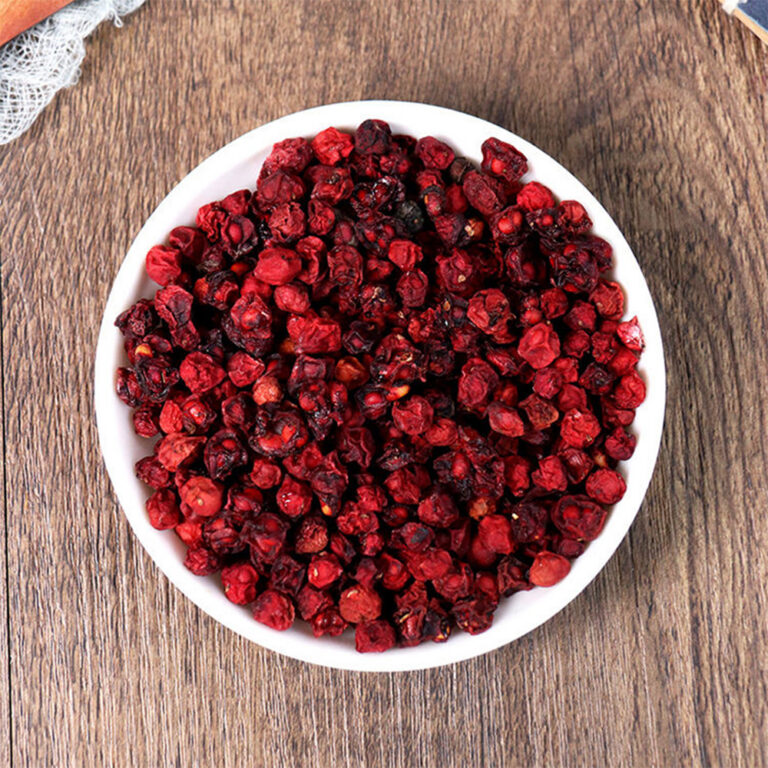
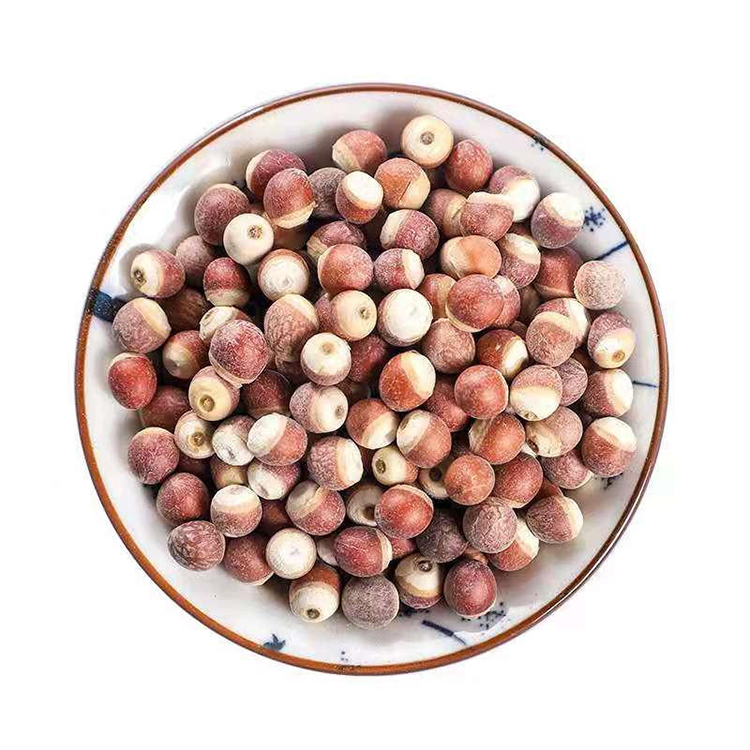
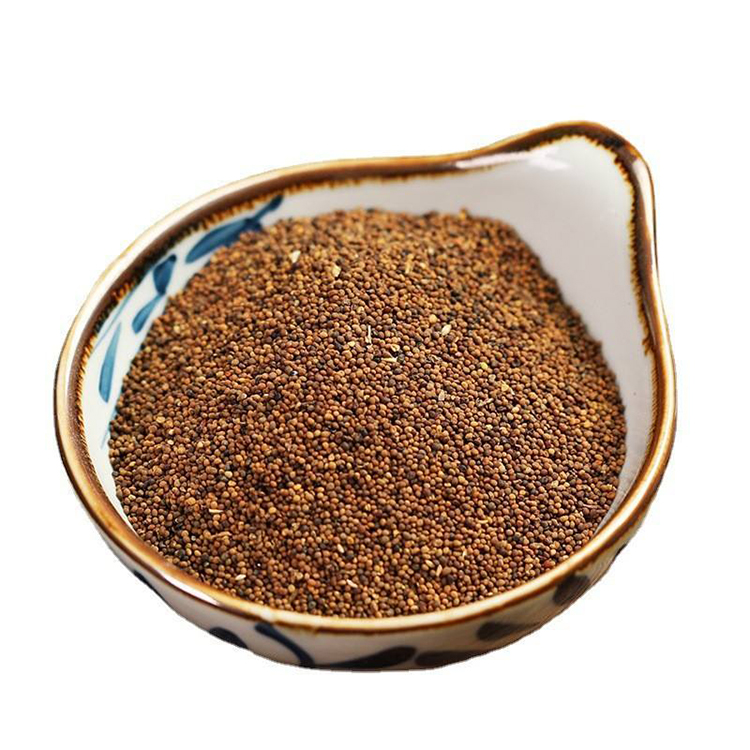
Fruits & Seeds — star anise, tangerine peel, goji, cassia seed. Great crossover for seasoning and functional drinks. Check Fruit & Seed.
Separate raw vs. post-kill; control people/tools/air
Layout + SOPs live together; checks happen daily
Hygienic design best practice
ISO 22000 & third-party COA
Systemized risk control + external lab evidence
Central sample retention & document library
Certification + QA
Traceability (two-way)
Batch IDs and mock-recall readiness
Unified records; faster investigations
ERP/records
Ambient / cool / MA storage
Match storage to volatile load & water activity
Re-zone stock without shipping
Warehouse operations
OEM/ODM private label
Spec lock, bilingual labels, AQL, COA
Formulation → trial → label control in one loop
Manufacturing service flow
Practical Scenarios (no fake names, just work)
Seasoning blend, hot fill. Use steam-treated pepper with post-kill cinnamon bark and bay leaf from Dried Spices and Barks. Sieve to target mesh, metal-detect, dry-clean the line, then fill. Keep the blend in cool store to hold top notes.
Functional tea / RTD base. Pull Flower & Whole Herbs for clean visuals; choose a tea-cut window and control fines. If you add citrus peel or star anise from Fruit & Seed, secure COAs first, then blend.
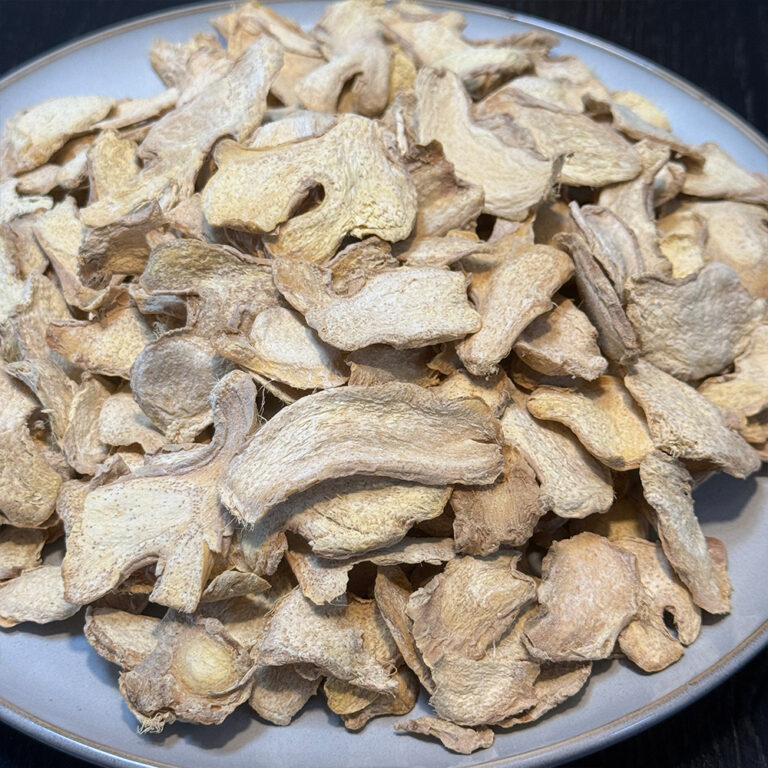
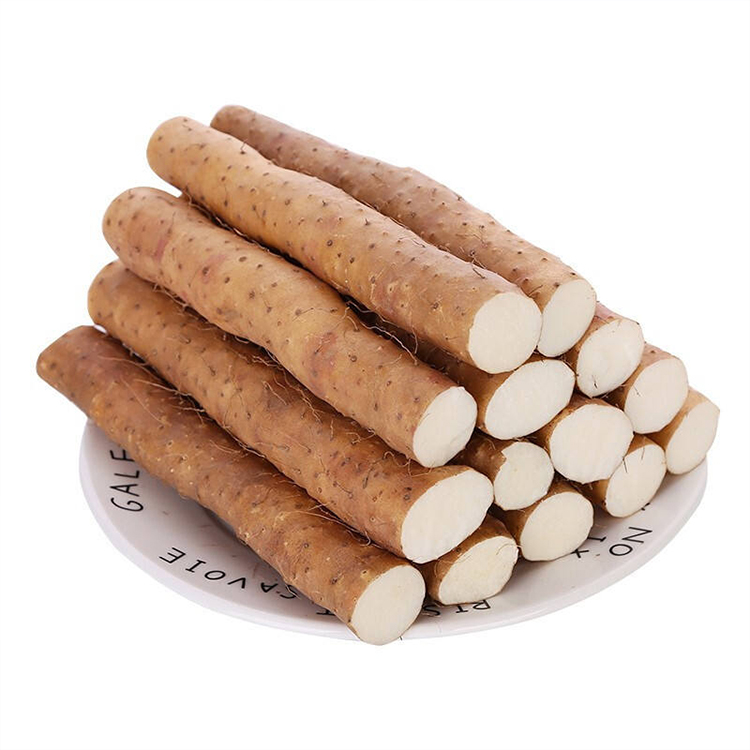
Clinic / hospital supply. For Root & Rhizome, match slice thickness to decoction time. Lock thickness window, moisture spec, and ID checks; document it in the release pack.
Keyword-Rich H3s You Can Re-use
FSMA Preventive Controls for Spices — In-Plant Execution
Lead with the outcome: hazard map, CCPs, and documentation in one place. Close with how zoning and post-kill rules cut re-contam.
Spice Steam Sterilization and Irradiation — Flavor-Safe Kill-Step
Explain steam vs. irradiation in human words. Note mesh size and dwell time as CTQs. Keep it factual, short.
ISO 22000 and Third-Party COA — Traceable, Verifiable, Ready
State your testing scope and sample retention. Promise only what your SOPs deliver.
OEM/ODM Private Label for Herbs & Spices — End-to-End
Use active voice. Short sentences mostly; mix in a longer one when you need weight. If a line feels stiff, read it out loud—fix or bin it. Use buyer language: CCP, kill-step, OTIF, AQL, mock recall, line-clearance, CTQ. Avoid big shiny adjectives. We ain’t writing a brochure; we’re helping someone ship safe product.
Why GuoCao (value without cost talk)
System: GMP processing lines with ISO 22000 and routine third-party COA.
Our low MOQ of 1 kg (2.2 lb) makes it easy to order Chinese herbal slices or wholesale Chinese medicine herbs. Private-label and bilingual labeling are also available.
Delivery Cycle & Support
We have a fast 7-day lead time. We provide free samples, COA reports, and technical support to help you bring high-quality bulk Chinese herbs to market.
Quality & Certifications
Our products are manufactured in a GMP-certified facility and meet ISO22000 standards. All Chinese herbs are third-party tested for heavy metals, pesticides, and microorganisms.