Fennel Seed: How to Check Aroma Across Repeat Lots
A practical buyer guide to checking fennel seed aroma lot to lot: reference samples, blind sensory scoring, volatile oil and COA data, and RFQ requirements.
A fennel seed sample that smells sweet and clean on day one says little about the fifth container you receive from the same supplier. Fennel is a volatile-oil crop, and its aroma shifts with variety, origin, crop year, harvest maturity, drying, microbial treatment, packaging and warehouse time. Buyers who approve one sample and then rely on a certificate of analysis (COA) can learn about aroma drift from their own production line or from customer complaints.
This guide explains how to check fennel seed aroma lot after lot. It covers setting a reference, running a repeatable sensory test, using laboratory data without over-trusting it, and deciding whether a lot is accepted, held or rejected. It is written for procurement, QA and product development teams buying whole fennel seed for seasoning, tea and herbal products.
Why One Approved Sample Does Not Protect Repeat Lots
An approval sample shows that one batch met your expectations at one moment. It does not show that the supplier can reproduce that batch. Aroma drift between lots usually comes from a handful of identifiable sources, and each one points to a different question for the supplier.
Drift source
What you may notice
What to verify
Variety or origin change
Different balance of sweet, camphor-like or bitter notes
Declared botanical variety, origin and region; whether origin changed between lots
Crop year or old stock
Colour looks acceptable but aroma is flat
Harvest year on the COA, label and traceability record
Harvest maturity
Greener, grassier or thinner profile
Harvest window and sorting practice
Drying temperature and time
Cooked, smoky or dull top notes
Drying method and temperature records for the lot
Microbial reduction treatment
Weaker or altered aroma after treatment
Whether the lot was treated, how, and whether the process is validated
Broken seed and fines
Faster aroma loss, uneven grinding behaviour
Whole-to-broken ratio and dust level
Packaging and storage
Weak aroma on arrival, musty or absorbed odours
Pack barrier, storage conditions, time since packing
Blending of sub-lots
Inconsistent aroma inside one shipment
Whether one lot code covers a single crop and processing run
Aroma is also application-dependent. A seasoning factory cares about how fennel behaves when toasted, ground and blended with salt. A tea or herbal manufacturer cares about the infusion. For the wider distinction between spice and herbal buying specifications, the fennel seed wholesale guide on spice and herbal use differences covers botanical type, volatile oil and estragole questions. Settle those before any aroma program begins.
Build the Aroma Reference Before the First Order
Every repeat-lot check needs something to compare against. That reference is not a photo or a verbal description. It is a physical retained sample, stored under controlled conditions, with a written aroma profile attached.
A workable reference package contains:
A retained approved sample, sealed in a low-permeability container and kept cool, dry and dark, with the lot code, origin, crop year and date recorded.
A written descriptor set, such as sweet anise-like, licorice, fresh green, warm, camphor-like, woody, hay-like, musty or burnt. These are working descriptors for your panel to calibrate, not a published standard.
Intensity scores on a fixed scale (for example 0–10) for whole seed and crushed seed.
The application test result, meaning how the reference performed when toasted, cooked, blended or infused in your actual product.
A defined reference lifetime. A reference ages too. Plan to bridge to a new reference at each crop year by testing the new candidate blind against the old one while the old one is still usable.
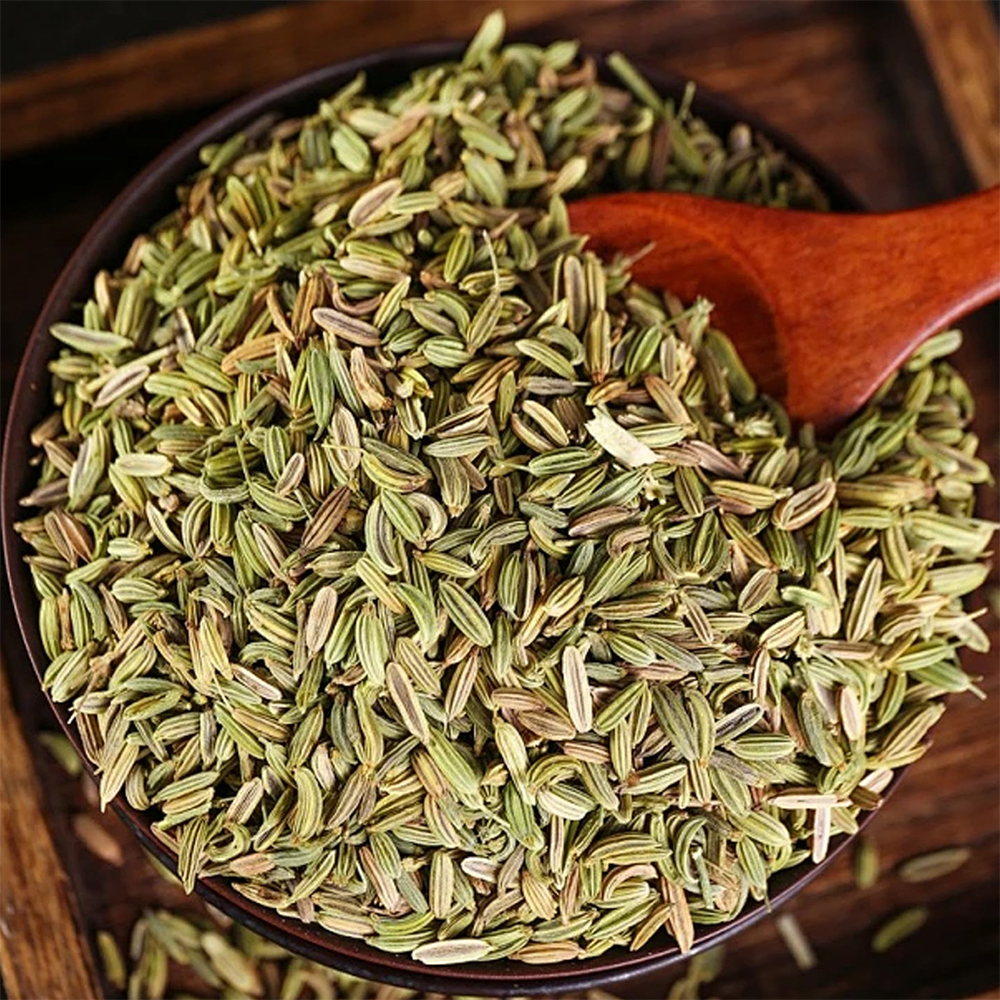
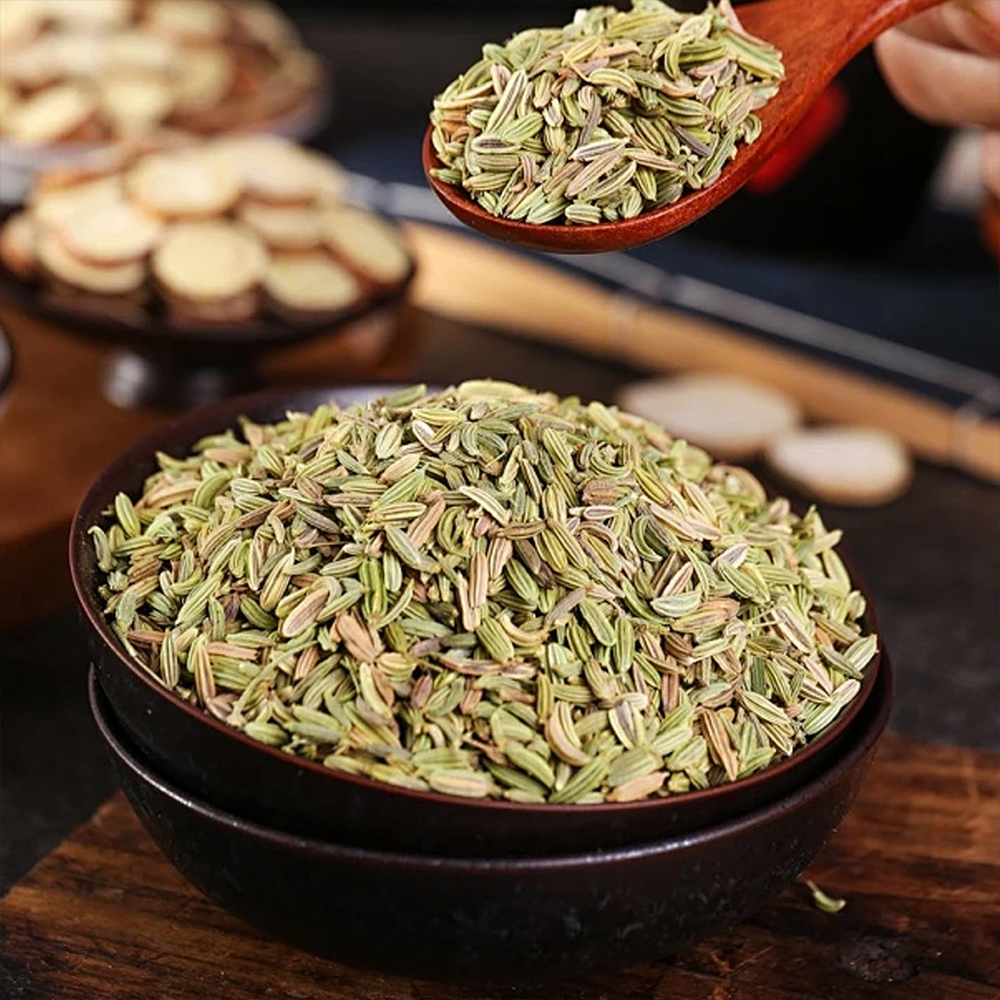
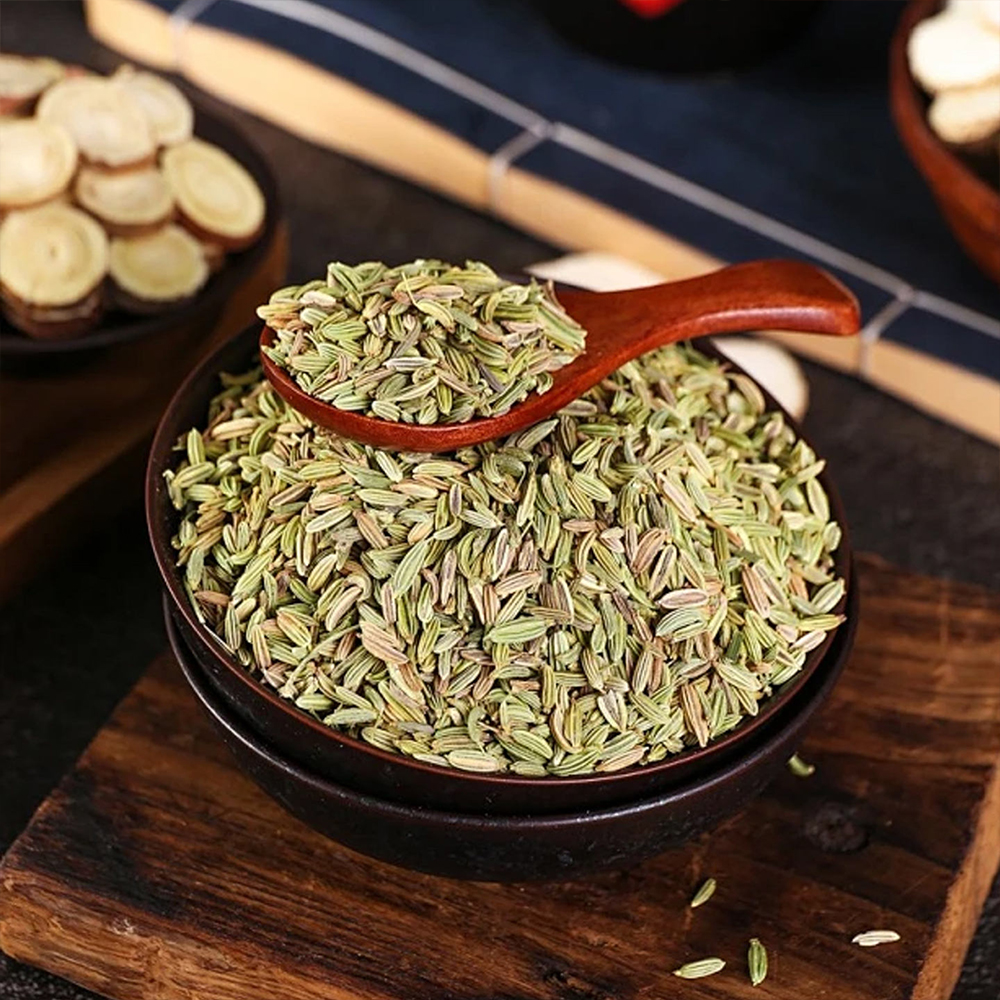
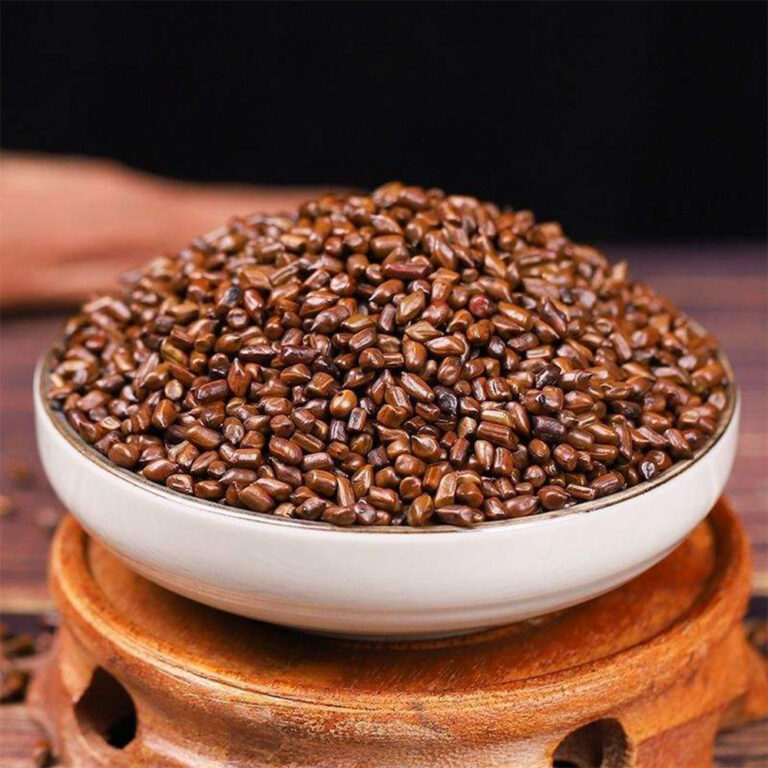
For a buyer sourcing whole dried fennel seed for the first time, the bulk fennel seed (Xiao Hui Xiang) product page describes the material as whole dried seed with a light brown to greenish hue and a sweet, mildly spiced fragrance. Treat that as a starting description and confirm the sample against your own reference before relying on it.
A Stronger Aroma Is Not Automatically the Better Lot
A common assumption is that the most intense sample should win. For repeat purchasing, that logic backfires. Your finished product was developed around a specific profile. A lot that smells noticeably sharper, more camphor-like or more bitter can change the seasoning blend or tea even though it seems “stronger.” The target is a match to the approved profile within a defined tolerance, not a contest for intensity.
The same caution applies to numbers on paper. Total volatile oil content shows how much oil is present. It does not tell you whether the oil smells like your reference. Two lots can show similar oil yields and still differ in composition, or carry off-notes from drying, storage or treatment. Instrumental data narrows the question, and the sensory test answers it.
How to Run a Repeatable Fennel Seed Aroma Check
The method below is a practical working protocol, not a published standard. Adjust the details to your product and lab, then freeze them in a written procedure so every lot is tested the same way.
Step 1: Confirm Identity, Cleanliness and Safety First
Do not let anyone smell-test or taste an uncleared raw lot as a substitute for documentation. Check that the lot code on the carton, COA and invoice match. Check that the botanical name and origin are consistent, and that visible foreign matter and insect activity are acceptable. The dried spices buyer guide on aroma, cleanliness and consistency argues for specifying cleanliness first, then consistency, then aroma. A good aroma on contaminated material is still a rejected lot.
Step 2: Sample the Lot Properly
Draw portions from several cartons or bags and from different positions, then combine them into a composite sample for sensory work. Keep a second portion sealed for retention. A single handful from the top of one bag mostly measures the top of one bag, which is where aroma loss and moisture exposure tend to show first.
Step 3: Test Whole Seed, Crushed Seed and the Application Form
Run at least three presentations, because each one reveals something different:
Whole seed, dry. Screens for surface cleanliness, musty or stale odours, and smells absorbed from packaging.
Freshly crushed seed. Crushing releases oil from inside the fruit and exposes whether real aroma is present. Fix the crushing method and the time between crushing and sniffing, because aroma fades quickly after grinding. Weak aroma that barely increases after crushing is a warning sign.
Application test. Toast and blend for seasoning programs, or infuse for tea programs. Use a fixed mass, particle size, temperature and contact time written into the procedure. Raw-bag aroma and aroma after heating or infusion do not always match.
Step 4: Blind the Samples and Include the Reference
Present the new lot, the approved reference and, ideally, the previous lot in coded cups. Use random three-digit numbers, randomized order and at least one duplicate. ISO 13299:2016 provides general guidance for establishing a sensory profile, including assessor selection and training, sample coding, test conditions and replication. Even a small QA team benefits from those principles: same room, same sample amounts, no perfumed products, and no discussion before scoring.
For an example of scoring aroma and a second attribute separately under blind conditions, see the Sichuan pepper guide on sensory testing and foreign matter control. It shows how a panel scorecard can be structured for another aromatic spice. Fennel has no numbing attribute, but the approach of fixed preparation, coded samples and a retained reference transfers directly.
Step 5: Score Against a Fennel-Specific Card
A scorecard keeps the panel from collapsing everything into “good” or “bad.” The attributes below are suggested starting points.
Attribute
How to record
Typical target
Warning signal
Whole-seed aroma intensity
0–10
Within the reference band
Flat, dusty, noticeably weaker than reference
Crushed-seed aroma intensity
0–10
Clear increase over whole seed
Little increase after crushing
Sweet, anise-like character
0–10
Matches reference
Weak sweetness or sharper, thinner top notes
Camphor-like or bitter notes
0–10
Matches reference
Stronger than reference (check variety and origin)
Off-notes: musty, hay, smoky, burnt
Present or absent, plus intensity
Absent
Any musty, fermented, smoky or chemical odour
Aroma after toasting or infusion
0–10 plus descriptors
Matches reference in the real application
Aroma collapses or turns bitter in use
Overall match to reference
Same / slightly different / different
Same or slightly different
“Different” in a repeat test
Step 6: Set Accept, Hold and Reject Rules
Decide the rules before the first dispute. A simple three-tier structure works well:
Accept: overall match is within the tolerance band and no off-notes are detected.
Hold: a borderline score, a new origin or crop, or an unexplained difference. Retest with a fresh composite sample, check lot records and run the application test before releasing.
Reject: clear off-notes, a failing identity or safety check, or an aroma that changes the finished product beyond what your customers accepted.
Do not invent the tolerance band on day one. Run several approved lots through the same protocol, then set the acceptable range from that history. If a lot needs blending to meet the profile, document it as a new sub-lot with its own record. The guide to traceability and batch control from farm to finished slices explains why sub-lot genealogy matters when material is reworked or mixed.
What Laboratory Data Can and Cannot Tell You About Aroma
Laboratory results support the sensory test. They do not replace it.
Volatile oil content.ISO 6571:2008 specifies a hydrodistillation method for determining the volatile oil content of spices, condiments and herbs. The ISO page lists it as reviewed and confirmed in 2024. The method measures how much volatile oil a sample yields. Name the method in the contract, because method details affect comparability between laboratories. A falling oil value across consecutive lots can warn of aged stock or heat damage. A stable value does not prove the aroma profile is unchanged.
Chemical profile. For fennel, buyers commonly request trans-anethole, fenchone and estragole by gas chromatography, particularly in herbal and extract programs. Composition helps explain why two lots with similar oil yield smell different. It also supports variety and origin control. Ask the supplier which method was used and whether the same method is used each time. If your destination market is sensitive to estragole, confirm requirements with a regulatory specialist before purchase rather than after arrival.
Moisture and physical data. Moisture, whole-to-broken ratio and foreign matter explain many aroma problems indirectly. Excess moisture, high fines and rough handling all speed volatile loss and increase storage risk.
Request COAs for consecutive lots, not a single best result. One report shows that a laboratory once tested a good batch. Three or more lot reports, plotted against sensory scores, show whether the supplier controls the process.
An Illustrative Scenario
Consider a hypothetical tea-blend manufacturer whose third lot of fennel passes every COA parameter but produces a flatter infusion than the first two. A blind comparison against the reference shows a normal whole-seed score and a weak crushed-seed increase. Records then reveal the third lot came from a different crop year. This is an invented example, not a customer story. It shows how the retained reference, the crushed-seed step and the crop-year field in the traceability record work together.
Keep the Aroma Program Running Between Orders
Aroma control is not complete when the lot is released. Three practices protect repeat purchasing:
Retain a sealed sample from every lot, labelled with lot code and date. When a complaint arrives, compare the retained sample against the complaint material rather than relying on memory.
Track the scores over time. A simple chart of overall match and crushed-seed intensity by lot shows slow drift before it becomes a rejection.
Control storage on your side. Fennel stored in warm, humid or light-exposed conditions loses aroma however well the supplier performed. The bay leaf wholesale guide on color, breakage and aroma retention makes a parallel point for another aromatic dried material: appearance can outlast aroma, so a retained reference matters more than colour.
Whole seed generally gives a buyer more evidence and holds volatiles better than crushed or powdered material. If your line can mill reliably, buying whole and grinding close to use lets you control one more variable. If you must buy powder, expect to tighten the freshness, packaging and identity checks.
What Should You Specify Before Requesting a Quote?
Put the aroma requirements in the RFQ so they become part of the supply agreement, not a conversation after the goods land. Include:
Application: seasoning, tea, extract or herbal use, since this sets the test method.
Botanical identity, variety and origin, with notice required for any change.
Crop year and harvest window.
Form: whole, crushed or powder; whole-to-broken limit; foreign-matter limit.
Treatment status: whether the lot is untreated or microbially treated, and how the treatment is validated.
Reference sample and golden-sample approval, with a retained portion held on both sides.
COA scope per lot: volatile oil method, chemical markers where relevant, moisture, microbiology, contaminants.
Sensory acceptance rule: who tests, which protocol, and what happens in a dispute.
Packaging, storage and shipping conditions, including barrier requirements.
Documentation: a lot code that matches carton, COA and invoice.
Send the specification with your sample request, and ask for consecutive-lot data and a pre-shipment retained sample. Suppliers who control their material usually answer these questions quickly and specifically.
Frequently Asked Questions
How do you check fennel seed aroma consistency between batches?
Compare each new lot, blind and coded, against a retained approved reference. Test whole seed, freshly crushed seed and the real application (toasted or infused), score defined attributes, and record results. Use the same procedure every time so lot-to-lot differences are real, not method noise.
Is a certificate of analysis enough to confirm fennel aroma?
No. A COA documents measured parameters such as volatile oil, moisture or microbiology. It does not capture off-notes, aroma balance or performance in your product. Use the COA with a sensory check against a reference sample, and review COAs from consecutive lots.
Which lab tests help control fennel seed aroma?
Volatile oil content by hydrodistillation, such as ISO 6571, shows oil yield. Gas chromatography for trans-anethole, fenchone and estragole shows composition. Moisture, whole-to-broken ratio and foreign matter explain indirect causes. Choose tests based on your application and destination market.
Why does fennel aroma vary from one lot to another?
Common causes are different variety or origin, a new crop year, harvest maturity, drying temperature, microbial treatment, broken seed, and packaging or storage conditions. Ask the supplier which factors changed and request the lot records that show it.
How many people do I need for a fennel sensory panel?
ISO 13299 gives guidance on selecting and training assessors, and larger panels reduce individual bias. A trained panel of 8–12 is a common working target. A small QA team can still run a disciplined blind test with a duplicate and a reference.
How should I store fennel seed reference samples?
Keep a sealed portion of each approved lot in a low-permeability container, cool, dry and dark, with lot code, origin, crop year and date. Replace the reference at each crop year after a blind comparison with the new candidate.
Our low MOQ of 1 kg (2.2 lb) makes it easy to order Chinese herbal slices or wholesale Chinese medicine herbs. Private-label and bilingual labeling are also available.
Delivery Cycle & Support
We have a fast 7-day lead time. We provide free samples, COA reports, and technical support to help you bring high-quality bulk Chinese herbs to market.
Quality & Certifications
Our products are manufactured in a GMP-certified facility and meet ISO22000 standards. All Chinese herbs are third-party tested for heavy metals, pesticides, and microorganisms.