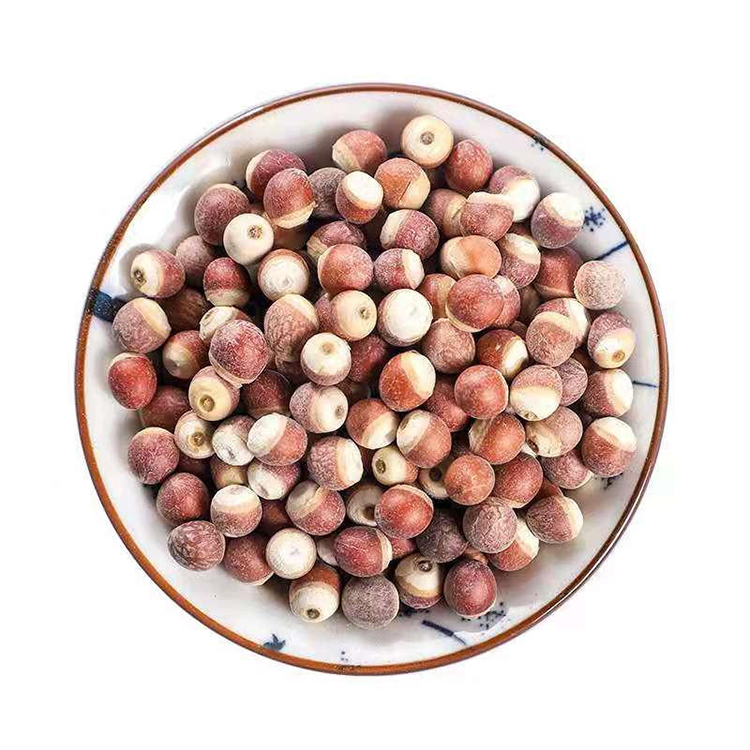
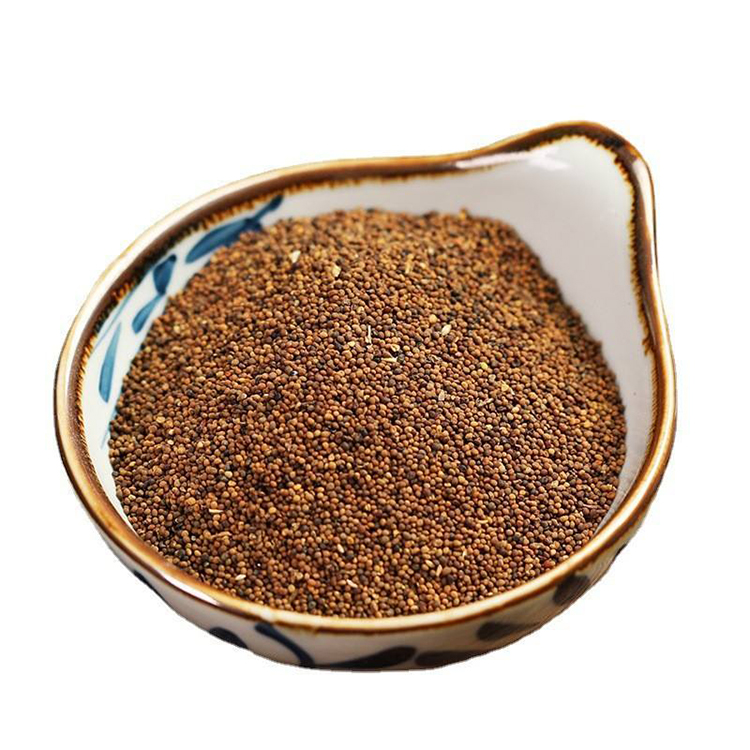
You can buy the pretty sample that smells amazing in a tiny jar. Then the full container lands, your line starts choking, and your QA inbox fills with “why is this batch darker?” and “what’s that gritty crunch?”
Or you can buy on spec. Not vibes. Not “premium grade” talk. Spec.
Here’s my take: spec cleanliness first, then consistency, then aroma. Aroma matters, yeah. But if you don’t lock down safety, filth, and foreign matter, that “great aroma” becomes a recall risk and a claims headache. FDA’s spice definition even bakes in “true to name” and “no volatile oil removed,” which is basically code for: don’t sell me stripped or fake stuff.
If you’re sourcing for food, nutraceutical, herbal, or functional drink channels, you’ll also want a supplier that can run a real paper trail—lot traceability, hold-and-release, COA on time, and audit-ready docs. That’s the boring stuff that keeps your business alive.
If you need a shortcut to that setup, start with GuoCao’s main hub: Wholesale Chinese Medicinal Herbs and Spices Supplier – GuoCao. They run GMP production under ISO 22000 and push third-party COA testing for heavy metals, pesticide residues, and microbial limits.
ASTA Cleanliness Specifications
If you only write one serious section in your spec, make it this: ASTA Cleanliness Specifications.
Why? Because “clean” isn’t a mood. It’s measurable. ASTA lays out limits for whole dead insects, mammalian excreta (mg/lb), other excreta (mg/lb), mold %, insect-defiled/infested %, and extraneous/foreign matter %.
Here’s what “real numbers” look like (sample rows pulled straight from ASTA’s table):
Item (example)
Whole insects, dead (count)
Mammalian excreta (mg/lb)
Other excreta (mg/lb)
Mold (% by weight)
Insect defiled/infested (% by weight)
Extraneous/foreign matter (% by weight)
Source
Allspice
2
5
5.0
2.00
1.00
0.50
ASTA “Clean, Safe Spices” Table 1
That table is gold because it prevents the classic mess: you argue about “quality” instead of enforcing limits.
Practical buyer rule:
Whole spices: foreign matter shows up as stones, stems, sand, “field extras.”
Ground spices: the same junk gets milled into invisible problems. Now you’re chasing complaints instead of pulling defects at receiving.
So, in your purchase spec, don’t write “clean.” Write something like:
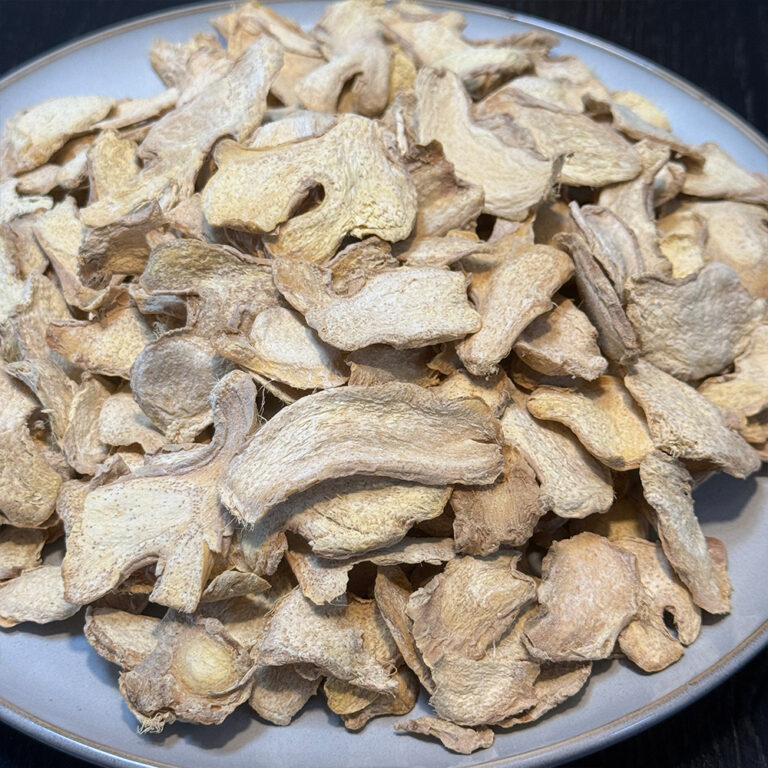
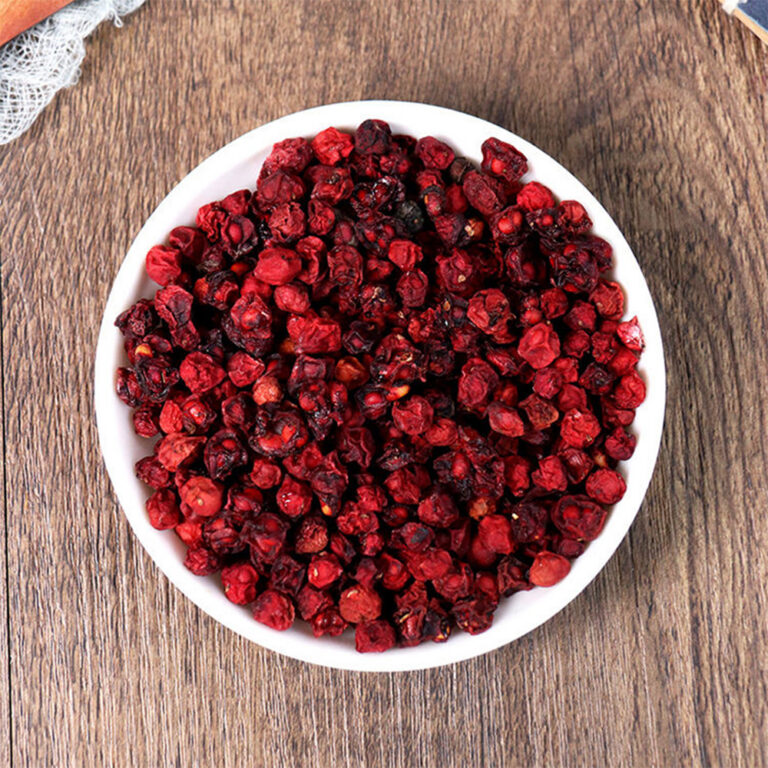
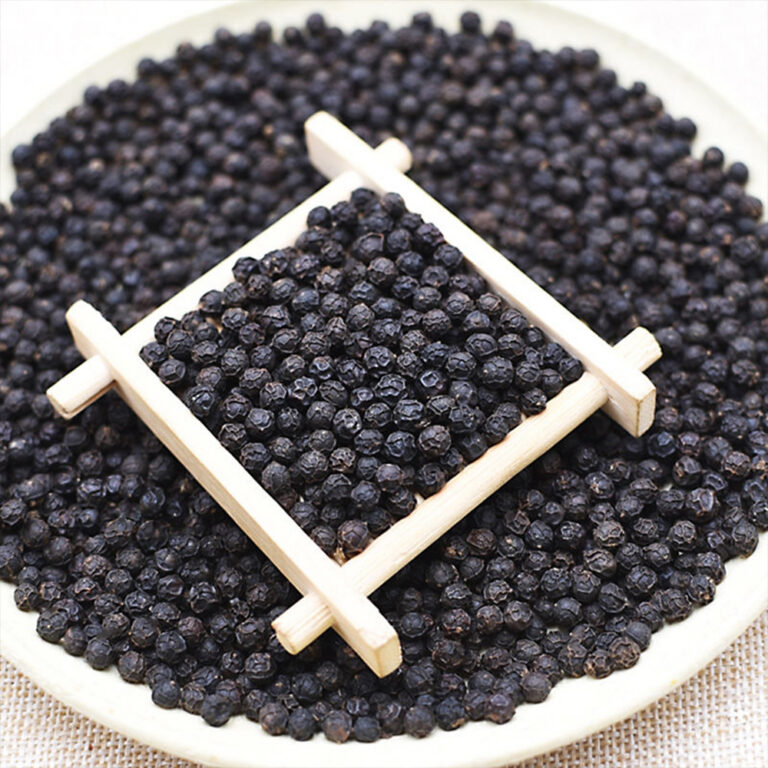
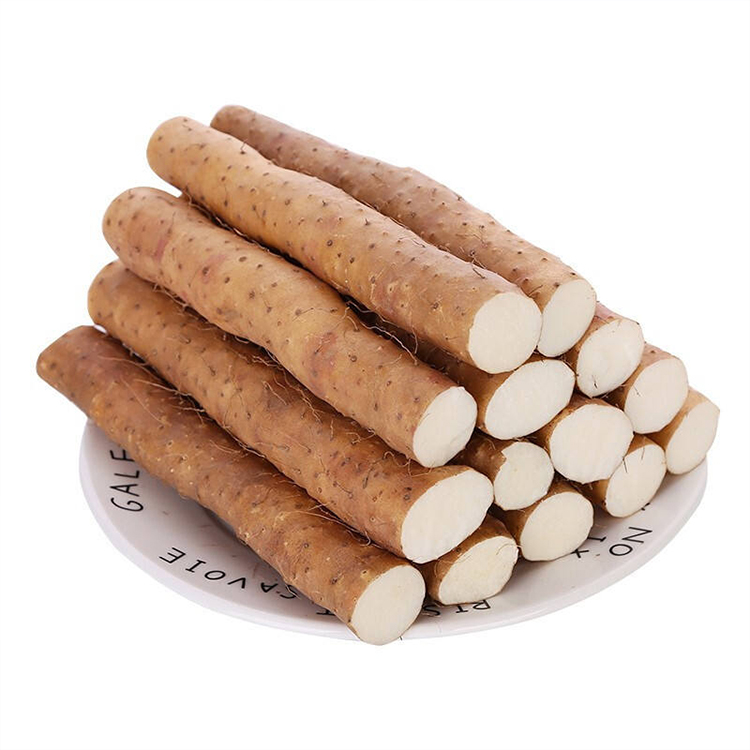
If you’re buying Chinese spices with medicinal overlap (like Rou Gui / cinnamon bark, Dou Kou / cardamom, Hua Jiao / Sichuan pepper), you can align the same cleanliness logic with a supplier portfolio page like Dried Spices and keep the conversation anchored to batch + lot controls instead of marketing words.
HACCP Guide for Spices & Seasonings
Let’s talk foreign material control, because nobody wins when a customer finds metal.
The NMSU HACCP Guide for Spices & Seasonings calls out metal detection as a physical hazard control step, with typical preset detection sensitivity ranges (example values shown in the guide).
Here’s an easy table you can drop into your internal QA spec (tune it to your actual equipment and product):
Control step
Typical critical limit example (guide)
Why it matters in the real world
Source
Metal Detection
“typically 1.0–1.5mm” and “2.0–2.5mm” ranges depending on metal type (guide example)
Saves you from hard foreign body claims and plant downtime
NMSU HACCP Guide
No drama here. Put sieving + magnets + metal detection into your supplier questionnaire. Ask for records. If they can’t show verification checks, that’s a red flag.
CAC/RCP 42-1995 Code of Hygienic Practice for Spices and Dried Aromatic Herbs
Low-moisture doesn’t mean low-risk. Spices can carry pathogens, and the supply chain is long—cleaning, grading, drying, grinding, re-packing, storage, shipping. Codex literally says spices may be treated to mitigate microbial contamination, commonly by steam treatment, gas treatment (e.g., ethylene oxide), or irradiation.
So when you spec “micro,” don’t just ask for a test result. Ask for the control story:
What microbial reduction step do you use (if any)?
How do you validate it?
What’s your post-treatment hold-and-release rule?
This is where buyers get burned. They buy on COA only, then realize the supplier’s process is “we test sometimes.” That’s not a system.
Risk Profile on Pathogens and Filth in Spices
FDA’s risk profile puts pathogens and filth in the same frame. It points to control practices like GAPs/GMPs, moisture control, sanitation, container inspection, and HACCP systems.
Translation: your spec should force preventive controls, not just end-product testing.
A clean spec stack usually looks like this (simple and brutal):
Approved supplier program (audit-ready)
Incoming inspection + sampling plan
Microbial controls (process + verification)
COA per lot, not per “product type”
GuoCao leans hard into that “lot paperwork” mentality—GMP execution, ISO 22000 controls, warehousing discipline, and COA per lot.
Guidance on Authenticity of Herbs and Spices
Now the awkward part: authenticity.
In the real market, spices get messed with. Not always in a cartoon-villain way. Sometimes it’s “standardization,” sometimes it’s substitution, sometimes it’s straight-up fraud.
The UK industry guide says species matters (classic example: cassia vs cinnamon), and it pushes buyers to build better product specifications and checks.
So, spec authenticity like you mean it:
Botanical identity (species) for high-risk items
Adulterant screening when risk is known (dyes, fillers, look-alike botanicals)
Traceability from origin to finished lot
If you’re building a broader portfolio across “roots & rhizomes / fruits & seeds / barks / flowers,” GuoCao’s category structure makes it easy to map spec templates by family: Traditional Chinese Medicine Herbs and Spices.
A concise guide to Spices Herbs Seeds and Extractives
Ok, now aroma.
Aroma disappears when you store spices like cardboard. ASTA’s storage guidance is very plain: keep spices cool (no higher than 68°F), dry (no higher than 60% humidity), and dark.
That’s not just warehouse talk. It’s consistency talk. You can buy great cloves and still ship “flat” cloves if your storage is a sauna.
So your spec should include:
Storage conditions (temp/RH/light)
Packaging barrier requirements (especially for ground products)
Shelf-life expectations backed by retention testing (if you’re serious)
GuoCao highlights ambient/cool/MAP warehousing in their OEM/private label guide, which lines up with this “protect the volatiles” logic.
ISO 22000 — Food safety management
ISO 22000 is basically a language your downstream customers understand. ISO describes it as a food safety management system standard that helps organizations control hazards across the food chain.
For you, ISO 22000 usually means:
hazard analysis isn’t optional
traceability isn’t “best effort”
CAPA exists (and gets used, not hidden)
GuoCao states they produce under an ISO 22000 food-safety system and back it with in-house inspection plus third-party COA tests for metals, pesticides, and micro limits.
GMP Chinese Herbal Slices Manufacturing (decoction pieces)
GMP is where consistency gets real.
On GuoCao’s side, they describe GMP as documented control—batch records, SOPs, line clearance, release status, and proof on demand.
That matters for spices too, especially when you sell into regulated channels (supplements, hospitals, functional beverages). When buyers say “I need the paper trail,” they mean:
lot-to-lot tracking
hold-and-release
deviation handling
label reconciliation (yes, this breaks brands all the time)
If you’re a distributor, you already know the real pain: COA on time, docs that clear customs first try, and batch consistency. GuoCao literally frames wholesale that way—lot traceability + COA + compliance stack. If you want to see how they position it for buyers, here: Bulk herbal supplier for wholesale distributors.
Origin-Verified Traceability
Traceability sounds fancy until you need it. Then it’s everything.
GuoCao’s dried spice page calls out Origin-Verified Traceability and “track every batch from farm to factory.” That’s the exact phrase procurement teams want when they’re building an “approved vendor” file. It also makes your claim set safer (“single origin,” “region profile,” “consistent lot”), because you can actually back it.
If you’re sourcing culinary spices with TCM overlap, browse the set here: Dried Spices.
Our Collaboration Process
When you need custom grind, blend, or packaging, your spec has to survive R&D and production.
GuoCao lays out a four-step OEM/ODM flow—requirements → sample approval → pilot + quality check → scale. That’s the kind of workflow that reduces “back-and-forth drama,” because both sides lock decisions early.
Our low MOQ of 1 kg (2.2 lb) makes it easy to order Chinese herbal slices or wholesale Chinese medicine herbs. Private-label and bilingual labeling are also available.
Delivery Cycle & Support
We have a fast 7-day lead time. We provide free samples, COA reports, and technical support to help you bring high-quality bulk Chinese herbs to market.
Quality & Certifications
Our products are manufactured in a GMP-certified facility and meet ISO22000 standards. All Chinese herbs are third-party tested for heavy metals, pesticides, and microorganisms.