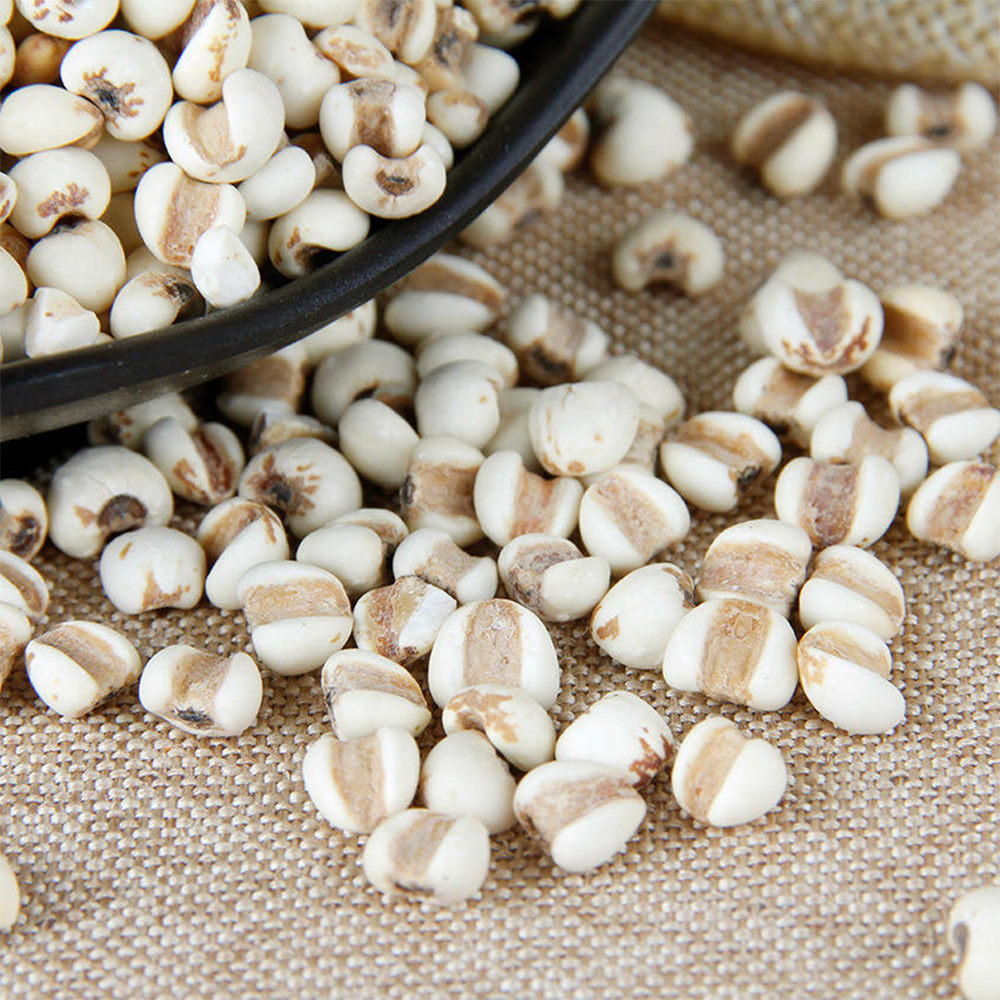
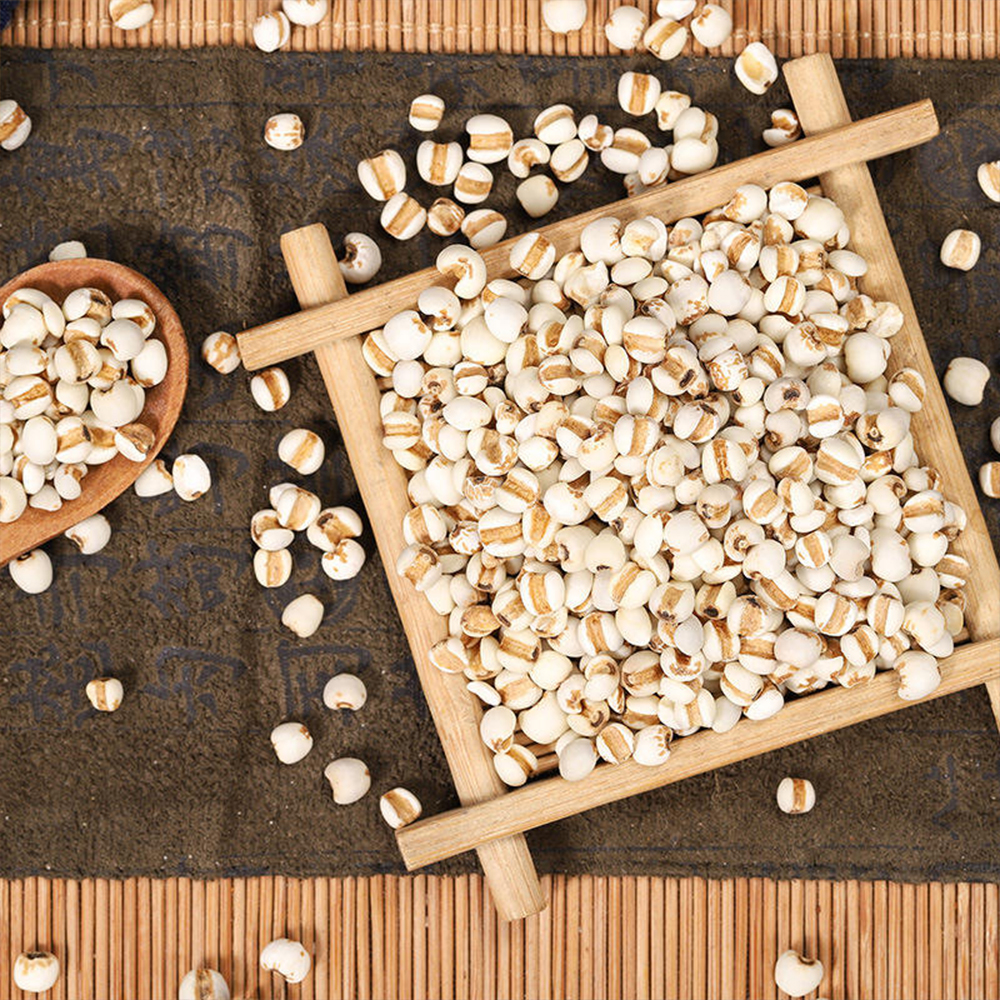
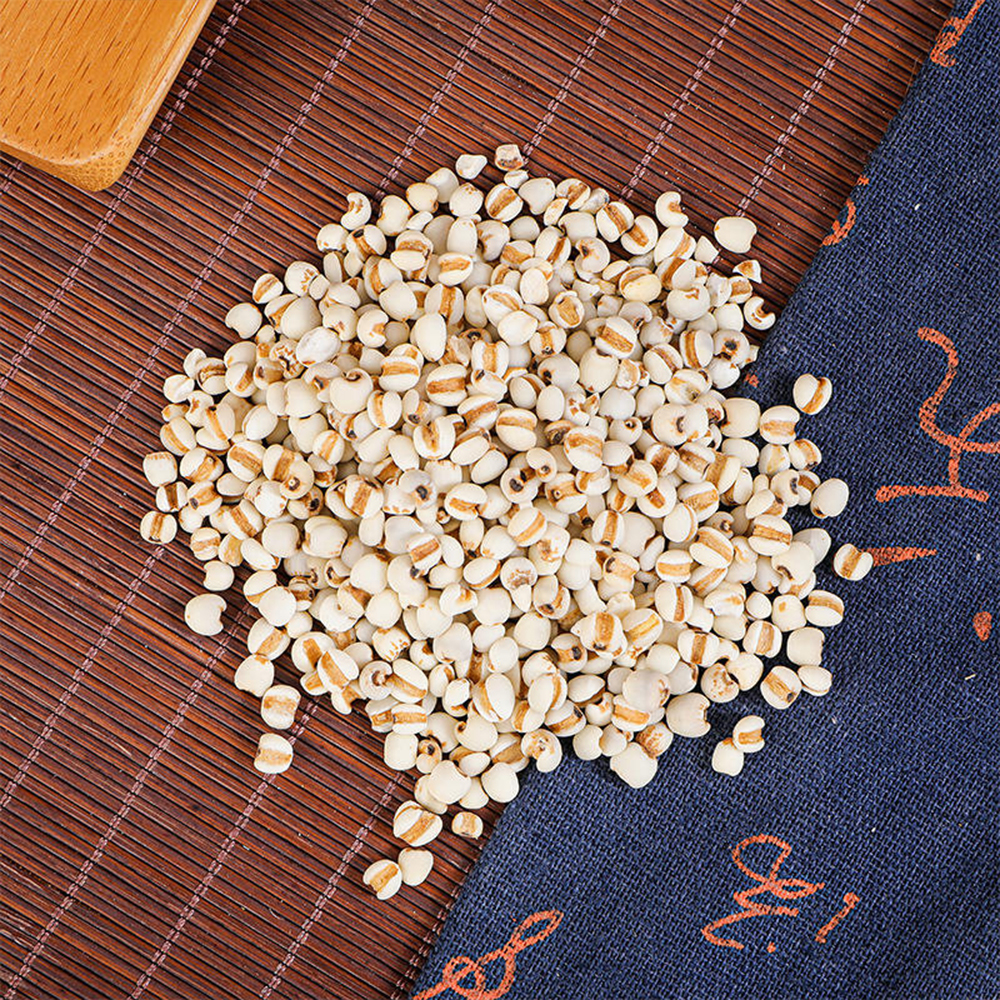
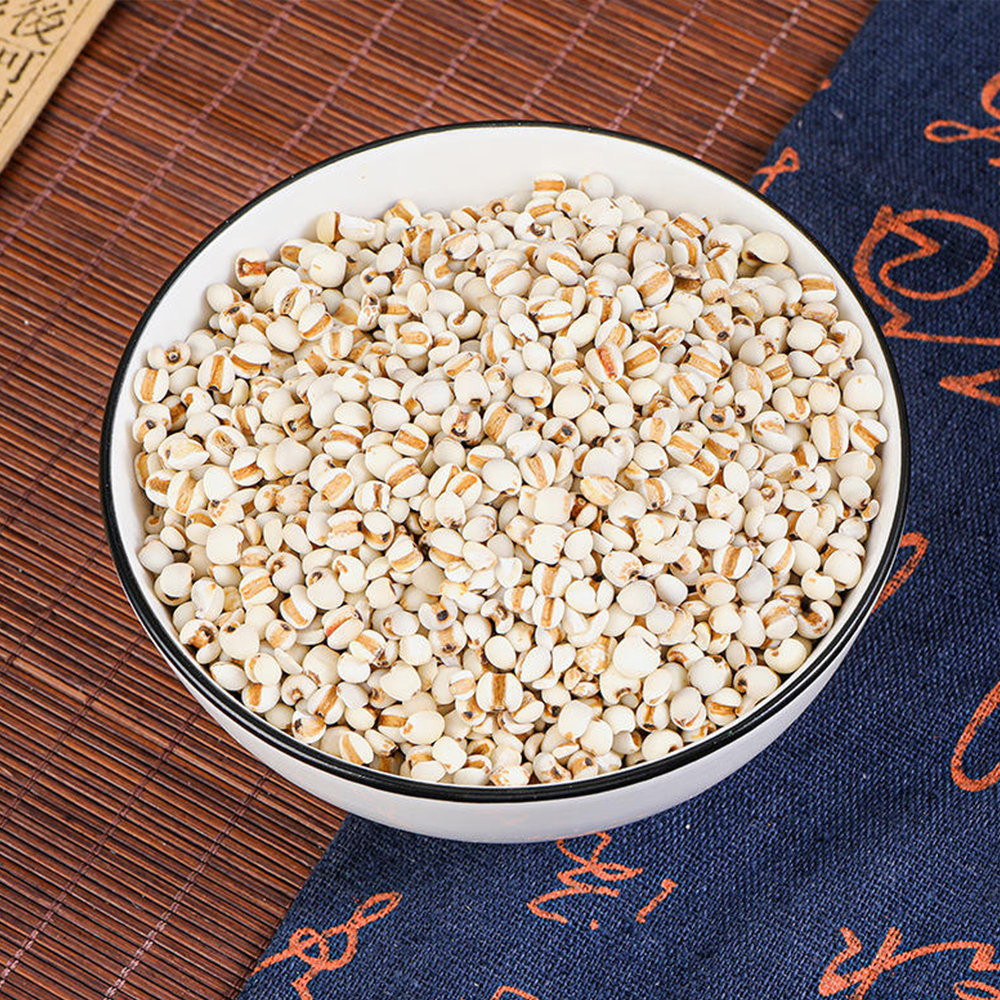
Coix Seed: Cleaning and Sorting Requirements for Bulk Orders
Learn how to specify cleaning, stone removal, optical sorting and metal detection for bulk coix seed, and which records to request before approving a supplier.
For a bulk buyer, “cleaned coix seed” is not a specification. It is a claim that needs a definition. Coix seed (Yi Yi Ren, Job’s Tears, Coicis Semen) is a small, starchy kernel that moves through harvesting, drying, hulling, polishing and storage before it ships. Each stage can add stones, shell fragments, broken or moldy kernels, dust, insects or metal. A lot that looks acceptable in a sample photo can still cause a QA hold, a customer complaint or a failed mycotoxin test once it reaches your plant. This article explains what cleaning and sorting should cover, which defects to name in a purchase specification, how to verify a supplier’s controls, and what to prepare before you request a quotation.
What Do “Cleaning” and “Sorting” Mean for Bulk Coix Seed?
Cleaning removes material that is not coix kernel: soil, sand, stones, dust, straw, weed seeds, shell fragments, hair, string and metal. Sorting separates kernels that are coix but do not meet the specification: broken, shriveled, discolored, insect-damaged, moldy or off-size pieces. Grading then assigns the remaining product to a size, color and polish category. Buyers who treat these as one step usually discover the gap at receiving inspection.
The WHO guidelines on good herbal processing practices for herbal medicines describe sorting (garbling) as the first step in ensuring purity and cleanliness. They name dirt such as soil, dust, mud and stones, and impurities such as insects, rotten tissue and extraneous plant parts, as material to be removed. That framing helps with coix seed because it separates the two questions a specification must answer: what is not coix, and what is coix but unacceptable.
Which Contaminants and Defects Should a Coix Seed Specification Name?
A specification should list each defect category separately, with a way to measure it. The table below is a qualitative planning tool, not a published standard. Numerical limits must come from your destination market, your pharmacopoeia or your own approved sample.
Defect category
Typical examples in coix seed
Common removal approach
How to verify
Stones, sand, soil
Field stones, grit, clumped soil
Screening, aspiration, density (destoner or gravity) separation
Sample sieving and weighing by category; ash testing if your spec includes it
Light foreign matter
Dust, chaff, straw, hull fragments
Aspiration, sieving
Visual inspection of a weighed sample; dust check after shaking
Optical sorting, gravity separation, final manual check
Defect count on a weighed sample against the golden sample
Metal
Wire from screens, fastener fragments, equipment wear
Magnets, metal detector
Detector challenge logs and rejected-material records
Size and polish variation
Mixed kernel size, uneven whiteness
Size grading, controlled polishing
Size distribution and color comparison to the golden sample
Two practical points follow from this table. First, each category has a different removal method, so a supplier that mentions only “color sorting” has answered one row. Second, a defect that you do not name in the contract cannot be rejected cleanly later.
Foreign matter versus defective kernels
Keep these as two limits. Foreign matter (anything that is not coix kernel) is typically a pass/fail safety and cleanliness issue. Defective kernels are often a commercial grade issue, where the tolerance depends on whether you sell cereal, tea, powder or decoction material. Combining them into one “impurities” percentage hides which problem the lot actually has.
How Is Bulk Coix Seed Typically Cleaned and Sorted?
The sequence below is a general pattern used in grain and seed processing. Treat it as a list of questions, not a description of any one factory. Suppliers differ, so ask for the actual flow chart and the equipment at each stage.
Raw material inspection and quarantine. Incoming lots should be inspected, sampled and held until released. The 15 process control points published by GuoCao list incoming quality control and cleaning with foreign-matter control as separate points. That is a useful way to check whether a supplier’s documentation distinguishes them.
Pre-cleaning by size and airflow. Screens and aspiration remove large trash, dust and light material before the finer steps.
Stone and density separation. Stones in a seed lot are often similar in size to kernels, so a size screen alone may not remove them. Ask what separates stones by density or weight.
Hulling and polishing, where applicable. These steps generate shell fragments, dust and broken kernels, so cleaning has to follow them, not only precede them. This is also where polish level is set.
Optical or manual sorting. Optical sorters remove discolored and visibly defective kernels, and manual inspection catches what the machine cannot classify. Ask how the sorter is set up and what rejection rate is normal for the grade.
Magnet and metal detection. Metal can come from the processing line itself. The site’s guide on cleaning, stone removal and metal detection standards for Cuscuta seed explains this logic for another small seed. It includes why a detector should be challenged on a schedule and logged rather than simply installed. The numerical limits in that article apply to Cuscuta, so use it as a model for the questions, not as a coix seed specification.
Final inspection, packing and lot reconciliation. The packed weight, rejected material and lot code should reconcile with the input lot.
Why Does a Clean-Looking Coix Seed Lot Still Need Laboratory Testing?
Optical sorting improves appearance and can remove visibly damaged kernels, but it does not certify chemical or toxin safety. The distinction matters because coix seed has a documented mycotoxin profile.
A 2025 study, Mycotoxins Co-Exposure Risk Assessment in Coix Seed, analyzed 50 batches collected from five major production regions in China. It reported mycotoxins in 94% of samples, with zearalenone the most frequent at 82%. It also found two or more mycotoxins together in 74% of samples. The sample is limited to 50 batches, so it does not describe every lot on the market. It does show that visual quality and toxin status are separate questions, and that a test for aflatoxin alone does not cover the whole risk.
The same reasoning applies to physical hazards. The FDA’s compliance policy guide on hard or sharp foreign objects in food records that objects smaller than 7 mm in maximum dimension rarely cause trauma or serious injury except for special-risk groups. That is a U.S. enforcement reference, not a purchasing standard. A buyer supplying infant, elderly or institutional markets, or one facing strict retailer audits, may reasonably set tighter limits than a regulator would act on.
For residues, aflatoxin triggers and COA content, the site’s fruit and seed herb checklist for residues and aflatoxin risk is a practical companion to this article. It stresses that residue panels should match the selling region and that a COA should show numerical results, not only a pass statement.
Is Whiter and More Heavily Processed Coix Seed Always the Better Spec?
No. A brighter, more uniform kernel is easier to sell visually. But the tighter you sort and polish, the more material you reject, and the more the product itself changes.
Yield and price. Every additional sorting pass and tighter defect tolerance raises the reject fraction. The price per kilogram of accepted product rises accordingly, even if the process cost is unchanged.
Taste and stability. Polish level affects bran load, lipid retention, aroma and perceived freshness. The site’s analysis of how polish level changes coix seed taste and consumer acceptance treats polishing as a product decision rather than a cosmetic one. It argues that light-to-medium polish suits many food and beverage uses. That is the author’s position, based on the sensory studies it cites, so confirm it with your own samples.
False assurance. Heavy sorting can make a lot look excellent while pesticide, heavy-metal or mycotoxin results remain unaddressed.
The defensible position is that the right cleaning and sorting level is the one that meets your end-use specification at an acceptable accept rate. It is not the whitest or cleanest lot a supplier can produce. A tea blender, a powder manufacturer and a decoction pharmacy each tolerate different things.
How Do Cleaning Requirements Change by End Use?
Food and herbal channels can use the same crop but often accept different tolerances and need different documents. The site’s comparison of food-grade and herbal-grade coix seed makes the point that these labels are not universally harmonized grades. They mean something only when tied to a named specification, test method and batch COA.
End use
What the cleaning spec usually emphasizes
What to confirm with the supplier
Retail cereal or soup packs
Visible uniformity, low broken-kernel rate, no foreign matter, clean odor
Approved golden sample, defect count method, packaging protection
Beverage or powder base
Low dust, consistent size, no metal or stone, stable color
Whether sorting happens before milling, metal detection point
Herbal tea or decoction material
Identity, plant part, absence of extraneous parts, controlled processing
Identity records, processing status, pharmacopoeial reference if claimed
Do not assume one cleaning level fits all four. State the use and the destination market in the RFQ.
What Should a Coix Seed Cleaning and Sorting Specification Include?
Write the specification before you compare quotes. At minimum, include the fields below and agree on the test method for each.
Specification field
What to state
Why it affects the order
Product identity and form
Coix seed / Yi Yi Ren / Coicis Semen, hulled or polished, polish level
Defines what counts as foreign matter versus kernel
Intended use and market
Food, herbal or dual use; destination country
Sets which limits and documents apply
Foreign-matter limit
Maximum percentage by weight, with categories (stones, plant matter, metal)
Enables rejection if exceeded
Defective-kernel limit
Broken, moldy, insect-damaged and discolored tolerances
Separates grade from safety
Size and color range
Reference to an approved retained sample
Controls batch-to-batch consistency
Metal control
Detector or magnet use, challenge records, action on rejects
Documents prevention of a high-severity defect
Moisture
Contract limit and test method
Affects mold risk and storage stability
Contaminant testing
Pesticide, heavy metal, mycotoxin and microbiological panels with methods and limits
Visual sorting does not cover these
Documents
Batch COA, lot traceability, process flow, sorting and metal-detection records
Allows audit and dispute resolution
Failure terms
Which sample and laboratory control, who pays for retesting, replacement or credit
Prevents arguments after arrival
Set the numerical foreign-matter and defect limits yourself, based on your destination-market rules, pharmacopoeial reference or internal acceptance standard. Do not copy a number from an unrelated herb or an unverified supplier brochure.
What Mistakes Do Buyers Make When Ordering Cleaned Coix Seed?
Accepting “cleaned” without a definition. Ask for the foreign-matter categories and the measurement method.
Approving one photo or one small sample. Retain a sealed golden sample and compare production lots against it.
Treating sorting as a safety test. Optical sorting does not replace residue, heavy-metal or mycotoxin testing.
Ignoring where in the line metal detection occurs. A detector placed before a step that can shed metal gives less protection than one placed after the final sieve or sorter.
Skipping reconciliation. If input weight, accepted weight and rejects do not reconcile, you cannot judge whether sorting actually occurred.
Overlooking transit. A lot dried and cleaned at the factory can still pick up moisture and caking in an ocean container, so ask about barrier packaging and container-loading controls.
What Should You Prepare and Verify Before Requesting a Coix Seed Quote?
Send a written package, not a single line asking for the “best price”. Include the application, destination market, order volume and delivery schedule, form and polish level, foreign-matter and defect limits, size and color reference, contaminant panel, packaging format and the documents you require. Ask the supplier to describe its cleaning and sorting flow, provide a pre-shipment sample, and show a recent batch COA with numerical results and a metal-detection record.
The supplier’s bulk coix seed (Yi Yi Ren) product page states that free samples, COA reports and technical support are available, and that the products are made in a GMP-certified facility under ISO 22000 standards. Treat those statements as starting points. Request the certificate scope and the batch-specific records that show how your lot was cleaned and sorted, and confirm the details in writing before approving production.
Frequently Asked Questions
What is the difference between cleaning and sorting coix seed?
Cleaning removes non-coix material such as stones, soil, dust, plant fragments and metal. Sorting removes coix kernels that fail the specification, such as broken, moldy, discolored or insect-damaged pieces. A specification should set separate limits and verification methods for each.
How much foreign matter is acceptable in bulk coix seed?
No single limit applies to every order. Acceptable levels depend on end use, destination market and any pharmacopoeial or customer standard. Define the limit by weight and category in your contract, and agree on the test method before production.
Does optical sorting make coix seed safe?
No. Optical sorting removes visibly defective kernels but cannot confirm pesticide, heavy-metal or mycotoxin compliance. A 2025 study found mycotoxins in 94% of 50 coix seed batches, so batch-specific laboratory testing remains necessary.
Should coix seed be metal-detected?
Yes, in most B2B programs. Metal can enter from processing equipment, not only from the field. Ask where the detector or magnet sits in the line, how it is challenged, and what happens to rejected product.
Is polished coix seed cleaner than unpolished?
Not necessarily. Polishing changes color, bran content and taste, and it can create dust and broken kernels. A polished kernel can still contain stones, mold or contaminants. Cleanliness depends on the cleaning, sorting and testing controls, not the polish level alone.
What records should I request from a coix seed supplier?
Request the process flow chart, batch COA with methods and numerical results, lot traceability, sorting and reject records, metal-detection logs, moisture results and a retained golden sample. For higher-risk orders, ask for an independent laboratory report.
Our low MOQ of 1 kg (2.2 lb) makes it easy to order Chinese herbal slices or wholesale Chinese medicine herbs. Private-label and bilingual labeling are also available.
Delivery Cycle & Support
We have a fast 7-day lead time. We provide free samples, COA reports, and technical support to help you bring high-quality bulk Chinese herbs to market.
Quality & Certifications
Our products are manufactured in a GMP-certified facility and meet ISO22000 standards. All Chinese herbs are third-party tested for heavy metals, pesticides, and microorganisms.