Sichuan Pepper Export Guide: Sensory Testing and Foreign Matter Control
“Export grade” means little without measurable acceptance limits. This guide explains how importers should evaluate Sichuan pepper aroma, numbing intensity, physical cleanliness, laboratory results, and shipment documentation.
Export-grade Sichuan pepper is not simply red, fragrant, and packed in a new carton. It is a defined lot that matches an agreed botanical identity, sensory profile, physical-cleanliness specification, contaminant program, and destination-market requirement.
Specs beat stories.
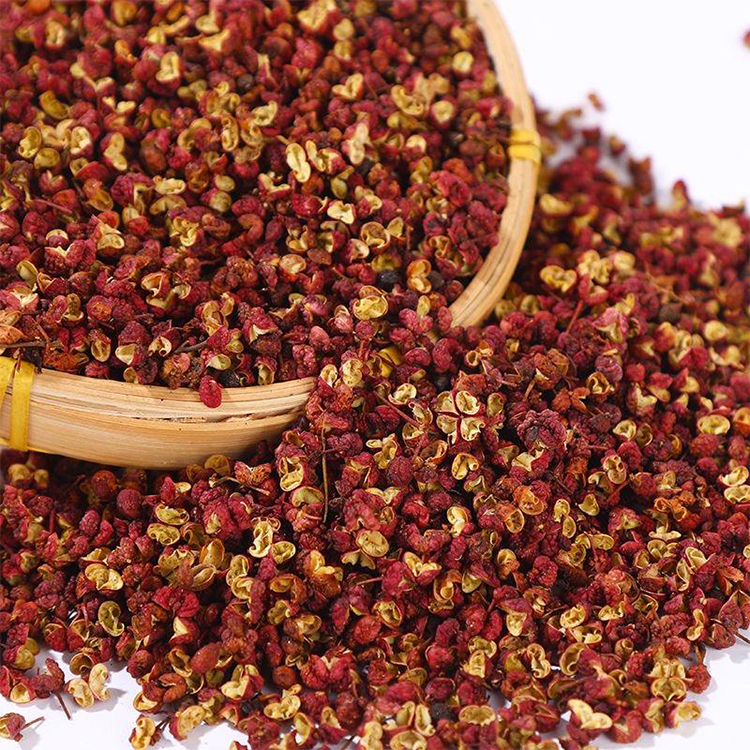
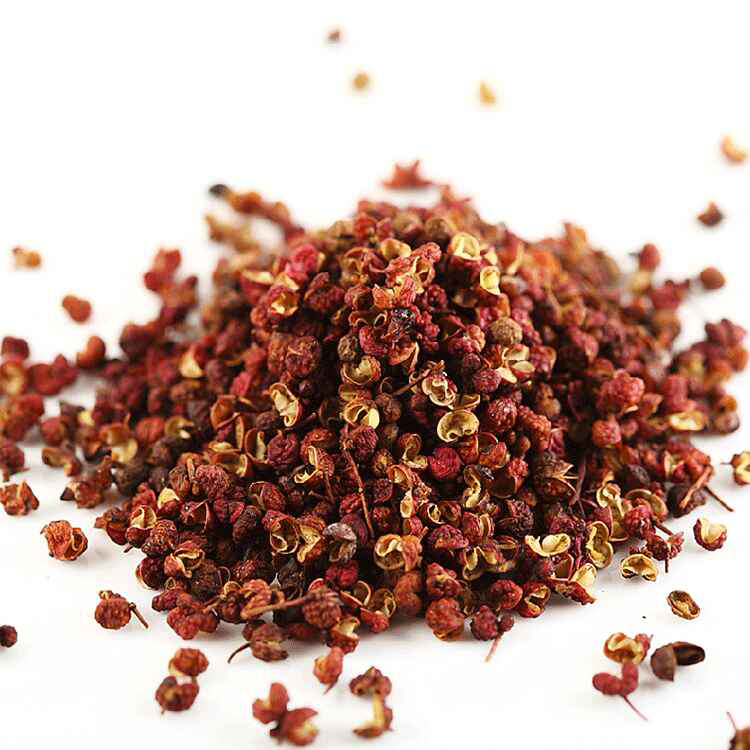
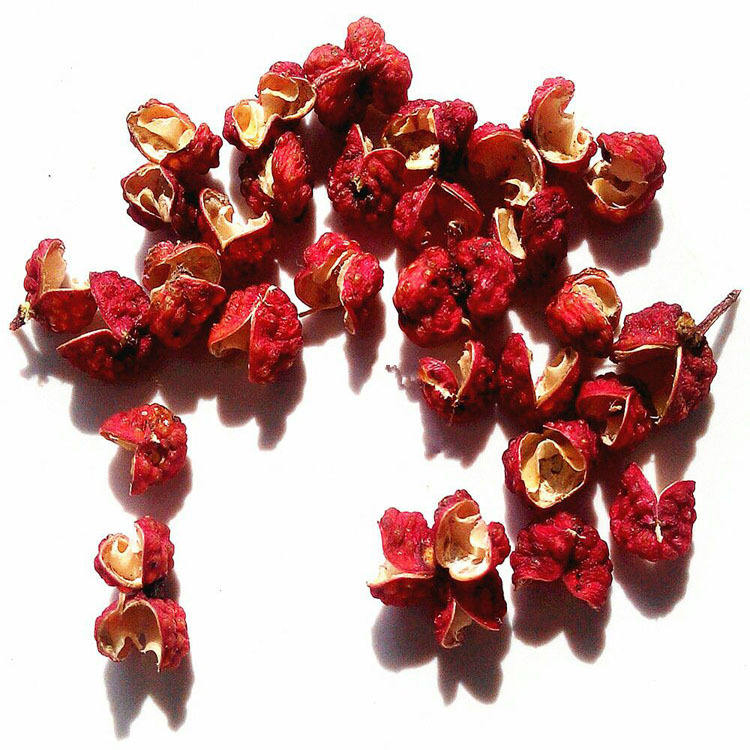
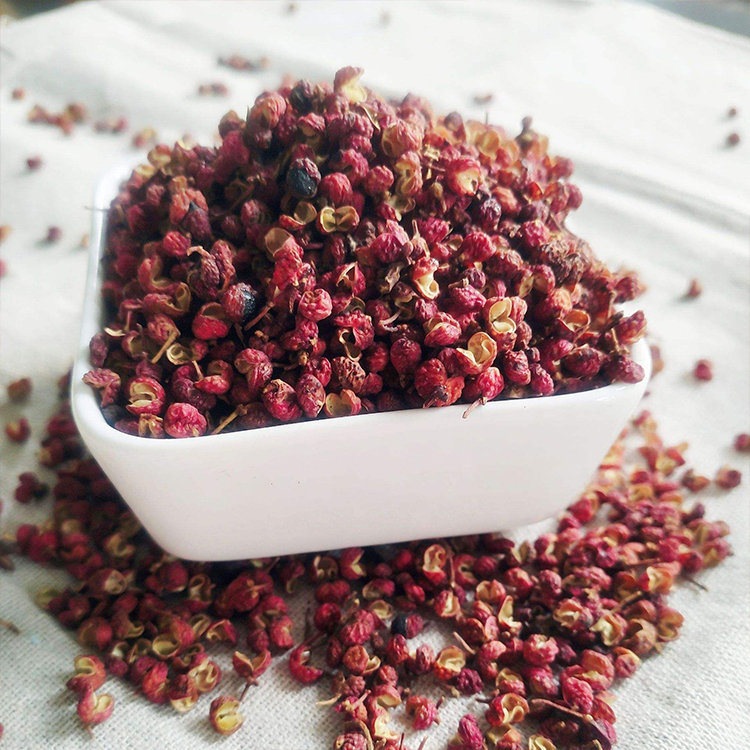
When I evaluate a Sichuan pepper export offer, I care less about photographs of bright husks and more about whether the supplier can connect the production lot to representative sampling, repeatable sensory data, cleaning records, treatment status, test methods, detection limits, and a lot-specific certificate of analysis. Why would an importer accept anything less?
Buyers sourcing bulk Sichuan pepper, also known as Hua Jiao should settle these controls before approving price. Once the container arrives, arguments about what “premium” was supposed to mean become expensive.
“Export Grade” Is Not a Sichuan Pepper Standard
“Export grade” is sales language. It is not a universally recognized grade, legal category, or guarantee of acceptance by customs.
Sichuan pepper also is not one perfectly uniform commodity. The trade name can cover different Zanthoxylum species, red and green types, multiple origins, different crop years, whole husks, crushed material, and powder. Aroma, bitterness, numbing intensity, black-seed content, color, and volatile-oil retention can change substantially between them.
China’s current national product standard is GB/T 30391-2024, Huajiao Pepper (Szechuan Pepper). It was published on September 29, 2024, became effective on April 1, 2025, and replaced GB/T 30391-2013. It covers quality evaluation and trade for Sichuan pepper and Sichuan pepper powder.
The word “current” matters. A supplier still quoting GB/T 30391-2013 in 2026 is working from a superseded reference.
China also maintains GB/T 38495-2020, a sensory method for evaluating Chinese pepper pungency—or, more accurately for Hua Jiao, its numbing intensity—using a Scoville-index approach.
Origin claims require separate attention. If a seller identifies a product specifically as Hanyuan red pepper, the new geographical-indication standard GB/T 47140-2026 became effective on May 1, 2026.
But none of these references automatically proves compliance in the United States, European Union, Japan, Australia, or another destination. The importer still needs a market-specific specification. The site’s wholesale guide to importing herbal slices and botanical ingredients from China explains the same commercial principle: define the specification before shipping, not after failure.
Build a Lot Specification Before Requesting Samples
I would never begin with “Please quote your best Sichuan pepper.” That invitation produces a carefully selected sample, an attractive price, and almost no protection for the production shipment.
Begin with a technical request containing:
Intended market and application
Agreed botanical species
Red or green type
Named origin, if required
Crop and harvest year
Whole husk, crushed, or powder format
Target aroma and numbing profile
Moisture and volatile-oil requirements
Limits for closed husks, seeds, stems, dust, and broken material
Foreign-matter acceptance limit
Microbiological and chemical testing scope
Pathogen-reduction treatment and validation
Packaging, net weight, labeling, and shelf-life requirements
The following is an illustrative premium-buyer framework, not a universal legal limit:
Control
Example purchasing requirement
Why it matters
Identity
Agreed Zanthoxylum species, red/green type and declared origin
Prevents species or origin substitution
Crop information
Current crop year stated on COA and traceability record
Old stock may retain color while losing aroma
Moisture
Buyer-set ceiling, commonly around 10–12% depending on specification
Excess moisture increases storage and mold risk
Volatile oil
Measured result and agreed minimum, such as 3.0 mL/100 g for a premium working specification
Provides an instrumental check on aroma-bearing material
Foreign matter
Buyer-defined maximum by mass; hard or sharp objects not detected
Controls soil, stones, plastic, metal and unrelated plant matter
Same-origin material
Seeds, stems and closed husks reported separately
Stops low-grade material from disappearing inside one total
Sensory profile
Approved golden sample plus attribute limits
Makes “strong aroma” measurable
Numbing performance
Controlled panel score or agreed GB/T 38495 method
Separates clean, persistent numbing from bitterness
Microbiology
Salmonella absent in the specified analytical portion; other limits by market and use
Named pesticide panel, method and reporting limits
“Pesticide tested” without analytes or LOQs says almost nothing
Packaging
Food-grade inner liner, sealed outer pack, lot code and net weight
Protects the cleaned product during transit
A specification should also define a lot. I use “lot” to mean material of the same species, origin, crop, processing run, cleaning condition, treatment status, and packing period. Mixing two harvests and giving them one convenient lot number is not traceability.
How to Test Sichuan Pepper Quality with a Sensory Panel
Sensory testing should answer four commercial questions:
Does the shipment smell like the approved sample?
Is the numbing sensation clean, strong, and persistent enough?
Are bitterness and woody or musty notes within tolerance?
Has storage or processing damaged the intended profile?
Clear Safety Before Anyone Tastes
No panelist should taste an uncleared raw lot.
Identity, visible contamination, treatment status, and basic microbiological safety must be reviewed first. Sensory panels grade usable food; they are not human detectors for Salmonella, pesticide residues, sulfur dioxide, mycotoxins, or heavy metals.
That distinction is not theoretical. The CDC documented a 2009–2010 outbreak associated with imported black and red pepper used on salami: 272 cases occurred across 44 states and the District of Columbia, 26% of patients with available information were hospitalized, and the investigation triggered multiple recalls. This was not Sichuan pepper, but it demonstrates why a clean smell cannot substitute for a pathogen program.
Use Trained Assessors and Blind Samples
For commercial profiling, I would use 8–12 trained assessors, three-digit blind sample codes, randomized presentation order, at least one duplicate, and an approved retained sample as the reference.
ISO 8586:2023 covers the selection and training of sensory assessors, while ISO 13299:2016 provides guidance for establishing sensory profiles. These standards are more useful than asking five office employees which pepper they “like best.”
The preparation method must remain fixed:
Sample mass
Grinding or crushing method
Time between crushing and evaluation
Extraction or food matrix
Water or oil temperature
Contact time
Serving volume
Evaluation intervals
Palate-cleansing procedure
Changing the grind size alone can change perceived intensity. So can waiting twenty minutes after crushing one sample but testing another immediately.
Score Aroma and Numbing Separately
A 2025 study of Huili red Sichuan pepper used ten trained panelists and identified green, citrus, minty, sweet, woody, and peppery-numbing attributes. Instrumental GC-IMS analysis detected 71 volatile compounds across different harvest periods. That finding exposes a common purchasing mistake: color does not tell the whole flavor story.
I recommend the following working scorecard:
Attribute
Recording method
Desired result
Warning signal
Whole-husk aroma
0–10 intensity
Clean citrus, floral, minty or cultivar-appropriate aroma
Flat, dusty, smoky or warehouse-like
Crushed aroma
0–10 intensity
Immediate and stronger than whole sample
Little increase after crushing
Numbing onset
Seconds
Consistent with approved reference
Long delay or erratic response
Peak numbing
0–10 intensity
Strong but controlled
Weak, harsh or burning-only
Numbing duration
Seconds or minutes
Persistent, clean finish
Disappears quickly
Bitterness
0–10 intensity
Low
Strong black-seed or burnt bitterness
Astringency
0–10 intensity
Low to moderate by agreed style
Dry, rough, lingering mouthfeel
Off-odour
Pass/fail plus description
None
Moldy, rancid, chemical or sulfur-like
Overall match
Difference from golden sample
Within agreed tolerance
Materially different profile
A buyer may calculate an internal weighted score—for example, aroma 30%, numbing 30%, purity 20%, aftertaste 10%, and appearance 10%. But I would never allow a high overall score to cancel a critical failure such as mold odour, chemical odour, or visible glass.
That is bad statistics masquerading as quality control.
Foreign Matter Control Must Separate Defects from Hazards
Foreign matter control in spices fails when every unwanted item is pushed into one percentage.
A Sichuan peppercorn inspection standard should distinguish at least four groups:
Group
Typical examples
Required action
Foreign matter
Stones, soil, glass, metal, plastic, string, unrelated plant material
Remove, quantify and investigate source
Same-origin extraneous material
Seeds, stems, pedicels and non-saleable pepper material
Measure separately against contract
Product defects
Closed husks, moldy pieces, faded husks and excessive fragments
Grade separately
Microscopic filth
Insect fragments, hair, excreta indicators
Test through an appropriate laboratory method
The FDA defines avoidable spice contamination broadly, including sand, soil, glass, rust, animal-related material and other foreign substances. Its Risk Profile on Pathogens and Filth in Spices also states that when no specific Defect Action Level exists, results may be evaluated case by case.
That last point matters because FDA’s published “pepper” defect thresholds concern black and white pepper, not automatically Zanthoxylum Sichuan pepper. Copying a black-pepper limit into a Hua Jiao specification without confirming applicability is lazy compliance work.
Use Representative Sampling, Not a Showroom Scoop
A sample taken from one open bag cannot represent a ten-ton shipment.
Sampling should cover multiple bags and different positions or production intervals. ISO 948 provides a recognized framework for sampling spices and condiments, including increments, bulk samples, laboratory samples, packaging, labeling, and sampling reports.
A defensible process includes:
Identify the complete lot and number of packages.
Select packages across the lot, not merely those nearest the warehouse door.
Take increments using clean tools.
Form a composite sample.
Divide it into laboratory, retention, and counter-samples.
Seal and label every portion with lot, date, sampler, and sample mass.
Record deviations, damaged bags, insects, moisture exposure, and unusual odours.
For manual foreign-matter measurement:
[ \text{Foreign Matter (%)}=\frac{\text{Mass of Separated Foreign Matter}}{\text{Mass of Test Portion}}\times100 ]
Report the actual test-portion mass and each material category. “Foreign matter: pass” is not data.
Design Several Cleaning Barriers
A reliable cleaning line does not depend on one color sorter.
Coarse screening removes large stems and oversized debris.
Aspiration separates light dust, leaves, and empty fragments.
Fine screening controls small particles and loose seeds.
Destoning or gravity separation removes dense mineral matter.
Optical sorting removes discolored, mold-suspect, or mismatched material.
Magnets capture ferrous metal.
Validated metal detection checks ferrous, non-ferrous, and stainless-steel test pieces.
X-ray inspection may be added for stone, glass, or dense contaminants.
Final manual inspection provides a human check before packing.
Each control needs verification records. A metal detector with no documented challenge checks is just an expensive conveyor.
Importers reviewing factory-direct dried spice supply should ask for the process flow, equipment sequence, rejection records, verification frequency, corrective-action procedure, and post-cleaning sample results.
Laboratory Results That Belong on an Export COA
Sensory testing and foreign matter control are only two parts of Sichuan pepper quality control.
The FDA’s updated spice risk profile examined imported shipments from fiscal years 2012–2015 and found estimated Salmonella prevalence of 6.7% in imported black-pepper samples and 11% in imported ground red-pepper samples. Retail estimates were 0.24% and 0.64%, respectively, although sampling masses differed. These are not Sichuan pepper rates, but they are a blunt reminder that untreated bulk spices deserve serious hazard control.
A meaningful lot-specific COA should state:
Product and botanical identity
Origin and crop year
Supplier lot and production date
Moisture
Volatile-oil content
Total ash and, where requested, acid-insoluble ash
Foreign matter by mass
Same-origin extraneous material
Aerobic plate count
Yeast and mold
Enterobacteriaceae or E. coli, where specified
Salmonella result and analytical portion
Pesticide analytes, method and limits of quantification
Pb, Cd, As and Hg results where required
Aflatoxins or other mycotoxins according to risk assessment
Sulfur dioxide when fumigation is a concern
Treatment type, date and validation reference
Laboratory name and accreditation scope
A COA saying “pesticides: qualified” is almost useless. Which pesticides? Which instrument—GC-MS/MS or LC-MS/MS? What were the LOQs? Which regulation and commodity classification were applied?
For EU shipments, the European Commission states that approximately 1,100 pesticides are covered and that a default MRL of 0.01 mg/kg applies where a pesticide is not specifically listed. The exporter and importer must verify the correct commodity classification and current MRL rather than assuming a domestic pass result will transfer.
A competent exporter supports that verification file. It does not tell the buyer, “We shipped to America before, so everything is FDA approved.”
Supplier Warning Signs I Would Not Ignore
A bulk Sichuan pepper supplier deserves extra scrutiny when it:
Refuses to state the botanical species
Uses “Sichuan origin” without traceability evidence
Sends a COA with no lot number
Reports no methods or detection limits
Supplies the same COA for multiple harvests
Treats seeds, stems, stones, and broken husks as one harmless impurity figure
Provides only color photographs as sensory evidence
Cannot explain pathogen-reduction treatment
Will not provide a sealed production-lot sample
Promises compliance with every country using one generic specification
Quotes a superseded standard
Offers an unusually low price but will not disclose cleaning yield
I am especially suspicious of perfect-looking samples. Samples are easy to handpick; production lots are where the supplier’s system shows.
For private-label blends, custom mesh sizes, treatment selection, and market-specific documentation, buyers can review the available custom Chinese herbal and spice solutions before defining the pilot lot.
FAQs
What are the main Sichuan pepper export requirements?
Sichuan pepper export requirements are the combined product, safety, documentation, labeling, and import controls imposed by the destination market and sales contract, typically covering botanical identity, lot traceability, sensory grade, foreign matter, moisture, microbial hazards, pesticide residues, heavy metals, treatment status, packaging, and shipment documents.
Requirements must be confirmed for the destination and intended food application before production.
How do you test Sichuan pepper quality?
Testing Sichuan pepper quality means evaluating a representative lot sample against a written specification using identity checks, blind sensory profiling, moisture and volatile-oil tests, weighed foreign-matter separation, microbiological analysis, pesticide and heavy-metal screening, packaging inspection, and comparison with an approved golden sample.
The laboratory sample must represent the complete production lot.
What counts as foreign matter in Sichuan pepper?
Foreign matter in Sichuan pepper is any material that is not the specified saleable pepper component, including stones, soil, glass, metal, plastic, string, unrelated plant parts, insects, or animal contamination; same-origin materials such as seeds, stems, and closed husks should be measured separately when the contract distinguishes them.
Hard or sharp objects should trigger immediate investigation rather than being averaged into a percentage.
Is bright red color proof of high Szechuan peppercorn quality?
A bright red color is not proof of high Szechuan peppercorn quality because color varies with cultivar, maturity, drying, storage, light exposure, and processing, while unusually uniform brightness can coexist with weak volatile aroma, excessive seeds, old stock, dyeing, sulfur treatment, or poor microbial control.
Color is one attribute, not an acceptance system.
What documents should a bulk Sichuan pepper supplier provide?
A bulk Sichuan pepper supplier should provide a lot-specific COA, specification sheet, botanical and origin declaration, crop year, process flow, treatment statement, allergen and GMO statements where relevant, pesticide test scope with LOQs, microbiological results, heavy-metal data, packing list, commercial invoice, certificate of origin, and phytosanitary documents when required.
The destination country and product use determine the final document package.
How much foreign matter is acceptable in export Sichuan pepper?
Acceptable foreign matter is the maximum contract value permitted for the specific destination, product form, and buyer, but dangerous hard or sharp objects should be treated as a critical rejection regardless of the average percentage; where no Sichuan-pepper-specific legal defect level exists, authorities may judge contamination case by case.
Premium buyers commonly set limits tighter than broad regulatory action thresholds.
Can sensory testing replace laboratory analysis?
Sensory testing cannot replace laboratory analysis because sight, smell, and taste can grade aroma, numbing character, bitterness, freshness, and visible defects, but they cannot reliably verify Salmonella absence, pesticide compliance, heavy metals, mycotoxins, undeclared treatment residues, or microscopic filth in an export lot.
The two systems answer different questions and should be used together.
Define Your Sichuan Pepper Specification Before Ordering
Before requesting a quotation, prepare your destination market, species or type, origin, crop year, order quantity, product form, aroma reference, numbing target, foreign-matter limit, microbial requirements, pesticide list, treatment preference, and packaging format.
Our low MOQ of 1 kg (2.2 lb) makes it easy to order Chinese herbal slices or wholesale Chinese medicine herbs. Private-label and bilingual labeling are also available.
Delivery Cycle & Support
We have a fast 7-day lead time. We provide free samples, COA reports, and technical support to help you bring high-quality bulk Chinese herbs to market.
Quality & Certifications
Our products are manufactured in a GMP-certified facility and meet ISO22000 standards. All Chinese herbs are third-party tested for heavy metals, pesticides, and microorganisms.