Cinnamon Bark as Spice and Herb: How to Write a Dual-Use Specification
Cinnamon bark can enter food, tea, herbal, supplement, and extraction supply chains, but one vague “food-grade” document cannot control every use. This guide explains how professional buyers can build a dual-use specification around species, plant part, physical grade, chemical markers, contaminants, microbiology, traceability, and destination-market requirements.
Cinnamon bark may leave the same warehouse in the same woven sack, yet the buyer using it in a seasoning blend and the buyer using it in an herbal extract are purchasing against different expectations, different test panels, different documentation, and potentially different regulatory classifications.
So why do suppliers keep sending both buyers the same one-page certificate?
I have a blunt answer: because vague specifications make selling easier.
“Natural cinnamon.”
“Food grade.”
“Strong aroma.”
“Suitable for tea and medicine.”
None of those phrases tells a quality manager what species was supplied, which plant part was harvested, whether the bark was exhausted of volatile oil, how much foreign matter is acceptable, whether the lot was treated for microorganisms, or which laboratory generated the contaminant results.
A defensible cinnamon bark specification must do something more difficult. It must preserve the material’s culinary performance while adding the identity, chemistry, documentation, and traceability controls expected for herbal use.
That is what dual-use really means.
One Commercial Name Can Hide Several Different Materials
Cinnamon is not one uniform agricultural commodity.
The U.S. National Center for Complementary and Integrative Health describes cinnamon as dried bark obtained from several Cinnamomum species. It distinguishes Ceylon cinnamon, Cinnamomum verum, from cassia cinnamon and also notes that cinnamon bark has a long history of both culinary and traditional medicinal use. The NCCIH cinnamon overview also warns that commercial products may not clearly disclose the species or plant part used.
That disclosure problem is not academic.
A buyer asking for “cinnamon bark” could receive:
Chinese cassia, commonly traded as Cinnamomum cassia or Cinnamomum aromaticum
Indonesian cinnamon, often associated with Cinnamomum burmannii
Vietnamese or Saigon cinnamon, associated with Cinnamomum loureiroi
Bark mixed with twig, cork tissue, wood, dust, or unrelated foreign matter
These are not automatically interchangeable.
The International Organization for Standardization separates Ceylon-type cinnamon under ISO 6539:2014 from Chinese, Indonesian, and Vietnamese cassia types covered by ISO 6538. Even the standards system refuses to treat every brown aromatic bark as the same product. Buyers should show the same discipline.
For Chinese cassia, the identity block should not merely say “cinnamon.” It should state the botanical name accepted by the purchasing standard, relevant synonyms, family, plant part, origin, harvest lot, and physical form.
For example:
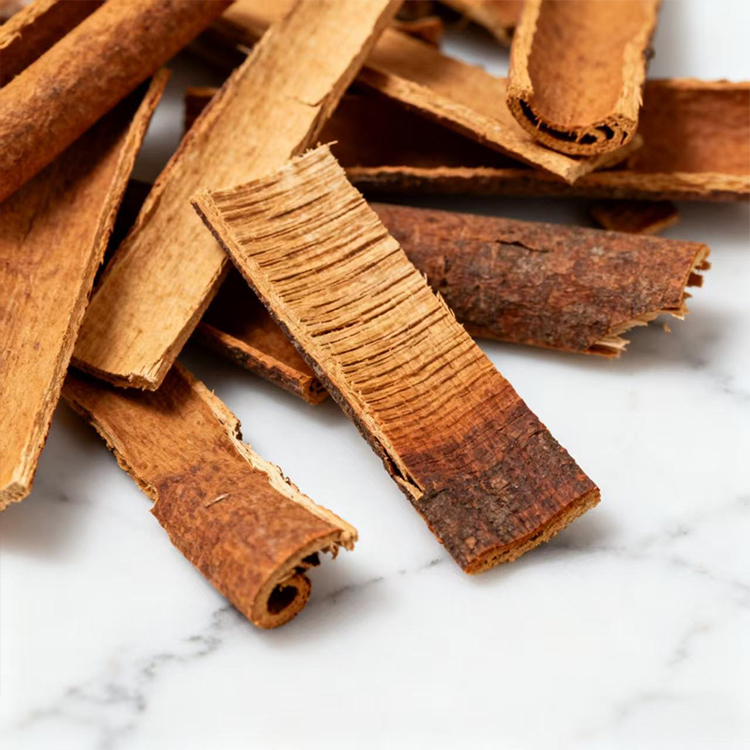
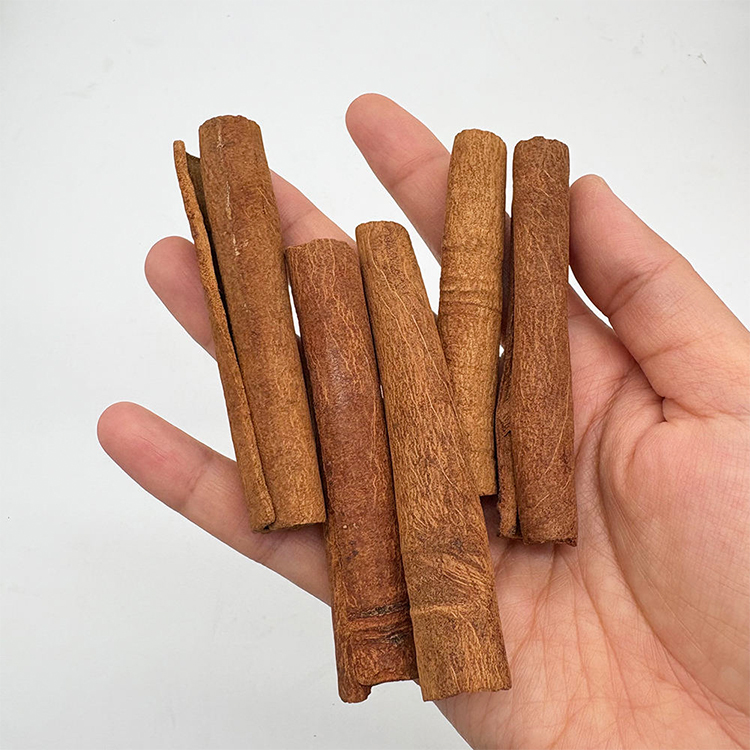
Botanical identity:Cinnamomum cassia Relevant trade synonym:Cinnamomum aromaticum Family: Lauraceae Plant part: Dried stem bark or trunk bark, as contractually defined Common names: Cassia bark, Chinese cinnamon, Rou Gui Origin: Country, province or growing area declared Form: Whole bark, broken bark, chips, tea cut, or powder
Tiny wording change. Massive consequence.
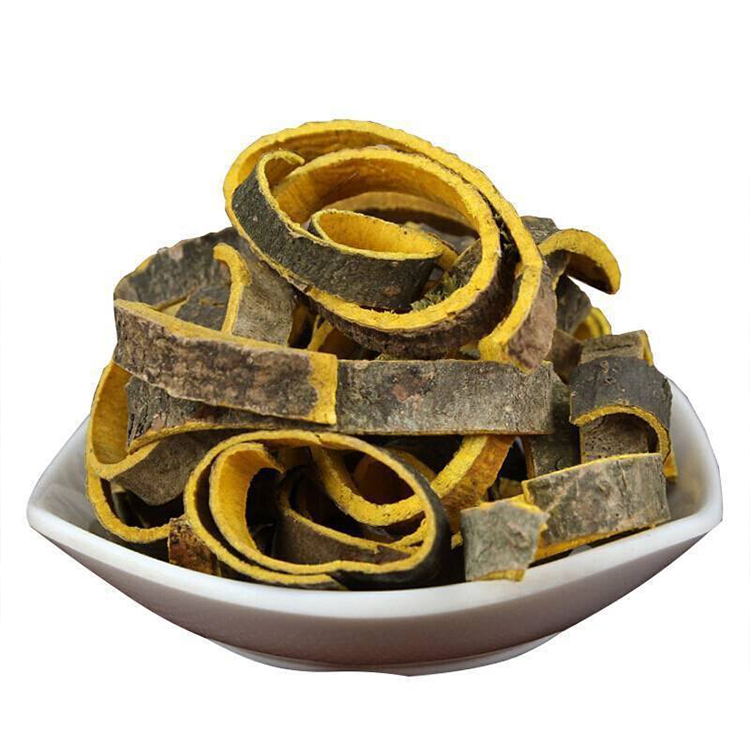
A specification stating “dried bark” blocks the quiet substitution of cinnamon twig, known as Gui Zhi in Chinese herbal trade. Bark and twig may come from a related botanical source, but they are different raw materials with different morphology, processing, traditional use, pricing, and chemical expectations.
Buyers handling several cortex materials should apply the same identity discipline explained in this bulk sourcing guide for bark Chinese medicinal materials, where cut size, moisture, source verification, retained samples, and reject standards are treated as purchasing controls rather than decorative paperwork.
“Food Grade” and “Herbal Grade” Are Not Specifications
I do not accept “food grade” as a complete quality statement.
It identifies a broad intended channel. It does not establish a measurable release standard.
“Herbal grade” is equally weak. A brown bark does not become an authenticated herbal ingredient because a supplier prints those two words on an invoice.
The practical difference sits in what the buyer must prove.
Specification Area
Spice or Food Use
Herbal or Botanical Use
Dual-Use Requirement
Identity
Correct commercial cinnamon type
Authenticated species and plant part
Full botanical identity plus morphology or analytical confirmation
Sensory profile
Aroma, sweetness, pungency, colour
Characteristic odour, taste and appearance
Approved reference sample and defined sensory defects
Physical form
Quills, chips, grind or mesh
Whole bark, slices, decoction cut or powder
Numerical cut-size or sieve distribution
Chemistry
Volatile oil and flavour consistency
Marker profile, extractability or monograph tests
Method-specific volatile oil and marker requirements
Coumarin
Relevant to flavour type and food exposure
Relevant to concentrated or repeated-use products
Report in mg/kg when risk assessment requires it
Microbiology
Food-safety limits and pathogen control
Limits appropriate to dosage form and processing
Destination- and process-specific microbial panel
Contaminants
Pesticides, lead, cadmium and other hazards
Expanded contaminant panel may be required
One agreed panel tied to the strictest intended channel
Documentation
Food COA, traceability, treatment declaration
Identity records, monograph methods, chain of custody
Lot-specific COA plus raw data availability
Claims
Flavouring or food ingredient
Herbal or supplement positioning
Claims reviewed separately from raw-material quality
Release decision
Food formulation suitability
Herbal manufacturing suitability
Separate release status for each intended application
The same issue appears in other dual-market botanicals. This fennel seed guide comparing spice and herbal use correctly separates flavour performance from the additional identity, documentation, preparation, and testing expectations attached to herbal channels.
That distinction should be copied into a cinnamon bark specification.
Do not write one pass/fail column labelled “Complies.”
Use separate release decisions:
Approved for culinary processing
Approved for herbal tea
Approved for extraction
Approved for dietary supplement manufacturing
Not approved for medicinal claims
Not approved for direct retail packing
Conditionally approved after microbial treatment
Rejected
One lot may pass for a heat-treated sauce and fail for an untreated powdered supplement. That is not inconsistency. It is competent risk control.
Start the Cinnamon Bark Specification With Intended Use
The first field in the document should not be colour.
It should be intended use.
The buyer must identify whether the material will enter:
A ground retail spice
A seasoning blend
A bakery or beverage formula
An herbal tea or decoction product
A powdered botanical capsule
A water or ethanol extract
A concentrated liquid
A traditional herbal formula
A private-label food or supplement
A product marketed to children or other sensitive groups
Why begin there?
Because intended use determines the meaningful specification.
A cinnamon bark lot intended for coarse tea cutting may need attractive pieces, low dust, controlled bark thickness, infusion strength, and a validated microbial strategy. A lot intended for extraction may tolerate irregular appearance but require tighter identity, solvent-specific extractability, marker consistency, contaminant limits, and traceable processing records.
And a retail powder loses visual evidence after milling.
Once cinnamon becomes powder, the buyer can no longer examine quill structure, bark thickness, surface characteristics, attached cork, wood content, or obvious mixed plant parts. Identity then depends more heavily on microscopy, chromatographic fingerprinting, spectroscopy, DNA methods, supplier qualification, and chain-of-custody records.
Powder hides sins.
That is why I would never approve a powdered cinnamon supplier solely from a polished COA. I would request the source bark specification, grinding record, lot linkage, treatment history, retained sample, and analytical identity evidence.
Write Identity as a Testable Requirement
A strong identity section answers five questions:
What species is allowed?
What synonyms may appear in legal or commercial documents?
Which plant part is permitted?
Which origins or cinnamon types are permitted?
How will identity be verified?
A workable clause could read:
The material shall consist of the cleaned and dried bark of the declared Cinnamomum species. Twig, leaf, root, unrelated bark, exhausted material, synthetic flavour carriers, added colouring, and undeclared blending with other cinnamon species are not permitted.
Then define the verification method.
Whole or Broken Cinnamon Bark
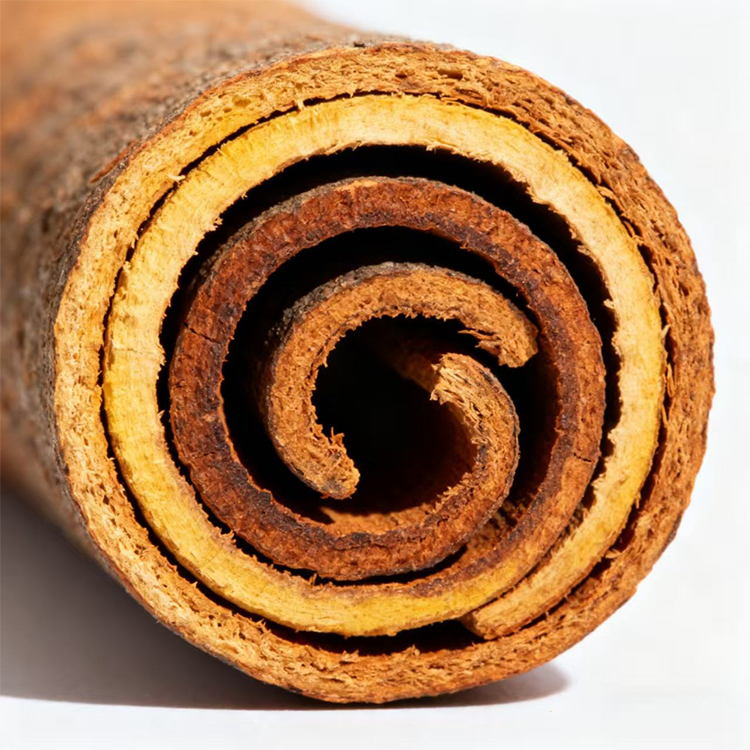
For whole bark, chips, or cuts, use a combination of:
Macroscopic examination
Bark thickness
Inner and outer surface description
Fracture characteristics
Aroma and taste
Presence of cork or woody tissue
Comparison with an approved authenticated reference
Microscopy when morphology remains uncertain
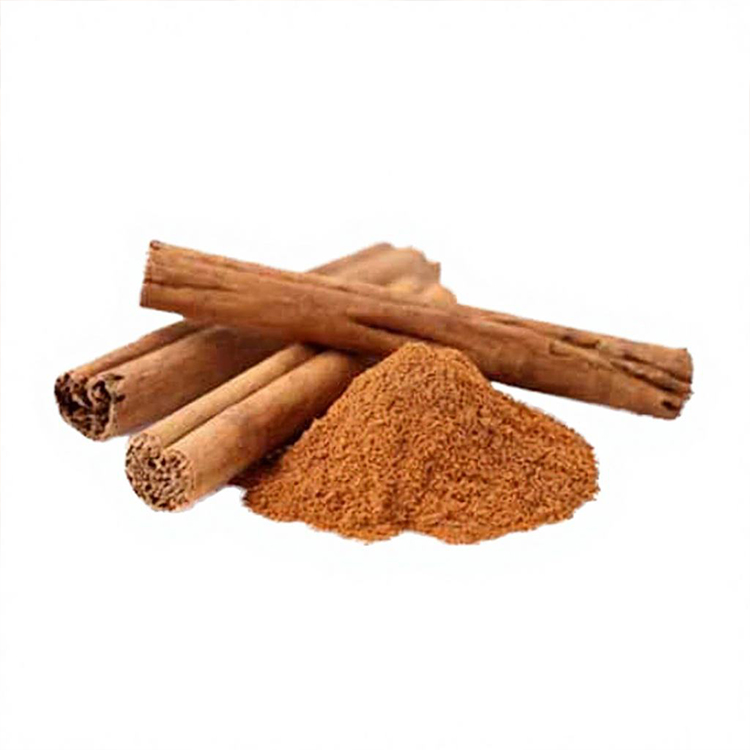
Cinnamon Powder
For powder, require stronger analytical support:
Microscopic identity
Chromatographic fingerprint by HPLC, HPTLC, or GC
Comparison with an authenticated reference
Species-focused DNA testing when technically justified
Supplier declaration that volatile oil has not been removed
Confirmation that no carrier, maltodextrin, colouring, or undeclared spice has been added
The chemistry matters because cinnamaldehyde, molecular formula C₉H₈O, is a major aroma-associated constituent used in cinnamon profiling. But cinnamaldehyde concentration alone does not prove species identity, purity, or suitability. A supplier could strengthen aroma, blend species, or sell partially exhausted bark while still producing a detectable cinnamaldehyde peak. PubChem identifies cinnamaldehyde as C₉H₈O, but a commercial specification must connect chemistry to identity, treatment history, and sensory performance.
One peak is not proof.
Build a Physical and Sensory Grade That Purchasing Can Enforce
“Brown colour with characteristic aroma” is too subjective to settle a rejection dispute.
Write numerical and photographic requirements.
Define the Physical Format
For whole or broken cinnamon bark, specify:
Piece length range
Bark width range
Bark thickness range
Percentage of pieces within range
Maximum fines
Maximum powder
Maximum attached wood
Maximum outer cork, when relevant
Maximum foreign matter
Permitted broken-piece percentage
Insect-damaged or mouldy pieces
Packaging weight tolerance
An example commercial format might read:
Parameter
Example Buyer Requirement
Product form
Cleaned broken cassia bark
Nominal cut
2–8 mm
Cut conformity
At least 90% by weight within declared range
Fines below 2 mm
Not more than 5.0%
Oversize above 8 mm
Not more than 5.0%
Visible foreign matter
Not more than 0.5%
Visible mould
None detected in inspection sample
Live insects
Absent
Added colour or flavour
Not permitted
Aroma
Strong, warm, sweet-pungent and characteristic
Off-odours
Musty, smoky, chemical, fermented or rancid odours not permitted
These are example purchasing targets, not universal legal limits. The final numbers should reflect the processing line, destination market, sampling plan, product format, and customer contract.
Use a Retained Reference Sample
Words drift. Samples do not.
Approve a sealed reference sample and record:
Supplier
Botanical declaration
Lot number
Approval date
Moisture result
Volatile oil result
Colour description
Aroma profile
Bark thickness
Cut distribution
Photographs under controlled lighting
Storage conditions
Expiry or review date
Future lots should be compared with that reference rather than with somebody’s memory of what “strong aroma” meant six months earlier.
Control Volatile Oil Without Buying a Laboratory Illusion
Cinnamon buyers often demand “high oil.”
That phrase is incomplete.
The specification should state:
Test method
Sample preparation
Whether the result is reported on an as-is or dry basis
Minimum acceptance value
Laboratory
Measurement uncertainty when relevant
Timing between grinding and testing
Storage conditions before analysis
Volatile oil can decline through poor drying, excessive heat, long storage, damaged packaging, repeated warehouse opening, or milling that exposes more surface area to oxygen.
But a high number still does not settle everything.
A cinnamon lot can meet a volatile-oil minimum and fail because the aroma is harsh, smoky, stale, unbalanced, or inconsistent with the approved type. Chemistry and sensory evaluation must agree.
For herbal extraction, the buyer may also need:
Extractable-solids target
Extraction solvent
Drug-to-extract ratio
Cinnamaldehyde assay
Chromatographic fingerprint
Residual solvent controls
Stability data
Processing-temperature records
Do not apply an extract specification to raw bark by accident. And do not accept a raw-bark COA as proof that a finished extract will perform.
Coumarin Must Be Declared, Not Used as a Marketing Trick
Coumarin, molecular formula C₉H₆O₂, occurs naturally in cinnamon and varies sharply by species and type. Cassia materials generally contain more coumarin than Ceylon cinnamon, while Ceylon cinnamon typically contains only small or trace amounts. PubChem identifies coumarin as C₉H₆O₂, while Canadian food-safety authorities specifically distinguish the higher levels commonly found in cassia from the much lower levels associated with Ceylon cinnamon.
Here is the data buyers should remember.
The Canadian Food Inspection Agency analyzed 747 products, including 29 ground cinnamon samples. Coumarin was detected in 90% of all products tested. Ground cinnamon ranged from 6.8 to 5,040 parts per billion, and the one sample labelled Saigon cinnamon recorded the highest concentration. The single pure Ceylon cinnamon sample contained 6.8 parts per billion. The CFIA survey attributed the wide variation to cinnamon type, natural variation and processing.
That is not an argument that cassia is “bad.”
It is an argument for disclosure.
For a dual-use cinnamon bark specification, I would write coumarin in one of three ways:
Report-Only Requirement
Coumarin shall be tested and reported in mg/kg by a validated method. Results shall be evaluated against intended use, daily intake, concentration factor, serving size, destination-market requirements, and customer limits.
Buyer-Defined Limit
Coumarin shall not exceed the buyer-approved limit of [X] mg/kg, tested by [method], where the finished product’s exposure assessment requires a numerical raw-material limit.
Species-Controlled Requirement
Only Cinnamomum verum is permitted. Other Cinnamomum species and blends are not permitted. Species identity and coumarin results shall support the declaration.
The wrong approach is writing “low coumarin” without a number, method, or species requirement.
Low compared with what?
Heavy Metals Are a Cinnamon Supply-Chain Problem, Not a Theoretical Risk
The cinnamon trade received a brutal warning from U.S. regulators.
In a public health alert, the FDA recommended recalls of 11 ground cinnamon brands after lead concentrations from 2.03 to 7.68 parts per million were detected. The agency contrasted those values with the 2,270 to 5,110 ppm lead previously associated with cinnamon used in recalled WanaBana apple products. The FDA’s ground cinnamon alert makes one point impossible to ignore: cinnamon requires lot-level toxic-element control.
And the problem did not disappear after one news cycle. FDA recall notices continued to appear in 2025 for additional cinnamon powder products associated with elevated lead.
Here is the hard truth: “tested for heavy metals” is still weak language.
The specification should identify:
Lead, Pb
Cadmium, Cd
Arsenic, As
Mercury, Hg
Whether arsenic means total or inorganic arsenic
Test method, such as ICP-MS
Reporting limit
Acceptance limit
Basis of result
Sampling plan
Approved laboratory
Destination-market or customer standard
Do not copy the FDA recall concentrations into your specification as though they were universal statutory limits. An alert value, enforcement decision, customer limit, food-category standard, supplement standard, and internal raw-material target are not automatically the same thing.
The FDA Food Defect Levels Handbook lists action levels for ground cinnamon of an average of 400 or more insect fragments per 50 grams or 11 or more rodent hairs per 50 grams under AOAC 968.38b. The FDA handbook identifies post-harvest infestation and processing contamination as sources.
Those numbers shock first-time buyers.
They should.
But they must not be misused. A defect action level is not a desirable purchasing target. It marks a regulatory enforcement threshold under a defined method and context. Professional brands normally establish cleaner internal requirements appropriate to their product and customer expectations.
A dual-use specification should address:
Foreign matter
Stones, sand and grit
Insect fragments
Rodent contamination
Mould
Live infestation
Extraneous plant material
Metal fragments
Glass
Plastic
Added dyes
Processing lubricants
Packaging fibres
The specification should also state how the lot will be sampled. A “pass” result from one convenient scoop taken from the top of a 500 kg shipment tells me almost nothing.
Sampling is where weak specifications pretend to be strong.
Microbiology Requires a Process Story, Not Just a COA
Cinnamon is a low-moisture material.
Low moisture does not mean sterile.
The microbial section should reflect whether the bark will be:
Boiled
Baked
Extracted
Pasteurized
Added after the final heat step
Consumed as an untreated powder
Infused in hot water
Packed into capsules
Used in a ready-to-eat formulation
A typical food-oriented panel may include:
Total aerobic plate count
Yeast and mould
Enterobacteriaceae
Coliforms
Escherichia coli
Salmonella spp.
Bacillus cereus when risk assessment supports it
Staphylococcus aureus when appropriate
For Salmonella, many professional specifications require absence in a defined analytical portion, commonly 25 g, but the final requirement must match the destination, laboratory method, product category, customer standard, and risk assessment.
Then ask the uncomfortable questions:
Was the cinnamon steam treated?
Was it irradiated?
Was another microbial-reduction process used?
Was that process validated?
Does the COA represent the lot before or after treatment?
Could the material have been recontaminated after treatment?
Was the treatment performed on whole bark or powder?
Did treatment change the volatile profile?
Is the treatment legal and acceptable in the destination market?
Must it be declared on the label?
The same supplier-control logic is discussed in the site’s black pepper guide to microbial risk and lot approval. Testing a finished lot matters, but it cannot replace supplier controls, validated treatment, hygienic grinding, controlled packing, and protection from recontamination.
A clean COA is a snapshot.
A validated process is a system.
You need both.
The Dual-Use Cinnamon Bark Specification Template
The following structure can be adapted for procurement, supplier qualification, private-label manufacturing, and contract release.
1. Product Identification
Product name: Cinnamon Bark Commercial type: Chinese cassia, Ceylon, Indonesian or Vietnamese type Botanical name: [Exact permitted species] Botanical synonyms: [Accepted synonyms] Family: Lauraceae Plant part: Dried bark Common or traditional name: [Cassia bark, Rou Gui, etc.] Country and region of origin: [Required declaration] Crop or production year: [Required or optional] Intended uses: Spice, herbal tea, extraction, supplement or specified combination
2. Permitted Physical Form
Form: Whole bark, quills, broken bark, chips, tea cut or powder Cut-size range: [X–Y mm] Sieve distribution: [Percentage within declared range] Powder mesh: [Defined sieve method] Bark thickness: [Range where commercially relevant] Fines: Not more than [X%] Oversize: Not more than [X%]
3. Identity Requirements
Macroscopic identity: Conforms Microscopic identity: Conforms when required Chromatographic identity: Matches authenticated reference Species test: [Method and acceptance rule] Plant-part confirmation: Bark confirmed; twig and leaf excluded Approved reference sample: Reference number and date Undeclared blending: Not permitted Exhausted bark: Not permitted
4. Sensory Requirements
Colour: Defined range or approved visual reference Aroma: Characteristic, warm and aromatic Taste: Characteristic sweet-pungent profile Musty odour: Not permitted Smoke taint: Not permitted unless intentionally specified Chemical or solvent odour: Not permitted Fermented or rancid notes: Not permitted
5. Physicochemical Tests
Moisture: Not more than [buyer-defined %] Water activity: [Limit where required] Total ash: Not more than [buyer-defined %] Acid-insoluble ash: Not more than [buyer-defined %] Volatile oil: Not less than [value], by [method] Cinnamaldehyde: [Report or acceptance range] Coumarin: [Report in mg/kg or defined limit] Extractable matter: [Method and minimum where relevant]
6. Contaminants
Lead: Not more than [market-specific limit] Cadmium: Not more than [market-specific limit] Arsenic: Not more than [market-specific limit] Mercury: Not more than [market-specific limit] Pesticide residues: Comply with destination-market and customer list Aflatoxins: Include when required by risk assessment Sulphur dioxide: Report or limit when treatment risk exists Polycyclic aromatic hydrocarbons: Include if smoke drying creates a credible risk Undeclared dyes: Not permitted
7. Microbiological Requirements
Total aerobic count: [Limit] Yeast and mould: [Limit] Enterobacteriaceae: [Limit] E. coli: [Limit or absence requirement] Salmonella: Absent in [defined test portion] Other organisms: According to intended use and destination
8. Foreign Matter and Defects
Foreign matter: Not more than [X%] Visible mould: Not permitted Live insects: Absent Insect-damaged pieces: Not more than [X%] Wood and twig: Not more than [X%] or absent Stones, glass and metal: Absent Rodent contamination: Not permitted Packaging contamination: Not permitted
9. Processing Declaration
Drying method: Declared Microbial treatment: Declared Irradiation status: Declared Ethylene oxide status: Declared Steam treatment: Declared Grinding location: Declared Allergen cross-contact: Declared GMO status: Declared when commercially required Organic status: Supported by current scope certificate when claimed
10. Packaging and Storage
Inner packaging: Food-contact-compliant liner Outer packaging: Export carton, paper sack, woven bag or drum Net weight: [Defined] Closure: Tamper-evident where required Lot code: On every unit Storage: Cool, dry, clean and protected from sunlight and strong odours Relative humidity control: Defined where needed Shelf life: Supported by packaging and stability evidence Pallet condition: Clean, dry and undamaged Container inspection: Required before loading
11. Documentation
Require the following with each commercial lot:
Lot-specific Certificate of Analysis
Botanical identity declaration
Country and region of origin
Processing and treatment declaration
Pesticide report
Heavy-metal report
Microbiological report
Coumarin report when required
Allergen statement
Traceability record
Packing list
Retained-sample reference
Laboratory accreditation information
Test methods
Manufacturing and expiry dates
Change-control notification
12. Release and Rejection Rules
The contract should state:
Who approves the pre-shipment sample
Whether the sample must come from the production lot
Which laboratory results control disputes
Whether retesting is permitted
How sampling is performed
What constitutes a major or minor defect
Whether reprocessing is allowed
Who pays for testing after a failure
Whether rejected material must be destroyed, returned, or downgraded
How claims, credits, replacements, and freight are handled
Without those clauses, the specification describes an ideal product but does not control a commercial dispute.
The Best Cinnamon Bark Specification Is Written Before the Quotation
Most cinnamon sourcing failures begin in the first email.
The buyer writes:
Please quote your best cinnamon bark.
The supplier replies:
We have premium quality. Please tell quantity.
And the entire negotiation is now built on adjectives.
A competent inquiry should state:
Permitted species
Intended use
Destination country
Whole, cut, or powder format
Cut size or mesh
Annual quantity
Trial quantity
Required volatile-oil test
Coumarin requirement
Microbial treatment policy
Contaminant panel
Organic status
Packing format
Required documents
Target delivery date
Sample and lot-approval procedure
Price should come after that information.
Otherwise, suppliers may quote different botanical types, different crop years, untreated and treated material, clean bark and mixed bark, whole pieces and grinding waste, all under the same commercial name.
Then buyers compare the numbers as though they represent equal products.
They do not.
FAQs
What is a dual-use cinnamon bark specification?
A dual-use cinnamon bark specification is a written set of identity, physical, chemical, microbiological, contaminant, processing, packaging, and documentation requirements designed to qualify one cinnamon material for both culinary and defined herbal applications without assuming that passing food requirements automatically proves suitability for every herbal product.
The specification should contain separate release decisions for spice, tea, extraction, supplement, or other intended channels. It should also make clear that finished-product claims and legal classification require their own review.
What is the difference between cassia cinnamon and Ceylon cinnamon?
Cassia and Ceylon cinnamon are commercially distinct bark materials from different Cinnamomum species, with differences in bark structure, sensory profile, typical origin, chemistry, coumarin concentration, pricing, and applicable standards; therefore, a professional cinnamon bark specification should name the permitted species instead of using “cinnamon” as a universal identity.
Cassia generally produces a stronger, hotter flavour, while Ceylon cinnamon is often described as lighter and more delicate. Species cannot be reliably confirmed from colour alone, particularly after grinding.
What tests should be included in a cinnamon bark specification?
A cinnamon bark specification should include botanical and plant-part identity, moisture, ash where applicable, volatile oil, sensory evaluation, cut or sieve distribution, foreign matter, microorganisms, pesticide residues, lead, cadmium, arsenic, mercury, and coumarin when relevant, with test methods and numerical acceptance rules stated for every controlled parameter.
Additional tests may include cinnamaldehyde, chromatographic fingerprinting, acid-insoluble ash, water activity, aflatoxins, sulphur dioxide, PAHs, microscopy, DNA analysis, and extractable matter.
Is food-grade cinnamon automatically suitable for herbal products?
Food-grade cinnamon is not automatically suitable for herbal products because a food specification may control flavour, cleanliness, microorganisms, and contaminants without establishing the exact botanical species, medicinal plant part, pharmacopoeial identity, marker profile, extraction performance, dosage-related risk, documentation, or claim restrictions required for the intended herbal application.
The buyer must compare the food specification with the herbal product’s formula, manufacturing process, destination rules, daily intake, concentration factor, and customer requirements.
How do buyers write the best cinnamon bark specification?
The best cinnamon bark specification begins with the intended use and permitted species, then converts every quality expectation into a measurable parameter covering plant part, origin, physical form, sensory profile, chemistry, contaminants, microbiology, treatment, packaging, documentation, sampling, release authority, and remedies for nonconforming commercial lots.
Avoid words such as “premium,” “natural,” “strong,” or “high quality” unless each term is supported by a defined test, range, approved reference, or inspection method.
Should coumarin always have a maximum limit?
Coumarin does not always require one universal raw-material maximum because the appropriate control depends on cinnamon species, finished-product serving size, extraction concentration, frequency of consumption, target population, destination-market rules, and customer policy; however, the specification should at least require species disclosure and coumarin reporting whenever exposure could influence product safety or positioning.
A report-only requirement is often more defensible than copying an unrelated limit from another food category. The buyer can then establish a raw-material limit from the finished-product exposure assessment.
Build the Specification Before You Request Price
Do not ask a supplier for “the best cinnamon bark.”
Send the permitted species, plant part, intended use, cut size, destination market, target volume, treatment policy, laboratory panel, coumarin requirement, packaging format, and required documents. Then request a representative sample, lot-linked COA, test methods, treatment declaration, and written confirmation that the commercial shipment will match the approved specification.
For bulk spice, herbal tea, extraction, supplement, or private-label sourcing, contact the GuoCao herbal and spice supply team with your application and technical requirements.
Our low MOQ of 1 kg (2.2 lb) makes it easy to order Chinese herbal slices or wholesale Chinese medicine herbs. Private-label and bilingual labeling are also available.
Delivery Cycle & Support
We have a fast 7-day lead time. We provide free samples, COA reports, and technical support to help you bring high-quality bulk Chinese herbs to market.
Quality & Certifications
Our products are manufactured in a GMP-certified facility and meet ISO22000 standards. All Chinese herbs are third-party tested for heavy metals, pesticides, and microorganisms.