Cuscuta Seed: Managing Small-Seed Purity in Bulk Supply
How buyers can define, sample and verify Cuscuta seed purity in bulk supply, from stone removal and adulterant checks to COA parameters and RFQ fields.
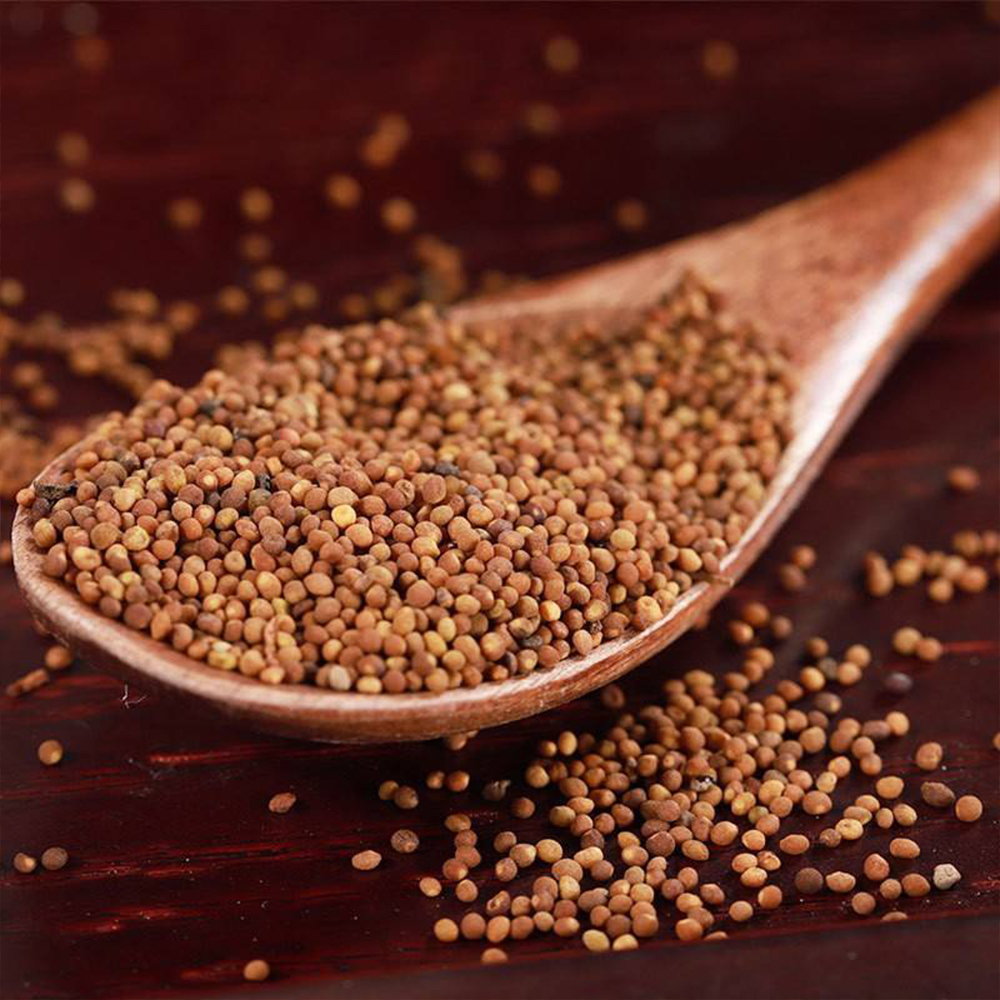
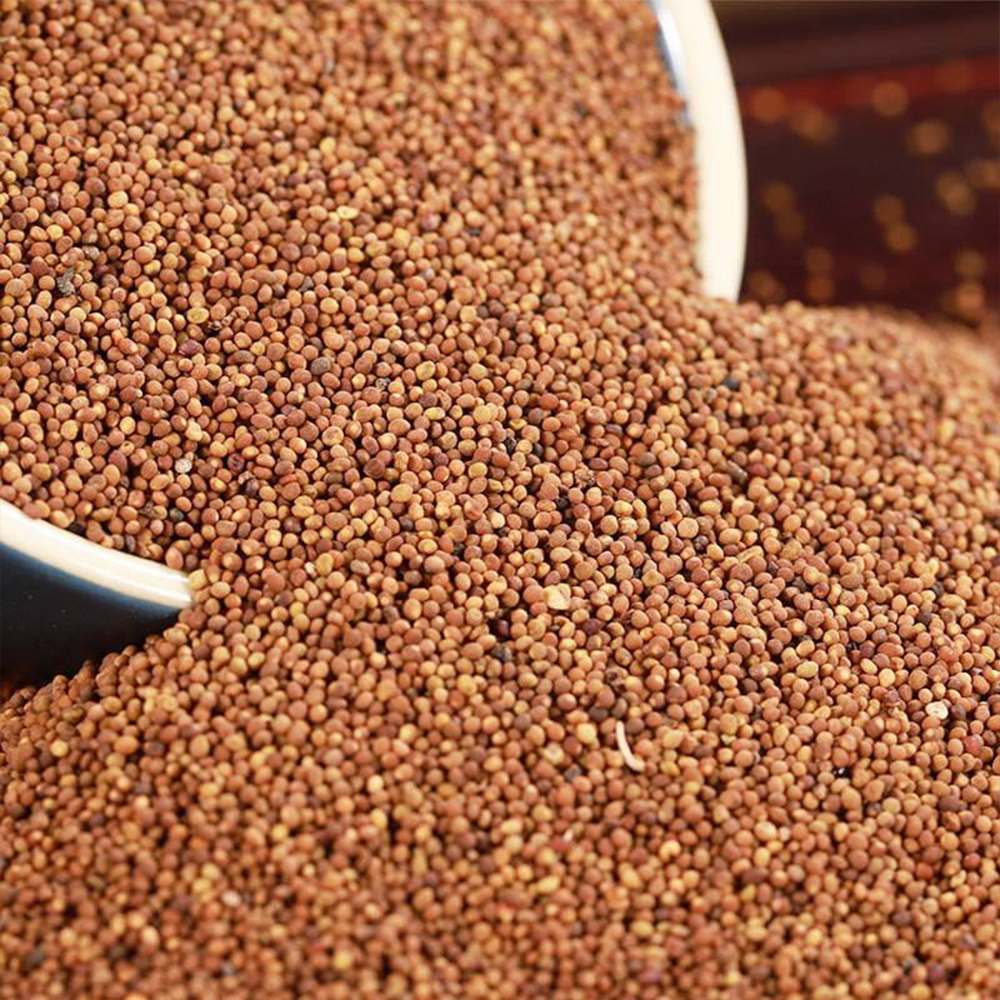
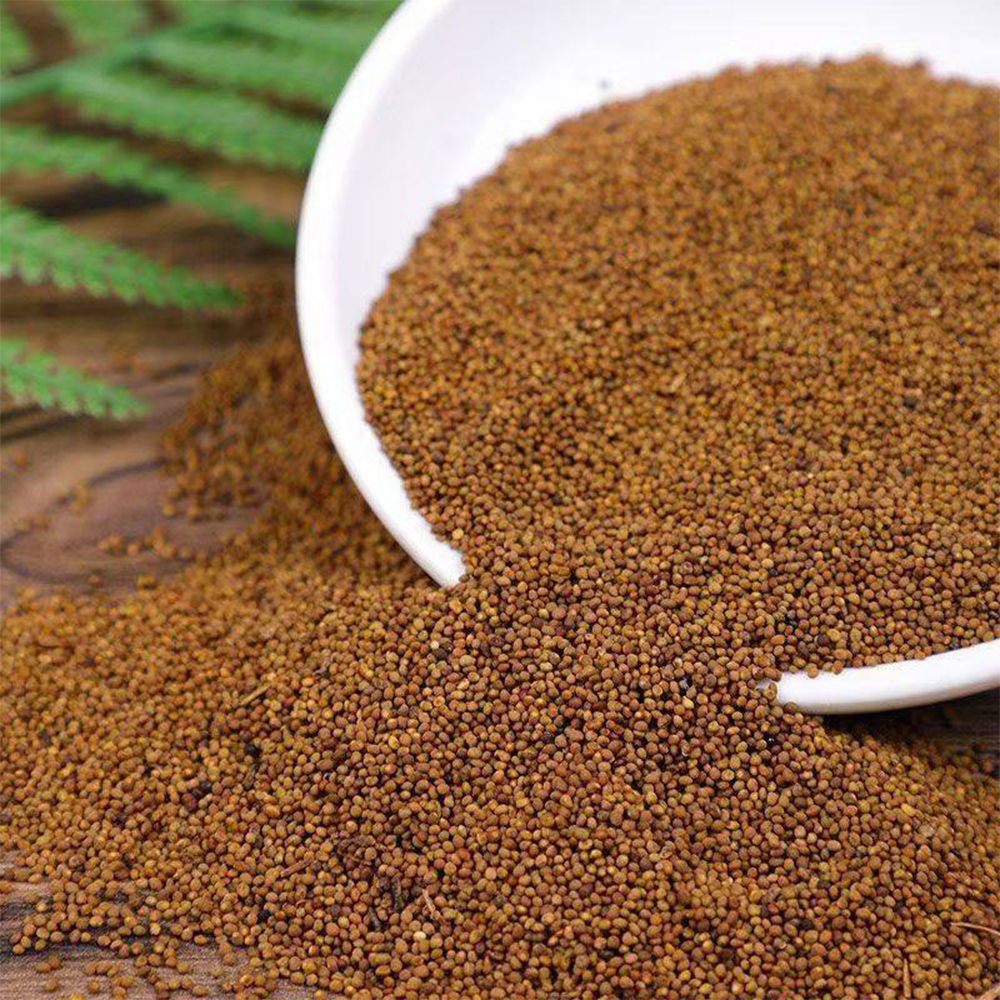
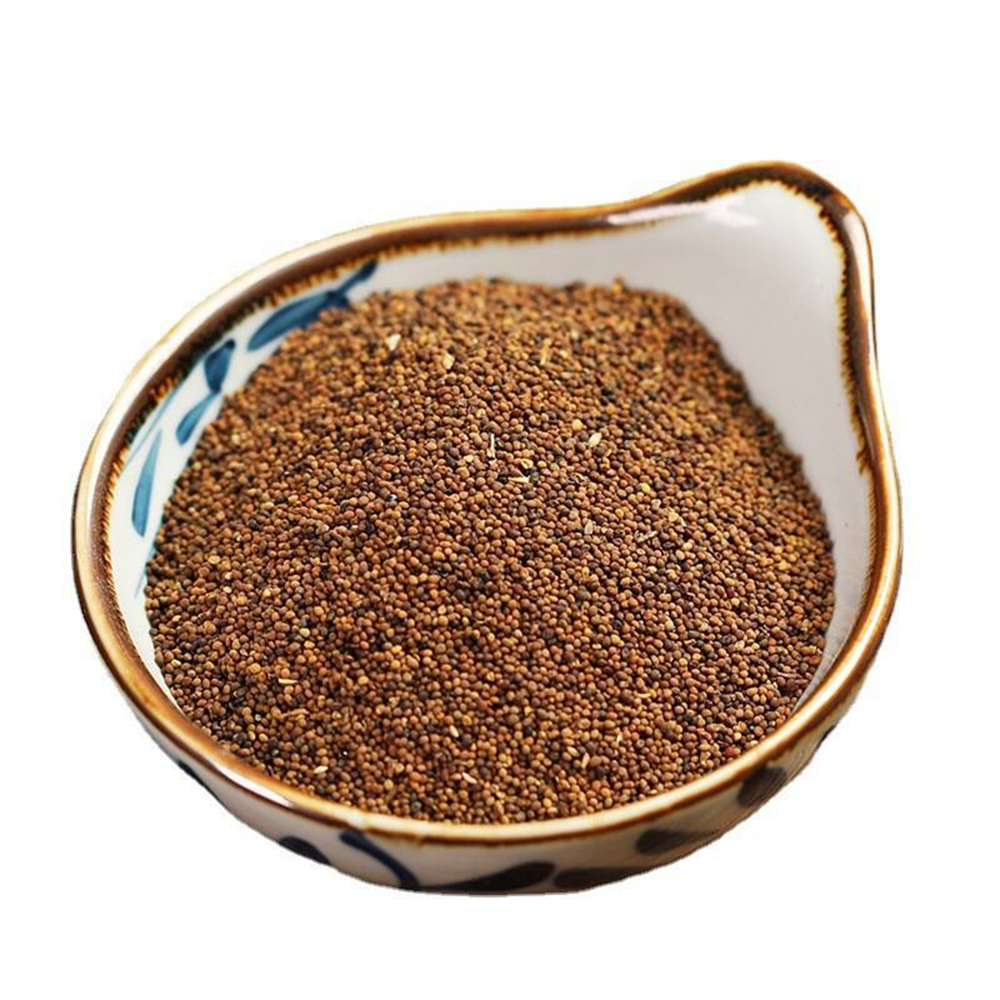
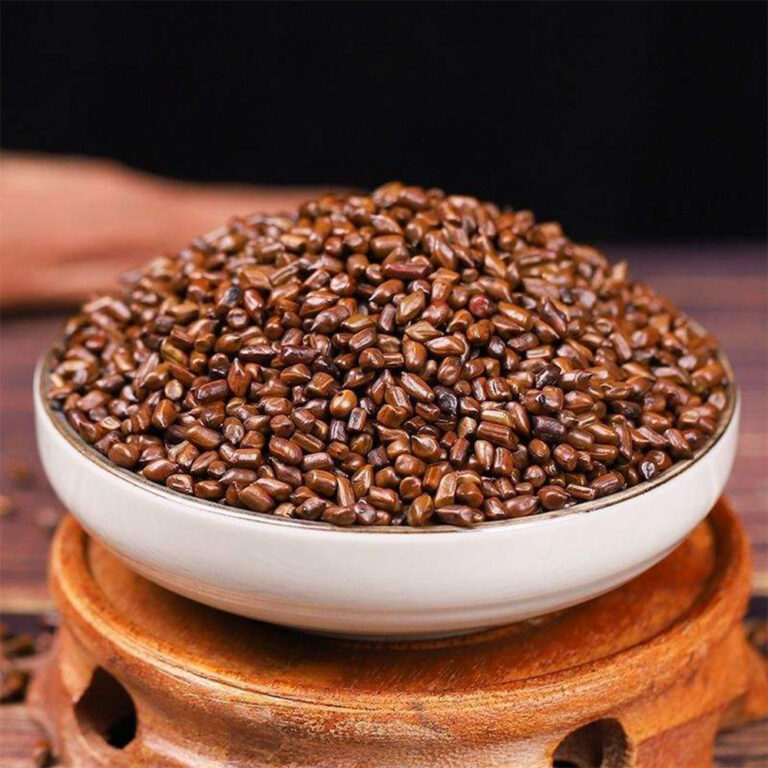
Cuscuta seed (Tu Si Zi, Cuscutae Semen) is a very small, round-to-oval seed, and that is exactly why purity problems hide in it. Stones of similar size pass through the same sieve as the seed. Weed seeds and look-alike adulterants share its colour and shape. Grit rides along in the fine fraction and may only surface in a lab ash test or a customer complaint. For a buyer ordering 100 kg or several tonnes, “clean” on a quotation means very little until it is defined by contaminant type, test method and sampling plan. This article explains what Cuscuta seed purity covers, why small seed behaves differently from larger botanicals, how cleaning and testing map to specific risks, and what to write into an RFQ so that a supplier quotes the same material you intend to receive.
What Does “Purity” Mean for Cuscuta Seed in Bulk Supply?
In bulk Cuscuta seed, purity is the share of the lot that is the correct species, in the correct processing state, free from harmful foreign material and from adhering mineral matter. It is not one number. It is at least five separate questions, and each one has a different test and a different fix.
Purity dimension
Typical examples in Cuscuta seed
How it is usually detected
Main control point
Botanical foreign matter
Stem fragments, capsule husk, other plant parts, weed seeds
Visual sort under magnification, weighed by category
Aspiration, sieving, final sort
Mineral matter
Soil clumps, sand, small stones, grit
Foreign-matter test, total ash, acid-insoluble ash
Destoner, wash-and-redry control
Species and adulterants
Seeds of other Cuscuta species, unrelated look-alike seeds
Macroscopic and microscopic comparison, chemical or DNA methods where justified
Origin control, incoming identity check
Physical hazards
Metal fragments, glass, plastic
Magnet, metal detector, line-side inspection
Magnet and detector with logged verification
Processing state and condition
Raw vs. stir-fried vs. salt-processed, moisture, mould, insect damage
The WHO guidance on quality control methods for medicinal plant materials defines foreign matter broadly. It includes plant parts other than those named in the specification, organisms or products of organisms other than the named material, and mineral admixtures such as soil, stones, sand and dust. It also states that soil, stones, sand, dust and other foreign inorganic matter must be removed before material is cut or ground for testing. Purity therefore starts before size reduction. Grinding a gritty lot does not fix it. It spreads the grit through every downstream batch.
Why Is Small Seed Harder to Keep Pure Than Larger Botanicals?
Small seed is harder to purify because the physical differences that cleaning equipment relies on (size, weight and shape) overlap more between the seed and its contaminants. Four mechanisms matter in practice.
Sieve overlap. A screen separates by size. Stones, clods and weed seeds close to the diameter of Cuscuta seed pass or fail the screen together with the seed. Sieving alone therefore leaves a residue that only a density-based step can remove.
Density and flow behaviour. Small, smooth seed flows almost like a liquid. During bagging, handling and transport, heavier particles such as grit and fines can settle toward the bottom of a bag or bin, while light husk migrates upward. A sample taken only from the top of a carton can look better or worse than the lot really is.
Visual camouflage. Small dark seeds, soil crumbs and some weed seeds look alike at a glance. Inspection by eye on a belt works for coarse trash but misses the contaminants that matter most for acid-insoluble ash.
Fine fraction accumulation. Aspiration and fine sieves remove dust and fine sand. If the cleaning line is not maintained, that material can re-enter the product stream through worn seals or poorly emptied hoppers.
The practical consequence is that a purity specification for Cuscuta seed has to describe both the cleaning route and the sampling method. A bare percentage tells a buyer little if it came from a small, favourable sample.
Which Seeds Count as Genuine Cuscuta Seed, and What Are the Common Adulterant Risks?
Species identity is the first purity question, and the answer depends on which pharmacopoeia or specification you work to. A pharmacopoeial overview on ScienceDirect notes that the 2015 Chinese pharmacopoeia accepts the dried seeds of both Cuscuta chinensis and Cuscuta australis as Cuscutae Semen. Some suppliers and buyer guides name only one species. If your formulation, dossier or customer specification names one species, say so in the RFQ rather than relying on the common name “Tu Si Zi” or “dodder seed”.
Misidentification is a documented problem rather than a theoretical one. A peer-reviewed study on Cuscutae Semen identification in Plants reports that seeds of other species can be mistaken for Cuscutae Semen because of morphological similarity. It describes adulterants including Lepidii seu Descurainiae Semen and Pharbitidis Semen, and it also uses DNA barcoding to separate Cuscuta species from Perilla adulterants.
For a buyer, the usable lesson is the one covered in this site’s jujube seed sourcing guide on authenticity and oil content. Similar-looking seeds exist, and once material is powdered, many visible identification features are gone. Verify identity on the whole seed, from a retained sample of every lot, before the material is milled. Brands building a full qualification programme can use the identity, COA and import checks in the Cuscuta Seed wholesale guide for herbal formulation brands alongside this purity framework.
Processing state also belongs under purity. Raw, stir-fried and salt-processed seed are different purchasing items. A lot labelled only “Cuscuta seed” may not match the form your process was validated on.
How Do Cleaning Steps Map to Specific Contaminants?
Each cleaning step removes a defined type of contaminant, and none removes everything. The table below links equipment to the problem it solves and the gap it leaves. It describes general cleaning principles, not any single supplier’s line.
Cleaning step
Removes
Typically leaves behind
What to ask the supplier
Pre-screening
Oversize trash, stems, clods
Contaminants close to seed size
Screen aperture used
Aspirator
Light husk, dust, shrivelled or empty seed
Heavy and same-weight contaminants
Is aspirated waste weighed and recorded?
Gravity destoner
Stones and dense mineral matter of similar size
Light contaminants, same-density weed seed
Destoner set-up and verification after changeover
Fine sieve stack
Fines, sand, undersize seed
Particles equal to seed size
Do cut-offs match the agreed grade?
Optical or colour sorting
Discoloured seed, some foreign seeds
Same-colour stones or look-alikes
Is it part of the standard route or only on request?
Magnet
Ferrous particles
Non-ferrous metal
Magnet position and cleaning log
Metal detector
Ferrous and non-ferrous fragments (sensitivity depends on product and set-up)
Glass, stone, plastic
Challenge-test records
Washing and re-drying
Adhering soil on heavily soiled lots
Nothing if controlled; moisture risk if not
Final moisture and re-drying method
The sequence matters. This site’s article on Cuscuta Seed (Tu Si Zi) cleaning, stone removal and metal detection standards walks through a pre-screen, aspirator, destoner, sieve, magnet and metal-detector route. It also summarises Hong Kong Chinese Materia Medica Standards limits for Tu Si Zi: foreign matter not more than 8.0%, total ash not more than 10.0%, acid-insoluble ash not more than 4.0% and water content not more than 10.0%. These figures come from that page’s summary and have not been independently re-verified here. Confirm them against the monograph version your market recognises. Acid-insoluble ash deserves special attention for small seed because it responds to sand and silica that a visual check cannot see.
Washing is the step most often described as “cleaning” and most often left undocumented. Water can remove adhering soil, but it adds moisture, which raises mould risk and can alter the processing state. Treat washing as a process change that needs a stated re-drying method and a final moisture result.
Why Is One Foreign-Matter Percentage Not a Purity Specification?
A single percentage can be met by very different lots, and some of those lots are unusable. Compare two illustrative lots, both reported at the same foreign-matter figure. In the first, the residue is stems and husk. In the second, it includes a few stones and one glass fragment. Both “pass” the same number, yet only the first is acceptable for most food-chain uses. This is a hypothetical example, not a customer case.
WHO makes the same distinction. Its guidance accepts that marketed plant material is seldom free of every harmless foreign particle, but states that no poisonous, dangerous or otherwise harmful foreign matter should be allowed. A numeric tolerance is therefore a ceiling on innocuous material, not permission to ship hazards.
A defensible Cuscuta seed specification separates the categories:
Hazards (glass, metal, plastic, sharp stones): zero tolerance, controlled by process and verified by detector logs rather than by a percentage.
Mineral matter: limited through the ash and acid-insoluble ash tests plus a stone category in the foreign-matter report.
Botanical foreign matter and other seeds: limited as a weighed percentage, reported by category.
Identity and processing state: pass or fail, never averaged.
There is a trade-off. Tighter purity usually means more cleaning passes, more rejection of borderline seed and lower yield from the same raw material, and that raises the price per usable kilogram. Over-specifying has a real cost: a tea-bag blend and a laboratory reference material do not need the same acceptance limits. Match the specification to the downstream use and the destination market instead of demanding the lowest possible number from every supplier.
How Should a Bulk Lot Be Sampled and Tested?
Sampling decides whether the result describes the lot. WHO’s sampling procedure for bulk plant material is a sound baseline. If an initial inspection shows the batch is uniform, it calls for sampling 10% of the units in batches of more than 50 containers. It also calls for three original samples from each selected container, taken from the top, middle and bottom. Seed samples should be withdrawn with a grain probe, and the pooled sample is reduced by quartering.
For foreign-matter testing, WHO gives 250 g as the default sample size for leaves, flowers, seeds and fruit unless the monograph says otherwise. The sample is sorted by visual inspection under 6x or 10x magnification or by sieve. The dust fraction passing a No. 250 sieve is counted as mineral admixture.
For small seed, three practices are worth requiring in writing:
Multi-depth sampling. Top, middle and bottom samples capture the segregation that bagging and transport create.
Category reporting. The foreign-matter result should split stones, plant parts and other seeds, not give a single figure.
Retained samples. Keep a sealed reference from every lot for re-testing and for comparison with later lots. A complaint can then be traced to a lot rather than argued from memory.
A COA should state the method, the limit and the actual result for each parameter. Typical parameters for Cuscuta seed include identity, moisture, foreign matter, total ash, acid-insoluble ash, heavy metals, pesticide residues and microbial limits, adjusted for the destination market. A row of “PASS” entries without numbers does not show that purity has been managed.
Does the End Use Change the Purity Specification?
Yes. The same physical seed can enter a tea bag, a powder blend, an extract or a capsule feedstock, and each route tolerates different contaminants. Whole seed that will be milled has to be cleaned of inorganic matter before milling. Seed destined for an extract may tolerate different botanical residue but still needs identity and contaminant control. The fennel seed wholesale guide on spice and herbal use differences explains the same principle for another small seed: identity evidence, safety controls and claims depend on how the material is used, not on how it looks.
Market rules add a second layer. According to USDA APHIS guidance on seeds with special requirements, seeds of parasitic plants are prohibited from all countries and may be imported only for research in an approved containment facility. Separately, an APHIS page on tea and spice products for travellers says dodder, listed there as including Cuscuta chinensis and tu si zi, is permitted in herbal tea products only in individual ready-to-steep tea bags when processed sufficiently for the seed colour to be gray. The second page is written for travellers, so it does not settle how a commercial ingredient shipment is treated. Importers should confirm the exact commodity, processing state and current admissibility with their broker and APHIS before shipment. For formulation brands, processing state and seed condition are regulatory facts as well as quality facts.
What Should Buyers Specify Before Requesting a Quote?
An RFQ that defines purity lets a supplier quote the right cleaning route instead of the cheapest one. Include:
Botanical identity: the accepted species (for example Cuscuta chinensis, or both pharmacopoeial species) and the plant part.
Processing state: raw, washed, stir-fried, salt-processed or milled.
Foreign-matter limit by category: weighed percentages for plant parts and other seeds, plus a stated stone allowance and zero tolerance for glass and metal.
Ash limits: total ash and acid-insoluble ash, with the reference standard.
Moisture limit and method: especially if the lot is washed and re-dried.
Sampling plan: multi-depth sampling, sample size and retained sample.
Contaminant panel: heavy metals, pesticide residues and microbiology for the target market.
Metal detection evidence: challenge-test logs and corrective-action records.
Packaging and quantity: lined cartons or bags, order size, delivery term and destination country.
Documents: lot-specific COA, origin, process declaration and any import documents your market requires.
GuoCao’s bulk Cuscuta Seed (Tu Si Zi) supply page states a 1 kg minimum order, free samples, COA reports and third-party testing for heavy metals, pesticides and microorganisms. Confirm each of those against your own specification, and request a lot-specific sample before committing to a bulk order. Approve the sample against your written purity criteria. Compare quotations on cost per usable, tested kilogram rather than on price per kilogram alone.
Frequently Asked Questions
How much foreign matter is acceptable in Cuscuta seed?
It depends on the standard you work to. A Hong Kong monograph summary cited above lists not more than 8.0% foreign matter for Tu Si Zi. Harmful material such as glass, metal and sharp stones should be excluded regardless of the percentage.
What is the difference between ash and acid-insoluble ash in Cuscuta seed?
Total ash reflects all inorganic residue after incineration. Acid-insoluble ash isolates the silica-type fraction, such as sand and soil. It is the better indicator of whether grit was actually removed from small seed.
Can sieving alone clean Cuscuta seed?
No. Sieves separate by size, and stones, clods and weed seeds close to seed size pass with the seed. A density-based destoner, aspiration, and a final inspection or metal-detection step are needed to cover the remaining contaminants.
How do I check that a lot is genuine Cuscuta seed and not an adulterant?
Compare whole-seed morphology under magnification against a retained reference sample, and require a stated identity method on the COA. Published work shows look-alike seeds can be mistaken for Cuscutae Semen, so chemical or DNA methods may be justified for high-value lots.
Should Cuscuta seed be washed to improve purity?
Washing can remove adhering soil but adds moisture, so it needs a documented re-drying step and a final moisture result. Washed seed is a different processing state and should be stated in the specification, not hidden under “cleaned”.
How many bags should be sampled from a bulk lot?
WHO’s procedure, for a uniform batch, samples every container in a five-unit batch, five containers in a 6–50 unit batch and 10% of units above 50. Take top, middle and bottom samples from each selected unit, using a probe for seed.
Our low MOQ of 1 kg (2.2 lb) makes it easy to order Chinese herbal slices or wholesale Chinese medicine herbs. Private-label and bilingual labeling are also available.
Delivery Cycle & Support
We have a fast 7-day lead time. We provide free samples, COA reports, and technical support to help you bring high-quality bulk Chinese herbs to market.
Quality & Certifications
Our products are manufactured in a GMP-certified facility and meet ISO22000 standards. All Chinese herbs are third-party tested for heavy metals, pesticides, and microorganisms.