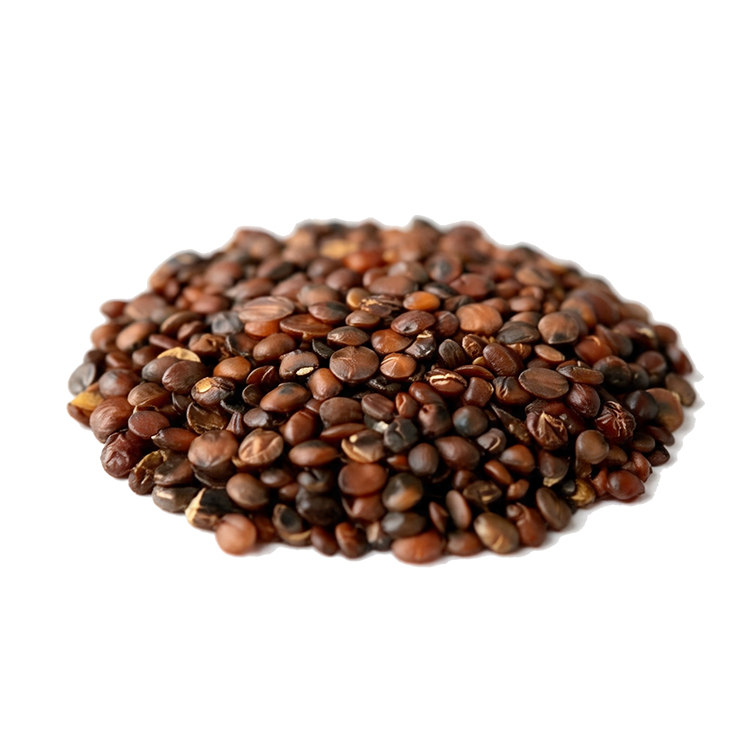
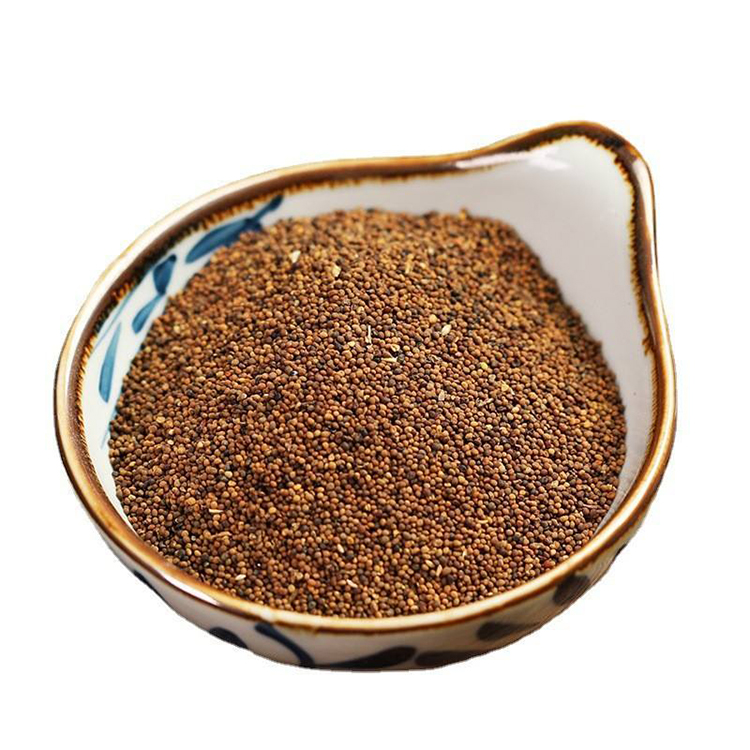
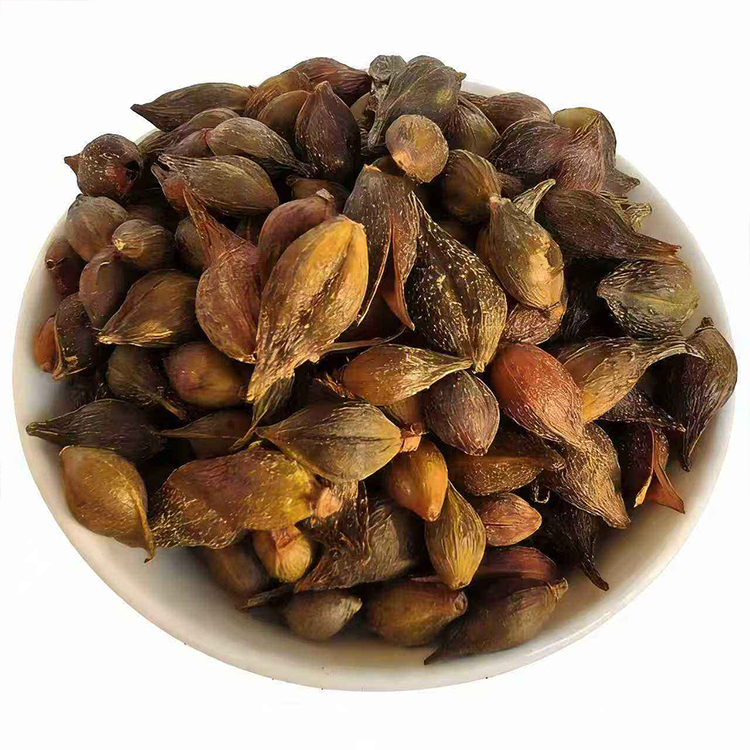
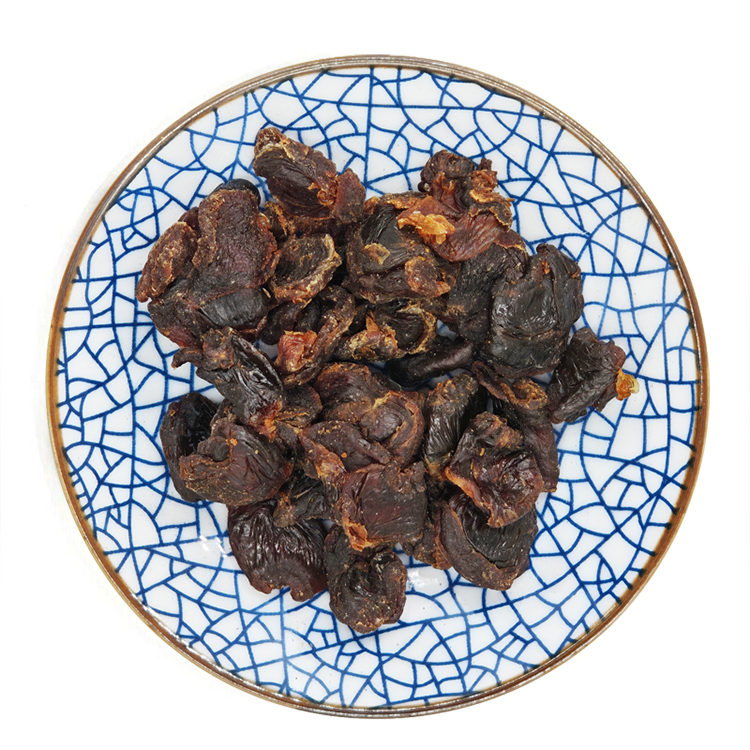
Jujube Seed Sourcing: Why Authenticity and Oil Content Matter
Jujube Seed is expensive enough to attract substitution and chemically complex enough to fool buyers who rely on appearance alone. This sourcing guide explains how to verify authentic Sour Jujube Seed, interpret oil and fatty acid data, assess spinosin and jujuboside markers, and build a defensible bulk purchasing specification.
Jujube Seed is one of those herbal materials where a buyer can receive a shipment that looks convincing, smells normal, carries a neat Certificate of Analysis, and still discover that the commercial reality is very different from the approved sample. Similar-looking seeds exist. Powder destroys many visible identification features. Processing changes chemistry. And an impressive-looking “oil content” number may tell far less about authenticity than the seller wants you to believe.
So what are you actually buying?
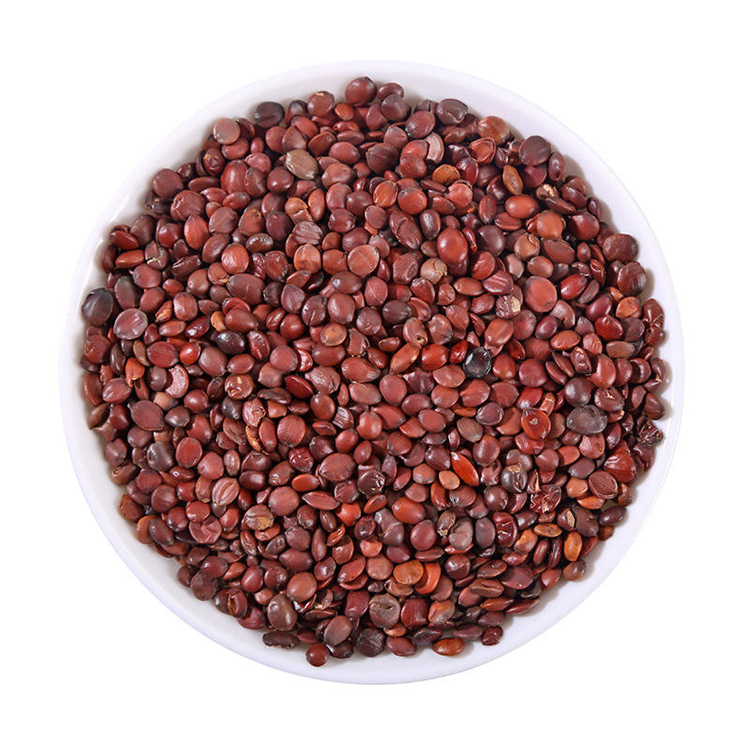
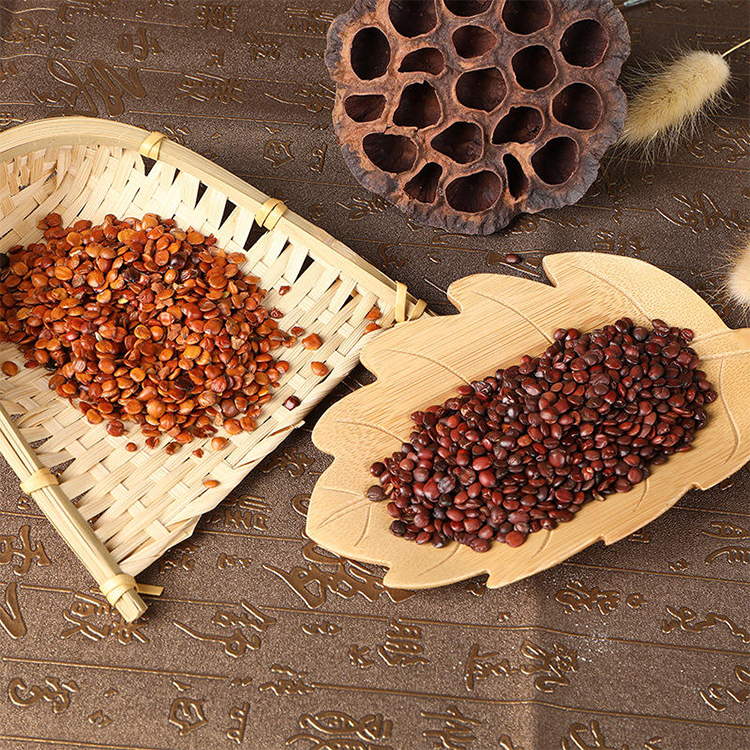
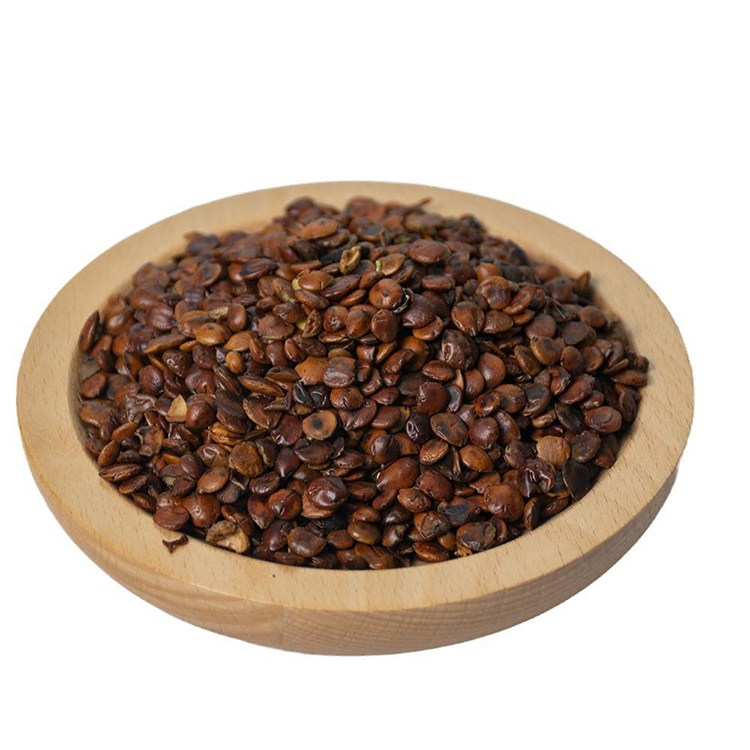
For professional Jujube Seed sourcing, the answer should be precise: the dried mature seed of Ziziphus jujuba Mill. var. spinosa (Bunge) Hu ex H. F. Chou, traded as Sour Jujube Seed, Suan Zao Ren, Semen Ziziphi Spinosae, or Ziziphi Spinosae Semen.
That botanical identity matters more than the English name.
The Hong Kong Department of Health’s Government Chinese Medicines Testing Institute defines Ziziphi Spinosae Semen as the dried ripe seed of Ziziphus jujuba var. spinosa and explicitly warns that it can be confused with other seed and fruit Chinese Materia Medica. The agency has even developed a PCR-RFLP DNA method because powders can lose the morphological features needed for reliable visual identification. See the government’s DNA identification study for Ziziphi Spinosae Semen.
That is the first hard truth of this market: a brown seed is not a botanical identity certificate.
Jujube Seed Authenticity Is a Commercial Problem, Not Botanical Trivia
When I review a Jujube Seed specification, I would not start with “premium,” “wild,” “top grade,” or “new crop.”
Those words are cheap.
I would start with:
Botanical species
Variety
Plant part
Raw or processed form
Geographic origin
Harvest or production year
Lot number
Foreign matter limit
Moisture
Identity test method
Marker-compound assay
Contaminant panel
Packaging condition
The site’s own Jujube Seed (Suan Zao Ren) bulk product page places the material within the fruit-and-seed category and identifies the commercial names Jujube Seed, Sour Jujube Seed, Suan Zao Ren, and Ziziphi Spinosae Semen. For buyers managing several seed ingredients, the broader Fruit and Seed Chinese medicinal herb catalogue is useful for separating species-specific specifications rather than applying one generic “seed quality” standard to everything.
This distinction matters because one of the documented substitutes is Ziziphus mauritiana Lam.
A comparative study published in Frontiers in Pharmacology examined 12 batches of authentic Z. jujuba var. spinosa seed and seven batches of Z. mauritiana. The authors noted that market shortages had encouraged substitution not only with Z. mauritiana but also with Hovenia acerba. Of those alternatives, Z. mauritiana was described as particularly prevalent because it belongs to the same genus and can function as a cheap look-alike. Read the comparative Ziziphus seed study.
Same genus.
Different material.
Would you approve an expensive pharmaceutical or functional ingredient because its substitute “looks almost the same”? Then why do it with a seed?
The Oil-Content Trap: High Fat Does Not Automatically Mean Authentic Jujube Seed
Here is the part I think purchasing teams routinely oversimplify.
“High oil content” sounds scientific.
It can still mislead you.
Fatty oil is a meaningful part of Semen Ziziphi Spinosae, and the fatty-acid composition can provide useful information about raw-material quality. But total fat or total fatty-acid quantity should never be treated as a standalone authenticity test.
The 2017 comparative study makes this unusually clear. Researchers detected 12 fatty acids in both genuine Z. jujuba var. spinosa and Z. mauritiana, and they found no significant difference in total fatty-acid content between the two species. The profiles, however, were different.
That changes the purchasing question.
Do not ask only:
“What is the oil content?”
Ask:
“What is the fatty-acid profile, how was it tested, and does the profile correspond with authenticated Ziziphus jujuba var. spinosa?”
For authentic ZS samples in that study, linoleic acid ranged from 29.85 to 102.88 mg/g, oleic acid from 32.31 to 93.96 mg/g, and linolenic acid from 3.76 to 11.66 mg/g. Average total unsaturated fatty acids reached 146.37 mg/g, representing more than 90% of total fatty acids measured in those samples.
The Z. mauritiana samples told a different chemical story.
Average total unsaturated fatty acids were 117.5 mg/g. Average polyunsaturated fatty acids were 45.90 mg/g, versus 77.53 mg/g in genuine ZS. Saturated fatty acids averaged 27.22 mg/g in Z. mauritiana, compared with only 10.87 mg/g in ZS. The fatty-acid profile differed significantly between the two species at P < 0.01.
That is useful data.
But it also proves the opposite of what some sales brochures imply: total oil alone is not your fingerprint.
What Oil Testing Can and Cannot Tell You
Test or Observation
What It Can Tell You
What It Cannot Prove Alone
Buyer Priority
Total/crude oil content
General lipid level; possible lot consistency indicator
Botanical authenticity
Medium
Total fatty acids
Broad lipid quantity
Genuine Z. jujuba var. spinosa identity
Medium
Linoleic/oleic/linolenic profile
Composition and lot-to-lot differences
Complete identity without reference data
High
PUFA vs SFA distribution
Useful distinction between chemical profiles
Compliance with all medicinal standards
High
Spinosin
Chemical quality marker
Full identity and safety
High
Jujuboside A
Saponin-related quality marker
Full identity and safety
High
HPLC/UPLC fingerprint
Multi-compound comparison against authenticated material
Contaminant safety
Very High
DNA authentication
Botanical identity, particularly useful for powder
Chemical potency or freshness
Very High
Pesticide/heavy-metal/mycotoxin panel
Safety and regulatory risk
Botanical authenticity
Very High
I would therefore treat Jujube Seed oil content as one layer in a multi-layer specification, not as the headline pass/fail test.
Jujuboside A and Spinosin Matter More Than Marketing Language
The seed’s chemistry does not stop at lipids.
Research has identified saponins, flavonoids, fatty acids, alkaloids, amino acids, nucleosides, polysaccharides, and other metabolites in Ziziphi Spinosae Semen. A 2024 review reported that more than 160 metabolites had been isolated or identified in the material.
For procurement, two names deserve particular attention:
spinosin and jujuboside A.
These are established chemical markers used in modern quality assessment of Sour Jujube Seed. Published research discussing the Chinese Pharmacopoeia has specifically identified jujuboside A and spinosin as quality-control markers for the crude material.
But marker testing should not become another checkbox exercise.
A result saying “spinosin: pass” is incomplete if the document does not show:
Lot number
Test method
Result
Specification limit
Laboratory
Test date
Sample identity
Raw versus processed status
A generic COA from six months ago may be genuine paperwork. It may also have almost nothing to do with the 500 kg currently sitting on a pallet.
My rule is simple: buy the tested lot, not the PDF.
In December 2024, Hong Kong’s Department of Health added Ziziphi Spinosae Semen to Volume 11 of the Hong Kong Chinese Materia Medica Standards. The government said HKCMMS standards can include source definition, microscopic identification, TLC, GC, HPLC/UHPLC fingerprinting, tests, extractives, and assays. That is a much better model for professional sourcing than relying on one isolated number. See the Hong Kong Department of Health announcement on HKCMMS Volume 11.
Identity plus chemistry.
That is the point.
Why Similar-Looking Jujube Seeds Can Behave Differently in the Laboratory
The strongest argument for authentication is not that substitute seeds look ugly.
They often do not.
The problem is that visually similar materials can produce measurably different chemical profiles.
In the comparative Ziziphus study, genuine ZS was richer in jujuboside A and jujuboside B, polyunsaturated fatty acids, and several amino acids. The researchers also reported that ZS contained an average 4.17 mg/g total amino acids, compared with 0.83 mg/g for Z. mauritiana.
Gamma-aminobutyric acid, or GABA, averaged 0.14 mg/g in the ZS samples—more than ten times the level reported in the Z. mauritiana samples in that dataset. Proline averaged 0.162 mg/g in ZS versus 0.012 mg/g in ZM.
This is why “same genus” is not good enough.
And this is also why I dislike specifications that read:
“Jujube Seed, brown, clean, dry, good quality.”
That is not a specification.
That is a wish.
Modern Authentication Is Moving Beyond Human Eyes
Whole seeds give the buyer something to inspect.
Powder is different.
Once Jujube Seed has been milled, many morphological clues disappear. Hong Kong’s Government Chinese Medicines Testing Institute says exactly that: macroscopic identification can distinguish Ziziphi Spinosae Semen from confused species when the morphology is present, but accurate identification becomes problematic in powder because those features are lost. Its response was to develop a PCR-RFLP method with high specificity and without requiring full DNA sequencing.
Research laboratories are also testing faster screening technologies.
A 2023 Food Chemistry X study evaluated FT-NIR spectroscopy combined with multivariate algorithms for distinguishing Ziziphi Spinosae Semen from adulterants and for predicting adulteration ratios. The important commercial message is not that every importer needs an NIR instrument tomorrow. It is that the industry is moving toward objective pattern recognition because appearance alone leaves too much room for substitution. See the FT-NIR adulteration study.
Another 2023 study indexed by the U.S. National Library of Medicine used electronic-eye imaging, flash GC electronic-nose technology, and HS-GC-MS to investigate adulterants and geographical origins of Ziziphi Spinosae Semen. See the PubMed record on multi-sensor Jujube Seed authentication.
Why is so much analytical effort being spent on one small brown seed?
Because the commercial incentive to substitute valuable plant material is real.
Raw, Fried, Crushed, and Powdered Jujube Seed Are Not the Same Procurement Item
Processing needs its own line in the purchase specification.
Do not write simply:
“Suan Zao Ren.”
Write:
Raw whole seed
Cleaned seed
Fried/processed seed
Crushed seed
Powder
Extract-grade feedstock
Then define what you expect.
A 2024 Scientific Reports study used MALDI mass-spectrometry imaging to examine 33 metabolites in Ziziphi Spinosae Semen, including three saponins, six flavonoids, four alkaloids, eight fatty acids, and 12 amino acids. The researchers found that processing changed the distribution of multiple components and could distinguish differently processed samples using multivariate pattern analysis.
Small sentence.
Processing matters.
And once the supplier changes roasting conditions, crushing intensity, particle size, drying, or storage, you should not blindly assume the chemistry of the finished material remains identical to the raw reference.
Buyers unfamiliar with paozhi can review the site’s guide to common processing methods for Chinese herbs, which explains why heat, moisture, cutting, roasting, and other treatments need to be recorded as part of the material specification rather than treated as an afterthought.
Oil-Rich Seeds Create a Storage Problem Buyers Often Ignore
Unsaturated lipids are commercially useful.
They are also a reason to pay attention to storage.
If a lot has a high proportion of unsaturated fatty acids, I would want to know when it was processed, how long it has been stored, whether it was crushed before storage, what inner packaging was used, and whether the warehouse controls moisture, heat, light, pests, and foreign odors.
Why?
Because “passed at production” and “stable after months of storage and transport” are not the same statement.
Research on Jujube Seed storage has already shown that chemical quality can move during storage. One six-month study comparing different packaging and storage conditions found deterioration under accelerated conditions and reported changes in spinosin and jujuboside A levels, with aluminum-plastic vacuum packaging performing better than several more permeable packaging formats under the tested conditions.
For international orders, I would put storage and packaging directly into the PO:
Harvest or production year declared
Packaging date declared
Food- or pharma-appropriate inner liner
Airtight sealing where appropriate
Moisture target defined
No visible mold or insect activity
No abnormal rancid odor
Storage away from direct heat and light
Retained sample kept by supplier
Pre-shipment sample available on request
Do not buy chemistry and then destroy it with logistics.
How to Source Jujube Seed Without Paying Premium Prices for Ordinary Material
A disciplined buyer can reduce most sourcing risk before the deposit is paid.
Start with identity.
Then move outward.
1. Lock the botanical name
Purchase documents should specify:
Ziziphus jujuba Mill. var. spinosa (Bunge) Hu ex H. F. Chou
Do not approve “jujube seed” alone.
2. Specify the plant part and maturity
The commercial material should be the dried mature seed.
“Mature” is not decorative language. It is part of the botanical definition used by the Hong Kong government standard-setting system.
3. Declare raw versus processed
Roasted material and raw material should not silently substitute for one another.
4. Ask how authenticity is established
Depending on form and risk level, the answer may include:
Macroscopy
Microscopy
TLC
HPLC/UHPLC fingerprint
Marker assay
DNA testing
FT-NIR screening
Powder deserves more skepticism than intact seed.
5. Ask for more than total oil
For oil-related QC, consider requesting:
Total/crude oil
Fatty-acid composition
Linoleic acid
Oleic acid
Linolenic acid
Saturated versus unsaturated profile
If a supplier gives you only “oil 25%” and then declares authenticity proven, challenge the logic.
6. Verify chemical markers
Spinosin and jujuboside A should be part of the discussion for medicinal-quality sourcing, alongside whatever current pharmacopoeial or destination-market standard applies to the intended product.
7. Control contaminants
Depending on destination and intended use, your test package may include:
Heavy metals
Pesticide residues
Aflatoxins
Microbiology
Sulfur dioxide where relevant
Foreign matter
Moisture
8. Tie every result to the commercial lot
A batch-specific document beats a beautiful brochure every time.
My Jujube Seed Buyer Specification Would Look Like This
If I were qualifying a new Jujube Seed supplier, this is the minimum information I would request before discussing “best price.”
Specification Field
Buyer Requirement
Product
Jujube Seed / Suan Zao Ren
Botanical identity
Ziziphus jujuba Mill. var. spinosa
Materia medica name
Ziziphi Spinosae Semen
Plant part
Dried mature seed
Processing
Raw / fried / crushed / powder clearly stated
Origin
Province/region and country
Crop or production year
Required
Physical grade
Whole-seed ratio, broken material, shell, foreign matter defined
Moisture
Numeric limit and test method
Authenticity
Macroscopy/TLC/fingerprint; DNA for higher-risk powdered lots when justified
Chemical markers
Spinosin, jujuboside A, plus agreed fingerprint
Oil evaluation
Total oil if relevant; fatty-acid profile preferred over one headline number
Fatty acids
Linoleic, oleic, linolenic; SFA/MUFA/PUFA where required
Contaminants
Heavy metals, pesticides, aflatoxins, microbiology as applicable
Packaging
Sealed moisture- and contamination-resistant inner pack
Documentation
Lot-specific COA and traceability records
Reference control
Approved sample retained for bulk comparison
Notice what is missing?
“Premium.”
“AAA.”
“Natural.”
“Top quality.”
I do not care.
Show me the batch.
Price Is a Signal, but It Is Not a Test Result
Sour Jujube Seed is exactly the kind of product where an aggressively low price should make a buyer ask more questions, not fewer.
A cheap offer can come from perfectly legitimate reasons: different origin, crop timing, grade, processing, inventory strategy, broken-seed ratio, packaging, contract size, or currency movement.
But it can also hide weaker material.
The wrong response is to assume the highest quotation must be authentic.
The equally wrong response is to assume every quotation describes the same commodity.
Ask each supplier to quote against the same written specification.
Then compare.
Otherwise one supplier may be pricing authenticated medicinal-grade Ziziphus jujuba var. spinosa with full testing, while another is pricing generic seed material under the English label “jujube seed.”
Those are not competing quotations.
They are different products wearing similar names.
FAQs
What is authentic Jujube Seed?
Authentic Jujube Seed for Chinese materia medica sourcing is the dried mature seed of Ziziphus jujuba Mill. var. spinosa (Bunge) Hu ex H. F. Chou, commonly known as Sour Jujube Seed, Suan Zao Ren, Semen Ziziphi Spinosae, or Ziziphi Spinosae Semen, rather than any visually similar seed sold under a generic jujube name.
For bulk orders, the botanical name should appear on the purchase specification, sample documentation, and batch COA. Similar materials such as Ziziphus mauritiana have been documented as substitutes, so common-name matching alone is insufficient.
How can I verify Jujube Seed authenticity?
Jujube Seed authenticity is verified by combining botanical identity records with physical identification and, when necessary, analytical methods such as microscopy, TLC, chromatographic fingerprinting, chemical-marker assays, DNA testing, or spectroscopic screening, with the chosen method depending on whether the material is supplied as intact seed, processed pieces, powder, or extract feedstock.
Whole seeds retain more visual characteristics. Powdered material deserves stronger laboratory verification because grinding destroys many diagnostic morphological features.
Why does Jujube Seed oil content matter?
Jujube Seed oil content matters because fatty oil and its constituent fatty acids form a significant chemical fraction of the seed, while the balance of linoleic, oleic, linolenic, saturated, monounsaturated, and polyunsaturated fatty acids can provide useful information about composition, lot consistency, processing, and differentiation from certain visually similar Ziziphus materials.
It should not, however, be used by itself as proof of authenticity.
Is high oil content proof that Sour Jujube Seed is genuine?
High oil content is not proof that Sour Jujube Seed is genuine because comparative research found no significant difference in total fatty-acid content between authentic Ziziphus jujuba var. spinosa seeds and Ziziphus mauritiana samples, even though their detailed saturated and polyunsaturated fatty-acid profiles showed significant compositional differences.
That is why I would prefer a profile over one impressive percentage.
What should I ask a Jujube Seed supplier before buying in bulk?
A Jujube Seed supplier should provide the botanical name, plant part, origin, harvest or production year, processing status, lot number, moisture specification, foreign-matter limit, identity method, spinosin and jujuboside data where applicable, contaminant testing, packaging details, and a batch-specific COA that can be matched directly to the commercial shipment.
Then request a representative sample.
If the bulk shipment cannot be compared with the approved sample, your approval process has a hole in it.
How do I choose the best Jujube Seed supplier?
The best Jujube Seed supplier is the supplier that can repeatedly deliver authenticated Ziziphus jujuba var. spinosa to a written physical, chemical, safety, processing, packaging, and documentation specification, while maintaining batch traceability and allowing representative sampling rather than relying on low price, photographs, generic certificates, or unsupported claims of premium origin.
That definition is less exciting than “factory direct.”
It is also more useful.
Your Next Step: Buy Jujube Seed by Specification, Not by Appearance
Jujube Seed sourcing gets easier once you stop treating it as a simple agricultural commodity.
Demand the species.
Demand the batch.
Demand the data.
And treat oil intelligently: total oil can help characterize a lot, but fatty-acid composition, botanical authentication, chemical markers, contaminant testing, and traceability together tell a much stronger story than one percentage on a COA. The available research makes that point unusually clear.
If you are evaluating bulk Sour Jujube Seed for herbal products, decoction pieces, extraction, tea formulations, or other commercial applications, review the Jujube Seed bulk supply specification and then contact the herbal sourcing team with your target quantity, destination country, raw or processed requirement, required tests, packaging format, and quality specification.
The cheapest question is “What is your price?”
The better question is “What exactly does that price buy?”
Our low MOQ of 1 kg (2.2 lb) makes it easy to order Chinese herbal slices or wholesale Chinese medicine herbs. Private-label and bilingual labeling are also available.
Delivery Cycle & Support
We have a fast 7-day lead time. We provide free samples, COA reports, and technical support to help you bring high-quality bulk Chinese herbs to market.
Quality & Certifications
Our products are manufactured in a GMP-certified facility and meet ISO22000 standards. All Chinese herbs are third-party tested for heavy metals, pesticides, and microorganisms.