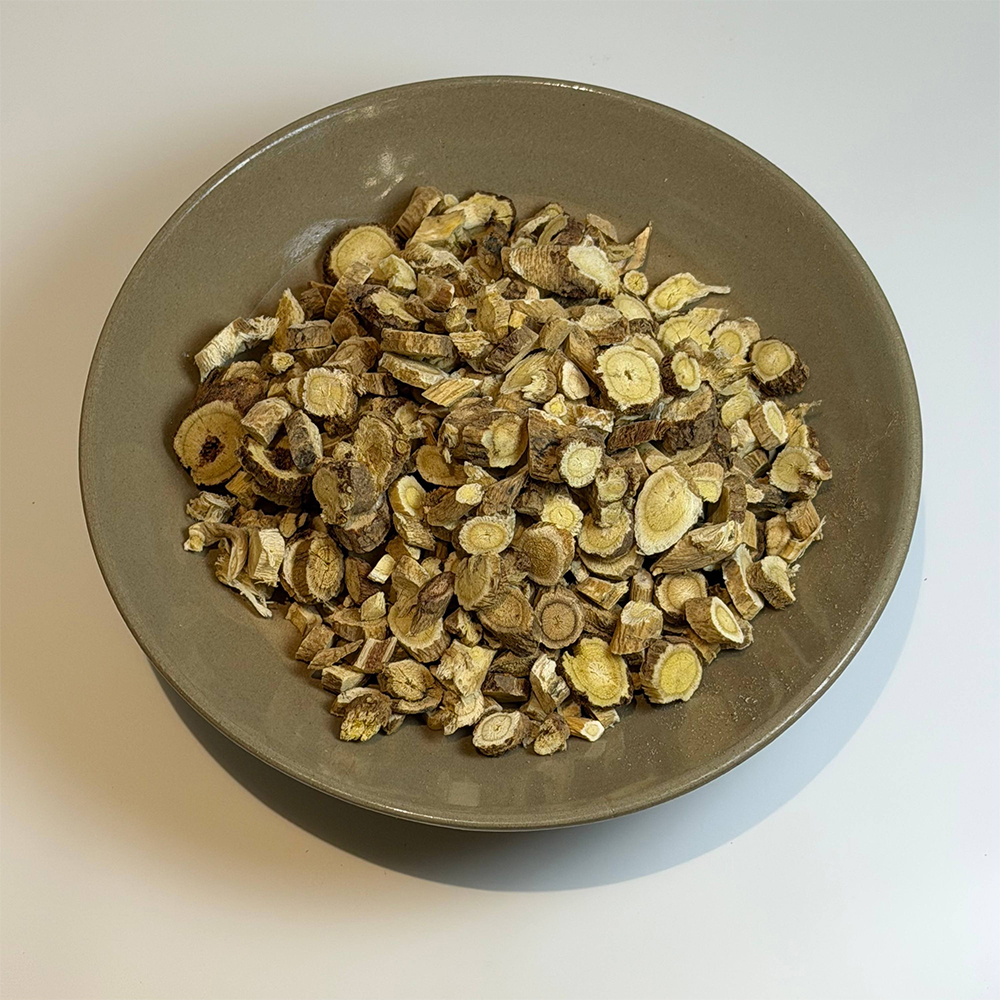
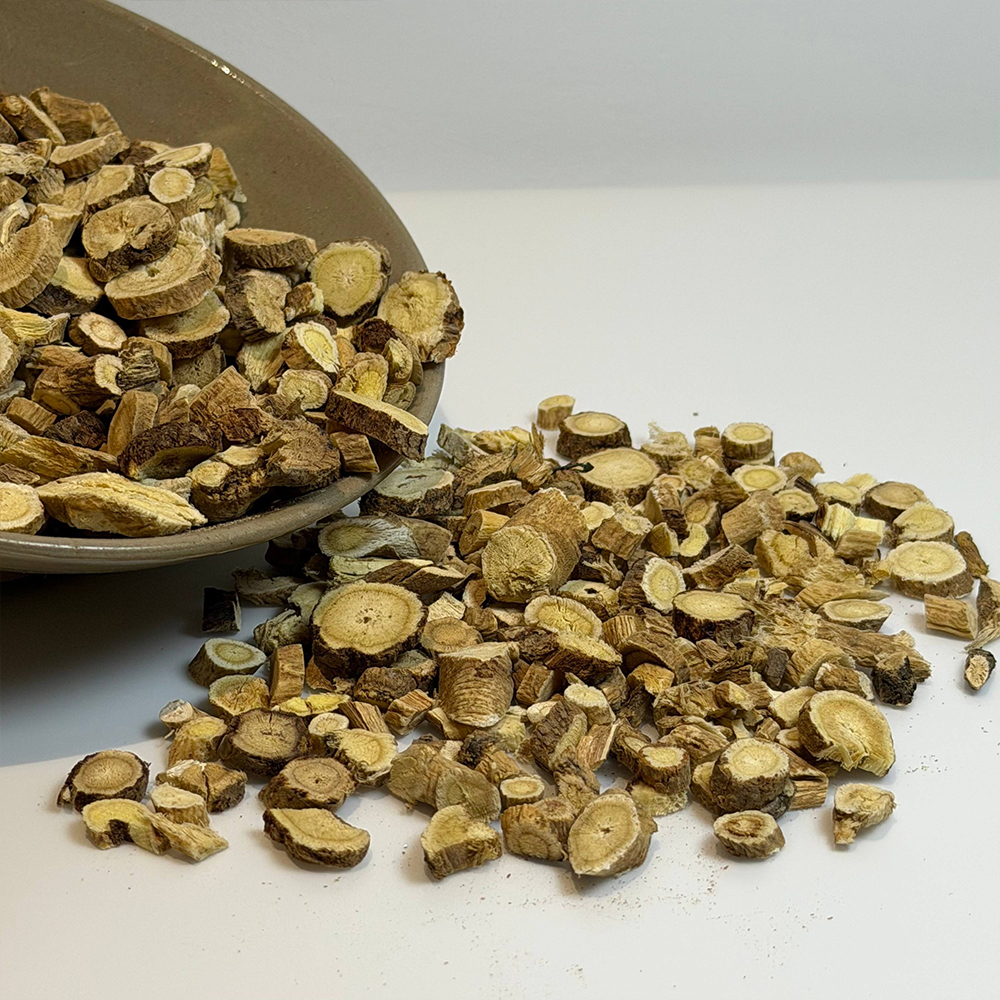
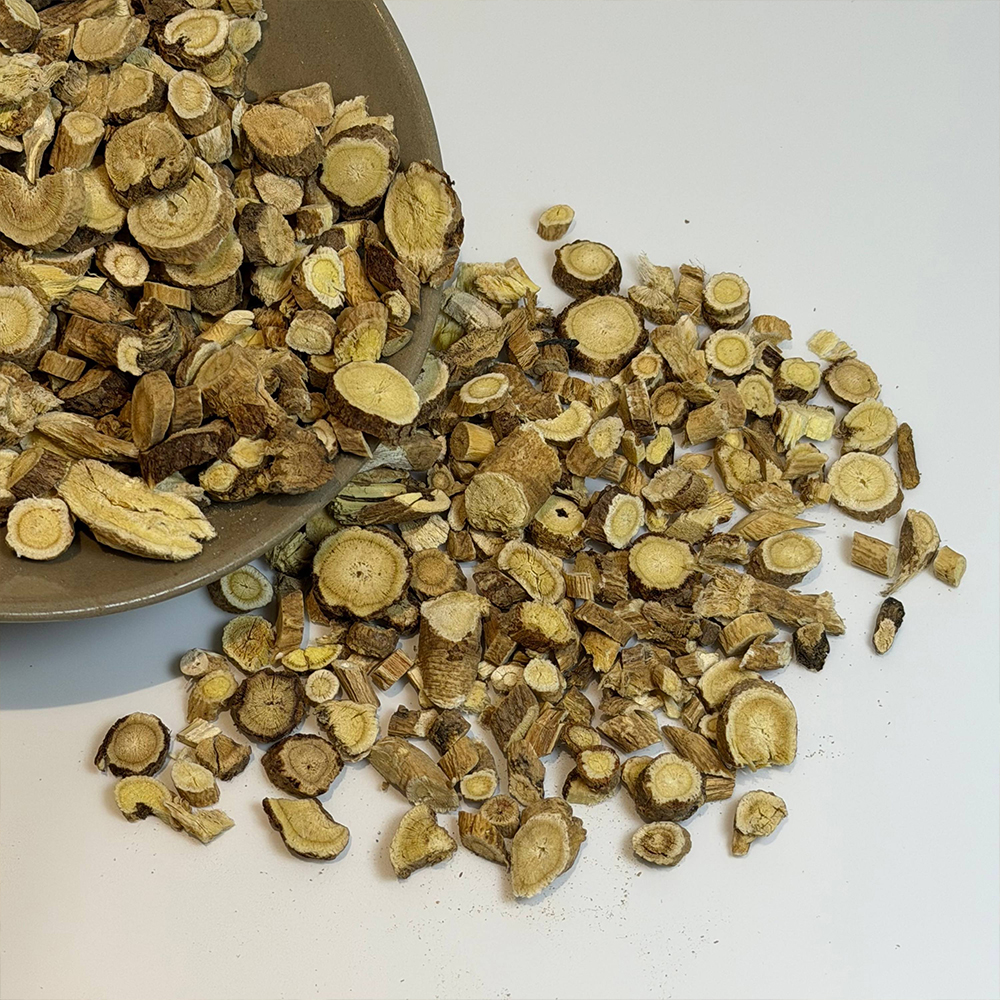
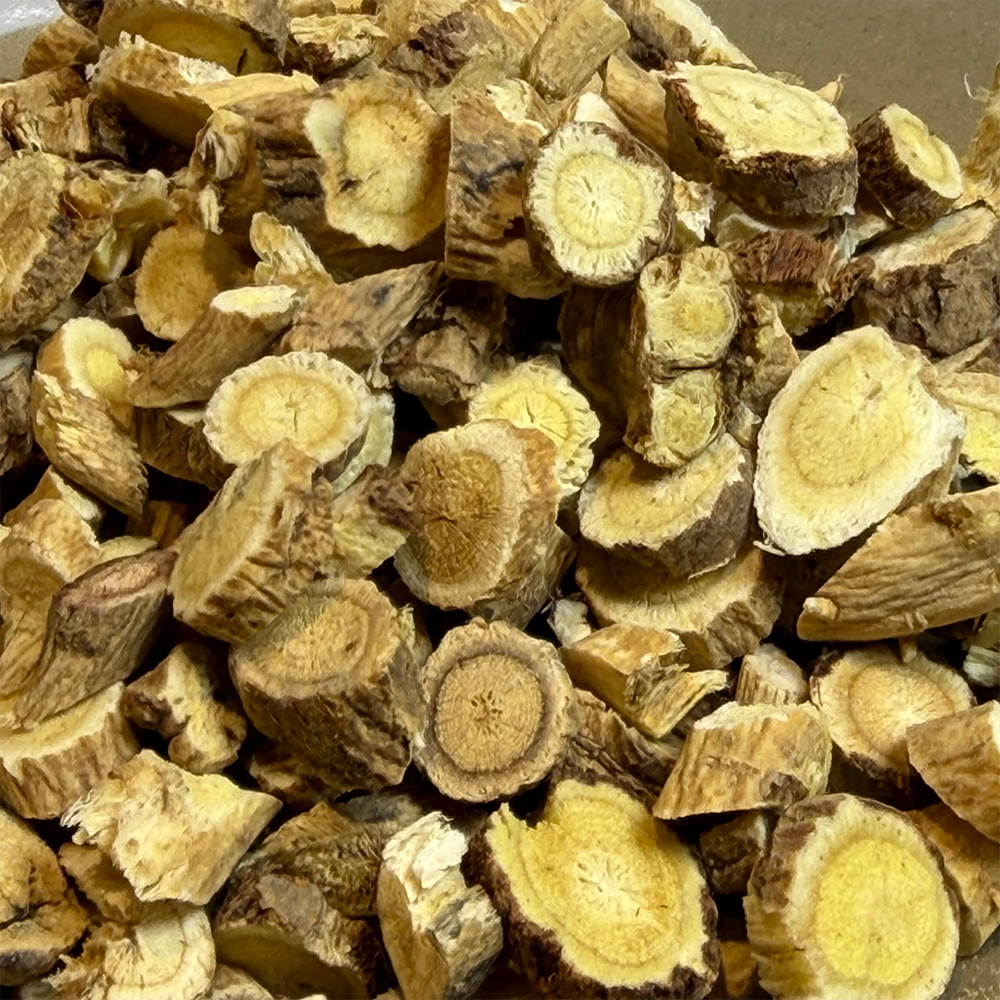
Astragalus Root Slices: Choosing Diameter and Thickness for Bulk Orders
Bigger Huang Qi slices do not necessarily mean better quality. Discover how diameter, thickness, processing methods, and breakage rates affect wholesale astragalus purchasing—and what buyers should specify before ordering.
But when a wholesale buyer purchases 500 kilograms of astragalus root slices without specifying acceptable diameter, cutting thickness, and breakage tolerance, the supplier can deliver visually attractive material that performs poorly in the buyer’s actual production process.
Who absorbs that cost?
Usually, the buyer.
I would challenge one of the most persistent assumptions in Huang Qi purchasing: bigger slices are not automatically better slices.
For buyers sourcing wholesale Astragalus Root (Huang Qi), the goal should be straightforward: purchase a consistent, verifiable product suited to its intended use—not merely the largest-looking root.
Astragalus Root Slice Diameter: What the Research Actually Shows
Astragalus root, commercially known as Huang Qi (黄芪) or Astragali Radix, is sourced from recognized botanical materials including Astragalus membranaceus and its mongholicus variety.
When evaluating astragalus root slice diameter, buyers should distinguish appearance-based grading from chemical composition.
That distinction is not academic.
Smaller Roots Can Contain More Astragaloside IV
A 2022 study published inMolecules investigated the relationship between root diameter, anatomical tissue, processing, and chemical constituents.
Using the Chinese Pharmacopoeia extraction method applied in the experiment, researchers reported:
Root diameter
Astragaloside IV content
Below 3 mm
0.617%
9–12 mm
0.146%
The smaller-diameter samples contained approximately 4.2 times the astragaloside IV concentration of the larger-diameter group.
The researchers attributed part of this relationship to the higher proportion of bark tissue in smaller roots. Bark tissue contained greater concentrations of certain measured compounds than wood tissue.
That finding challenges the assumption that visually larger Huang Qi necessarily commands superior chemical quality.
However, the study does not establish that roots below 3 mm are always the best commercial grade. Chemical composition can also vary with cultivation, root age, growing conditions, and analytical methods.
My recommendation: Treat diameter as a physical grading parameter. Verify chemical quality independently.
Researchers investigated post-harvest processing of Astragali Radix using roots approximately 10–12 mm in diameter, cut into 4 mm slices.
The experimental process included:
Drying at 40°C.
Adjusting intermediate root moisture levels.
Applying 100 kneading cycles to selected samples.
Allowing a 12-hour sweating treatment.
Completing drying until moisture was below 10%.
A treatment involving 35% intermediate moisture, kneading, and sweating achieved the highest comprehensive evaluation score in the reported optimization.
Researchers also observed differences in appearance, fragmentation, and chemical constituents across processing conditions.
Here is the purchasing lesson.
The cutting process can matter as much as the nominal thickness.
A supplier using suitable preparation and moisture controls may produce more consistent slices than one simply adjusting cutting equipment.
The 4 mm dimension was part of the study’s experimental design, not proof that every commercial buyer should specify exactly 4 mm.
Choosing Diameter and Thickness for Bulk Astragalus Root Slices
The right specification begins with the product’s destination.
A buyer producing retail herbal packs should not automatically use the same grading requirements as a manufacturer planning to grind the roots.
The following ranges are suggested starting points for sample evaluation. They are illustrative purchasing specifications, not official standards or verified market-wide grades.
Application
Trial diameter
Trial thickness
Main concern
Conventional herbal decoction slices
10–20 mm
2–4 mm
Consistent cutting and preparation
Visible retail herbal packs
12–25 mm
2–3 mm
Uniform appearance and intact pieces
Botanical extraction or grinding
Flexible, based on process
2–4 mm or custom cut
Chemical quality and processing compatibility
Custom herbal blends
Based on formulation
1–3 mm
Handling and particle-size consistency
These dimensions should be confirmed through representative samples and actual production trials.
Why Uniformity Matters More Than the Average
Imagine two suppliers both quoting a target thickness of 3 mm.
Supplier A consistently delivers slices between 2.5 and 3.5 mm.
Supplier B delivers a mixture ranging from 1 to 6 mm.
Both might report the same average.
But their products are not equivalent.
The wider thickness distribution can complicate processing, packaging, and quality checks.
For bulk astragalus root slices, I would therefore specify an acceptable thickness range and the percentage of pieces required to fall within that range.
Averages alone conceal variation.
How to Write a Bulk Order Specification That Suppliers Can Follow
Vague instructions invite disputes.
Terms such as “premium slices,” “large diameter,” and “uniform thickness” are incomplete unless the buyer defines how compliance will be measured.
A Practical Huang Qi Purchasing Specification
For an illustrative conventional-slice trial, I would begin with:
Parameter
Proposed requirement
Product
Dried Astragali Radix slices
Botanical identity
Verified recognized source and plant part
Diameter
10–20 mm
Thickness
2–4 mm
Dimensional conformity
At least 90% of sampled pieces within agreed dimensions
Breakage and fines
Maximum 5% by weight
Appearance
No visible mold or unacceptable foreign matter
Documentation
Lot identification and relevant COA
Packaging
Agreed moisture-protective packaging
The dimensional limits and percentages above are proposed commercial terms. They are not regulatory acceptance criteria.
Define whether an irregular slice’s diameter is measured across its longest or shortest axis. Also specify whether dimensional conformity is calculated by piece count or weight.
Without those details, a supplier and buyer may inspect identical material and reach different conclusions.
Inspect Before the Full Shipment
My preferred approach would be to approve a representative pre-production sample, retain a reference sample, and require the same agreed characteristics in the production lot.
For an initial screening exercise, buyers could measure 100 slices selected across multiple cartons while separately checking the weight of broken pieces and fines.
That exercise helps identify obvious variation. It does not replace a statistically justified lot-acceptance sampling plan.
For buyers requiring custom cuts, packaging, or processing arrangements, GuoCao’s Chinese herbal OEM/ODM customization service provides a route for discussing sample approval and manufacturing requirements.
Why Appearance Cannot Replace Laboratory Quality Control
Here is the expensive mistake.
A procurement team spends time negotiating a 2 mm thickness tolerance but fails to verify the botanical identity or analytical documentation of the delivered material.
That is backward.
According to the U.S. FDA’s dietary supplement CGMP guidance, covered dietary supplement operations must establish and verify appropriate specifications concerning identity, purity, strength, composition, and contamination.
The exact regulatory obligations depend on the product and its intended use.
For a professional Huang Qi sourcing program, I would request appropriate documentation addressing botanical identity, traceability, moisture, contaminants, and relevant chemical markers such as astragaloside IV and calycosin-7-O-glucoside.
The certificate of analysis should identify the actual lot and include applicable analytical methods and results.
There is also a current standards issue that buyers should not overlook.
China’s 2025 Pharmacopoeia entered into force on October 1, 2025. Buyers purchasing material for pharmacopoeial medicinal use should confirm the current applicable monograph rather than relying automatically on older specifications.
Diameter and thickness should complement analytical quality control, never substitute for it.
The Real Cost of Poorly Graded Wholesale Astragalus
Price per kilogram can be misleading.
Consider two hypothetical offers:
Purchasing factor
Supplier A
Supplier B
Quoted price
$9.00/kg
$9.50/kg
Unusable material
15%
3%
Usable yield from 100 kg
85 kg
97 kg
Cost per usable kilogram
$10.59
$9.79
These are illustrative calculations, not verified market prices or supplier performance statistics. Freight, laboratory testing, duties, and other costs are excluded.
Supplier B appears more expensive on the original quotation but delivers a lower material cost after the assumed losses.
This is why I would compare suppliers using usable yield, lot consistency, and documented quality—not simply the invoice price.
FAQs
What Is the Best Astragalus Root Slice Thickness for Bulk Orders?
The best astragalus root slice thickness is the dried measurement that meets the buyer’s intended processing, packaging, and quality requirements; 2–4 mm can be a reasonable initial trial range for certain conventional applications, but the final specification should be validated against actual samples and any applicable pharmacopoeial requirements.
Does a Larger Astragalus Root Slice Diameter Mean Better Quality?
A larger astragalus root slice diameter indicates a wider root cross-section and may support a preferred visual grade, but it does not automatically mean greater chemical quality; research has shown that smaller-diameter samples can contain higher concentrations of astragaloside IV under specific experimental conditions and analytical methods.
How Should Buyers Check Wholesale Astragalus Root Slices Before Ordering?
Wholesale astragalus root slice inspection is a structured check of botanical identity, diameter distribution, thickness tolerance, breakage, visible defects, traceability, and relevant laboratory documentation; buyers should compare representative samples with an agreed specification and verify that the production lot satisfies the quality requirements of its intended commercial application.
Your Next Steps: Order Astragalus Root Slices with Confidence
A reliable bulk order starts with measurable expectations.
Before purchasing, define your target diameter, thickness tolerance, acceptable breakage, intended application, and required quality documentation.
Then ask the supplier to confirm those specifications against representative samples.
At GuoCao, we support wholesale sourcing of Chinese medicinal herbs, including Huang Qi, with options for discussing customized processing and bulk packaging requirements.
Looking for wholesale astragalus root slices with your preferred diameter and thickness?
Share your required dimensions, target quantity, destination market, and intended application so the appropriate product specification can be evaluated before ordering.
Our low MOQ of 1 kg (2.2 lb) makes it easy to order Chinese herbal slices or wholesale Chinese medicine herbs. Private-label and bilingual labeling are also available.
Delivery Cycle & Support
We have a fast 7-day lead time. We provide free samples, COA reports, and technical support to help you bring high-quality bulk Chinese herbs to market.
Quality & Certifications
Our products are manufactured in a GMP-certified facility and meet ISO22000 standards. All Chinese herbs are third-party tested for heavy metals, pesticides, and microorganisms.