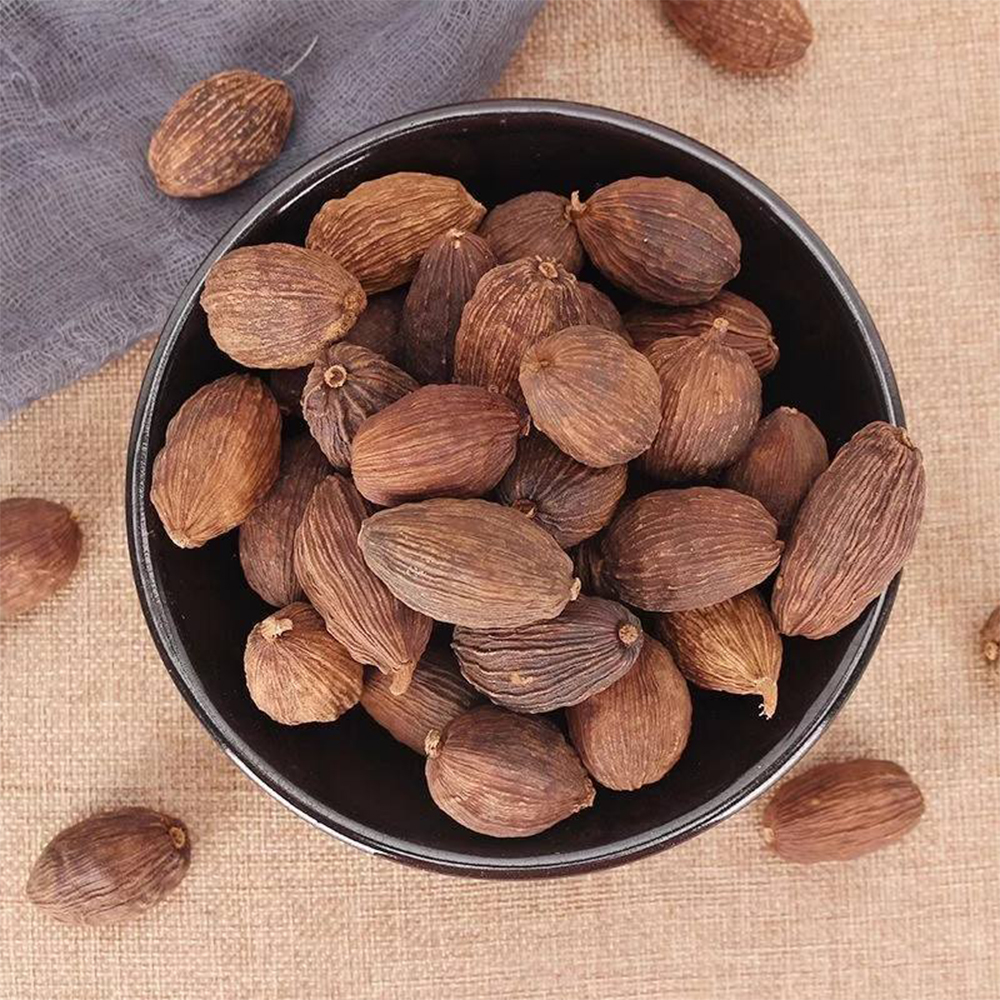
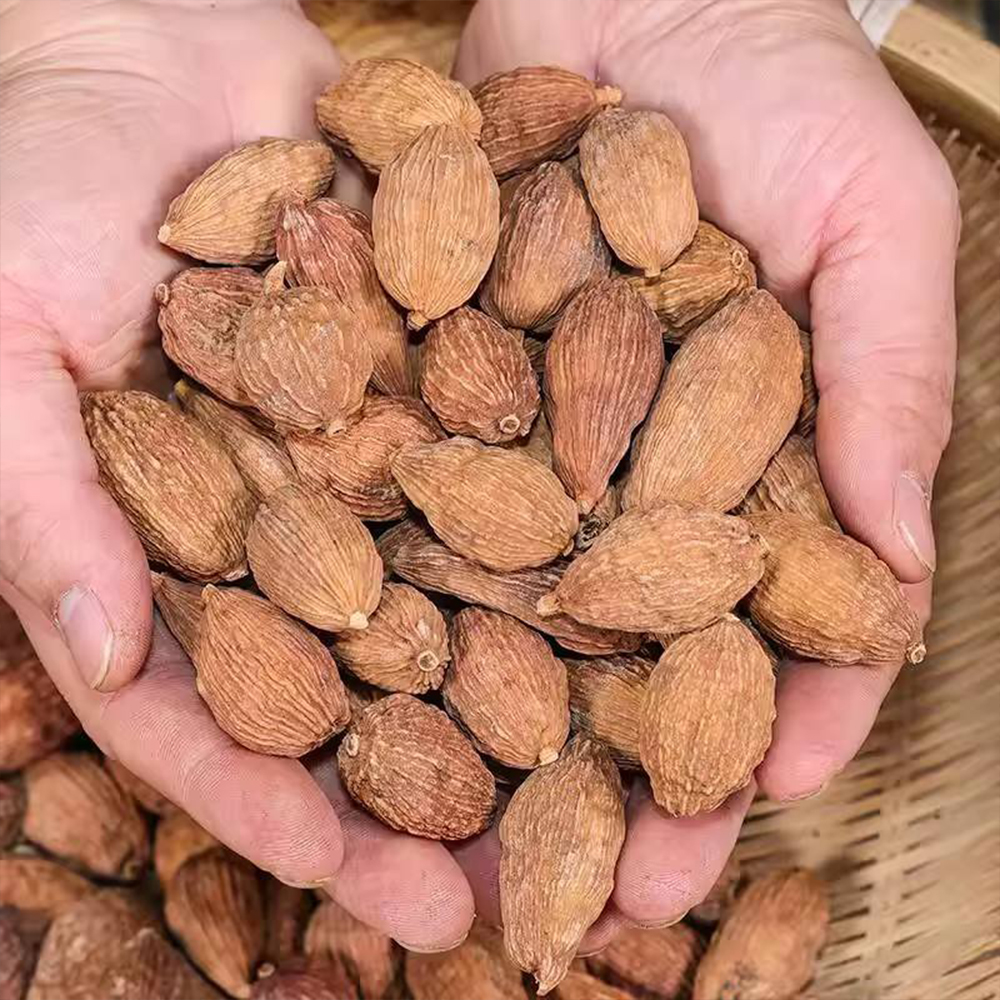
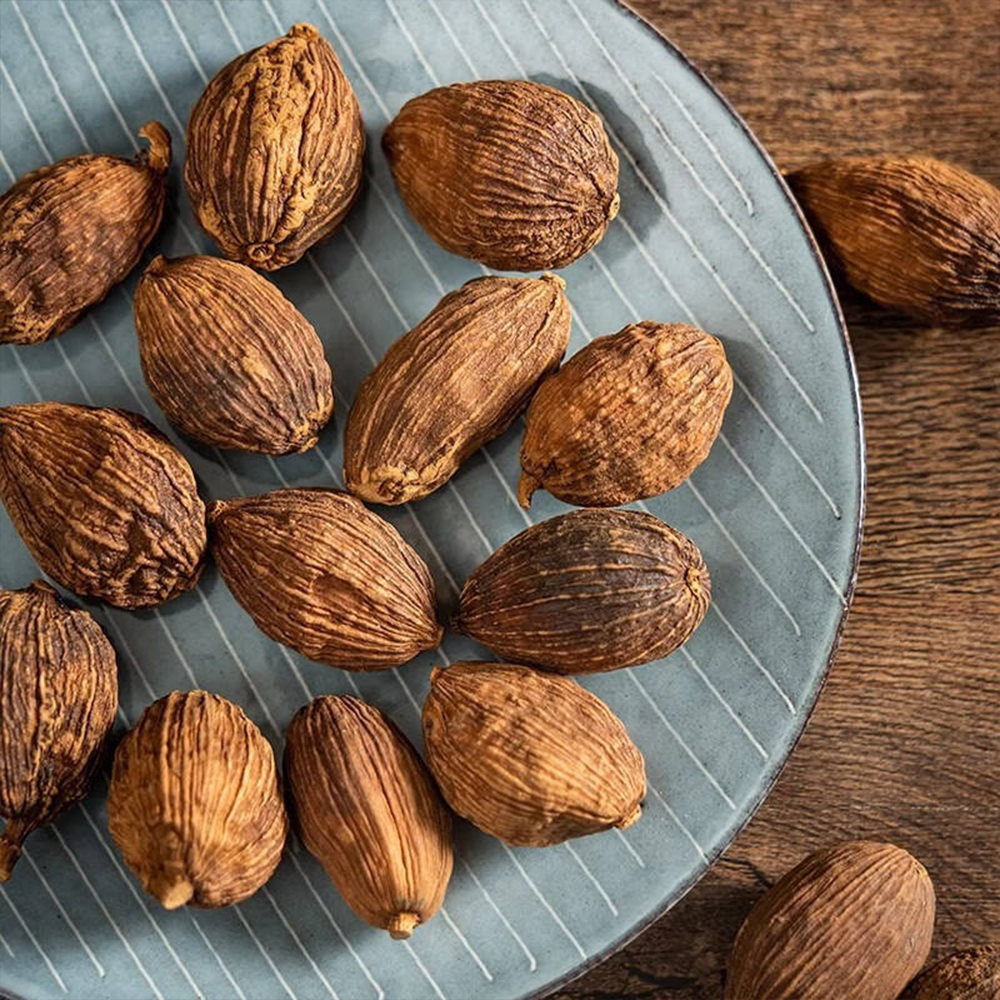
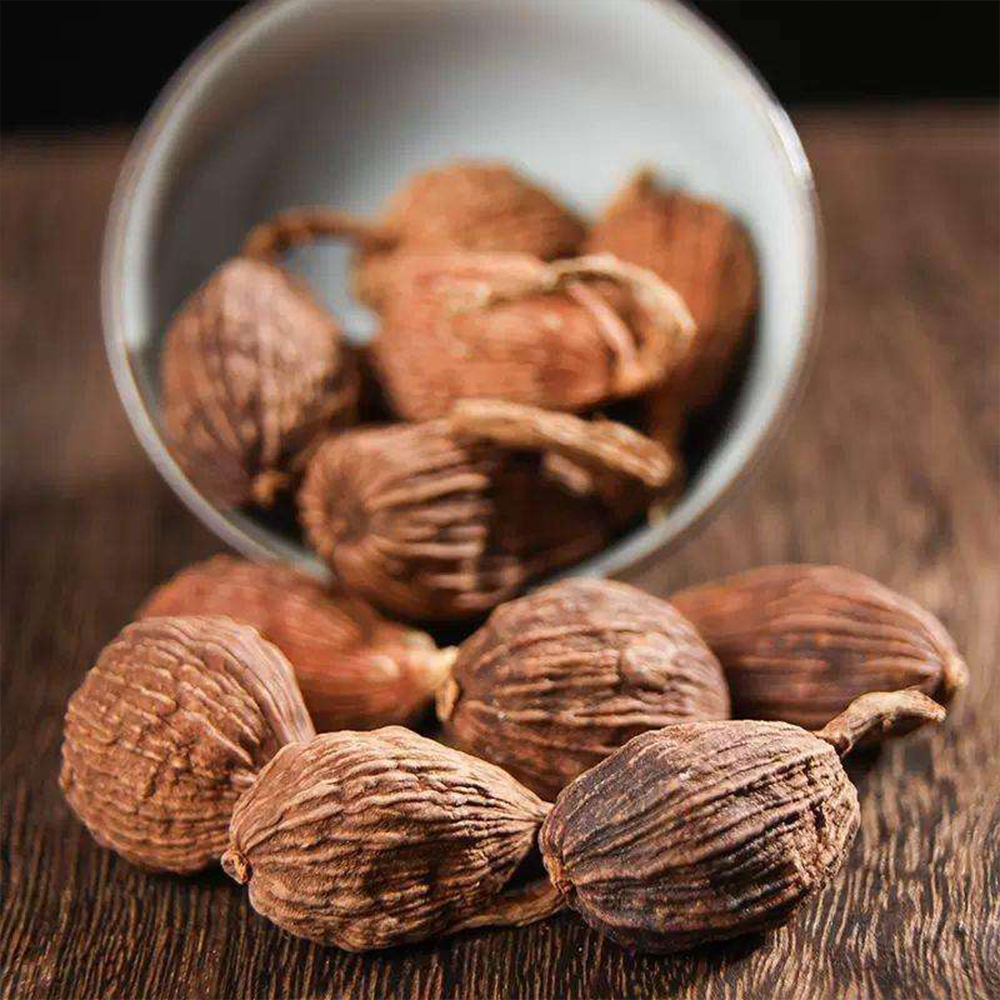
Cardamom: Size Grading and Packaging for Wholesale Buyers
How cardamom size grades are defined, why grade codes like AGEB differ between sources, and which size, packaging and labelling details wholesale buyers should specify before an RFQ.
Two cardamom lots can carry the same grade name and still behave differently on your production line. One may be sieved to a tight pod diameter and packed in a sealed liner. The other may be loosely sorted, include split pods, and arrive in a bag built only for handling. For wholesale buyers, size grading and packaging decide how much of the cardamom you pay for is usable when the container is opened. This guide explains how green cardamom (Elettaria cardamomum) is graded by size, why grade codes alone are unreliable, how to match grade to end use, and which packaging and labelling details to lock into a purchase specification before you request a quote.
What Does Cardamom Size Grading Actually Measure?
Cardamom size grading sorts dried capsules into classes using sieves of different openings. According to the e-learning text Technology of Spices and Condiments, chapter on cardamom grading, the same process also separates split and insect-infested capsules. Grades are set by colour, clipping (trimmed tips), size, bleached or unbleached status, extraneous matter and origin. The same chapter states that weight per litre and colour are decisive in determining quality, and that the proportion of burst (“open”) pods also affects it.
So “size” is only one axis. A buyer reading a grade name should ask four separate questions:
How large are the pods? Usually a minimum diameter in millimetres.
How uniform are they? A grade where “all pods” meet a minimum is a different product from one where 90% do.
How dense are they? Weight per litre is a proxy for how full and mature the capsules are.
How intact are they? Open pods, splits and clipped pods change both appearance and storage behaviour.
Confirm the Species Before Comparing Grades
The size grades discussed here apply to small or green cardamom, Elettaria cardamomum. In Chinese-medicine trade, “Dou Kou” can point to a different plant. A TCM herb reference on Bai Dou Kou describes Fructus Amomi Rotundus as the dried ripe fruit of Amomum kravanh or A. compactum. Buyers working across culinary and herbal channels should therefore write the Latin name into the specification. GuoCao’s listing for bulk cardamom (Dou Kou) supply identifies its product as Elettaria cardamomum in whole-pod or ground-seed form. Confirm this on your quotation and certificate of analysis rather than relying on the common name.
How Do the Main Cardamom Grades Compare?
Indian export trade uses Alleppey Green codes, while Guatemalan cardamom is usually sold under descriptive names. The table below summarizes the definitions in the grading chapter cited above. Treat it as a reference point for conversations with suppliers, not as a universal standard.
Grade name (system)
Size and quality description
Editorial note
Super Bold (India, descriptive)
All pods 8 mm or above; mature green; over 450 g/L
Top size band for whole-pod premium lots
Extra Bold / AGEB (India)
All pods 7 mm or above; mature green; about 435 g/L
Widely quoted export grade
Bold (descriptive) / AGB (export code)
Bold: 90% of pods 6.5 mm or above; AGB code: 6 mm and above; about 415 g/L
Same tier, two different thresholds in one source
Small (descriptive) / AGS (export code)
Small: roughly 5.5–6.5 mm; AGS code: 5 mm and above; about 385 g/L
Lower size band for cost-sensitive use
Open/Splits (India)
Over 60% open pods; pods 6.5 mm or above
Suited to grinding and processing
Bulk (India)
Ungraded; mixed sizes, maturity and colours
Least control over consistency
Jumbo Green to Mixed Green Split (Guatemala)
Descriptive names for extra-large, large, medium, pale and split pods
Size and colour boundaries agreed between seller and buyer
Source for definitions: the INFLIBNET grading chapter linked above. Figures are quoted as published there. They are not guaranteed to match any individual supplier’s grade sheet. The “Editorial note” column is our own commentary.
Why a Grade Code Cannot Replace a Written Size Specification
Even inside the grading chapter, the descriptive “Bold” grade (90% of pods at 6.5 mm or above) and the AGB export code (6 mm and above) set different thresholds for what looks like the same tier. Exporter listings differ again. One Indian spice exporter’s cardamom page describes AGEB as pods of 8 mm and above and AGB as 7 mm and above, while the grading chapter puts AGEB at 7 mm and above.
Those differences are not necessarily errors. They show that trade names carry regional and seller-specific meaning. A buyer who writes “AGEB” on a purchase order has not defined a minimum diameter, a tolerance, or a test method.
Formal standards do not close the gap either. The Codex Alimentarius standard for small cardamom (CXS 357-2024) defines styles such as whole unopened capsules, opened capsules (opening not exceeding one-third of the suture length), seeds and powders, and lists sizing as optional. ISO 882-1:1993 covers whole cardamom capsules, including grading, sampling, test methods, packing and marking. Both give buyers a vocabulary, but neither removes the need to state your own numbers in the contract.
Is a Bigger Pod Always the Better Buy?
No. Pod diameter is a visual and handling attribute. It does not by itself tell you how much aroma the seeds will deliver, and many end uses never show the pod to the consumer.
The defensible position is to pay for size only when size is part of what your customer sees or what your process requires. If you are grinding pods, extracting, or blending into a masala, a larger grade can add cost without improving the finished product. In that case, weight per litre, open-pod share, moisture and aroma testing usually say more about value than millimetres do. If you sell whole pods in retail or gift packs, uniform size and colour are part of the product, and a premium grade is easier to justify.
End use
What to prioritize
Where overpaying happens
Retail or gift whole pods
Tight diameter range, uniform green colour, few splits
Rarely, because appearance is the product
Tea, chai and beverage blends
Aroma consistency, clean pods, stable pod count per blend
Paying for the top size band when pods are crushed or opened in the blend
Ground spice and masala
Seed quality, moisture, aroma, cleanliness
Paying for uniform large pods that will be ground
Extraction or flavour processing
Volatile oil, open-pod tolerance, analytical data
Paying for appearance grades
Seeds or decorticated product
Husk-free purity, packaging barrier
Not applicable to pod-size grades
This table is a qualitative guide based on how each channel uses the product, not a price benchmark. Actual cost depends on crop year, origin and market conditions.
How to Write a Size-Grade Specification That a Supplier Can Quote
Here is an illustrative example, not a real customer case. A beverage brand buys “extra bold” pods for a tea blend and finds that a large share are open or crushed once the blend is mixed. The brand’s real requirement was intact pods that survive blending, not the largest available size. A specification written around that requirement would have settled the question before shipment.
For whole green cardamom, a quotable specification normally states:
Species and style: Latin name, and whole unopened, opened, seed or powdered form.
Minimum pod diameter in mm, with a tolerance, such as the share of pods allowed below the minimum, agreed in writing.
Weight per litre and the test method, if density matters to your process.
Maximum open or split pods, and whether clipped pods are acceptable.
Colour requirement, and whether bleached product is acceptable.
Moisture and volatile oil, where aroma performance matters.
Sampling plan: how many cartons are drawn, and which sieve test confirms the size claim.
Do not accept a photograph as the size specification. Ask for a retained sample from the actual production lot, and agree how disputes will be judged before the order ships.
Packaging for Bulk Cardamom: Match the Pack to the Grade and the Route
Packaging is covered in depth in our guide to aroma retention and barrier-packaging choices for bulk cardamom, including liner structures, vacuum versus gas flushing, and receiving inspection. This section focuses on how size grade changes the packaging decision.
Grade Integrity Depends on the Pack
Size grading is only useful if the grade arrives intact. Three packaging factors affect that:
Mechanical protection. Large, premium whole pods can be compressed or abraded by heavy stacking or aggressive vacuum. If pod appearance is part of the specification, ask how the supplier prevents crushing.
Lot separation. Mixing grades in one carton, or re-bagging at distributor level, can erase the sieve work. Specify one grade per pack and one lot code per pallet.
Settling. In bulk handling generally, small fragments and loose seeds tend to collect at the bottom of a pack during transport. Receiving checks should sample from more than one level in the pack.
Pack format
Suitable for
Grading-related risk
What to verify
Inner liner inside carton
Whole pods, medium transit
Liner may not be sealed; pods can be crushed in overfilled cartons
Liner material, sealing method, fill weight
Laminate pouch inside carton
Whole pods needing aroma protection
Pinholes from sharp pod ends
Film structure, puncture resistance
Woven or jute sack with inner liner
Large bulk lots, short routes
Weak aroma barrier if the liner is open
Whether the liner is closed and heat-sealed
Rigid drum with sealed liner
Premium or ground product
Higher freight cost per kilogram
Drum closure, liner integrity
Retail-size resealable pouch
Private label
Limited protection against crushing in transit
Outer carton design, pack count
Exporter listings commonly show pack sizes from a few kilograms to 25 kg or more, but suppliers define their own standard packs. Ask for the exact structure used in production, not the one used for samples. GuoCao’s custom herbal and spice solutions page lists resealable pouches, drums, bulk bags and custom cartons as available options. That is the kind of range buyers should compare against their own handling and storage conditions.
What Should Go on the Label?
A useful carton label for graded cardamom includes the Latin name, grade name with the minimum size in mm, lot or batch code, crop or harvest period where known, origin, net weight and storage instructions. Without the size stated on the label, a warehouse team cannot tell grades apart after repacking.
Which Checks Should You Run When the Shipment Arrives?
Size and cleanliness are separate checks, and a lot can pass one and fail the other.
Sieve a retained portion against the agreed diameter and record the percentage below the minimum.
Count open, split and discoloured pods and compare against the contract limit.
Weigh a measured volume if weight per litre is in the specification.
Inspect for foreign matter, stems, insect damage and caked or humid pods. Dried spices are not sterile, and appearance does not replace testing. The guide to common contamination risks in dried spices explains which hazards a certificate of analysis should cover.
Compare the pack with the approved sample, and keep a sealed reference sample from each lot.
What Should Buyers Specify Before Requesting a Quote?
Send these details with your first inquiry so the supplier can quote the right grade and pack in the first round:
Latin name and product form (whole, opened, seed, powder).
Minimum pod diameter, size tolerance and open-pod limit.
Intended use, so the supplier can recommend an appropriate grade rather than the largest one.
Order quantity per shipment, pack weight and pack structure.
Label language and information, including private-label requirements.
Required documents, such as certificates of analysis, origin and phytosanitary documentation.
Destination country, shipping method and expected storage time.
Sample requirements: a pre-shipment sample from the actual lot, not a showroom sample.
Buyers comparing cardamom against other products can review the full dried spices range to see how cardamom fits alongside related items. For custom pod grades, pack weights or private-label formats, send your specification through the custom solutions page and request a sample for approval.
Frequently Asked Questions
What are the main size grades of green cardamom?
Common Indian export grades include Super Bold (8 mm and above), Extra Bold or AGEB (7 mm and above), Bold or AGB, and Small or AGS. Guatemalan cardamom uses descriptive names such as Jumbo Green. Definitions vary by source, so specify millimetres and tolerance.
Does AGEB always mean 8 mm cardamom?
No. One grading text lists AGEB at 7 mm and above, while some exporter listings quote 8 mm and above. Because trade usage differs, write the minimum diameter and the acceptable percentage below it into the purchase order.
Is larger cardamom higher quality?
Not necessarily. Size indicates pod diameter, but weight per litre, colour, open-pod share, moisture and aroma also influence quality. For ground or extracted uses, paying for the largest pods may add cost without improving the finished product.
How should wholesale cardamom be packed?
Use a sealed inner liner or laminate pouch inside a protective carton, sack or drum, matched to product form, transit time and climate. Whole pods need protection from crushing; ground cardamom needs a stronger oxygen and moisture barrier.
What should be printed on cardamom cartons?
Include the Latin name, grade with minimum size in mm, lot code, origin, net weight, harvest period if known, and storage instructions. Lot and grade information allows traceability and prevents mixing of grades after repacking.
How can I verify cardamom grade on receipt?
Sieve a retained sample against the agreed diameter, count open and split pods, check weight per litre if specified, inspect for foreign matter, and compare the pack with the approved sample. Keep a sealed reference sample from each lot.
Our low MOQ of 1 kg (2.2 lb) makes it easy to order Chinese herbal slices or wholesale Chinese medicine herbs. Private-label and bilingual labeling are also available.
Delivery Cycle & Support
We have a fast 7-day lead time. We provide free samples, COA reports, and technical support to help you bring high-quality bulk Chinese herbs to market.
Quality & Certifications
Our products are manufactured in a GMP-certified facility and meet ISO22000 standards. All Chinese herbs are third-party tested for heavy metals, pesticides, and microorganisms.