Tangerine Peel as a Culinary Ingredient: Choosing the Right Cut
A buyer's guide to whole, strip, granule and powder cuts of dried tangerine peel: how each behaves in cooking, what drives cost, and what to specify in an RFQ.
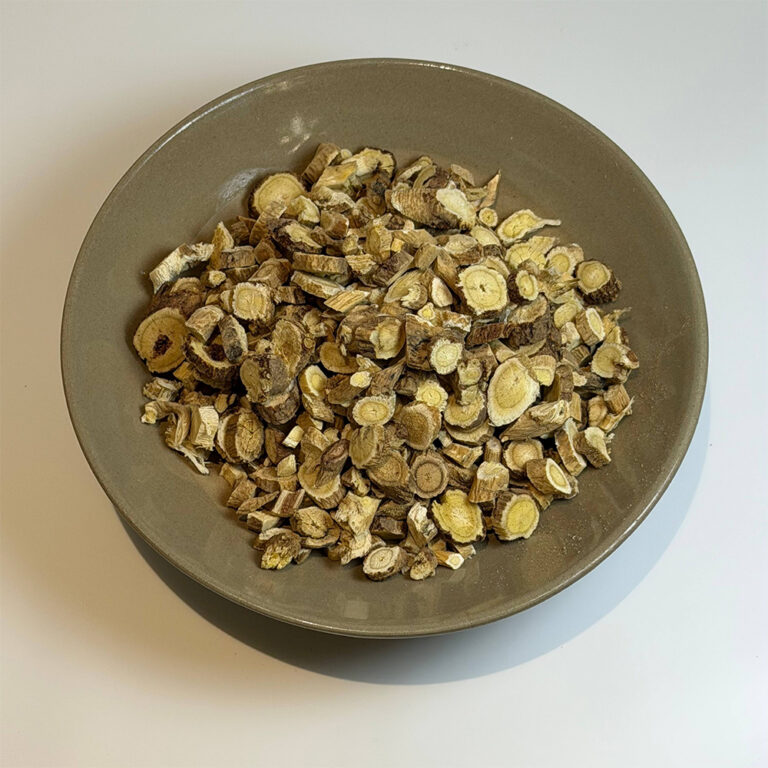
Dried tangerine peel (chenpi) behaves differently depending on how it is cut, and that choice affects flavor release, bitterness, dosing accuracy, and how much quality evidence a buyer can inspect before approving a lot. For long braises and sweet soups, large whole or half pieces are usually removed before serving. For steamed fillings and garnishes, thin strips give tighter control. For seasoning blends and sauces, granules or powder disperse evenly but hide the peel’s identity. This guide compares those formats for food manufacturers, spice blenders, foodservice suppliers, and importers, and explains what to specify before requesting a quote.
Why Does the Cut Matter for Dried Tangerine Peel?
Chenpi is sun-dried mandarin peel used as a seasoning in Chinese cooking and in traditional medicine, and it is aged by dry storage. In a kitchen or a factory, though, the practical questions are about contact time and surface area. A piece that simmers for three hours in a braise has different requirements from a spice sachet, a dry rub, or a steamed filling where the peel is eaten.
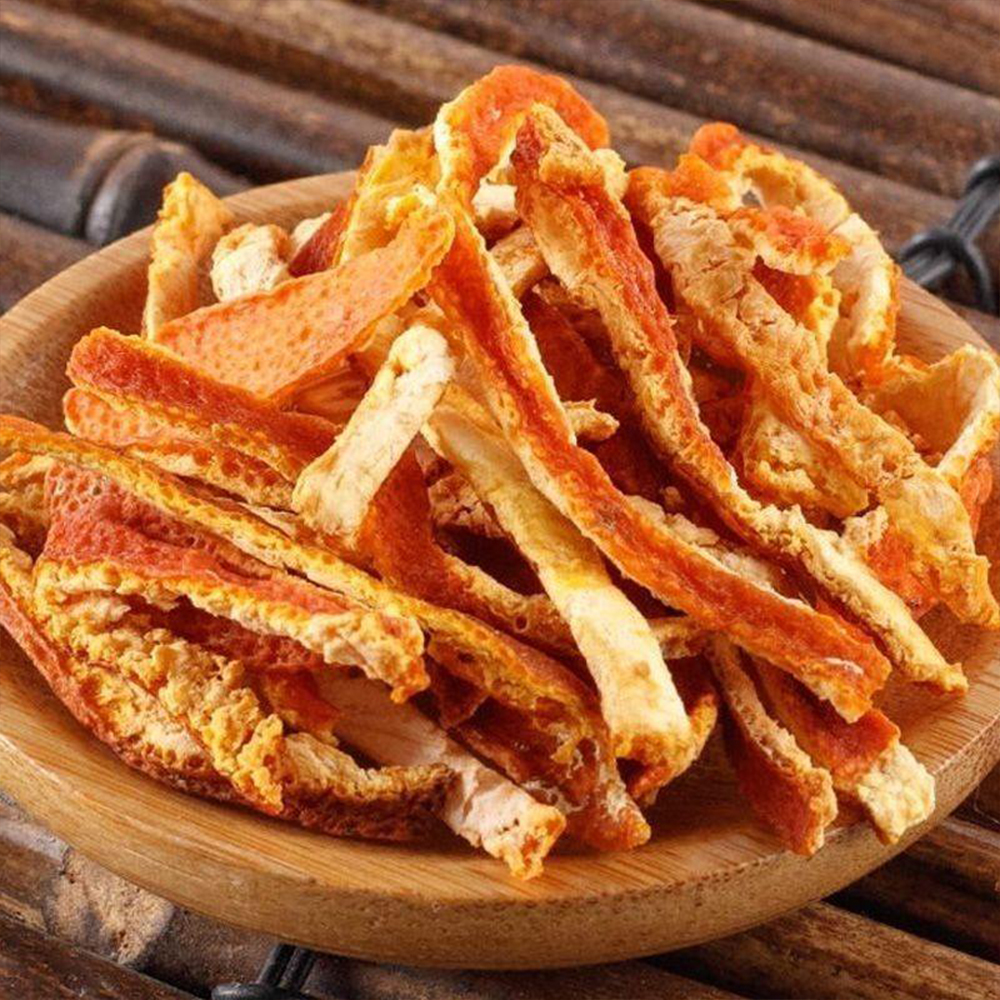
The cut also decides what a buyer can verify. A whole piece shows its color, oil glands, pith thickness, and any mold or insect damage. A powder shows almost none of that, so identity, age, and cleanliness have to be proven through documents and testing instead.
Which Cut of Dried Tangerine Peel Suits Which Application?
For most culinary buyers, the working rule is: use whole or half pieces when the peel is a removable flavoring, strips when the peel is part of the finished dish, granules when it is one ingredient in a blend, and powder only when the application cannot use anything coarser and the supplier can document identity.
Cut format
Typical culinary use
Flavor release
What you can inspect
Main risk to manage
Whole or half pieces
Long braises, sweet soups, stocks, infusions
Slow and gradual; usually removed before serving
Color, oil glands, pith, mold, insect damage
Piece-to-piece weight variation; bulky freight
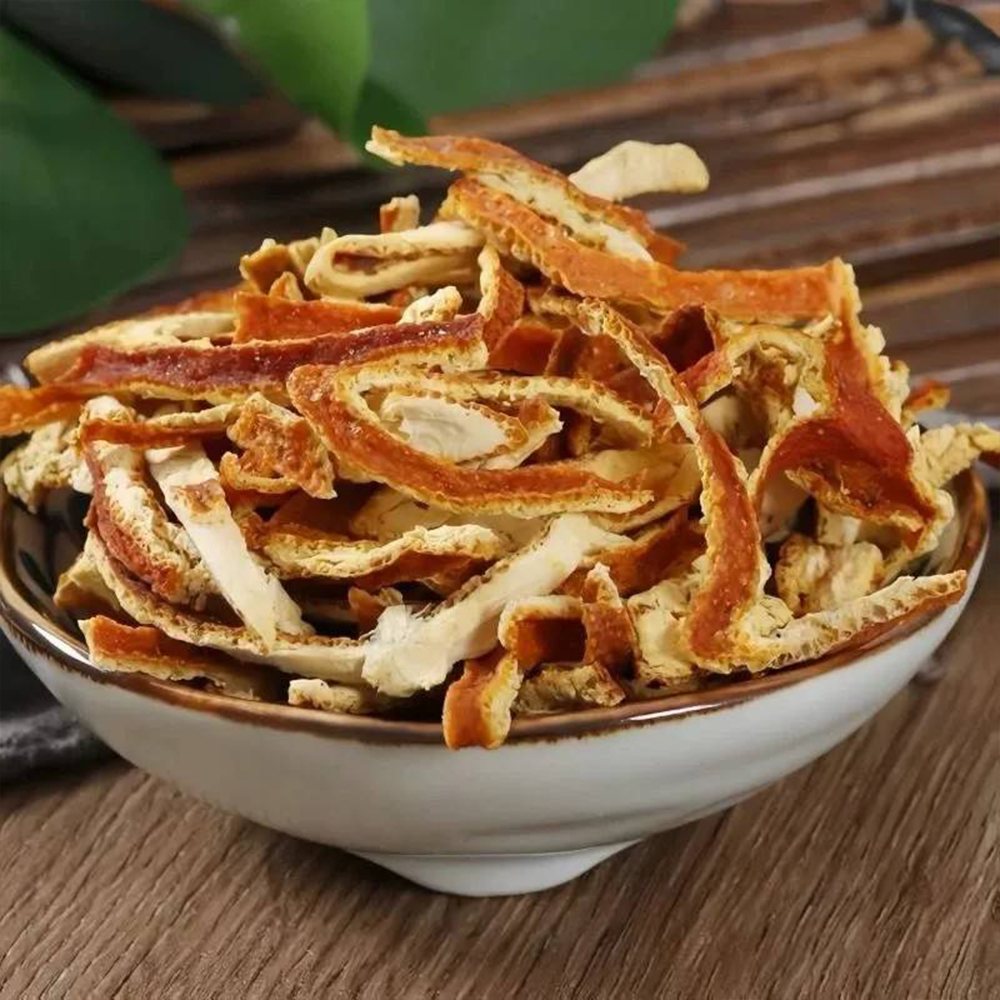
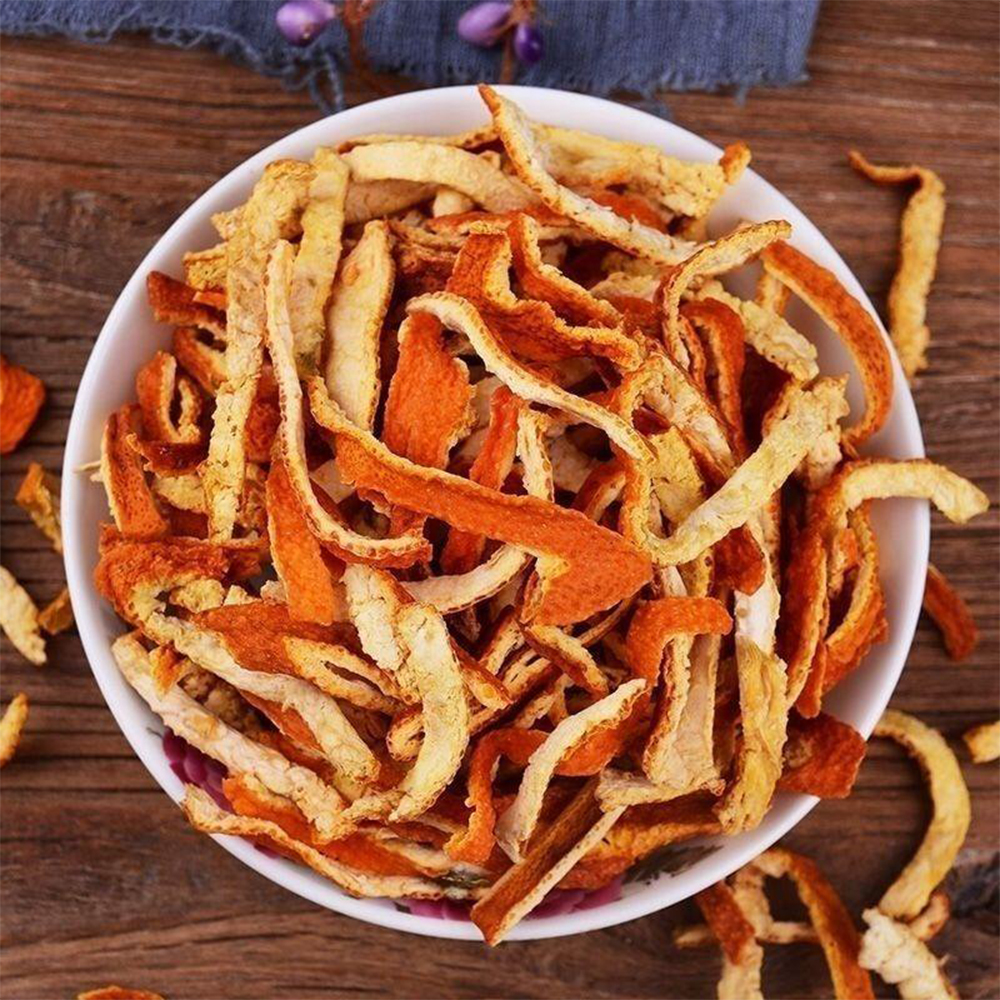
Strips or shreds
Steamed dishes, fillings, garnish
Moderate
Pith and thickness are visible
Uneven strip width; added cutting labor
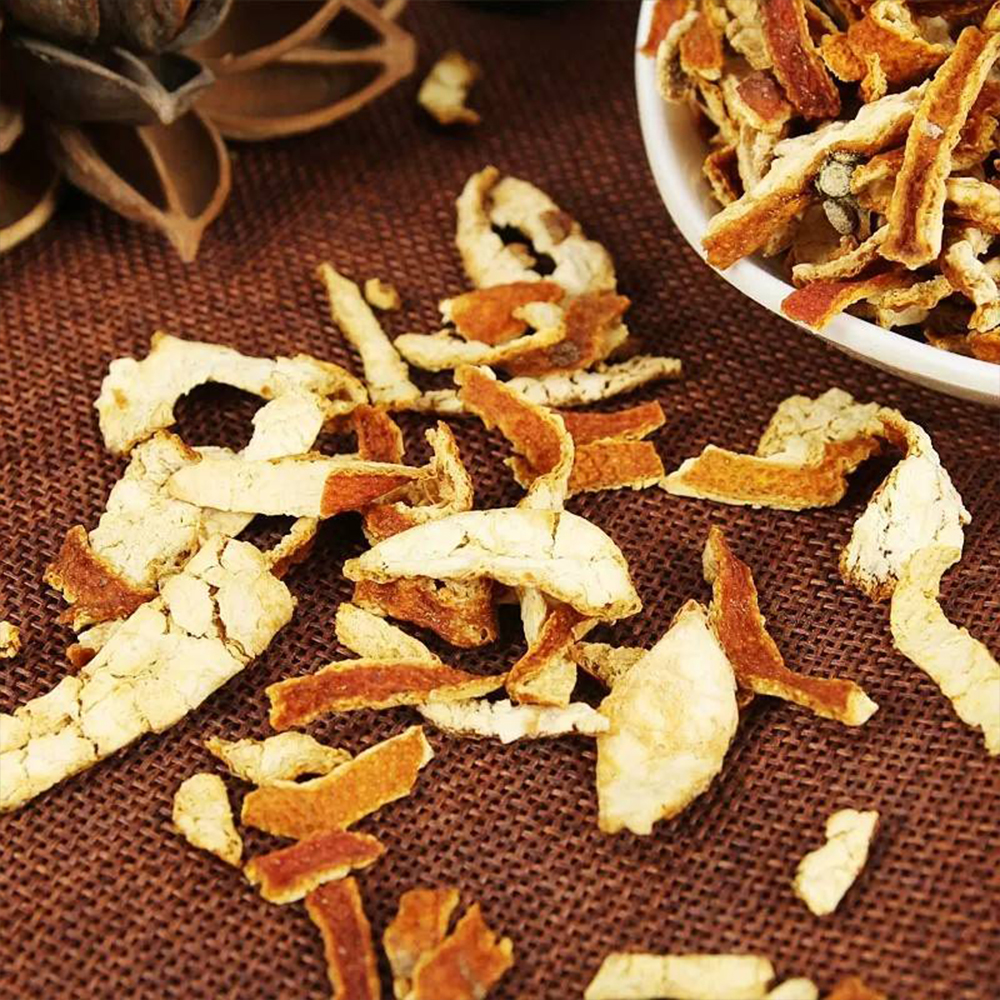
Granules (mesh-defined)
Seasoning blends, sauces, spice sachets
Faster
Limited; color and particle uniformity
Fines, hidden pith, size drift between lots
Tea-bag or fine cut
Infusions, broth bags, quick extraction
Fast
Limited
Leakage through filter paper, dust, over-extraction
Powder
Dry rubs, premixes, bakery and confectionery
Fastest
Almost nothing without lab tests
Aroma loss, harder identity checks, dust, caking
This table is qualitative guidance based on how each format behaves in processing, not measured performance data. Your own recipe trials should confirm it.
Whole and half peel pieces
Whole pieces suit applications where the peel flavors the dish and is then discarded or fished out. Pork or beef braises and red bean soup are the standard examples. Cooking guides commonly describe soaking the dried piece in water until it softens and scraping off the white inner pith, which can taste bitter. A home cook does that by hand. A manufacturer has to move that decision upstream and define acceptable pith thickness in the specification.
Dosing by piece count creates variation, because pieces differ in size and weight. Specify a piece weight range and dose by weight. Also ask whether the lot consists of intact pieces, halves, or broken fragments, since those are priced and graded differently.
Strips and shreds
When the peel stays in the finished dish, as in steamed meat patties, fillings, or garnish, texture matters as much as aroma. Dried peel is tough until rehydrated, so strip width, thickness, and pith content determine whether it reads as a pleasant citrus note or as a chewy, bitter fragment. Specify strip width in millimeters and ask for a reference photo of the approved cut.
Granules, tea-bag cut, and powder
Smaller particles expose more surface, so flavor transfers faster and the peel becomes easier to blend. The trade-off is that pith, fines, and age all become invisible.
Particle size is normally written in mesh ranges. The tangerine peel listings from Vita-Pakt, a U.S. citrus processor, show how this works in practice: granules at -10+40, a tea-bag cut at -14+60, a coarse -4+8 item, and a powder, all packed in 50 lb cartons. In U.S. mesh notation, -10+40 generally means particles pass a No. 10 screen (about 2.00 mm) and are retained on a No. 40 screen (about 0.425 mm). Those listings describe a different raw material (juice-industry peel, not aged chenpi), so use them only as a model for how to write a cut specification, not as a standard for chenpi.
Powder deserves extra caution. Grinding exposes more surface to air, so volatile aroma compounds can be lost faster than in whole pieces. That is a reasoned expectation rather than a measured figure for any specific lot, so ask for the milling date and the barrier packaging used. Powder also makes adulteration and substitution harder to detect by eye, so identity testing carries more weight.
Is Older Chenpi Always Better for Cooking?
No. Age matters most where it can be tasted and seen, and it matters least where the peel is a small component in a strongly flavored blend.
Aging changes the chemistry in several directions at once. A 2022 study in Frontiers in Nutrition compared Citrus reticulata ‘Chachi’ peel stored for 1, 3, 4, 5, 6, and 11 years. As storage time increased, hesperidin decreased while nobiletin, tangeretin, and heptamethoxyflavone increased, and the authors identified marker compounds that distinguish storage years. The study describes a shifting profile, not a simple rise in “quality.”
Storage conditions complicate the age number further. A 2025 study in Food Science & Nutrition tracked Guang Chenpi for 24 months under different temperatures, humidity levels, and containers. Cold, dry storage slowed aging, while sustained heat and humidity above 85% accelerated the formation of ferulic acid roughly sevenfold but sharply reduced total flavonoids. Peel in polyethylene-sealed bags showed smaller reductions in total flavonoids and hesperidin, while peel in gunny bags showed a significant drop in methyl 2-(methylamino)benzoate, one of the markers the authors tracked. Two lots with the same year on the label can therefore taste different. The study covered one peel type under controlled conditions, so it does not predict what happens in any particular warehouse.
For a buyer, that leads to a practical split:
Aged whole pieces make sense for soups, premium infusions, retail packs, and any product where the peel is visible and the aged character is part of the positioning. Buyers can compare how aging changes Chen Pi aroma and flavor before choosing an age band.
Standard dried peel in granules or powder is often the more rational choice for sauces, rubs, and fillings. A bright citrus note, a controlled particle size, and consistent supply usually matter more than an age claim the finished product may mask. The guide to aged Chen Pi versus standard dried peel explains how to compare the two on a like-for-like basis.
An illustrative example (not a real customer case): a sauce manufacturer pays an aged-peel premium for whole pieces, then mills them into a powder that goes into a heavily spiced sauce base. The premium buys a visible quality cue that the powder erases, and the aged note may be overwhelmed by the other ingredients. A side-by-side trial of a modest-age peel and a standard peel in the real recipe would show whether the premium earns anything.
Which Specification Fields Matter More Than the Cut Name?
“Granules” or “strips” is not a specification. These fields turn a cut name into something a supplier can quote and a QC team can test.
Size range and fines tolerance. For granules and tea cut, state the mesh or millimeter range and an agreed maximum for fines. For pieces, state a weight range and the share of broken fragments allowed. Fines extract faster, create dust, and can pass through filter material.
Pith and inner-surface condition. Define acceptable pith thickness for pieces and strips. For granules and powder, set this limit before milling, because it cannot be corrected afterward.
Age definition. Decide whether “three-year” means time since harvest, peeling, or first drying, and request records that tie the claim to the lot. The guide to documenting tangerine peel age and storage history lists the records worth requesting.
Moisture and packaging. Agree a moisture limit that suits the cut, the packaging, and the shipping route. Given the storage research above, ask whether the peel was held in breathable sacks or sealed liners, and ask for barrier packaging for powders.
Sulfur treatment and contaminants. Ask directly whether sulfur was used. For U.S. food labeling, 21 CFR 101.100 treats 10 ppm as a detectable amount of sulfite in the finished food, in the context of sulfiting agents that have no technical effect. Match the pesticide and heavy-metal panel to the destination market and product category rather than copying a generic certificate of analysis.
Sensory reference. Approve a sealed reference sample for aroma, color, bitterness, and any musty, smoky, or sulfur notes, and require bulk lots to match it.
Lot-linked documents. A certificate of analysis without a lot number cannot be tied to the cartons you receive. For food imported into the United States, the FDA’s Foreign Supplier Verification Programs rule requires covered importers to perform risk-based verification activities for their foreign suppliers, although exemptions exist. A supplier’s certificate does not replace that program.
How Does Cut Choice Change Total Cost?
The price per kilogram of different cuts is not directly comparable, because each format hides a different cost.
Whole pieces carry grading and selection cost, bulky freight, and, if your process requires scraped pith, labor or yield loss.
Strips and granules carry cutting and screening yield loss, and the trim and fines have to be priced by someone.
Powder needs barrier packaging, dust control in handling, and stronger identity testing, because visual inspection is no longer available.
Compare quotes by usable yield, meaning the weight that actually reaches your line within specification, plus testing, packaging, freight, and duty. A cheaper powder that fails an identity check or loses aroma before use costs more than a better-specified granule.
How Does Chenpi Fit With Other Spices and Formats?
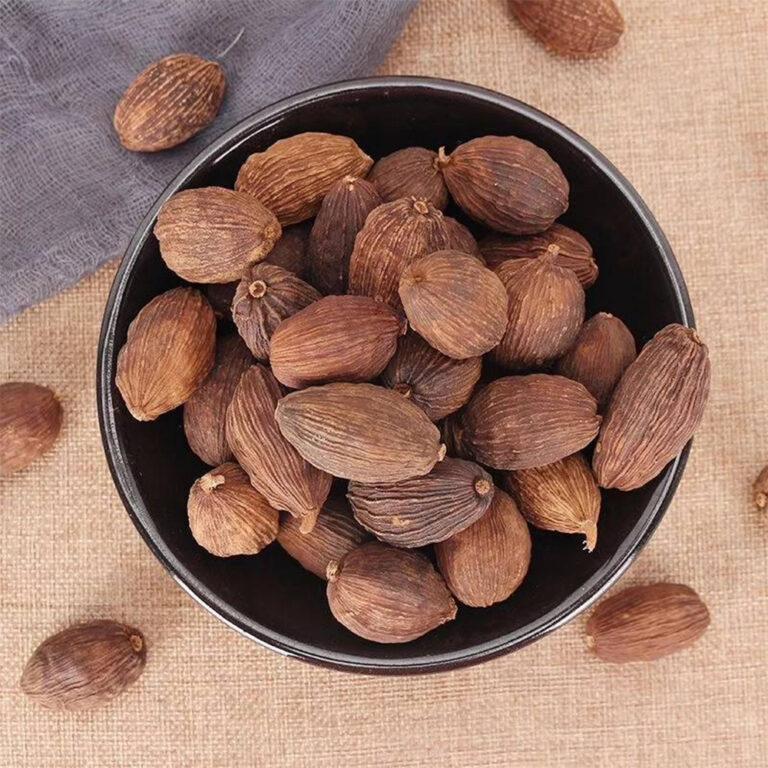
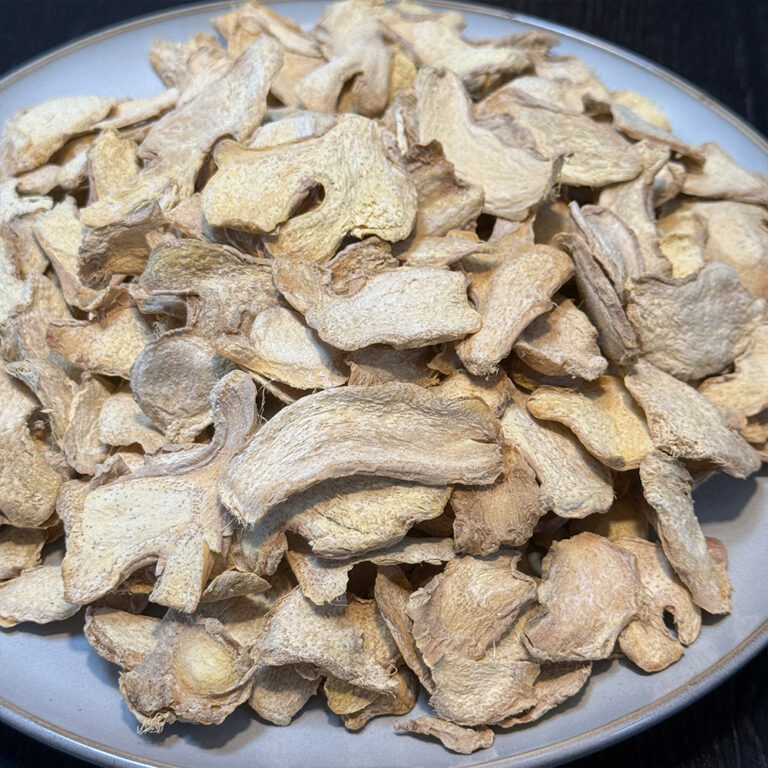
Chenpi often sits alongside ginger, fennel, and warming spices in blends and infusions, and the format logic is similar. The comparison of dried ginger flakes versus powder shows how particle size affects flavor release, blending, filtering, and dust, and the same questions apply when you pair ginger with peel. Blenders sourcing companion ingredients can review the bulk dried spices range, which lists items such as fennel seed, Sichuan pepper, cardamom, and cinnamon bark alongside tangerine peel.
Keep claims in mind as well. Peel sold as a culinary seasoning and peel positioned with traditional health claims can fall under different regulatory categories in different markets, so settle the intended claim language before you finalize documentation.
What Should Buyers Specify Before Requesting a Quote?
A complete request lets a supplier quote the right material the first time. Include:
Application and process: braise, steam, dry blend, sauce, infusion, or filling, and how the peel is used (removed or eaten).
Cut format and size range: piece weight, strip width, or mesh range, with a fines limit.
Age statement: the counting rule, and whether you need standard dried peel or documented aged peel.
Pith limit and sensory reference: with photos or a retained sample.
Volume, MOQ, and delivery schedule: trial quantity first, then annual forecast.
Packaging: liner type, carton size, and any barrier requirement for powder.
Destination market and test panel: pesticides, heavy metals, microbiology, sulfur dioxide where relevant.
Naming and labeling: do not print a protected origin name on customer packaging without documentary support.
Sample plan: request the same lot in two cuts and test both in your real recipe.
Buyers who want to start a conversation can review the supplier’s bulk tangerine peel (Chen Pi) supply and OEM options. That page lists a 1 kg MOQ, a 7-day lead time, free samples, and COA reports, and describes the product only as dried peel. Confirm which cut formats, ages, and test panels are available for your application before relying on those terms.
Frequently Asked Questions
What is the best cut of dried tangerine peel for cooking?
It depends on the dish. Whole or half pieces suit braises and soups where the peel is removed, strips suit steamed dishes and fillings, and granules or powder suit seasoning blends. Choose by how the peel is used, not by price alone.
Do I need to remove the white pith from dried tangerine peel?
Cooking guides commonly recommend soaking the peel and scraping off the white pith, which can taste bitter, especially in younger peel. For manufacturing, set a pith limit in the specification, since milled peel cannot be trimmed afterward.
Can I replace whole chenpi pieces with powder?
Sometimes, but there is no reliable universal ratio. Powder releases flavor faster, disperses differently, and can taste more bitter or lose aroma sooner. Run side-by-side recipe trials and dose by weight rather than piece count.
Is aged chenpi necessary for culinary use?
Not always. Aged whole pieces suit soups, premium infusions, and visible retail products. For sauces, rubs, and blends where the peel is milled and mixed with strong flavors, a clean, well-specified standard peel may deliver better value.
What mesh size should I specify for tangerine peel granules?
There is no universal size. One U.S. processor lists granules at -10+40 and a tea-bag cut at -14+60. Define your own range based on the application, verify it with sieve analysis, and set a fines limit.
What documents should an importer request for dried tangerine peel?
Request a lot-linked certificate of analysis, the approved specification, an age and storage record for aged peel, sulfur treatment information, and a test panel matched to the destination market. U.S. importers also need a supplier verification program under FSVP unless exempt.
Our low MOQ of 1 kg (2.2 lb) makes it easy to order Chinese herbal slices or wholesale Chinese medicine herbs. Private-label and bilingual labeling are also available.
Delivery Cycle & Support
We have a fast 7-day lead time. We provide free samples, COA reports, and technical support to help you bring high-quality bulk Chinese herbs to market.
Quality & Certifications
Our products are manufactured in a GMP-certified facility and meet ISO22000 standards. All Chinese herbs are third-party tested for heavy metals, pesticides, and microorganisms.