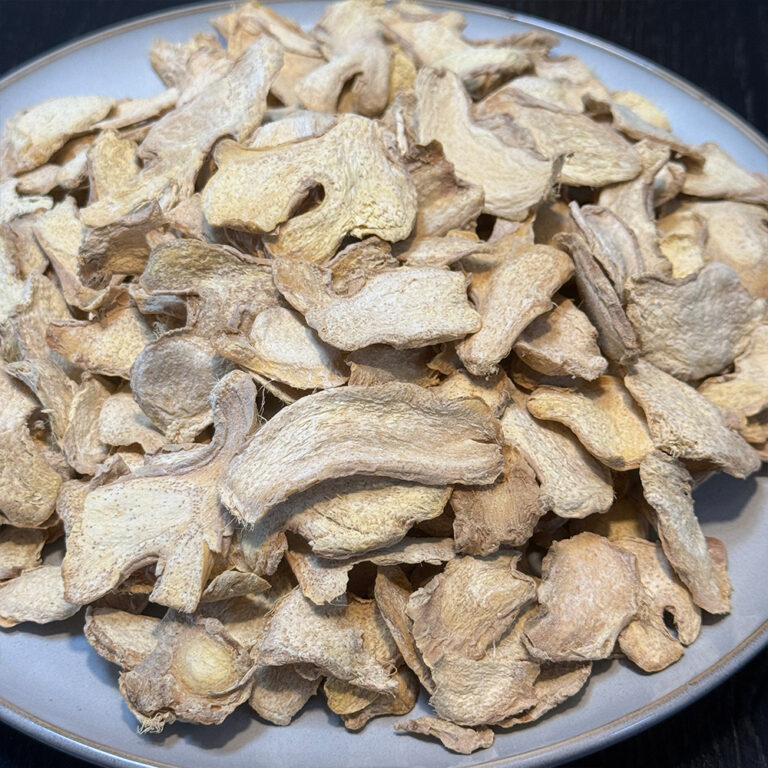
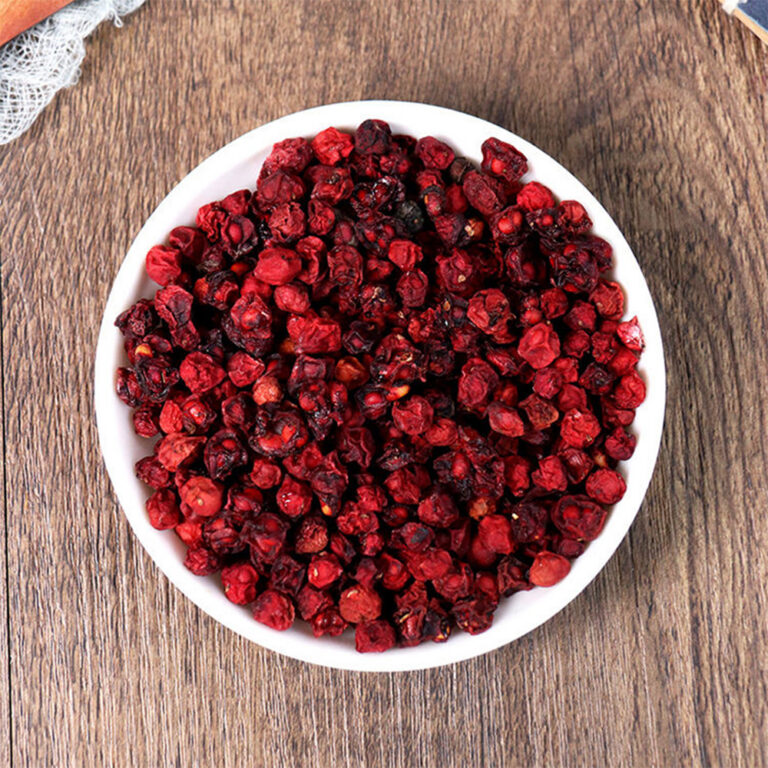
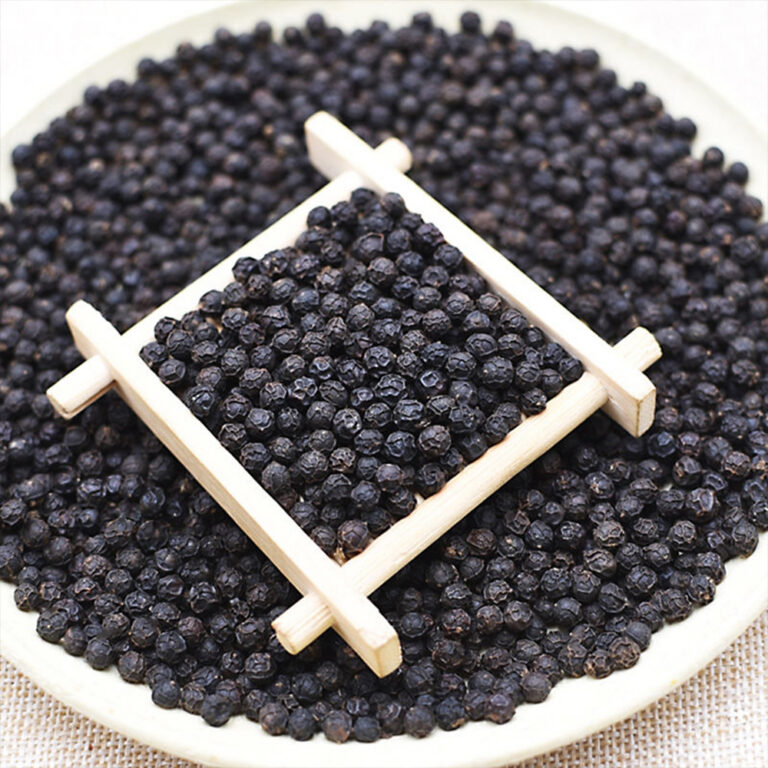
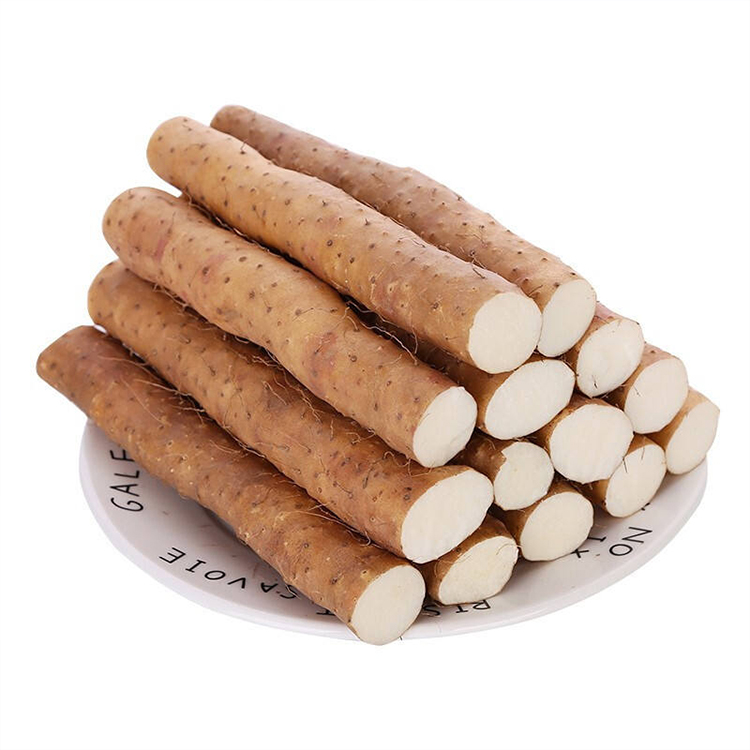
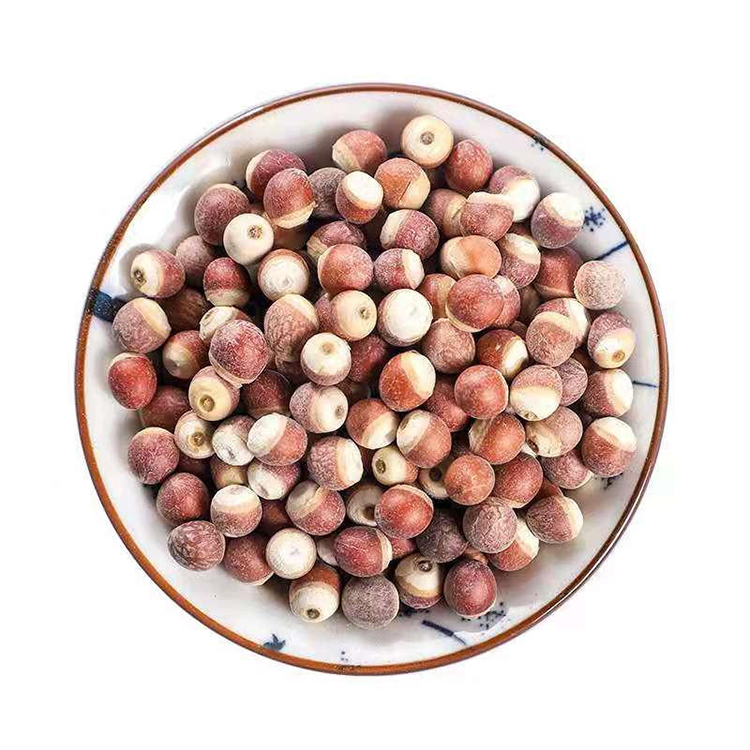
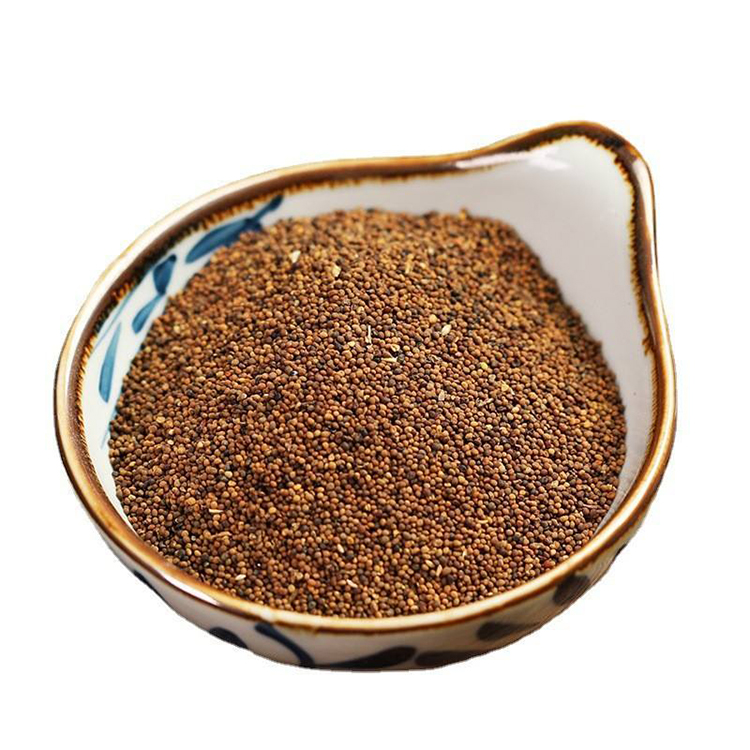
If you buy fruit & seed herbs (goji, monk fruit, cassia seed, star anise, schisandra, coix seed, jujube seed… that whole lane), you already know the vibe: the product can look perfect, smell right, and still get you stuck.
Not because the herb is “bad.” Because your docs, your residue panel, or your aflatoxin control is sloppy. Then you’re in a QA hold, your customer asks for “one more test,” and the container clock keeps ticking. It’s the classic retest loop. Not fun.
This article gives you a fast checklist you can actually run in buying, IQC, and supplier approval. No fluff. Just trade logic, control points, and the stuff that prevents border hold headaches.
If you want a one-stop supplier that already runs this style, that’s literally what GuoCao positions for as a Wholesale Chinese Medicinal Herbs and Spices Supplier—GMP production, ISO 22000 food-safety system, ambient/cool/MAP warehousing, and third-party COA per lot.
Fruit and Seed: residues + aflatoxin risk shows up first
Fruit & seed herbs sit in a weird spot. They cross over into supplements, functional beverages, cosmetics, and culinary at the same time. GuoCao’s own Fruit and Seed catalog lists exactly the kind of SKUs that buyers love because they’re versatile—then buyers hate them because they’re compliance-sensitive.
Here’s why this category gets flagged faster than, say, a chunky root slice:
You often buy them whole or lightly processed, so any upstream residue story stays visible.
They can hold moisture pockets. That’s a quiet setup for mold risk during storage or transit.
Many buyers treat them like “food-ish,” so specs get stricter and paperwork gets audited harder.
So yeah, you can’t manage this category with vibes. You manage it with a checklist.
Certificate of Analysis (COA) and COA pack
Let’s say it plain: a COA isn’t a nice PDF. It’s your release document. If the COA doesn’t match the lot code, you don’t have product. You have a problem. GuoCao even calls this out directly in their guide on COA, pesticide residues, and heavy metals.
In real buyer ops language, you want a COA pack. That usually means:
COA with real numbers (not just “PASS”)
spec sheet
lot trace page (batch/lot code mapping)
export docs set (as required)
Why this matters: when something gets held, the request is always the same. “Methods, limits, lot traceability.” If your COA is vague, you’ll burn days in email.
COA must-have fields (non-negotiable):
Product identity (Latin/English/Chinese name if you use it)
Lot code that matches cartons and invoice
Test method + lab name
Unit clarity (mg/kg vs ppm; µg/kg vs ppb)
Result + limit shown together
If a supplier sends “ND” everywhere but no LOQ, that’s not clean. That’s incomplete.
Most residue drama comes from one thing: the panel doesn’t match the selling region. So you get the fun combo of “we tested” + “your buyer still says no.”
What you want instead is simple:
Choose a panel that fits your market (US / EU / AU / JP, etc.)
Make sure the lab LOQ can actually support your target limits
Lock it into your spec, so everyone stops freestyle-testing
GuoCao’s purchasing guides lean into this “plain English” approach, and it fits how buyers work in the real world—especially if you’re importing and your customer wants audit-ready files. Their Wholesale Guide: Importing Herbal Slices from China talks about the production + storage + COA system as a whole, not as random pieces.
EU MRL and “default limit” risk
If you sell into the EU, buyers often treat residues like a zero-tolerance vibe even when it’s not that simple. The real trap is: some substances have very low practical limits, and your LOQ needs to be good enough. Otherwise you’re stuck with a report that can’t prove compliance cleanly.
This is where people get burned:
LOQ too high
method mismatch
“we tested the wrong list”
So your checklist needs to ask two questions:
Does the panel cover the likely risk pesticides for that origin and SKU?
Does the report show LOQ clearly?
Hotspot add-ons: nicotine and ethylene oxide
Depending on your SKU and route, buyers will sometimes ask for extra items outside a normal multi-residue panel. Two common ones:
Nicotine (buyers ask it a lot for spice-like items)
Ethylene oxide / 2-CE reporting style (more common in certain supply chains)
Don’t guess. Put these as “trigger tests” in your spec rules. If the SKU is in the trigger bucket, you test. If not, you don’t. That keeps things clean and not overkill.
Aflatoxin (AFB1 and Total aflatoxins): treat it like a hard stop
If residues are “panel + paperwork,” aflatoxin is different. It’s a hard stop in many buyer specs.
Here’s the part buyers miss: aflatoxin control isn’t just a lab test. It’s also:
moisture control,
storage control,
shipment conditions.
You can’t test your way out of bad storage. You can only discover the problem late.
Fruit & Seed aflatoxin testing triggers
Not every fruit & seed herb carries the same risk. But buyers usually put these into a higher-watch bucket:
If you do supplements or functional beverage inputs, many buyer specs ask for:
AFB1 (example limit often written like ≤ 5 µg/kg)
Total aflatoxins (example limit often written like ≤ 10 µg/kg)
Quick note: don’t copy limits blindly. Your target market and your customer spec decides the final numbers. Still, putting AFB1 + Total into your COA pack for the right SKUs makes you look like a serious supplier. It reduces “surprise testing” later, which is where projects go sideways.
Moisture, storage, and container sweat
People love to blame sea freight. But most issues start earlier.
Fruit & seed herbs often sit in storage longer. If you don’t control moisture and storage zones, you’re basically rolling dice. This is why GuoCao keeps talking about ambient/cool/MAP warehouses across their factory and importing content, plus their core positioning as a Wholesale Chinese Medicinal Herbs and Spices Supplier.
Put a moisture spec in writing (and retest at IQC if your risk is high).
Require sealed inner bags and moisture protection.
Split storage zones. Don’t store everything in one hot room.
GuoCao’s system talks about multiple warehouse conditions, and that matters here. If your supplier can’t explain their storage zones, you’re buying blind.
IQC, QA hold, and hold-release workflow
Here’s the black-talk buyers use when they’re tired:
IQC: incoming inspection at your warehouse
QA hold: you freeze the lot until tests + docs match
Hold-release: you do not ship to your customer until release
If you don’t run hold-release, you’ll eventually ship a lot with doc gaps. Then your customer catches it, and you do a scramble. That scramble kills trust fast.
Two simple upgrades:
Trend results over time (don’t just “pass/fail” every lot).
Build a CAPA habit when something goes off spec. Fix root cause, not just this lot.
This is also where supplier systems matter. GuoCao highlights GMP + ISO 22000 controls and third-party COA per batch in multiple places, including their GMP/ISO 22000/COA OEM guide.
The buyer’s fastest checklist (table you can use tomorrow)
Checkpoint
What you ask for
What “good” looks like
What usually goes wrong
Lot identity
Lot code mapping (COA ↔ cartons ↔ invoice)
One lot code, no mismatch
Mixed lots, messy relabel
COA format
Results + limits + units + methods
Numbers shown, LOQ shown
“PASS” only, no LOQ
Residue panel
LC-MS/MS + GC-MS/MS multi-residue
Region-fit panel
Wrong list, wrong method
LOQ fit
LOQ meets your spec needs
LOQ is low enough
LOQ too high, can’t prove
Aflatoxin trigger
AFB1 + Total when SKU triggers
Included in COA pack
Added late, causes delay
Moisture control
Moisture spec + packaging
Sealed inner + protection
“Feels dry” as a standard
Storage proof
Warehouse conditions explained
ambient/cool/MAP zones
one-room storage, no plan
Retain sample
Retain + trace rule
Clear retention time
“No retain” = no evidence
Hold-release
QA release gate
no COA, no ship
rush ship, later panic
Trend + CAPA
trend charts + actions
consistent control
repeat issues, no fix
Fruit & Seed risk trigger matrix (quick decision table)
Aromatic fruit spices (Star Anise, Sichuan Pepper style)
Medium–High
Medium
nicotine trigger sometimes
odor, humidity, pest control
GMP Chinese herbal slices manufacturing and ISO 22000 food safety system
You can’t fake process control. Buyers can smell it in the docs.
When a supplier runs GMP lines and an ISO 22000 food-safety system, you usually see:
stronger batch records,
tighter cleaning control,
clearer release steps,
better trace.
GuoCao states these systems clearly across their site, including About Us and their importing/OEM content. They also mention ambient/cool/MAP warehousing and third-party COA, which matters a lot for fruit & seed herbs that can degrade quietly during storage.
If you’re building a brand or OEM line, that matters even more. You don’t want a supplier who ships “okay product.” You want one who can ship repeatable lots.
OEM/ODM customization and export-ready supply
If you’re doing private label or contract manufacturing, you need a spec freeze. That’s buyer slang for: “stop changing the target every week.” Once you freeze the spec, you can run stable testing, stable COA packs, stable releases.
GuoCao covers this workflow style in their GMP/ISO 22000/COA OEM guide. If your plan includes tea bags, enzymes, or functional beverage inputs, you’ll want one supplier system that can handle documentation across formats, not a patchwork of factories.
And if your team keeps asking the same logistics questions, GuoCao’s FAQ helps you cut that back-and-forth.
Bottom line: speed comes from discipline
If you want “fast,” don’t chase shortcuts. Build a clean system:
COA pack that reads like a passport
residue panel that matches your selling region
aflatoxin triggers for the right fruit & seed SKUs
moisture + storage controls that prevent late surprises
hold-release so you don’t ship problems downstream
That’s it. That’s the play.
If you want to source fruit & seed herbs with this compliance mindset already baked in, start with GuoCao’s Fruit and Seed catalog, then check their importing notes in COA, pesticide, and heavy metals. When you’re ready to line up a spec and COA pack, just hit Contact Us and send your target market + SKU list.
Our low MOQ of 1 kg (2.2 lb) makes it easy to order Chinese herbal slices or wholesale Chinese medicine herbs. Private-label and bilingual labeling are also available.
Delivery Cycle & Support
We have a fast 7-day lead time. We provide free samples, COA reports, and technical support to help you bring high-quality bulk Chinese herbs to market.
Quality & Certifications
Our products are manufactured in a GMP-certified facility and meet ISO22000 standards. All Chinese herbs are third-party tested for heavy metals, pesticides, and microorganisms.