Star Anise: Whole-Pod and Broken-Piece Buying Specifications
How to write a star anise purchase spec: define whole and broken pods, set limits for stalks, moisture and foreign matter, and prepare an RFQ that avoids disputes.
“Star anise” on a quotation can mean a carton of intact eight-point pods, a mixed lot with a long tail of fragments, or a cut grade for grinding. The unit price looks similar until the lot arrives. For tea, spice-blend, extract and retail-pack buyers, the difference shows up in fill weight, appearance, fines, rework and complaints. The practical question is not “whole or broken?” It is what you will accept in each category, how it gets measured, and where that is written down. This guide covers what a star anise specification should contain, how to define a whole pod and a broken piece, and which tests and RFQ fields stop disputes before shipment.
What Are You Actually Buying? Defining the Product First
Star anise is the dried, ripe fruit of Illicium verum Hook. f. The FDA’s compliance policy guide on spice definitions uses this definition for star aniseed. It says quality is measured by volatile oil and by total and acid-insoluble ash. Spices in general are defined as whole, broken or ground forms. So “whole” and “broken” are recognised commercial forms, not defects in themselves.
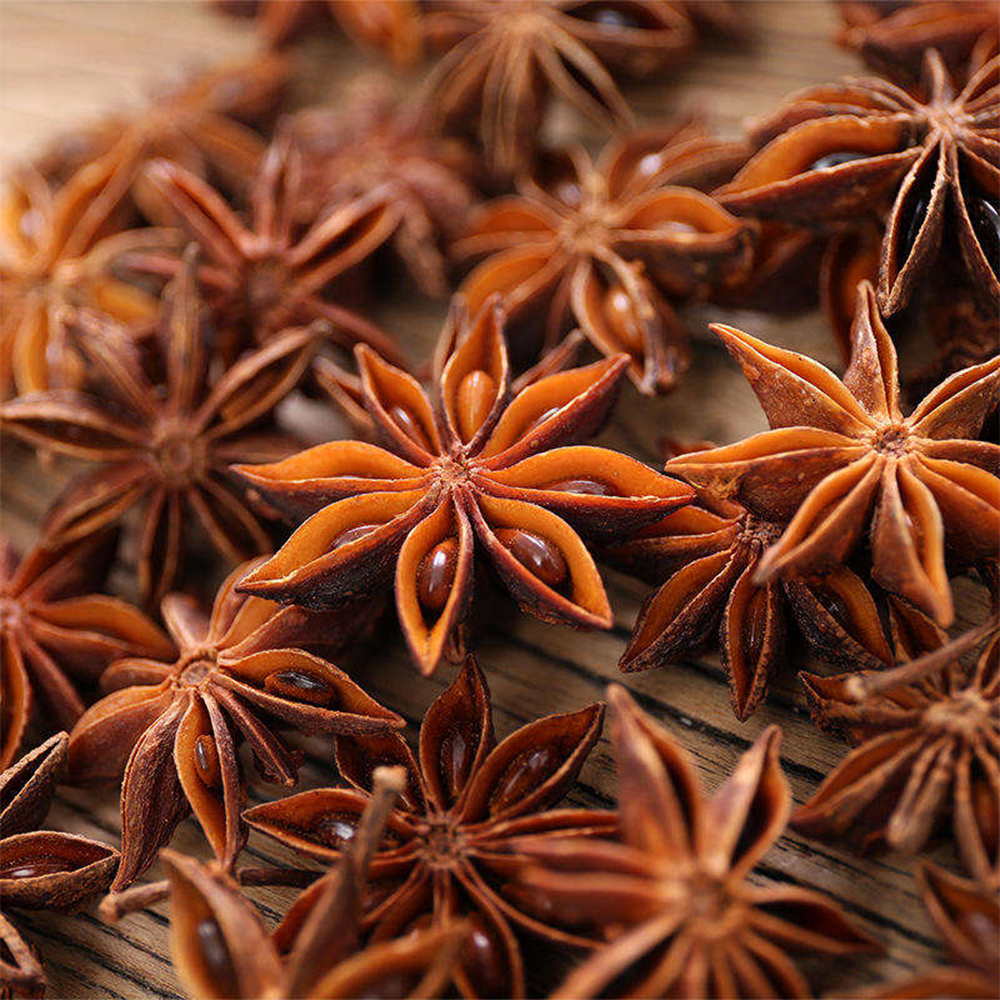
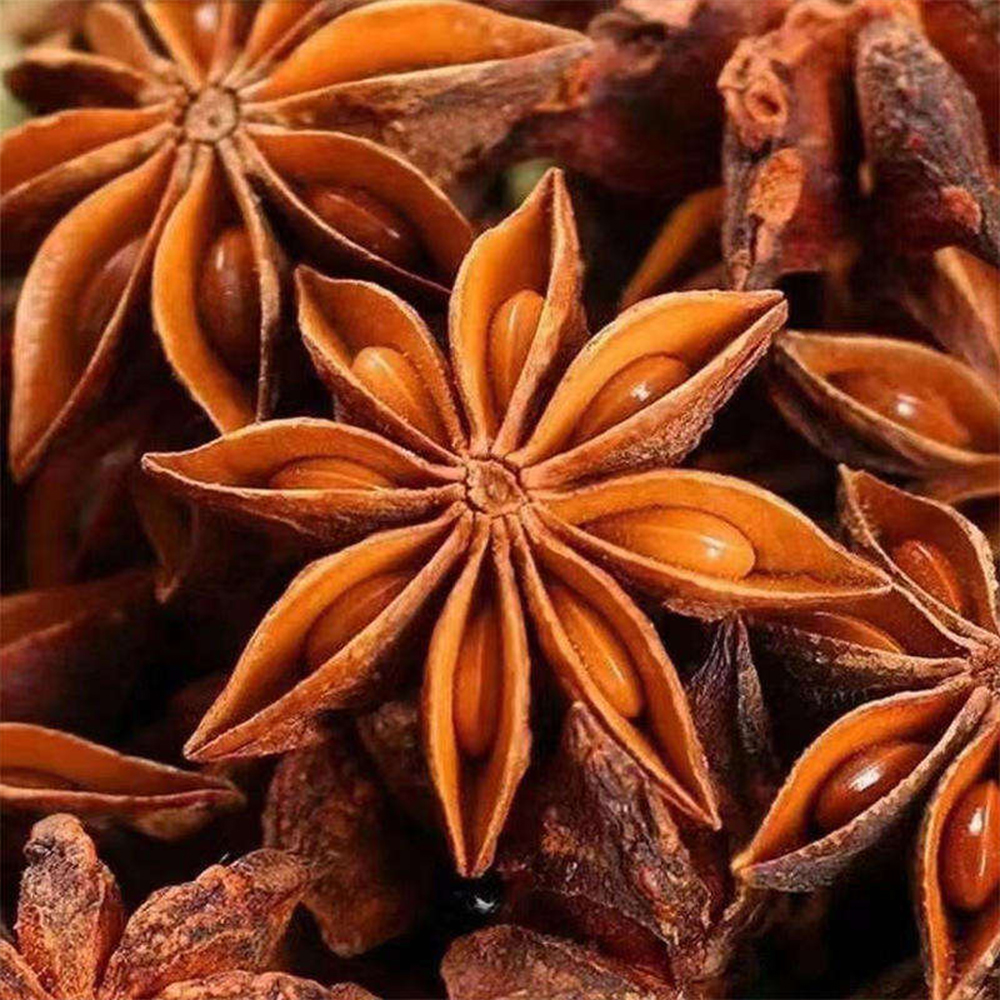
Your spec should open with identity: Latin name, plant part (dried mature fruit) and form (whole pod, or broken/cut grade). The supplier’s bulk Star Anise (Ba Jiao Hui Xiang) product page lists the Latin name Illicium verum and the form as whole dried fruit. It describes a star-shaped fruit with eight points and a dark brown to reddish-brown colour.
Species identity should be a written requirement, not an assumption. Japanese star anise (Illicium anisatum) is a toxic lookalike that must not enter food channels. Morphology and aroma are useful screening tools. A supplier who relies only on “our staff can tell” has not given you identity control. Ask how species is confirmed for your lot and what documentation supports it.
How Do You Define a “Whole” Star Anise Pod?
A whole pod is an intact fruit with its follicles (the boat-shaped segments, usually eight) still attached. The catch is that the formal definition of “broken” is looser than most buyers assume.
Under ISO 11178 and the Indian rules summarised in the supplier’s whole-star ratio guide, a broken fruit has fewer than five follicles. Abnormal or undeveloped fruits are counted with broken fruits. The ISO 11178 catalog entry summarises the standard’s limit as no more than 25% (m/m) broken or abnormal fruits.
This has a consequence. A six-follicle pod is “not broken” under that definition, yet it is not the eight-point star your retail pack photograph shows. If appearance matters, write your own definition in the contract:
Minimum follicle count for a pod to count as whole in your grade.
Whether the ratio is measured by pod count or by mass.
How abnormal or undeveloped pods are classified.
The sample size and the number of cartons sampled.
Count and mass bases give different answers, because intact pods are heavier than fragments. This is one reason commercial ratio targets vary so widely. The supplier’s own sourcing guides discuss premium whole-star ratios in the 75–85% band in one place and 85–95%+ in another, with the latter explicitly “depending on contract”. Treat figures like these as negotiating ranges. Without a stated measurement basis, they are not specifications.
Whole Pod vs Broken Piece: How the Two Grades Compare
Specification point
Whole-pod grade
Broken-piece grade
Typical end use
Retail packs, visual spice blends, tea and decorative or culinary use
Grinding, extraction input, tea-cutting, blends where appearance is secondary
Main measure
Whole-pod ratio (count or mass basis), minimum follicle count
Piece-size range by sieve, maximum fines
Broken limit
Set explicitly; the regulatory reference is a ceiling, not a premium target
Not applicable; define piece size instead
Stalks
Stated maximum, ideally measured separately
Same, plus check whether stalks fragment into the pieces
Foreign matter
Stated limit with inspection method
Stated limit; fragments make visual detection harder
Moisture
Window with test method
Same; fines absorb moisture faster
Main risk
Hidden breakage under the top layer; mixed grades in one carton
Fines and dust; seeds and stalk fragments inflating weight
Cost logic
Higher sorting effort and breakage losses raise price
Lower price per kilo, but verify the spec is not simply a downgraded whole lot
Verify before PO
Count/mass basis, retain sample, carton sampling plan
Sieve curve, fines cap, definition of “piece”
The broken-piece grade is not a lower-quality product by default. A processor grinding for powder or extraction does not need to pay for visual grade, and “broken is not evil; hidden broken is”, as the supplier’s sourcing guide puts it. A lot that is meant to be pieces should be described as pieces, with a size range and a fines cap. It should not be sold as whole pods with a loose tolerance.
Which Quality Parameters Belong in a Star Anise Specification?
The specification should cover seven items. The reference limits below come from the Indian FSSAI star anise rules, as summarised in the supplier’s guide. Buy to the limits that fit your market and use case. The “commercial target” column in that guide is the supplier’s own preference, not a regulation.
Parameter
FSSAI reference limit
Why it matters
Extraneous matter
Max 1.0%
Claims, rework, customs exposure
Stalks
Max 3.0%
Dead weight and sorting complaints
Broken and abnormal fruits
Max 25.0%
Fines, grind inconsistency, appearance
Moisture
Max 10.0%
Mould risk, softening, odour drift
Acid-insoluble ash
Max 1.0%
Sand and grit
Volatile oil
Min 8.0 mL/100 g
Aroma strength and batch repeatability
Why a legal ceiling is a poor purchase target
The assumption that a compliant lot is a good lot deserves qualification. A regulatory ceiling defines what the category will tolerate. It does not describe what your line, retail pack or customer expects. A lot with 24% broken fruit can be compliant and still produce a carton bottom full of sweepings, which matters if you pack retail units by count. A lot at the same figure may be perfectly acceptable for grinding. The right tolerance depends on the end use. Where appearance drives value, tighten the limit and say how it is measured. Where the product is ground, spend the money on moisture control and aroma instead.
Volatile oil and ash: trend by lot
The FDA guidance names volatile oil and ash as the measured quality characteristics. That makes both worth including in your COA requirements. Volatile oil is the parameter most affected by age and storage, and a single passing value says little about the next shipment. Ask for results on every lot and track them over time. A drifting trend often signals a storage or sourcing change before a lot fails.
Moisture: write a window, not just a ceiling
“Dry” is not a specification. A moisture window with a target and a hard limit, plus the test method, protects against mould, softening and weight disputes. The supplier’s OEM quotation guide makes the same point about moisture and foreign matter. Remember that over-dry lots break more easily, so an unnecessarily low moisture target can work against whole-pod ratio.
Why Does Star Anise Break, and What Can Buyers Control?
Breakage usually begins before the lot reaches your warehouse. Typical causes include over-drying, rough cleaning, weak inner bags, compression in the carton and no written definition of “broken”. Four buyer-side controls help:
Specify the pack structure. Ask for inner liners, carton fill limits and stacking guidance, not just a net weight per carton.
Define the sampling plan. Ask the supplier to pull samples from several cartons, including the bottom layer, rather than from a prepared tray. The supplier’s own screening checklist recommends sampling from at least three bags.
Retain a signed sample. Each side keeps one, so disputes compare like with like.
Reject moisture-based fixes. The Codex Code of Hygienic Practice for Spices and Dried Aromatic Herbs says spices should not be sprayed with water to prevent breakage during packing, because this can promote mould and microbial pathogen growth. If a supplier proposes conditioning pods with moisture to reduce breakage, ask for the process and the resulting moisture data.
What Foreign Matter and Safety Tests Should Appear on the COA?
Foreign matter is controlled in stages: field handling, primary cleaning, drying, packing and warehousing. A limit with no inspection method means little. Name the methods, such as visual sort, sieve, magnet and metal detection where appropriate. The supplier’s sourcing guidance describes a five-stage control stack. Whatever the supplier’s system, what you need is a record you can audit.
The limit of quantification, so that “ND” means something.
The guide also notes that aflatoxin limits quoted in buyer specs vary (it gives AFB1 and total aflatoxin examples) and should not be copied blindly. Your target market and customer decide the numbers. Add microbiology to the pack as well. The Codex code cited above records that Salmonella has been found in spices and dried aromatic herbs, and that most spice-related illness outbreaks have involved Salmonella. Star anise is a whole dried spice, but low moisture does not mean zero microbial risk.
How Should You Write Star Anise Specs Into an RFQ or Quotation?
A specification only works if the quotation repeats it. The supplier’s guide on how to read a Chinese herbal OEM quotation recommends treating each line as a risk checkpoint. Its main warnings apply here: keep the same spec across price tiers, and make sure the COA is per lot rather than “available”.
A practical RFQ for star anise includes:
Product line: common name, Illicium verum, dried mature fruit, grade (whole pod or broken piece).
Whole-pod definition: minimum follicle count and ratio basis (count or mass).
Broken limit or piece-size range: with the sieve or counting method.
Stalks, extraneous matter, moisture, acid-insoluble ash and volatile oil: each stated as a lot-release parameter.
Testing scope: residues panel for your market, heavy metals, microbiology and, where relevant, aflatoxin, with limits and LOQ.
Treatment status: fumigated, steam-treated, irradiated or untreated.
Packaging: inner liner, net weight, label language, lot-code placement.
Sampling and retain sample: who samples, how many cartons, and what the dispute procedure is.
Commercial terms: quantity, price tiers, lead time stages and Incoterms.
On commercial terms, the product page states a 1 kg MOQ, a 7-day lead time, free samples and COA reports. Confirm that these apply to your specific grade and pack format before relying on them for production planning. The supplier’s star anise sourcing and export quality standards article adds a supplier-screening checklist you can send with the RFQ.
An illustrative example: a tea packer requests “whole star anise, premium” and receives a sample tray of intact pods. The production lot arrives with a high share of fragments in the lower cartons, and the quote gave no ratio basis, sampling plan or fines limit. The packer has little recourse, because the contract never said what “whole” meant. With a defined follicle count, a ratio basis and a retain sample, the same lot becomes a measurable claim.
What Should You Verify Before Selecting a Star Anise Supplier?
Before approving a supplier, check the following:
Identity control. Species confirmation method and documents for each lot.
Spec fit. Whether the supplier can state a whole-pod ratio and broken limit on your measurement basis, not only a brochure range.
Sample-to-lot consistency. Whether the production lot is photographed and sampled across cartons before shipment.
Documentation. COA per lot with numeric results, methods, limits and LOQ.
Storage and packing. Moisture control, liners and carton discipline.
Range fit. Whether the supplier covers adjacent items. The Fruit and Seed category lists more than 20 fruit and seed varieties for buyers who want to consolidate sourcing under one quality system.
Request a sample from the specific lot you intend to buy, and test it against your own spec before you place a full order.
Frequently Asked Questions
What counts as a broken star anise pod?
Under ISO 11178 and the FSSAI rules as summarised in the supplier’s guide, a broken fruit has fewer than five follicles. Abnormal or undeveloped fruits are counted with it. If you need a visual eight-point pod, write a stricter whole-pod definition into the contract.
What is the maximum broken content for star anise?
The ISO 11178 catalog summary and the FSSAI reference both give a ceiling of 25% broken and abnormal fruits. This is a regulatory ceiling, not a premium target. Buyers needing visual quality usually set a tighter limit by agreement with the supplier.
What whole-star ratio should I ask for?
There is no single standard figure. The supplier’s own guides discuss bands of roughly 75–85% and 85–95%+, depending on contract. The key is to state whether the ratio is measured by count or mass, and to agree the sampling method.
What moisture level is acceptable for star anise?
The FSSAI reference limit is a maximum of 10.0% moisture. Write a target window and a hard limit, plus the test method. Too much moisture raises mould risk, while over-drying can increase breakage.
Can broken star anise be used instead of whole pods?
Yes, for applications where appearance is secondary, such as grinding, extraction input or tea-cutting. Specify it as a broken-piece grade with a sieve range and fines limit, not as a downgraded whole lot.
What documents should accompany a star anise shipment?
Ask for a COA per lot with numeric results, test methods, limits and LOQ, matched to the lot code on cartons. Add residue, heavy metal and microbiology results for your market, and aflatoxin where your spec requires it.
How do I confirm I’m receiving Illicium verum?
State species identity as a written requirement. Ask the supplier how identity is verified and documented per lot. Morphology and aroma help screen lots, but they are not a substitute for documented identity control.
Our low MOQ of 1 kg (2.2 lb) makes it easy to order Chinese herbal slices or wholesale Chinese medicine herbs. Private-label and bilingual labeling are also available.
Delivery Cycle & Support
We have a fast 7-day lead time. We provide free samples, COA reports, and technical support to help you bring high-quality bulk Chinese herbs to market.
Quality & Certifications
Our products are manufactured in a GMP-certified facility and meet ISO22000 standards. All Chinese herbs are third-party tested for heavy metals, pesticides, and microorganisms.