Most buyers treat an OEM quotation like a shopping list. They scan the unit price, nod once, then wire a deposit. Later, the “small stuff” shows up: a different cut size, a COA that doesn’t match the lot code, labels printed from the wrong artwork file, or a lead time that suddenly means “whenever we can.”
So here’s the mindset shift. Read a Chinese herbal OEM quote like a risk checklist, not a price tag. Every line item should answer three simple questions:
What exactly am I buying?
Who owns the risk at each step?
What proof do I get if it fails?
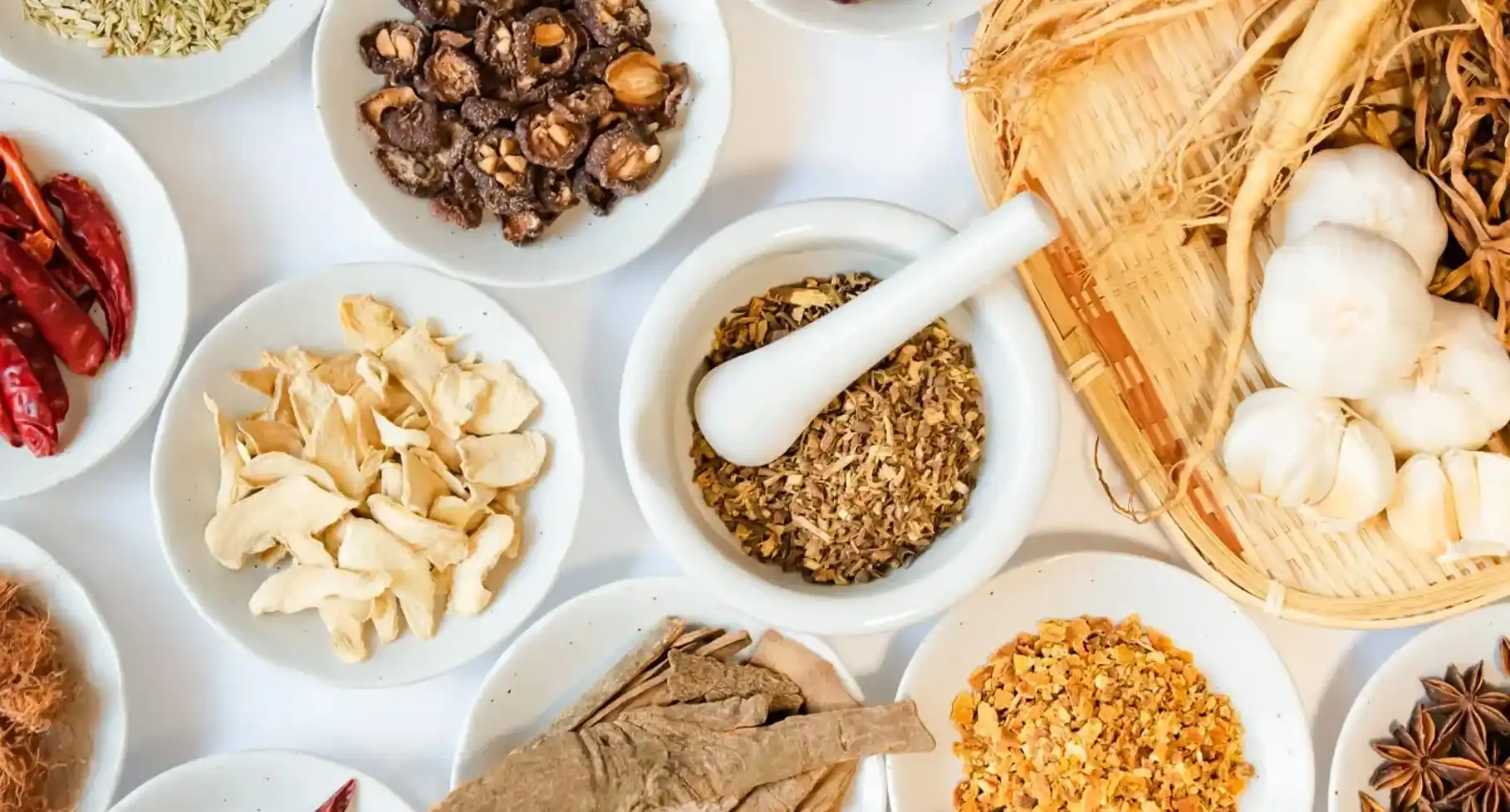
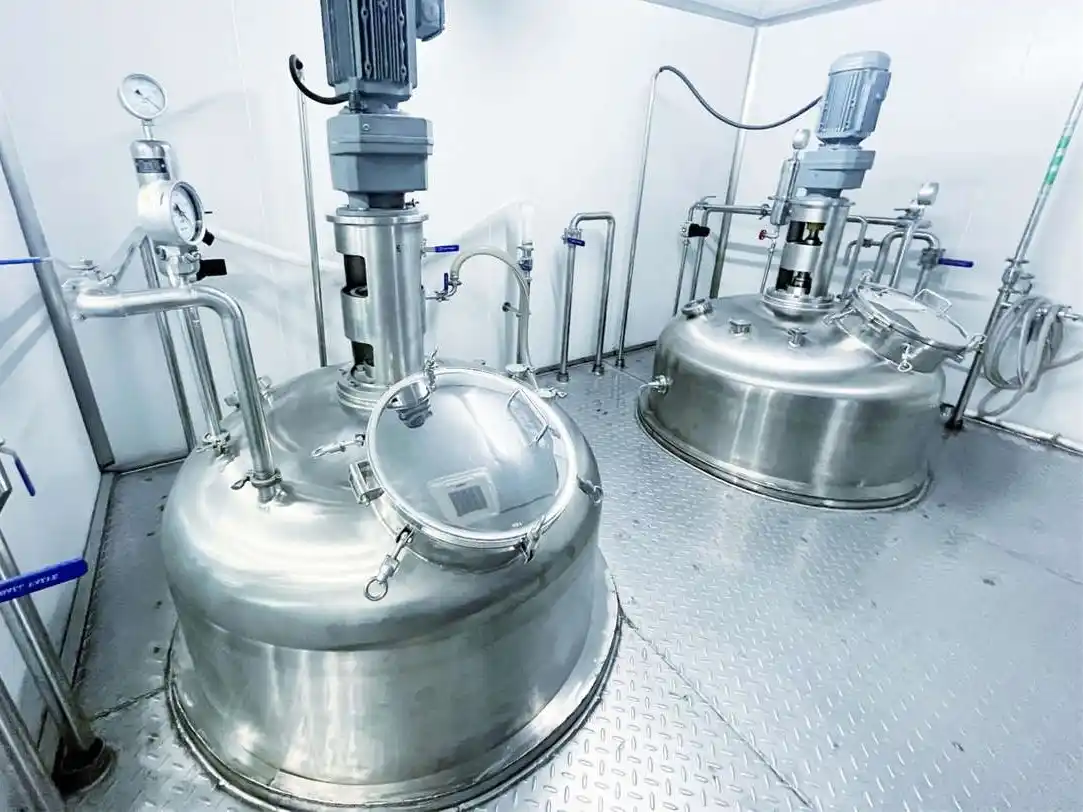
GuoCao works with pharma companies, supplement factories, functional beverage brands, hospitals, cosmetic raw-material buyers, and bulk distributors. The factory setup matters too: GMP herbal slice lines, ISO 22000 food-safety system, third-party COA testing support, plus ambient/cool/MAP warehousing. If you want the full overview, start from Wholesale Chinese Medicinal Herbs and Spices Supplier – GuoCao.
Now let’s go line by line.
Product Name
If the product name is vague, the rest of the quote is basically guesswork.
A clean “Product Name” line should include:
herb name (and botanical name if you use it)
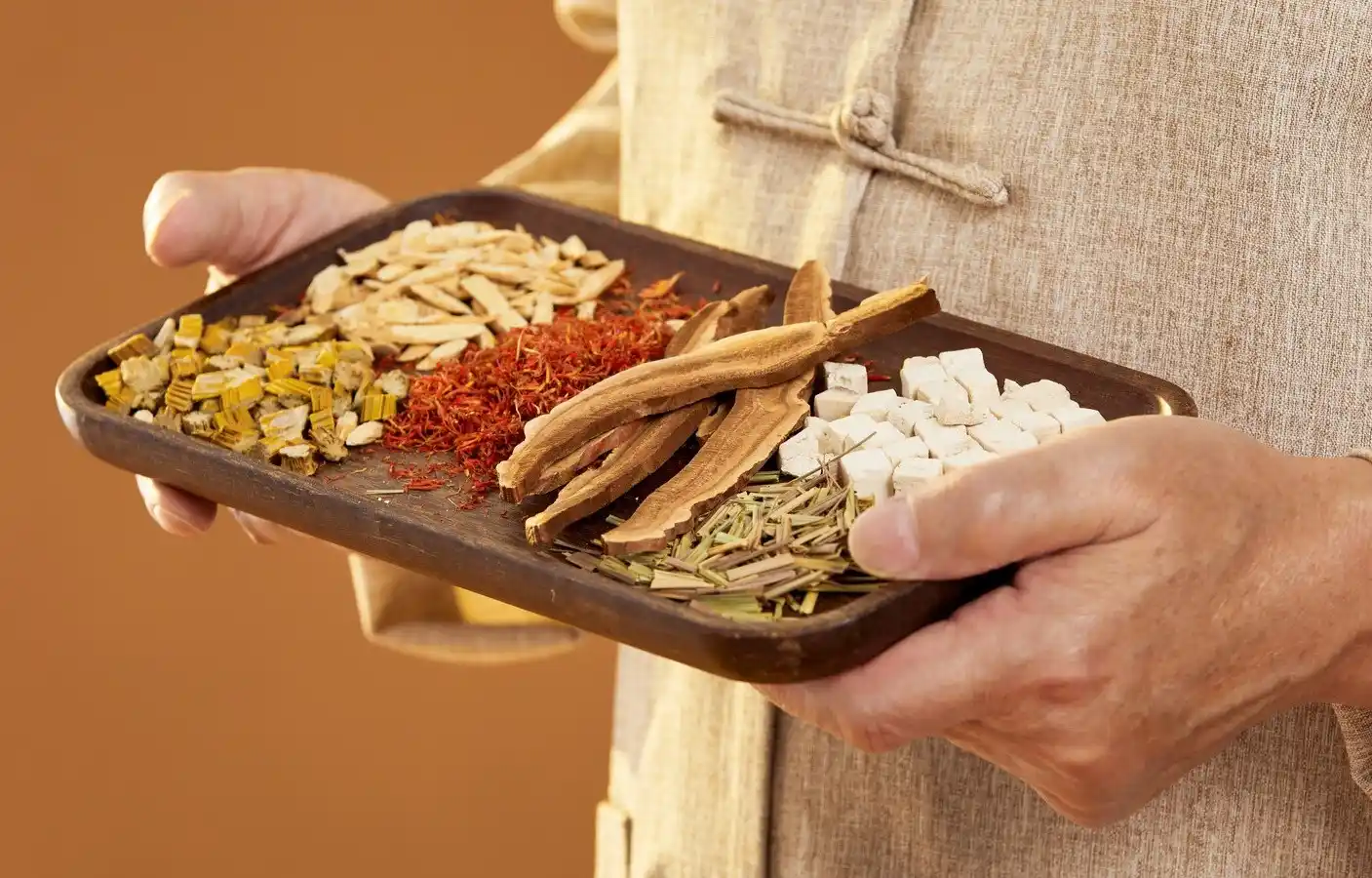
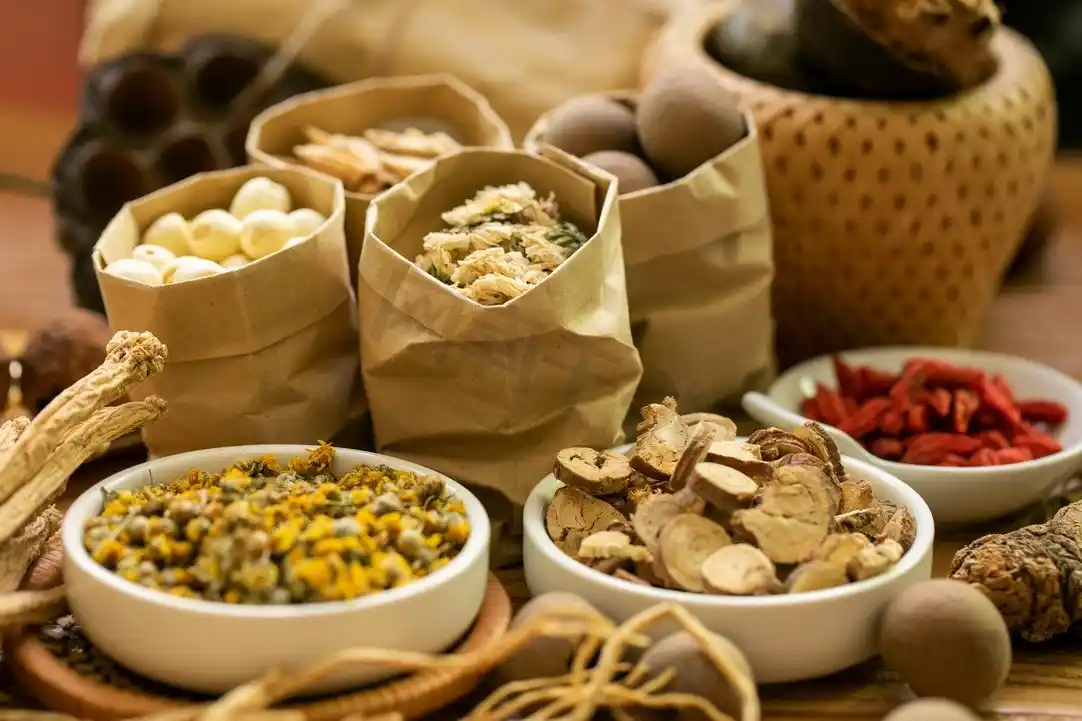
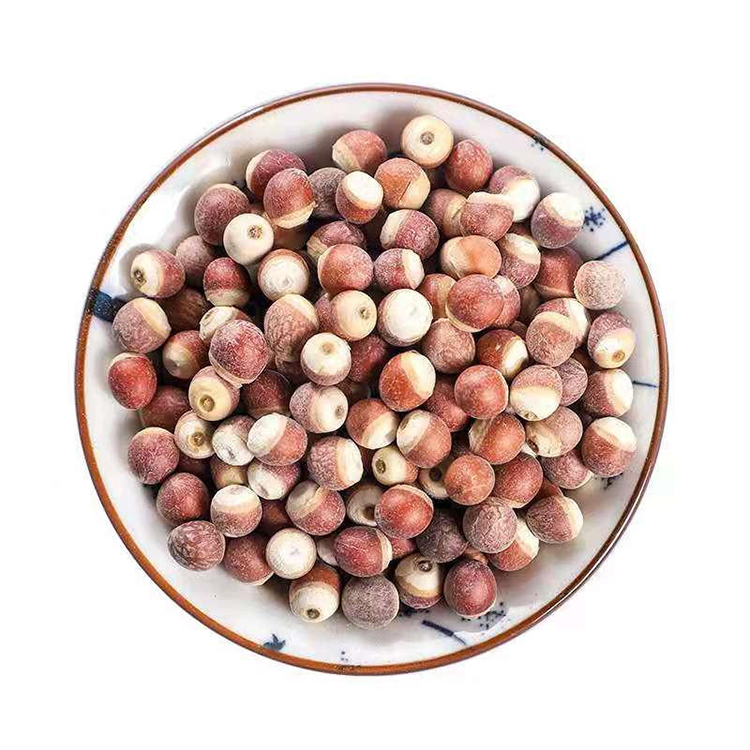
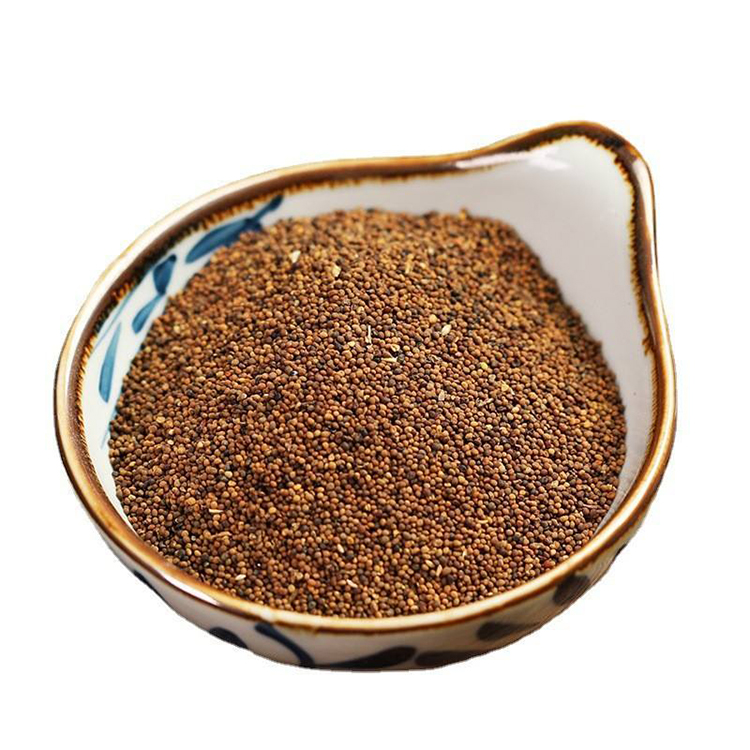
plant part (root, rhizome, bark, flower, fruit, seed, whole herb)
form (slice, tea-cut, powder, granule, extract input)
grade/standard (your spec or a recognized standard)
If you’re building your SKU list, don’t invent your own category logic. Copy what buyers already understand. GuoCao’s catalog structure is a good reference point: Chinese Herbs and Spices.
Plant Part
Plant part tells you where the headaches hide.
Roots/rhizomes: cut thickness and fiber, plus fines control
Flowers/whole herbs: color and aroma stability, moisture sensitivity
Seeds/fruits: oil content and smell drift
Barks: foreign matter and cleaning discipline
Animal/mineral: identity checks and compliance pressure
This is the section where you either lock the deal… or lock yourself into future arguments.
A strong quotation ties to a Master Spec (spec version control) and ideally a golden sample concept. Without that, the supplier can change details and still claim “same product.”
Cut Size
Cut size drives performance. It’s not decoration.
Tea bags: too many fines = dust + jammed filling
Decoction: too powdery = cloudy brew + customer complaints
Capsules: inconsistent mesh = blending issues + fill weight drift
Ask it like this: “What’s the target cut size, what’s the allowed range, and how do you control fines?”
You’ll hear factory slang like “sieve curve” or “mesh distribution.” Good. That means they measure it, not vibe it.
Moisture
Moisture controls shelf stability, smell drift, mold risk, and even weight disputes. If the quote says “dry,” that’s not a spec. That’s a mood.
Your quote should show a moisture window (target + limit) and the test method.
Foreign Matter
“Clean” isn’t measurable. You want a limit and a method.
Ask: “What’s the foreign matter limit, and how do you inspect it—visual, sieve, magnet, metal detector?”
Quantity and MOQ
MOQ needs to be written like a rule, not a vibe.
You want clarity on:
MOQ per SKU or per PO
MOQ per cut type (slice vs tea-cut) or per plant part
MOQ changes when you add private label packaging
If you’re planning a trial, say it early. Serious suppliers can structure a pilot path. GuoCao discusses bulk programs and ordering models across their wholesale content hub, like Wholesale Chinese Medicinal Herbs.
Price Tiers
Tier pricing is normal. Sneaky spec changes between tiers are not.
One common trap: the unit price drops at higher volume because the supplier quietly switches grade, moisture window, or cut tolerance. So keep your spec identical across tiers. No silent downgrades.
Packaging and Labeling
This is where small mistakes become expensive rework.
A quotation should spell out:
pack format (bulk carton, inner bag, pouch, jar, sachet)
net weight per unit
label language (single language or bilingual)
lot/batch code placement
artwork revision control (file version / rev number)
If you do tea formats, say it clearly, because tea bag packing has its own failure modes (dust, sealing, string/tag, carton coding). For internal linking, this page fits naturally: Chinese Herbal Tea Bags.
Private Label
Private label is great for margin, but it adds risk points:
wrong artwork file used
missing claim wording
mixed cartons in the same shipment
lot code not readable
Use factory black-talk terms that force real controls:
label reconciliation (labels in vs used vs destroyed)
line clearance (clear the line so old labels don’t carry over)
artwork control (rev control, approval record)
If they can’t handle those basics, the pretty label won’t save you.
COA and Third-Party Testing
This is where you stop debating and start proving.
Your quote should say:
COA per lot (not “COA available”)
third-party testing option (and when it triggers)
test scope (identity + micro + heavy metals + pesticide residues, as needed)
HOLD/RELEASE rule (ship only after pass)
Real talk: a generic COA that isn’t tied to your lot code is basically decoration. You want the COA to match the lot number on cartons and documents.
Microbiology
Micro failures don’t just block sales. They block logistics. A single micro issue turns into holds, rework, and angry timelines.
Ask: “What micro panel do you run for this herb form, and do you hold goods until results are back?”
Traceability
Traceability means you can walk backward from a bag on a shelf to a specific lot, date, and process record. Not “we can trace, trust us.”
Your quote (or annex) should cover:
lot code logic
origin record
batch production record (BPR)
deviation record + CAPA path
CAPA means “Corrective and Preventive Action.” In plain English: what they do so the same mess doesn’t repeat.
One question that cuts through everything: “If this lot fails a CTQ, what’s the exact workflow—hold, investigation, retest, rework, remake, credit?”
CTQ = critical to quality. It’s a useful term because it forces precision.
Lead Time
Lead time is never one number if the supplier is being honest.
A good quote splits it into stages:
raw material prep / processing
in-process QC + lab time
packing + labeling
document set (COA, packing list, etc.)
ship window
If the quote only says “fast delivery,” push back. “Fast” is not a plan.
Here’s a table you can paste into your RFQ email.
Lead Time Stage
What you need stated
Helpful factory terms (use them)
Processing
form, cut, moisture window, IPC points
spec lock, sieve curve, moisture window
Lab & QC
COA per lot, HOLD/RELEASE gate
release gate, micro panel, third-party COA
Packing
pack type, label rev, lot code format
artwork control, label reconciliation
Warehousing
storage mode + rotation method
FEFO, MAP storage, scan logs
Delivery
ship term + doc timing
doc set ready, clearance-ready
FEFO means “first expire, first out.” MAP is “modified atmosphere packaging.” If a supplier can explain these without stumbling, it’s usually a good sign.
Keep this simple. You just need responsibilities in writing.
Your quotation should state the shipping term and who owns:
export customs
insurance
import clearance
last-mile delivery
document handoff timing
If they can’t explain responsibility clearly, the term on the quote won’t protect you.
Payment Terms
Payment terms should read like a checklist:
deposit and balance trigger
whether COA release is a payment gate
what happens if specs fail
Avoid fuzzy language like “we’ll discuss if issue happen.” That’s not a term. That’s future arguing.
OEM and ODM
A lot of buyers say “OEM” when they mean “make it for me.” Too loose.
OEM: you provide the exact spec + packaging blueprint.
ODM: you start from a base design/formula, then tweak it.
GuoCao supports OEM/ODM and can scale from samples and pilots to larger runs, with QC gates and documentation discipline. If you want this section to drive SEO and conversion, link it to the service page: Custom Chinese Herbal & Spice Solutions.
Commercially, the value is simple: fewer supplier handoffs, fewer doc mismatches, and fewer “we can’t reproduce last batch” surprises. It keeps your pipeline smooth. Not perfect, but smoother.
Our low MOQ of 1 kg (2.2 lb) makes it easy to order Chinese herbal slices or wholesale Chinese medicine herbs. Private-label and bilingual labeling are also available.
Delivery Cycle & Support
We have a fast 7-day lead time. We provide free samples, COA reports, and technical support to help you bring high-quality bulk Chinese herbs to market.
Quality & Certifications
Our products are manufactured in a GMP-certified facility and meet ISO22000 standards. All Chinese herbs are third-party tested for heavy metals, pesticides, and microorganisms.