Angelica Root Slices: How to Evaluate Color, Aroma, and Cut Quality
Angelica Root slices are not simply "brownish dried out natural herbs." Color, fragrance, reduced harmony, sulfur background, COA self-control, and great deal traceability all subject whether a batch is buyer-grade or warehouse-grade.
A stunning picture of dried out angelica root can hide irregular cutting, tired scent, sulfur masking, poor whole lot control, old supply, moisture misuse, and a provider who thinks “brownish, wonderful, and cut” is enough to pass professional assessment. Would you get a container of risk since the example looked cozy and golden under studio light?
I wouldn’t.
Angelica root, also marketed as Dang Gui, Dong Quai, or Angelica sinensis slices, sits in a strange corner of the organic trade. It is both acquainted and simple to fake in high quality terms. Not always phony in the criminal feeling. Worse, phony in the industrial sense: practically shipped, technically cut, technically identified, yet not solid sufficient for a purchaser that needs to secure a formula, a retail tag, or an OEM manufacturing run.
The Angelica Root Dang Gui Dong Quai flakes web page provides the fundamental identity language: Latin name Angelica sinensis, Pinyin Dang Gui, usual names Dong Quai and Angelica Root. That is the beginning line, not the goal.
Right here is my hard view: color and aroma work testing tools, yet they are not proof. The FDA made that point in a different botanical category when it warned in 2024 that relying just on physical traits such as color, smell, and taste was not sufficient to confirm identity for similar-looking herb active ingredients in a dietary supplement CGMP case. Read the Restorative Botanicals advising letter and you will see the trouble plainly.
So, yes, inspect the piece.
After that demand the paperwork.
Color: The Initial Signal, Not the Decision
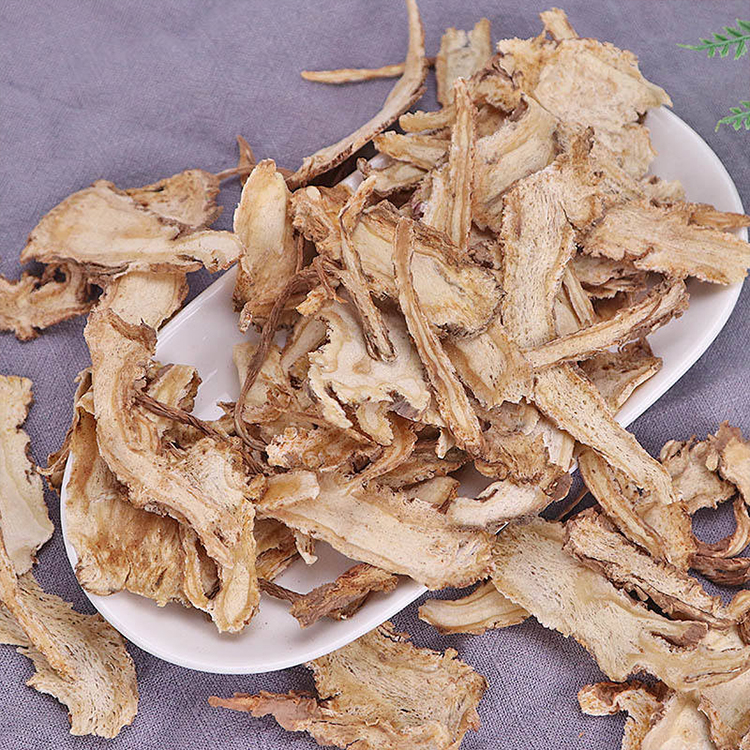
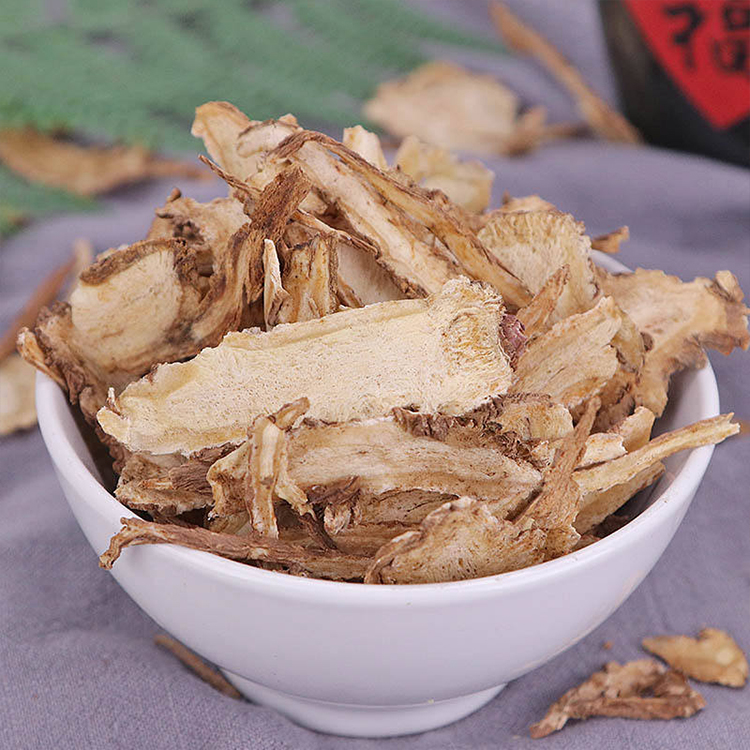
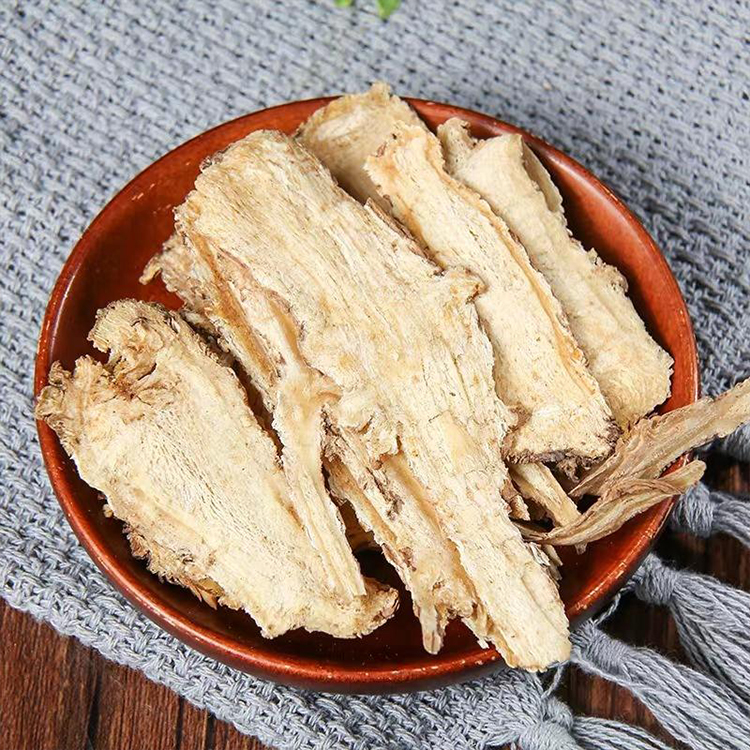
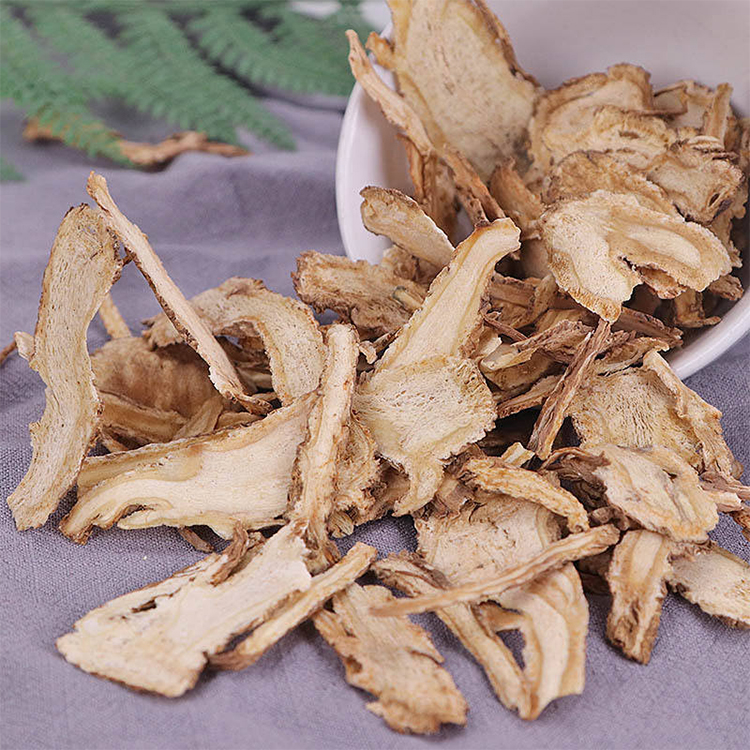
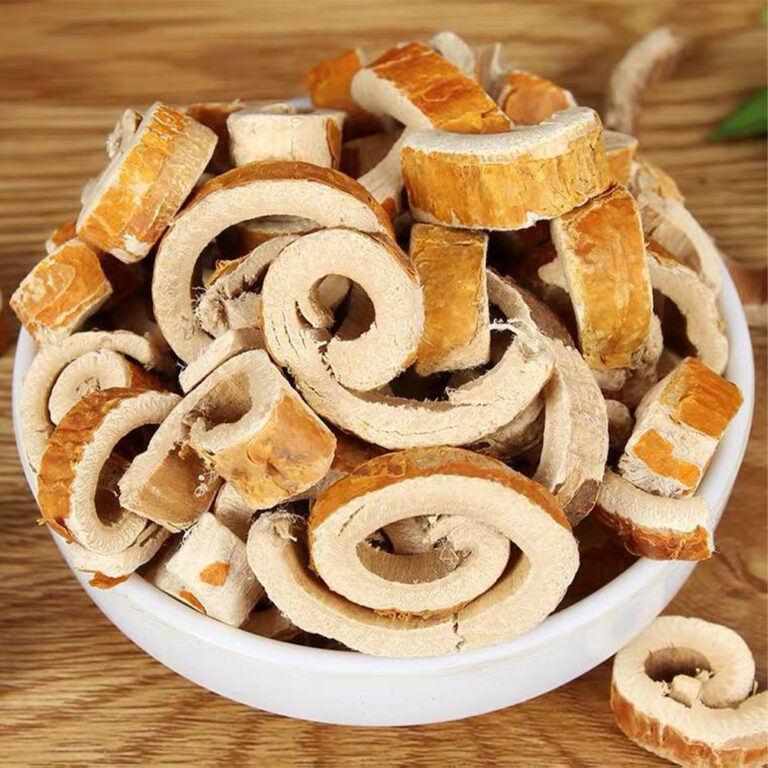
Good Angelica Root slices normally reveal a warm yellow-brown to tan-brown tone, with some natural variant in between outer bark, inner body, head, tail, and processing style. They need to not look dead gray, severe white, oily black, or suspiciously consistent.
Shade lies.
If every slice in a sack looks similar, I obtain anxious, due to the fact that real Angelica sinensis root is a biological material with development rings, fiber, head-body-tail distinctions, seasonal variant, and drying out anxiety that does not behave like plastic pellets. Why would certainly a real root look factory-painted?
What I Try to find in Angelica Root Shade
I desire a set that looks active however controlled. That suggests:
Color Signal
What It Recommends
Purchaser Action
Cozy yellow-brown inside
Typical dried Angelica Root slice account
Continue examination
Small oil shine
Feasible maintained volatile substances, yet should not really feel damp
Inspect dampness and aroma
Gray or ashy surface
Old supply, inadequate drying, dirt, or storage damage
Hold or deny
Really pale, bleached-looking slices
Feasible sulfur treatment or over-processing
Request sulfur dioxide data
Dark sticky sides
Dampness misuse, heat damage, or compression
Inspect mold threat and smell
Incredibly uniform shade
Possible over-selection, man-made discussion, or weak sampling
Check full whole lot, not sample only
The cleanest purchasers I understand do not say, “This looks excellent.” They state, “This looks good enough to test.”
That is the difference.
A 2017 value-chain research study on Angelica sinensis in Gansu and Yunnan found that farmers and dealerships utilized root size and odor as major high quality criteria, while physicians placed hefty weight on production location. The same research study also discovered that ferulic acid and Z-ligustilide levels did not constantly match standard visual quality presumptions, which is exactly why serious customers ought to integrate sensory examination with pen testing.
Table of Contents
Aroma: The Fastest Way to Capture a Tired Set
Smell it first.
If the slice has been sitting also long, saved too cozy, packed too damp, or dried out without regard for unstable substances, the fragrance will flatten prior to the certification looks dubious, which is where numerous purchase groups get misleaded. What does a COA verify if the natural herb smells like cardboard?
Angelica root scent need to be natural, sweet, rooty, a little spicy, and noticeably agricultural. It must not smell sour, musty, great smoky, plastic-like, stagnant, or dramatically chemical.
And here is the part sellers despise: a weak aroma is not a little problem. It is commonly the very first business caution that the batch has shed the personality purchasers are spending for.
Angelica sinensis has recognized constituents such as ferulic acid, Z-ligustilide, butylidenephthalide, and polysaccharides. A review in the journal Chinese Medicine keeps in mind that greater than 70 substances have actually been isolated and determined from Dang Gui, with ferulic acid and Z-ligustilide amongst the major constituents typically reviewed in top quality and pharmacological study. The full testimonial is available right here: Bioactivities of significant components separated from Angelica sinensis.
But do not perplex aroma with assay.
Scent informs you whether the set should have interest. Assay informs you whether the set can survive a spec review.
For bulk purchasers, the useful relocation is to match sensory examination with a purchaser requirements. The site currently has a beneficial interior structure in Angelica Root Dang Gui/ Dong Quai: how to write a purchaser spec that survives long transportation, consisting of a ferulic acid line of ≥ 0.050% on a dry basis. I such as that type of language because it makes the seller devote to quantifiable quality instead of verse.
Cut High Quality: Where Affordable Processing Reveals Itself
Cut tells keys.
A poor cut is not simply unsightly; it transforms drying habits, oxidation, packaging thickness, removal uniformity, aesthetic grading, and just how much powder the purchaser receives at the end of a carton after transportation. That pays for that dirt?
You do.
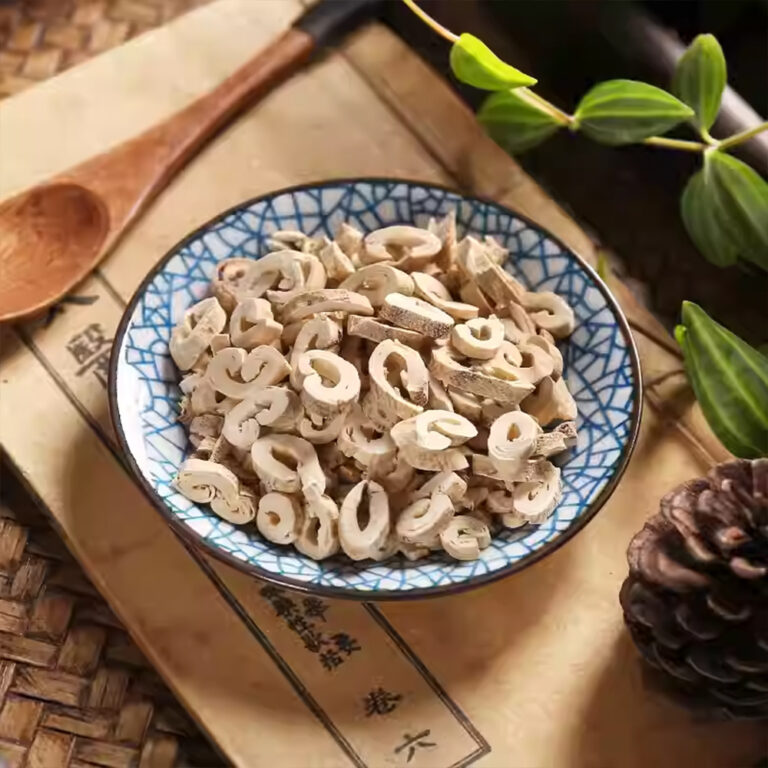
Angelica Root slices must be reasonably consistent for the concurred quality. They do not require to look machine-perfect, yet they should not consist of too much crumbs, busted tails, compressed clumps, splintered fragments, muddy fragments, or mixed slice thickness that makes developing, extraction, or repacking inconsistent.
The Slice Thickness Problem No One Likes to Go Over
Numerous purchasers ask for “pieces” but never define thickness. That slouches purchase.
A vendor hears “pieces” and may ship anything from thin flakes to harsh chips. A maker listens to “pieces” and expects repeatable loading, extraction get in touch with location, and visual uniformity. The space between those 2 meanings is where conflicts are birthed.
For Angelica root pieces, I would certainly define:
Cut Function
Buyer-Grade Target
Red Flag
Thickness
Agreed variety by sample or specification, usually aesthetically constant throughout whole lot
Random thick chunks blended with breakable flakes
Surface
Tidy cut face, noticeable root structure
Ragged, shredded, crushed surfaces
Powder degree
Low to moderate, relying on transportation and packaging
And international firms are not amazingly outside the framework if their dietary supplement products are imported or offered for import right into the USA. The exact same FDA advice states that the DS CGMP guideline puts on foreign firms in that scenario.
The unpleasant lesson for Angelica root buyers is simple: organoleptic checks are not worthless, however they are not nearly enough.
In an additional 2024 FDA alerting letter, Far East Top was cited for depending on organoleptic residential properties such as color, taste, odor, and really feel for botanical ingredients, with FDA mentioning that many agricultural materials share those attributes which such evaluation did not provide unique verification. The caution letter additionally flagged missing out on contaminant specs for botanical nutritional active ingredients due to heavy steel, microbial, and chemical threats connected to expanding, gathering, and handling.
This is why I do not rely on “looks excellent” investing in.
I rely on lot codes, COA alignment, confirmed methods, wetness control, sulfur dioxide limitations, chemical screens, heavy steel data, microbial limits, and a vendor who does not panic when requested for documentation.
For importers, the documentation route belongs to the product. The internal guide on usual customs paperwork issues in Chinese natural herb export makes a sharp factor: if the billing states “herbal pieces,” the COA states Angelica sinensis, the label states Dang Gui, and the certificate utilizes a different weight, that is not a clerical information. That is a warning.
A Practical Inspection Approach for Dried Angelica Root
Do this in order.
Do not begin with the lab. Beginning with the sack, the carton, the odor, the slice, the hand feeling, the bottom dirt, the files, then the laboratory. That order saves time because bad batches often confess early.
If a supplier blends Angelica sinensis with Angelica dahurica language, quit. Bai Zhi is not Dang Gui. Exact same wide genus, various commercial significance, different use profile, various buyer expectation.
Step 2: Examine Color Under Normal Light
Use neutral light, not warm warehouse light bulbs. Spread pieces on white paper. Contrast leading, middle, and bottom of the sample bag. So the leading layer looks tidy, you are being shown theater.
Action 3: Damage a Slice
A good dried out piece must break with a completely dry, fibrous snap or firm bend depending on dampness and cut thickness. It needs to not feel wet, oily, rubbery, or powder-dead.
Tip 4: Smell the Broken Interior
The busted indoor issues greater than the surface. Surface smell can be contaminated by product packaging, adjacent natural herbs, or warehouse air. Freshly damaged Angelica Root need to still have its rooty, pleasant, fragrant profile.
Tip 5: Inspect Cut Harmony
Action a quick arbitrary set. Ten slices is better than one. Fifty is much better if the whole lot is huge. Look at density, dirt, broken percent, and blended material.
Step 6: Suit the COA to the Whole lot
A COA without a coordinating whole lot code is design. I claimed it.
The site’s Dong Quai OEM study from example to range works below since sample authorization is not the same as repeatable production. A pilot example can be hand-selected. A manufacturing great deal can not make it through on charm.
Step 7: Make Transit Component of the Spec
Long-distance delivery exposes weak specifications. Moisture creeps. Aroma discolors. Cartons press. Custom-mades concerns names and weights. If you are brand-new to bulk sourcing, the wholesale guide to importing herbal pieces from China is a practical internal web link to maintain near your procurement workflow.
Buyer’s Scorecard for Angelica Root Slices
Utilize this before paying for a mass order.
Evaluation Location
Pass
Evaluation
Turn down
Color
Warm yellow-brown to tan-brown, all-natural variant
Slight monotony or unevenness
Gray, smudged, blonde, suspiciously consistent
Aroma
Wonderful, earthy, aromatic, root-like
Weak yet identifiable
Musty, sour, smoky, chemical, stagnant
Cut high quality
Constant piece style, reduced dust
Some damage from transportation
Hefty powder, mixed cuts, clumps
Moisture really feel
Dry, stable, not sticky
Minor soft qualities
Damp, rubbery, pressed, condensation
Identification
Angelica sinensis/ Dang Gui/ Dong Quai lined up
Small calling incongruity
Variety complication or unclear label
COA
Lot-specific, method-specific, present
Generic yet correctable
No lot match, missing examinations
Conformity
Clear impurity limits and documents
Partial information
No microbial, hefty metal, chemical, or sulfur information
Vendor habits
Solutions directly
Slow but participating
Stays clear of fundamental questions
What Professionals Should Ask Prior To Getting Angelica Root Slices
Ask candid inquiries.
What is the herb identification and plant part? What is the piece thickness variety? Is the lot sulfured or unsulfured? What is the dampness restriction? What is the sulfur dioxide result? What are the hefty steel restrictions for Pb, Cd, As, and Hg? What microbial panel was used? Is pesticide testing readily available? Is ferulic acid evaluated? What technique was used: HPLC, HPTLC, GC-MS, or an additional verified method? Does the COA suit the carton great deal code? Can the manufacturing set match the accepted example?
The Root and Root group is useful for contextual browsing because Angelica root belongs in a family of sliced root materials where reduced high quality, Root thickness, and visible framework matter more than they do for blossoms or seeds.
Yet category browsing does not replace requirements writing.
That is the difficult line.
The Very Best Angelica Root Slice Is Not Constantly the Most beautiful
Right here is where I will certainly frustrate some vendors: the most beautiful piece is not constantly the best piece.
A slice can be pale, tidy, and photogenic because it has actually been over-processed. Another can look somewhat darker yet lug more powerful aroma, better lot honesty, and cleaner documentation. For specialist buyers, “premium” needs to suggest controlled identity, controlled processing, controlled impurities, regulated moisture, and regulated cut.
Not display room beauty.
The MDPI value-chain research study found that sulfured roots had actually substantially decreased ferulic acid and Z-ligustilide degrees compared to unsulfured roots. That finding ought to make every bulk customer inquire about sulfur history as opposed to just praising a clean pale look. Again, the resource deserves analysis: Angelica sinensis value-chain and marker-compound study.
If your Angelica Root pieces are going into tea, tincture, extract, capsule, retail pouch, or OEM formula, the high quality question adjustments. You are not simply purchasing look. You are buying repeatability.
Frequently asked questions
What are Angelica Root slices?
Angelica Root pieces are dried out, cut items of Angelica sinensis root, typically known as Dang Gui or Dong Quai, made use of in traditional natural supply chains where customers examine identification, color, aroma, cut consistency, wetness, pollutants, and great deal documents before approving bulk material.
They might be offered as flakes, slices, or reduce root. Expert customers must verify the Latin name, plant part, handling method, sulfur condition, and COA prior to purchase.
How should high-quality dried out Angelica Root smell?
High-grade dried out Angelica root should scent earthy, pleasant, rooty, somewhat spicy, and plainly fragrant, without any sour, moldy, smoky, plastic-like, chemical, or stale smell, due to the fact that scent is among the fastest field signals of storage space top quality and volatile-compound retention.
Scent is not a laboratory examination. Still, a weak or filthy scent needs to activate much deeper testimonial before the set is accepted.
What color should Angelica sinensis cuts be?
Angelica sinensis pieces must typically reveal a cozy yellow-brown to tan-brown shade with all-natural Root variant, visible inner structure, and no grey, smudged, bleached, or suspiciously consistent look that might suggest age, bad drying, sulfur masking, or careful example discussion.
Color must be judged under neutral light. Never ever accept a set from a refined image alone.
Is aroma sufficient to verify Angelica root identity?
Fragrance is inadequate to verify Angelica Root identity since many organic materials can share similar sensory characteristics, and regulators have actually consistently slammed reliance on shade, odor, taste, and really feel when those traits can not distinctively verify organic active ingredients.
Use aroma as a display. Use documents and ideal testing as confirmation.
What cut top quality is best for Dong Quai root pieces?
The very best cut high quality for Dong Quai Root pieces is a consistent, agreed piece style with regulated thickness, tidy cut deals with, reduced dirt, very little busted pieces, no foreign matter, and sufficient structural integrity to survive packaging, delivery, repacking, and downstream production.
Define the cut in the acquisition spec. “Sliced” is too obscure for significant acquiring.
Should purchasers demand ferulic acid screening for Angelica root?
Purchasers need to request ferulic acid screening when Angelica Root is utilized in managed, high-value, OEM, essence, or repeat-production channels, since ferulic acid is a typical marker compound made use of to sustain quality analysis together with sensory inspection and identity documents.
For looser asset channels, testing may depend on budget and market requirements. For stringent channels, avoiding it is a wager.
Last Ideas: Acquire the Lot, Not the Story
Angelica Root high quality is not a love.
It is a chain of evidence: Latin name, reduced style, color, fragrance, wetness, sulfur history, contaminant limitations, marker logic, COA technique, and carton-level traceability.
My candid advice is straightforward: before you accept Angelica root slices, create a purchaser spec, request a lot-matched COA, evaluate the broken piece, decline unclear naming, and make the distributor confirm that the production batch can match the accepted sample. If you are sourcing in bulk, begin with the Angelica Root Dang Gui Dong Quai vendor web page and afterwards utilize a composed requirements prior to you request for rate.
Due to the fact that the most affordable Angelica root is commonly the one you pay for two times.
Our low MOQ of 1 kg (2.2 lb) makes it easy to order Chinese herbal slices or wholesale Chinese medicine herbs. Private-label and bilingual labeling are also available.
Delivery Cycle & Support
We have a fast 7-day lead time. We provide free samples, COA reports, and technical support to help you bring high-quality bulk Chinese herbs to market.
Quality & Certifications
Our products are manufactured in a GMP-certified facility and meet ISO22000 standards. All Chinese herbs are third-party tested for heavy metals, pesticides, and microorganisms.