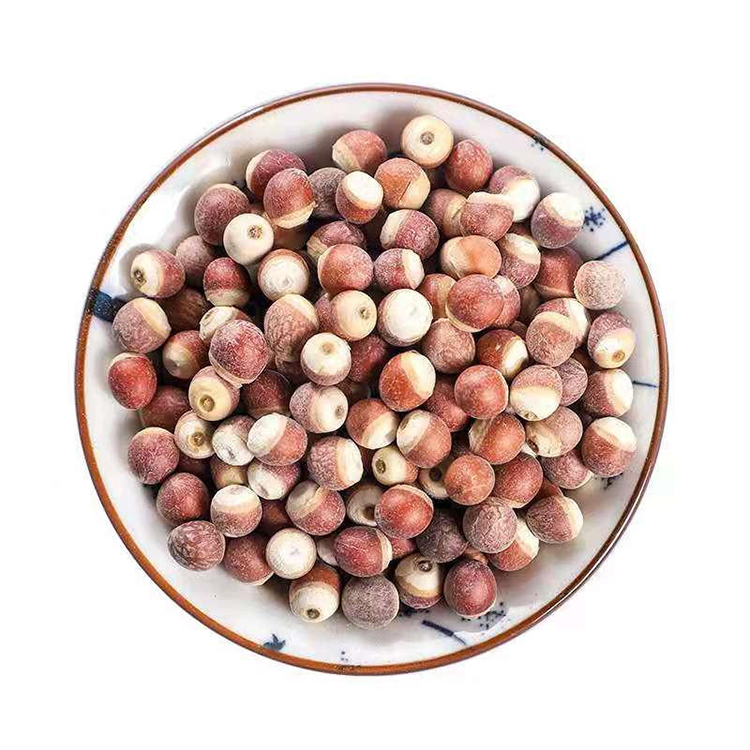
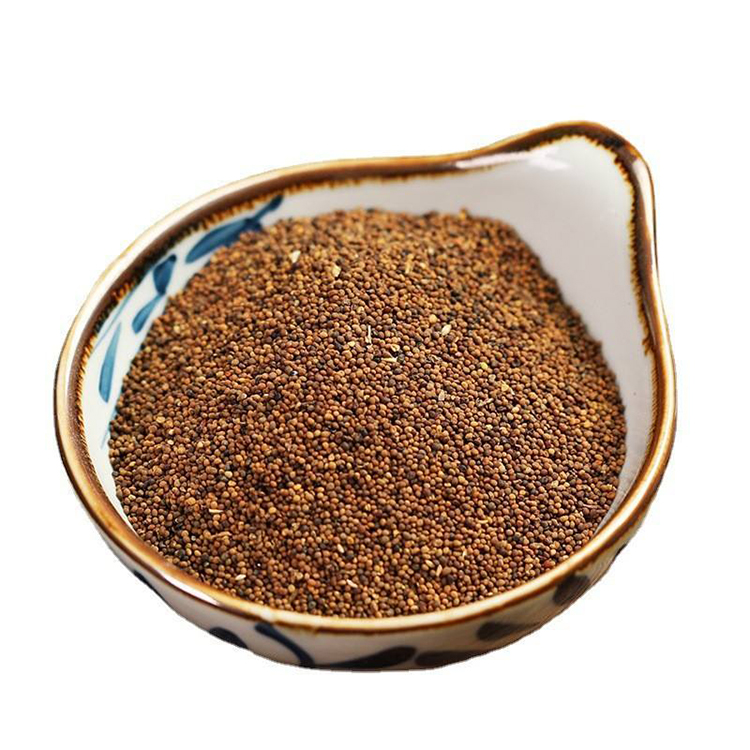
If you work with TCM formulas, functional drinks or dietary supplements, you know this story already.
Sample looks great. Pilot run is ok. Then your first big order of herbs is late, or half the items are “out of stock for a while”. Label launch stuck. Sales team angry. Ops team even more angry.
So when you pick a Chinese herb supplier, you’re not only buying herbs. You’re buying their inventory capacity and their lead-time reliability.
Let’s walk through how to check both in a simple way, with some tables and concrete supply-chain talk. I’ll use GuoCao as a live example, since we run GMP herbal slices lines with ISO 22000, COA testing and normal / cool / MA warehouses for different herbs on chineseherbalslices.com.
Why Inventory Capacity Matters for a Chinese Herb Supplier
Inventory capacity is not “how many bags they have today”. It’s: can this partner really carry your SKUs, at your volume, across seasons and campaigns?
For TCM and raw botanicals, that means:
they can secure roots, seeds, flowers, barks, animal & mineral in the right crop year
they can hold enough volume without killing shelf-life
they can keep quality consistent when you scale from sample to container
If this part is weak, you’ll see:
stock outs just before promotion
sudden spec change (cut size, moisture, color)
short remaining shelf-life when goods finally arrive
That’s why you need to dig deeper into how the supplier actually runs their herbal inventory.
How to Check a Chinese Herb Supplier’s Inventory Capacity
Factory-Direct Chinese Medicinal Herbs vs Trading Middlemen
First question is basic but very powerful:
“Are you a factory-direct Chinese medicinal herbs supplier, or only trading?”
A trading middleman can move spot cargo. But they usually:
stitch many small workshops
have weak visibility on batch status
push unstable lead time and MOQ when upstream is tight
A factory-direct partner like GuoCao actually runs the plant. On our side we operate GMP Chinese herbal slice production lines with ISO 22000 food safety system, plus OEM / ODM lines for tea bags and herbal enzymes. You can see the scope on our wholesale Chinese medicinal herbs and spices page.
When you talk to any supplier, ask simple:
“Do you own GMP herbal slicing lines or just coordinate other factories?”
“What’s your annual throughput in tons for herbal slices and spices?”
If they can answer with clear numbers and categories, it’s usually a real plant, not just a laptop trader.
GMP Herbal Slices Production Lines and ISO 22000 System
Capacity on paper is one thing. Real production setup is another.
For a serious Chinese herb supplier, you want to hear words like:
GMP herbal slices production line
ISO 22000 food safety system
in-process control (IPC) for moisture, sieve curve, foreign matter
line clearance records between different botanicals
At GuoCao, we combine GMP lines with normal / cool / modified-atmosphere warehouses. That set-up lets us handle sensitive flower and seed herbs better, not only robust roots.
If a supplier says “we dry it until it feels ok” or “all goods stay in one big room”, that’s a red flag. It means inventory capacity may exist, but it’s raw and noisy. For pharma, nutraceutical or beverage projects, that’s risky.
Chinese Herb Categories and Inventory Depth for Different Use Scenarios
Next, look at what they store and how deep.
GuoCao breaks herbs into clear categories with different use scenario:
When you screen any supplier, don’t ask only “Do you have goji berry?” Ask like this:
“What’s your normal stock depth (days of supply) for my top 10 SKUs in roots & rhizomes?”
“How often do you rotate stock in fruits & seeds, since they are more oil-rich?”
“Do you hold different cut size or only one standard spec?”
A small table like this helps you structure the talk:
Category
Typical products
Main use scenario
What to check on inventory depth
Roots & Rhizomes
Astragalus, Angelica, Codonopsis
decoction, extraction, capsules
days of supply, slice thickness options, sulfur-free SKUs
Fruits & Seeds
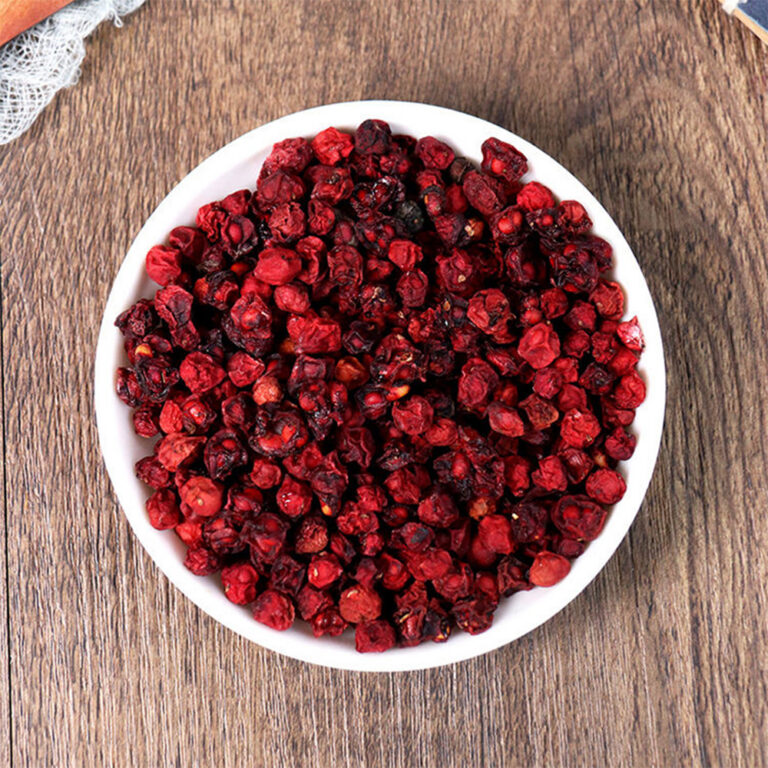
Goji, Schisandra, monk fruit, fennel
RTD drinks, syrup, snack glaze
MA storage, color stability, re-dry process
Flowers & Whole Herbs
Chrysanthemum, honeysuckle, etc.
tea bags, cosmetic infusion, blend
protection of volatile oils, carton type, packing density
Barks / cortex & spices
Cinnamon, cassia, tsaoko, etc.
spice mix, herbal snacks, broth
cut size, cleaning, insect control program
Animal & mineral
Cuttlebone, fossil bone, etc.
prescription, pharma projects
documentation pack, batch trace, temperature control
If a supplier can’t speak in this level for their own warehouse, their inventory is probably more guesswork than system.
COA, QC and Usable Inventory for Chinese Herb Projects
There is also a big gap between theoretical stock and usable stock.
Usable inventory for pharma, nutraceutical, functional drinks or cosmetic brands means:
each batch has COA, not one old COA copy-paste
micro, heavy metal and pesticide residue tests follow your standard
marker tests if you need them for claim (for example, polysaccharide or saponin)
GuoCao runs in-house quality control and works with third-party labs for COA on Chinese herbal slices and spices. For many clients we share COA before their scale-up, especially when they build new SKUs for export.
Good supplier can answer questions like:
“What share of your warehouse has valid COA right now?”
“How fast can you issue fresh COA for a batch if we need it?”
If the team looks shy when you say “COA window” or “spec sheet”, your project will suffer later.
How to Evaluate Lead-Time Reliability for Chinese Medicinal Herbs
Once inventory capacity is clear, next topic is lead time. Lead time isn’t one magic number. It’s a full chain:
PO confirmed → slicing / blending → QC / COA → packing → export docs → shipping → customs → your door
If any step is blind, your planning team gets crazy.
Contract Lead Time vs Actual Lead Time in Chinese Herb Supply
Most quotes show a nice lead time. Reality sometimes shows another one.
So when you talk to a supplier, split it:
Contract lead time – what they promise on paper for standard orders
Actual lead time – what really happened for similar volume and markets
Simple questions you can ask:
“For your last few containers of herbs to my region, what was promised vs actual lead time?”
“What changes in peak seasons like Chinese New Year or harvest rush?”
GuoCao, for example, keeps short delivery cycles for many common SKUs once spec and artwork are locked, and we support low MOQ (from 1 kg) for first trial orders. This let buyers test use scenario before they go to big PO.
Don’t accept only “we usually ship fast”. That’s not measurable.
On-Time Delivery, OTIF and Lead-Time Variability
Two supply-chain metrics help you see if a Chinese herb supplier is really stable:
On-time delivery (OTD) – how often they hit the agreed date
OTIF (On-time in-full) – how often they hit date and ship full quantity
Also important: variability. Some partners ship average 30 days but jump between 18 and 45. That kills your safety stock.
Easy way to check:
For each order, log PO date, ex-factory date and arrival date.
Plot them in a simple sheet.
Look: is the line smooth or jumping?
If the curve looks like roller-coaster, you’ll end up holding more safety stock and maybe dumping expired herbs later.
Hidden Lead-Time Traps in Chinese Herbs Logistics
Even when production is fast, some “soft” factors add hidden days:
Artwork and packaging
If label design, language and claims are not clear, artwork ping-pong eats weeks.
A clear OEM / ODM workflow (sample → pilot → artwork lock → mass) saves everyone time.
If COA is started only after full production, your goods wait in line.
Better: integrate testing schedule with production planning.
Export & import document pack
For animal and mineral herbs, docs are heavier: origin, safety, sometimes veterinary or special permits.
If your supplier is new to your country, they’ll “learn by doing” on your shipment, and that hurts the lead time.
When you evaluate lead-time reliability, ask for one real order timeline from the supplier. If they can map all steps, they probably control them. If they only say “around three weeks maybe”, they dont really know.
Practical Checklist to Audit a Chinese Herbal Slices Supplier
Here’s a compact table you can use during calls or plant visits.
Key Metrics for Chinese Herb Supplier Inventory and Lead Time
Dimension
Question to ask
What good looks like
Factory vs trading
“Do you own GMP herbal slices lines or just trade?”
Real plant, GMP docs, product photos, not just PDF catalog
Annual capacity
“What’s your yearly output for herbs and spices?”
Capacity that matches your growth plan, not tiny workshop scale
Category & scenario coverage
“Which root / seed / flower / bark / animal & mineral SKUs you keep?”
Clear list, linked to different use scenarios and markets
Warehouse types
“Do you have normal, cool and MA storage zones?”
Different storage for roots, seeds, flowers, barks, pest control
MOQ and flexibility
“What’s MOQ per SKU and for OEM / ODM?”
Low test MOQ, clear step-up for bigger batches
COA & QC
“COA per batch? Third-party testing? Marker options?”
Batch COA, third-party support, spec sheet easy to share
Contract vs actual lead time
“Can you show 5–10 recent orders promised vs actual?”
Small gap, clear reason when one order delayed
OTIF & variability
“How do you track on-time-in-full?”
At least basic KPI; they talk openly about safety stock and risk
You don’t need to turn this into a long questionnaire. Just pick the parts that hit your main pain point: stock outs, quality noise, or unpredictable lead time.
How GuoCao Supports Global Buyers With Stable Inventory and Lead Time
To make it more concrete, here’s how we, GuoCao, position ourselves:
Global wholesale Chinese medicinal herbs & spices supplier with a wide portfolio of roots, seeds, flowers, barks, animal & mineral and dried spices, shown on our main category page.
GMP herbal slice production lines plus ISO 22000 system, normal / cool / MA warehouses, batch-wise COA and third-party lab support.
Annual capacity around 2,500 tons, enough to serve pharma companies, supplement factories, hospitals, beverage brands, cosmetic raw-material buyers, big distributors and local retailers.
OEM / ODM support for herbal slices, enzyme drinks, tea bags and more, so clients can move from raw herbs to finished offerings without jumping between too many suppliers.
We ship to America, Europe, Australia, Japan, Korea, Canada, Malaysia, Philippines and many other regions, and we’ve seen pretty much every kind of supply-chain headache from both sides. That’s why we talk openly about lead time, stock strategy, MOQ and documentation, not only about “good quality”.
When you next evaluate a Chinese herb supplier, you can use this article as a quick framework:
Check if they’re really in manufacturing seat.
Look at category coverage and inventory depth.
Confirm COA, QC and warehouse logic.
Compare contract lead time vs actual history.
Talk OTIF and variability, not just “fast shipping”.
Do this once, and you’ll already filter out a lot of risk. Then you can focus on what you really want: building herbs into strong, stable products that can stay on shelf for years, not just one lucky batch.
Our low MOQ of 1 kg (2.2 lb) makes it easy to order Chinese herbal slices or wholesale Chinese medicine herbs. Private-label and bilingual labeling are also available.
Delivery Cycle & Support
We have a fast 7-day lead time. We provide free samples, COA reports, and technical support to help you bring high-quality bulk Chinese herbs to market.
Quality & Certifications
Our products are manufactured in a GMP-certified facility and meet ISO22000 standards. All Chinese herbs are third-party tested for heavy metals, pesticides, and microorganisms.