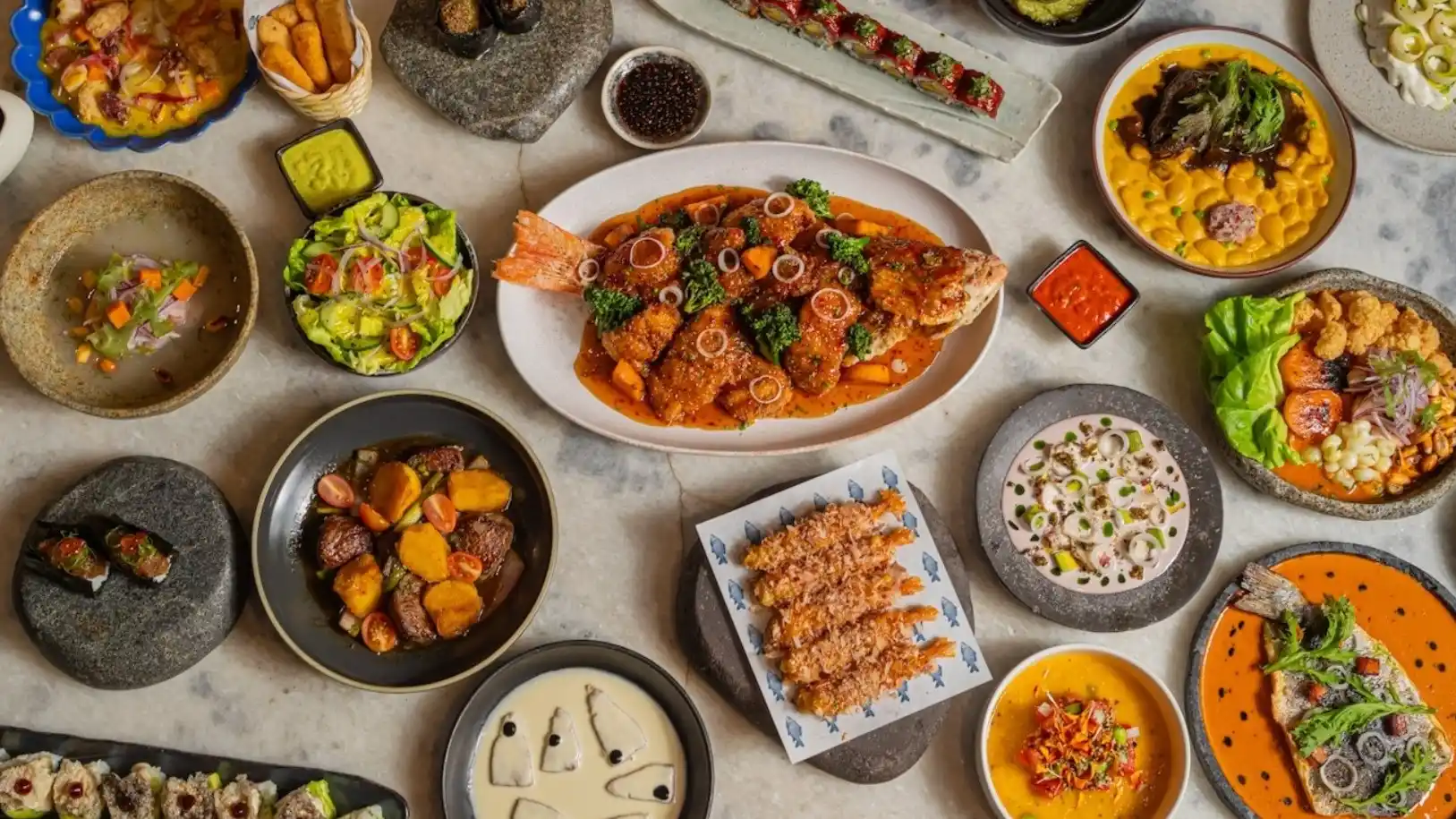
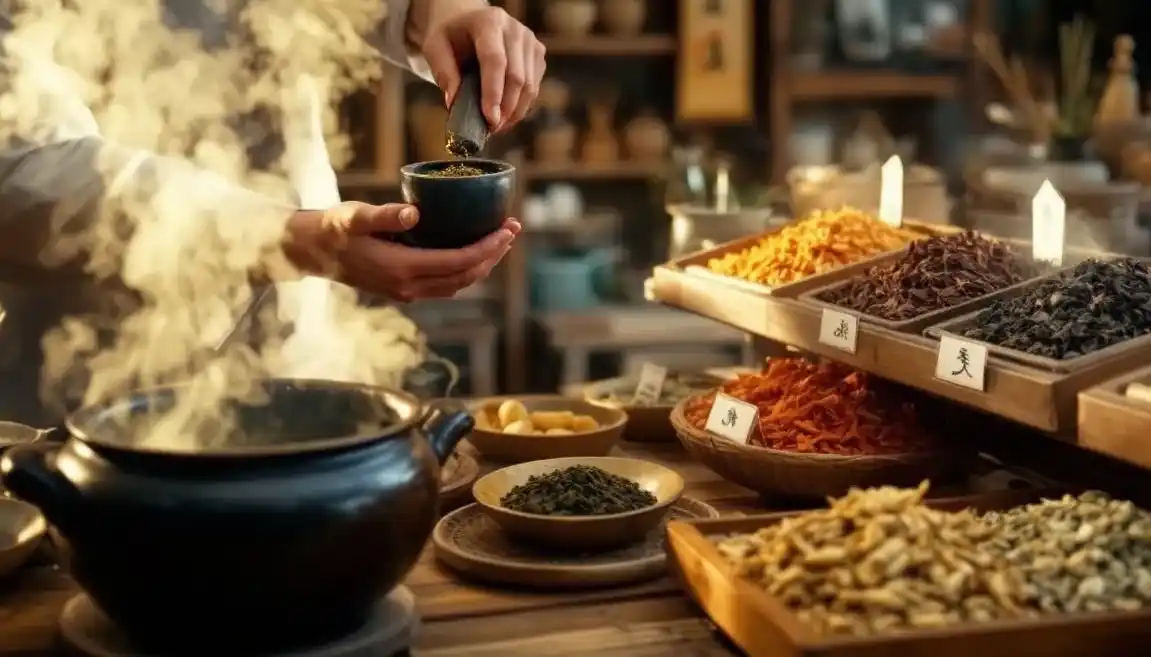
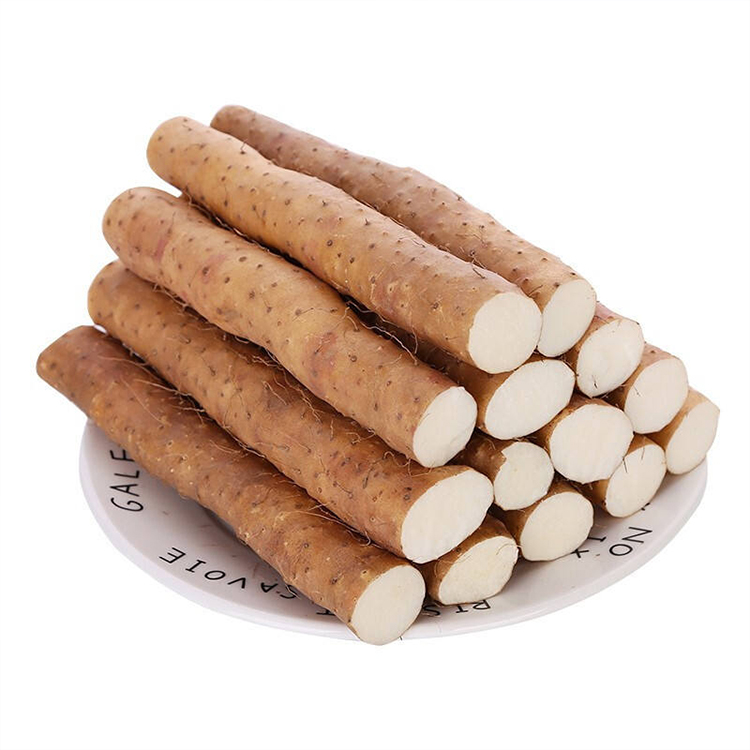
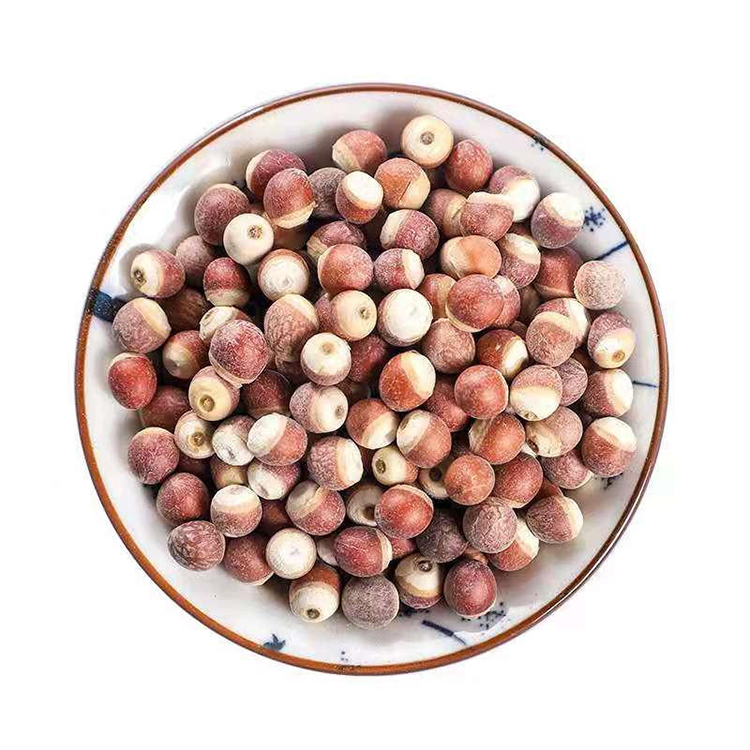
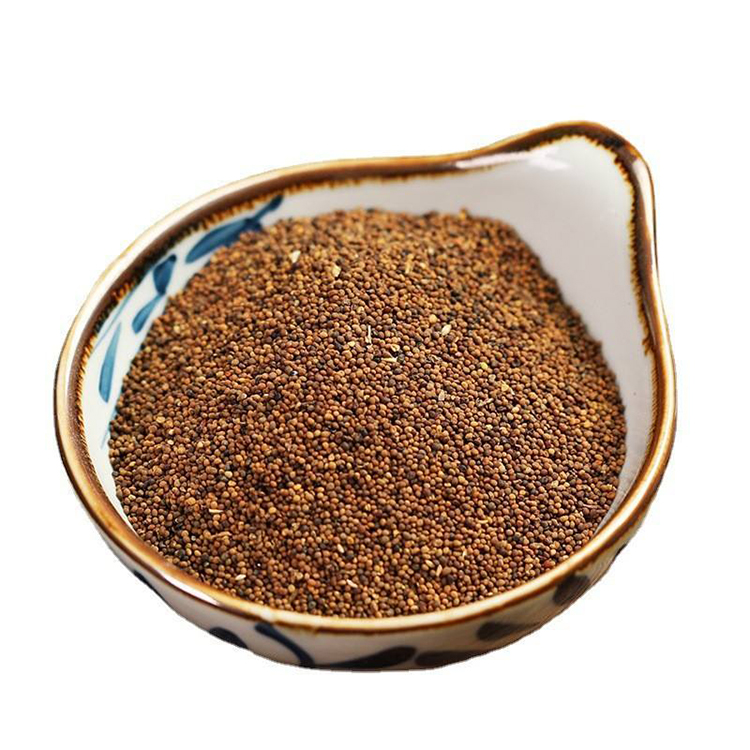
People today don’t only want a quick snack. They want something tasty, easy, and they still hope it does a little bit good for body.
That’s where Chinese herbal spices walk in. They sit right between Traditional Chinese Medicine (TCM) and ready-to-eat (RTE) snacks and convenience foods.
GuoCao, as a global wholesale Chinese medicinal herbs and spices supplier, already lives in this cross point. With GMP lines, ISO 22000 food safety, normal / cool / MAP warehouse and COA from third-party labs, the company is basically built for brands that want to move herbs from pharmacy shelf into everyday food shelf.
Below I’ll go through why this move makes sense, which product scenes work best, and how GuoCao can reduce a lot of headache for you.
Medicine Food Homology and Chinese Herbal Spices in Ready-to-Eat Snacks
The core logic is medicine food homology. In simple words: some herbs are both medicine and food stuff.
known “functions” in TCM language: qi tonifying, blood support, heat-clearing, digestion aid
relatively safe profile when used in normal food dosage
So in RTE snacks they are not just random botanicals sprinkled on top. They support three layers:
Function layer – immune, energy, gut, sleep, beauty, etc.
Story layer – clear narrative like “herbal cooling drink”, “warming biscuit formula”.
Regulation layer – easier discussion with regulators when herb is on official food-medicine lists.
If you’re building a new snack range, it’s smarter to start from these MFH herbs instead of exotic plants nobody recognises.
Market Demand for Chinese Herbal Spices in Ready-to-Eat Snacks and Convenience Foods
On the demand side, the wave is already there, not “maybe”.
Industry surveys show:
The TCM snack market in China has reached hundreds of billions RMB in value.
A big share of post-90s consumers say they replaced classic supplements with ready-to-eat medicinal foods.
“Health snack” tags on social media get hundreds of millions of views, especially from young office workers and young parents.
Global functional foods and beverages keep growing with solid double-digit speed in many reports.
You don’t need exact numbers to see the direction: health + convenience + taste is now basic expectation, not premium surprise.
Table 1 – Demand Signals Around Herbal Ready-to-Eat Products
Signal from market
What it tells an RTE brand
Big TCM snack category value
Volume is enough for industrial batch, not only hand-made
Young buyers swap pills for herbal snacks
Herbs in “normal food form” are easier to accept
Social media heat on “health snacking”
Free traffic pool for product stories
Kids and family wellness focus
Room for mild, MFH-based snack ranges
Global functional food growth
Retailers want long-term “better-for-you” shelf
If you don’t ride into this lane now, other brands will do it and grab your shelf space.
Industrial Use Scenarios for Chinese Herbal Spices in Ready-to-Eat Snacks
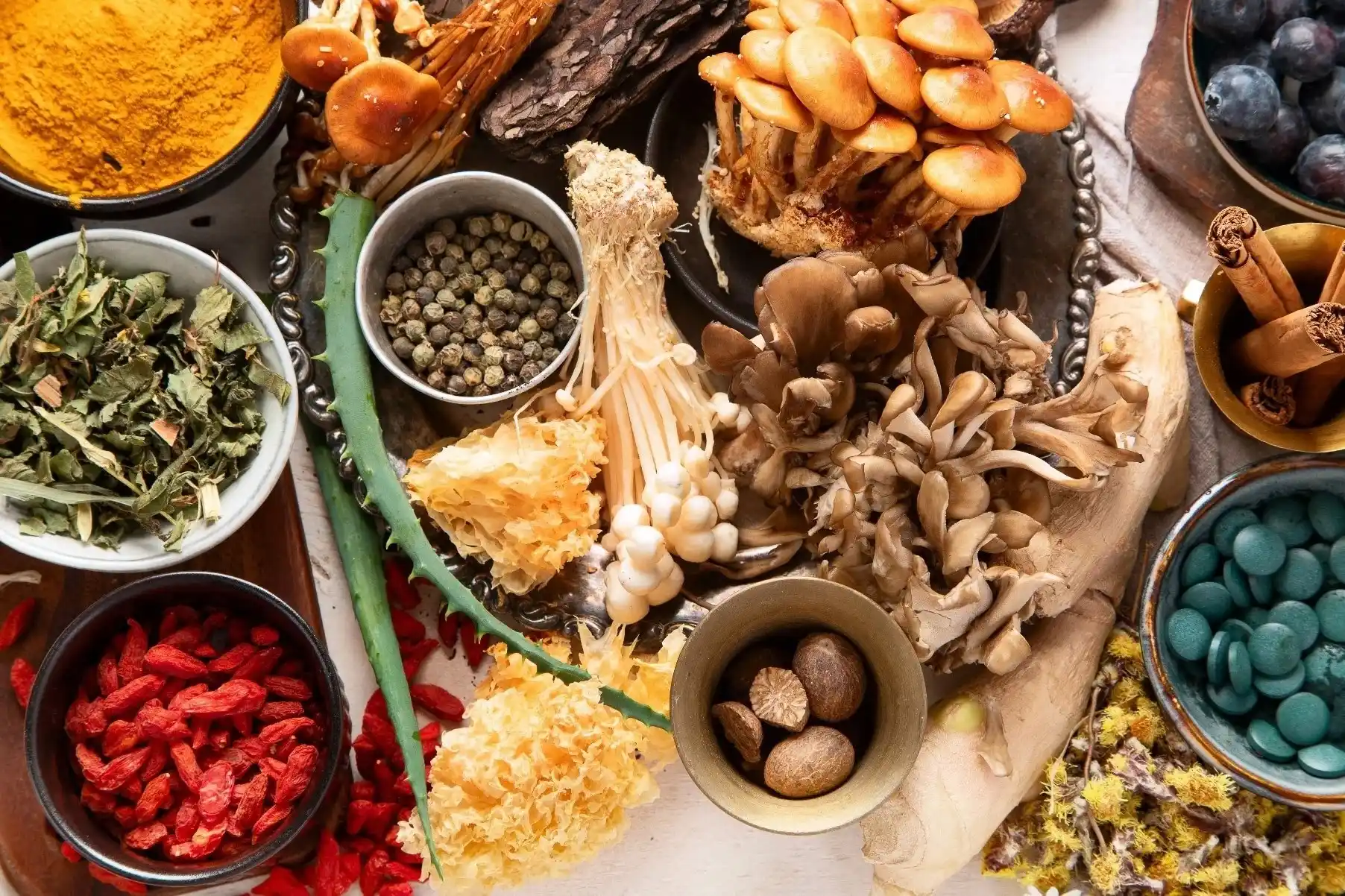
Chinese herbs and spices are not only for decoction pots. On Chinese herbs and spices raw materials you already see a full “ingredient library” ready for RTE and convenience scenes.
Roots and Rhizomes in Immune and Energy Ready-to-Eat Products
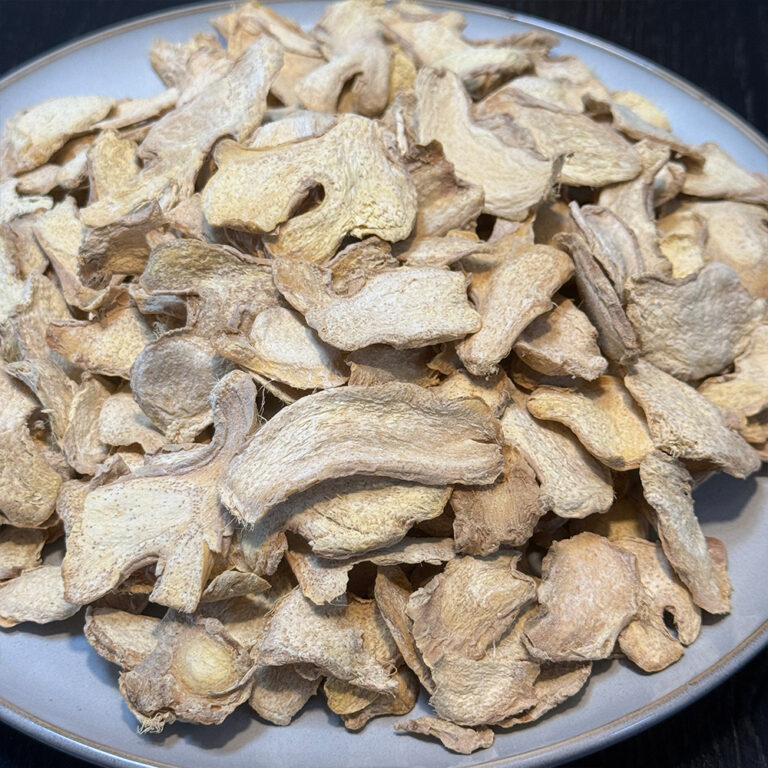
Roots and rhizomes like Astragalus, Codonopsis, Angelica, ginseng, yam and others are natural fit for:
Ready-to-heat herbal soups and broths – sachet or frozen bowl with clear “immune” or “qi and blood” logic.
Energy bars and jelly cups – grains plus small-dose root granules for busy workers.
Instant porridge cups – oats with diced Chinese yam, red dates, a bit of Astragalus slice.
Here the boring but crucial part is spec:
Slice thickness and mesh size – too fine becomes dust and bitter, too coarse gives weak extraction.
Moisture and micro load – if water activity is wrong, your cup product will fail stability test.
Consistent marker level – QA wants the same flavour and active profile across every lot.
GuoCao’s GMP wholesale Chinese medicinal herbs lines work exactly on that: stable cut type, controlled moisture window, and COA batch by batch. For a snack brand, this means R&D doesn’t re-start every shipment.
Fruits and Seeds in Herbal Snack Seasonings and Drinks
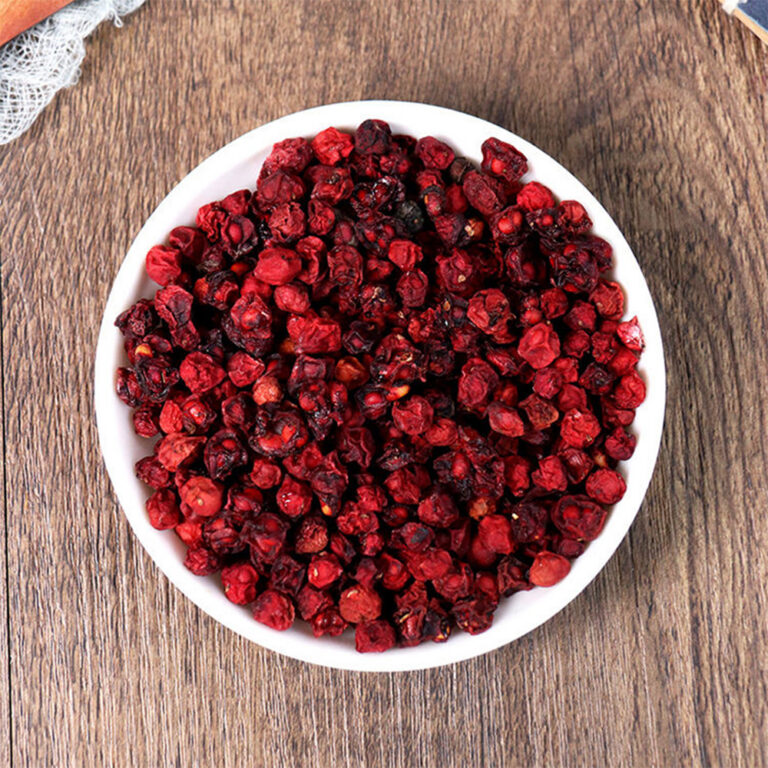
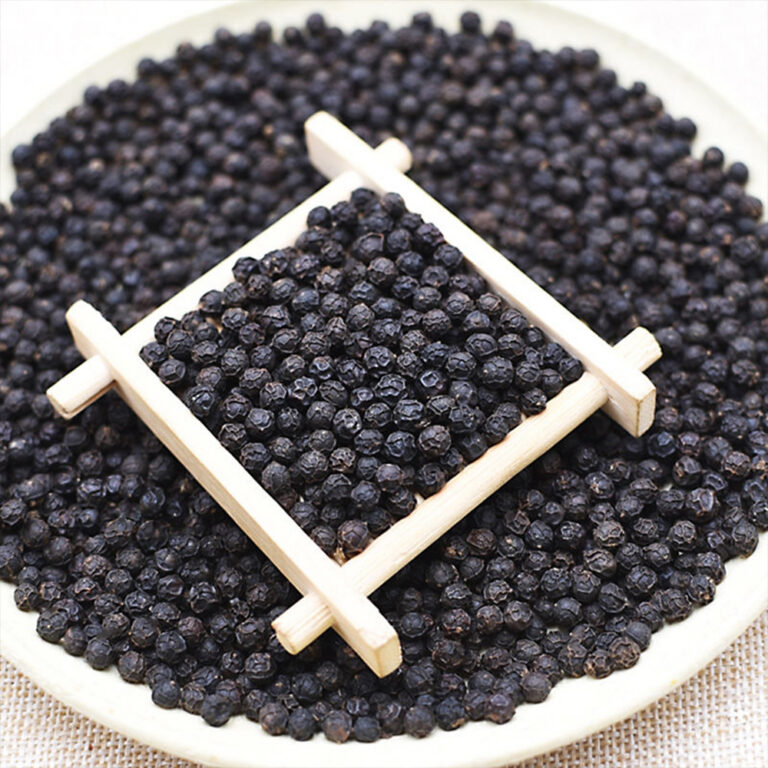
Fruits and seeds herbs — goji, Chinese dates, Schisandra, monk fruit, fennel, star anise and so on — show up naturally in:
Herbal RTD drinks and enzyme beverages
Seasoning blends for nuts, instant noodles, chips
Gummies and chewy candy with “eye care”, “liver care” or “sleep helper” angle
Because these pieces oxidize and go rancid easier, you need:
controlled-atmosphere or cool storage before they hit your production line
low residual sulfur and clean label
uniform size so each snack piece carries similar flavour and function
This is where the combo of cool warehouse and MAP storage inside GuoCao actually makes sense, not just nice phrase.
Flowers, Whole Herbs and Barks in Convenience Food Products
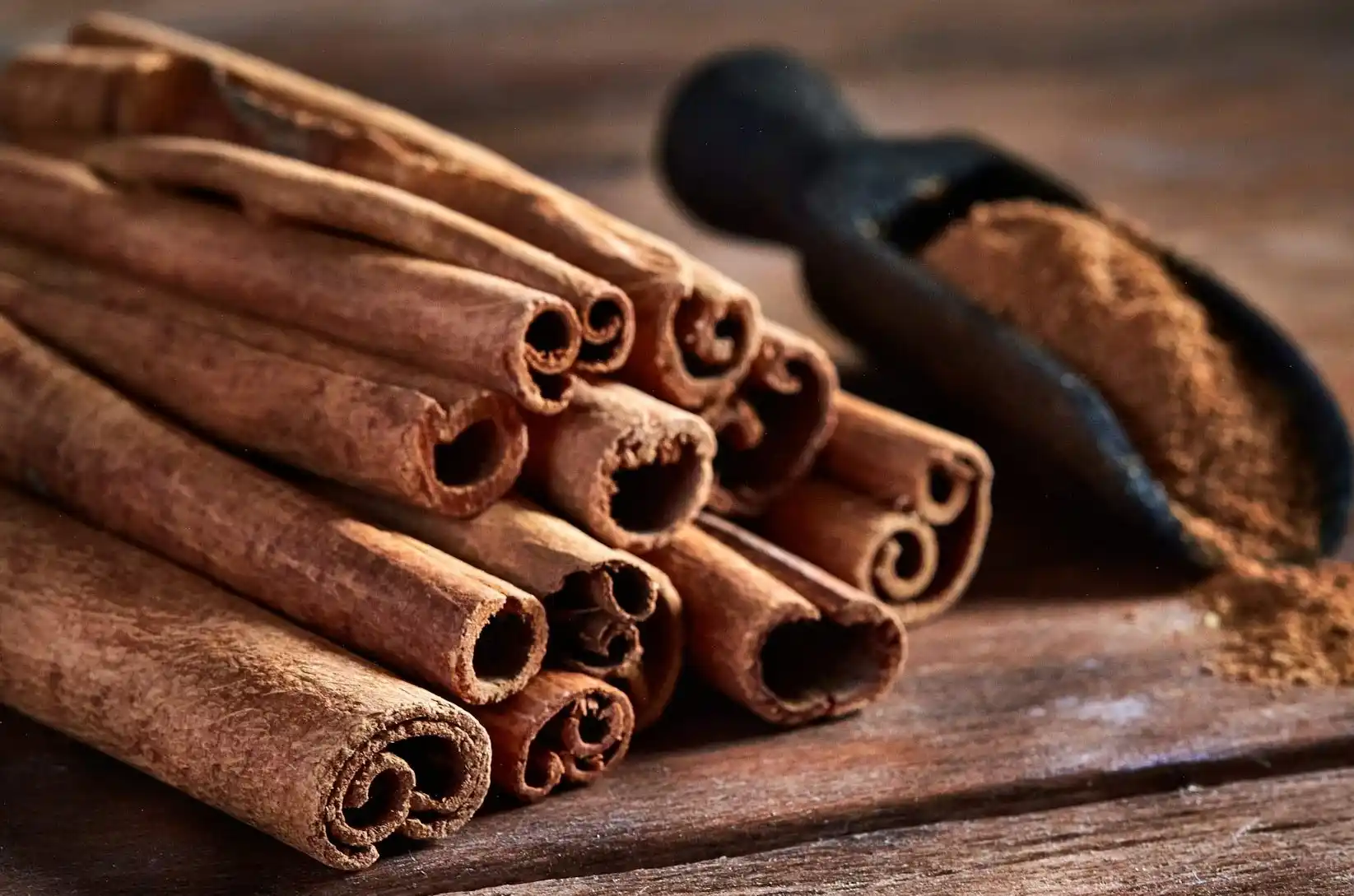
Flower and whole herb items — think chrysanthemum, honeysuckle, mulberry leaf, Epimedium — plus barks such as cinnamon and other cortex, bring:
Visual and aroma layer in bottled teas, cooling drinks, noodle toppings
Function logic for detox, anti-heat, sleep, sexual wellness
Comfort feeling because people know them from daily home use already
In convenience foods, you see them in:
herbal cup noodles
instant hotpot soup bases
bottled “cooling tea” and “beauty drink”
overnight oats and cereal mixes
Because flowers are fragile, quality control here cares alot about colour, water content and storage time. Old yellow petals inside a “fresh” new drink is the shortest road to poor reviews.
Chinese Herbal Tea Bags, Enzyme Drinks and Spice Blends
Not every consumer wants to chew roots. Many prefer “just brew or open and drink”.
That’s why GuoCao offers:
Chinese herbal tea bags – sleep, uric acid, women’s health, detox and other blends packed in filter bags; easy for cafés, hotels, retailers.
affects shelf life and product consistency across shipments
If your herb supplier can’t talk on this level, your QA team will go crazy later.
Regulatory and Supply Chain Considerations for Herbal Ready-to-Eat Foods
Chinese herbal spices sit on the border between drug and food, so regulatory map is not simple.
A few practical angles:
Choose MFH and long-used herbs first. They’re easier to explain to authorities and to consumers.
Separate “food SKU” and “supplement / medicine SKU” clearly. Same herb, different dosage and claim.
Keep documents ready. COA, traceability, process flow, HACCP points. Import officers love this stuff.
GuoCao’s position as Wholesale Chinese Medicinal Herbs and Spices Supplier – GuoCao helps locking that down. The site already speaks to pharma companies, health supplement makers, beverage brands, cosmetic ingredient traders, hospitals and distributors. So documentation and language are used to “hard” audits, not only soft marketing.
On the supply chain side, the company supports:
OEM / ODM for slices, tea bags, enzymes and more
annual capacity around 2,500 tons of herbal pieces and spices
exports to US, EU, Australia, Japan, Korea, Canada, Southeast Asia and other 30+ countries and regions
For RTE brands this means: you don’t need ten different small workshops to cover your herb needs. One partner is easier to manage.
Business Value of GuoCao for Ready-to-Eat Snack and Convenience Food Brands
Let’s be direct: why should a snack or convenience food company care about GuoCao in this whole story?
1. One Herb Library for Multi-Form Products
You can build a single formula idea and roll it into:
instant soup or hotpot base
snack bar or jelly cup
herbal tea bag
enzyme or postbiotic drink
Because the same herb library, and the same spec logic, sits behind all of them. You just choose different cut size, blend ratio and process. The OEM / private label guide on the site goes into these steps in detail.
2. Faster R&D and Fewer Quality Surprises
When herbs come in with stable mesh, moisture, micro load and COA, you spend less time fighting basic issues. Your team can focus on taste, branding and channel.
If you want to scale further — for example launch MFH instant cups first, then herbal beverages to match — GuoCao’s capacity and custom spice solution service keeps your supply side from becoming a bottleneck.
3. Brand Story that Feels Real, Not Fake
Because GuoCao works with hospitals, medical companies, supplement factories and big distributors, the herb stories are not just pretty words. You can show:
real origin
real processing method
real testing
Consumers may not read every detail, but they feel when a story is solid.
Conclusion: Chinese Herbal Spices as a Practical Engine for Ready-to-Eat Innovation
If we put everything together, the argument is simple:
There is strong and growing demand for healthy, convenient, tasty snacks and meals.
Chinese herbal spices with medicine food homology offer ready-made logic for function and culture.
Industrial technologies and proper quality control already exist to make them work in RTE and convenience formats.
The big risk is not “does the idea work”, but “can your supply chain deliver stable, compliant herbs at scale”.
GuoCao, with GMP decoction lines, ISO 22000 food system, multi-type warehouse and global export track record, is basically built to remove that risk and give you a bigger playground for product design.
So if you’re thinking about the next wave of ready-to-eat herbal snacks and convenience foods, it might be time to look at your herb list, align it with the Chinese medicinal herbs and spices categories, and start turning those slices into real products on shelf.
Our low MOQ of 1 kg (2.2 lb) makes it easy to order Chinese herbal slices or wholesale Chinese medicine herbs. Private-label and bilingual labeling are also available.
Delivery Cycle & Support
We have a fast 7-day lead time. We provide free samples, COA reports, and technical support to help you bring high-quality bulk Chinese herbs to market.
Quality & Certifications
Our products are manufactured in a GMP-certified facility and meet ISO22000 standards. All Chinese herbs are third-party tested for heavy metals, pesticides, and microorganisms.