2026 Bulk Chinese Herb Market Trends and Sourcing Opportunities
The 2026 bulk Chinese herb market is not simply growing; it is becoming harsher, more regulated, and less forgiving. Buyers who understand origin control, pesticide limits, heavy-metal testing, species authentication, and export documentation will find real sourcing opportunities. Buyers who still treat bulk TCM herbs as loose commodity goods will pay later.
The buyers still treating bulk Chinese herbs as a simple “send me your best price per kilo” business are walking into a market where freight volatility, stricter testing, customs scrutiny, and origin fraud can destroy a shipment long before it reaches a warehouse shelf. So why are so many procurement teams still buying like it is 2016?
I’ll say the quiet part plainly: 2026 will be a good year for disciplined buyers and a bad year for lazy ones.
The market is not dead. It is not even weak. China Customs data listed “medicinal materials and medicaments of Chinese type” exports at 139,035.2 tons and USD 1.3323 billion for January–December 2024, only slightly down by value from 2023, according to the China Customs December 2024 export table. That is not a collapsed category. That is a category becoming more selective.
And selection is where the money is.
For professional buyers, the real sourcing opportunity in 2026 is not “cheap Chinese herbs wholesale.” It is verified bulk TCM herbs with traceable origin, stable cut size, clean COA reports, honest species identity, and documentation that survives customs review.
What 2026 Demand Really Wants: Traceability, Not Romance
The Western wellness market still loves the story of ancient herbal wisdom. Fine. Stories sell.
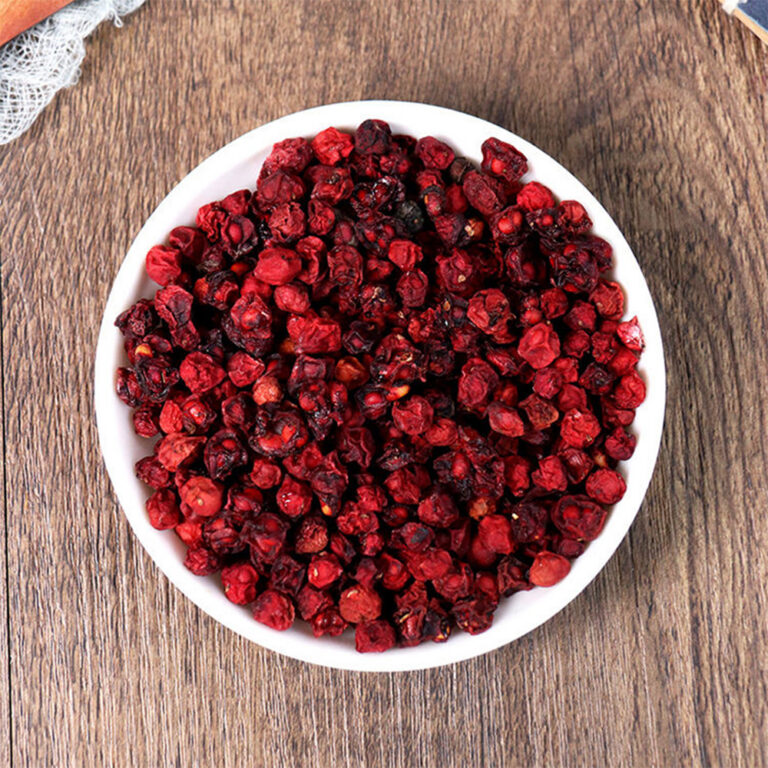
But importers, supplement brands, tea companies, functional food formulators, and clinic supply chains are asking harder questions now. They want to know whether a batch of Astragalus membranaceus root, Glycyrrhiza uralensis, Chrysanthemum morifolium, Schisandra chinensis, or dried ginger can be traced back to origin, processed consistently, tested independently, and shipped with paperwork that matches the label.
That is why buyers looking for wholesale Chinese medicine herbs and spices should stop asking only for unit price and start asking for a procurement file: botanical name, Chinese pinyin, plant part, origin province, sulfur status, moisture percentage, pesticide screen, heavy-metal panel, microbial result, HS code, packing format, and batch number.
The hard truth? A beautiful herb photo tells you almost nothing.
GuoCao’s own site positions its supply around more than 100 dried Chinese medicinal herbs and spices, including roots, rhizomes, fruits, seeds, flowers, whole herbs, bark materials, animal and mineral categories, and dried spices, with a stated MOQ of 1 kg / 2.2 lb and traceability language on its homepage. That matters because low MOQ without documentation is just sampling theater; low MOQ with traceable batch data is a real sourcing funnel.
Table of Contents
The Compliance Trap Nobody Wants to Discuss
Here is where I get less polite.
Many suppliers sell “traditional use” as if it magically protects them from modern regulation. It does not. If a brand makes disease claims, ships mislabeled formulas, ignores identity testing, or cannot prove ingredient specifications, regulators do not care how old the formula is.
In September 2024, the FDA issued a warning letter to Far East Summit LLC after reviewing products including Si Ni San, Du Huo Ji Sheng Tang, Ba Zheng Tang, Xue Fu Zhu Yu Tang, Gan Mao Ling, and others; FDA stated that disease-related claims caused products to be treated as drugs under U.S. law, not ordinary supplements. Read the FDA Far East Summit warning letter before approving any herbal marketing copy.
This is not theory.
Another FDA warning letter, issued to Western Herb Products in 2021, cited serious 21 CFR Part 111 dietary supplement CGMP violations, including failure to establish identity specifications, purity specifications, composition specifications, and contamination limits for components. The lesson from the FDA Western Herb Products warning letter is brutal but useful: if you cannot define what a good batch is, you cannot prove you made one.
So, when a Chinese herbal medicine supplier says, “Our herbs are natural,” I hear almost nothing.
When the supplier says, “Here is the identity test, heavy metal result for Pb/Cd/As/Hg, pesticide screen, microbiology result, moisture level, origin record, and packing specification,” then I start listening.
2026 Bulk Chinese Herb Market Signals Buyers Should Watch
The market is splitting into two lanes. One lane is loose commodity sourcing. The other is controlled raw-material sourcing.
Guess which one survives customs pressure?
1. COA-Backed Buying Becomes the Default
A certificate of analysis is no longer a nice extra. It is the entry ticket.
For bulk Chinese herbs, a serious COA should cover identity, moisture, ash where relevant, heavy metals, pesticide residues, microbiology, and sometimes sulfur dioxide residue. For higher-risk materials, buyers should add DNA barcoding, HPTLC, HPLC, LC-MS, or ICP-MS depending on the herb and intended use.
This is especially important for herbs with known confusion risks: Fang Ji, Mu Tong, Xi Xin, Ban Xia, Bei Mu, Rou Cong Rong, and animal/mineral-derived medicinals.
2. Cut Size Becomes a Quality Signal
Buyers used to obsess over species and origin. Now they also care about cut specification.
Slices, strips, cubes, granules, tea cuts, coarse powder, and extraction-grade raw material are not interchangeable. A bark herb cut too thick may extract poorly. A flower cut too aggressively may lose aroma and visual grade. A root slice with inconsistent thickness can ruin blending accuracy.
That is why pages such as Chinese herbs and spices raw materials matter for buyers comparing supply formats, because category structure helps procurement teams separate roots and rhizomes from barks, fruits, seeds, flowers, and spice-grade materials.
3. China-Origin Supply Still Dominates, But Buyers Want Alternatives Inside China
Buyers are not abandoning China. They are becoming pickier inside China.
Gansu, Henan, Sichuan, Yunnan, Guangxi, Inner Mongolia, Ningxia, Anhui, and Hebei are not interchangeable sourcing zones. Soil, drying method, harvest timing, sulfur use, storage humidity, and processing tradition change the commercial quality of the final herb.
For example, roots and rhizomes require different procurement controls than flowers or seeds. Barks need attention to thickness and moisture. Aromatic spices need volatile-oil preservation. Mineral and animal categories need far stronger compliance review.
This is where a supplier’s factory, plantation, warehouse, and testing discipline become more important than its trade-show booth.
The Dirty Table: Cheap Supplier vs. Serious Supplier
Buyer Checkpoint
Low-Grade Commodity Supplier
Serious Bulk Chinese Herbs Supplier
Botanical identity
Common name only, often vague
Latin binomial, Chinese name, plant part, origin record
COA
Generic or reused document
Batch-specific COA with heavy metals, pesticide, micro testing
Heavy metals
“No problem” by verbal claim
Pb, Cd, As, Hg tested by ICP-MS or comparable method
Pesticides
Rarely discussed
Multi-residue screen available when required
Cut size
Mixed, inconsistent, buyer adapts
Defined slices, strips, chunks, granules, tea cuts, or powder
Documentation
Invoice and packing list only
Invoice, packing list, COA, origin details, labels, HS code support
MOQ
Sometimes high, sometimes suspiciously flexible
Clear MOQ; GuoCao states 1 kg / 2.2 lb on key pages
A cheap supplier can be useful for non-sensitive, non-regulated, non-branded commodity trials. But if the buyer is building a consumer product, private-label tea, capsule formula, extract input, or clinic-grade TCM supply, cheap sourcing becomes expensive fast.
Heavy Metals, DNA, and the Testing Era
I do not trust mystery powder.
A Scientific Reports study tested 26 legally purchased traditional Chinese medicine products and found that only 2 out of 26 were classified as compliant using combined DNA, toxicological, and heavy-metal analysis; 20 of 25 tested samples contained at least one of arsenic, cadmium, or lead. The full study, Combined DNA, toxicological and heavy metal analyses, is old enough to be familiar and still uncomfortable enough to be relevant.
That does not mean all TCM products are unsafe. It means the professional buyer cannot operate on faith.
For 2026, I would separate sourcing opportunities into three commercial tiers:
Tier 1: Food and Tea-Grade Bulk Herbs
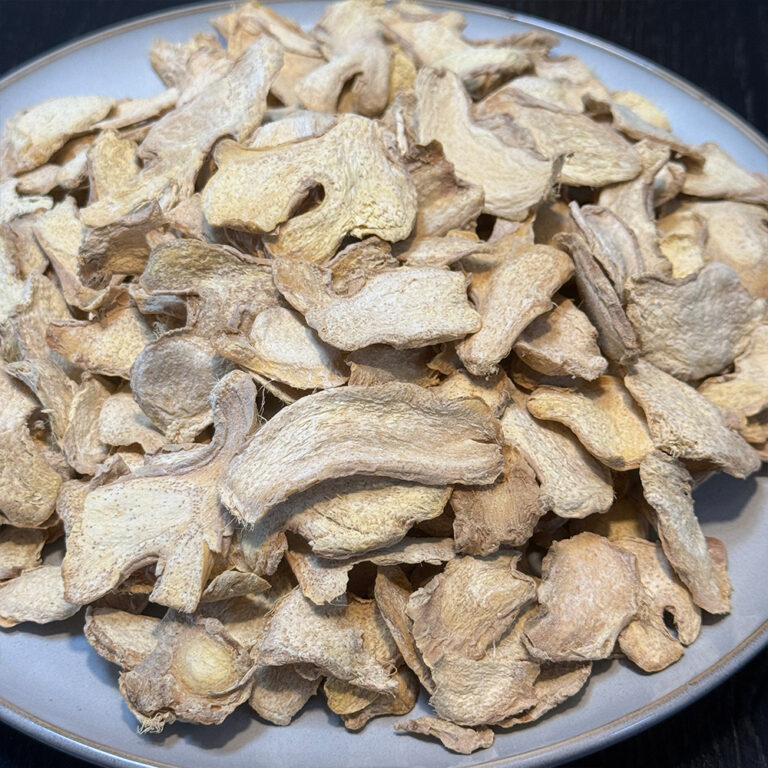
This includes chrysanthemum, goji berry, licorice root, ginger, jujube, lotus leaf, honeysuckle, rosebud, dried citrus peel, and other commonly used food-herb crossover materials.
This includes herbal tea bags, private-label blends, enzyme drinks, granules, powders, and custom packaging.
Opportunity: higher margin, sticky accounts, lower direct price comparison.
Risk: formula ownership, claims review, bilingual label accuracy, shelf-life validation, and batch-to-batch taste control.
For buyers moving into private label, custom Chinese herbal and spice solutions should be evaluated not by packaging mockups but by formulation control, production line separation, label review, and whether the factory can support COA-backed documentation.
The Real Sourcing Opportunities in 2026
The best opportunities are not always in rare herbs. Rare herbs are glamorous. They also attract fraud, substitution, CITES concerns, and regulatory headaches.
I prefer boring products with repeat demand.
Opportunity 1: Verified Herbal Slices for Professional Buyers
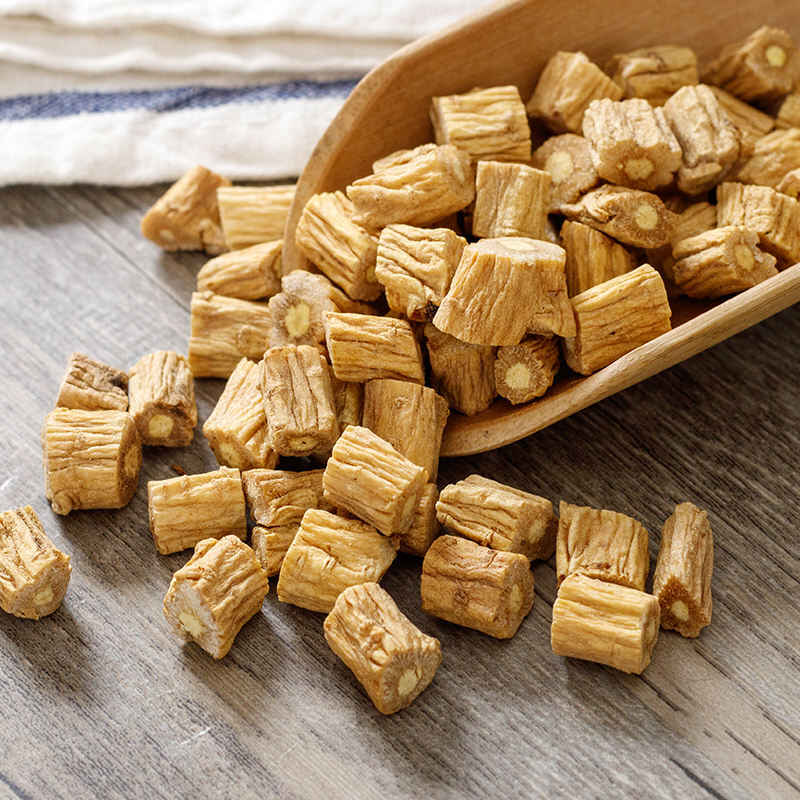
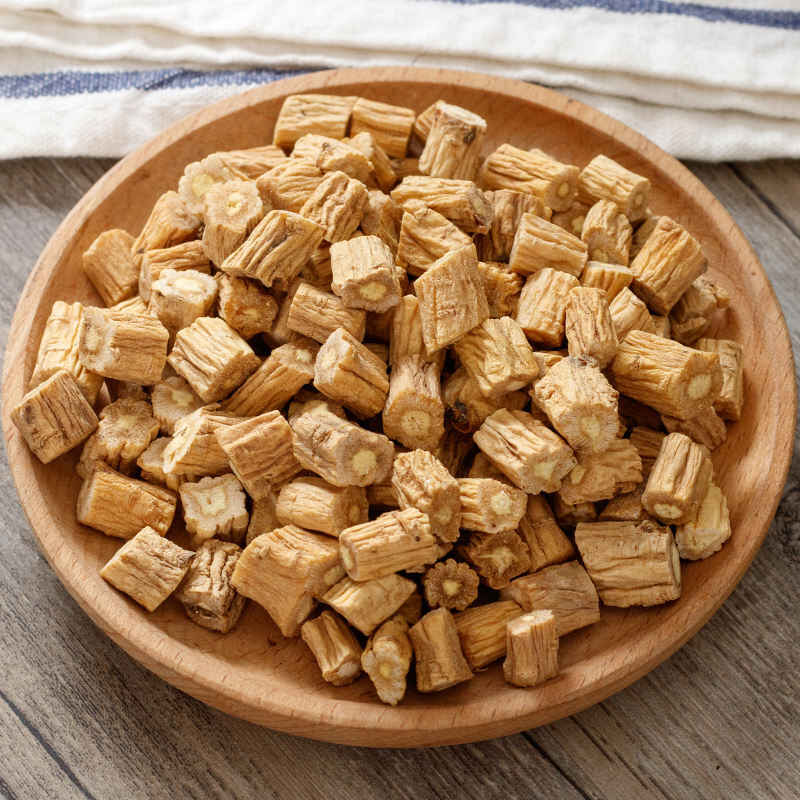
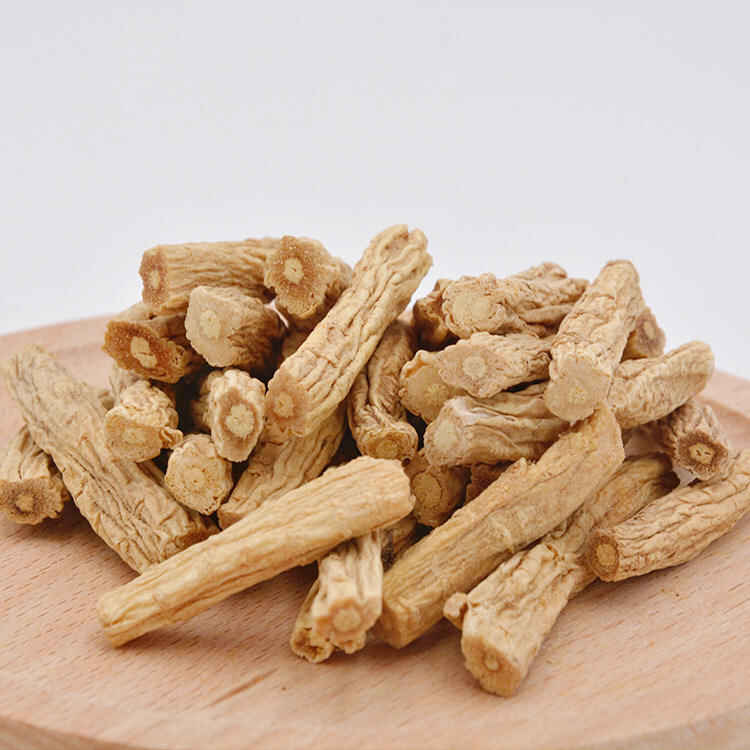
Chinese herbal slices remain one of the most practical bulk categories because buyers can inspect appearance, aroma, cut thickness, moisture, and foreign matter more easily than with powder.
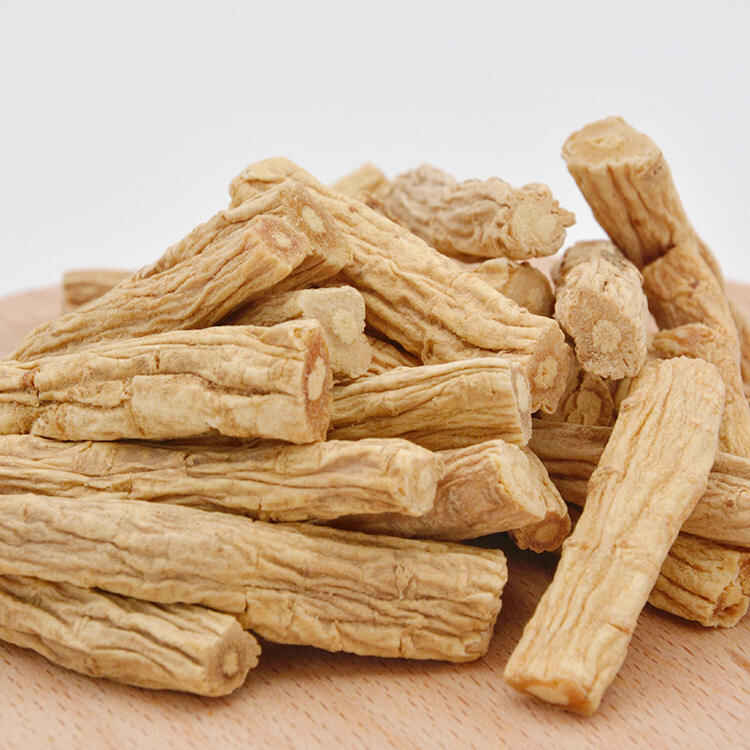
A sliced Astragalus root gives you more evidence than a tan powder in a foil bag.
This is why professional buyers should ask for pre-shipment photos, retained samples, third-party lab data, and packaging specs before scaling from 1 kg testing to 25 kg, 100 kg, or pallet-level procurement.
Opportunity 2: Functional Tea Cuts
Herbal tea cuts are where consumer demand and procurement practicality meet.
Flowers, fruits, seeds, citrus peel, ginger, licorice, jujube, and goji can move into wellness tea, foodservice, retail pouch, and private-label channels more easily than heavily medicalized formulas. The trick is to avoid disease claims and focus on taste, sourcing, quality, aroma, and traditional use where allowed.
GuoCao’s page on sourcing herbal tea bags and enzyme drinks from one factory mentions dedicated production lines, normal-temperature and cool storage, ISO 22000 systems, internal QA, and third-party COA testing for heavy metals, pesticide residue, and microbiology. That is the kind of operational detail buyers should demand from any supplier, not just read as marketing.
Opportunity 3: Origin-Specific Roots and Rhizomes
Roots and rhizomes are the muscle of bulk TCM herbs.
Think Astragalus, Codonopsis, Angelica sinensis, Rehmannia, Atractylodes, ginger, turmeric, and licorice. These materials reward buyers who understand origin, harvest age, drying method, slice thickness, and active-marker expectations.
But they punish lazy buying.
If the supplier cannot separate extraction grade from decoction grade from visual retail grade, the buyer is the one who absorbs the complaint later.
Opportunity 4: Compliance-Led Private Label
This is where smaller brands can win.
A buyer who starts with a clean formula, avoids illegal claims, chooses food-grade herbs where possible, reviews label language, and requests batch-specific COA documentation can move faster than large brands trapped in slow committees.
The site’s global herbal project cases can support this internal-link path naturally because buyers researching proof of supply want to see use cases, not just product claims. The page describes global project work and COA documentation support, which fits a sourcing article better than a generic “about us” link.
My 2026 Buyer Checklist for Bulk TCM Herbs
Do not ask “What is your price?” first.
Ask this:
What is the exact Latin name, Chinese name, plant part, and origin?
Is this wild-harvested, cultivated, plantation-controlled, or market-collected?
What is the cut size: slice, strip, chunk, granule, tea cut, powder, or whole?
What is the moisture range?
Is sulfur used? If no, can the supplier prove it with testing?
Can they provide batch-specific COA results for Pb, Cd, As, Hg?
Can they provide pesticide residue testing for the destination market?
What microbiology limits apply?
What packaging prevents moisture and insect damage?
What documents ship with the order?
Does the invoice description match the customs declaration?
Does the label language avoid disease claims?
Can the supplier retain a reference sample from the same batch?
What happens if customs requests clarification?
Can the supplier support repeat batches with the same specification?
This is procurement discipline. Not paperwork theater.
A supplier with nearly 15 years of experience, stated GMP-certified lines, ISO 22000 food safety systems, third-party heavy-metal, pesticide, and microbiology testing, and annual capacity language up to 2,500 tons deserves a closer review than a broker with a cheap spreadsheet and no batch records. GuoCao states those factory and testing points on its GMP-certified Chinese herbal supplier profile.
Price Forecast: Where Buyers Will Feel Pressure
Nobody serious should promise a universal 2026 price forecast for all bulk Chinese herbs. The category is too wide.
But I would watch five pressure points:
Labor and Processing Costs
Hand sorting, slicing, drying, sulfur-free processing, and visual grading are labor-sensitive. When buyers demand cleaner products, somebody pays for the extra work.
Testing Costs
A full COA is not free. Heavy metals, pesticide residues, microbiology, sulfur dioxide, aflatoxins, DNA, and active-marker testing all add cost. Serious buyers should prefer paying for proof over paying for a rejected shipment.
Climate and Harvest Instability
Roots and rhizomes are vulnerable to planting decisions made years earlier. Drought, flooding, disease, and overharvesting can affect both quantity and marker quality.
Regulatory Review
The FDA’s dietary supplement compliance program covers foreign and domestic inspections, sample collection and analysis, manufacturer inspections, distributor inspections, warehouse inspections, packaging and labeling inspections, and health-fraud activities, according to FDA Compliance Program 7321.008. That tells me regulators are not ignoring this category.
Freight and Customs Documentation
The cheapest herb can become the most expensive herb if the documents contradict the label, the HS code is careless, or the product description sounds medicinal when the buyer intended food use.
How to Source Chinese Herbs in Bulk Without Getting Burned
Start small, but test seriously.
A 1 kg sample is useful only if it comes from a documented batch or a production-equivalent sample. Too many suppliers send a beautiful hand-selected sample, then ship bulk material that looks like it came from a different universe.
I would use this sourcing sequence:
Step 1: Build a Narrow Product List
Pick 5–10 target herbs, not 50. Group them by plant part: roots and rhizomes, flowers, fruits and seeds, barks, spices, or tea cuts.
Step 2: Request Technical Specifications
Ask for cut size, moisture, packing, origin, plant part, testing options, and MOQ. If the supplier answers only with price, move on.
Step 3: Order Samples With Batch Records
Sample the same format you intend to buy: slices, whole herbs, tea cuts, coarse powder, or custom blend.
Step 4: Compare Appearance and Lab Data
Look at smell, color, foreign matter, breakage, moisture feel, and consistency. Then compare against COA results.
Step 5: Run a Pilot Order
Move from 1 kg to 25 kg or 100 kg before container-level procurement. The goal is not just product approval; it is supplier behavior testing.
Step 6: Lock Specification, Not Just Price
Your purchase order should define herb name, botanical name, plant part, origin if required, cut size, grade, moisture, packaging, testing, and documentation.
FAQs
What are bulk Chinese herbs?
Bulk Chinese herbs are wholesale quantities of traditional Chinese medicinal materials, herbal slices, roots, rhizomes, flowers, seeds, fruits, barks, spices, minerals, or prepared botanical ingredients purchased for manufacturing, clinics, distributors, tea brands, supplement companies, food applications, or OEM/ODM product development. They require identity control, testing, documentation, and supplier verification.
In practical sourcing, “bulk” can mean 1 kg samples, 25 kg cartons, 100 kg pilot orders, or pallet-level purchasing. The buyer should define botanical name, plant part, processing format, cut size, moisture range, packing, and COA requirements before discussing price.
What are the biggest 2026 trends in Chinese herbs wholesale?
The biggest 2026 trends in Chinese herbs wholesale are traceable origin sourcing, batch-specific COA testing, stricter heavy-metal and pesticide review, growth in herbal tea and food-herb crossover products, higher demand for OEM/private-label formats, and stronger customs documentation expectations in importing markets.
Buyers should expect more questions around Pb, Cd, As, Hg, sulfur dioxide, pesticide residues, microbial limits, HS codes, label claims, and whether the supplier can provide repeatable cut-size specifications across multiple batches.
How do I choose the best bulk Chinese herbs supplier?
The best bulk Chinese herbs supplier is a documented, testing-driven manufacturer or exporter that can prove botanical identity, origin, plant part, batch traceability, COA results, packaging controls, export paperwork, and repeatable specifications instead of relying on low prices, vague certificates, or attractive product photos.
I would favor suppliers with GMP-style production discipline, ISO 22000 or comparable food safety systems, third-party testing access, clear MOQ policy, sample support, and experience with the buyer’s target market. A cheap supplier without identity specs is not cheap; it is deferred risk.
Where can I buy bulk Chinese herbs wholesale?
You can buy bulk Chinese herbs wholesale from specialized Chinese herbal slices manufacturers, TCM raw-material exporters, GMP herbal factories, spice and botanical suppliers, clinic distributors, or OEM/ODM herbal product manufacturers that support COA testing, export documentation, and custom packaging.
For B2B buyers, the smarter route is to start with a supplier that can provide samples, batch records, testing options, and clear communication. A sourcing inquiry through request COA-backed bulk herb samples is more useful than browsing random marketplace listings with unclear species names.
Are bulk TCM herbs safe for import and resale?
Bulk TCM herbs can be safe for import and resale when they are correctly identified, legally permitted, properly processed, tested for contaminants, labeled without illegal disease claims, documented for customs, and matched to the importing country’s food, supplement, medicine, or botanical product rules.
The danger is not the word “traditional.” The danger is weak supplier control. Heavy metals, pesticide residues, undeclared species, restricted animal materials, microbial contamination, and illegal claims can all turn a normal purchase order into a regulatory problem.
Your Next Steps
If you are sourcing bulk Chinese herbs for 2026, stop shopping like a tourist and start buying like an auditor.
Build a short herb list. Define the format. Request samples. Demand batch-specific COA data. Verify species, origin, plant part, cut size, moisture, packing, and customs documents before you scale.
For buyers who need traceable herbal slices, tea cuts, spices, OEM/ODM support, or documented wholesale supply, start with a focused inquiry through GuoCao’s wholesale Chinese herbal supplier team and ask for the boring documents first.
That is where the real sourcing opportunity begins.
Our low MOQ of 1 kg (2.2 lb) makes it easy to order Chinese herbal slices or wholesale Chinese medicine herbs. Private-label and bilingual labeling are also available.
Delivery Cycle & Support
We have a fast 7-day lead time. We provide free samples, COA reports, and technical support to help you bring high-quality bulk Chinese herbs to market.
Quality & Certifications
Our products are manufactured in a GMP-certified facility and meet ISO22000 standards. All Chinese herbs are third-party tested for heavy metals, pesticides, and microorganisms.