Spice foreign matter prevention: magnets, sieves, metal detection—what works where
Clean-looking spice is not clean spice. I break down the hard truth behind magnetic separation for spices, safety sieving for spice powder, and metal detection for spices, using FDA data, recent contamination cases, and practical line-placement logic buyers can actually use.
I have sat through enough supplier calls to know that “clean spice” is often just a warehouse adjective, and the second you ask for mesh size, reject logs, magnet checks, detector validation, or lot-level evidence, the polished sales talk starts wheezing. What are you actually buying?
Here is the hard truth: foreign matter control in spices is not one machine, not one CCP, and definitely not one heroic final inspection step. It is a stack. Magnets remove magnetic metal early and often. Sieves control size, clumps, stems, and some oversize junk. Metal detection catches the metal your magnet missed, especially non-ferrous and stainless contamination, though stainless is still the awkward one. And if you are trying to make one of these tools do all three jobs, you are already late.
And yes, the risk is real. According to FDA’s spice safety Q&A, spice shipments offered for U.S. entry showed Salmonella prevalence of about 6.6% in FY2007–FY2009, and roughly 12% were adulterated with filth such as insects and animal hair. FDA’s broader spice risk work also notes foreign substances ranging from twigs and sticks to staples, stones, and fibers. That is not boutique risk. That is normal trade risk.
Table of Contents
Clean-looking spice is the oldest trick in the book
Three words first. Top-layer fraud.
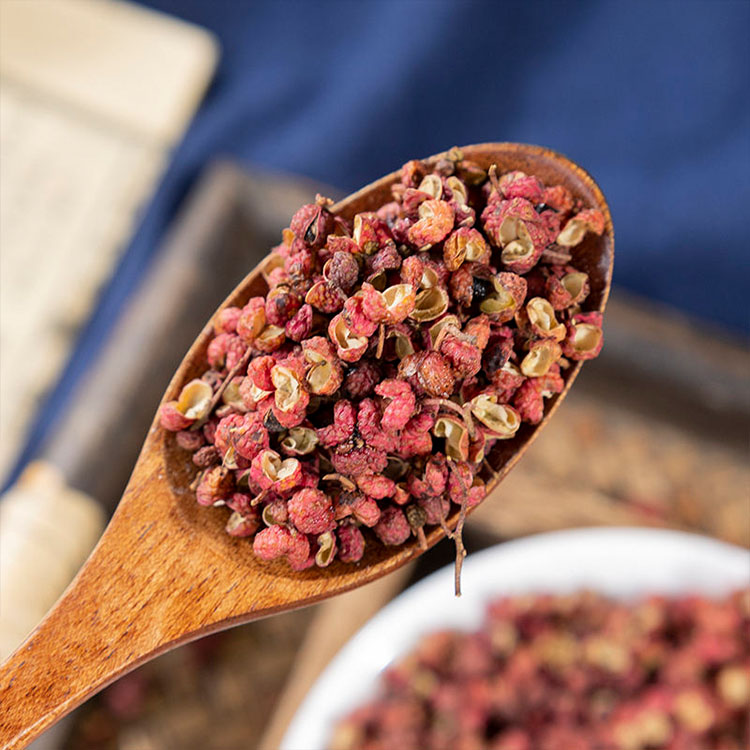
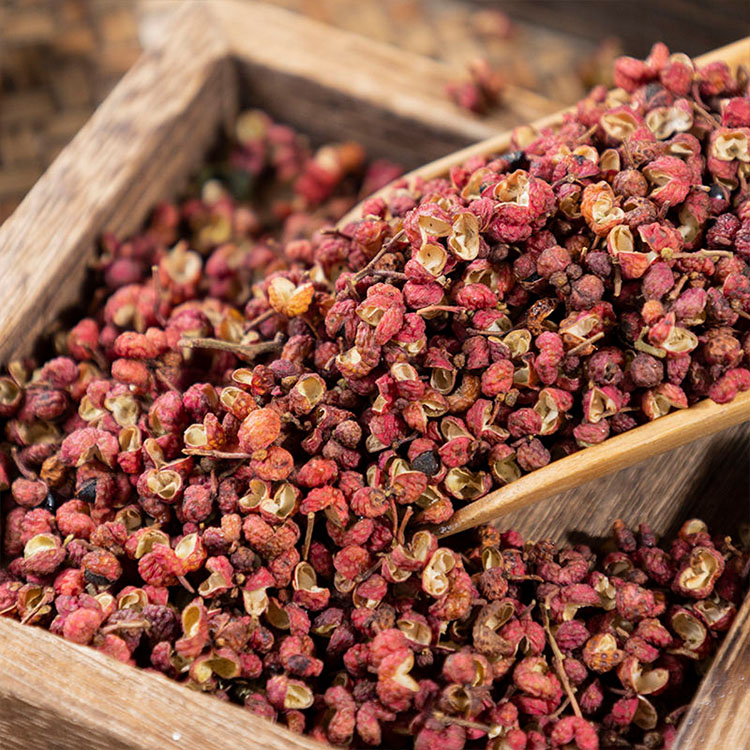
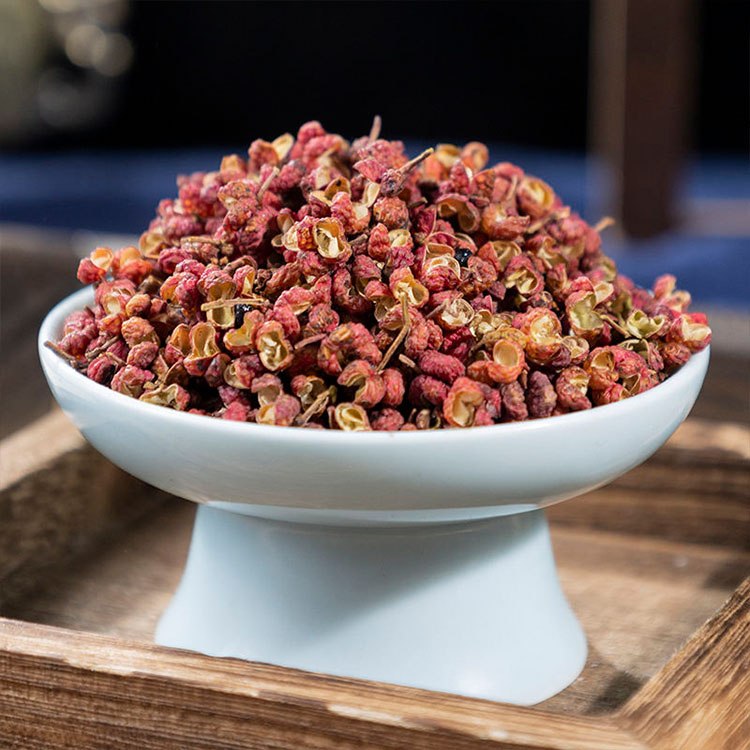
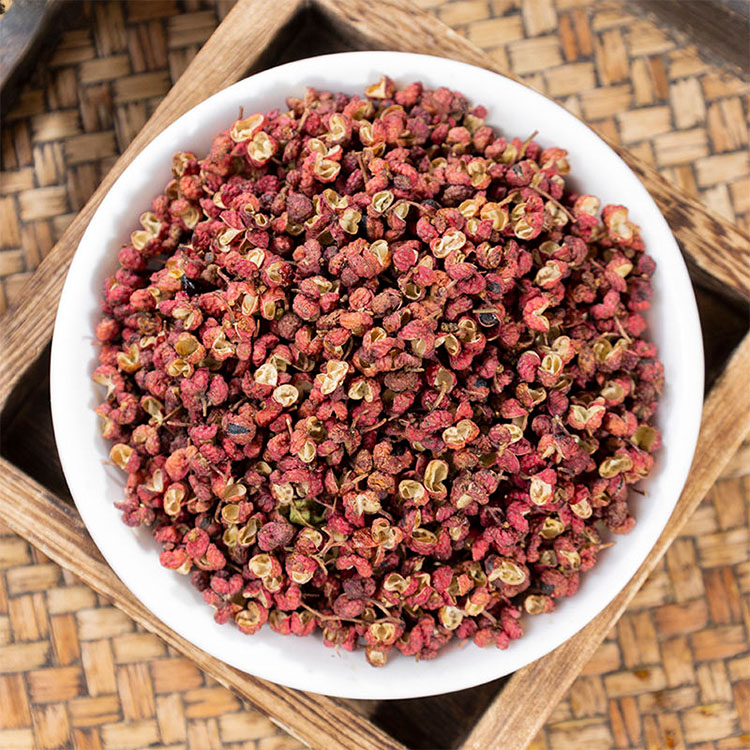
A carton of pepper, cassia, cumin, or star anise can photograph beautifully while still carrying fines, stalk load, stones, fibers, metal wear, or plain old handling filth farther down the lot, which is why I trust sampling plans and line controls more than I trust hero photos and “premium hand-selected” copy. Why would I trust appearance when FDA still publishes defect-action levels for spice categories that include insect fragments, rodent hair, excreta, and other extraneous matter?
And let’s stop pretending the legal floor is the commercial target. In the FDA Food Defect Levels Handbook, ground cinnamon is listed at an action level of 400 or more insect fragments per 50 grams, and ground allspice at 30 or more insect fragments per 10 grams, with rodent-hair thresholds also spelled out for some categories. I would never build a buying spec to that floor. Neither should you.
What each tool actually does when the sales brochure is gone
Magnets: cheap, fast, and badly misunderstood
Magnets are front-line traps for ferrous and magnetically susceptible metal, and they earn their keep at raw-material dump points, hopper inlets, pneumatic lines, and upstream of grinders or mixers where tramp metal can still be removed before it gets broken into uglier pieces. In spice handling, Bunting describes grate magnets at bag-emptying hoppers and inline magnetic separators ahead of mixers for exactly this reason.
But magnets are not detectives. They do not care about stones, twigs, fibers, plastic, wood, or glass. And they do not magically solve every stainless problem. If your team is using a magnet as proof of “foreign body detection in seasonings,” you are underspending on the wrong step.
Sieves: a size-control tool that sometimes saves your neck
A sieve is best at removing oversize contamination, agglomerates, stems, thread, some hard fragments, and out-of-spec particle distribution. It is also the quiet hero of line stability, because safety sieving for spice powder reduces seal contamination, fill-weight drift, dusting, and ugly fines that turn packaging into a claims factory. Gericke’s current screening guidance describes safety sifting as removal of foreign parts and tramp material before production or filling, with mesh options ranging from 50 to 4,000 μm.
But here is my unpopular opinion: a sieve is not a moral substitute for a metal detector. FDA’s hard-or-sharp-object guidance says additional sifting may or may not remove foreign objects depending on object dimensions and mesh aperture. In plain English, the mesh matters, the object matters, and wishful thinking is not a control measure.
Metal detection: the backstop, not the first excuse
Metal detection for spices is what you use when you want verified detection and rejection of ferrous, non-ferrous, and stainless contamination at a defined control point. FDA’s metal-inclusion guidance says electronic metal detectors can detect metal fragments in finished food, but stainless steel is more difficult to detect and calibration, product properties, and fragment orientation all affect performance. Sesotec and Bunting make the same operational point from the equipment side: use metal detection at raw material, during production, and again on finished product when consumer protection is the goal.
So no, the best metal detector for spice processing is not “the most sensitive one.” It is the one validated on your product effect, your aperture, your moisture, your density, your packaging format, and your reject system. Anything less is theater.
Magnets vs sieves vs metal detectors for spices
I’ll make this painfully simple.
Tool
What it really catches
Best place on the line
What it misses or botches
Magnet
Ferrous and magnetically susceptible metal fines or tramp metal
Bag dump, hopper, pneumatic transfer, pre-grinder, pre-mixer
Stones, plastic, fibers, wood, most non-magnetic contamination
Sieve
Oversize contamination, stems, thread, clumps, some hard fragments, particle-size drift
Raw material conditioning, pre-blend, pre-fill, powder finishing
Ferrous, non-ferrous, stainless metal contamination with validated sensitivity
CCP during process and final inspection before release
Stones, glass, plastic, wood; stainless sensitivity can disappoint if setup is lazy
That table is the operating answer. And I would place it beside the site’s how to source Chinese herbal products guide because that page gets one thing right: contamination risk is either trapped in process or spread downstream, and GMP plus ISO 22000 only matter when they turn into actual controls, records, and corrective action.
What works where on a real spice line
Whole spices
Whole spices are where sieves and visual grading still matter a lot, because stems, sticks, stones, and broken pieces often arrive as physical, size-visible problems before they become powder-level arguments. I would use a receiving sieve, a destoning or density step if the material profile justifies it, and magnets before any cutting or grinding. Why wait until metal is shaved smaller by your own equipment?
That logic lines up neatly with the site’s star anise foreign matter prevention spec, which treats stalk load, breakage, and foreign matter as spec issues that need limits, methods, and sampling, not romance.
Cracked and ground spices
Powder changes the game. Once the material is fine, hidden contamination becomes easier to spread and harder to spot, and that is where I stop tolerating vague language like “machine-cleaned.” For powders, I want safety sieving for spice powder before blending or filling, magnets upstream of high-wear equipment, and validated metal detection at a true CCP and again before release if the process risk says so. FDA’s metal-inclusion guidance even notes that screens, magnets, and similar measures are more likely to work in liquids, powders, and similar products when fragments are not embedded.
And if your business also packs sachets or tea-bag formats, the site’s tea-bag OEM timeline guide says the quiet part out loud: cut size, moisture, and foreign matter limits should be locked in writing, with inspection methods including sieve, magnet, and metal detection where applicable. That is grown-up documentation.
Blends and seasonings
Blends are where people get sloppy because each ingredient looked fine on its own, so everyone assumes the mix is fine too. Bad assumption. The mixer is a contamination point. Wear happens. Bolts loosen. Screens fatigue. I like a magnet before the mixer, another magnetic or metal check after transfer when the line design allows it, and a final detector before pack-out. Bunting’s spice-process example places magnetic separation and metal detection both before and after mixing for exactly that reason.
And no, I would not sign off on “final detector only” unless the plant enjoys gambling.
The cases procurement teams hate because they ruin the cheap-lot story
Here it is. The bill always arrives.
The cleanest recent reminder is not even a metal story. In FDA’s ongoing cinnamon applesauce investigation, cinnamon samples supplied into the chain tested at 5,110 ppm and 2,270 ppm lead. That is chemical contamination, not foreign metal, but it proves the broader point I keep making: if your spice control program is narrow, your recall risk is broad.
Then came the international reputational mess around MDH and Everest. Reuters reported that Hong Kong suspended sales of three MDH spice blends and an Everest fish-curry mix, while Singapore recalled the Everest product over ethylene oxide concerns; Reuters later reported India widened checks across manufacturers. Again, not a bolt in a bag, but the same ugly business lesson: when spice controls fail, regulators do not care which department thought the risk was “manageable.”
And the physical-hazard side is not softer. In FDA’s hard-object policy, a hard or sharp foreign object measuring 7 mm to 25 mm can trigger action depending on use and processing, and the agency says additional sifting may or may not remove the object depending on mesh aperture. That is a legal warning against fake confidence. I wish more buyers read it before arguing over a $0.18/kg price gap.
The setup I would actually approve
Short answer? Layered control.
I would approve a foreign material control program for spices only when it starts upstream with supplier specs and sampling, uses sieves to control size and obvious oversize junk, places magnets ahead of damage-prone equipment and transfer points, validates metal detection at the right CCPs, and documents reject checks, line-clearance discipline, and lot traceability like someone expects an audit rather than hopes to dodge one. Why is that still controversial?
That is also why the site’s internal architecture should not waste this topic. A reader who lands here should naturally move to the white pepper odor control guide for kill-step and sampling logic, the star anise spec page for whole-spice defect language, the tea-bag OEM timeline guide for written CTQ controls, and the wholesale spice page when the buyer is ready to turn theory into a supplier conversation. Those pages fit this topic because they serve three different intents: technical evaluation, spec drafting, and commercial sourcing.
FAQs
What is a foreign matter control program for spices?
A foreign matter control program for spices is a documented system that combines supplier standards, sampling, sieving, magnetic separation, validated metal detection, reject handling, and traceability rules to stop sticks, stones, fibers, metal, and packaging debris from reaching finished goods or damaging equipment.
After that definition, the adult version is simple: every control needs a location, a limit, a verification method, and a record. If one of those is missing, the program is thinner than it looks.
How to prevent foreign matter in spices without slowing the line?
The fastest reliable way to prevent foreign matter in spices is to layer controls by failure type: sieve for oversize and clumps, magnets for tramp ferrous metal, and metal detection for validated in-line rejection of metal contamination before release, instead of forcing one device to carry the whole burden.
I would rather run a slightly slower clean line than a fast dirty line with pretty PowerPoints and ugly complaints.
Are sieves enough for spice powder?
A sieve is enough for spice powder only when the problem is particle-size control, agglomerates, stems, thread, or oversize foreign material; it is not enough when the hazard is metal, and FDA explicitly warns that sifting may or may not remove hard or sharp foreign objects depending on object size and mesh aperture.
So yes, safety sieving for spice powder matters. No, it is not your whole safety plan.
Where should magnets and metal detectors sit on a spice line?
Magnets and metal detectors should sit at different control points because they solve different risks: magnets belong early at dump, hopper, transfer, and pre-grind locations to remove tramp metal, while metal detectors belong at validated process CCPs and near final release to catch remaining ferrous, non-ferrous, and stainless contamination.
When buyers ask me to choose one, I usually hear that as, “We want to save money in the wrong place.”
What is the biggest mistake in magnets vs sieves vs metal detectors for spices?
The biggest mistake in magnets vs sieves vs metal detectors for spices is assuming the tools are interchangeable, when in reality each one detects a different failure mode and leaves a different blind spot, which means a single-tool strategy creates fake confidence rather than defensible protection.
I see this constantly. Teams buy a machine. Then they buy a story to justify the machine. That is backwards.
Your next move
Do this next. Write the spec.
Not a fluffy supplier questionnaire. Not a “please confirm cleanliness” email. A real spec with mesh range, fines cap, foreign-matter categories, magnet check frequency, detector validation pieces, reject procedure, sampling plan, lot-code format, and release criteria. Then send it to every supplier and watch how fast the weak ones become vague.
Our low MOQ of 1 kg (2.2 lb) makes it easy to order Chinese herbal slices or wholesale Chinese medicine herbs. Private-label and bilingual labeling are also available.
Delivery Cycle & Support
We have a fast 7-day lead time. We provide free samples, COA reports, and technical support to help you bring high-quality bulk Chinese herbs to market.
Quality & Certifications
Our products are manufactured in a GMP-certified facility and meet ISO22000 standards. All Chinese herbs are third-party tested for heavy metals, pesticides, and microorganisms.