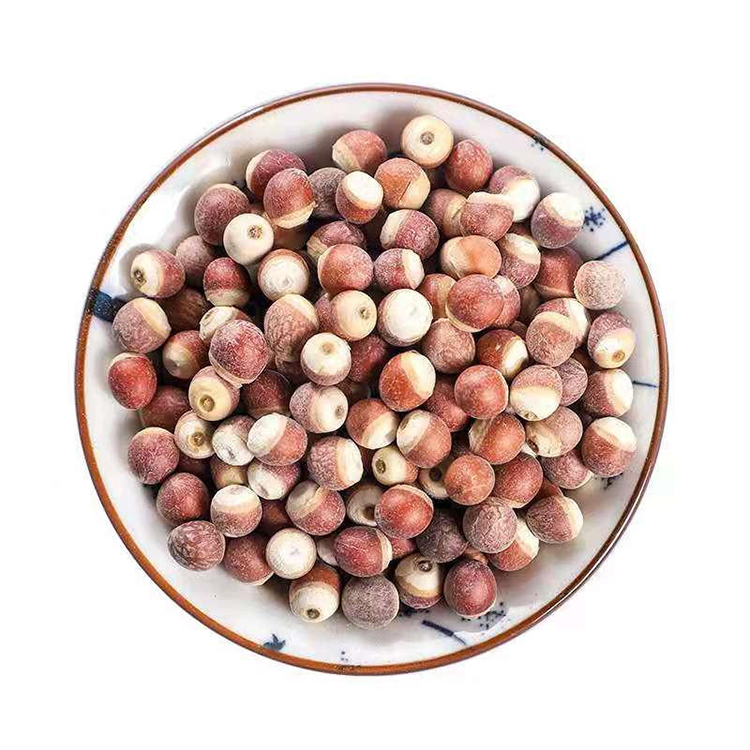
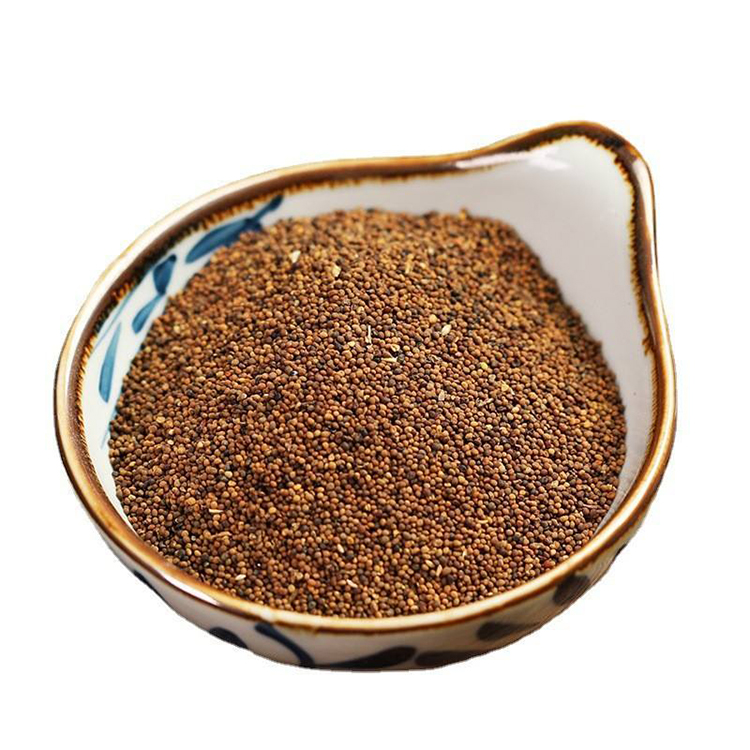
White Pepper (Bai Hu Jiao): odor control and microbial strategy for bulk buyers
I do not buy white pepper on appearance alone, and neither should you. The real fight is upstream: soaking water, off-odor formation, microbial load, kill-step choice, sampling logic, and whether your supplier can prove any of it when an audit gets ugly.
I have watched buyers spend half a day arguing over mesh, color, and price deltas measured in cents per kilogram, then sign off on a lot of Bai Hu Jiao that already carried the swampy, barny, slightly dirty note that no downstream blender, no shiny pouch, and no sales rep can honestly “fix” once the container lands.
Why do buyers keep pretending odor is a soft issue?
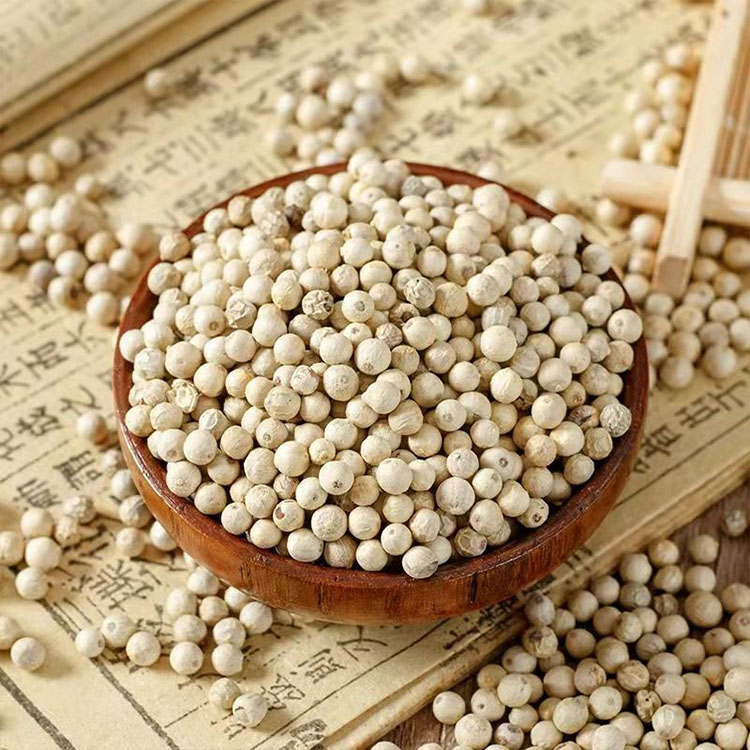
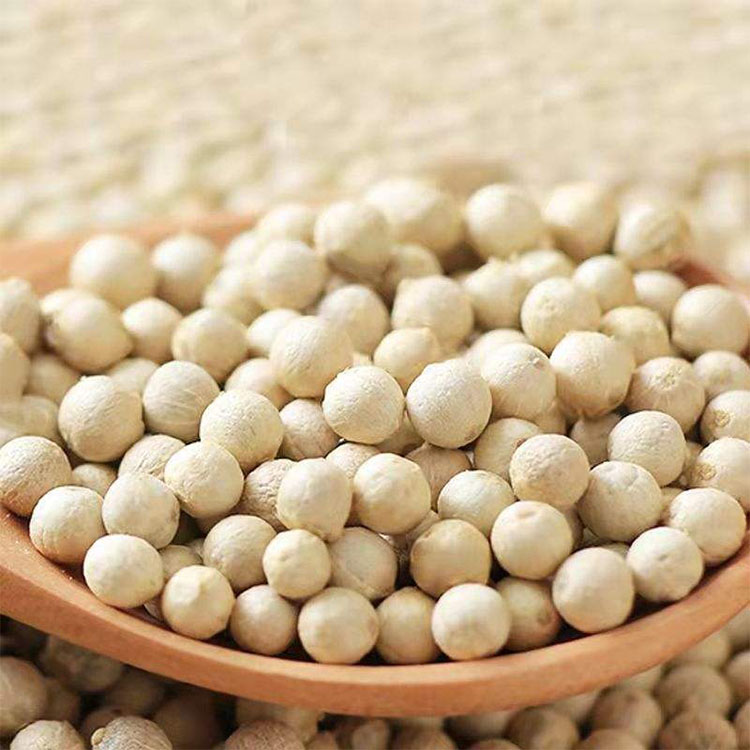
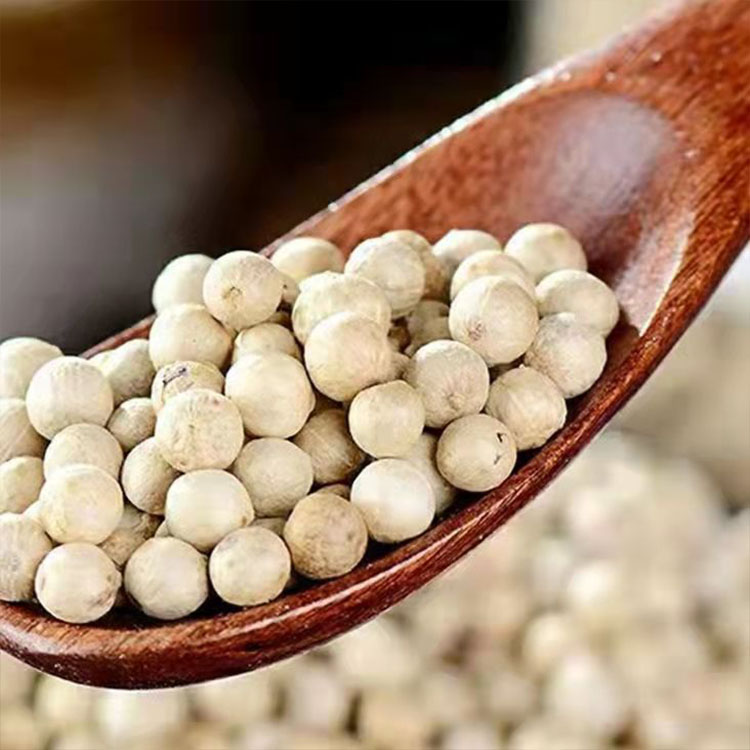
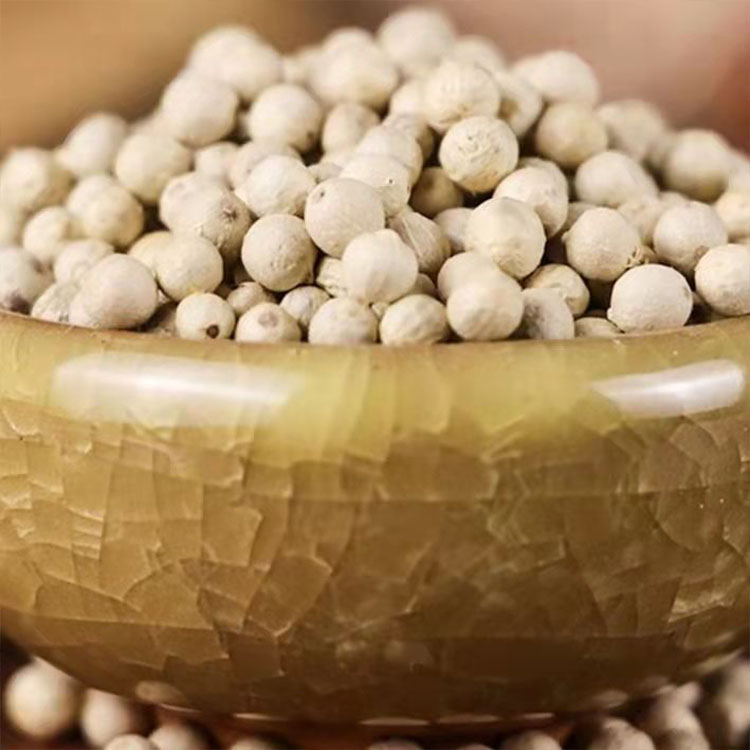
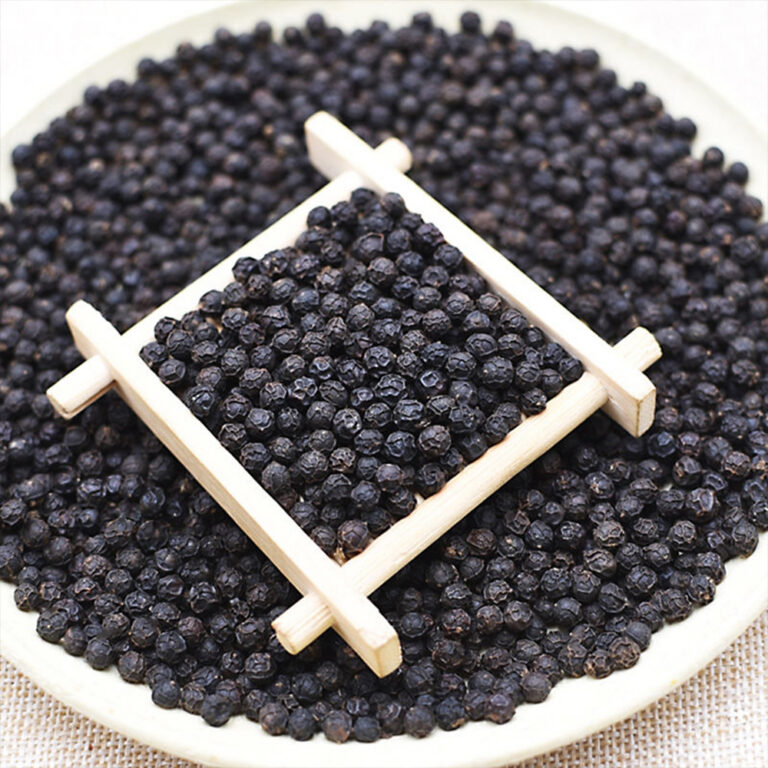
On the product side, White Pepper (Bai Hu Jiao) Wholesale Bulk Supply correctly frames white pepper as ripe peppercorns processed by soaking off the outer skin, but the hard truth is that soaking is not just a peeling step; it is where commercial value starts leaking if water exchange, drying speed, and post-process hygiene are sloppy. A 2024 paper in Foods found that immersion, steaming, and peeling method materially changed white pepper’s volatile profile, and specifically noted that prolonged water retting can produce foul odors and higher microbial counts; an earlier study summarized on PubMed reported that shorter fermentation under water with frequent water exchange produced white pepper with superior aroma versus traditional processing. That is exactly why this topic should sit next to your dried spices wholesale catalog and your technical page on in-house spice kill-step and hygienic zoning, not in some fluffy brand story folder.
I do not trust “clean white color” as a buying signal.
If the volatile profile of white pepper can shift with immersion time, steaming at 100 °C, and mechanical versus manual peeling, then the lazy buying habit of treating odor complaints as “subjective” is just procurement malpractice dressed up as experience. In the 2024 Foods paper, 3-carene, D-limonene, and β-caryophyllene were identified as key contributors to flavor distinctions, which means odor control is not poetry; it is process control with named compounds and repeatable steps.
Table of Contents
The microbial problem is not theoretical
It is documented.
According to the FDA’s spice safety Q&A, the agency considers pathogens and filth in spices a systemic challenge, not a rare fluke: Salmonella-contaminated spice shipments were found from 37 of 79 countries examined, overall Salmonella prevalence in spice shipments offered for U.S. entry was about 6.6% in FY2007–FY2009, and roughly 12% of shipments were adulterated with filth such as insects and animal hair.
Still think microbial control is just a lab checkbox?
The CDC’s MMWR report on contaminated pepper in ready-to-eat salami goes further and says eight spice-associated Salmonella outbreaks during 1973–2009 accounted for 1,656 illnesses, while also noting that a 2008 outbreak was associated with ground white pepper; CDC also stated that treatment methods exist, including steam, ethylene oxide, and irradiation, but companies were not required to treat spices and manufacturers were not required to use treated spices. I’ll say this bluntly: if your supplier cannot explain the kill-step clearly, then they are asking you to underwrite their uncertainty with your brand name.
And it gets worse.
In a 2023 FDA warning letter to Lone Star Botanicals, the agency explicitly said white pepper, paprika, cayenne pepper, and similar ingredients in ready-to-eat seasoning products were associated with bacterial pathogens such as Salmonella, and it criticized the company for lacking an adequate supply-chain program, annual supplier verification logic, and mycotoxin controls. Then Reuters reported in May 2024 that MDH had seen an average 14.5% of its U.S. shipments rejected since 2021 over Salmonella, while UK regulators tightened scrutiny and reiterated that ethylene oxide is not allowed there for herbs and spices. That is not “noise.” That is the market telling you cheap spice can become compliance debt overnight.
The site already has the right adjacent support page for this point.
Its article on microbiological quality standards for export herbs says buyers expect TAMC/TYMC acceptance criteria plus absence of Salmonella and E. coli, and it gives the right warning that downstream heat processing is not a free pass for a dirty incoming lot. I like that language because it matches how skeptical QA teams actually think: your buyer may have a kill-step later, but that does not mean they want your microbial mess first.
The white pepper spec sheet I would actually sign
Most purchase orders are weak.
They sound professional because they mention origin, color, and maybe moisture, but they leave out the exact controls that decide whether the lot smells right on Day 1, tests clean on Day 14, and survives a customer complaint on Day 60 after grinding, blending, warehousing, and port delay.
What belongs in the PO if you are serious?
Control Point
What I Would Write on the PO
Why It Matters
What Lazy Suppliers Usually Do
Odor reference
“Retain sample approved; no fecal, swampy, or dirty off-note on arrival and after grind check.”
White pepper odor failure usually starts in retting, drying, or storage.
Say “normal aroma” and hope nobody asks what that means.
Kill-step disclosure
“State method: steam, vacuum-steam, or irradiation; identify date, lot, and validation summary.”
“Sterilized” without a method is marketing, not evidence.
Hide behind vague wording.
Micro criteria
“TAMC/TYMC per destination market; Salmonella absent; E. coli absent where required.”
Import rejection and RTE risk start here.
Provide a generic COA with no context.
Moisture + pack control
“Moisture target, liner type, seal timing, storage temp/RH expectations.”
Odor drift, clumping, and patchy micro risk get worse when moisture control is loose.
Focus only on appearance.
Sampling plan
“Stratified bag sampling by lot size; high-end range for micro risk.”
Patchy contamination punishes lazy sampling.
Pull three easy bags near the door.
Traceability
“Lot code on unit, case, and pallet; trace-forward and trace-back within one sitting.”
Fast containment beats theatrical recall meetings.
Use batch codes that break halfway through packing.
I am not inventing those controls out of thin air. The site’s spice sampling-plan article recommends 8–12 bags for lots of 26–100 bags, 12–16 for 101–250, and 16–24 for 251–500, while explicitly telling buyers to favor the high end for microbiological risk; its traceability page pushes lot-code discipline, forward/backward genealogy, and mock recalls; and its quality-standards page ties export-ready QC to TAMC/TYMC and absence of Salmonella/E. coli. That cluster is commercially coherent, which is more than I can say for most supplier blogs.
The kill-step debate buyers keep botching
Words matter here.
When a supplier says “treated,” I ask a second question immediately, because one of the oldest tricks in this business is to use vague hygiene language so the buyer fills in the technical blanks themselves and later discovers the blanks were the problem all along.
So what do I want to hear?
I want method, timing, lot control, and post-kill handling. The site’s factory advantages piece is refreshingly direct on this: it says steam, often vacuum-assisted, and ionizing irradiation are proven routes when parameters stay tight, and it argues for post-kill segregation to reduce re-contamination risk. FDA’s overview of food irradiation likewise says irradiation can effectively reduce microbial and insect infestations and improve food safety when properly applied under GMP and good irradiation practices. My opinion? Irradiation is not the scandal. The scandal is a supplier who refuses to tell you whether they used it.
I also ask about ethylene oxide by name: C₂H₄O.
Not because I enjoy making suppliers uncomfortable, but because vague answers around sterilization chemistry usually mean the documentation is about to get ugly. Reuters quoted the UK Food Standards Agency as saying ethylene oxide is not allowed there and that maximum residue levels apply for herbs and spices, which means any exporter who still talks in blurry hygiene slogans is either behind the market or hoping you are. That is not a white pepper supplier. That is a future claim file.
The four questions I ask before I ask for price
I keep this simple.
First, ask how the white pepper was peeled: water immersion for how many days, what water-change frequency, what drying endpoint, and whether any steaming step was used. Second, ask the kill-step method and whether the lot stayed segregated after treatment. Third, ask which micro limits are written into the COA and which market standard those limits map to. Fourth, ask the supplier to explain how they would sample a 400-bag lot without over-sampling the easy bags and under-sampling the risky zones. If they stumble, hand them their own reading list: traceability lot-code controls, spice lot sampling logic, and, if you are building a branded program, custom herbal and spice OEM/ODM solutions.
Bulk buyers lose money when they separate odor from microbes
That split is fake.
In white pepper, the off-note problem and the microbial problem often come from the same bad habits: overlong soaking, dirty process water, weak drying discipline, loose storage control, and a supplier culture that thinks “looks white” is the same thing as “is right.”
Why separate what the factory already linked together?
The 2005 aroma study summarized on PubMed argued that short fermentation under water with frequent water exchange improved overall aroma, while the 2024 Foods paper tied prolonged water retting to foul odors and higher microbial counts. Read that again and the buying logic becomes obvious: odor is not some luxury premium issue layered on top of food safety. It is often the first sensory sign that process discipline was weak in the same places where microbial control also gets weak. I have seen buyers try to save a few hundred dollars on a lot and then burn five figures in holds, re-tests, repacking, and credibility loss. That math is not aggressive sourcing. It is self-harm with a spreadsheet.
FAQs
What causes bad odor in bulk white pepper?
Bad odor in bulk white pepper is usually the sensory result of poor retting control, slow or dirty water-based peeling, overlong immersion, weak drying discipline, or sloppy storage after processing, all of which can distort volatile compounds and push the product toward swampy, fecal, or stale notes instead of a clean pungent profile. In practice, I treat odor failure as a process-history clue, not a cosmetic defect.
What is a microbial kill-step in white pepper?
A microbial kill-step in white pepper is a validated treatment applied to reduce pathogens and spoilage organisms to an acceptable commercial level, typically through controlled steam treatment or irradiation, followed by clean post-kill segregation so the lot does not pick up contamination again before packing or blending. I do not accept the word “treated” unless the supplier names the method.
How should bulk buyers sample a white pepper lot?
A proper bulk white pepper sampling plan is a stratified inspection method that tells the receiving team how many bags to pull, where to pull them from, which defects or hazards matter, and when to accept, hold, or reject the lot so that the sample actually represents the shipment rather than the easiest bags to reach. For microbiological risk, use the high end of the sampling range and stop pretending three bags by the door are science.
What tests belong on a white pepper COA for export markets?
An export-ready white pepper COA should define the target microbiological criteria, identify the analytical framework used, document market-relevant chemical and contaminant checks, and connect the result to a traceable lot so the buyer can verify what was tested, when it was tested, and whether the result actually governs the shipment in hand. At minimum, I want micro criteria, lot identity, and method clarity, not a decorative PDF.
Is irradiated white pepper acceptable for premium buyers?
Irradiated white pepper is commercially acceptable when the treatment is legal in the destination market, properly validated, transparently disclosed, and followed by clean post-treatment handling, because the real commercial question is not whether the word sounds elegant but whether the lot is safer, stable, and honestly documented. Premium buyers reject hidden process steps more often than they reject disclosed ones.
Your next move before you buy another container
Start harder.
Ask your supplier for five things this week: a retained pre-shipment sample, a written odor standard, a named kill-step, a lot-specific COA, and the actual sampling SOP used at intake. Then compare those answers against the site’s bulk white pepper page, quality-standards framework, traceability guide, and OEM/ODM solutions page. If the supplier can answer in process language instead of slogan language, keep talking. If not, walk. White pepper is cheap only when nothing goes wrong, and that is not a strategy I would ever bet my margin on.
Our low MOQ of 1 kg (2.2 lb) makes it easy to order Chinese herbal slices or wholesale Chinese medicine herbs. Private-label and bilingual labeling are also available.
Delivery Cycle & Support
We have a fast 7-day lead time. We provide free samples, COA reports, and technical support to help you bring high-quality bulk Chinese herbs to market.
Quality & Certifications
Our products are manufactured in a GMP-certified facility and meet ISO22000 standards. All Chinese herbs are third-party tested for heavy metals, pesticides, and microorganisms.