Let’s be real: When you want to break into a new export market, you can’t go in blind. The biggest headache for any global buyer, whether you’re a hospital sourcing bulk Traditional Chinese Medicine or a Cosmetic Raw Material Supplier looking for new ingredients, is the massive risk tied up in high Minimum Order Quantities (MOQs).
Why should you buy a container of something you’ve never sold before? You shouldn’t.
That’s your customer’s pain point, and that’s where Low MOQ supply models become your biggest differentiator. This isn’t just about cutting a number; it’s a strategic move to lower the risk for your global partners, accelerate their market entry, and secure your long-term growth. You need a partner who gets this strategy, like GuoCao. We understand that flexibility isn’t a favor; it’s a business model.
Lowering the Export Bar: Why Low MOQ Attracts Global Buyers
Think from the client’s perspective. They aren’t trying to lock up tons of capital. They want to test the waters, minimize their upfront financial burden, and still get top-tier Chinese Medicinal Herbs.
1. The Buyer’s First Step: Accelerated Product Testing and Market Validation
New markets need proof. If you ask a global distributor to commit to 5,000 units of a new functional beverage ingredient, they’ll probably just walk away. It’s too much risk, period.
Low MOQ, however, changes the conversation entirely.
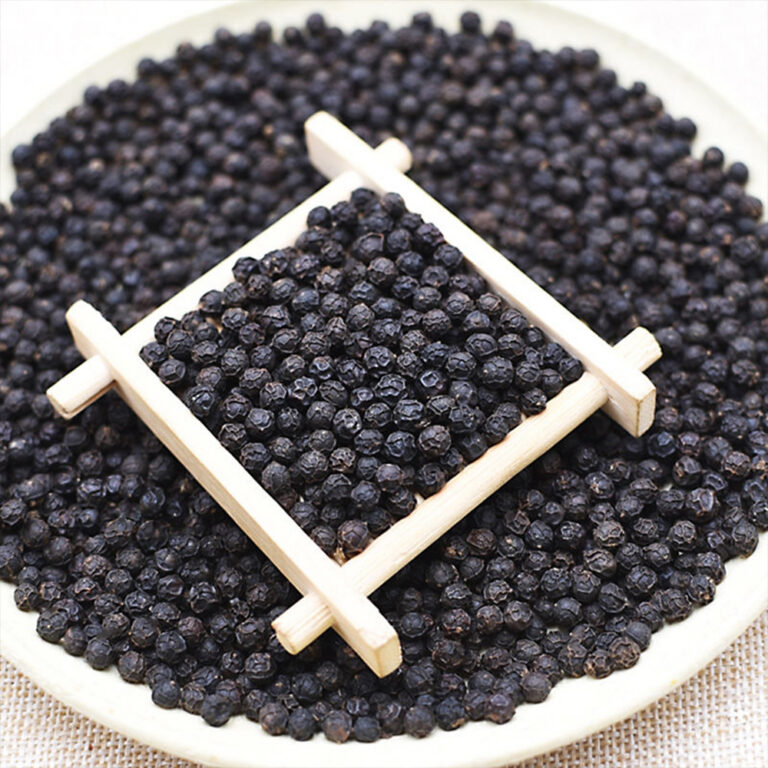
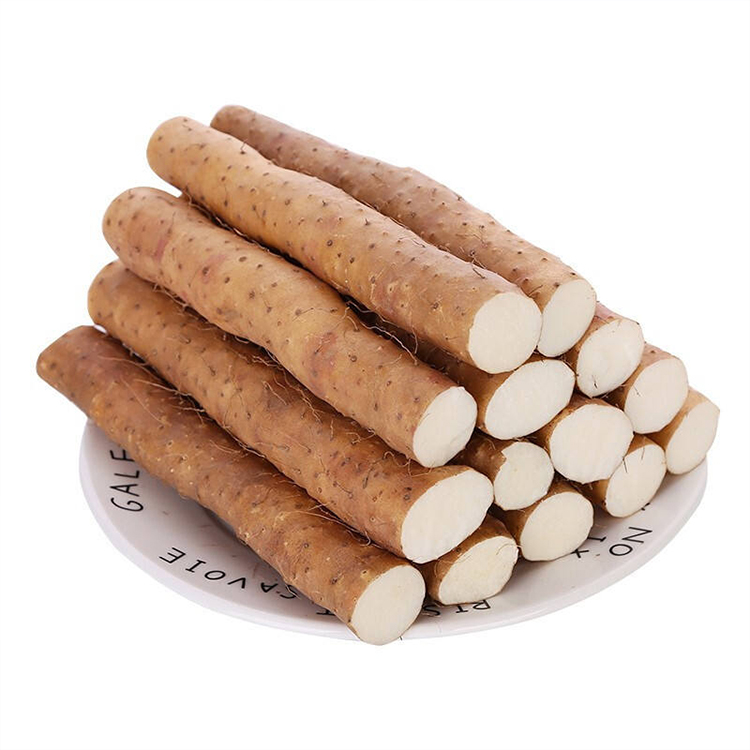
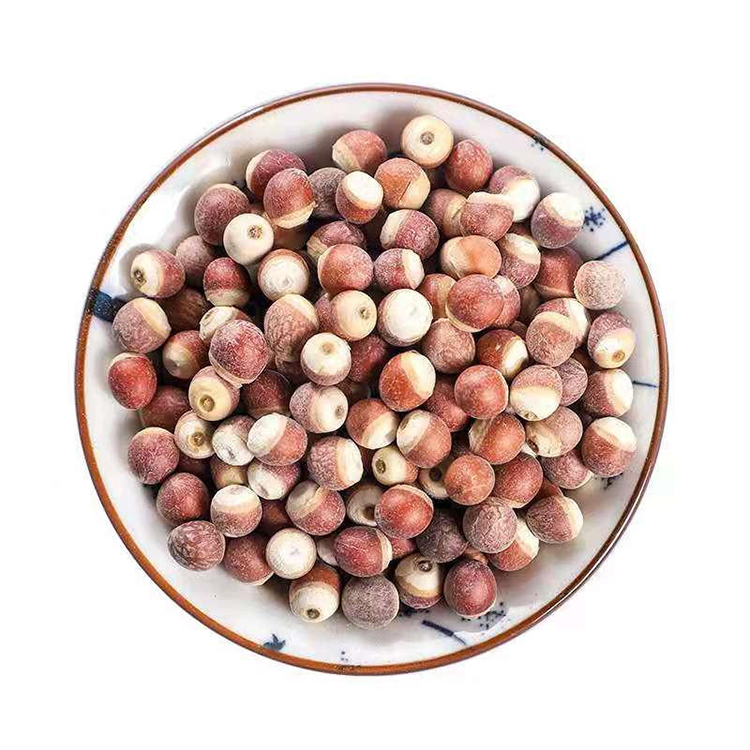
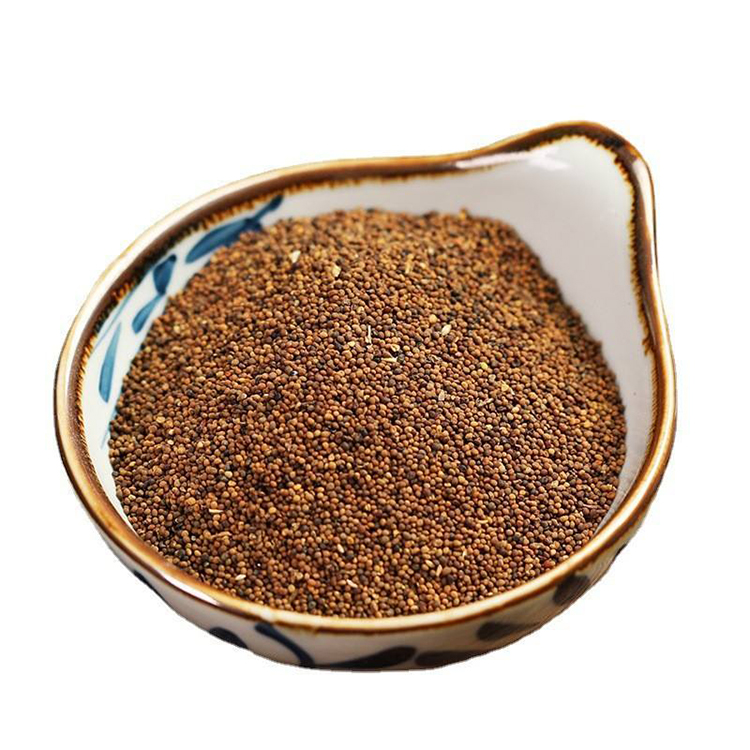
It gives buyers the green light for quick Product Testing. They can order small batches of Fruits & Seeds or specialty Roots & Rhizome ingredients, and immediately validate how the local market responds. They don’t have to wait six months to see if a product flops before realizing they’ve got tons of dead stock sitting in a warehouse. They can run several small trials concurrently across different regions—that’s speed and efficiency.
The faster they validate, the faster they place that next big order. It’s a classic low-entry, high-conversion strategy. You want them hooked on the quality and the quick turnaround, not scared off by the size of the initial commitment.
2. Cash Flow is King: Optimizing Working Capital
In international business, Cash Flow is King. High MOQs force your customers to tie up their working capital in inventory that might sit for months. They can’t use that money for marketing, logistics, or developing other product lines.
When you offer a Low MOQ model, you immediately free up their capital. This allows them to use their money more intelligently.
They can:
Order a wider Diversification of products (like different types of Animal & Mineral herbs or various Spices Wholesale ingredients) instead of a huge quantity of just one thing. They can also explore categories like Flowers & Whole Herbs without a massive initial outlay.
Increase their operational budget for sales and market development.
Reduce their overall financial exposure and Inventory Risk.
When you focus on their Working Capital needs, you instantly become a preferred supplier. You’re not just selling a product; you’re selling financial flexibility.
The Supplier’s Playbook: Agile Sourcing and Production Efficiency
A lot of manufacturers whine about Low MOQ because they worry about costs. They say, “We can’t make margin on small orders.” That thinking is outdated. The real secret isn’t just taking small orders; it’s structuring your factory operations to make those small orders profitable and scalable.
At GuoCao, for instance, we’ve built our system around this flexibility. As a leading Bulk Herbs Supplier with a 2500-ton annual capacity, we know how to handle volume, but we also know that today’s small order is tomorrow’s long-term partnership. Our commitment to GMP Chinese Herbal Slices production and ISO 22000 Food Safety ensures that whether you order 50 units or 5,000, the quality is consistent.
1. Mastering Quick Changeover: The Lean Manufacturing Edge
If your factory takes eight hours to change the production line between different OEM / ODM services jobs, Low MOQ will kill you. That eight hours of lost time, known as Setup Time, destroys your margin.
The fix? Lean Manufacturing principles and Quick Changeover.
You gotta invest in tools and systems that let your team switch from producing bulk Functional Food Ingredients to small batches of finished goods in minutes, not hours. Think about it: Reducing a six-hour changeover to 30 minutes means you’ve just added 5.5 hours of profitable production time back into your day. This Lean approach is the invisible force that makes small batch, Low MOQ production feasible and profitable.
2. Quality Assurance in Small Batches: Maintaining Consistency
A major concern for buyers is whether a small batch gets the same attention as a big one. It absolutely must.
Your Quality Assurance system needs to be robust, independent of the batch size. Our commitment at GuoCao is backed by third-party COA (Certificate of Analysis) testing. This ensures that the small volume of Barks you order today meets the exact same global standards as a large production run for a major pharmaceutical client. Consistency builds trust, and trust is the currency of the export market.
Strategic Pricing and Customer Portfolio Diversification
This is where you balance the unit cost challenge of Low MOQ with the long-term strategic value of client acquisition.
1. Tiered Pricing: Making Small Orders Profitable
You don’t have to lose money on a small order. You just need a smart Tiered Pricing strategy.
The Economics of Low MOQ:
You can charge a slight premium for the smallest MOQ—a service fee for the flexibility and risk-reduction you offer.
You clearly communicate the price breaks: The buyer gets a better unit price (a higher Margin) when they commit to a higher volume.
This approach covers your slightly higher unit costs for the smaller run and incentivizes the customer to increase their order size once their market testing is complete. You make the initial relationship profitable while setting the stage for bigger volume deals later on.
2. Building Resilience: Moving Beyond Reliance on Whale Clients
Relying on one or two huge “Whale Clients” is dangerous. If they have a problem, you have a problem. Your entire revenue stream is dependent on their one purchase order.
Low MOQ is a fantastic tool for Client Diversification. It allows you to onboard dozens of smaller, emerging partners across various global regions, like Europe, Australia, and Japan. This builds market Resilience. When one market slows down, your other clients pick up the slack. You shift from having a fragile, high-volume pipeline to a robust, diversified network of loyal customers.
Data Supports the Strategy
Professional analysis consistently shows that shifting to a flexible, Low MOQ model significantly de-risks entry for both the buyer and the supplier, leading to accelerated market penetration.
Article Title (Simulated)
Main Arguments
Key Data/Anecdote (Source Credibility)
Scaling Exports: Why Smaller MOQs Help New Businesses Go Global
Anecdote: One electronics brand, after cutting their MOQ from 1000 to 100, saw a 30% jump in international inquiries, with 70% converting to a trial order in the first year.
Agile Sourcing: Minimizing Risk in Export Markets with Low-Volume Orders
Data: Companies using modular production and Low MOQ have seen an average 15% reduction in inventory write-downs due to market volatility over the past five years.
The Economics of Low MOQ: Balancing Production Costs and Market Access
Model: A factory implemented a cost premium for its lowest MOQ (50 units), but secured 50 new clients, with the volume of new customers offsetting the unit cost challenge.
Conclusion: Your Next Step in Global Sourcing
If you’re a Global Procurement Manager or a Spices Supplier looking for a stable, high-quality source for Bulk Chinese Medicinal Herbs, you need a supplier that doesn’t force you into unnecessary risk.
You don’t want a generic manufacturer; you want a strategic partner. We’re not here to just take your big order. We want to help you test, grow, and dominate your local market.
Look for a company like GuoCao that already uses the Low MOQ model, backed by global compliance (GMP, ISO 22000) and the ability to handle everything from custom OEM/ODM formulations to massive bulk quantities. When your supplier manages the complexity of the production end, you can focus on what you do best: selling.
It’s time you demand flexibility. It’s time you use Low MOQ not as a compromise, but as a strategic path to global expansion.
Our low MOQ of 1 kg (2.2 lb) makes it easy to order Chinese herbal slices or wholesale Chinese medicine herbs. Private-label and bilingual labeling are also available.
Delivery Cycle & Support
We have a fast 7-day lead time. We provide free samples, COA reports, and technical support to help you bring high-quality bulk Chinese herbs to market.
Quality & Certifications
Our products are manufactured in a GMP-certified facility and meet ISO22000 standards. All Chinese herbs are third-party tested for heavy metals, pesticides, and microorganisms.