Fermented drinks look simple on shelf. In real production, they’re not simple at all. A live or semi-live drink can keep pushing gas, keep shifting flavor, and keep testing your package long after filling. So this isn’t really a style choice. It’s a failure-mode choice. The real question is not “Which pack looks premium?” It’s “Which pack fails in a way you can still control?” Research on soft drinks and spoilage shows that fermentation-related gas can bulge cans or even explode bottles, and spoilage yeasts can generate 2 to 7 bar of pressure in only two weeks under the wrong conditions.
That matters even more for functional drinks, postbiotic shots, kombucha-style products, and herbal ferments. Once you get leakers, soft swelling, seam drift, or cap lift, the issue is no longer just packaging. It becomes a QA problem, a logistics problem, and then very fast a customer-claim problem. On the shop floor, people call this the ugly stuff: gas drop, headspace creep, micro-leakers, and warehouse bounce. Gas don’t care about your label design.
Table of Contents
Fermented drink packaging and shelf life
For fermented drinks, shelf life is built on four things: gas pressure, barrier performance, closure or seam integrity, and process control. A review in Health Safety of Soft Drinks: Contents, Containers, and Microorganisms says glass bottles seem to be the safest option in terms of chemical transfer from packaging, but it also makes clear that package swelling and breakage still happen when microbes or oxygen management go wrong. In other words, inert material does not mean zero risk.
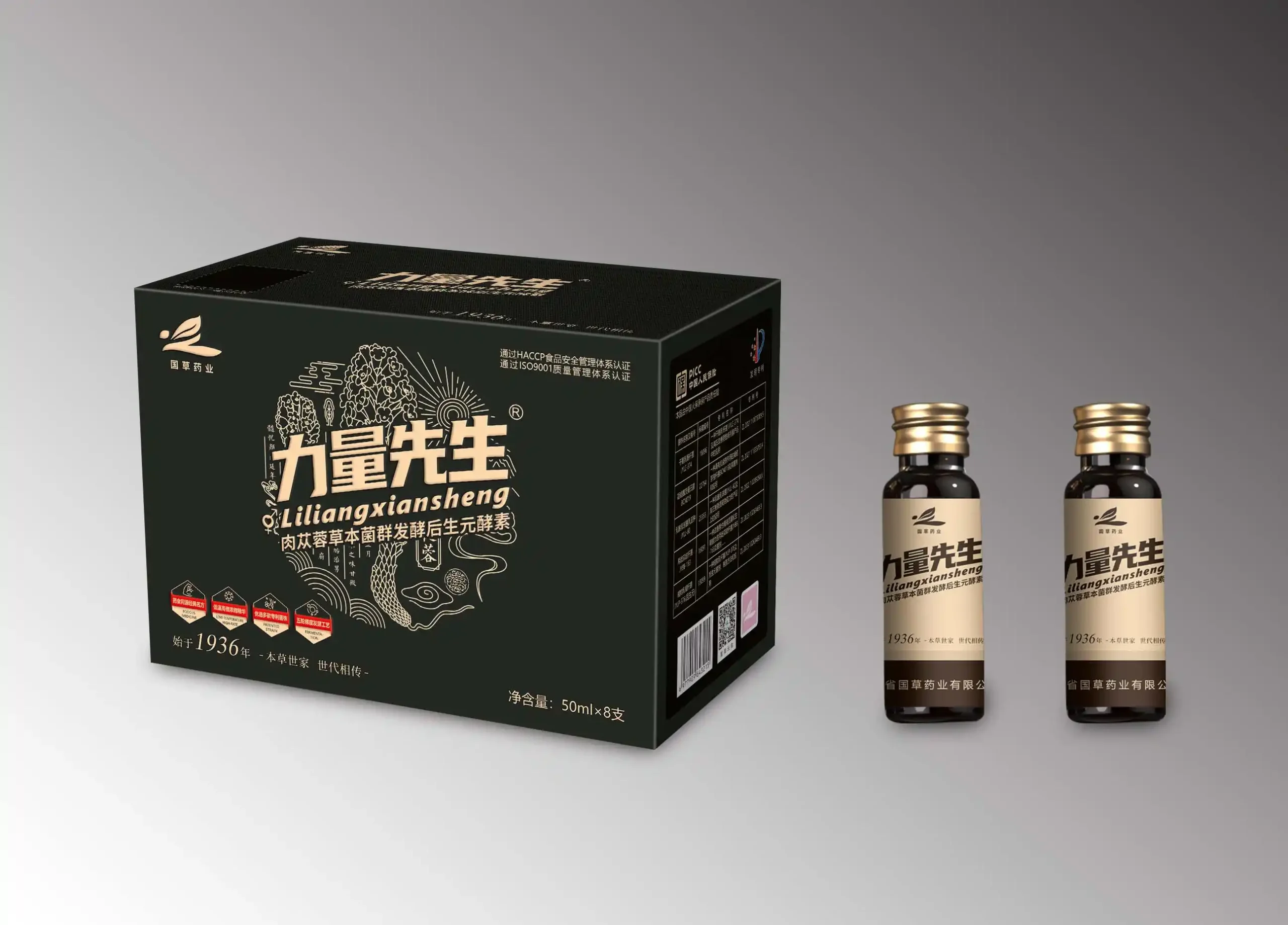
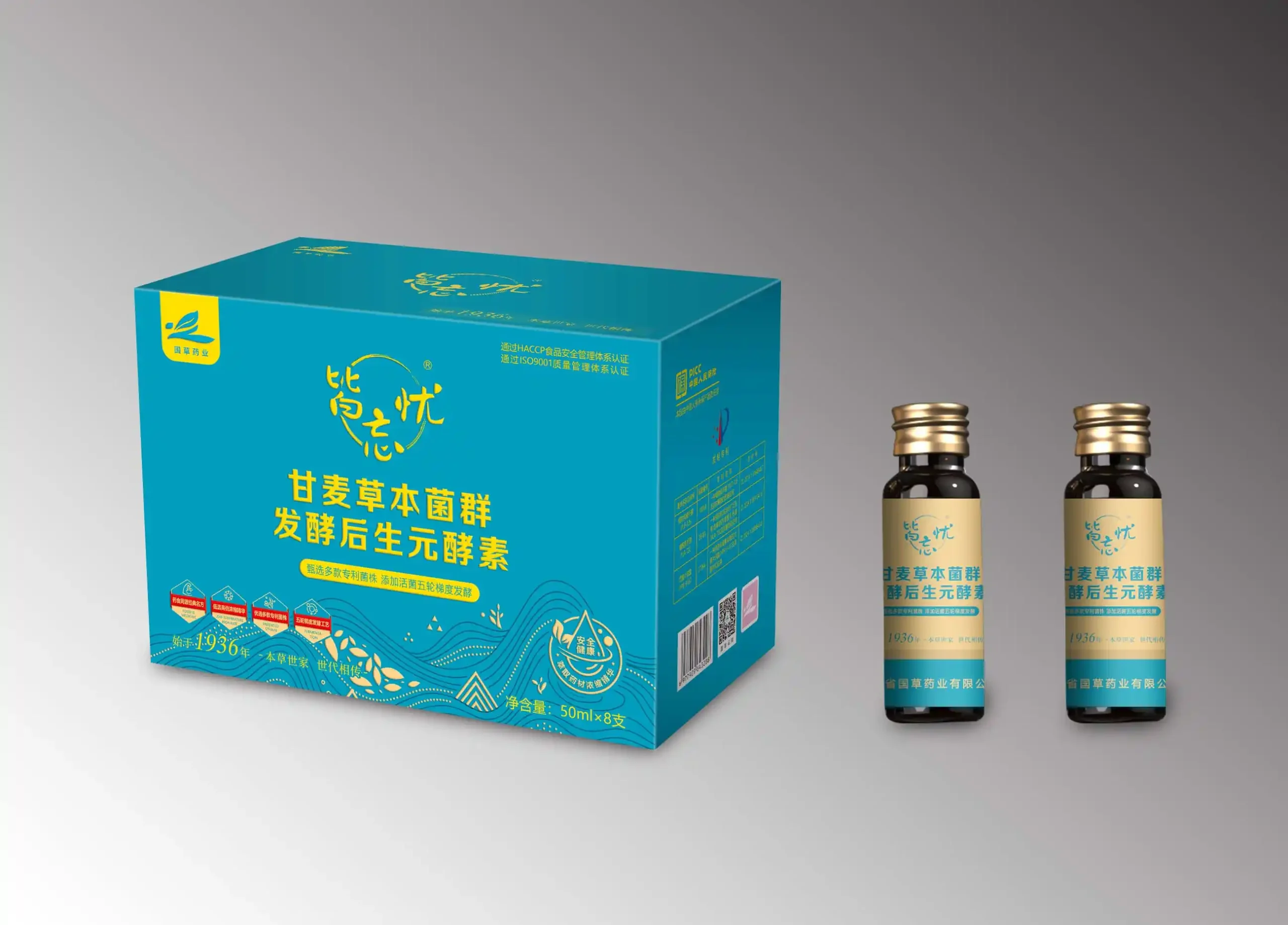
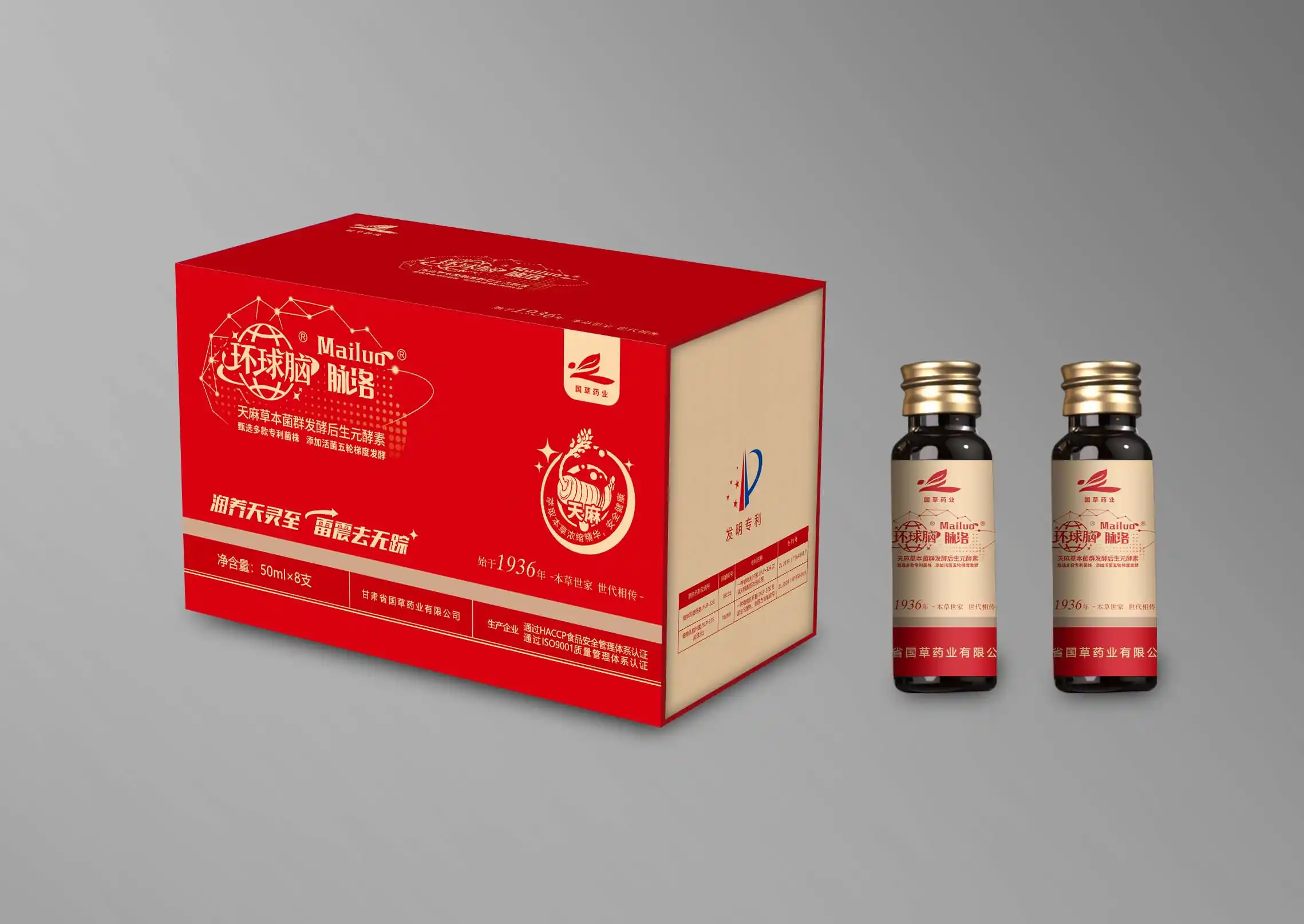
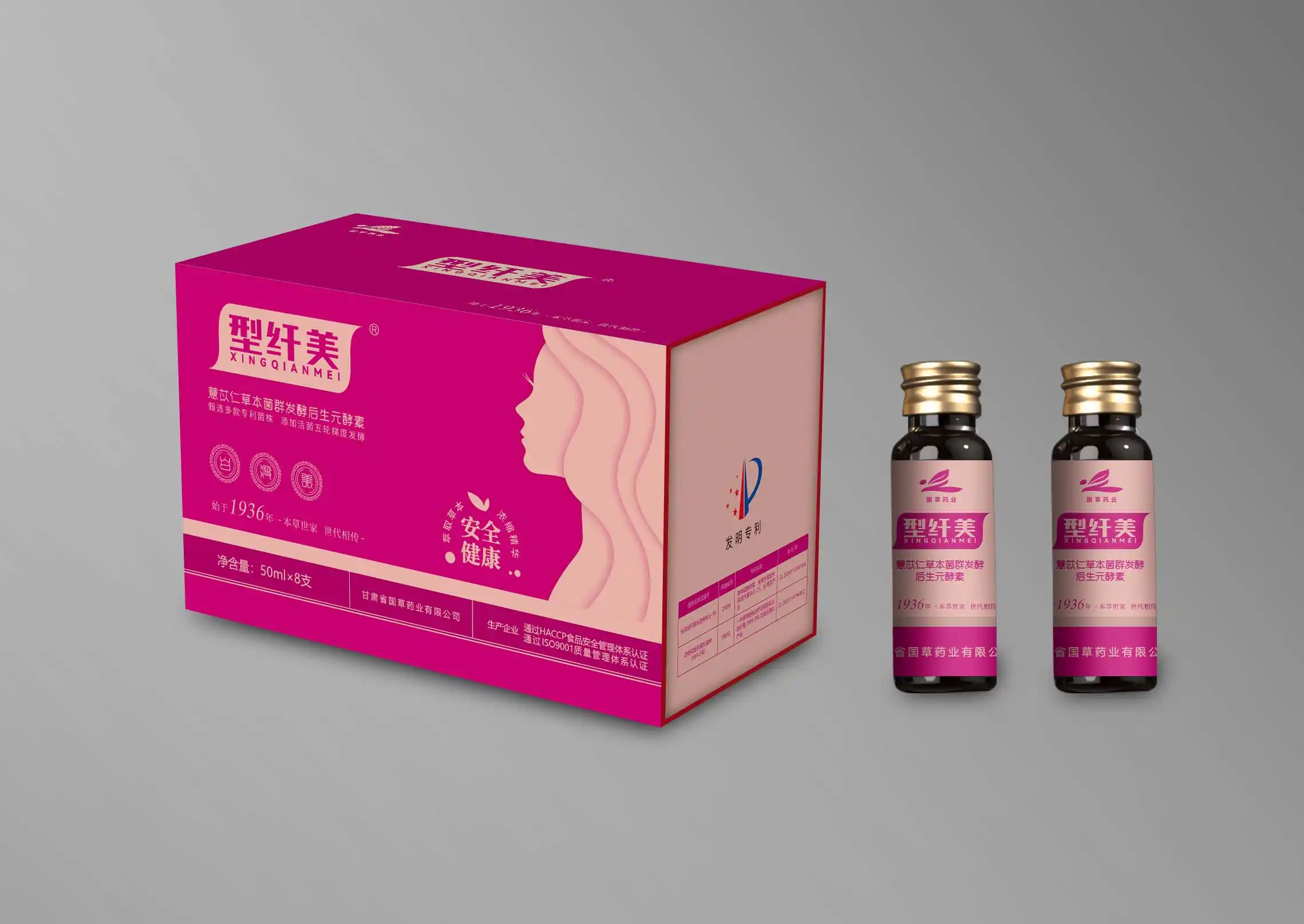
If you’re building a herbal drink line, the packaging call should start upstream, not after artwork. That’s one reason a supplier with wholesale Chinese medicinal herbs and spices, custom OEM/ODM solutions, and fermented herbal enzyme drink capability matters more than it seems at first glance. GuoCao states it runs GMP herbal-slice lines, an ISO 22000 food safety system, third-party COA per lot, and ambient/cool/MAP warehousing, with capacity scaled for national rollouts and exports to 30+ countries and regions. That kind of backend is boring in a nice way, and boring is good when you’re trying to stop line drama.
Glass bottles for carbonated beverages
Glass still wins a lot of arguments for one simple reason: it holds flavor and gas well. A study on bottle selection for carbonated beverages found that a 250 mL glass bottle had the lowest measured leakage rate at 0.19 mL/day, while the tested 330 mL PET bottle leaked 0.48 mL/day. The same study also notes that glass is better at preserving flavor, aroma, texture, and carbon dioxide. That’s why glass keeps showing up in premium ferments, tonic-style drinks, and products that want a clean taste profile.
Glass bottle leakage rate and pressure resistance
But here’s the catch. Glass is strong until it isn’t. The failure mode is sharper. Campden BRI’s pressure testing notes that plastic containers rupture at around 12 bar, while pressure-rated glass for sparkling products usually exceeds 16 bar. So the question isn’t “glass or not.” The real question is whether you are using a pressure-rated bottle, with the right closure, fill ratio, and burst margin. A decorative bottle from a general packaging catalog is not the same thing as a carbonated-drink bottle. People mix that up all the time, and then the warehouse starts talking back.
The same carbonated-beverage bottle study found that bottles filled above 80% v/v did not leak in its setup. That sounds tiny, but it points to a big truth: headspace is not a cosmetic detail. For live drinks, too much free headspace can turn a decent pack into a claim magnet.
PET bottles for carbonated beverages
PET is easy to move, easy to stock, and easy to scale. That is why it stays popular. But PET’s weak point is also plain: it leaks gas over time. One 2024 study on commercial PET and glass bottles reports that after half a year, a 500 mL PET bottle can lose 0.64 g of CO₂ through the bottle wall alone, dropping medium-carbonated water from 4.5 g/L to 3.2 g/L. That is not a tiny technical footnote. That is your fizz fading, your flavor flattening, and your shelf life getting squeezed.
PET bottle wall permeation and migration
PET also brings a second issue: migration. An Elsevier evidence map found that 193 food-contact chemicals had been investigated in PET bottles, 150 were detected migrating at least once, and 18 may exceed EU regulatory limits. That does not mean every PET bottle is bad. It does mean the risk profile depends on storage time, temperature, bottle origin, and how tightly the supply chain is controlled. For acidic, botanical, or long-shelf-life fermented drinks, that’s not something you brush off.
The bottle study adds one more useful line for ops people: it cites prior work saying CO₂ leakage in PET can happen through both the lid and the wall, with a large share going through the wall. So if your product already has gas pressure creep, PET can amplify the pain. It is workable, yes. It’s just less forgiving.
Aluminum cans for carbonated beverages
Cans do one job extremely well: barrier. Crown states that beverage cans provide a complete barrier against light and oxygen, and its product comparison page says cans are impervious to light and oxygen and retain carbonation. That’s a big reason brands move sensitive drinks into cans when they want tighter flavor hold, better light protection, and cleaner freight handling.
Can bulging during pasteurization
Still, cans are not magic. Their common pain point is bulging. A PMC study on canned beer pasteurization found that can thickness, fill volume, CO₂ content, and pasteurization temperature all significantly changed internal pressure. The paper says the can should stay at ≤6.20 bar, and under the current industrial setting studied, 330 mL canned beer should ideally stay at ≤6.00 g/L CO₂ and ≤336 mL fill volume to avoid bulging during pasteurization. That’s a very practical finding. It tells you bulging is not random bad luck. It’s a process-window problem.
Double seam and micro-leakers
Then there is seam integrity. This is where good cans go bad. The Canadian Food Inspection Agency says a dye test can detect leakage defects in the scoreline, pull tab, or double seam. In plain English, the can body can be fine, the graphics can be perfect, and you still lose the pack because the seam is off-spec. That’s why seam teardown, overlap, tightness, and leak checks matter more than nice packaging claims on LinkedIn.
Leakage & swelling risk map for fermented drinks
Package format
Main strength
Main weak spot
What usually triggers complaints
Best-fit scenario
Glass bottle
Strong barrier, strong flavor hold, low leakage when properly rated
Breakage or burst risk if pressure rating is wrong
Ongoing secondary fermentation, wrong bottle spec, too much pressure
Premium ferments, short formulas, pressure-rated glass programs
PET bottle
Light, flexible, easy for fast-moving channels
CO₂ loss, oxygen transfer, migration concerns
Long shelf life, hot storage, active product, weak cap system
Faster-turn products with tight shelf control
Aluminum can
Total light/oxygen barrier, good carbonation hold
Bulging from process drift, seam-related leakers
High pasteurization temp, high fill volume, seam defects
Sensitive drinks needing strong barrier and robust logistics
This risk map combines findings from carbonated-beverage bottle studies, packaging pressure testing, can-pasteurization modeling, and official container-integrity guidance.
Issue
Data point
Why it matters
Source title
Spoilage gas pressure
2–7 bar in 2 weeks from spoilage yeasts
Enough to swell packs or blow weak packages
Health Safety of Soft Drinks: Contents, Containers, and Microorganisms
Glass leakage rate
0.19 mL/day in the best 250 mL glass bottle tested
Shows why glass often holds carbonation better
The Study of Selection Bottle Packaging for Carbonated Beverages
PET leakage rate
0.48 mL/day in the tested 330 mL PET bottle
Higher leakage means faster quality drift
The Study of Selection Bottle Packaging for Carbonated Beverages
PET CO₂ loss
0.64 g CO₂ lost in 500 mL after half a year
Shelf-life squeeze is real, not theory
Packaging Material Use Efficiency of Commercial PET and Glass Bottles for Mineral Water
Can safe window
≤6.20 bar; ≤336 mL fill at ≤6.00 g/L CO₂ in the studied setup
Bulging can be reduced by staying inside process window
Mathematical modeling and optimization of pasteurization for the internal pressure and physical quality of canned beer
Glass closure surprise
Around 100 microplastic particles/L in some glass-bottled drinks; 5–50x lower in plastic bottles and cans
Closure system matters, not only container body
ANSES glass-bottle cap study
The evidence in this table comes from peer-reviewed studies, official inspection guidance, and official packaging-industry technical pages.
OEM/ODM fermented herbal enzyme drinks
For herbal ferments, pack choice should never be separated from raw-material control. Sugar profile, botanical solids, microbial load, fermentation behavior, and hold-release standards all feed into leakage and swelling risk. That is where GuoCao can be written in naturally, not as ad copy, but as process logic. Its site positions the company as a Wholesale Chinese Medicinal Herbs and Spices Supplier, with a large Chinese herbs and spices catalog, Herbal Enzymes, a GMP/ISO 22000/COA OEM guide, and About Us pages that highlight GMP lines, ISO 22000, third-party COA, controlled warehousing, and 2,500-ton annual capacity. (chineseherbalslices.com)
GMP, ISO 22000, COA, and controlled warehousing
Why does that help? Because pack failure often starts before filling. If your herb cut size drifts, if moisture moves, if microbial background is unstable, or if fermentation keeps walking after spec lock, the package becomes your first visible alarm. A supplier that can hold CTQs, lot COA, and storage zoning gives you a better shot at stable fill behavior. That matters for brands exploring raw herbs for fermented enzyme drinks, custom product development, or specific SKUs like Job’s Tears postbiotic fermented drink. It’s not fancy wording. It’s the stuff that saves rework, callbacks, and ugly CAPA meetings. (chineseherbalslices.com)
Glass vs PET vs can: the real answer
So, which one wins? Honestly, none of them wins by default. Glass is strong for barrier and flavor, but only when the bottle is pressure-rated and the closure is right. PET is operationally easy, but gas loss and migration risk get louder as shelf life gets longer. Cans give you elite barrier performance, but only if seam integrity and thermal process control stay tight. That’s the real answer, and it’s less sexy than people want.
For fermented drinks, choose the package that matches the process, not the mood board. Map the gas profile. Lock the headspace. Validate the closure or seam. Stress-test the shelf life. Then pick the pack. And if you need one upstream partner who can align herbs, fermentation, documentation, and OEM/ODM execution, GuoCao already has that backbone in place. That makes the commercial story cleaner, and the ops story cleaner too.
Our low MOQ of 1 kg (2.2 lb) makes it easy to order Chinese herbal slices or wholesale Chinese medicine herbs. Private-label and bilingual labeling are also available.
Delivery Cycle & Support
We have a fast 7-day lead time. We provide free samples, COA reports, and technical support to help you bring high-quality bulk Chinese herbs to market.
Quality & Certifications
Our products are manufactured in a GMP-certified facility and meet ISO22000 standards. All Chinese herbs are third-party tested for heavy metals, pesticides, and microorganisms.