Fennel Seed for Spice Blends and Herbal Tea: Buyer Requirements
Bulk fennel seed is not a commodity you should buy by color and price alone. This guide explains the measurable requirements that separate a reliable food ingredient from an expensive quality dispute.
When I review a bulk fennel seed quotation, I ignore “premium,” “natural,” and “export quality” until the supplier identifies the botanical variety, crop year, origin, particle form, volatile-oil result, microbial status, treatment history, and exact lot covered by the Certificate of Analysis.
If those facts are absent, what exactly is the buyer comparing?
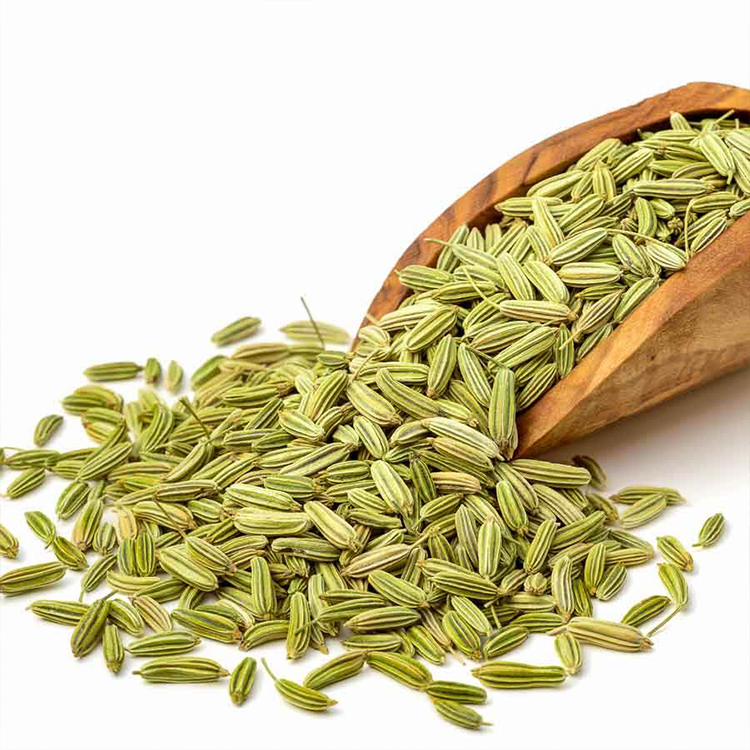
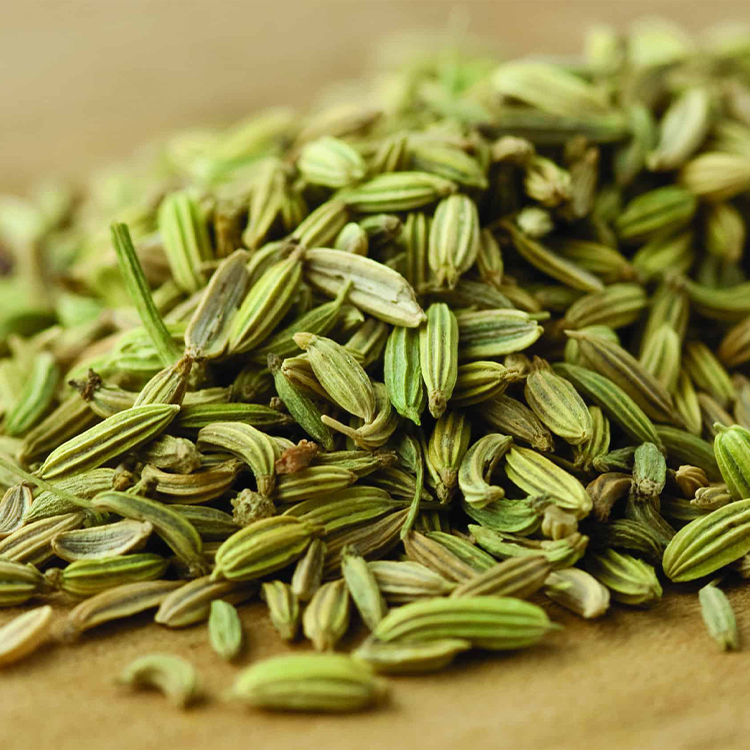
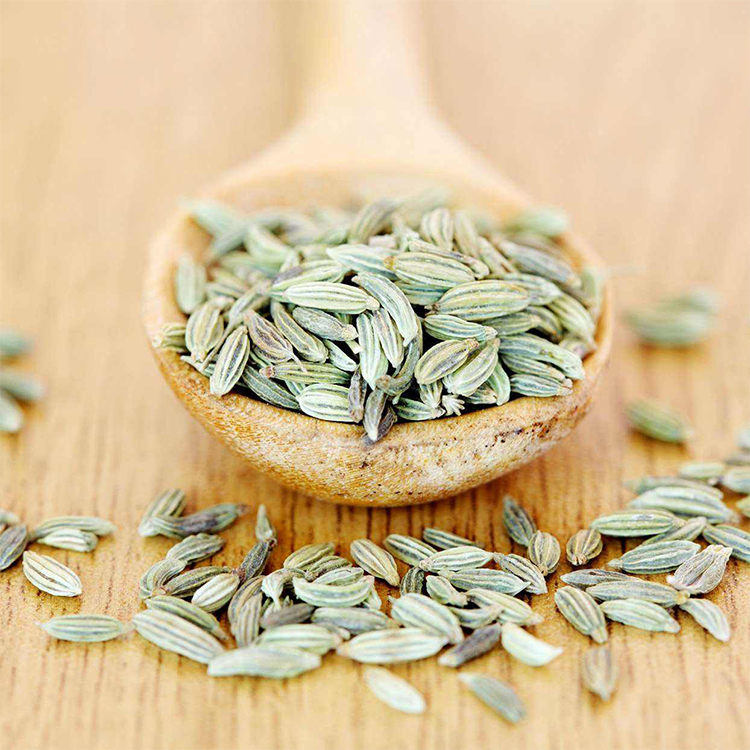
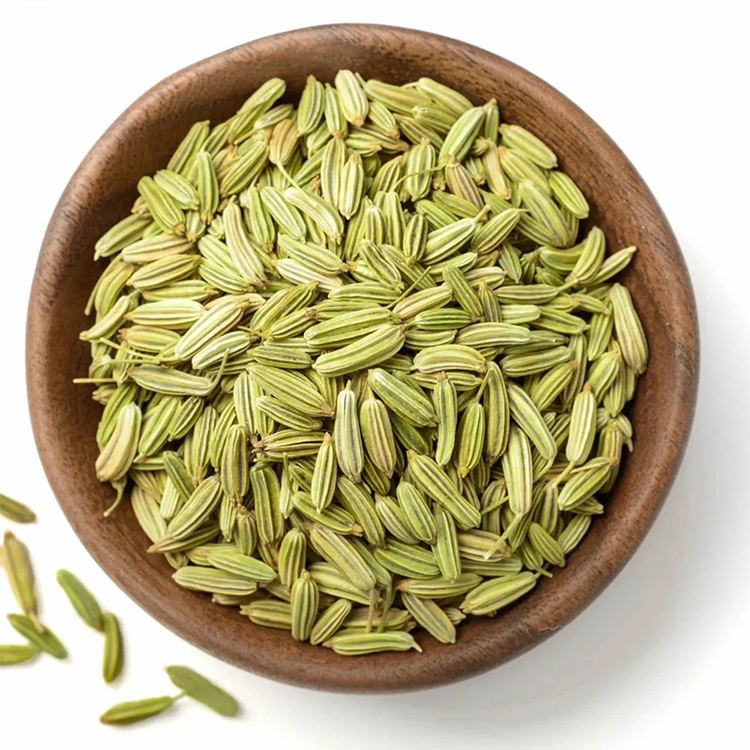
The first surprise is botanical. What commerce calls fennel seed is actually the dried ripe fruit of Foeniculum vulgare Mill., a member of the Apiaceae family. That is also how the U.S. Food and Drug Administration defines fennel seed: a clean, dried, ripe fruit with a green or yellowish-tan color, aromatic odor, and sweet, anise-like taste.
That distinction is not academic. It affects identity testing, customs descriptions, pharmacopoeial references, and whether a supplier understands the material being sold.
Buyers comparing bulk Fennel Seed, or Xiao Hui Xiang should begin with the intended product: a sausage seasoning, curry blend, loose-leaf infusion, tea bag, extract, or herbal medicinal preparation. Each requires a different specification.
“Fennel Seed” Is Not a Complete Product Identity
ISO published separate 2023 standards for bitter and sweet fennel. ISO 7927-2:2023 covers whole or ground sweet fennel, while ISO 7927-1:2023 covers bitter fennel.
That split matters.
Sweet fennel generally delivers the softer, sweeter anise profile wanted in herbal tea and many food formulations. Bitter fennel has a sharper profile influenced by higher fenchone content. Buying either one under the loose description “fennel seeds” can produce a blend that passes basic laboratory tests but fails the sensory panel.
Three aroma compounds deserve attention:
trans-Anethole, C₁₀H₁₂O, supplies the characteristic sweet anise note.
Fenchone, C₁₀H₁₆O, contributes camphoraceous and bitter notes.
Estragole, C₁₀H₁₂O, contributes sweetness but also requires toxicological attention in some applications.
The American Spice Trade Association reports that volatile oil among commercial fennel origins can range from roughly 1% to 5%. Its industrial guide to spices and seeds also distinguishes whole, cracked, and ground forms. That range is far too wide for a serious buyer to accept “typical” as a test result.
For pharmaceutical-quality reference, the European Medicines Agency reports European Pharmacopoeia minimum essential-oil levels of 20 mL/kg for sweet fennel fruit and 40 mL/kg for bitter fennel fruit. Those are not universal food limits. They are useful identity and potency benchmarks when a seller claims pharmacopoeial quality.
My view is blunt: unusually cheap fennel with weak aroma may be old, badly stored, incorrectly identified, or partially exhausted after essential-oil extraction. A bright photograph will not expose any of those problems. Hydrodistillation and a representative sample will.
A Working Fennel Seed Quality Specification
The following table is a buyer-defined starting specification, not a substitute for regulations in the destination country. Limits should be tightened or amended after the food-safety plan, brewing method, consumer group, and final product have been established.
Requirement
Spice-blend starting target
Herbal-tea starting target
Verification
Botanical identity
Foeniculum vulgare Mill.; variety declared
Sweet or bitter fennel declared; no mixed lots
Macroscopy, microscopy, HPTLC or validated identity method
Crop and origin
Country, region, crop year and lot number declared
Same, with harvest and drying records
Traceability documents
Physical form
Whole or agreed ground mesh
Whole or approximately 1.5–3.0 mm cracked cut, if specified
Sieve analysis and approved sample
Purity
≥99.5%
≥99.5%
Gravimetric examination
Foreign matter
≤0.5%
≤0.5%
ASTA or equivalent method
Moisture
≤10.0%
≤10.0%
Validated oven or distillation method
Volatile oil
Buyer target ≥1.5 mL/100 g
Buyer target ≥2.0 mL/100 g for stronger infusion performance
Hydrodistillation
Total ash
≤9.0%
≤9.0%
Validated compendial method
Acid-insoluble ash
≤1.0%
≤1.0%
Validated compendial method
Salmonella
Absent in 25 g
Absent in 25 g
Accredited laboratory method
E. coli
<10 CFU/g
<10 CFU/g
Accredited laboratory method
Total plate count
Application-specific; example ≤100,000 CFU/g
Preferably ≤100,000 CFU/g before blending
Plate count or validated rapid method
Yeast and mold
Example ≤10,000 CFU/g
Example ≤10,000 CFU/g
Plate count
Pesticides
Compliant with destination-market MRLs
Compliant with destination-market MRLs
LC-MS/MS and GC-MS/MS multi-residue screen
Toxic elements
Pb, Cd, As and Hg within destination and customer limits
Same, with tighter limits where the final audience requires them
ICP-MS
Mycotoxins
Aflatoxin B₁ and total aflatoxins assessed
Same
LC-MS/MS or HPLC
Aroma profile
trans-Anethole and fenchone reported when consistency matters
trans-Anethole, fenchone and estragole reported
GC-MS or GC-FID
Pathogen treatment
Method and validation disclosed
Method, date and post-treatment handling disclosed
Steam, irradiation or other treatment record
Allergen controls
Cross-contact statement for mustard, sesame and other shared materials
Same
Allergen risk assessment
Packaging
Food-grade, sealed and lot-coded
High aroma and moisture barrier
Packaging specification and migration compliance
COA status
Actual numerical results
Actual numerical results
Lot-specific COA, method, date and laboratory
These numbers must remain application-specific. For example, demanding a high volatile-oil level makes sense when fennel carries the blend, but it may add cost without improving a formulation in which black pepper, clove, cinnamon, or star anise dominates.
Buyers developing multi-spice products can compare related materials through the site’s factory-direct dried spices range and broader fruit and seed botanical catalog. The approved fennel specification should still stand alone; category-level quality claims cannot replace lot data.
Microbial Safety Is Not Optional for a Dry Spice
Dry does not mean sterile.
FDA’s spice research found Salmonella in approximately 6.6% of imported spice shipments sampled during fiscal years 2007–2009, while about 12% showed filth such as insects or animal hair. The agency examined shipments from 79 countries and detected Salmonella-contaminated shipments from 37 of them, according to its spice safety findings.
Those figures are historical import-level data, not a claimed 2026 retail contamination rate. FDA later collected 7,249 retail samples and found substantially lower prevalence in most tested spice categories, consistent with manufacturers applying pathogen-reduction treatments after import.
That gap tells buyers something uncomfortable: supplier controls and treatment steps matter.
A COA showing “TPC: Pass” is weak evidence. I want the result, unit, method, specification, sampling date, laboratory name, treatment status, and lot number. I also want to know whether the sample was drawn before or after steam treatment.
Steam treatment can reduce pathogens, but poor control can flatten aroma, darken the seeds, raise temporary moisture, or create condensation during cooling. Irradiation may be technically effective but must be legal, documented, and acceptable in the destination market. Ethylene oxide treatment presents severe market-access problems in jurisdictions where its use is prohibited.
And untreated does not mean superior. It only means untreated.
The American Spice Trade Association’s cleanliness guidance sets fennel targets of no more than 1% mold by weight, 1% insect-defiled or infested material, and 0.5% extraneous matter. Its fennel provision also calls for reconditioning when at least 20% of subsamples contain specified insect or excreta evidence, or mammalian excreta averages at least 3 mg/lb.
Those are not attractive facts for a sales brochure. They are exactly the facts procurement teams need.
Herbal Tea Needs a Different Risk Review
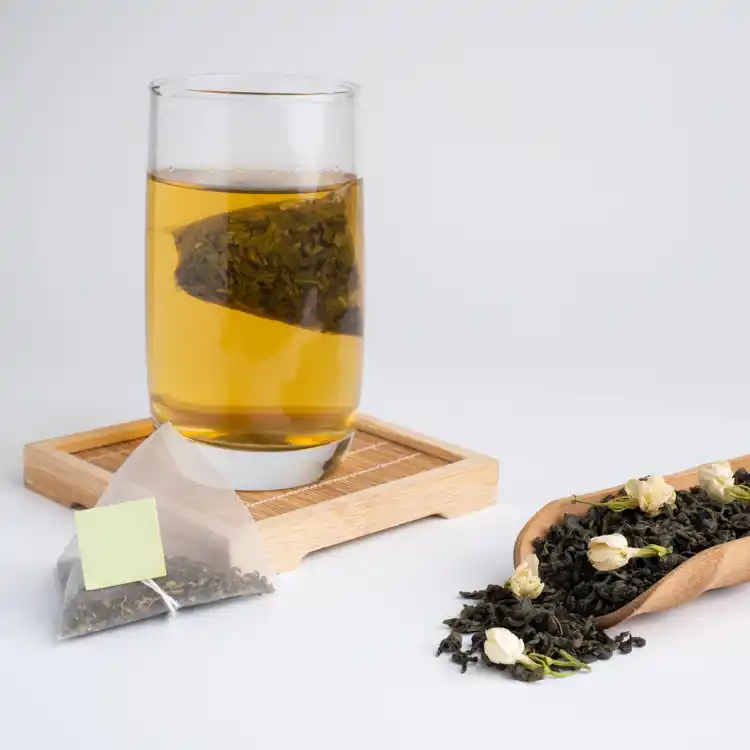
A spice blend may be cooked in sausage, bread, curry, or sauce. Fennel seeds for tea may receive only a short infusion in water below boiling point. The kill step is less predictable, and consumers may drink the product repeatedly.
Tea is different.
For that reason, I would require a controlled brew test alongside the dry-material tests. Fix the fennel mass, water volume, temperature, steep time, particle size, and vessel. Then record liquor color, aroma onset, sweetness, bitterness, sediment, and flavor after five and ten minutes.
The same lot should be tested after six or twelve months of storage. Volatile oil on the original COA does not prove shelf-life performance.
Estragole also deserves direct attention. In July 2025, the European Food Safety Authority opened a public consultation concerning estragole in fennel seed preparations, describing estragole as naturally occurring, genotoxic, and carcinogenic. EMA’s 2024 assessment likewise notes that infusion transfer varies with preparation and that crushing can alter exposure.
This does not justify claiming that every fennel tea is unsafe. It does justify asking harder questions when a product is designed for infants, children, pregnant consumers, breastfeeding consumers, or frequent daily use.
For herbal tea projects, request:
Sweet-versus-bitter variety confirmation
GC-MS data for estragole, trans-anethole, and fenchone
A defined whole or cracked particle size
A standardized infusion test
Microbial results after the final treatment
A destination-specific toxicological review
Evidence supporting every label claim
Stability data for both the dry blend and brewed sensory profile
Brands moving from ingredients to finished formats should align those requirements with the available Chinese herbal tea bag manufacturing options. Grinding, blending, treatment, and packing can all change the risk profile established for the original bulk fennel seeds.
The COA Test: Evidence or Decoration?
I reject generic COAs.
A useful fennel seed COA identifies the supplier, botanical name, plant part, variety, origin, crop year, batch number, production date, sampling date, test method, specification, numerical result, unit, analyst approval, and issue date. “Conforms” should appear only where a meaningful numerical result is genuinely unavailable.
The laboratory’s ISO/IEC 17025 scope should cover the methods being sold as accredited. A laboratory logo is not enough. Accreditation for water testing does not automatically validate pesticide analysis in fennel.
The hard truth? A COA supplied before the lot exists is usually a template.
Ask for three to five consecutive lot reports. Trend moisture, volatile oil, total plate count, yeast and mold, pesticide detections, and foreign matter. One perfect result can be selected. Five sequential lots reveal whether the process is controlled.
This is where a structured herbal supplier verification checklist becomes more valuable than another sample bag. A polished sample proves that the supplier can prepare one polished sample. It does not prove repeatability at 500 kg or 20 metric tons.
FDA enforcement provides a useful warning. In its April 25, 2023 warning letter to Krishiv Foods, FDA cited failures to conduct or document hazard analyses for imported whole nutmeg, whole mustard seed, and other foods under 21 CFR 1.504.
The lesson applies directly to wholesale fennel seeds: a purchase order and supplier certificate do not replace a documented hazard analysis.
The 2024 FDA warning letter issued to WanaBana USA is even harsher. Following extremely high lead findings in apple-cinnamon puree and a Class I recall, FDA stated that the importer’s supplier-verification activities had not provided adequate assurance that identified hazards were controlled.
That case involved cinnamon puree, not fennel. But the procurement failure is familiar: documents existed, yet verification did not control the actual hazard before import.
How I Would Source Wholesale Fennel Seeds
Price comes last.
I would start by sending every shortlisted supplier the same request for quotation. It should state botanical identity, sweet or bitter variety, intended use, annual volume, first-order volume, destination, whole or cracked form, sieve requirements, treatment preference, packaging, testing panel, incoterm, documentation, and sample quantity.
Then I would follow this sequence:
1. Approve the written specification
Do not approve a photograph. Approve measurable limits, methods, sampling rules, and rejection rights.
2. Compare representative samples
Request samples from an identified commercial lot. Conduct blind sensory tests and retain sealed reference samples.
3. Verify the laboratory data
Use an independent accredited laboratory for identity, moisture, volatile oil, microbes, pesticides, toxic elements, and mycotoxins. Add estragole profiling for relevant tea applications.
4. Run the real formulation
Put the sample into the actual fennel seed spice blend or herbal tea formula. A seed that smells excellent in a jar may disappear beside cinnamon, ginger, peppermint, chamomile, or licorice.
5. Audit processing and traceability
Trace one batch backward from finished packaging to cleaning, drying, treatment, field or collection source, and supplier approval. Then trace it forward through release and shipment.
6. Lock the approved sample
Define how future lots will be compared and what level of sensory or analytical deviation triggers investigation, discount, rework, or rejection.
For projects requiring custom particle size or formula development, bulk herb blending and milling services can consolidate cleaning, milling, blending, COA testing, packaging, and export documentation. But consolidation should increase traceability, not blur it.
Organic Fennel Seeds: Certification Is Only One Control
Organic is a production claim. It is not a microbial specification, freshness grade, volatile-oil guarantee, or proof of freedom from heavy metals.
That distinction irritates marketers. Buyers still need to make it.
For organic fennel seeds, verify the current certificate, certifier, operation name, covered location, product scope, handling activities, expiry or anniversary information, and transaction records required by the destination system. Confirm that the party invoicing the material can connect its lot to the certified supply chain.
Then run the same contaminant tests used for conventional fennel.
Organic production can limit certain inputs, but pesticide drift, environmental metals, storage insects, microbial contamination, undeclared mixing, and fraudulent certificates remain possible. Paying an organic premium without checking scope is buying a logo.
FAQs
What are the best fennel seeds for herbal tea?
The best fennel seeds for herbal tea are correctly identified sweet fennel fruits with a fresh anise-like aroma, controlled moisture, verified pesticide and microbiological results, and a volatile-oil profile that remains consistent after brewing, because infusion performance matters more than green color or seed size alone.
Whole or coarsely cracked material usually produces a cleaner-looking infusion than fine powder. Buyers should confirm particle size through a controlled brew test rather than assuming that smaller always means stronger.
What should appear on a fennel seed COA?
A fennel seed COA should be a lot-specific analytical record listing botanical identity, origin, batch number, sampling date, test methods, numerical results, units, specifications, treatment status, and laboratory authorization for moisture, volatile oil, ash, microbes, pesticides, toxic elements, mycotoxins, and any application-specific aroma compounds.
A document containing only “pass” or “conforms” cannot show whether the lot barely met the limit or performed comfortably inside it.
Are whole or ground fennel seeds better for spice blends?
Whole fennel seeds are intact dried fruits that retain aroma longer and allow visual inspection, while ground fennel disperses faster and more evenly through a spice blend but loses volatile compounds more quickly, hides foreign material, and requires tighter controls for particle size, oxidation, microbes, and storage time.
Many manufacturers obtain better control by purchasing cleaned whole seed and grinding it shortly before blending.
Does organic certification prove that fennel seeds are safe?
Organic certification proves that an operation and product are covered by an approved organic production and handling system; it does not by itself prove low microbial counts, absence of heavy metals, suitable volatile-oil content, correct botanical variety, fresh flavor, or compliance with every destination-market pesticide limit.
Buyers still need lot-specific analytical testing, certificate validation, transaction traceability, and supplier verification.
How should a buyer source bulk fennel seeds?
Reliable bulk fennel seed sourcing is a documented qualification process in which the buyer defines the variety, intended use, analytical limits, particle form, treatment, packaging, destination regulations, and rejection terms before comparing representative samples, independent test results, consecutive-lot data, factory controls, commercial capacity, and landed price.
The lowest quotation should be evaluated only after every supplier has answered the same specification.
Request a Lot-Specific Fennel Seed Evaluation
Do not send suppliers a message asking only for their “best price.”
Send the intended application, sweet-or-bitter preference, whole or cracked form, annual volume, first order, destination country, microbial limits, pesticide panel, volatile-oil target, packaging, and required documents. Request a representative sample plus three consecutive lot COAs.
Then test the material in your actual spice blend or herbal tea.
If you are sourcing bulk fennel seeds for a commercial formulation, submit those requirements with your quotation request and ask for a lot-linked sample, complete COA, treatment record, and traceability package before approving production.
Our low MOQ of 1 kg (2.2 lb) makes it easy to order Chinese herbal slices or wholesale Chinese medicine herbs. Private-label and bilingual labeling are also available.
Delivery Cycle & Support
We have a fast 7-day lead time. We provide free samples, COA reports, and technical support to help you bring high-quality bulk Chinese herbs to market.
Quality & Certifications
Our products are manufactured in a GMP-certified facility and meet ISO22000 standards. All Chinese herbs are third-party tested for heavy metals, pesticides, and microorganisms.