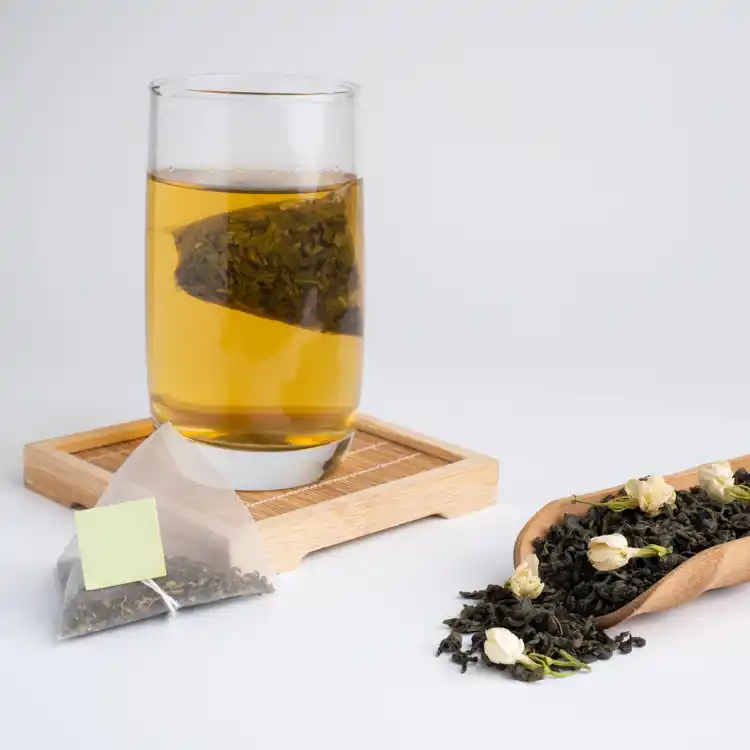
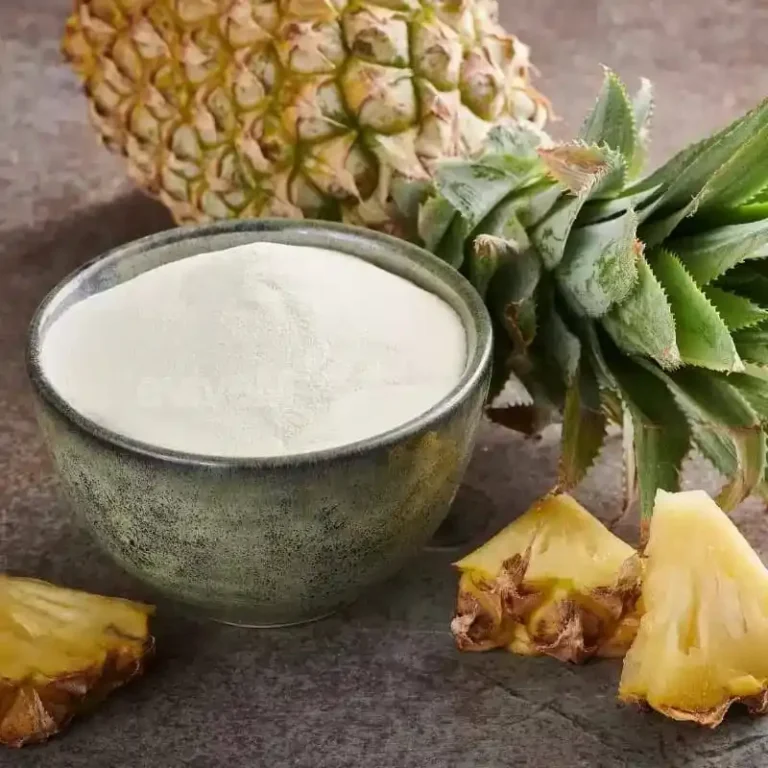
If you’re building a fermented “enzyme” drink with Chinese medicinals, you’re not really fighting fermentation. You’re fighting raw material behavior.
Same herb name. Different cut. Different moisture. Different pesticide/micro baseline. Suddenly your starter slows down, your acid curve gets ugly, and the flavor turns flat. That’s not bad luck. That’s spec drift.
Here’s my take (and yeah, I’ll defend it): The best Chinese medicinals for fermented enzyme drinks usually come from Fruit & Seed first, then a controlled slice of Root & Rhizome. Flowers/whole herbs work great for aroma—mostly as late-add. Barks and heavy-spice materials? Treat them like a tiny “hurdle tool,” because essential oils can basically hit the LAB kill switch.
If you’re sourcing at scale, you also need a supplier who can hold CTQs (critical-to-quality) and paperwork, not just sell a pretty herb photo. That’s where GuoCao fits naturally: GMP herbal slices lines, ISO 22000 food safety system, cold/cool/controlled warehouses, and third-party COA testing support. And yes, they do OEM/ODM, including fermented herbal enzyme drink programs.
You can check the category structure here (internal links only):
Regulatory: Dual-Use Food and Chinese Medicine Ingredients
Let’s be honest: “works well” means nothing if you can’t ship it.
For fermented drinks, you usually want herbs that sit in a food-compatible lane (depending on your market and claims). In China, one practical reference point is the “substances traditionally considered as both food and Chinese medicine” directory. A 2023 announcement added nine materials into that directory (including Codonopsis, Cistanche, Dendrobium officinale, American ginseng, Astragalus, Ganoderma, Cornus, Gastrodia, Eucommia leaf).
Why you care: it gives your project a cleaner compliance narrative and helps your QA team sleep at night. Not perfect, but better than freestyle.
Lactic Acid Bacteria Fermentation of Chinese Herbal Materials
Fermentation doesn’t “add magic enzymes” out of thin air. It mostly does three useful things:
Biotransformation: microbes shift the herb’s chemistry (bound → more available forms, new metabolites, different taste).
Acidification: organic acids help stability and sensory, if you control it.
Matrix softening: some harsh notes calm down, sometimes.
But LAB are picky roommates. They need food, a workable pH lane, and they hate certain antimicrobials.
Fruit bases outperform most roots in early-stage pilots
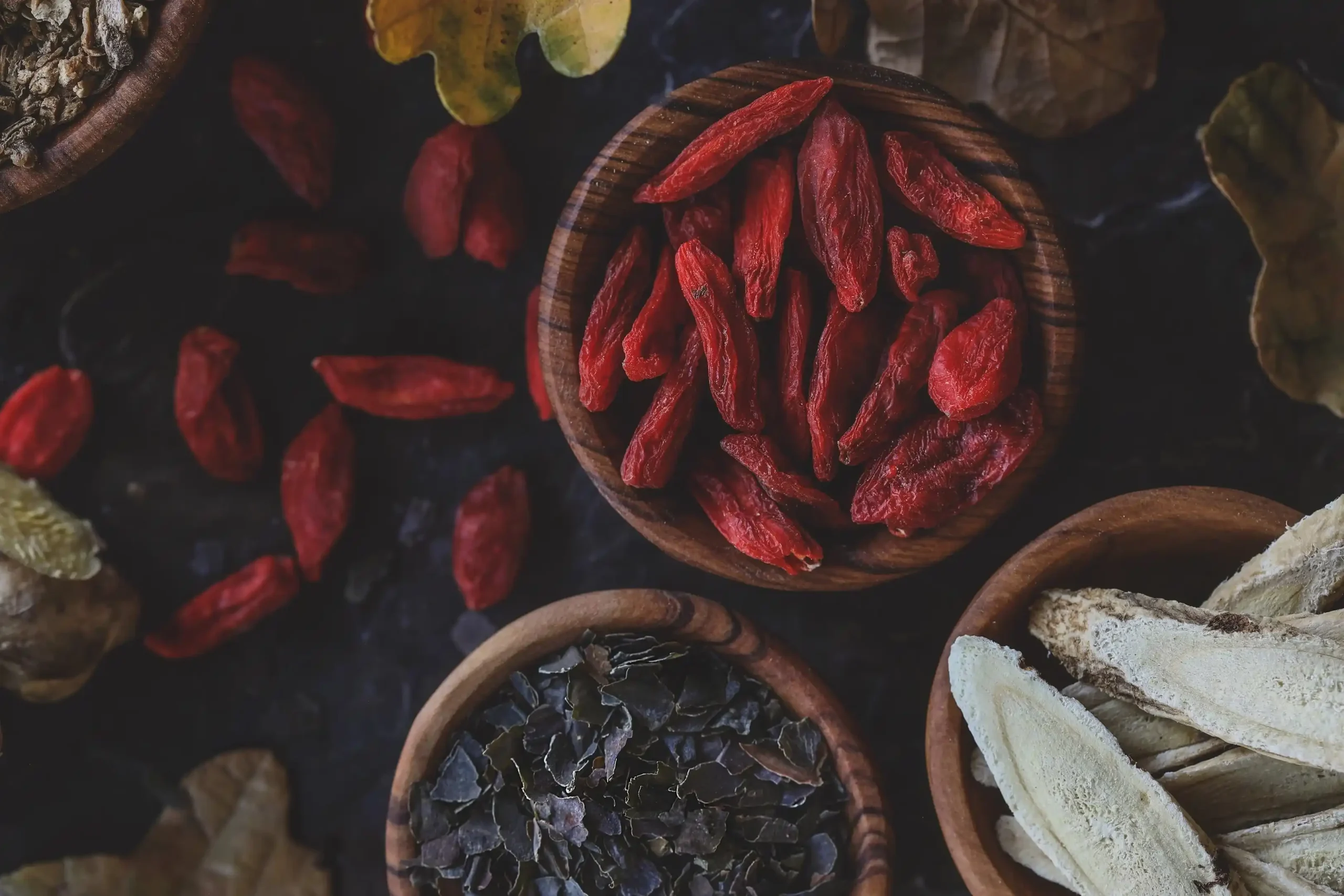
There’s published work showing fruit substrates like goji and hawthorn ferment cleanly with LAB, and goji juice fermented with multiple strains showed big jumps in lactic acid (multi-fold increases were reported). Hawthorn juice adjusted near mildly acidic pH supported LAB growth well.
So if you’re tired of stuck tanks, start where the biology is happy. Don’t start where it’s suffering.
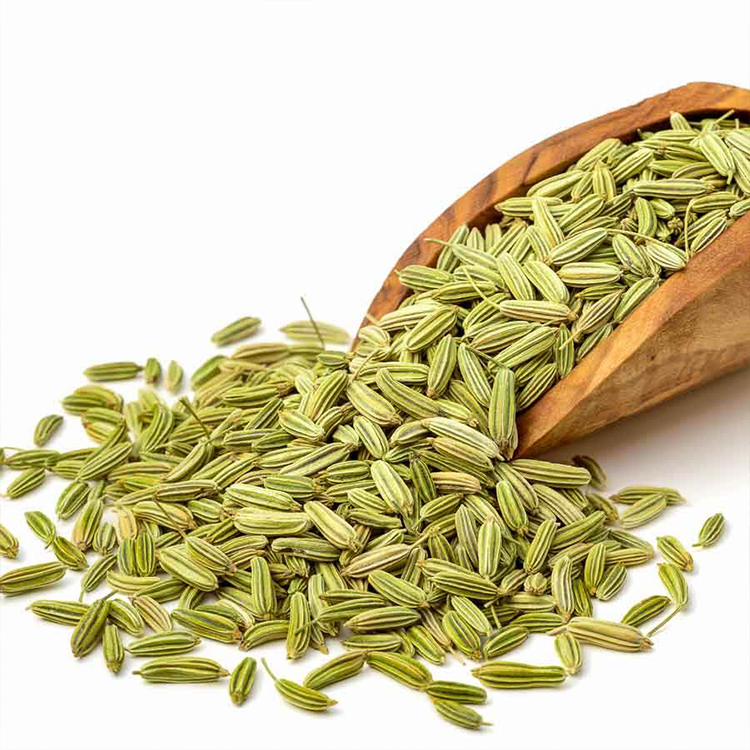
Fruit and Seed Chinese Medicinals
This is your low-drama category for fermented drinks. You get a better sugar/acid runway, nicer aroma, and faster consumer acceptance.
Real-world tip: if your base tastes like “wet cardboard,” you probably built it on the wrong foundation. Fruit/seed helps you avoid that sad flavor hole.
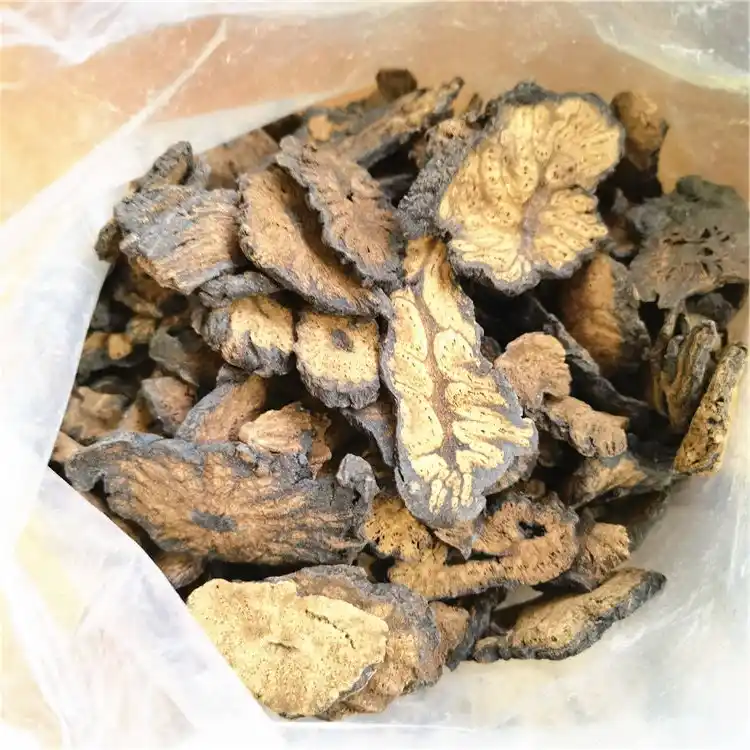
Root and Rhizome Chinese Medicinals
Roots/rhizomes give your formula a “spine.” They also bring most of the headaches: fiber, fines, filter load, bitterness, and variability.
So for Root & Rhizome, you don’t just buy “Dang Gui.” You lock spec, and you demand lot trace + COA pack.
Flowers and Whole Herbs
Flowers and whole herbs are your nose and top-notes. They can make a drink smell premium fast. But they’re also fragile: aroma loss, oxidation, moisture pickup… it’s like they hate storage.
Don’t throw delicate aromatics into aggressive primary fermentation unless you enjoy disappointment.
A simple pattern that works:
ferment the base (mostly fruit/seed + small root support)
after fermentation, infuse flowers/whole herbs at controlled time/temp
filter and stabilize
It’s not sexy. But it protects your aroma and stops the drink from tasting like it got washed.
Barks Cortex Chinese Medicines
Barks are powerful. They’re also risky in primary fermentation because many barks/spices contain strong volatile compounds (including essential oils) that can inhibit LAB.
Published food microbiology work shows certain essential oils (cinnamon-type profiles included) can strongly suppress lactic acid bacteria. Translation: you add a heavy bark/spice too early, and your starter may stall. Then you’re doing “rescue fermentation,” which is never fun.
Rule of thumb (works in real production): If it smells like a punch, don’t put it in day-0 primary ferment. Dose later. Keep it small. Let the culture establish first.
Animal and Mineral Chinese Medicinals
For fermented drinks, this category is usually not your first move. The compliance and consumer acceptance path can get complicated fast, plus identity testing is tighter.
If you’re dead set on it, treat it like a regulated ingredient program: documentation, testing, and market rules first. Otherwise, your project gets stuck in review forever.
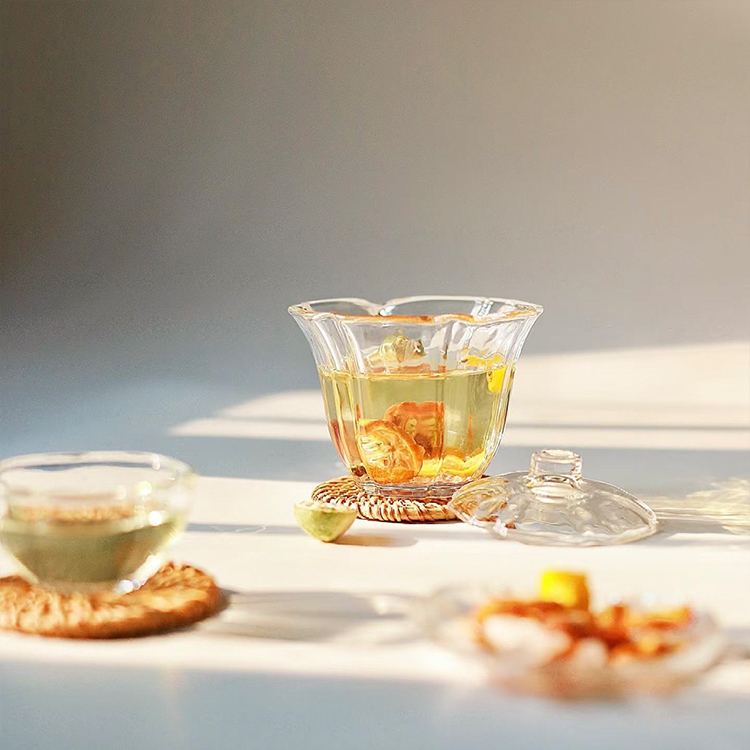
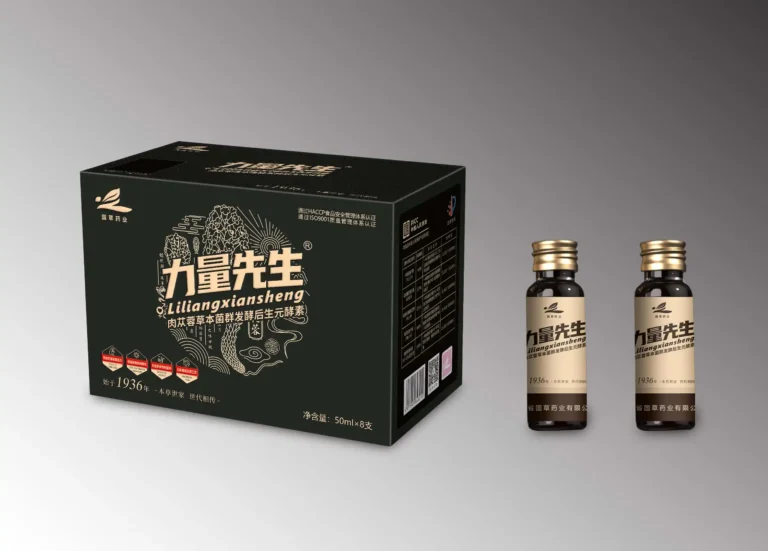
Herbal Enzymes Fermented Drinks
This is the direct keyword lane you’re targeting, and it’s exactly where GuoCao can plug in as more than a “raw herb seller.”
Here’s the commercial reality: buyers don’t just want an idea. They want repeatable batches, stable micro results, and a product that survives shipping.
That means: strain strategy + raw material CTQs + warehouse control + COA + SOPs. If you skip one, the whole thing gets wobbly. Kinda like a chair with 3 legs.
GMP ISO 22000 COA for Fermented Beverage Supply Chain
This is where most projects win or die.
When you scale, you need:
GMP production line discipline (clean slicing, controlled processing)
ISO 22000 food safety system mindset
third-party COA capability (so buyers can verify lots)
GuoCao’s positioning is strong here: they talk directly about GMP lines, ISO 22000, COA testing support, and storage setups, plus OEM/ODM support for herbal enzyme products. That’s not “marketing fluff.” That’s the stuff procurement teams ask about first.
Raw Herb Selection Table: Best Chinese Medicinals for Fermented Enzyme Drinks
peer-review fermentation studies on goji/hawthorn substrates; GuoCao category structure
Root and Rhizome Chinese Medicinals
Base support / structure
strong positioning, but needs spec lock (cut/fines/moisture)
manufacturing/QC best practice; GuoCao category structure
Flowers and Whole Herbs
Post-ferment infusion
protects volatile aroma, reduces oxidation losses
shelf-life/seasonality handling logic; GuoCao category info
Barks Cortex Chinese Medicines
Late micro-dose
essential oils can inhibit LAB; use as “hurdle tool” carefully
food microbiology literature on essential oils vs LAB
Animal and Mineral Chinese Medicinals
Usually avoid in drinks
compliance + acceptance + ID testing complexity
supplier compliance/QC practice
Dual-Use Food and Chinese Medicine
Regulatory-first selection
helps compliance story for food-format projects
national announcement directory update
Practical Formulation Patterns for Enzyme Drink Brands
Here are three patterns that solve real buyer pain:
Fruit-forward base + root backbone
Use fruit/seed as the fermentation engine, then add a small root/rhizome layer for story and depth. This usually gives you stable kinetics + drinkable taste. Your QA team will thank you.
Base fermentation + aroma finish
Ferment clean, then do flowers/whole herbs in a controlled finish step. This keeps the aroma alive and avoids “fermented perfume” off-notes. It also makes sensory consistent across lots.
Spices as a controlled “hurdle stack”
If you want bark/spice character, do it late and low. Think of it as a hurdle, not a main ingredient. Too early and the starter don’t move. Too much and it tastes like medicine cabinet.
Where GuoCao Helps: OEM ODM Fermented Herbal Enzyme Drinks
If your customer is a supplement factory, functional beverage brand, hospital channel, or distributor, they’ll ask the same things every time:
Can you hold specs (cut size, moisture, micro limits)?
Can you provide COA per lot?
Can you support OEM/ODM and scale?
Can you ship globally with proper docs?
GuoCao’s setup answers that buyer checklist in one line: GMP herbal slices line + ISO 22000 + controlled warehousing + third-party COA testing + OEM/ODM support. That’s why they fit naturally in enzyme drink projects—especially when you want to go from pilot to real production without chaos.
Sources Used (names only, no external links)
National Health Commission of China, 2023 announcement on “substances traditionally considered as both food and Chinese medicine” (added nine materials).
Peer-reviewed review articles on probiotic/LAB fermentation of Chinese herbal materials (biotransformation and safety/quality themes).
Peer-reviewed studies on goji and hawthorn fermentation with lactic acid bacteria (substrate suitability and organic acid changes).
Food microbiology literature on essential oils inhibiting lactic acid bacteria (spice/bark risk in primary fermentation).
GuoCao website category pages and capability statements (GMP, ISO 22000, COA, warehousing, OEM/ODM).
Our low MOQ of 1 kg (2.2 lb) makes it easy to order Chinese herbal slices or wholesale Chinese medicine herbs. Private-label and bilingual labeling are also available.
Delivery Cycle & Support
We have a fast 7-day lead time. We provide free samples, COA reports, and technical support to help you bring high-quality bulk Chinese herbs to market.
Quality & Certifications
Our products are manufactured in a GMP-certified facility and meet ISO22000 standards. All Chinese herbs are third-party tested for heavy metals, pesticides, and microorganisms.