Clove Bulk Buying Guide: Essential Oil, Stem Content, and Storage
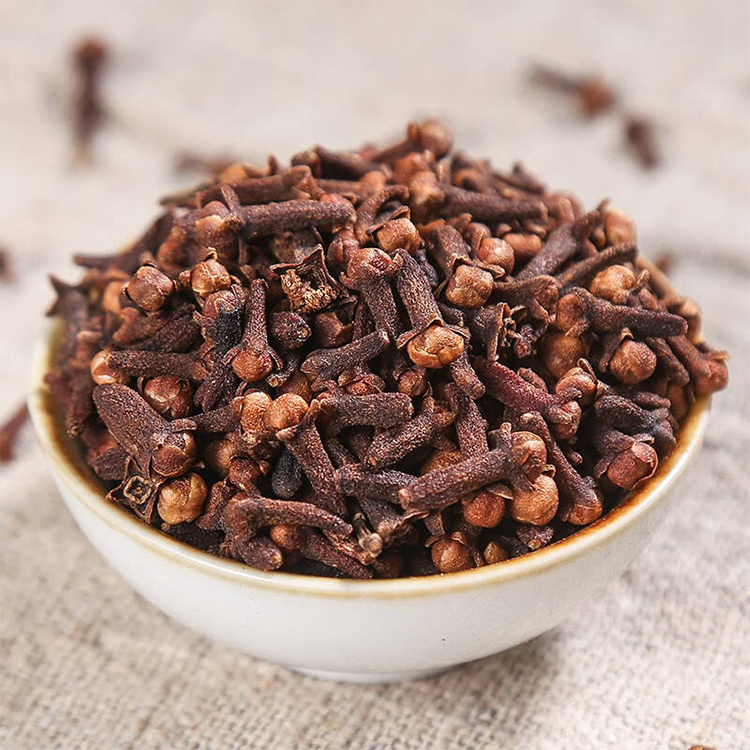
Buying bulk cloves is not about finding the cheapest brown buds in a sack. Real value sits in volatile oil, eugenol profile, stem percentage, moisture control, microbial safety, and storage discipline.
When buyers chase the lowest offer on bulk cloves without asking about volatile oil, stem content, harvest origin, moisture, and post-harvest cleaning, they are not negotiating; they are volunteering to inherit someone else’s sorting problem, storage problem, or adulteration problem. Why would a clean lot with high aroma, low stems, and export-ready paperwork be dumped below market?
I do not trust a clove quote until I know three things: essential oil strength, stem content, and storage history. Everything else is decoration.
Clove, or Syzygium aromaticum, is traded as a spice, herbal ingredient, and essential-oil raw material. On the supplier side, the best place to start is a properly documented bulk clove supplier page that states the Latin name, form, appearance, packaging, MOQ, and quality assurance path. On the buyer side, the work begins before you ask for a price.
The hard truth: bulk cloves are not one product. They are several products hiding under one name.
Essential Oil Is the Real Currency in Bulk Cloves
If you are buying bulk cloves for tea blends, spice manufacturing, herbal formulas, extraction, oral-care products, or fragrance work, the aroma is not just “nice to have.” It is commercial value.
The clove bud usually carries a strong volatile oil fraction, and the dominant active aromatic compound is eugenol, chemically known as C10H12O2 or 4-allyl-2-methoxyphenol. A 2021 review on clove essential oil published through the National Library of Medicine describes eugenol as the major compound in clove essential oil, while other fractions include eugenyl acetate, β-caryophyllene, and α-humulene.
That matters because a dull-smelling lot is not just old. It may be low-oil, over-dried, stem-heavy, poorly stored, or blended with inferior material.
A supplier can offer a lower unit price by leaving extra stems, shipping older inventory, accepting higher broken material, or pushing lots that smell acceptable at the bag opening but collapse after three months in a humid warehouse; the buyer only notices after production, when the finished tea, seasoning, tincture, or extraction batch performs badly. Is that still “cheap”?
Table of Contents
Stem Content: The Quiet Tax on Wholesale Cloves
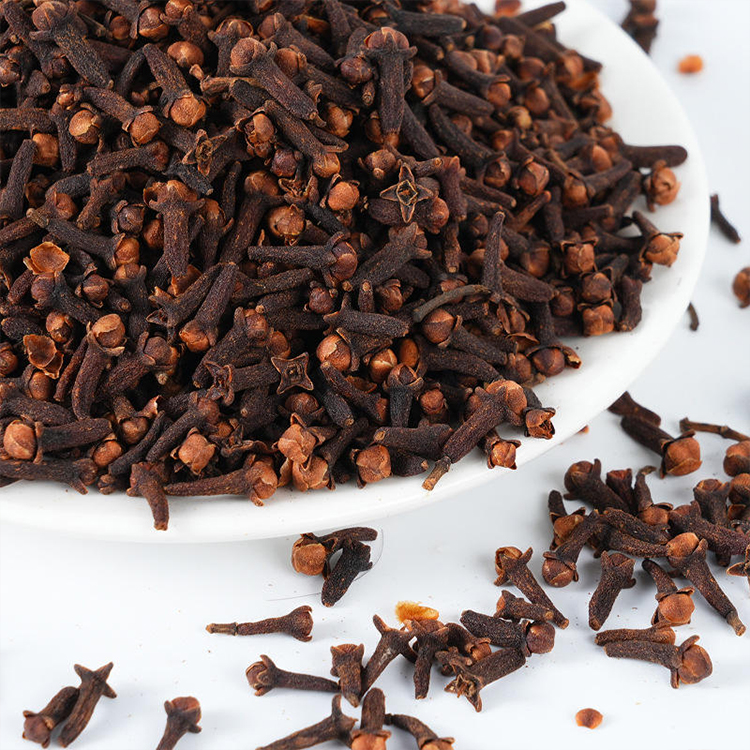
Clove stems are not automatically fraud. They are part of the plant. But in bulk cloves, excess stem content is a value leak.
Whole clove buds are the premium material. Stems usually carry a different aromatic profile, different oil economics, and less visual appeal for culinary or herbal retail packing. For extractors, stem material can still have eugenol value, but that does not mean it should be priced like clean bud.
I have a blunt rule: if the supplier will not discuss stem content, I assume the number is bad.
A serious buyer should request a representative sample and manually separate it into three fractions: whole buds, stems, and broken/dust. Weigh each portion. Do not eyeball it. A stem-heavy lot may look acceptable in a photo because brown-on-brown hides sins beautifully.
For related spice blends, clove is often paired with warming aromatics such as cinnamon, ginger, cardamom, and pepper. That is why cross-linking to cinnamon bark bulk supply and black pepper wholesale spice supply makes sense in a procurement journey, especially for seasoning, tea, and herbal formula buyers building a multi-SKU order.
Bud Oil, Stem Oil, and Buyer Confusion
Here is where the industry gets slippery. Clove bud oil, clove leaf oil, and clove stem oil are not the same commercial material.
Research comparing clove bud, leaf, and stem essential oil has found that stem oils can be very high in eugenol, with reported stem oil eugenol levels around 88.46% to 93.91% depending on origin in one study of Madagascar, Indonesia, and Zanzibar material.
So, should buyers love stems? Not so fast.
High eugenol does not automatically make a stem-heavy whole-clove lot premium. A spice buyer wants appearance, aroma balance, low debris, and consistent bud integrity. An extraction buyer may value stems differently, but only if the pricing model is honest. Different use. Different math.
The Global Supply Trap: Indonesia Produces, But Does Not Always Export
The clove market is not a calm spreadsheet. It is tied to weather, smallholder harvest cycles, Indonesian domestic demand, Madagascar export flows, Tanzania and Comoros supply, freight rates, and the demand curve for kretek cigarettes.
The World Bank’s report on clove farming in Indonesia states that Indonesia has produced more than 70% of the world’s cloves, yet around 90% of Indonesia’s annual harvest is typically purchased by the domestic tobacco industry for kretek production, leaving only a small share for export in most years.
That single fact explains a lot of buyer pain.
When Indonesian supply tightens, importers suddenly discover that “origin flexible” is not a strategy. Madagascar, Zanzibar/Tanzania, Comoros, Sri Lanka, and other origins can fill gaps, but each origin may bring different size, aroma, oil profile, visual standard, and pricing rhythm.
If you are building a private-label tea, seasoning, or herbal product line, you should not treat origin as an afterthought. Use the broad category pages for traditional Chinese medicine herbs and spices to structure the procurement basket, then ask the supplier which products can be consolidated under one shipment, one COA package, and one documentation process.
Food Safety: The Part Buyers Pretend Is Boring Until It Costs Money
Nobody wants to talk about insect fragments, rodent hair, or Salmonella in a buying guide. Good. Let’s talk about it anyway.
The FDA’s Risk Profile: Pathogen and Filth in Spices was built because spices have repeatedly raised food-safety concerns in the U.S. supply chain. The FDA draft data reported 6.6% Salmonella prevalence in sampled imported spice shipments during FY2007–FY2009, compared with 3.4% for other imported FDA-regulated foods in the same dataset.
That number should make bulk buyers uncomfortable.
The same FDA draft risk profile reported 12% filth adulteration prevalence in sampled imported spice shipments during FY2007–FY2009, compared with 7.00% for other imported FDA-regulated food shipments; whole spices in that table showed 15% filth prevalence.
This does not mean every bulk clove lot is unsafe. It means professional buyers should stop treating spices as if dryness alone makes them clean. Low water activity can limit microbial growth, but it does not magically erase contamination introduced during harvesting, drying, bagging, storage, or transport.
So, I would rather pay for a supplier that can show GMP handling, ISO 22000-style food safety control, third-party COA testing, and export documents than save a few cents on a lot that becomes a customs headache. The site’s request a quote page is useful here because it positions MOQ, delivery cycle, samples, COA support, and quality documentation in one buying path.
Storage Is Where Good Cloves Go to Die
Cloves hate careless warehouses.
The essential oil fraction is volatile, which means aroma loss is not a theory. It is physics. Heat, oxygen, light, moisture, and time all punish bulk cloves. A bag that smells aggressive on arrival can smell flat by the time it reaches production if it sits near a loading door, against a damp wall, or under direct sunlight.
For best quality cloves in bulk, I would set storage rules before the shipment leaves the supplier:
Storage Factor
Recommended Control
What Happens If Ignored
Temperature
Cool, stable warehouse; avoid heat spikes
Faster aroma loss and oil degradation
Humidity
Dry conditions; avoid condensation
Mold risk and clumping
Light
Opaque packaging or cartons
Aroma and color deterioration
Oxygen
Sealed inner bags, limited re-opening
Volatile oil loss
Pest control
Clean, monitored storage zone
Insect infestation and rejected lots
Rotation
FIFO with batch codes
Old stock hidden behind new stock
Packaging
Moisture-barrier inner liner plus export carton
Aroma bleed and moisture pickup
And please, do not store cloves next to aggressive odors. Cloves are aromatic, yes, but they can still pick up warehouse smells. Paint, fuel, solvents, moldy cartons, and strong spices can all create sensory problems.
For buyers ordering multiple botanical ingredients, I would check whether the supplier’s broader bulk herbs and spices supply system can support batch tracking, packaging customization, and shipment planning. Bulk buying is not just product selection. It is logistics discipline.
How I Would Buy Bulk Cloves Without Getting Burned
Here is my working procurement sequence.
First, define the use case. Culinary whole cloves, tea blend cloves, extraction-grade cloves, herbal formula cloves, and retail-pack cloves do not need the same standard. Stop asking one material to serve five masters.
Second, request a sample from the same lot offered for sale. Not a showroom sample. Not “similar quality.” The same lot.
Third, evaluate aroma immediately and again after seven days in a sealed sample bag. Weak lots often reveal themselves after the first impression fades.
Fourth, split the sample by hand. Weigh buds, stems, broken pieces, and dust. This is tedious. It is also where the truth lives.
Fifth, ask for COA, microbial testing, pesticide screening, heavy metal data, origin statement, packing details, and lead time. A professional supplier should not act surprised by these questions.
Sixth, pressure-test the commercial terms: MOQ, payment, incoterms, packaging format, private label options, documentation, and whether free samples are available. GuoCao’s own about-us page states factory background, GMP-certified production lines, ISO 22000 food safety management, and third-party testing claims, which are exactly the kinds of supplier claims buyers should verify through documents before repeat orders.
FAQs
What are bulk cloves?
Bulk cloves are wholesale quantities of dried Syzygium aromaticum flower buds purchased for food manufacturing, spice blending, herbal products, extraction, private label packing, or distribution, usually in kilogram, carton, or larger commercial formats rather than small retail jars. Buyers judge them by aroma, oil strength, stem content, cleanliness, moisture, and documentation.
Bulk cloves should not be bought like ordinary pantry spices. The buyer needs to think like a processor: batch number, COA, origin, volatile oil, moisture, microbial limits, and packaging. A beautiful photo is not enough.
What is clove stem content?
Clove stem content is the percentage of stem material mixed into a batch of whole cloves, usually measured by separating a representative sample into buds, stems, broken pieces, and dust, then weighing each fraction. Higher stem levels can reduce visual quality and may distort the real value of a quoted bulk price.
Some stem presence is normal, especially in agricultural raw materials. But when stems creep upward, the buyer may be paying bud prices for lower-grade material. Always ask for a stem estimate before confirming bulk cloves.
Why does clove essential oil matter when buying wholesale cloves?
Clove essential oil matters because it carries much of the aroma, flavor intensity, and extraction value that makes cloves commercially useful in foods, teas, oral-care products, fragrance work, and herbal blends. A batch with poor oil performance may look acceptable but produce weak finished goods or lower extraction yield.
For bulk clove essential oil buyers, eugenol percentage matters. For whole-spice buyers, aroma balance and freshness matter too. Do not confuse a lab number with total quality.
How should I store cloves in bulk?
Bulk cloves should be stored in a cool, dry, sealed, odor-free, pest-controlled warehouse using moisture-resistant packaging, batch labels, and FIFO rotation to protect volatile oil, color, aroma, and food safety. Heat, humidity, oxygen, sunlight, and repeated bag opening can quickly damage commercial quality.
The best practical setup is a sealed inner liner inside a carton or outer sack, stored off the floor and away from walls. Never leave opened cloves exposed in humid production rooms.
Are cheap wholesale cloves a bad sign?
Cheap wholesale cloves are not always bad, but a price far below market often signals extra stems, older stock, weak aroma, broken material, poor sorting, uncertain origin, inadequate testing, or storage problems. The real cost appears later through rejected batches, weak finished products, customer complaints, or import delays.
A fair price with documents beats a cheap quote with excuses. I would rather negotiate packaging, volume tiers, or mixed-container efficiency than buy a suspicious lot.
What documents should I request before buying cloves in bulk?
Before buying cloves in bulk, request a COA, botanical identity, origin statement, microbial test results, pesticide and heavy metal screening, moisture data, packaging details, batch number, shelf-life guidance, and export documents when applicable. These documents prove whether the supplier is selling a controlled ingredient or merely moving spice sacks.
For repeat buying, keep every batch file. When a finished product fails aroma, safety, or customer inspection, your batch documents become the only useful map back to the problem.
Your Next Steps
If you are buying bulk cloves for manufacturing, extraction, herbal formulas, tea blends, seasoning, or private label packing, stop shopping by price first.
Ask for a same-lot sample. Separate the stems. Smell it twice. Demand documents. Confirm packaging. Then negotiate.
For buyers who need bulk cloves with supplier support, samples, COA documentation, and export-ready packing, start with the Clove Ding Xiang bulk supply page or send specifications through the Request a Quote page before placing a production order.
Our low MOQ of 1 kg (2.2 lb) makes it easy to order Chinese herbal slices or wholesale Chinese medicine herbs. Private-label and bilingual labeling are also available.
Delivery Cycle & Support
We have a fast 7-day lead time. We provide free samples, COA reports, and technical support to help you bring high-quality bulk Chinese herbs to market.
Quality & Certifications
Our products are manufactured in a GMP-certified facility and meet ISO22000 standards. All Chinese herbs are third-party tested for heavy metals, pesticides, and microorganisms.