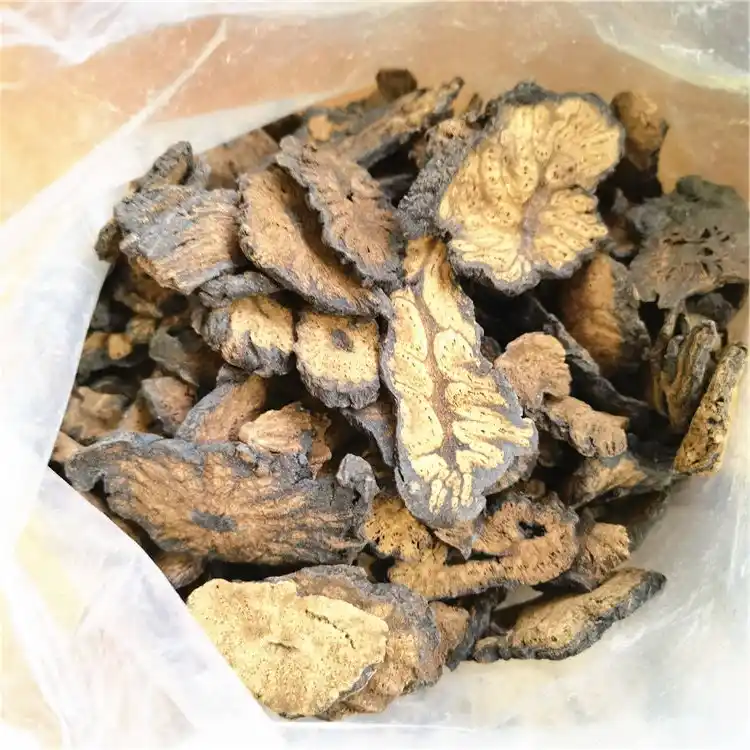
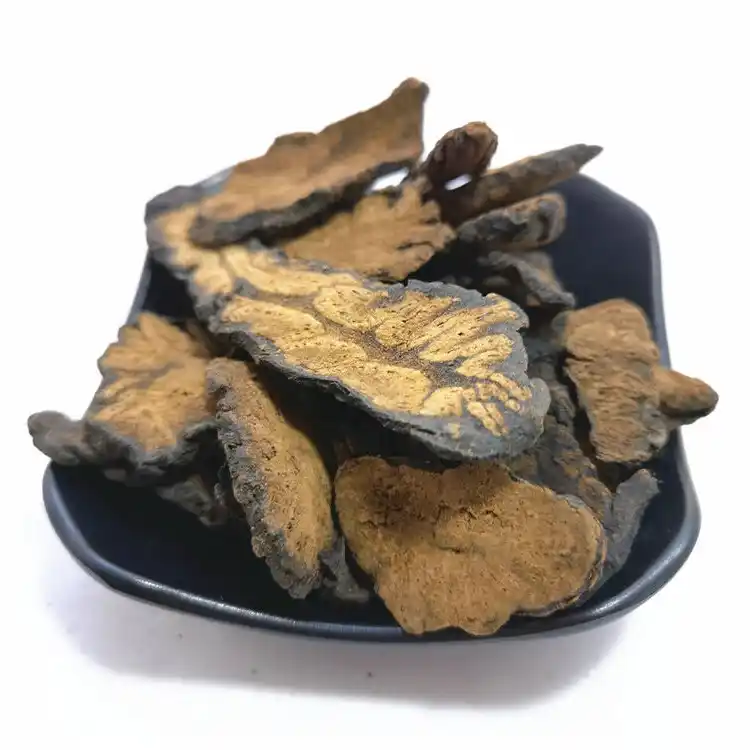
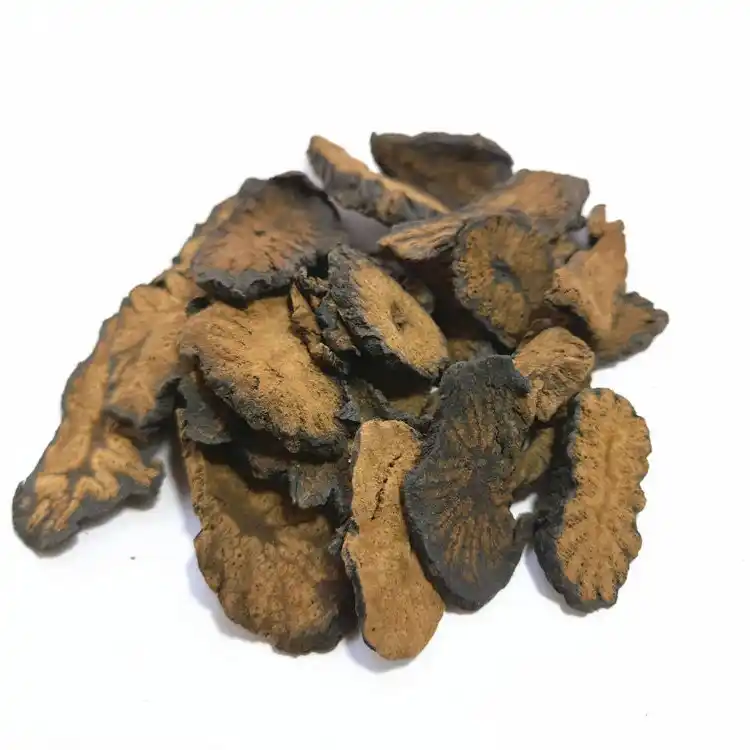
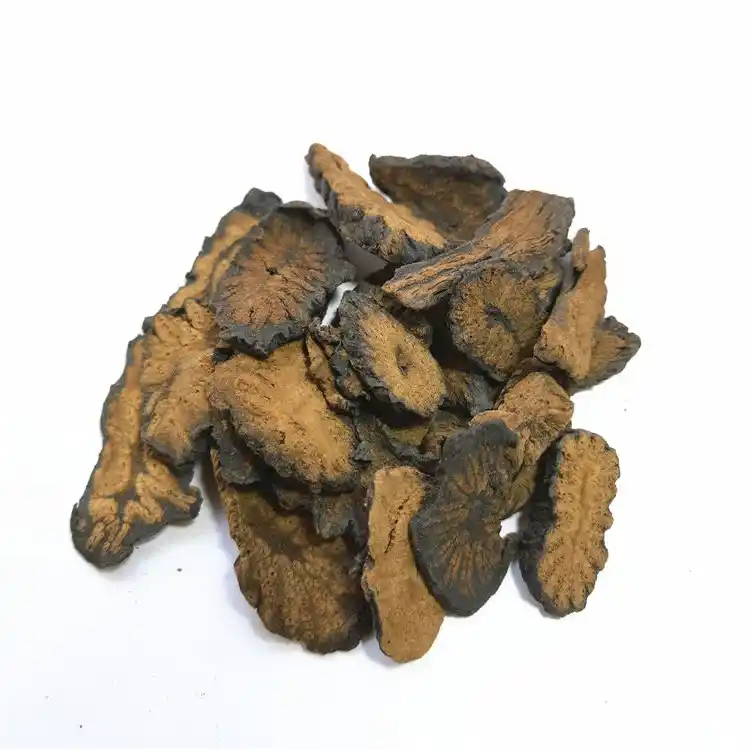
If you’re building a cistanche postbiotic drink, you’re not fighting “taste.” You’re fighting timing, acid shape, and off-notes that pop up the moment sugar drops. And yeah—most teams only notice that on the second bench round, when the first sample tasted “fine” and the scale-up suddenly tastes loud.
Here’s my take: sweetness, acidity, and masking aren’t three knobs. They’re one system. If you tune them separately, you’ll chase your tail.
GuoCao sits in this space every day—raw herb supply, postbiotic enzyme drinks, OEM/ODM, and the unsexy stuff like QA paperwork and warehouse control. If you don’t know the brand: start at Wholesale Chinese Medicinal Herbs and Spices Supplier – GuoCao. Their site is pretty straight about GMP + ISO 22000 + third-party COA testing.
Sugar reduction makes off-flavors more noticeable
Let’s say the functional stack is strong: cistanche base + postbiotic metabolites + whatever else you’re adding. You pull sugar down to hit “better-for-you.” Now the drink tastes sharper, more bitter, more earthy.
That’s not you “messing up.” That’s basic product physics.
Industry folks say it blunt: sugar can mask undesirable flavors, and when you reduce it, acidity or bitterness becomes more pronounced, so you usually need masking to bring balance back.
So the playbook starts with one rule:
Rule #1: Don’t blame cistanche first. Blame the missing sweetness base. You removed the blanket. Now you can see the stains.
Sweetness: temporal profile, not just “how sweet”
Most teams think sweetness is a number. In reality it’s a curve.
Cargill frames it in a way R&D people actually use: when you mask bitterness with sweeteners, you need a sweetener whose temporal profile matches the bitter signal, because the brain needs both signals at a similar time.
Sweetness for mixture suppression (and why “a little” matters)
A small bump of sweetness can reduce sourness and bitterness through mixture suppression—same idea as “sweet can mask acidic notes.”
Practical way to think about it:
Front-end sweet calms the first hit (where people decide “nope”).
Mid-palate sweet covers earthy/woody notes.
Tail sweet is risky. Too much and you get linger + cloy. Too little and bitter shows up.
This is where brands get stuck at: they chase “more sweet” instead of chasing the right moment of sweet. Taste dont care about your label claims.
Sweetener selection: match the curve to the bitter window
If your cistanche + postbiotic system has a bitter tail, pick a sweetener system that doesn’t drop too early. If it drops early, bitterness takes the mic at the finish. If it hangs too long, you get that “diet” vibe.
You don’t need fancy talk here. You need a bench plan:
Build your base with your target acid.
Test sweetener systems by when sweetness shows up, not just intensity.
Lock the one that covers the off-note window.
That “timing alignment” is exactly what the temporal profile point is about.
Acidity: pH vs titratable acidity (TA)
A lot of beverage teams obsess over pH like it’s the whole story. pH matters for safety and stability, sure. But perceived sourness tracks better with titratable acidity (total acidity) than pH.
Translation: you can hold pH steady and still make the drink feel more (or less) sour by changing acid type and TA.
Sweet–sour interaction data you can actually quote
A 2025 study on sucrose + citric acid found that adding citric acid consistently inhibited sweetness, and stronger citric acid reduced how long sweetness lasted and made it fade faster.
So if you push citric acid hard and then complain “sweetness keeps disappearing,” that’s not bad luck. That’s the interaction.
Acid choice: “shape” the sour, don’t just raise it
SupplySideSJ points out you can change the acid used to change sourness perception, because the tongue responds differently even at similar pH levels.
This is where you can get clever without making the ingredient deck weird:
Swap some citric for malic/lactic-style sour (different bite).
Adjust TA to avoid that sharp spike.
Use aroma top-notes to make sour feel “bright” instead of “harsh.” (More on that below.)
Here’s the clean framework from Prepared Foods: there are three distinct techniques—encapsulation, peripheral interaction (receptor inhibition), and central cognitive interaction (mixture suppression).
When your cistanche drink tastes off, you’re usually using two of the three, even if you don’t say it out loud.
Receptor inhibition: bitterness blockers are real, but not magic
Perfumer & Flavorist makes an important reality check: humans have 26 bitterness receptors (TAS2Rs), and no one blocker blocks all 26.
So don’t build your launch plan on a single “bitter blocker” saving the day. In practice you stack:
some mixture suppression (sweet/acid balance),
some aroma redirection (top-notes),
and maybe a blocker if it fits the system.
Encapsulation: when you can’t remove the bitter, hide it
Encapsulation shows up when inhibition and suppression aren’t enough. Prepared Foods notes encapsulation can help mask bitter taste, using methods like spray-drying emulsions and coacervation.
In beverages, you’re not always literally microencapsulating the whole problem, but the mindset helps: control release. If the bitter compounds hit fast, you slow them. If they linger, you cover the tail.
Aroma and “attention steering” (the most common commercial move)
This is the simplest to ship: add a supporting flavor profile that pulls attention away from earthy/bitter notes. EpicSI describes masking as using specific flavor molecules to reduce off-notes.
For Chinese herbal systems, the practical trick is often:
citrus / fruit top-notes first,
herb body stays underneath,
finish is cleaned up with acid + sweet timing.
That matches what GuoCao writes on their own herbal-enzyme positioning: controlled fermentation for “refined flavor complexity,” not just raw herb punch.
Cistanche polysaccharides and mouthfeel (yes, texture is part of masking)
If your drink feels thin, every off-note feels sharper. Mouthfeel is a shield.
A 2025 review notes cistanche polysaccharides can act as thickeners/stabilizers; changing concentration, temperature, and pH changes viscosity, which changes perceived consistency and taste. It also notes stability under acid and heat conditions.
So even if you’re not selling “fiber,” you can still use texture logic:
a slightly fuller body = less “spiky” bitterness,
better coating = less dry finish.
The two-step process: neutralize base, then build the flavor you want
Weber Flavors puts masking into a simple two-step:
neutralize the undesired characteristic,
build a stronger flavor profile on top—and sometimes that means using notes that feel “unbalanced” in a normal drink, like higher acidity.
That’s the exact workflow you want for cistanche postbiotic.
Debug table: what to tweak, what it fixes, and what to cite
Problem you taste
Fast knob to try
Why it works (plain English)
Source
Bitter tail, long linger
Sweetness curve + blocker (if needed)
You cover the same time window bitterness shows up
Citric acid suppresses sweetness duration and speeds fade
Sweet–sour data
Earthy/woody upfront
Add bright top-notes, don’t just add sugar
You redirect attention; the herb can sit lower
Masking approach
Thin, drying finish
Add body / viscosity support
Texture softens the edges of off-notes
Cistanche polysaccharide viscosity
“Still messy” after tweaks
Follow the two-step masking workflow
Neutralize first, then rebuild flavor on top
Two-step masking
Where GuoCao fits: OEM/ODM, QA discipline, and repeatable lots
Taste issues aren’t only formula. They’re supply chain and process control too.
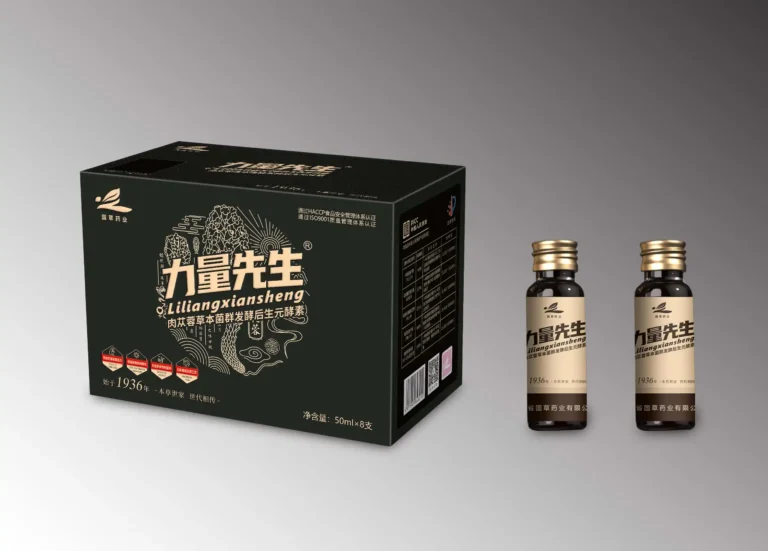
GuoCao states it runs GMP-certified production, an ISO 22000 food safety system, and third-party COA testing, plus supports OEM/ODM and enzyme drink production. It also claims annual capacity around 2,500 tons and shipments across many regions.
If you’re doing a cistanche postbiotic shot, that matters because:
fermentation outcomes drift if your raw material spec drifts,
off-notes change lot to lot (then your masking “solution” stops working),
audits and customer QA will ask for COA and traceability, every time.
Our low MOQ of 1 kg (2.2 lb) makes it easy to order Chinese herbal slices or wholesale Chinese medicine herbs. Private-label and bilingual labeling are also available.
Delivery Cycle & Support
We have a fast 7-day lead time. We provide free samples, COA reports, and technical support to help you bring high-quality bulk Chinese herbs to market.
Quality & Certifications
Our products are manufactured in a GMP-certified facility and meet ISO22000 standards. All Chinese herbs are third-party tested for heavy metals, pesticides, and microorganisms.