You want private-label Chinese herbal slices that ship clean, hit spec, and pass audits—without back-and-forth drama. Let’s make it simple. This guide lays out what matters: GMP execution, ISO 22000 food-safety controls, COA per lot, warehousing that protects potency, and an OEM/ODM flow that gets real product to shelf. We’ll keep it practical, short-worded, and straight. Tiny bit casual, a lil’ rough around the edges—because that’s how ops people actually talk.
GuoCao is a global manufacturer of Chinese medicinal herbs and spices with GMP herbal-slice lines, ambient/cool/MAP warehouses, ISO 22000 food-safety system, and third-party COA capability. Annual capacity tops 2,500 tons. We support OEM/ODM customization and fermented enzyme beverage production from herbal strains. Products move in 30+ countries and regions across the US, EU, Australia, Japan, Korea, Canada, Malaysia, the Philippines, and more—serving pharma, nutraceutical makers, commercial buyers, hospitals, and end customers.
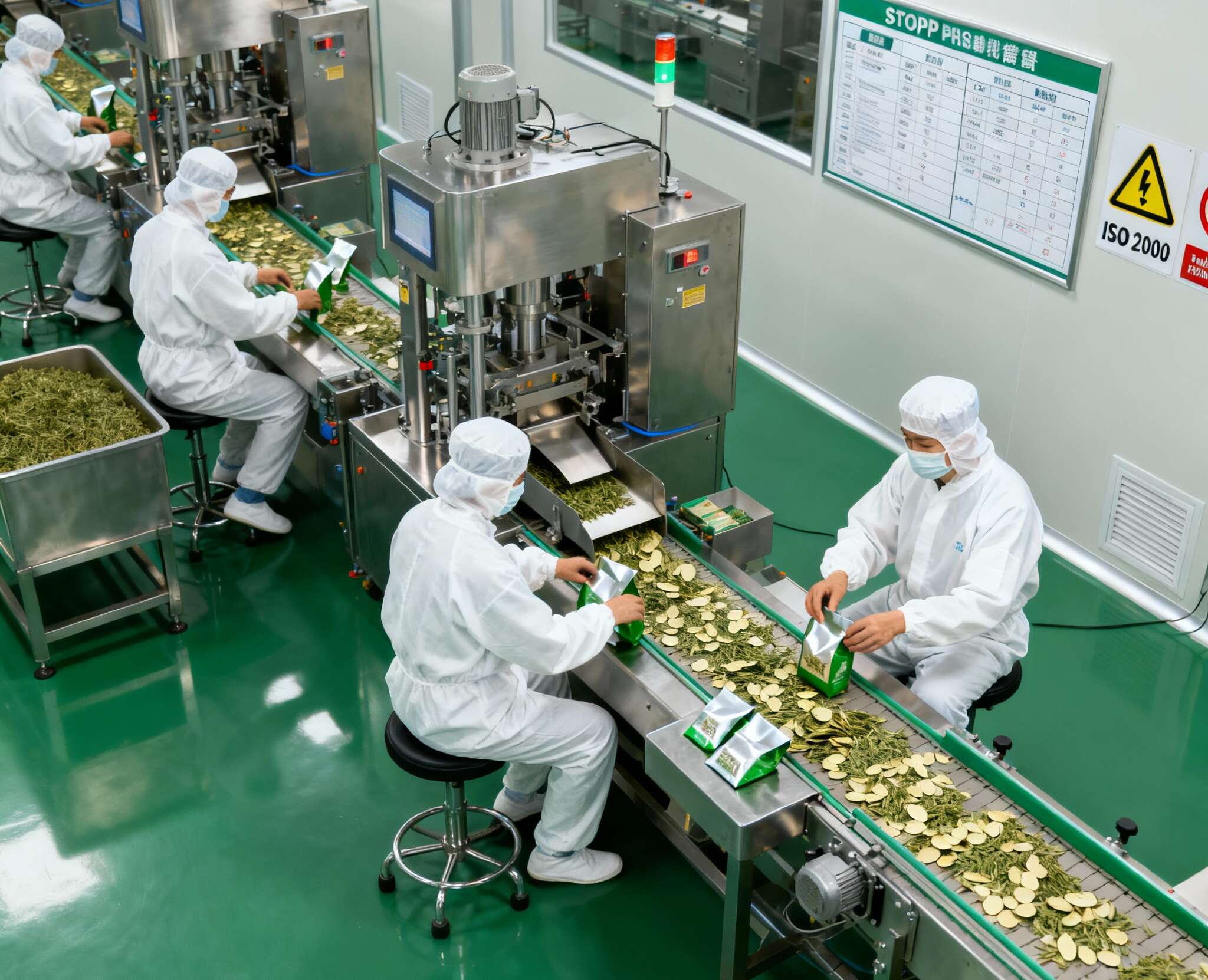
GMP Chinese Herbal Slices Manufacturing (decoction pieces)
GMP takes you from “hope it’s fine” to documented control. You need clear SOPs, validated cleaning, pre-op checks, trained operators, batch records, and QA release. For herbal slices (decoction pieces), it also means consistent moisture, controlled slice thickness, foreign-matter prevention, and label reconciliation. With GMP lines, you don’t guess. You show proof.
What buyers check under GMP:
Batch records with materials, yields, deviations, and dispositions.
Line clearance & hygiene logs before/after slicing.
Change control for tooling or spec updates.
Training files tied to each operation step.
Release status (quarantine → released) tracked by lot.
Quick take: if the plant can’t produce batch docs in minutes, not days, you’ll feel it at customs. Dont risk it.
ISO 22000 Food Safety Management System (herbal ingredients & beverage inputs)
Once slices touch food channels—teas, culinary, functional drinks—you need ISO 22000 to bind food-safety hazards into a closed loop. Think HACCP, CCPs, supplier approval, traceability, internal audits, and CAPA. ISO 22000 bridges “traditional herb” expectations with mainstream food-grade retail.
ISO 22000 anchors to confirm:
Hazard analysis covering pesticide residues, heavy metals, microbial risk, cross-contact, and packaging safety.
CCPs with monitoring records that are actually filled, not empty rows.
CAPA that solves root cause, not slap a quick band-aid.
Supplier qualification for farms, wild-crafted sources, and processors.
Recall simulation that shows you can trace and pull, fast.
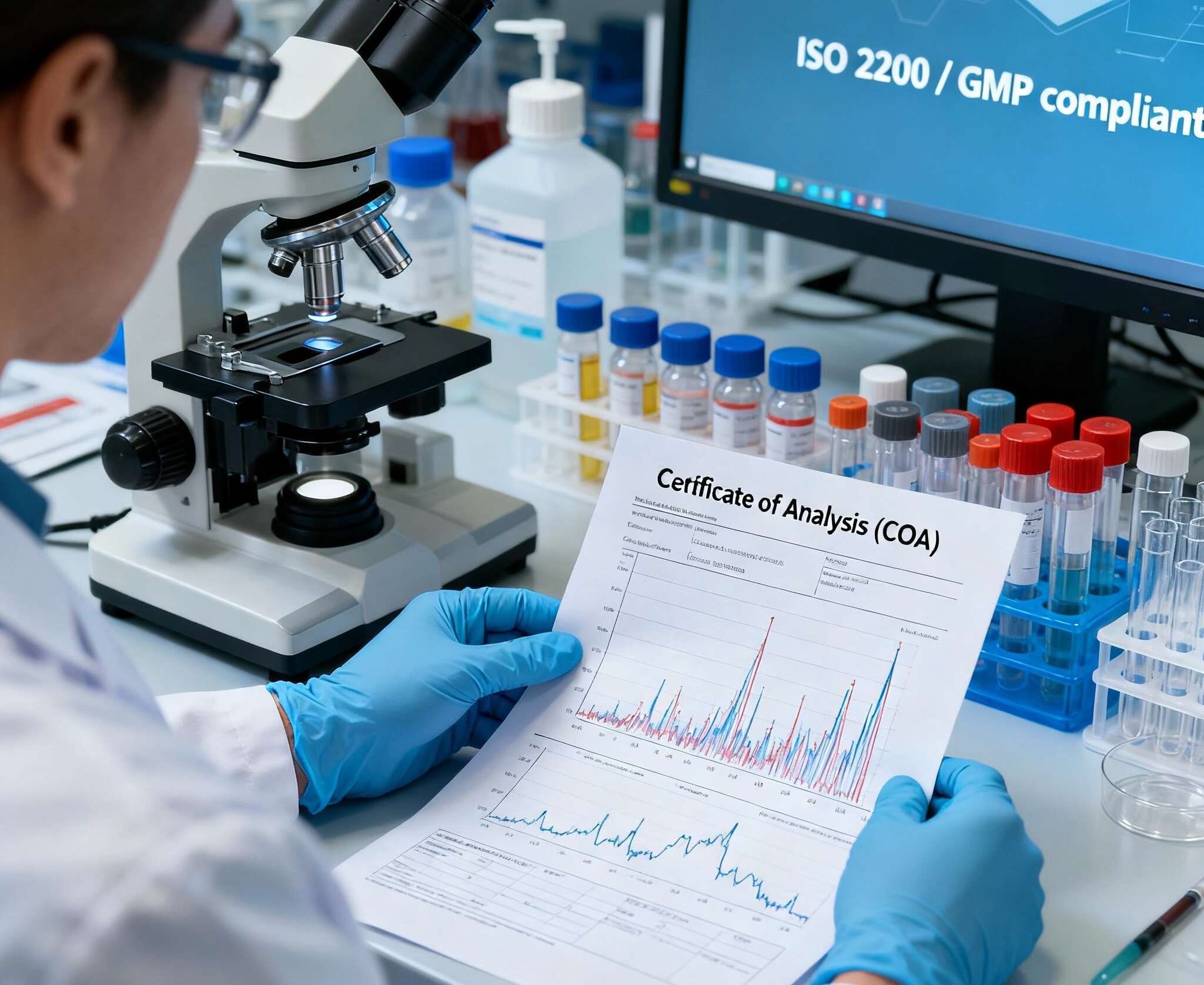
COA (Certificate of Analysis) for Chinese Herbal Slices—per lot, not per promise
A third-party COA is the proof pack. It covers heavy metals, pesticide residues, and micro counts per lot; sometimes aflatoxins, sulphur dioxide, or authenticity checks depending on destination. Your buyer, your regulator, your e-com marketplace—they all want a clean COA before go-live.
COA reality checks:
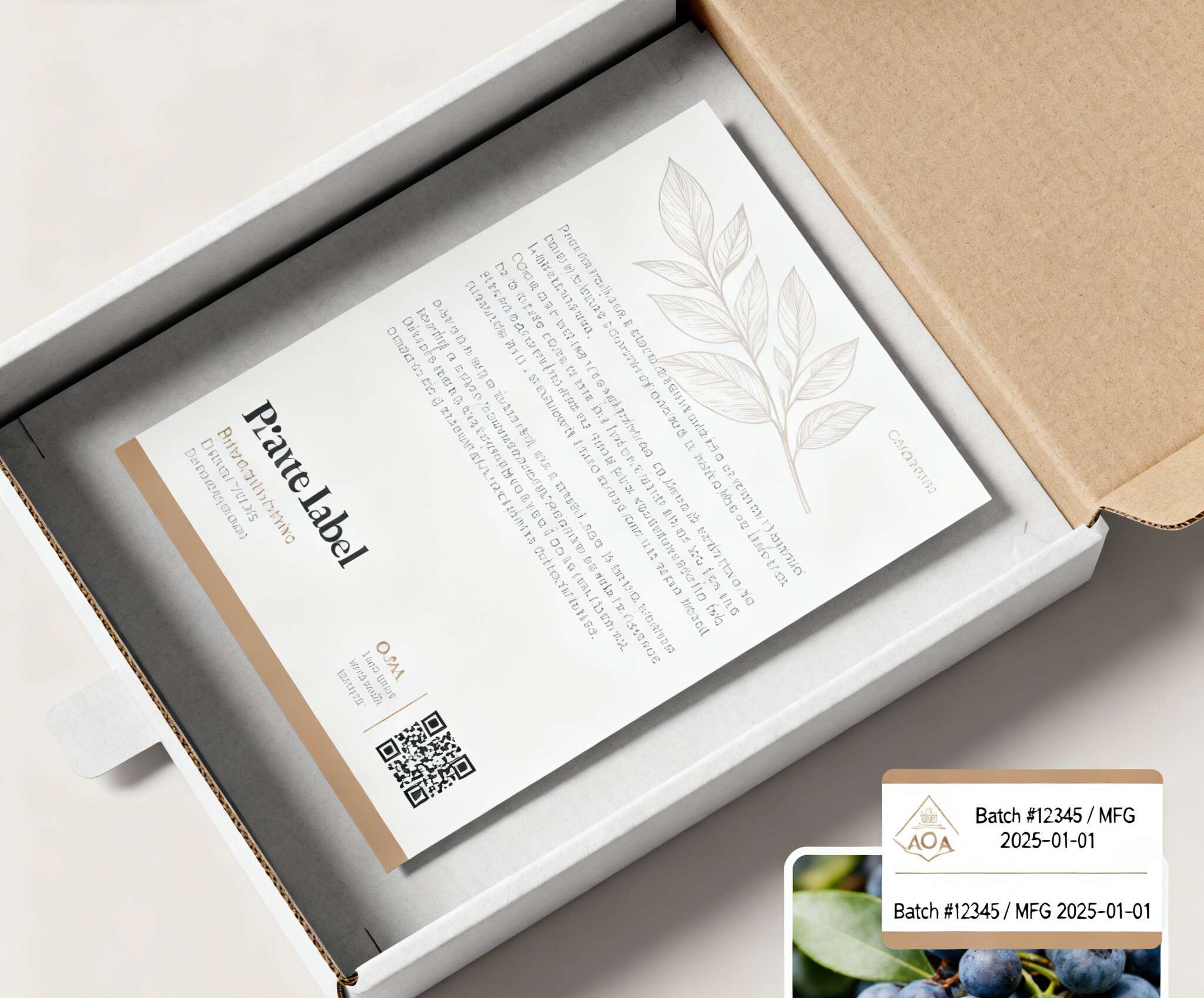
It should match the lot code on your label and carton.
Methods should be fit for purpose (e.g., ICP-MS for heavy metals, GC-MS/MS for multi-residue pesticides, plate counts for micro).
Keep a COA index in your tech file. If you can’t retrieve it in seconds, you don’t have control—you have chaos.
Quality Control: Heavy Metals, Pesticide Residues, Microbiology
Different regions—US, EU, APAC—enforce different limits, but the play stays the same: test, trend, act. Your spec should call out methods, limits by market, sampling plans, and hold-release rules. Don’t ship guessing.
Testing & Spec Matrix (Chinese herbal slices)
Item
What You Fix
Typical Methods
Owner
Heavy metals
Safety & compliance
ICP-MS or equivalent
QA / 3rd-party lab
Pesticide residues
Market entry & retail approvals
GC-MS/MS or LC-MS/MS
QA / 3rd-party lab
Micro counts
Shelf stability & product safety
TAMC/TYMC, pathogens
QA / 3rd-party lab
Moisture / water activity
Molding risk & potency
Oven method / water activity meter
In-house QA
Identity / authenticity
Plant species confirmation
Macroscopy, TLC, DNA barcoding when needed
QA / Botanist
No cost math here; just the controls that keep your lot on-spec.
Herbs breathe. Light, air, and moisture mess with actives and aroma. That’s why storage matters:
Ambient for rugged barks/roots with controlled humidity.
Cool for delicate flowers, volatile oils, and sensitive slices.
MAP (modified-atmosphere packaging) to slow oxidation and keep things stable longer.
Storage & Packaging Options (quick view)
Mode
Scenarios
Notes
Ambient (controlled RH)
Barks, some roots/rhizomes
Watch RH, use liners, check pallets for condensation
Cool storage
Flowers, volatile-rich materials
Lower temp, darkness, slow down oxidation
MAP + barrier bags
Export, long transit, premium SKUs
Nitrogen flush or tailored gas mix, FEFO friendly
Secondary packaging
Clinic packs, hospital tenders
Label control, tamper-evidence, clean barcodes
GuoCao operates ambient/cool/MAP warehouses, so you can match storage to SKU risk and route-to-market.
OEM/ODM Private Label Process (Chinese herbal slices)
Private label isn’t just “print a sticker.” It’s fit for region, fit for channel, fit for audit. Here’s a simple playbook that teams actually use.
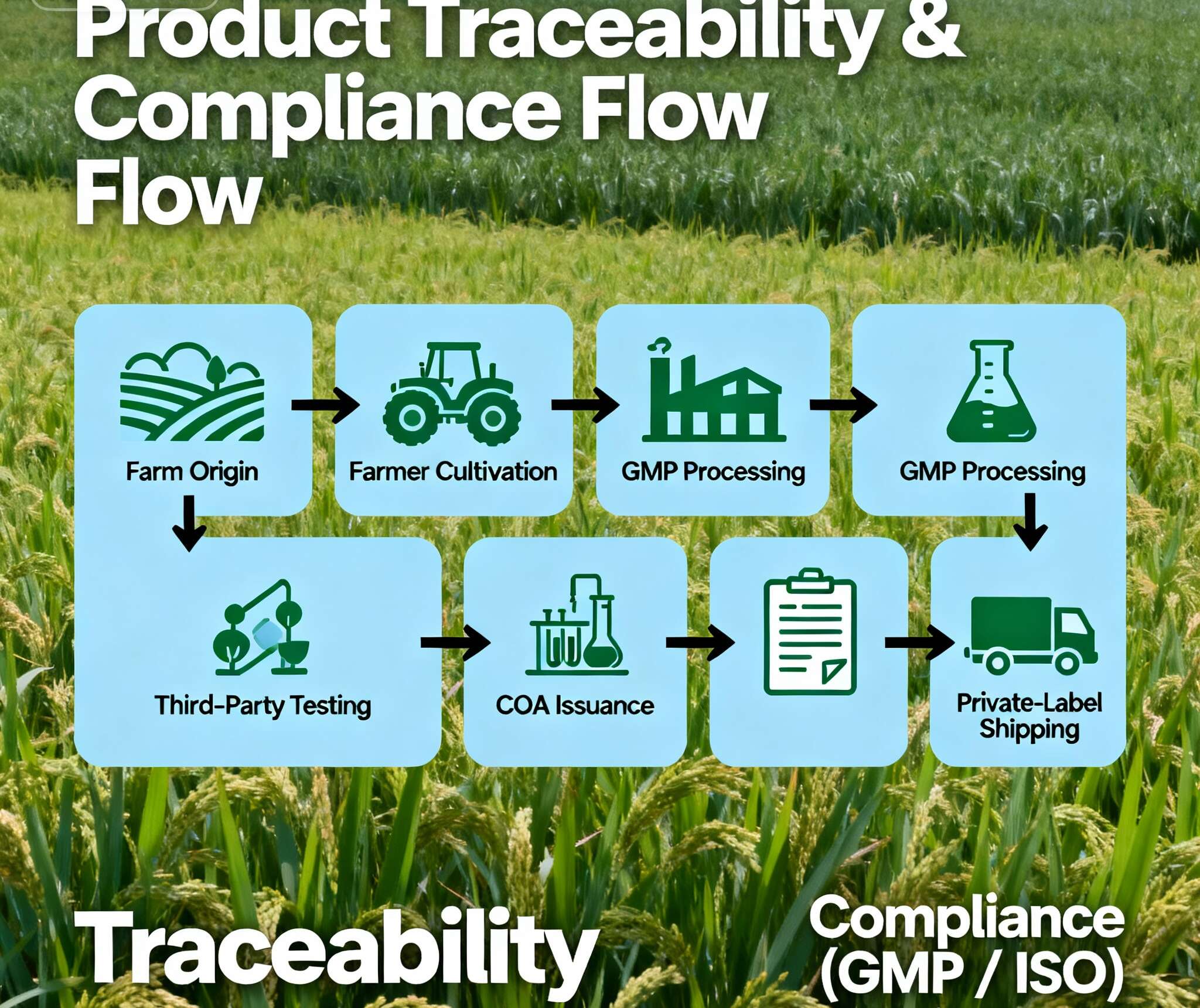
OEM/ODM Workflow & Deliverables
Stage
What You Lock Down
Deliverables
Buyer Notes
1. Brief & Channel Fit
Region (US/EU/APAC), pharmacy/clinic/e-com, SKU list, pack sizes, label languages
Spec draft, compliance checklist
Start with where it sells; work backward
2. Material Selection
Part (root, flower, bark), slice size, organoleptics
Standards + photos + ref samples
Approve a golden sample
3. Packaging & Labeling
Primary bag/jar, outer carton, barcode, batch/expiry format
Dielines, label proofs, barcode tests
Lock label copy; do label reconciliation
4. QA & Testing Plan
Methods, markets, lot coding, COA flow
Master spec, testing matrix
Hold-release until COA clears
5. Production & Release
Line scheduling, in-process checks, yield control
Batch record, deviation reports if any
QA release + COA pack sent
6. Logistics & Docs
Incoterms, packing list, MSDS if applicable
Shipping docs, pallet map
Match docs to pallets—no surprises
7. Post-Market
Stability pulls, complaints, CAPA
Trend charts, improvement notes
Keep a stability calendar
Keep it human: short emails, fast approvals, on-file templates. It ain’t rocket science; it is discipline.
Product Categories & Use-Cases (scenarios)
Your SEO basics match what buyers search:
Animal & mineral
Roots & rhizome
Fruits & seeds
Flowers & whole herbs
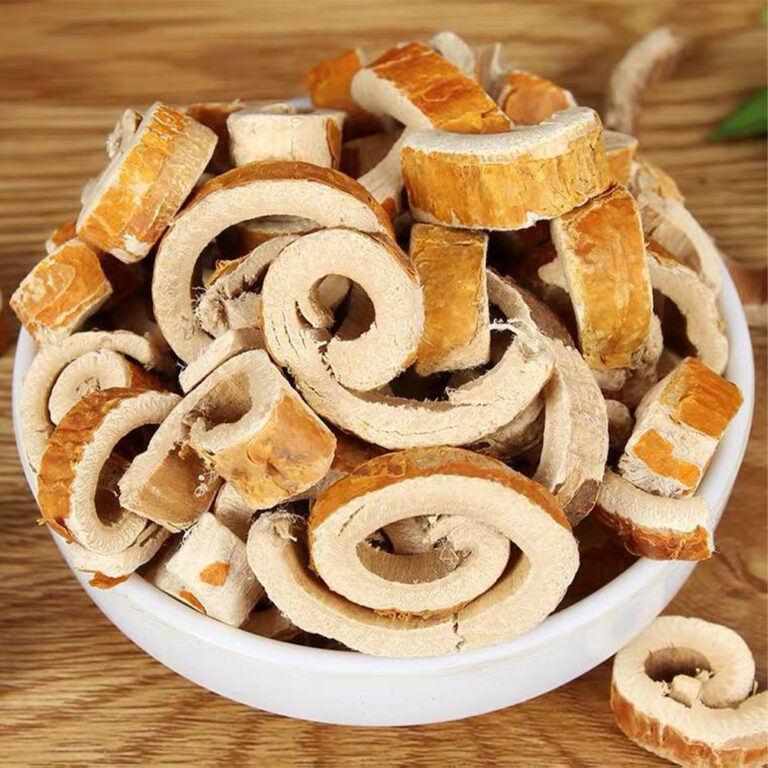
Barks
These map to use-cases across pharmacy dispensing, decoction rooms, functional beverages, culinary health, and R&D labs. GuoCao services pharma companies, nutraceutical processors, commercial buyers, hospitals, dietary supplement brands, functional drink makers, cosmetic ingredient houses, distributors, and retailers.
Quick “Jargon → Plain-Speak” Table
Industry Jargon
What It Means
Why You Care
On-spec
Meets the written standard
Faster release, fewer returns
COA pack
Full set of lab reports
Smooth customs and marketplace listing
FEFO
First Expired, First Out
Reduces write-offs; better freshness
CCP
Critical Control Point
ISO 22000 safety gates
CAPA
Corrective & Preventive Action
Fix root cause so it doesn’t bit you again
Label reconciliation
Check labels in vs. labels used
Stops mis-labeling incidents
Line clearance
Clean reset before next batch
Avoid cross-mix and foreign matter
Stability pulls
Scheduled checks post-release
Proves shelf-life claims
Regulatory & Labeling: US/EU/APAC differences
Each region has its own label language, warnings, claims limits, residue expectations, and sometimes import approvals. Your label flow should be region-first, not “translate later.” Build a master artwork per region and keep it version-controlled. For hospital/clinic channels, confirm batch/expiry format and traceability fields (lot code, QR if needed).
Label tips that save reprints:
Lock the botanical Latin and part-used (root, flower, bark).
Standardize lot code grammar (YYMMDD-##### or similar).
Keep storage instructions matched to real warehouse practice.
Proofread in the target language—by a human, not just a tool.
Case-Style Scenarios (no named stories, just real-world flows)
Clinic demand spike: a hospital tender specifies roots with low microbial counts and bilingual labels. The plant switches to cool storage, tightens in-process drying, and runs a micro hold-release before dispatch. Product clears internal QA fast because the COA pack was prepared up-front.
E-commerce launch: a supplement brand needs three SKUs with uniform slice thickness and MAP pouches. Pre-shipment checks include barcode verification, seal integrity, and a drop-test on cartons. Listings go live without compliance flags because the COA pack matches lot codes on labels.
Regional pivot: a distributor shifts 20% of its portfolio to functional beverage formats. GuoCao’s enzyme beverage line picks up the load—same herbs, now a fermented drink input—so the team keeps a single vendor for both solid slices and liquid bases.
Stability & Shelf-Life: make it predictable
Shelf-life is not one magic number. It’s a trend you manage. Build a simple plan:
Define storage modes per SKU (ambient/cool/MAP).
Pull stability samples at set intervals; log organoleptics and micro.
Update the master spec if results show drift.
Use FEFO in the warehouse; rotate stock and audit pallets.
Your buyer wants to know your slices will still pass the day they sell them. Show the plan; win the PO.
Our low MOQ of 1 kg (2.2 lb) makes it easy to order Chinese herbal slices or wholesale Chinese medicine herbs. Private-label and bilingual labeling are also available.
Delivery Cycle & Support
We have a fast 7-day lead time. We provide free samples, COA reports, and technical support to help you bring high-quality bulk Chinese herbs to market.
Quality & Certifications
Our products are manufactured in a GMP-certified facility and meet ISO22000 standards. All Chinese herbs are third-party tested for heavy metals, pesticides, and microorganisms.