You don’t buy roots and rhizomes for poetry. You buy them because they work: stable potency, predictable processing, clean docs. This guide makes it simple. We’ll lock in what a rhizome really is, map bulk specs to the real-world scenarios you care about, and show where GuoCao plugs in with GMP production, ISO 22000, and third-party COA. Zero fluff, more signal.
Rhizome vs. Root: underground stem, grading, storage
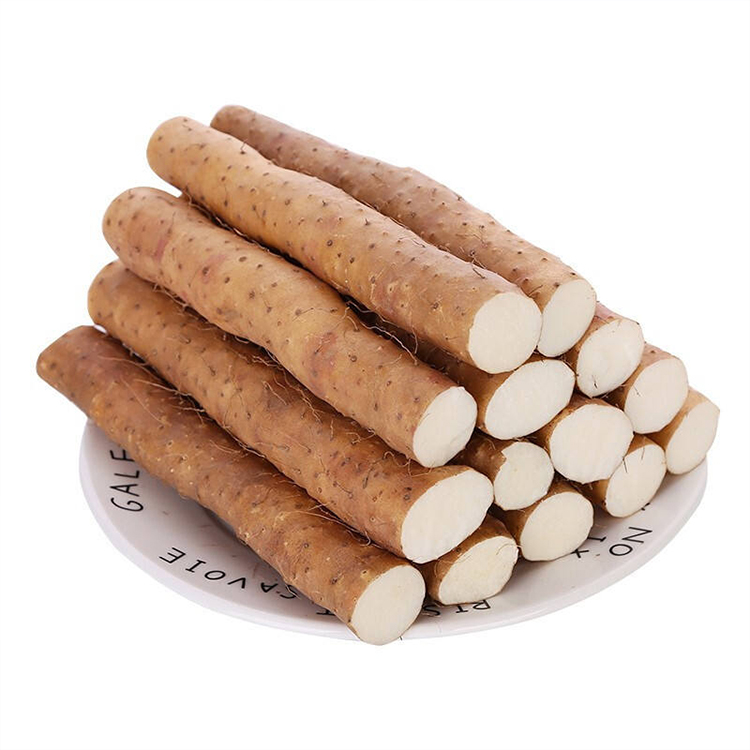
A rhizome is an underground stem that grows sideways. Think nodes, internodes, buds. A root is not a stem. That tiny detail changes everything: grading rules, sprouting risk, post-harvest handling, and even how your QA checks identity. If you treat a rhizome like a taproot, you’ll fight swelling, sprout, and moisture creep all season long.
Takeaway: set specs and SOPs by type—rhizome or root—not by habit or guess. It saves rework and keeps COAs clean.
Bulk specs that hold up in audits
Below is a field-ready matrix. Use it for vendor alignment, incoming inspection, and batch release. Values are typical targets used across spice, TCM slices, and supplement supply chains. Adjust per pharmacopeia or local law where you sell.
Core quality parameters (CQP) for roots & rhizomes
Item (CQP)
Typical target / range
Test method shorthand
Why it matters
Notes for buyers
Moisture / LOD
Dried products: ≤10–12%; decoction slices: per spec
LOD (105 °C), Karl Fischer as needed
Shelf life, mold risk, flow
Lower when you want long ocean transit or humid warehous.
Water activity (aw)
≤0.65 preferred for dried
aw meter
Micro risk drops fast below 0.65
aw beats moisture for predicting mold—use both when possible.
Foreign matter
≤2–3% total; same-plant non-named parts stricter
Visual, sieving, UV pick
Safety, label integrity
Set reject for stones, glass, insects; define “non-conforming plant parts.”
Ash / Acid-insoluble ash
Ash ≤8%; AIA ≤2% (typical)
Gravimetric
Dirt/sand control
Keep logistics clean; AIA spikes with bad drying yards.
Mesh / Particle size
Whole / slice / 8–40 mesh common
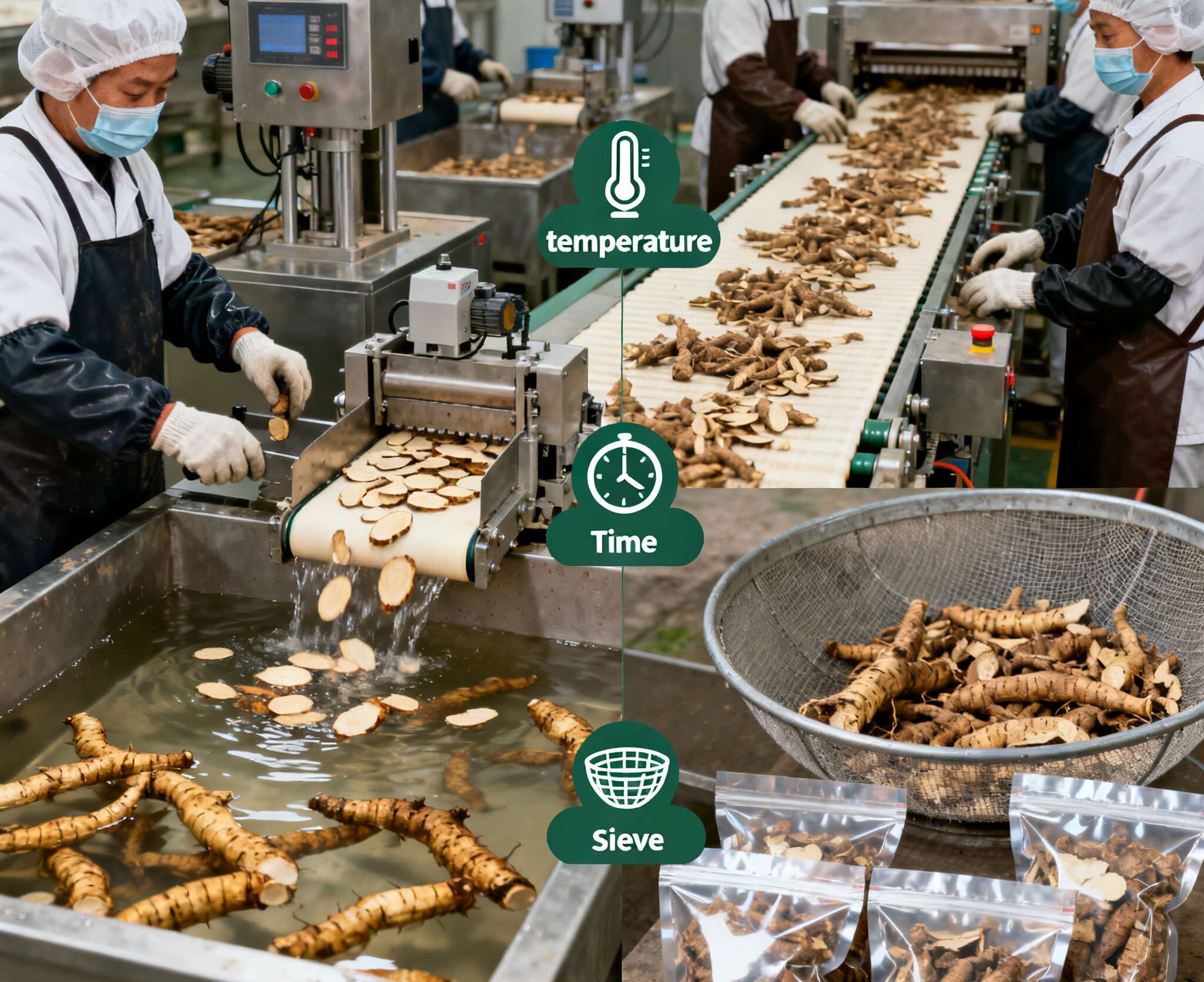
Sieve stack
Extraction rate, mouthfeel
Declare D90 or mesh window in POs; it drives consistency.
Volatile oil (e.g., ginger)
Meets pharmacopeia threshold for actives
Hydrodistillation or GC
Flavor and functional strength
For culinary + pharma-adjacent users, set a floor.
Curcuminoids (turmeric)
Standardized % per spec if needed
UV-Vis/HPLC
Color, antioxidant profile
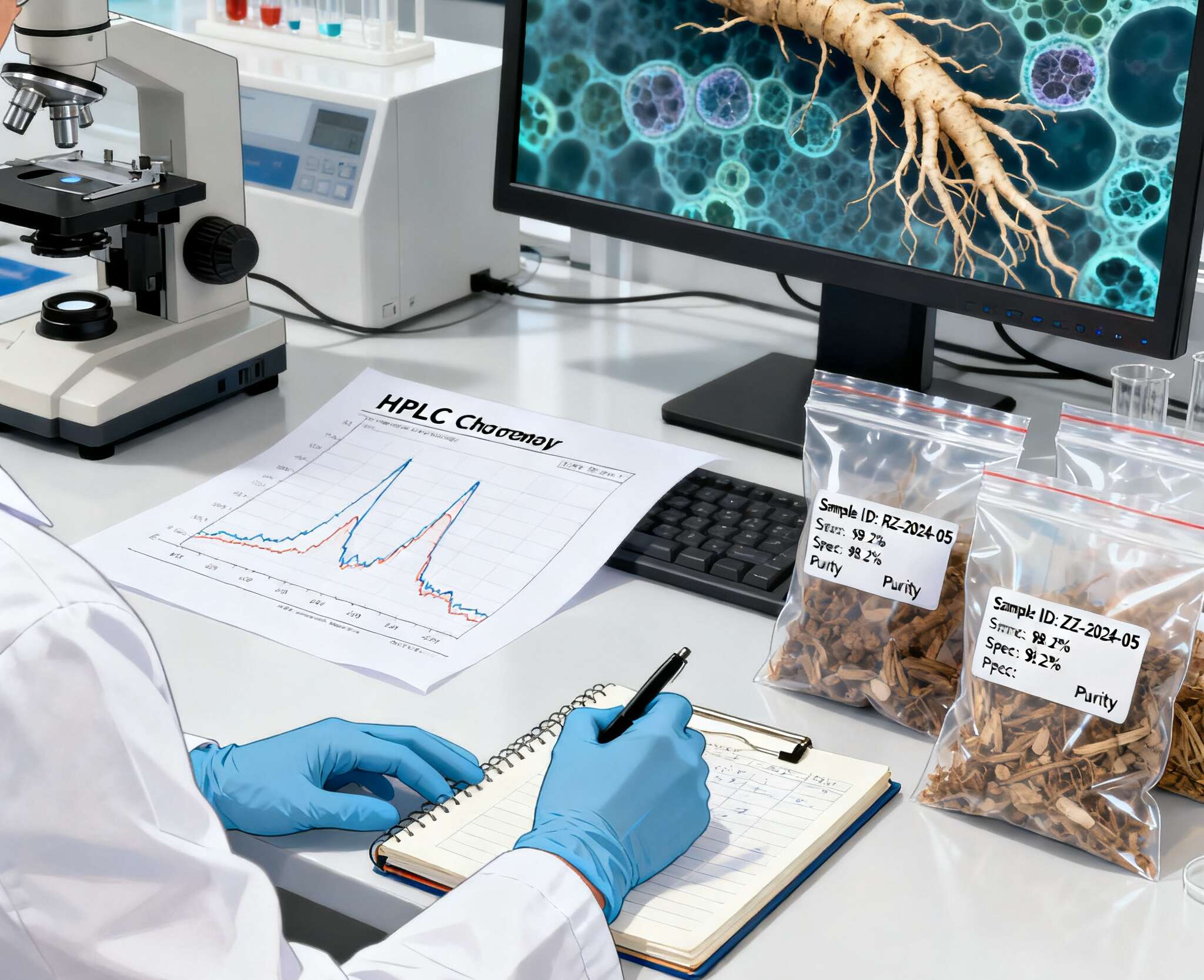
Tie label claim to HPLC; no hand-waving.
Pesticide residues
Meets local MRLs where sold
GC-MS/MS, LC-MS/MS
Compliance, brand safety
Export to US/EU/JP? Make it explicit in PO notes.
Heavy metals (Pb/Cd/As/Hg)
Meets local limits
ICP-MS
Safety, tenders
Ask for numeric results, not “pass/fail.”
Microbiology
TAMC/TYMC limits; pathogens absent
Plate count / Petrifilm / PCR
Risk, shelf life
Steam sterilization or irradiation policy stated upfront.
Mycotoxins (aflatoxin, OTA)
Below legal limits
HPLC/LC-MS/MS
Hot-spot risk in roots
Test lots after rainy harvests.
Identity / Authenticity
Pass ID (macro/micro/TLC/HPTLC or DNA)
TLC/HPTLC, microscopy, DNA
Adulteration defense
For blends, lock a marker panel, not just one spot.
A note on sterilization: set your policy. No-ETO (good), steam OK, irradiation per market. Declare it. Otherwise you’ll redo labels later, which hurts timelines.
Post-harvest & warehousing: temperature, RH, FEFO
Rhizomes want to live. Warm + humid means sprouting and respiration, which means weight loss and off-odors. Keep it cool, dry, and traceable.
Temperature bands
Fresh ginger / fresh rhizomes (short-term staging): about 10–12 °C with high RH slows respiration.
Turmeric rhizome (short storage for decoction slicing): cool room ~12–14 °C helps hold sprout back.
Dried inventory: keep RH low; pair with desiccant and good pallet airflow.
FEFO rotation** (First-Expire-First-Out)**
Don’t just FIFO. Put FEFO into WMS and ASN. It matches how real shelf life behaves.
Packaging
Paper sack + PE liner for powders; food-grade cartons for slices; palletize with corner boards; fumigation-free pallets for export.
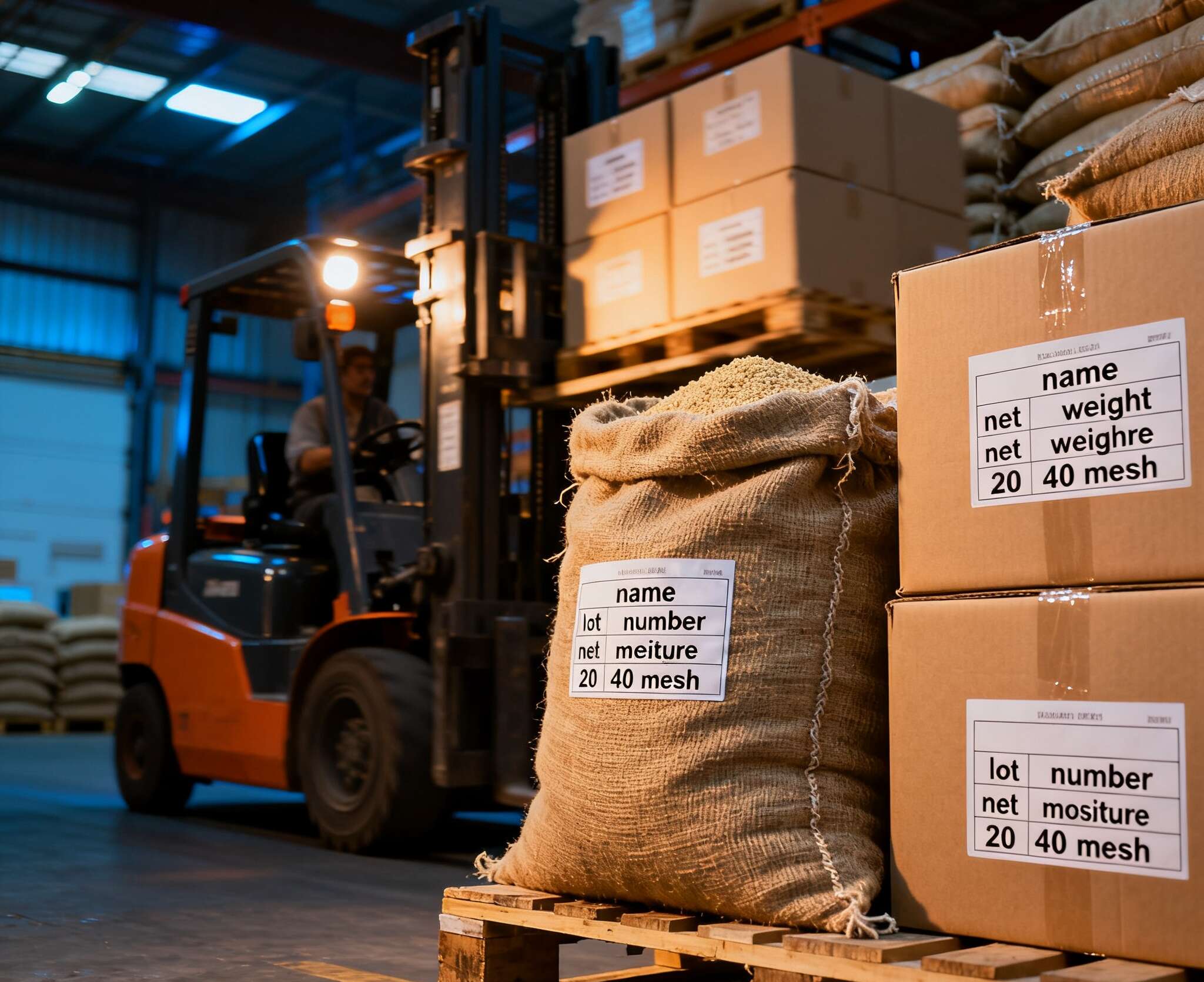
Label outside: product / lot / net wt / country / pack date / sterilization method / storage.
Sampling
Use AQL-style sampling for incoming. Record temperature of container on arrival. Photograph seals. Small habit, huge payoff in disputes.
GuoCao’s setup—GMP herbal slices line, ambient/cool/modified-atmosphere warehouses, ISO 22000—makes that boring discipline doable day-to-day. Boring is good. It ships.
Use cases (scenarios) and the specs that actually move the needle
Different buyers, different thresholds. Here’s how specs map to what you’re trying to do.
What to lock: pharmacopeia compliance (ID + limits), traceability down to harvest window, sterilization policy, and labeling in English + local language.
Why: audits, tenders, institutional buyers.
Pro move: include UDI-like coding on outer case; it speeds internal tracking.
One table that saves emails: scenario → spec → pass/fail
Scenario
Must-have spec
Pass/fail rule
Typical method
Buyer pain solved
Spice blends
Particle size
D90 within mesh window
Sieve analysis
No clogging, no dust storms on line
Decoction slices
Moisture & aw
Moisture ≤10–12% and aw ≤0.65
LOD + aw
Mold control across long transit
Supplements
Actives
Curcuminoids/HPLC on-spec
HPLC/UV
Label claim confidence
All exports
Residues/metals
Meets target market MRLs & limits
GC-MS/MS, ICP-MS
Customs clearance clean
Pharma-adjacent
ID/authenticity
Pass TLC/HPTLC + microscopy
HPTLC
No adulteration risk
Aroma
Volatile oil
≥ threshold (ginger oil, etc.)
Hydrodistillation/GC
Predictable aroma load
Warehousing
FEFO discipline
Scans prove FEFO
WMS logs
Lower write-offs
High humidity
Packaging
PE liner intact; cartons sound
Visual + aw
Caking & clump problems gone
Practical examples (no fake stories, just how it’s done)
Ginger powder for a seasoning plant. You lock 20–40 mesh, ask for volatile oil not to dip below your floor, and set aw ≤0.65. Result? The blend flows, fills, and tastes right. No clumping, no flavor drift.
Turmeric slices for decoction. You choose a clean cut profile (thickness tolerance), hold moisture at your spec, and check HPTLC. Extraction comes out steady, color stays bright in broth.
Curcuminoid-standardized turmeric for beverage. You set HPLC %, prohibit ETO, and define micro tightly. RTD projects pass pilot without panic micro cleans.
Small things. Big calm.
How GuoCao makes this boring-in-a-good-way
GuoCao is a global supplier of Chinese medicinal herbs and spices—roots & rhizomes, fruits & seeds, flowers & whole herbs, barks, plus animal & mineral lines. We run GMP herbal-slice production, ISO 22000 food safety, and keep ambient / cool / modified-atmosphere storage. Third-party COA is routine, not special. Annual capacity around 2,500 t keeps your season covered. OEM/ODM is live, and our enzyme beverage line is already in production. We ship to the US, Europe, Australia, Japan, Korea, Canada, Malaysia, Philippines, and more—serving pharma companies, supplement makers, commercial distributors, hospitals, cosmetics ingredient buyers, and regional wholesalers.
Dont overcomplicate—buyers and QA read this stuff under time pressure.
Short FAQ (the “why this keeps failing” questions)
“Why does my ginger cake during rainy months?” Likely aw drift or liner failure. Ask for aw data, not just moisture.
“My turmeric color swings lot to lot.” Standardize curcuminoids with HPLC, and align mesh. Color follows actives + particle size.
“We got mold on arrival.” Check container temp logs, inspect liners, and re-spec aw. Consider desiccant packs and airflow spacers.
“Do I need DNA tests?” For simple single-herb roots & rhizomes, micro + HPTLC + macro/micro is usually enough. DNA helps on high-fraud items or when powders look too perfect.
Buyer checklist (fast, useful, copy-and-go)
Confirm root or rhizome path first; set ID tests accordingly.
Lock moisture + aw and the mesh window.
Decide your sterilization policy upfront; reflect on label/COA.
Set numeric actives (if needed) and volatile oil floors.
Demand numeric residues/metals and micro results per lot.
Our low MOQ of 1 kg (2.2 lb) makes it easy to order Chinese herbal slices or wholesale Chinese medicine herbs. Private-label and bilingual labeling are also available.
Delivery Cycle & Support
We have a fast 7-day lead time. We provide free samples, COA reports, and technical support to help you bring high-quality bulk Chinese herbs to market.
Quality & Certifications
Our products are manufactured in a GMP-certified facility and meet ISO22000 standards. All Chinese herbs are third-party tested for heavy metals, pesticides, and microorganisms.