Longan Flesh Bulk Buying Guide: Color, Moisture, and Sugar Risk
Dried longan flesh can look clean, golden, and sweet while still carrying hidden moisture, storage, processing, or sugar risks. This guide shows professional buyers how to evaluate longan aril using measurable specifications rather than supplier photos and vague grade descriptions.
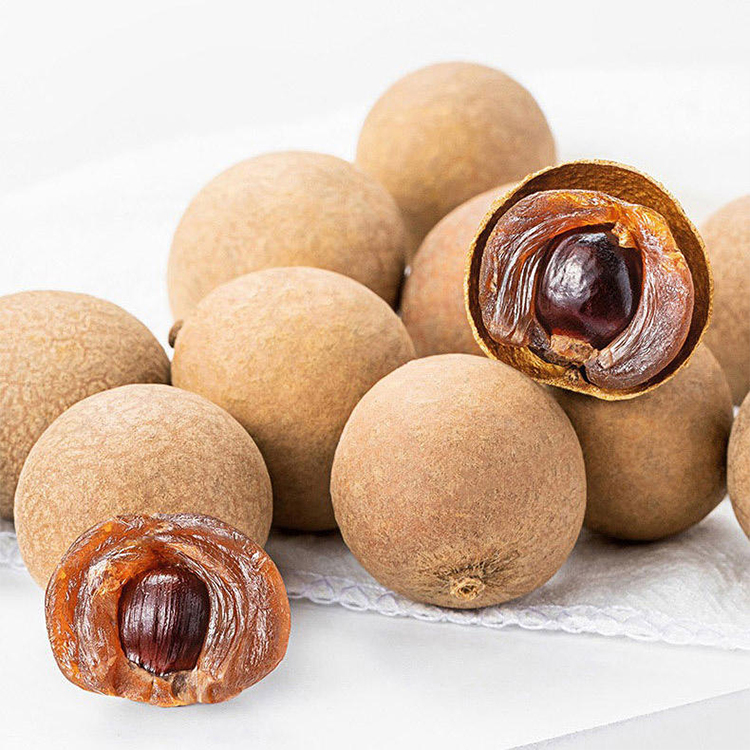
A glossy amber batch of dried longan flesh may look like the obvious premium choice, yet color alone tells us almost nothing about residual moisture, water activity, sugar treatment, sulfur dioxide exposure, drying severity, crop age, microbial control, or what that same lot will look like after six months in an export carton.
So why do buyers still approve bulk dried longan from photographs?
I wouldn’t.
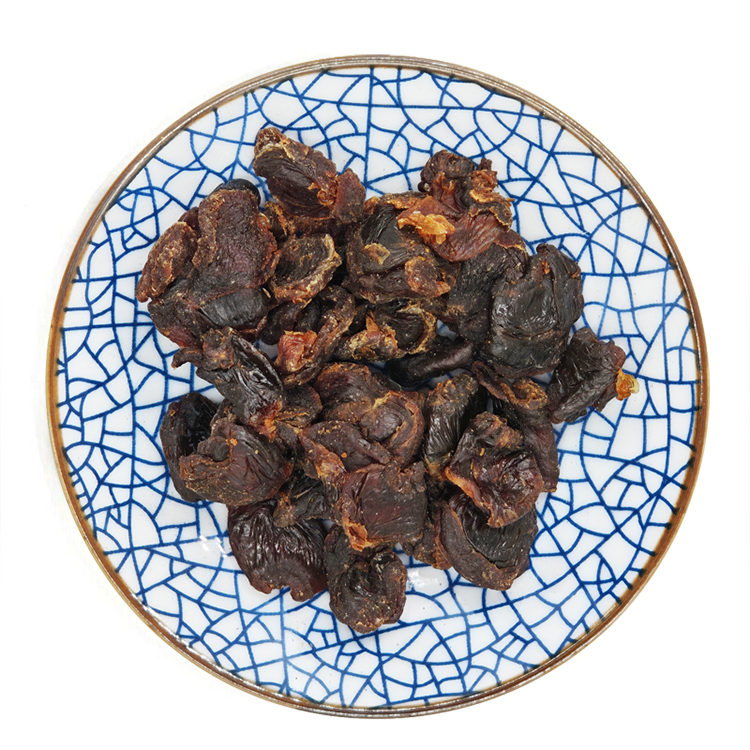
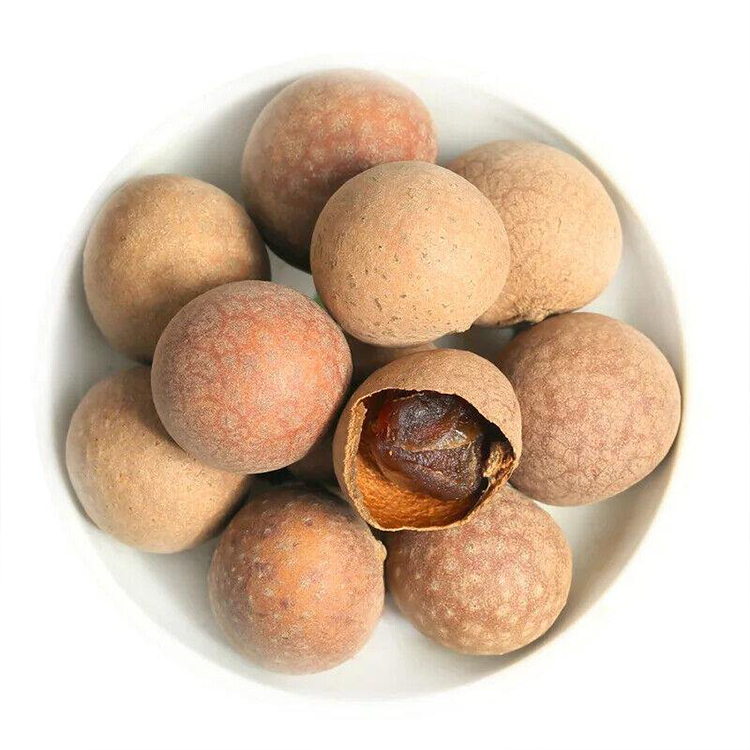
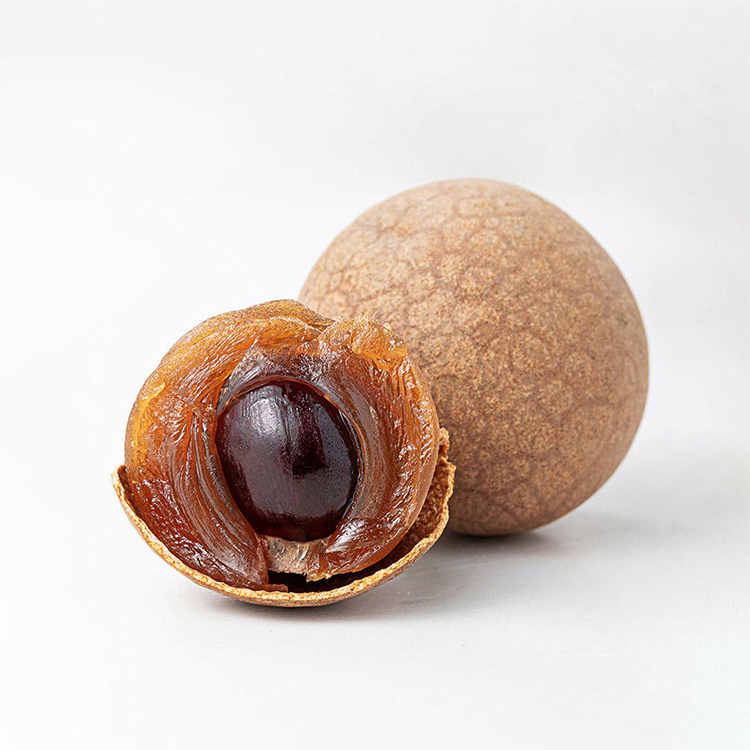
For professional procurement, dried longan should be treated as a specification-driven ingredient, not a pretty dried fruit. The botanical identity is Dimocarpus longan Lour., and the commercial material generally sold as Long Yan Rou, Longan Aril, or Longan Flesh is the dried edible aril rather than the peel or seed. GuoCao’s Longan Flesh bulk product profile makes that plant-part distinction explicit, while its wider Fruit and Seed Chinese medicinal ingredient range places longan alongside other dried botanical fruits used in tea, food, extract, and herbal applications.
The buying problem starts after identity.
Longan is naturally rich in sugars. Drying removes water. Heat changes color. Storage continues changing chemistry. Packaging determines whether the product stays where the COA says it was on packing day.
That combination creates three procurement risks that deserve separate specifications: color, moisture, and sugar.
Dried Longan Is Not One Standard Commodity
Ask five suppliers for “premium dried longan” and you may receive five very different products.
One may offer soft amber longan aril intended for direct eating. Another may sell darker Long Yan Rou for herbal use. A third may supply golden dried longan treated during processing to retain color. A fourth may use osmotic dehydration. A fifth may quote material that has simply spent much longer in storage.
Same fruit.
Different product.
Before asking for a price, I would define at least these points:
Botanical identity: Dimocarpus longan Lour.
Plant part: dried aril/flesh
Product form: whole aril, pieces, granules, or powder
This is the same discipline I would apply across a broader wholesale Chinese herbs sourcing program: identity, appearance, moisture, processing, testing, packaging, and batch traceability belong in the specification before the purchase order is signed.
Golden or amber color can indicate a controlled drying process, but it does not automatically mean fresher, cleaner, safer, or more natural. Darker brown material does not automatically mean spoiled either.
A controlled 2022 study published in LWT compared fresh longan pulp, golden dried longan pulp, dried whole longan pulp, and dried whole longan pulp after one year of storage. The researchers found measurable differences in moisture, water activity, color, sugar chemistry, and browning. Most strikingly for procurement teams, the browning index of whole dried longan after one year was reported at roughly 7.67 times the level of the original dried material. Read the 2022 longan drying and storage study.
That matters because the Maillard reaction does not stop simply because the shipment passed final inspection.
Reducing sugars can react with amino groups during processing and storage, producing progressive non-enzymatic browning. Temperature, time, available moisture, sugar composition, and packaging conditions all influence the rate.
And there is another uncomfortable detail.
The same study reported that golden dried longan containing sulfur dioxide showed less browning than untreated dried whole longan. In other words, unusually attractive color can partly reflect processing treatment rather than superior raw fruit.
I Would Judge Color in Three Layers
First, use a retained physical reference sample.
Photographs are poor commercial standards because lighting, white balance, camera processing, screen settings, and post-production editing can make two identical lots look different.
Second, use instrument readings when color matters commercially.
CIELAB values provide:
L* for lightness
a* for red-green position
b* for yellow-blue position
A buyer can agree on an acceptable range or ΔE tolerance based on an approved production lot.
Third, classify visual defects separately.
Do not let a respectable average color value hide:
blackened pieces
scorched tissue
pale immature flesh
visible mold
unusual white surface growth
excessive stickiness
fermented odor
foreign matter
A colorimeter cannot smell fermentation.
Moisture Percentage Alone Is Not Enough
This is where purchasing specifications often become dangerously lazy.
A supplier gives you one number:
“Moisture: 15%.”
Fine. What does that actually tell you about shelf stability?
Not enough.
Moisture content measures the amount of water in the product. Water activity, expressed as aw, measures how available that water is for microbial growth and chemical reactions.
The two are related, but they are not interchangeable.
Published longan research demonstrates the point unusually well. In the 2022 LWT study, dried longan products contained approximately 16.42% to 18.11% moisture, while measured water activity differed between product types. All were described as intermediate-moisture products rather than simply being classified from moisture percentage alone.
Other experimental work on dried longan has used approximately 14–17% moisture and aw 0.5–0.6 as a processing target associated with the Thai agricultural standard referenced by the researchers. That does not make those figures a universal specification for every longan product, but it shows why buyers need both measurements.
For medicinal Long Yan Rou, the 2020 Chinese Pharmacopoeia monograph is commonly reported with a maximum moisture limit of 15.0%. That pharmacopoeial figure is relevant when purchasing against that particular medicinal-material standard; it should not be blindly copied into a food, snack, beverage, or export specification without checking the applicable standard and end use.
The Microbiology Problem Buyers Miss
Low moisture does not equal sterile.
The U.S. FDA has repeatedly warned that Salmonella can survive in dry and low-water-activity environments. In an FDA technical example, achieving a 5-log Salmonella reduction at 140°F required less than five minutes at aw 0.99, but about 50 minutes at aw 0.85 under the conditions cited. The broader point is nasty but important: lower available water can increase bacterial heat resistance even though it prevents normal microbial growth. See the FDA guidance on Salmonella in low-water-activity foods.
Dry does not mean dead.
FDA Import Alert 99-43 also includes fruit and fruit products among ready-to-eat food categories subject to action when Salmonella contamination and insanitary processing conditions are identified. That is not a longan-specific alert, but it is a useful regulatory warning for anyone buying ready-to-eat dried fruit internationally. See FDA Import Alert 99-43.
A Practical Dried Longan Control Table
The following is a procurement framework, not a universal legal specification. Final limits should be matched to the destination country, intended use, pharmacopoeia or food standard, processing method, and customer requirements.
Control Point
What I Would Put in the Specification
Verification
Buyer Red Flag
Botanical identity
Dimocarpus longan Lour.
Supplier records + botanical identification
“Longan” only
Plant part
Dried aril/flesh
Visual and documentary review
Peel, seed, or mixed material
Color
Approved reference or defined L*, a*, b* range
Colorimeter + retained sample
Photo approval only
Moisture
Defined maximum for intended standard
Validated moisture method
Generic COA from another lot
Water activity
Buyer-defined shelf-life target
Calibrated aw meter
Supplier does not measure aw
Added sugar
Explicitly allowed or prohibited
Process declaration + analytical testing when necessary
“Naturally sweet” without declaration
Sulfite/SO₂
Treatment status and applicable residue requirement
Processing record + laboratory test where required
Bright color with no treatment declaration
Microbiology
Market- and use-specific limits
Accredited laboratory
“Food grade” with no panel
Pesticides
Destination-market residue requirements
LC-MS/MS and/or GC-MS/MS
Old multi-residue report
Heavy metals
Applicable Pb, Cd, As, Hg limits
ICP-MS/validated method
Supplier declaration only
Foreign matter
Numeric acceptance limit
Representative sample inspection
“Clean” without definition
Packaging
Liner type, barrier, seal, net weight
Packaging specification
Thin generic inner bag
Traceability
Production lot linked to farm/process records
Batch records
Repacked material loses original lot
Shelf life
Defined conditions with supporting data
Stability records
Unsupported 24- or 36-month claim
This type of specification is much more useful than a certificate stating “qualified.”
Sugar Risk Starts With a Simple Question: Was Anything Added?
Longan is supposed to be sweet.
That makes sugar manipulation harder to spot.
Removing water naturally concentrates sugars in dried longan flesh, so high sweetness alone does not prove adulteration. But commercially processed dried fruit can also undergo osmotic dehydration or contact with sucrose, glucose, syrup, or other humectant systems.
So the first question is not:
“How sweet is it?”
The better question is:
“Was any sugar, syrup, glucose, sucrose, dextrose, concentrated juice, or other sweetening ingredient introduced during processing?”
Put the answer in writing.
Natural Sugar and Added Sugar Are Not the Same Commercially
The U.S. FDA explicitly distinguishes naturally occurring fruit sugars from sugars introduced during processing. Its current guidance states that added sugars include ingredients such as sucrose, dextrose, syrups, honey, and certain concentrated fruit or vegetable juices, whereas sugars naturally occurring in whole fruits are not treated the same way. See FDA guidance on Added Sugars.
For a retail product entering the U.S., that distinction can flow directly into Nutrition Facts labeling.
For an ingredient buyer, it affects much more:
clean-label claims
formulation calculations
sweetness consistency
extraction behavior
color development
Maillard browning
customer specifications
nutritional labeling
authenticity expectations
A dried longan supplier saying “100% longan” while using a sugar soak would be a very different commercial proposition from untreated dried fruit.
°Brix Is Useful, but Don’t Worship It
I like refractometers.
I do not like buyers treating one °Brix reading as proof of authenticity.
For fresh fruit juice, soluble solids can be a useful maturity and sweetness indicator. For dried longan flesh, however, results depend heavily on how the sample is homogenized, diluted, extracted, filtered, and temperature-corrected.
Change the sample preparation and you can change the number.
For serious comparison of wholesale dried longan, I would consider a validated method for:
total sugars
reducing sugars
glucose
fructose
sucrose
HPLC or another validated analytical method can then be paired with a declared processing history.
The reason reducing sugars deserve attention goes beyond sweetness. They participate in Maillard reactions with amino groups, which is one mechanism behind long-term darkening of dried longan. The 2022 longan storage study found sugar-profile changes alongside progressive browning during storage.
Color, sugar, and storage are connected.
Golden Longan Can Create a Sulfite Question
A bright golden sample is commercially attractive.
But I would ask how it became golden.
Sulfur dioxide and sulfites have long been used in fruit processing because they can inhibit browning and help preserve lighter color. That does not automatically make treated product unacceptable; regulatory limits, labeling obligations, customer specifications, and application requirements determine whether a treatment is allowed.
The procurement failure is undeclared treatment.
If your brand requires sulfite-free dried longan, write that requirement into the contract and test when the risk justifies it.
If sulfites are permitted, define:
permitted processing treatment
maximum residue
laboratory method
labeling requirement
change-notification requirement
Do not substitute “natural golden color” for a processing declaration.
Packaging Can Destroy a Passing Lot
Imagine this.
The dried longan leaves production with acceptable moisture and aw. It goes into a weak liner. The carton enters a humid warehouse, spends weeks around a port, experiences temperature swings in a container, and finally arrives with sticky pieces and accelerated browning.
The original COA may still look excellent.
The product does not.
Dried fruit is hygroscopic enough that packaging performance and storage humidity deserve serious attention. GuoCao’s related guide on Mulberry Fruit bulk color, sweetness, and storage stability discusses the same buyer-side problem: moisture migration, water activity, sugar, packaging barrier, and storage conditions interact long after production finishes.
For bulk dried longan, I would request:
primary liner material
liner thickness
moisture-vapor barrier information where available
seal method
carton configuration
maximum net weight per bag
storage temperature recommendation
storage relative-humidity recommendation
protection from direct sunlight
pallet configuration
container-loading procedure
desiccant policy where applicable
And I would prohibit hot product from being sealed immediately after drying.
Cooling matters.
The Supplier COA Should Match the Shipment, Not the Sales Folder
Generic certificates are one of my least favorite habits in ingredient sourcing.
A supplier sends:
“Here is our COA.”
Look at the lot number.
Does it match your sample?
Does it match the commercial shipment?
If not, you have learned almost nothing about the material you are buying.
The site’s Chinese Herbal Slices Supplier Checklist makes the same point across botanical procurement: identity, origin, processing, moisture, contamination testing, documentation, and supplier accountability need to be tied to real material rather than marketing claims.
What I Want Before Approving a Dried Longan Supplier
At minimum:
Legal company and factory identity
Production location
Botanical and plant-part specification
Crop or production date
Drying-process description
Added-sugar declaration
Sulfite/SO₂ declaration
Lot-specific COA
Moisture result
Water activity result where relevant
Microbiological panel
Pesticide residue testing appropriate to destination
Heavy-metal testing
Packaging specification
Traceability procedure
Sample-retention policy
Non-conformance procedure
Change-notification procedure
For U.S. importers, supplier verification is not merely nice procurement behavior. Under the FDA’s Foreign Supplier Verification Programs framework, importers generally must use risk-based procedures to evaluate hazards and conduct appropriate verification activities for foreign suppliers. See FDA’s FSVP key requirements.
That changes the supplier conversation.
“Can you send a certificate?” is weak.
“Send the lot-linked evidence showing how this hazard is controlled” is much better.
How I Would Sample a Bulk Dried Longan Order
One showroom bag is not a lot sample.
For larger shipments, sampling should account for variation between cartons, bags, pallet positions, and possibly production times. The exact sampling plan should follow the applicable standard or your internal quality system, but the commercial principle is straightforward: the sample must represent the shipment.
I prefer three retained portions from the composite sample:
Working Sample
Used for sensory examination, color, moisture, aw, foreign matter, and other routine checks.
Laboratory Sample
Sealed and sent for agreed chemical or microbiological testing.
Retention Sample
Sealed, labeled, dated, and stored under defined conditions in case a dispute develops later.
Keep the approved pre-shipment sample too.
When complaints arrive six months later, memories are useless. Physical references are not.
For buyers building purchasing procedures across multiple botanicals, the site’s broader Chinese Medicine Purchasing Guide provides a useful framework for samples, specifications, COAs, and commercial sourcing controls.
The Dried Longan Specification I Would Actually Send to Suppliers
A serious RFQ can be short.
It just cannot be vague.
Product: Dried Longan Flesh / Longan Aril / Long Yan Rou Botanical: Dimocarpus longan Lour. Plant Part: Aril Form: Whole dried flesh Application: [Insert application] Origin: Declared Crop/Production Date: Current lot declared Color: Match approved reference sample; numerical tolerance if required Odor: Characteristic, no fermented, smoky, musty, or abnormal odor unless specifically contracted Taste: Characteristic natural sweetness Added Sugar: None permitted unless explicitly approved Sulfite/SO₂ Treatment: Declare yes/no; meet destination-market requirements Moisture: Contracted maximum according to application/standard Water Activity: Report lot result; buyer target if applicable Foreign Matter: Defined numerical limit Mold/Insect Damage: Defined numerical limit or absence requirement Microbiology: Market- and use-specific panel Pesticide Residues: Destination-market compliant Heavy Metals: Destination-market compliant Packaging: Sealed food-contact inner liner + export carton or agreed bulk format Lot Traceability: Required COA: Must reference shipment lot Pre-Shipment Sample: Required Retention Sample: Required Change Notification: Required for origin, process, sweetener treatment, sulfite treatment, packaging, or major specification changes
Send that.
Then discuss price.
FAQs
What is dried longan flesh?
Dried longan flesh is the dehydrated edible aril of Dimocarpus longan Lour., commonly traded as dried longan, Longan Aril, Long Yan Rou, or longan meat, and used in herbal preparations, teas, foods, beverages, extracts, and other ingredient applications where sweetness, aroma, moisture, and processing consistency matter. The seed and outer peel are not the intended plant part when buying Long Yan Rou.
What color should high-quality dried longan be?
High-quality dried longan can range from golden amber through light or deeper brown depending on variety, drying process, storage time, moisture conditions, and treatments, so no single shade proves quality; buyers should compare color against an approved reference while separately checking browning, scorching, mold, odor, treatment history, and analytical results. Bright golden material should not automatically be ranked above darker material.
What moisture level should dried longan have?
The correct dried longan moisture limit depends on the product standard and intended use, although the Chinese Pharmacopoeia specification for medicinal Long Yan Rou is commonly reported at no more than 15.0% moisture; food and other commercial buyers should set application-specific limits and evaluate water activity separately. Moisture percentage alone cannot predict microbial or chemical stability.
Is water activity more important than moisture content in dried longan?
Water activity and moisture content measure different properties, so neither should automatically replace the other: moisture reports total water present in dried longan, while water activity measures how available that water is for microbial growth and chemical reactions, making aw particularly useful when evaluating shelf stability, packaging performance, and process control. Two lots with similar moisture percentages can behave differently during storage.
How can I tell whether sugar was added to dried longan?
Added sugar in dried longan should be evaluated through a combination of supplier process declarations, ingredient records, production documentation, sensory comparison, and validated sugar analysis because natural longan is already very sweet and drying concentrates its native sugars, making taste or a single soluble-solids reading inadequate evidence of added sweeteners. For high-risk orders, define permitted sweeteners and analytical methods before production.
How do I find the best dried longan supplier?
The best dried longan supplier is one that can consistently connect botanical identity, plant part, origin, processing method, added-sugar status, sulfite treatment, moisture, water activity, contaminant testing, packaging, traceability, representative samples, and lot-specific COA documentation to the exact production batch being quoted and shipped. Price should be compared only after suppliers pass that evidence threshold.
Build Your Longan Specification Before You Ask for a Price
Bulk dried longan is not difficult to buy.
It is difficult to buy consistently.
Color can change. Moisture can migrate. Sugars can drive browning. Processing can alter appearance. A beautiful sample can come from a different lot than the container eventually delivered.
So stop buying adjectives.
Buy evidence.
Before requesting your next wholesale dried longan quotation, define the botanical identity, plant part, intended application, color reference, moisture, water activity, added-sugar status, sulfite treatment, microbiological limits, pesticide and heavy-metal requirements, packaging, destination country, and required documents.
Then request a representative lot-linked sample.
If you are sourcing Long Yan Rou for herbal, tea, food, beverage, extraction, or private-label production, review the available bulk Longan Flesh specification and sourcing options and send your target quantity, destination market, application, packaging format, and testing requirements before requesting a commercial quote.
Our low MOQ of 1 kg (2.2 lb) makes it easy to order Chinese herbal slices or wholesale Chinese medicine herbs. Private-label and bilingual labeling are also available.
Delivery Cycle & Support
We have a fast 7-day lead time. We provide free samples, COA reports, and technical support to help you bring high-quality bulk Chinese herbs to market.
Quality & Certifications
Our products are manufactured in a GMP-certified facility and meet ISO22000 standards. All Chinese herbs are third-party tested for heavy metals, pesticides, and microorganisms.