You need clean batches. Fast release. COAs that survive audits.
Let’s walk the real checklist for fruits & seeds herbs: pesticide residues, aflatoxins, elemental impurities, residual solvents, micro limits, and ID/fingerprint. No fluff. Just what lets your lot move.
GuoCao runs GMP herbal slicing, ISO 22000, ambient/cool/MA storage, and third-party COA. OEM/ODM ready. Batches ship to 30+ regions. If you’re building a multi-market spec, this saves you time. Browse our catalog here: Wholesale Chinese Medicinal Herbs and Spices.
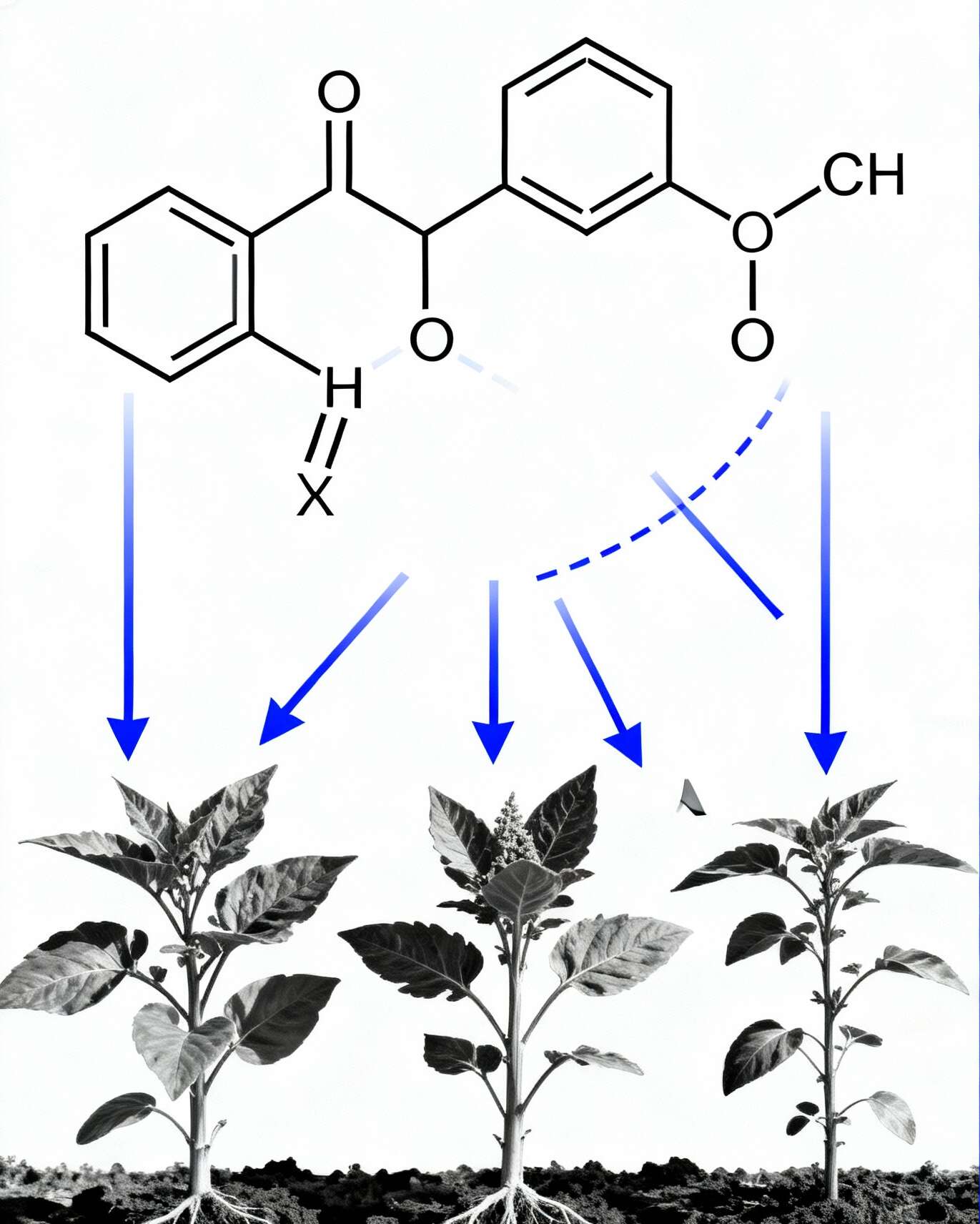
Ph. Eur. 2.8.13 Pesticide Residues
What it is: The pesticide residue chapter used for herbal drugs. Fruits & seeds fall in scope. How to write it: “Comply with Ph. Eur. 2.8.13; for residues not listed there, follow EU MRLs.” Why it matters: Simple, audit-friendly, globally legible. Where this shows in our range: See Fruit & Seed Chinese Medicines and Dried Spices.
EU Regulation (EC) No 396/2005 MRLs
What it is: The MRL backbone in the EU. Key nuance: Spices and some seed botanicals sit under a grouped approach; regulators have used tMRL logic for spices to reflect real risk and analytical limits. Why buyers care: It explains why not every SKU should be forced to a blanket 0.01 mg/kg when law allows smarter thresholds.
USP <561> Articles of Botanical Origin — Aflatoxins
What it is: Compendial chapter for botanicals. Aflatoxins (the classic line):AFB1 ≤ 5 ppb; Total ≤ 20 ppb when applicable. Where to use it: Seeds, nuts, and seed-spice lanes (e.g., bitter apricot seed). Put these limits as a distinct line on the COA. See a seed-type SKU example: Bitter Apricot Seed (Ku Xing Ren).
ICH Q3D(R2) Elemental Impurities — Scope & Internal Risk
Scope reality:Q3D says it doesn’t apply to herbal products. What good is it then? The PDE-based logic is still great for an internal risk memo: source identification → PDE reasoning → control plan. How to phrase it: “Q3D not applicable to herbal products; internal limits set via Q3D risk logic and historical data.” Why this helps: It’s honest and auditor-friendly. Not checkbox quality, real quality.
ICH Q3C Residual Solvents
When this applies: Extracts, concentrates, spray-dried materials. Your move: Map solvents to Class 1/2/3; validate “minimum feasible” removal; test by GC. If you only buy dried raw herbs: State N/A clearly to avoid scope creep. Need extracts later? We can configure OEM/ODM specs—see Herbal factory supply for bulk purchase.
WHO Quality Control Methods for Medicinal Plant Materials
Why we still love it: Practical identity toolkit—macro/micro ID, HPTLC/TLC, foreign matter, moisture. Use case: Incoming QC and skip-lot justifications once your farm blocks and seasons are stable. Heads-up: For seeds, watch a.w. (water activity). High a.w. loves trouble.
EMA HMPC: Specifications, Test Procedures, Acceptance Criteria
How EMA frames it: ID (often HPTLC), markers/fingerprint, pesticides, aflatoxins, micro, and finished-form tests (disintegration/dissolution) when you have tablets/capsules. Good news: With strong GACP and clean history, some tests can be reduced frequency. Translation: Documented reality → leaner release.
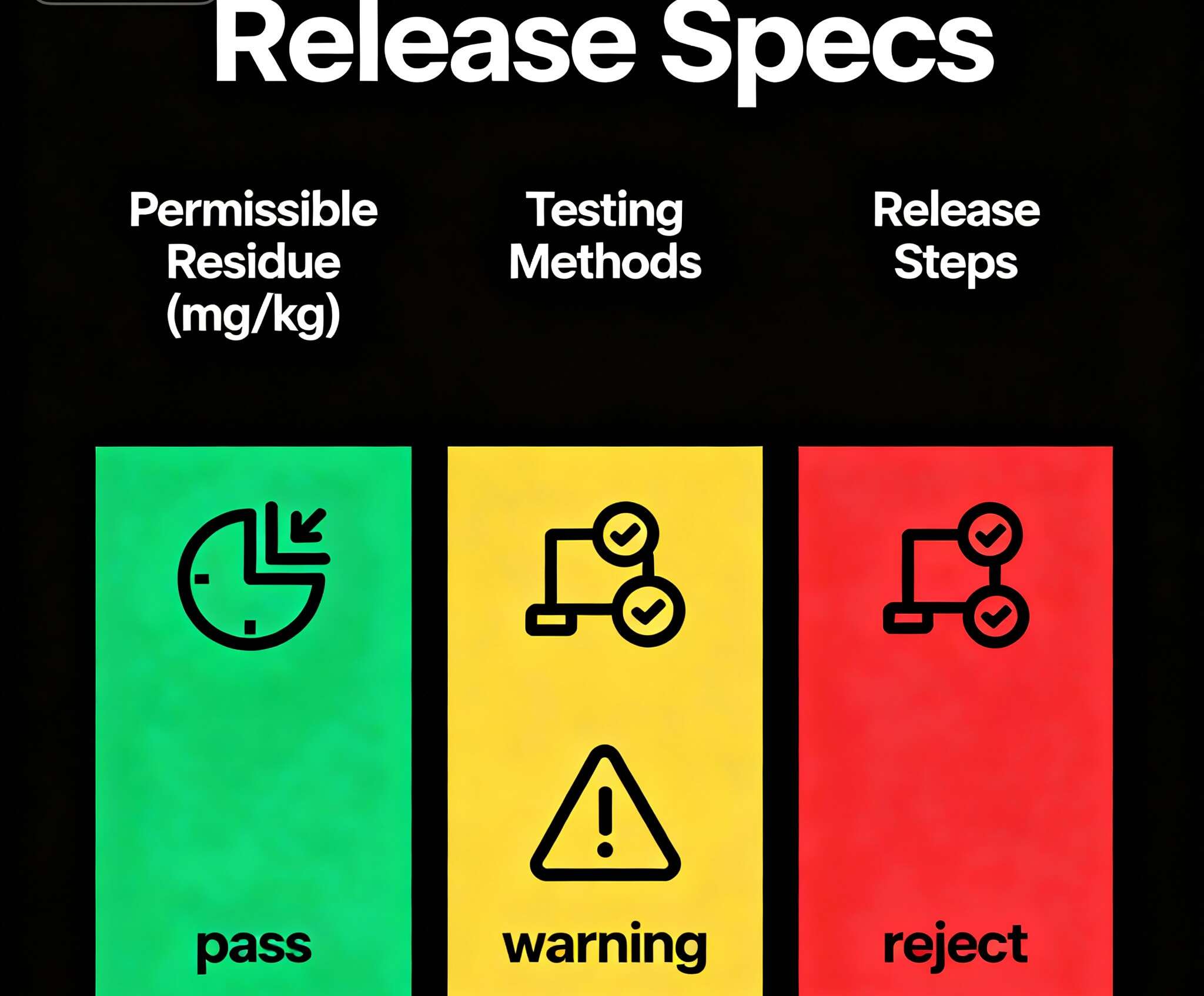
Use this as a starting point. Adjust per SKU and market.
Item
Spec language (concise)
Method / basis
Frequency
Identity
Pass macro/micro ID + HPTLC fingerprint vs. authentic reference
WHO ID + HPTLC; EMA frame
Each lot
Moisture / a.w.
NMT 12% moisture or validated a.w. target per SKU
Loss on drying or a.w.
Each lot
Pesticide residues
Comply with Ph. Eur. 2.8.13; for non-listed, follow EU MRLs
GC-MS/MS, LC-MS/MS
Each lot or skip-lot with strong GACP
Aflatoxins
AFB1 ≤ 5 ppb; Total ≤ 20 ppb (where applicable)
HPLC/LC-FLD/LC-MS
Each lot for high-risk seeds
Elemental impurities
Q3D not applicable; internal limit set by Q3D-style risk memo
ICP-MS; risk assessment
Periodic / on change
Residual solvents
Meet ICH Q3C class limits (extracts)
GC-FID/GC-MS
Each extract lot
Micro limits
Per pharmacopeial / market
Plate count or validated rapid
Each lot
Volatile oils
Internal range for aroma SKUs
Hydrodistillation / GC
Periodic trending
Packaging
Barrier performance, clean headspace, no cross-contam
Spec review + visual
Each lot
Market Compliance Data Snapshot (EU & US monitoring)
You don’t release into a vacuum. Big picture: Most herbal samples land within legal residue limits. Coordinated programs continue to show high compliance; risk-based programs surface outliers in spice/seed lanes. Use this to calm stakeholders while you still tighten the hot SKUs. No need to over-test every batch forever. Smart paneling wins.
SKU Playbook — Quick, tactical notes
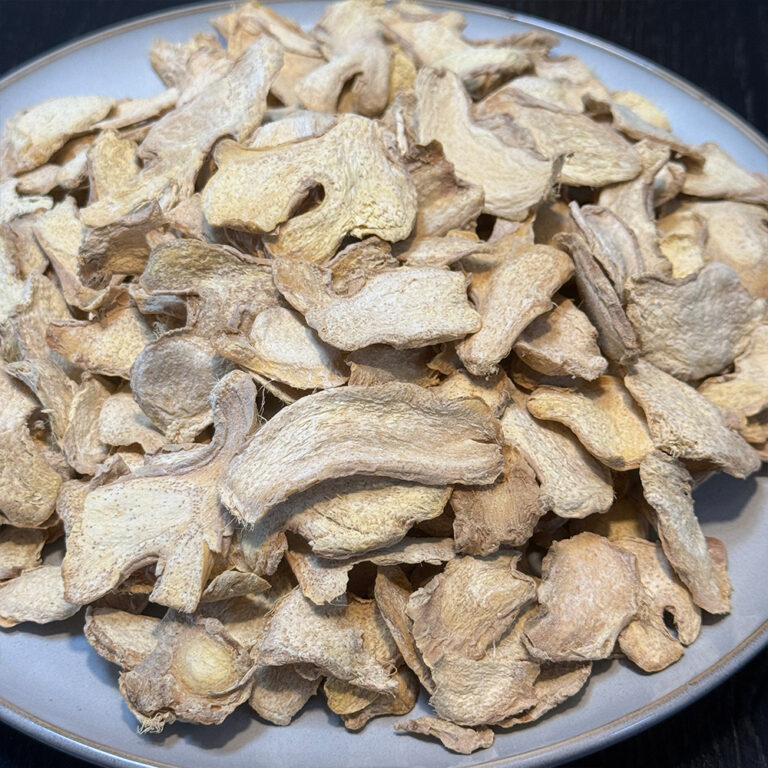
Fennel Seed (Foeniculum vulgare) Aroma is value. Protect volatile oils with barrier film and dry headspace. Trend the oil content; don’t let storage kill it. For residues, reference the MRL/tMRL logic so you don’t force blanket zeroes where law says otherwise. See spice coverage: Dried Spices.
Bitter Apricot Seed (Prunus armeniaca var.) Treat aflatoxins as always-on. Put the limits as a separate line in the COA. That tiny line saves a week of emails later. Product page here: Bitter Apricot Seed (Ku Xing Ren).
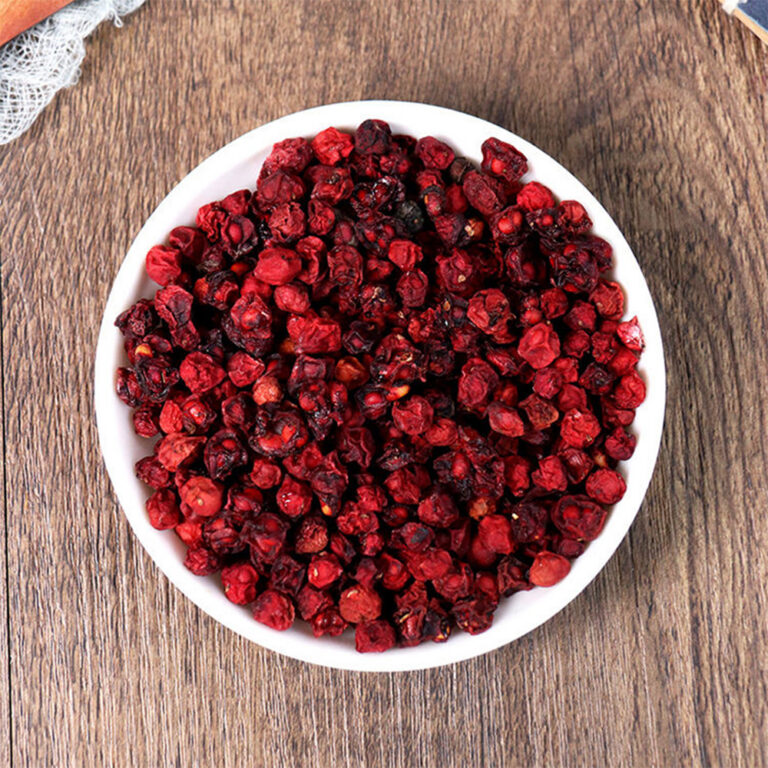
Schisandra Fruit (Schisandra chinensis) Use a marker/fingerprint approach (lignans). Tie it to EMA language for specs and trending. Aroma too—keep pack oxygen low if you’re guarding notes. Browse the Fruit & Seed Chinese Medicines list for options.
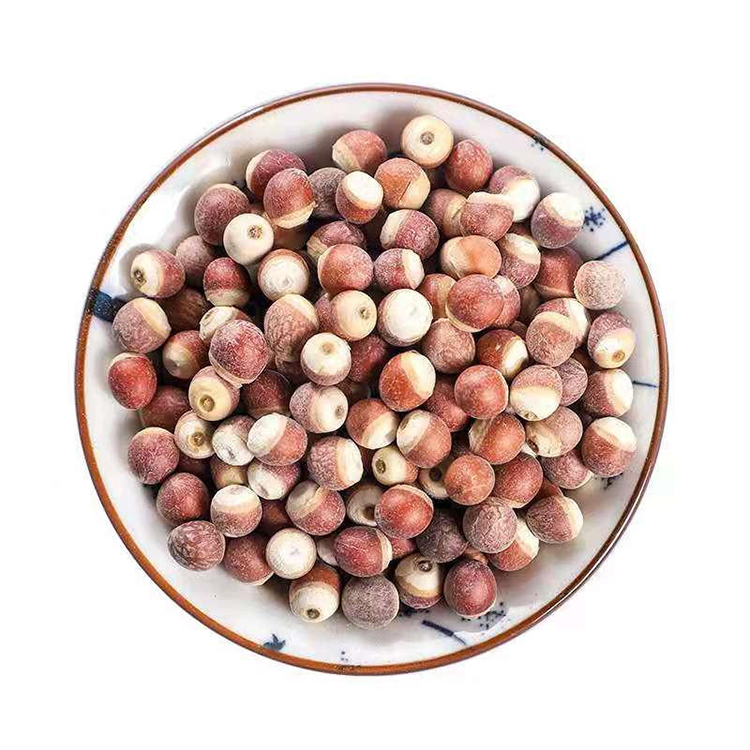
Coix Seed (Job’s tears) Watch moisture and a.w. Kill micro risk at the source—drying curves, pests control, clean storage. Looks boring, saves headaches.
Standard vs Reality — fast reference table
Topic
Standard / guidance
Reality check
What you do
Pesticide residues
Ph. Eur. 2.8.13 + EU MRLs
Most pass; outliers sit in spice/seed lanes
Targeted panels + history-based skip-lot
Spices tMRL logic
Grouped approach for spices in EU framework
Practical, risk-reflective
Don’t force blanket micro-levels where law set sensible tMRL
Aflatoxins
USP <561> (AFB1/Total)
Seeds & nuts stay sensitive
Keep it as a separate COA line
Elemental impurities
ICH Q3D scope: not applicable
Still use Q3D logic internally
Write a short PDE memo, test periodically
Residual solvents
ICH Q3C
Extracts need proof of “minimum feasible”
Map solvents, validate, show data
Identity and fingerprint
WHO + EMA HPTLC
Auditor-friendly and cheap to run
Keep ref materials current
Pesticide Residue Testing Panel Strategy (practical, not fancy)
Start broad for a new origin or a new farmer. Lock history for two or three harvests. Then tier your panel:
Tier 1 (every lot): the common actives seen in your matrix/region.
Tier 2 (skip-lot): wider screen; keep cadence transparent in the SOP.
Tier 3 (triggered): weather anomaly, new farm block, storage incident, or customer complaint.
Use LOQ/LOD language, note your lab’s method (GC-MS/MS, LC-MS/MS). Call out CAPA when something bumps a spec. Don’t hide the ball. Buyers can smell that a mile away.
Micro Strategy for Seeds & Spices
Micro can spike when a.w. and handling drift. Simple rules that pay off:
Validate drying profiles.
Keep ambient/cool/MA storage for long lanes.
Tighten pack O₂/H₂O; aroma loves this too.
Build hold-release around micro data, not guesswork.
We run this daily. Kinda boring, but it works.
ID & Fingerprint (HPTLC) — the quick win
HPTLC fingerprints say “this is the plant we promised.” Pair it with macro/micro ID. If the market expects a marker (e.g., lignans for schisandra), include a target range or at least a trend chart. Regulators like it. Your flavor team likes it more.
OEM/ODM with GuoCao — why it’s easier
GMP slicing lines + ISO 22000 = fewer surprises at intake.
Third-party COA on request.
Ambient / cool / modified-atmosphere warehouses hold aroma and micro risk in check.
Enzyme beverage line in production if you’re diversifying SKUs.
Our low MOQ of 1 kg (2.2 lb) makes it easy to order Chinese herbal slices or wholesale Chinese medicine herbs. Private-label and bilingual labeling are also available.
Delivery Cycle & Support
We have a fast 7-day lead time. We provide free samples, COA reports, and technical support to help you bring high-quality bulk Chinese herbs to market.
Quality & Certifications
Our products are manufactured in a GMP-certified facility and meet ISO22000 standards. All Chinese herbs are third-party tested for heavy metals, pesticides, and microorganisms.