If you work on RTD tea, you know the pain. You brew a nice tea with flowers and herbs, it looks bright in the pilot lab. Then you chill it, park it in warehouse, and suddenly the bottle goes hazy, color drifts, flavor gets tired.
Let’s talk about how to use flower and herb ingredients in clear ready-to-drink teas in a practical way: real color control, smart extraction, and flavor design that actually sells. And we’ll see where a supplier like GuoCao fits into this game.
RTD Tea Color Stability and Clarity with Flowers and Herbs
Tea Cream, Haze and NTU Control in Ready-to-Drink Tea
RTD tea haze doesn’t mean your line is dirty. It’s mostly chemistry.
When brewed tea cools down, tea polyphenols start to hold hands with proteins, pectin, caffeine, and tiny metal ions. They form bigger complexes, often called tea cream. These little “snowballs” scatter light. That’s why your bottle turns cloudy or you see sediment.
At the same time, marketing wants:
High polyphenols for antioxidant story
Crystal clear liquid for premium look
So you have a built-in conflict: more actives usually means more haze.
In real production, many teams set something like this:
Internal spec for “clear tea” around 2–4 NTU
Anything above that starts to look dull or milky in PET
Once you load in flower and herb materials, you add more pigments and more colloids. Clarity control becomes even more important. That’s where fine filtration and membrane clarification step in. You basically tell the plant:
“We need a clean base at XX NTU before we even think about flavor house.”
Flower Pigments, Anthocyanins and pH in Herbal Tea Color
Color in flower and herb RTD teas mainly comes from three big groups:
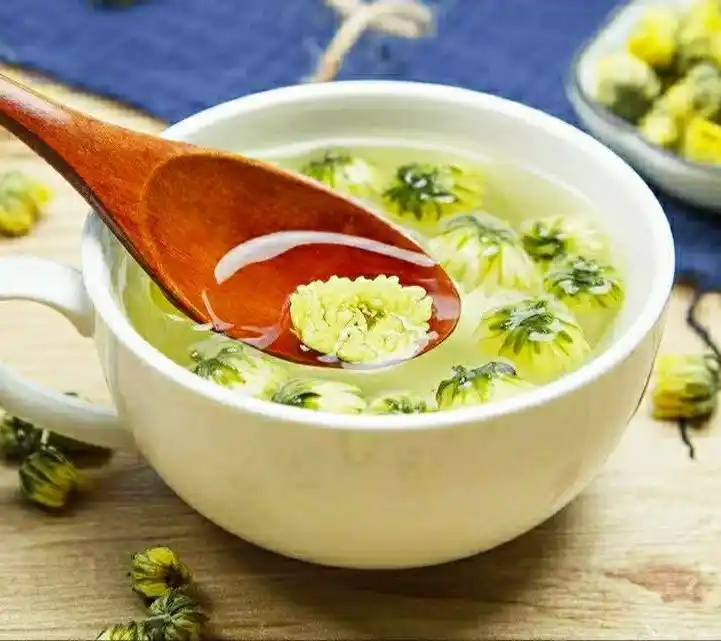
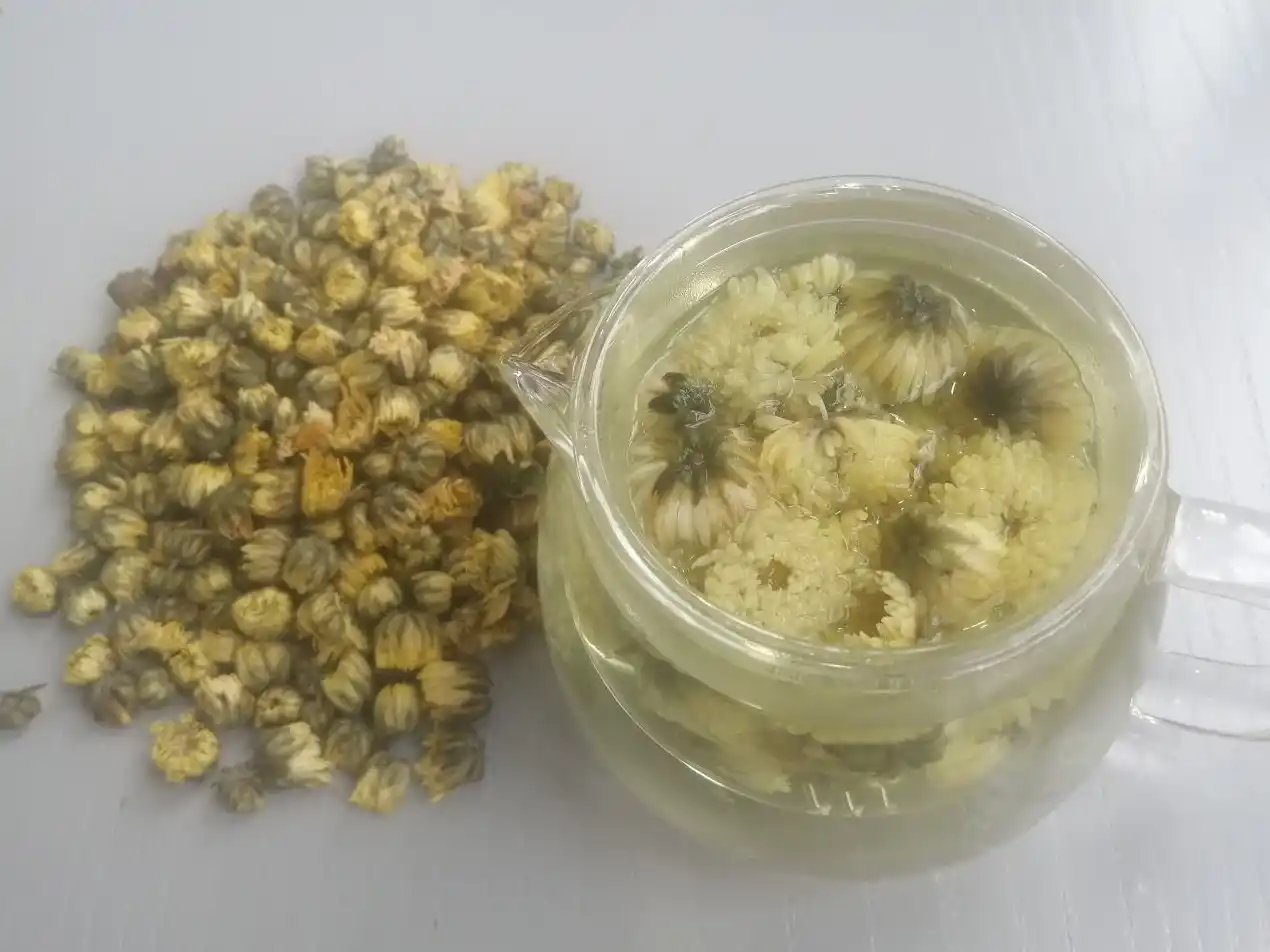
Flavonoids and flavonols – yellow to golden tones, common in flowers like Chrysanthemum and honeysuckle
Anthocyanins – red / purple from berries or some flower fruits
Chlorophyll and its derivatives – green shade from leafy herbs
These pigments are not only pretty; they’re also fragile. Anthocyanins hate high pH and long heat. Chlorophyll doesn’t like strong light and oxygen. If you don’t manage them, you see:
Bright yellow turning brownish after storage
Pink/red drinks fading to pale orange
Green drinks going dull and “muddy”
One trick used in functional drinks is co-pigmentation. In simple words, you use other phenolic-rich herbs to help protect your main pigment. Even if analytical numbers drop, the visual color stays stronger. For RTD tea with flowers, this means you can choose helper herbs not only for health cues, but also as color stabilizer partners.
Packaging and Storage for Colored Herbal RTD Tea
Color stability is not only formula. It’s also pack and cold chain.
In real life, teams see that:
Glass and good-barrier PET usually hold color and actives better than low-barrier pouches
Lower storage temperature slows down browning and flavor loss
Oxygen pickup during filling can kill your nice flower shade very fast
When you brief your OEM or in-house plant, a simple color / clarity matrix helps:
Lever
Typical Target / Direction
What It Helps
Turbidity (NTU)
≤ 2–4 NTU for “clear tea” SKUs
Avoid consumer complaints on haze and “dirty look”
pH
3.5–4.2 for many floral RTD teas
Better color stability and micro safety
Dissolved oxygen at fill
As low as process allows
Less browning, better flower aroma
Packaging
Glass / high-barrier PET
Protect catechins, anthocyanins, and visible color
Headspace management
Nitrogen flush or tight control
Less oxidation in long haul export
You don’t show this table to end users. But your spec sheet, COA and QA talks should sound like this. That’s how you move away from “it looks dark, why?” to clear technical language.
Extraction Technologies for Flower and Herb RTD Tea Bases
Cold Brew, Ultrasound and Enzymatic Extraction for Tea and Botanicals
Classic hot brew is easy to understand:
Load tea + herbs
Hit with hot water
Hold, filter, done
It works. But it also:
Pulls extra bitterness and harsh astringency
Speeds up color browning
Loads more stuff that later becomes tea cream
Newer methods go softer. A typical modern route looks like:
Low-temperature or cold brew instead of long high-heat soak
Ultrasound assistance to push extraction without cooking the flowers
Optional enzyme step (like tannase or pectinase) to cut big molecules into smaller, more stable ones
For RTD tea with flowers and herbs, this combo gives you:
Better aroma retention for delicate botanicals
Potentially less long-term haze
A strong technical story for sales deck, too
You don’t need to install every shiny gadget on day one. Even just moving from “90°C for 40 min” to a lower temperature, slightly longer time, and better agitation already helps.
When you brief your process engineer, speak simple:
“We want a gentle extraction that keeps floral top notes and doesn’t overload the base. Think low temp, controlled time, maybe ultrasound if line can do.”
Membrane Clarification and Filtration for Clear Tea Infusions
No matter how nice your extraction is, you still have to polish the liquor.
In many modern tea plants, the chain looks like:
Coarse filtration – remove petals, seeds, big particles
Fine filtration – cartridge or depth filters
Membrane clarification – microfiltration or ultrafiltration
Polishing filter – just before filling
With the right membrane cut-off, you can get a tea base that hits your NTU target and still keeps most of the flavor-active compounds. This is key if you want “clear tea” on front label but also “high polyphenol” in brand deck.
Where does GuoCao come into this?
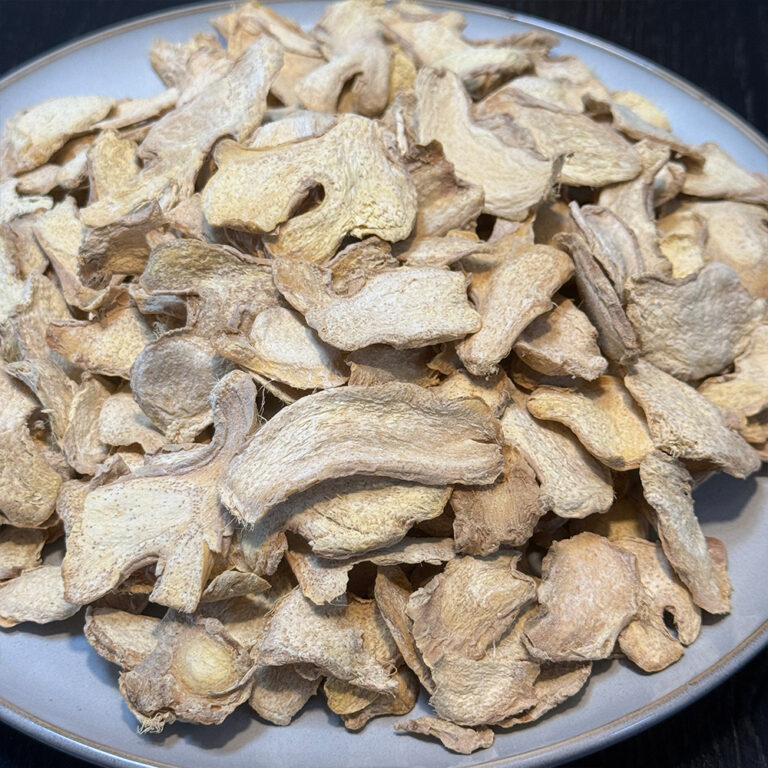
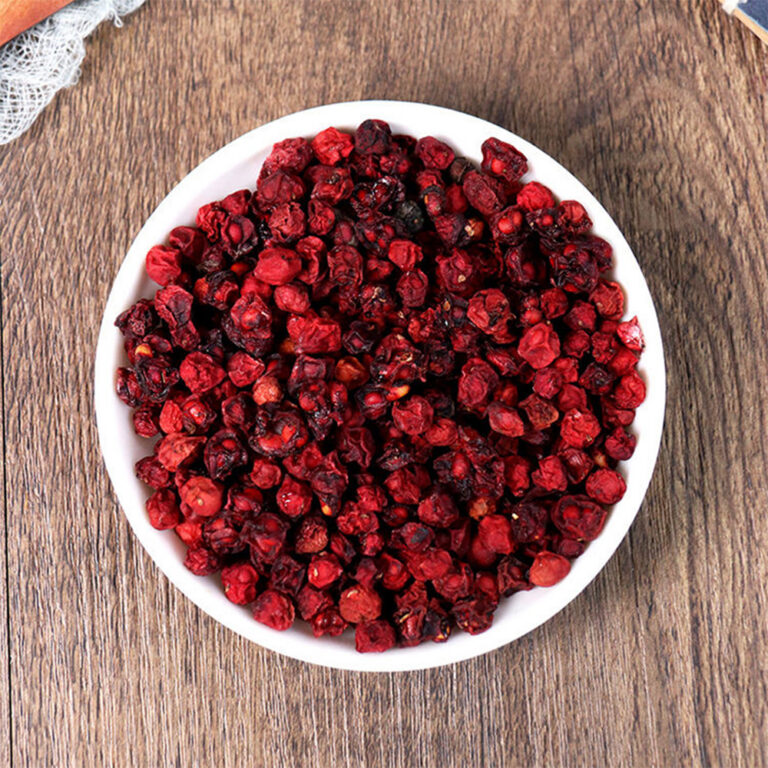
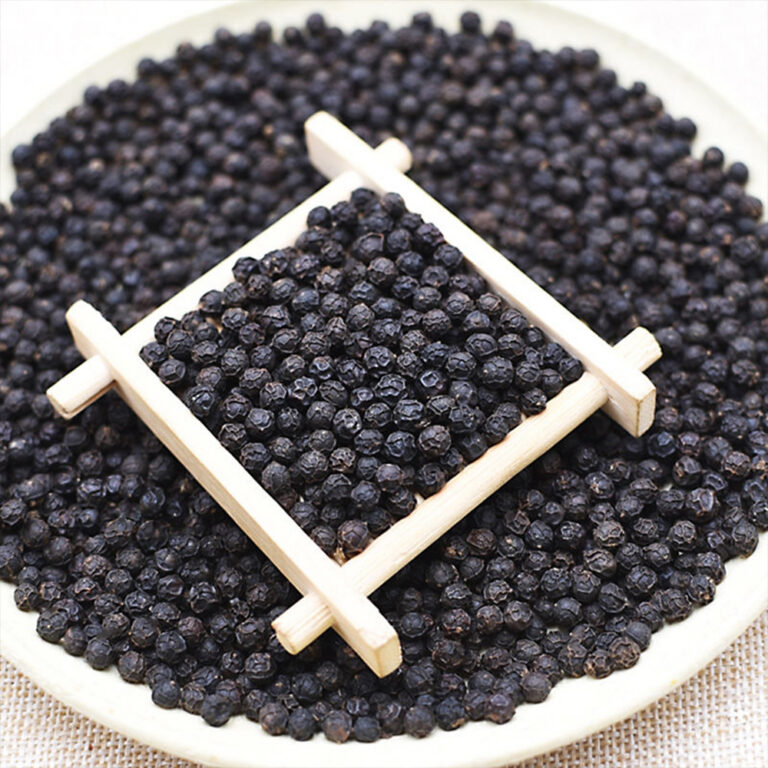
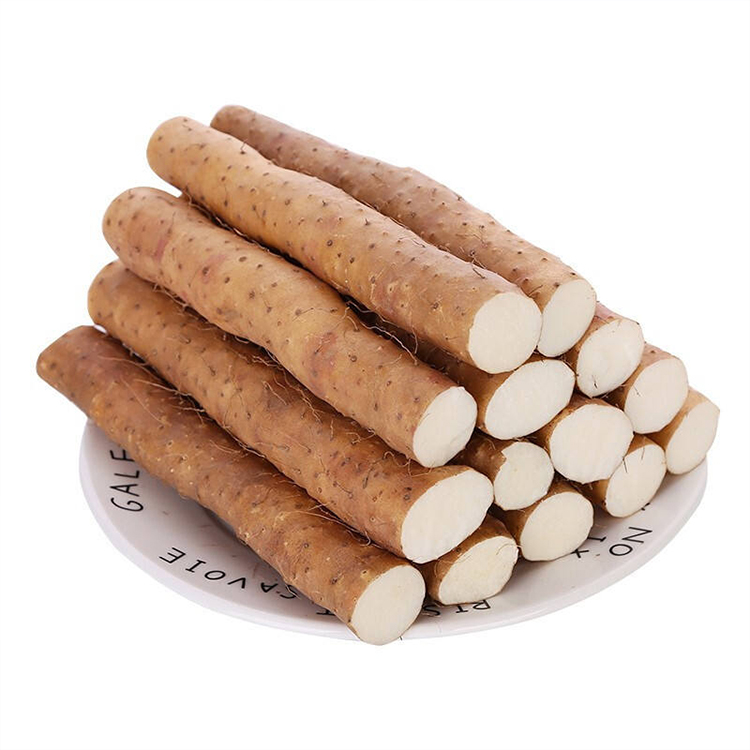
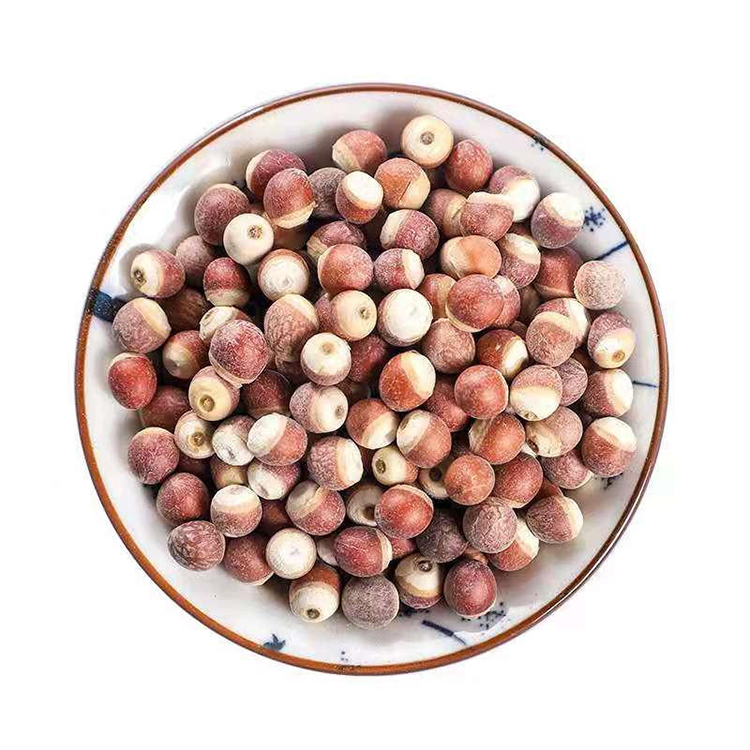
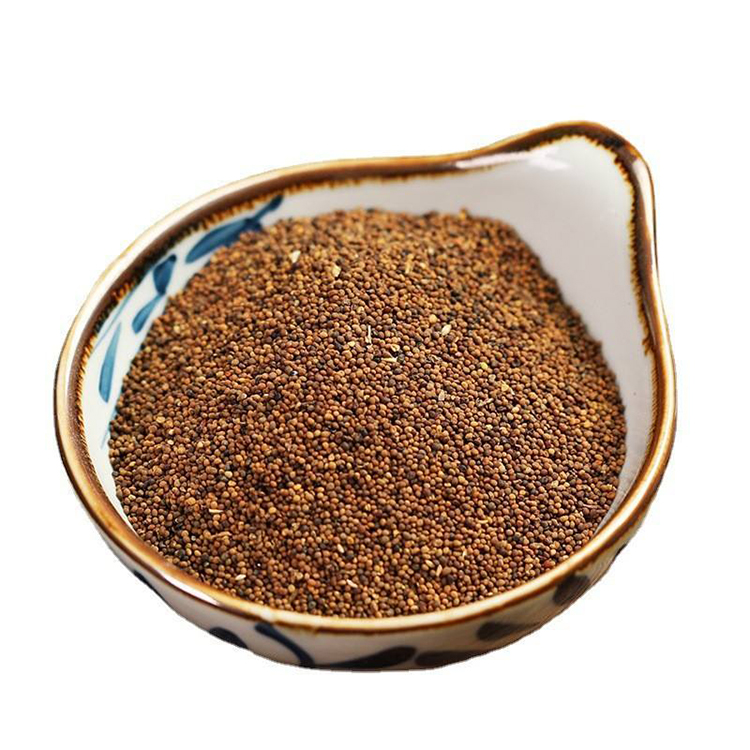
If your botanical cuts are inconsistent, your filters will hate you. GuoCao runs GMP herbal slice production, with controlled cutting and grading on categories like:
Uniform slice size means more predictable extraction and smoother filtration. QA will sleep better.
Here’s a quick process table you can adapt:
Route
Pros
Cons
Typical Use
Hot brew + basic filter
Simple, low entry cost
More haze, more color drift, not friendly to delicate flowers
Budget SKUs, low herb load
Cold brew + filter
Softer taste, less bitter
Slower, sometimes low yield
Premium glass-bottle teas
Low-temp brew + ultrasound
Higher yield with gentle flavor
Needs tech investment
Large-scale RTD bases
Brew + membrane clarification
Very clear, stable NTU
Extra step and CIP work
“Clear tea” and export SKUs
The point is not to chase every toy. The point is to choose one chain and build spec around it.
Flavor Design with Chinese Medicinal Flowers, Roots and Fruits
Chrysanthemum, Honeysuckle and Other TCM Flowers in RTD Tea
Because we’re talking Chinese herbs, flower selection isn’t random. You want ingredients that already have TCM heritage, sensory acceptance and a story.
Goji Berry (Gou Qi Zi) – adds orange-red tint, soft sweetness, linked to eye and liver support in TCM language.
Monk Fruit (Luo Han Guo) – natural intense sweetness, good for low-sugar or “no added sugar” lines.
Longan Flesh – dark sweet note, good for night-time relaxation drinks.
Jujube – gives round sweetness and warm body, pairs well with oolong or black tea.
You can then tune the base using root and rhizome herbs such as licorice, ginger, or ginseng to balance bitterness and add functional angle.
Here’s a simple concept map:
Concept
Tea Base
Flower Layer
Fruit / Seed Layer
Positioning
Chrysanthemum Goji Clear Tea
Light green tea
Chrysanthemum
Goji berries
Daily cooling, screen worker drink
Honeysuckle Monk Fruit Slim Tea
White tea / light oolong
Honeysuckle
Monk fruit
Low-sugar, light body control concept
Night Calm Longan Flower Tea
Darker oolong
Chrysanthemum, small safflower
Longan + jujube
Evening relaxation, cozy mood
All of these can start directly from GuoCao’s bulk herbs and slices. For fast prototyping, you can also play with their Chinese herbal tea bags and then upscale to extraction once you like the profile.
OEM/ODM Herbal RTD Projects with GuoCao Ingredients
Formula is one thing. Supply chain is another story.
GuoCao is not just a trading name. The company runs GMP Chinese herbal slice lines, with ISO 22000 food safety system, temperature-controlled warehouses, and third-party COA capability. Production capacity goes up to around 2,500 tons per year, with OEM/ODM support for herbal enzyme drinks and postbiotic beverages as well as classic slices.
Main client types include pharma and healthcare companies, supplement factories, functional beverage brands, cosmetic raw material buyers, big wholesalers and local retailers. That means they already understand different compliance and documentation levels you may need for different markets.
For you, that translates to:
One supplier for flowers, roots, fruits, barks, animal & mineral, etc.
Low starting point — many products work from 1 kg per SKU for trials.
COA packages that match what your QA and auditors need for export to US, EU, Australia, Japan, Korea and more.
A simple first email or form on their contact page can be as basic as:
“We plan a clear RTD tea with Chrysanthemum + Goji, 12-month shelf life, low haze target. Need herbal slices spec and possible OEM direction.”
No need to write a novel. Keep it practical. Mention region, pack type, and rough positioning. Let them come back with ingredient options, spec sheets and MOQ. Then you plug those into your own RTD tea process.
Wrap-Up: From Pretty Idea to Clear Bottle
Clear RTD teas with flowers and herbs are not just a “nice to have”. They sit right at the meeting point of health trend, clean label and social-media looks.
To make them work, you only need four things aligned:
Color and clarity control – NTU spec, pH, pack, oxygen.
Smart extraction – gentle conditions, possibly ultrasound or enzymes, and strong filtration.
Honest flavor design – real TCM flowers, roots and fruits, not random piles of botanicals.
Robust herb supply and OEM support – a partner like GuoCao that can provide GMP herbs, COA, tea bags and fermented drink know-how in one place.
Do this right, and your bottle stays clear, your story stays authentic, and your QA team dont get surprise haze alarms on a Friday afternoon.
Our low MOQ of 1 kg (2.2 lb) makes it easy to order Chinese herbal slices or wholesale Chinese medicine herbs. Private-label and bilingual labeling are also available.
Delivery Cycle & Support
We have a fast 7-day lead time. We provide free samples, COA reports, and technical support to help you bring high-quality bulk Chinese herbs to market.
Quality & Certifications
Our products are manufactured in a GMP-certified facility and meet ISO22000 standards. All Chinese herbs are third-party tested for heavy metals, pesticides, and microorganisms.