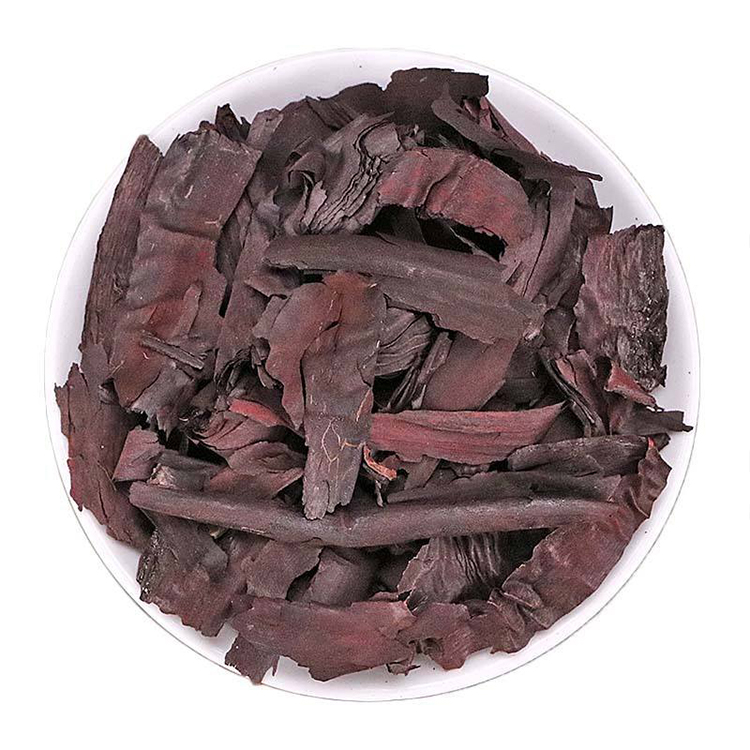



Purple Gromwell Root is easy to buy badly because color, trade names, botanical identity, cut size, and intended application are often mixed into one vague specification. This sourcing guide explains how professional buyers can separate appearance from chemistry, control cuts, verify species, and qualify a bulk supplier.

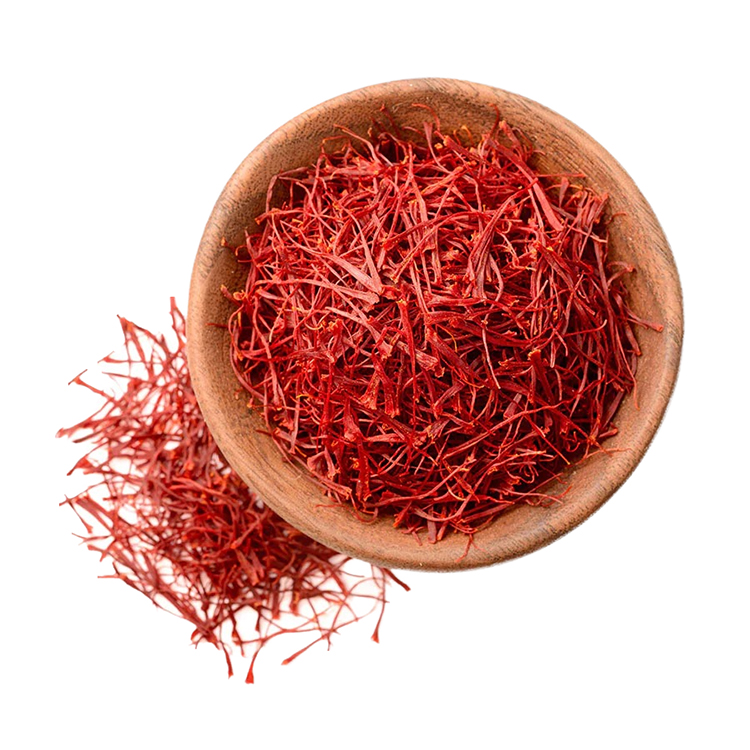
Buying safflower by color alone is a mistake. This guide explains how professional buyers should evaluate Carthamus tinctorius bulk supply using color strength, moisture, foreign matter, botanical identity, chemical markers, drying records, and lot-specific quality evidence.

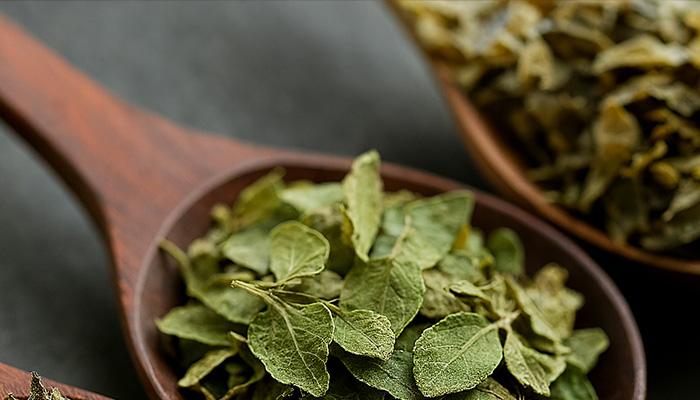
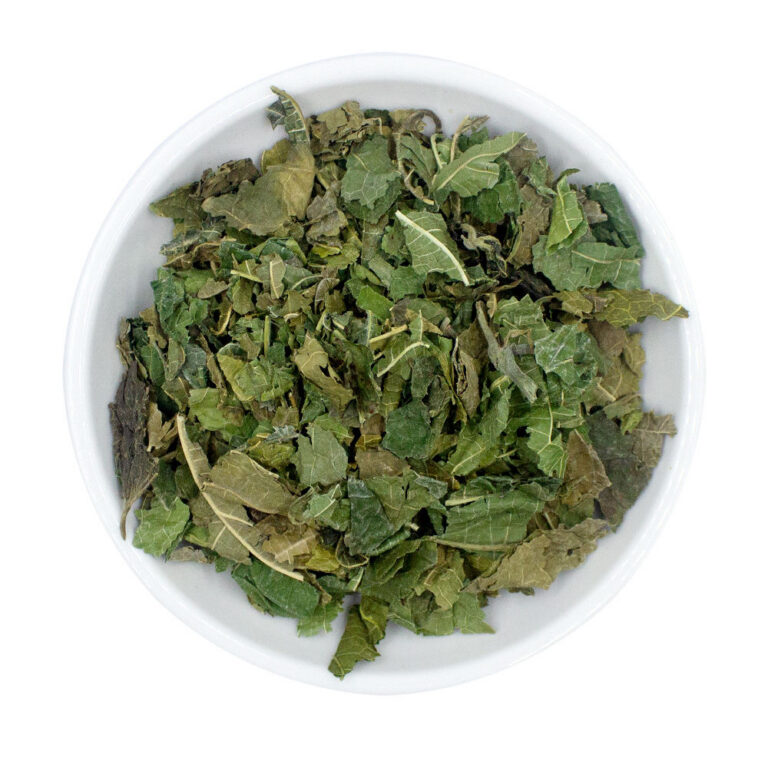
Mulberry leaf looks like a simple botanical ingredient until harvest timing, DNJ variation, pesticide testing, cut size, and beverage compliance enter the purchase order. This guide shows tea and functional beverage brands what to specify, test, question, and reject before buying bulk mulberry leaves.

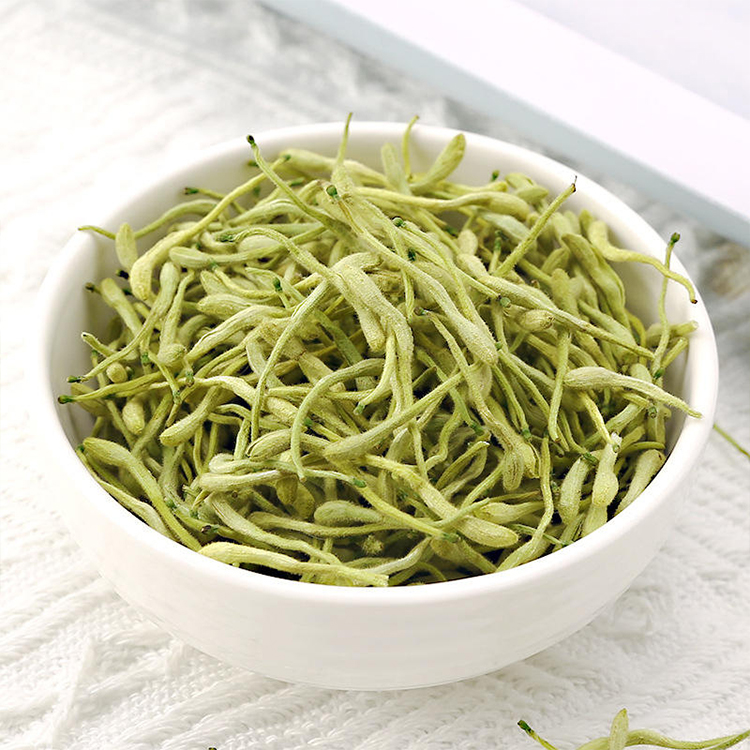
Honeysuckle Flower sourcing is not a simple color-and-price decision. This guide shows professional buyers how to control Lonicera japonica adulteration using botanical identity, DNA testing, chemical fingerprints, supplier traceability, incoming inspection, and defensible quality specifications.

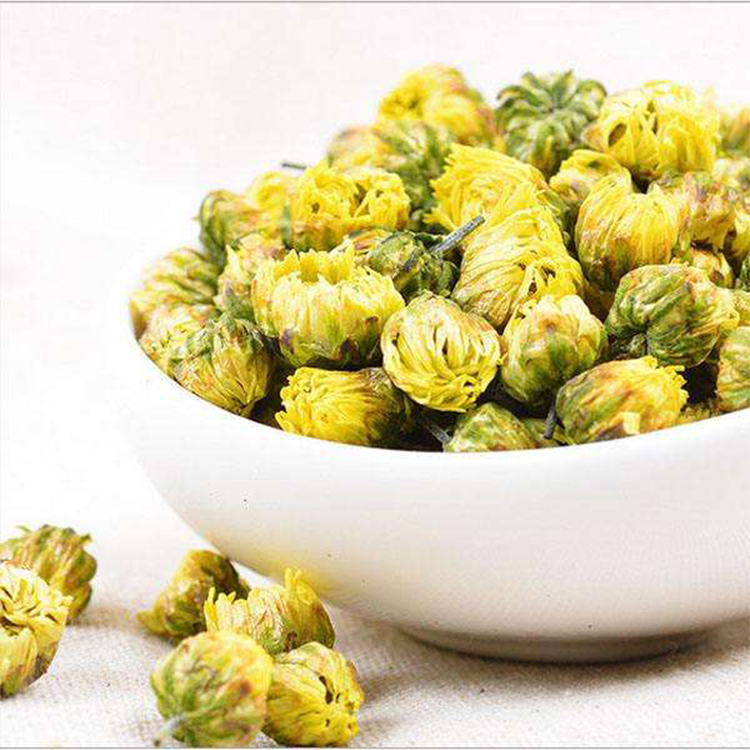
Color may attract the buyer, but it cannot prove freshness, origin, aroma strength, or safety. This guide explains how professional buyers should evaluate bulk chrysanthemum flowers before approving a commercial shipment.

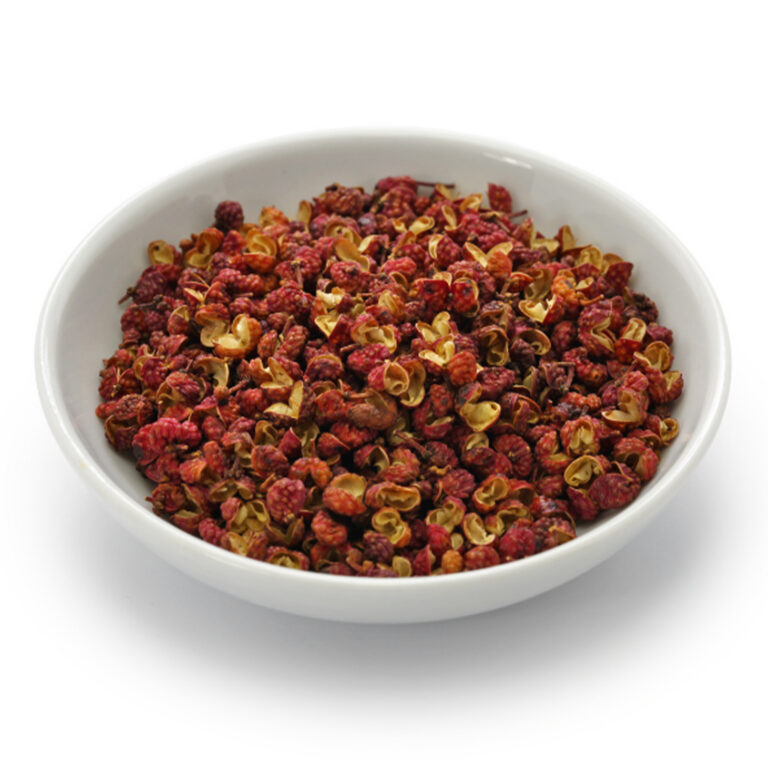
Bulk Sichuan pepper should never be approved by color and price alone. This buyer-focused guide explains how to compare aroma, numbing intensity, cleanliness, safety evidence, processing controls, and shipment documentation.

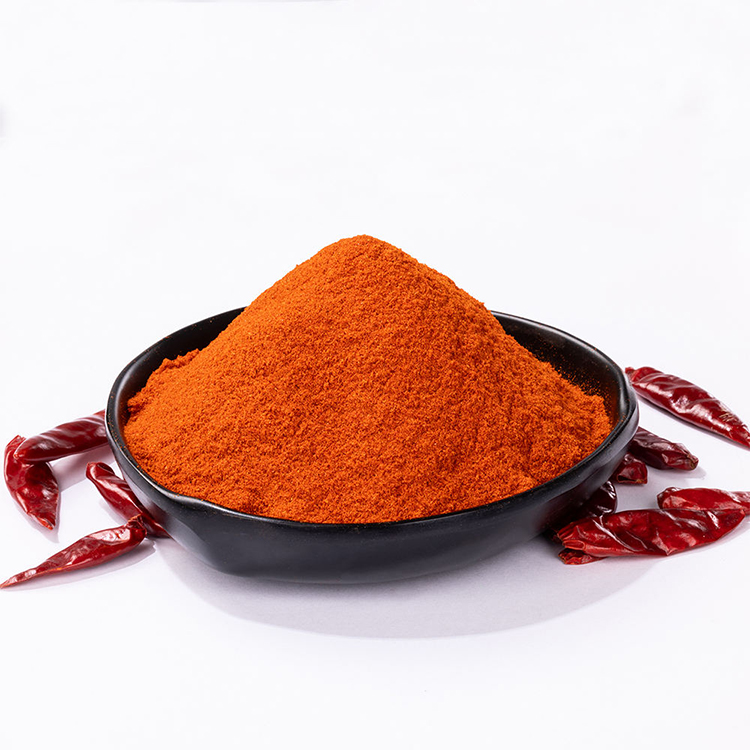
Steam usually delivers faster microbial reduction, while dry heat avoids adding moisture. Neither method is automatically safe, gentle, or suitable for every spice. Buyers must examine validated process parameters, lot-level records, sensory data, and post-treatment controls before approving a supplier.