


Bupleurum root buyers are often sold an origin story when they actually need a controlled specification. This procurement guide compares Bupleurum chinense and Bupleurum scorzonerifolium, explains meaningful test data, and shows how to qualify suppliers without trusting a generic COA.

Kudzu root block high quality relies on three linked variables: starch retention, moisture control, and cutting-size circulation. This technical overview clarifies just how expert customers should specify, test, and decline Ge Gen obstructs prior to irregular material gets to removal, decoction, food, or OEM manufacturing.

Rehmannia Root sourcing is not a straightforward "raw versus ready" choice. The actual issue is whether your supplier can verify agricultural identification, refining control, residue conformity, and set traceability prior to the material enters your formulation, warehouse, or export pipeline.

Getting white peony origin wholesale is not simply a price workout. Quality groups need to confirm Paeonia lactiflora identity, Bai Shao handling, chemical markers, microbial restrictions, hefty metals, chemical residues, slice uniformity, and vendor traceability before a whole lot reaches manufacturing.

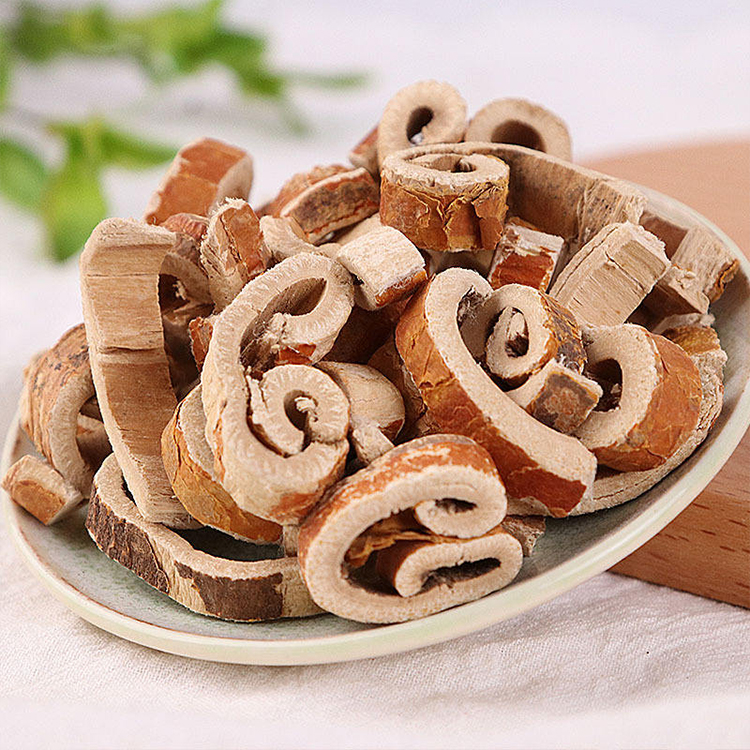
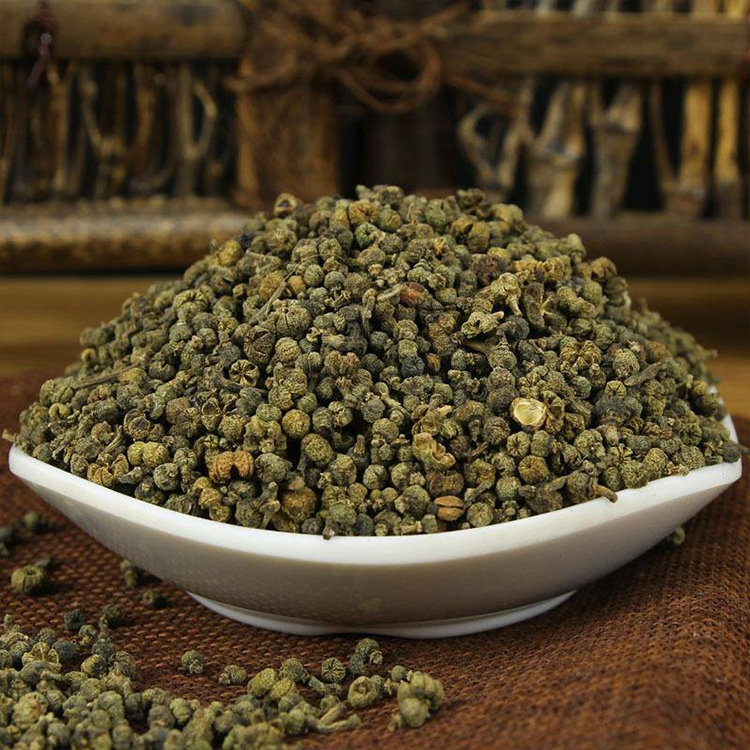
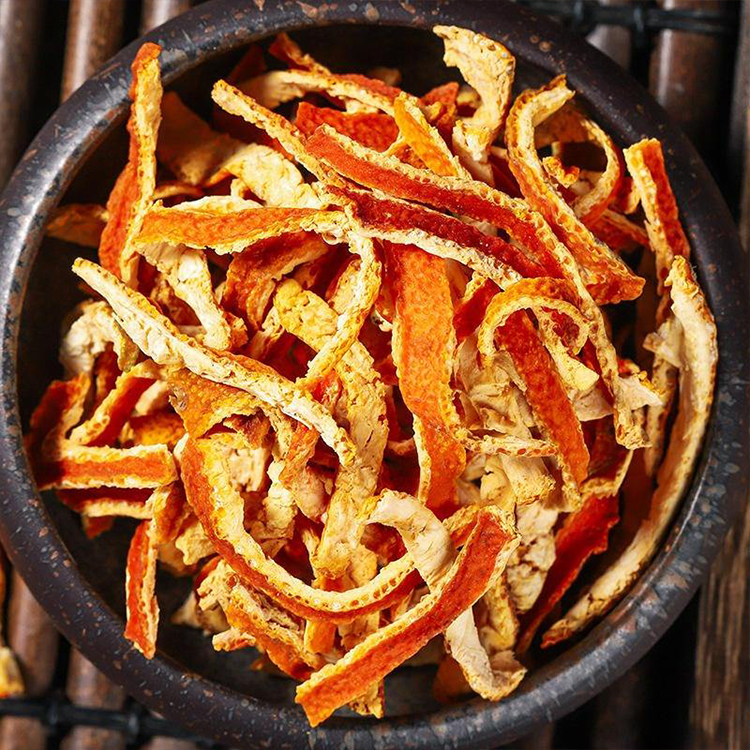
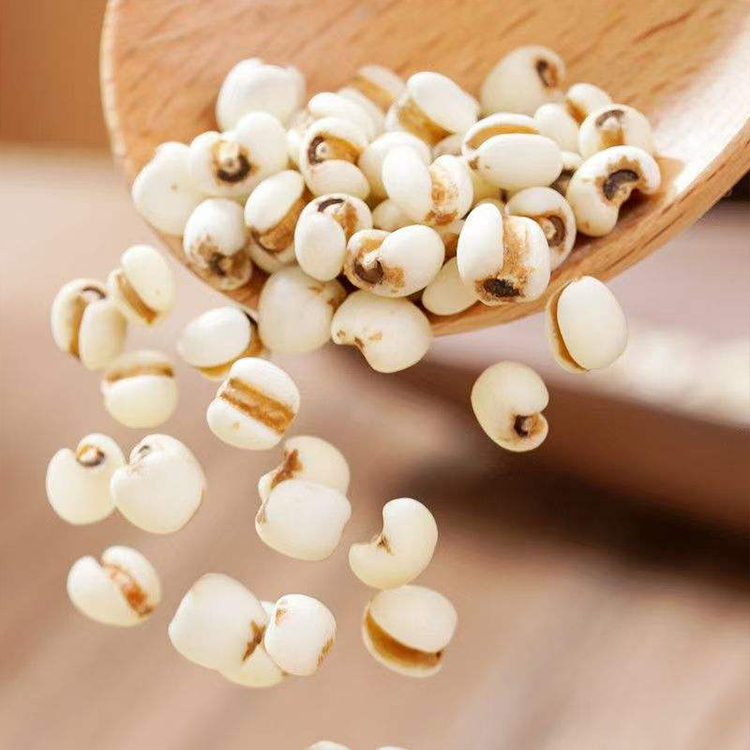
Buying Chinese herbal pieces wholesale is not regarding finding the most affordable quote. It has to do with confirming identity, safety and security, paperwork, origin, refining discipline, and vendor accountability prior to money leaves your account.

Heavy metals in Chinese natural pieces can turn a rewarding supply chain into a recall, being rejected, or responsibility data. This buyer-focused guide discusses what to check, which records to require, and just how to spot weak supplier insurance claims prior to cash steps.

Dried ginger flakes look simple up until they get in a real assembly line. This guide breaks down spice, organic, tea, and practical food applications with sourcing cautions, high quality checkpoints, regulatory context, and useful formula suggestions for severe buyers.