


Black pepper is not a commodity you can approve by appearance and price alone. This guide explains how professional buyers should evaluate density, aroma chemistry, microbial controls, treatment validation, and lot-specific documentation before signing a wholesale contract.

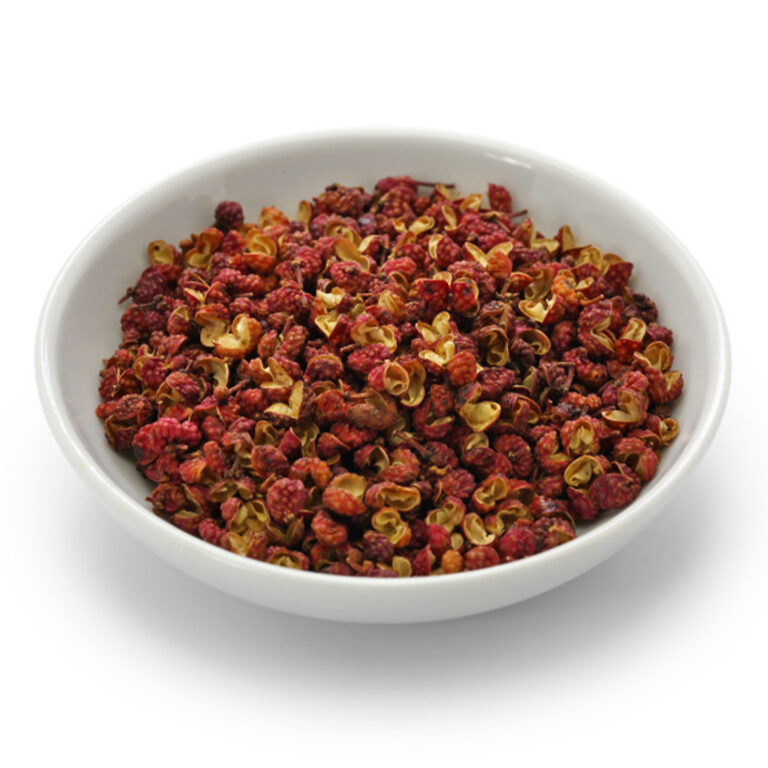
“Export grade” means little without measurable acceptance limits. This guide explains how importers should evaluate Sichuan pepper aroma, numbing intensity, physical cleanliness, laboratory results, and shipment documentation.

Dried spices are shelf-stable, but they are not sterile. This guide explains where contamination enters, which laboratory tests matter, why generic COAs fail, and how professional buyers can prevent unsafe or non-compliant lots from reaching production.

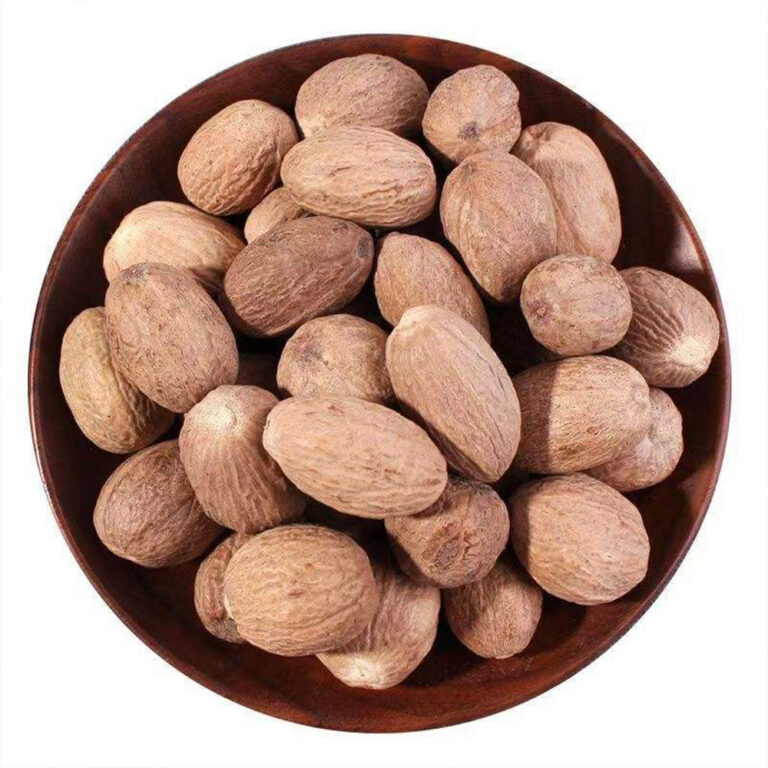
Bulk nutmeg quality changes once a seed is cracked or milled. This sourcing guide explains the specifications, testing records, sampling methods, and commercial risks buyers should define before approving a shipment.

Fennel seed may enter a seasoning factory, herbal tea line, supplement program, or traditional medicine supply chain. The physical material can look identical, but the required identity evidence, chemistry, safety controls, documentation, and legal claims are not.

Importing Chinese herbal ingredients is not a one-certificate job. This guide separates customs paperwork, regulatory filings, plant-health documents, and lot-level quality evidence, then shows where real importers get trapped by mismatched names, weak COAs, and illegal claims.

Bulk fennel seed is not a commodity you should buy by color and price alone. This guide explains the measurable requirements that separate a reliable food ingredient from an expensive quality dispute.