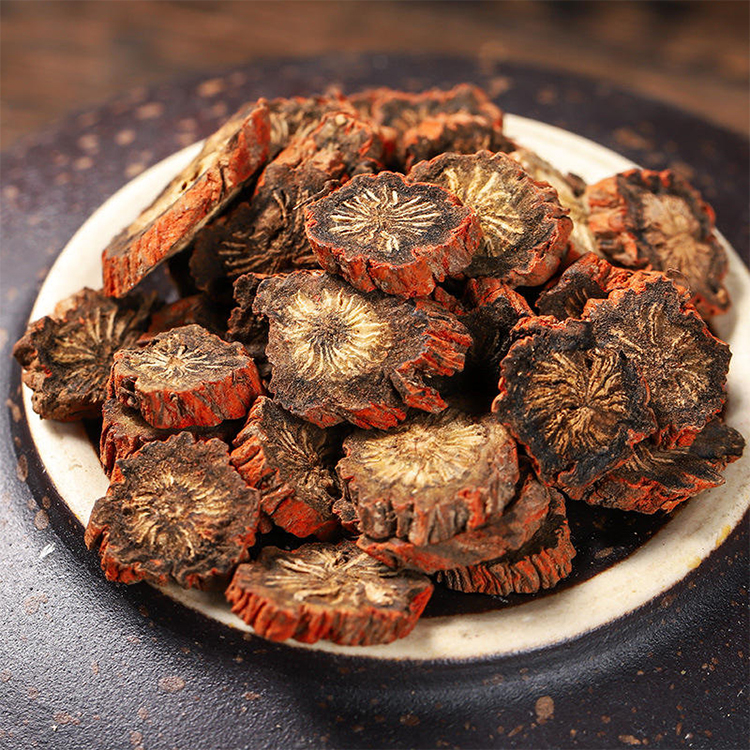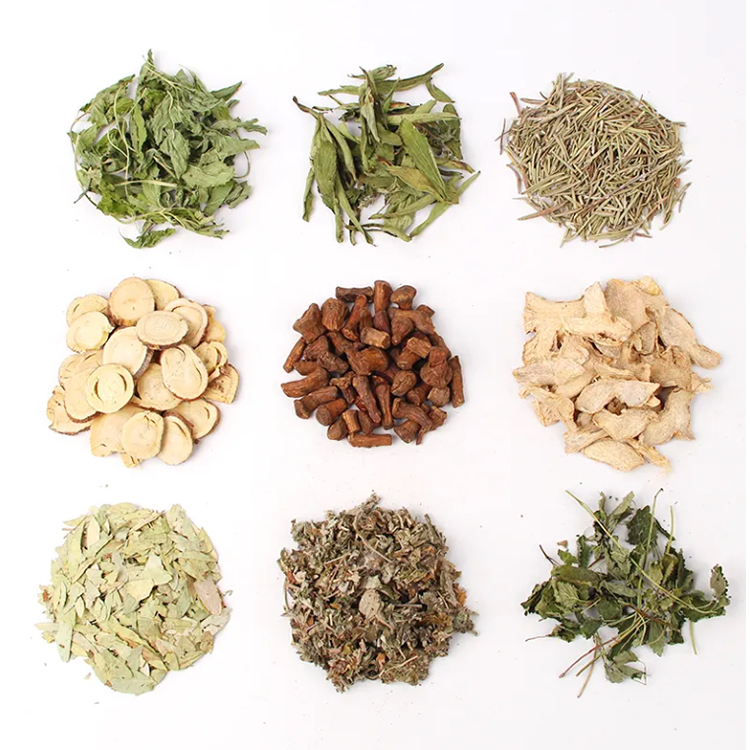



Bulk salvia root is not just another reddish-brown herb in a sack. For solution brand names, Dan Shen sourcing lives or passes away on identity evidence, marker testing, moisture control, deposit screening, supplier honesty, and whether the delivered lot matches the documentation.

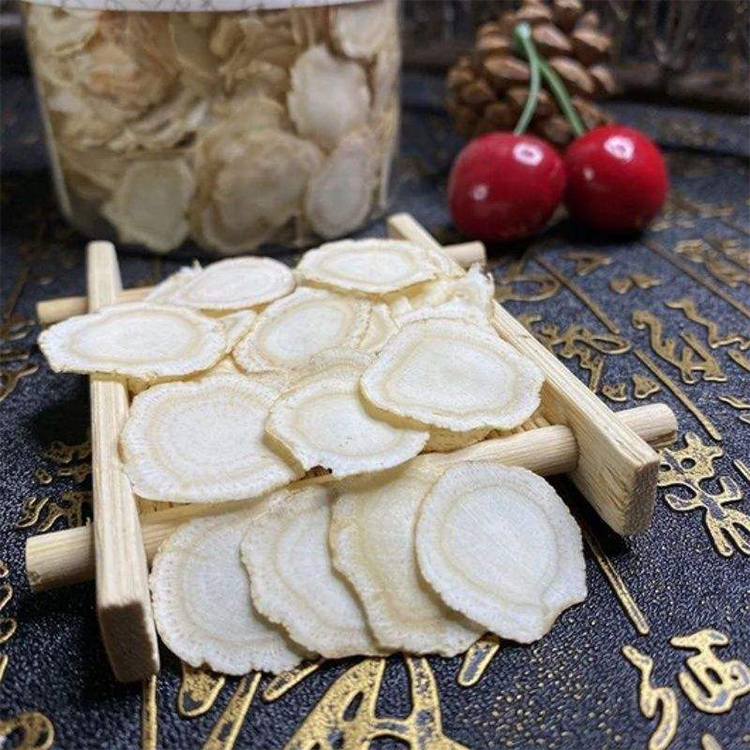
Buying ginseng slices wholesale is not about finding the prettiest root photo or the lowest kilogram price. It is about proving species identity, controlling moisture, demanding COA data, matching cut size to the final product, and protecting your brand before a bad batch reaches the consumer.

Bulk herb procurement in 2026 is not about chasing the cheapest sack price. It is about identity, traceability, lab proof, moisture control, supplier redundancy, and knowing when a pretty COA is not enough.

Chinese herbal slices do not fail only because of bad sourcing. They fail because moisture was ignored after drying, during warehousing, or inside a shipping container. This guide explains how serious buyers should control moisture, mold risk, packaging, transit, and shelf life before a batch becomes expensive waste.

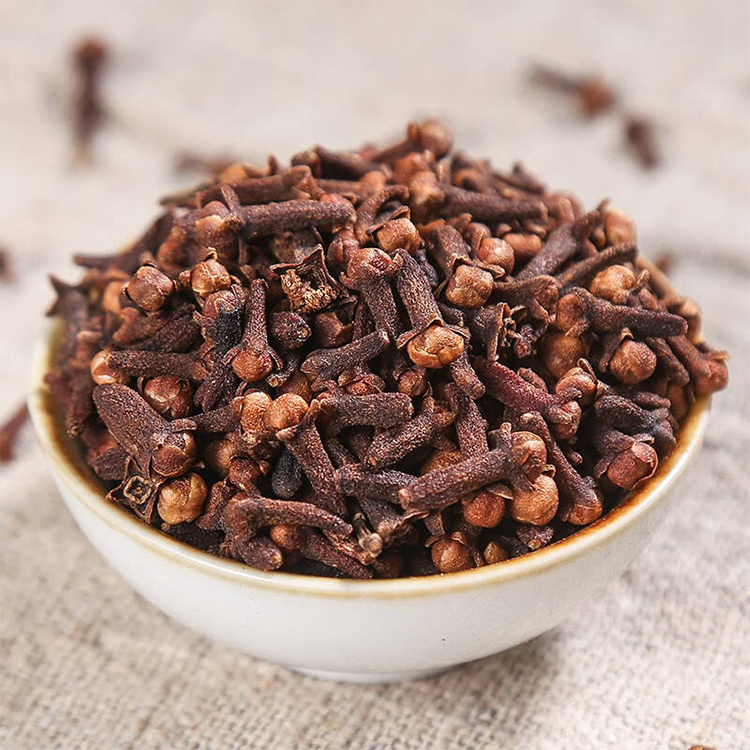
Buying bulk cloves is not about finding the cheapest brown buds in a sack. Real value sits in volatile oil, eugenol profile, stem percentage, moisture control, microbial safety, and storage discipline.

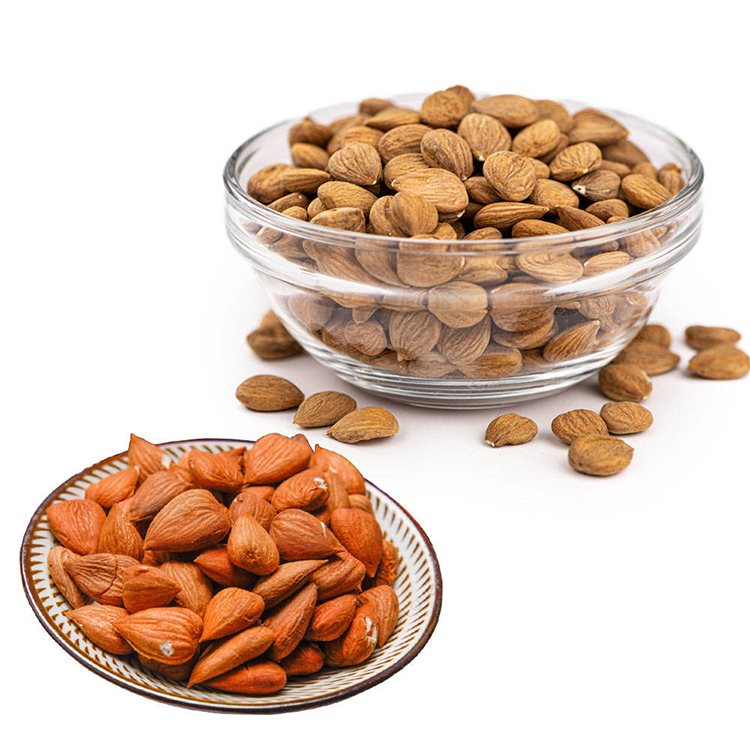
Bitter apricot seeds are not a casual commodity. This guide explains how buyers should evaluate Ku Xing Ren identity, cyanogenic glycoside risk, amygdalin testing, supplier paperwork, and documentation before placing a bulk order.

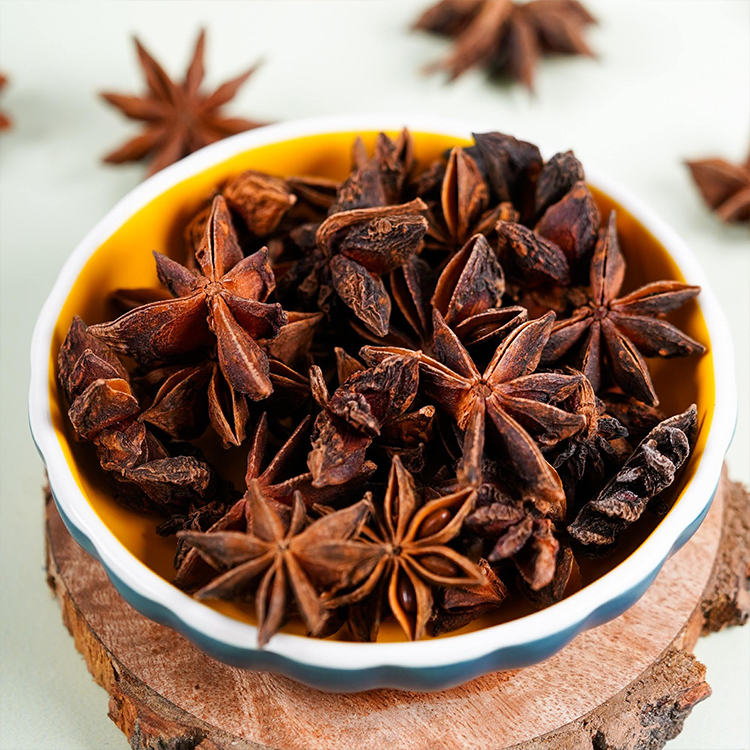
Low-cost bulk seasonings can become expensive quickly. Below is what food brands should validate before purchasing wholesale dried spices from China, from third-party laboratory screening to FSVP documents, virus reduction, and traceability.