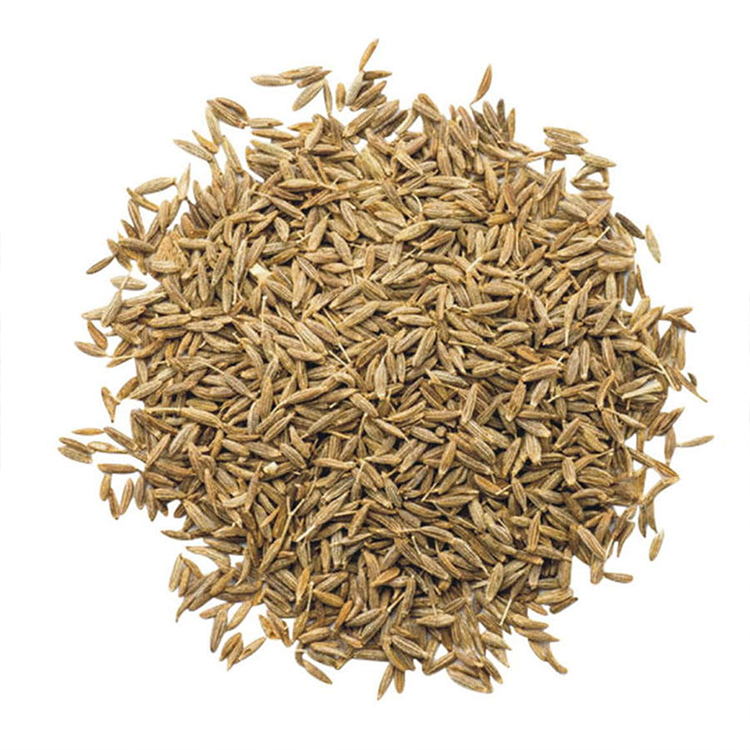



Fennel seeds may enter the same warehouse but leave under very different specifications depending on whether they are destined for seasoning, herbal tea, extraction, or traditional herbal products. This wholesale guide explains the quality markers serious buyers should separate before approving a commercial lot.

Buying Forsythia Fruit in bulk is not simply a choice between green and mature fruit. Harvest timing changes chemistry, structure, volatile compounds, processing requirements, and potentially application performance. Here is how professional buyers should specify Forsythiae Fructus before approving a commercial lot.

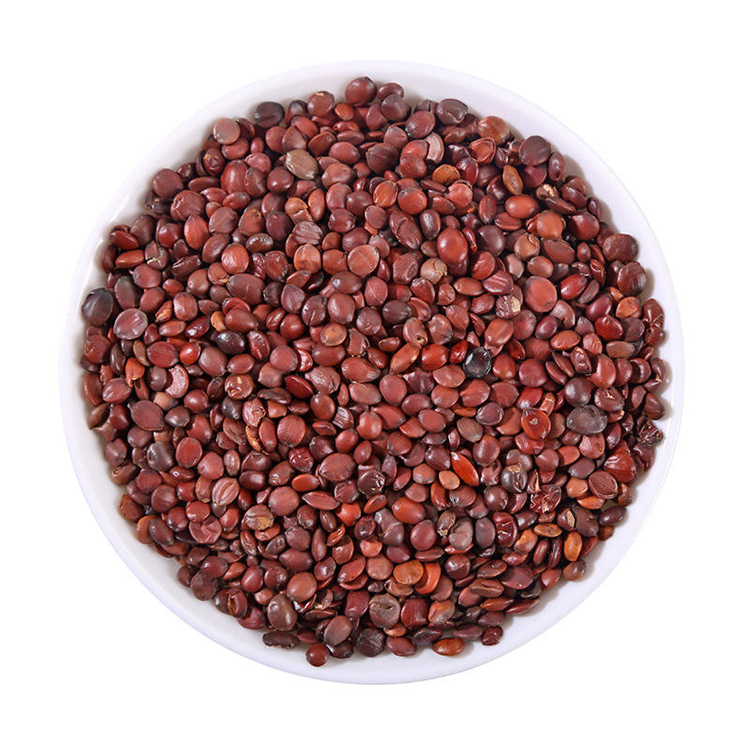
Jujube Seed is expensive enough to attract substitution and chemically complex enough to fool buyers who rely on appearance alone. This sourcing guide explains how to verify authentic Sour Jujube Seed, interpret oil and fatty acid data, assess spinosin and jujuboside markers, and build a defensible bulk purchasing specification.

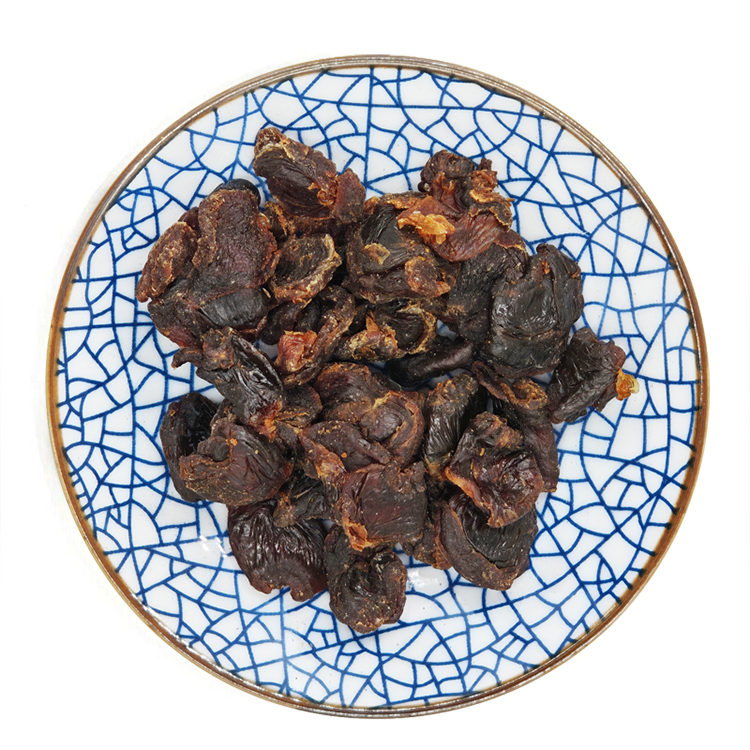
Dried longan flesh can look clean, golden, and sweet while still carrying hidden moisture, storage, processing, or sugar risks. This guide shows professional buyers how to evaluate longan aril using measurable specifications rather than supplier photos and vague grade descriptions.

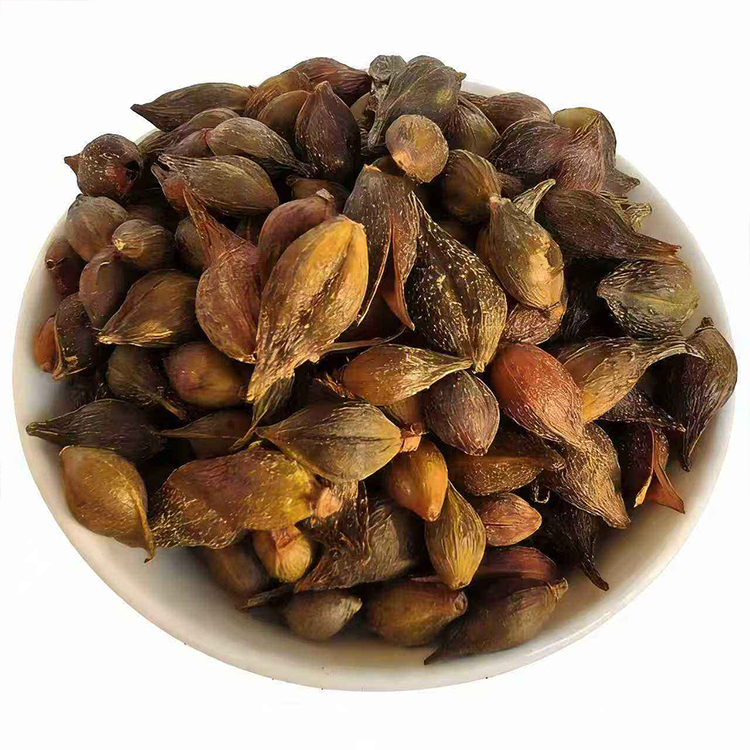
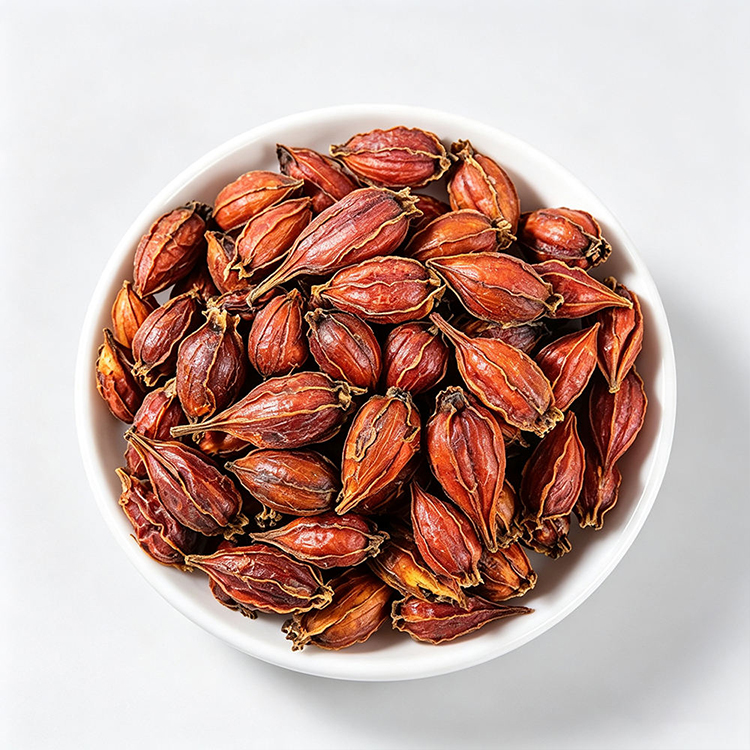
Gardenia Fruit quality cannot be judged by appearance alone. This sourcing guide explains how maturity, color, odor, drying method, geniposide, crocin, processing history, and supplier documentation affect commercial Gardeniae Fructus quality.

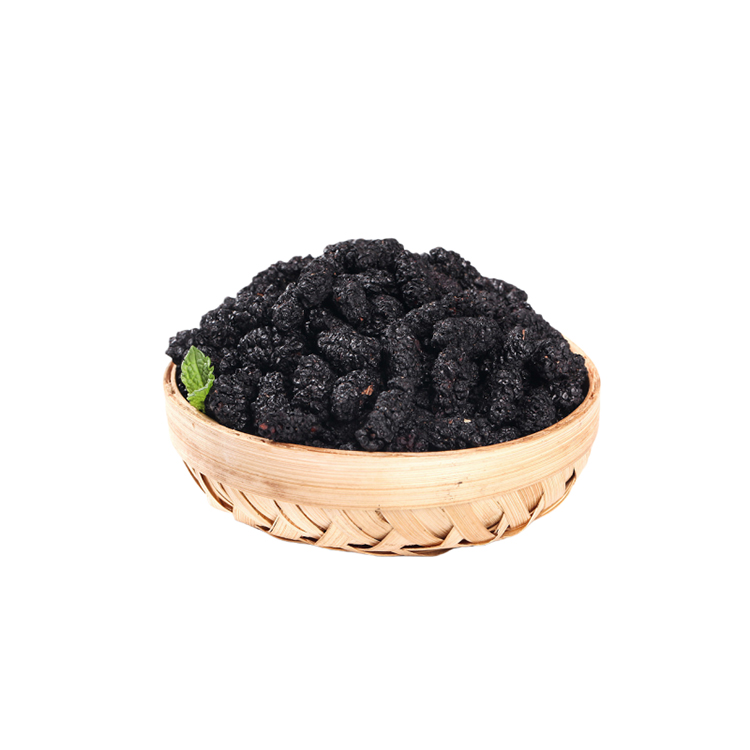
Bulk mulberry fruit can look excellent at inspection and fail months later. This buyer-focused guide explains how to control cultivar identity, color, sweetness, drying, water activity, storage, packaging, and supplier verification before approving commercial lots.

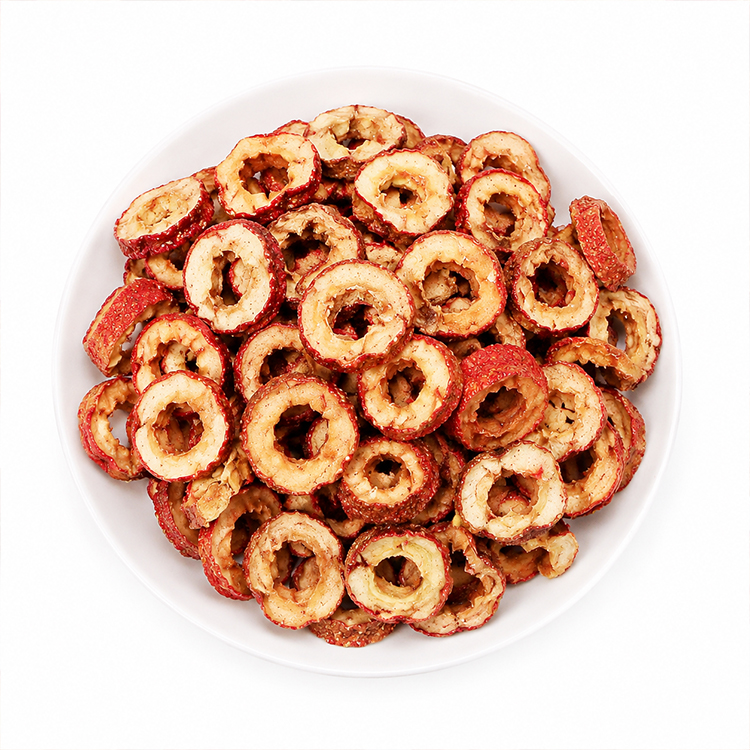
Hawthorn is easy to buy and surprisingly difficult to standardize. This guide shows tea and beverage brands how to evaluate bulk hawthorn berries by botanical identity, cultivar, acidity, processing behavior, physical grade, contamination risk, and lot-specific supplier evidence.