What Drives Rate Adjustments in Bark Chinese Herbs
Bark Chinese natural herbs look like basic dried plant material, yet their costs move for hard factors: tree age, beginning, refining yield, moisture control, screening worry, governing stress, trader habits, and global herb need.
I’ve seen customers argue over a couple of dollars per kilo while neglecting the larger expense hiding in the lot: incorrect cut size, weak fragrance, excess penalties, undocumented origin, poor drying, mismatched COA numbers, and freight hold-ups that turn “affordable” bark Chinese natural herbs into costly inventory. Why does this keep occurring?
Since bark is not a neat product. It is tree biology plus labor plus weather condition plus processing self-control plus paperwork. That is the ugly core of Chinese natural herbs cost changes.
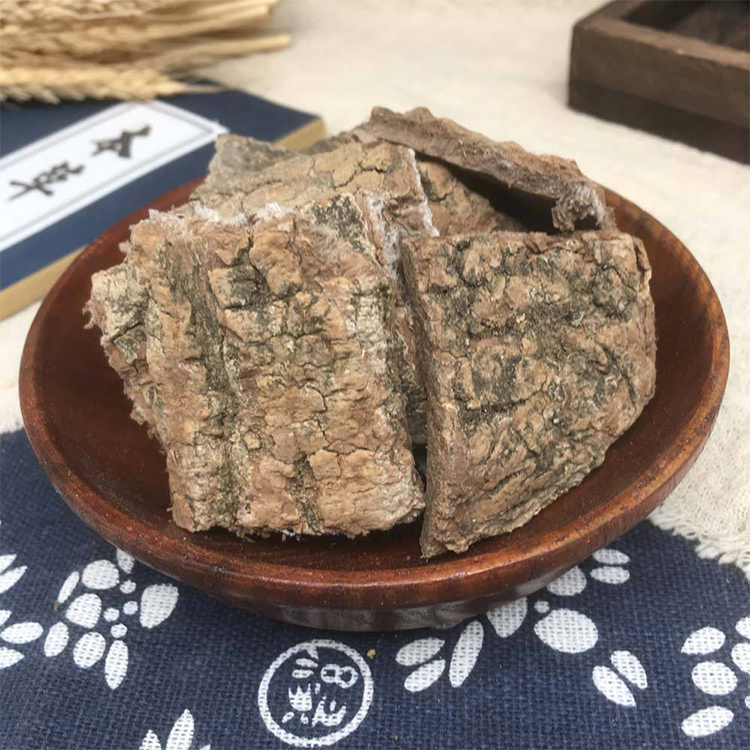
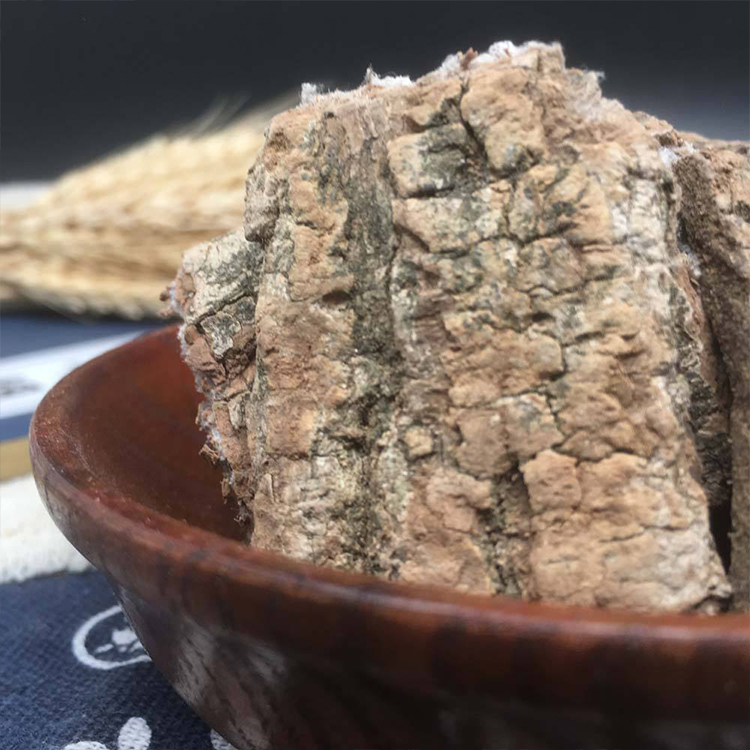
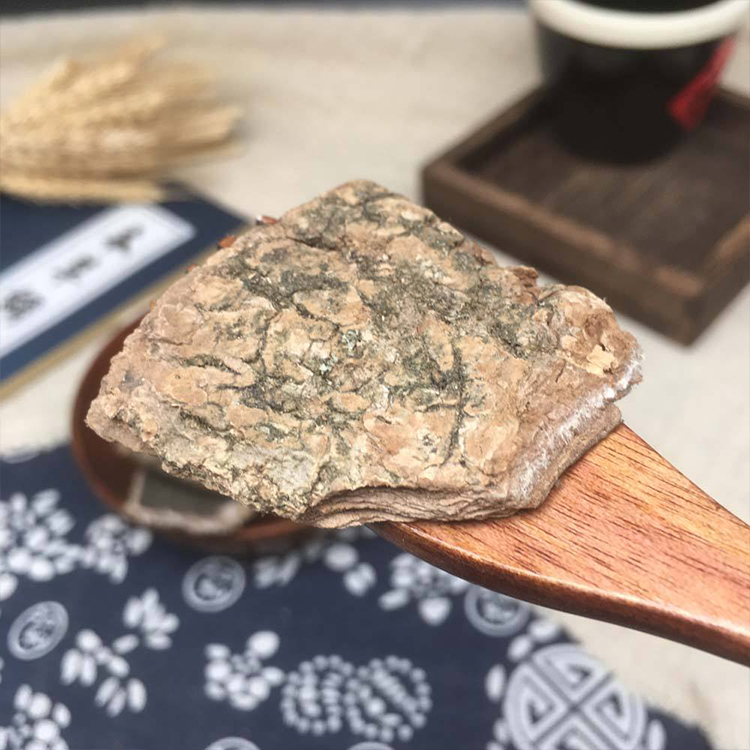
When somebody asks why bark Chinese herbs get more costly, I do not start with inflation. I begin with the tree. Cinnamon Bark/ Rou Gui, Magnolia Bark/ Hou Po, Eucommia Bark/ Du Zhong, Phellodendron Bark/ Huang Bai, Moutan Bark/ Mu Dan Pi, and Mulberry Root Bark/ Sang Bai Masterpiece all lug different harvest windows, drying out behavior, marker-compound expectations, and export migraines. A customer comparing these materials ought to first map the group with a significant barks Chinese medications distributor page, not via arbitrary quote sheets.
Here is my hard viewpoint: most purchasers do not pay way too much for Chinese herb pricing because vendors are creative. They pay too much due to the fact that their very own specs slouch.
The Larger Market Is Drawing on the Same Bark
The bark market does not move alone. It sits inside the worldwide medicinal and aromatic plants profession, which is growing, extra controlled, and a lot more worried.
A 2025 testimonial of medical and aromatic plants reported that global export worth under HS 1211 got to $4.18 billion in 2023, while import worth reached $4.25 billion, both up approximately 98% from 2010; it additionally recognized China, India, and Germany among key exporters, with the United States, Germany, Hong Kong, and Japan as major importers. That need pressure matters also when you are just buying 50 kg of Hou Po. The worldwide customer swimming pool is not standing still.
And bark herbs have an extra problem: the plant part itself is slow cash. Origins and leaves can sometimes be scaled quicker. Bark commonly depends upon tree age, trunk size, peeling technique, regeneration, and post-harvest drying out. You can not bully a tree into offering costs cortex quicker just because your sales team assured delivery by Friday.
So prices leap.
After that purchasers act surprised.
Table of Contents
The Six Actual Drivers Behind Bark Chinese Herb Pricing
1. Harvest Timing and Tree Biology
Bark is not gathered like a fallen leave. The useful cortex layer relies on plant maturation, season, and peeling method. If harvesting happens prematurely, yield and high quality endure. If gathering is delayed, supply tightens up. If climate interrupts drying, wetness risk surges and clean great deals diminish.
This is why medicinal bark natural herbs usually value in a different way from roots, seeds, or blossoms. A stunning bark slice might represent years of growth, labor-intensive peeling, grading, cutting, and drying out. That cost is baked in prior to anybody prints a label.
For customers sourcing cortex products in bulk, the smarter step is to use a committed bulk sourcing guide for bark Chinese medical products prior to working out cost. Or else, you are contrasting bark as if it were generic dried out plant issue. It is not.
2. Cut Type Changes the Return, Waste, and Labor Expense
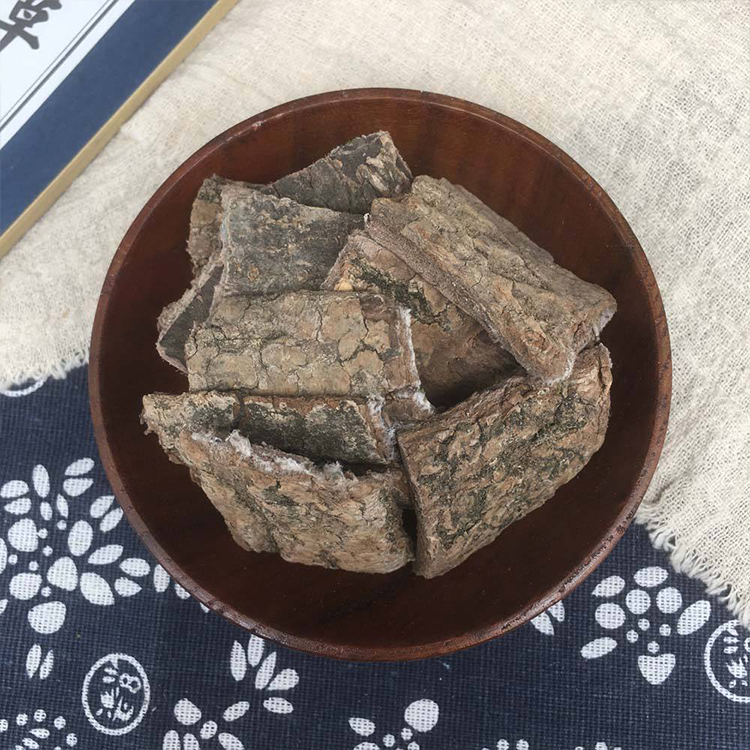
Slices, strips, portions, smashed bark, and powder are not simply aesthetic choices. They change the cost.
Thin pieces usually call for more labor control and develop even more breakage. Strips look premium however require cleaner sorting. Portions might be more affordable to process yet more difficult for some downstream extraction or tea applications. Powder conceals aesthetic problems, which indicates the purchaser needs stronger identification testing.
That is why I do not like quote demands that say just “finest cost for bark.” Finest rate of what? 1– 3 mm pieces? Long strips? Preparation portions? Export-grade powder? A customer ought to define the format first, and the website’s guide on bark herbs in slices, strips, or portions is exactly the sort of inner recommendation I would make use of before creating a purchase specification.
3. Moisture Is a Quiet Cost Weapon
Wetness makes a decision more than storage life. It chooses weight, microbial risk, mold and mildew danger, smell stability, and whether a great deal makes it through ocean freight.
Inexpensive bark can be inexpensive because it is also wet. Or also old. Or stored badly. Or re-dried after a wetness trouble. Customers usually find this only when cartons arrive with plain fragrance, sour notes, clumping, mold and mildew suspicion, or a COA that states “pass” without valuable detection limitations.
Dry bark is not sterile. That point matters.
In 2026, the FDA reported a Salmonella episode linked to moringa leaf powder, with 97 individuals in 32 states, 26 hospital stays, and no deaths since March 17, 2026. This was not bark, yet it is a brutal pointer for all dried out botanicals: completely dry does not imply safe.
4. Lab Checking Includes Expense, Yet Bad Screening Adds Much More
Expert customers need to expect testing for identity, heavy metals, chemical deposits, microbiology, moisture, and sometimes marker substances. For Hou Po, magnolol and honokiol matter technological markers; PubChem lists both magnolol and honokiol as C18H18O2, while cinnamaldehyde in cinnamon bark is C9H8O and berberine in Phellodendron-related discussions appears as C20H18NO4+. These formulas are not marketing playthings. They belong in lab conversations.
Testing prices money. But weak screening prices much more.
A Scientific Reports audit of 26 standard Chinese medication products located that 92% had some kind of contamination or substitution, and heavy steel testing identified arsenic, lead, or cadmium in lots of samples; one arsenic outcome was reported at greater than ten times an appropriate restriction. Once more, this was not a bark-only research study. Yet any type of customer that reviews it and still approves obscure COAs is picking blindness.
5. Law Makes “Inexpensive” Vendors A Lot More Costly
If bark is utilized in dietary supplements, practical foods, essences, pills, or private-label solutions, the price is no longer just farm price plus cutting price. It consists of paperwork risk.
The FDA’s small-entity guidance states the nutritional supplement CGMP regulation puts on companies that make, package, tag, or hold dietary supplements, including international firms when products are imported or used for import right into the United States. That matters for Chinese herbal medication market individuals who market right into U.S.-linked supply chains.
There is also a genuine enforcement route. In a 2023 warning letter to American Chinese Natural Herbs, Inc., FDA mentioned failures around part specifications, finished-product specs, master manufacturing documents, set documents, and complaint treatments under 21 CFR Part 111. That is the sort of legal precedent customers ought to review prior to treating COA documentation as optional decoration.
This is where distributor audit technique ends up being cost security. I prefer to pay more to a distributor that can endure a Chinese natural herb distributor audit procedure than conserve 8% with a provider who sends rather pictures and thin documents.
6. Customizeds Rubbing and Calling Turmoil Misshape the Final Cost
Chinese natural herbs do not just move via ranches and manufacturing facilities. They relocate through HS codes, invoices, phytosanitary guidelines, certifications of beginning, customizeds inspections, importer documents, and occasionally system conformity teams.
One incorrect name can postpone a shipment.
This takes place typically with bark materials because common names, pinyin names, Latin names, pharmacopoeial names, and commercial names obtain mixed. Magnolia Bark, Hou Po, Magnoliae Officinalis Cortex, Magnolia officinalis, and Magnolia officinalis var. biloba are not interchangeable items of paperwork. ISO has actually also established a file defining top quality, safety and security requirements, and examination methods for Magnoliae officinalis cortex used in global profession, consisting of Chinese materia medica and decoction items.
Moutan Bark is worthy of special interest because customers frequently evaluate it with their eyes. Poor habit. Color helps, yes, however core removal, drying, slice density, and release testing decide the actual worth. The more significant reference is this web page on Moutan Bark sourcing requirements, because it chats like procedures, not like a marketplace listing.
Why “Market Price” Is Frequently a Bad Response
I despise the expression “market value.”
Not constantly. Yet commonly.
When a provider says the price climbed as a result of “market adjustment,” I desire information: which origin, which collect season, which reduced kind, which moisture variety, which testing burden, which freight course, which currency impact, which inventory cycle, and which decline price?
If they can not respond to, they might still be sincere. But they are not valuable.
The TCM natural herb supply chain has too many moving parts for one unclear explanation. A real rate change generally comes from a pile of reasons:
Vehicle driver
How It Elevates Cost
Exactly How It Decreases Price
Customer Danger
Harvest volume
Lower yield presses fresh bark and dried bark higher
Solid harvest develops spot-stock pressure
Paying too much during rumor-driven scarcity
Drying out loss
More loss suggests less sellable weight
Much better drying out rises functional output
Spending for water as opposed to natural herb
Cut requirements
Penalty, consistent cuts need more labor
Loose chunks lower handling cost
Wrong format for end product
Examining demand
Hefty metals, pesticides, microbiology, pens include expense
Minimal screening lowers quote
Stopped working import or declined manufacturing lot
Paperwork
Phytosanitary and beginning documentation include admin cost
Local-only trade is less complicated
Traditions delay or seizure
Stock actions
Traders hoard when they anticipate scarcity
Required selling decreases price
Buying old stock at “fresh” costs
Freight and packaging
Moisture-barrier product packaging and secure shipping price even more
Weak product packaging lowers billing rate
Mold, smell loss, smashed material
Right here is the uneasy component: a greater quote can be the cheaper quote when it includes steady wetness, a real COA, correct identifying, traceable beginning, and product packaging that survives transportation.
The Specification Sheet That Shields You From Fake Financial savings
Before asking why Chinese natural herb prices transform, ask whether your very own purchase spec suffices to gauge the modification.
I would certainly not buy mass bark natural herbs without these fields:
Latin binomial, pinyin, typical name, and pharmacopoeial name where relevant
Batch number, maintained sample, COA date, laboratory name, technique referrals
Export files: billing, packaging listing, certification of beginning, phytosanitary certification if required
This is not excessive. This is grown-up buying.
And of course, it reduces the first order. Good. The very first order is where bad distributors disclose themselves.
The Expert Guideline: Follow the Reject Price
Would like to know what really drives bark Chinese herb costs?
Turn down price.
If a processor obtains 1,000 kg of raw bark and only 720 kg comes to be sellable export-grade material after cleaning, trimming, drying, cutting, arranging, and eliminating penalties, that missing out on 280 kg does not go away. It obtains valued into the great material. Purchasers who require cleaner whole lots spend for the turned down product also.
The affordable supplier might merely be offering you what the much better supplier got rid of.
That is the part nobody puts in a glossy catalog.
For costs bark Chinese herbs, the true expense beings in every little thing you do not see: dirt removal, poor strips, insect damages, moldy items, over-thick chunks, excess powder, dampness failures, mixed-origin whole lots, and documents that can not endure an actual importer testimonial.
Frequently asked questions
Why do Chinese natural herb rates transform so much?
Chinese herb rates change because supply is linked to harvest cycles, weather, labor, drying out yield, beginning schedule, screening needs, investor inventory, freight price, and governing documents, while need originates from centers, supplement brands, tea companies, essence plants, wholesalers, and global purchasers completing for the same organic products.
In bark Chinese natural herbs, the volatility feels sharper because the plant part is slow to replace. You can not scale mature bark over night. If a drought, illness concern, labor scarcity, or drying out problem cuts functional supply, costs react quick.
What makes bark Chinese natural herbs extra expensive than various other herb kinds?
Bark Chinese herbs come to be more costly when they call for mature trees, mindful peeling, managed drying, cut-size sorting, wetness monitoring, identification screening, and stronger packaging than much easier plant parts such as fallen leaves or some seeds utilized in lower-risk applications.
The purchaser is not just spending for dried bark. The customer is paying for time, throw out loss, labor ability, and risk control. A clean, consistent Magnolia Bark piece with correct documents is a various business product from blended bark pieces marketed by picture.
Just how can purchasers predict Chinese natural herbs rate modifications?
Customers can predict Chinese herbs rate adjustments by tracking harvest timing, origin-level supply, moisture conditions, refining return, provider stock, governing informs, products prices, exchange rates, and changes popular from major TCM, supplement, tea, and remove producers.
I would also enjoy vendor actions. When good suppliers quit supplying long validity quotes, ask for deposits faster, or limitation quantity, they are telling you something prior to the general public price chart captures up.
Does a higher COA screening need boost bark herb costs?
Greater COA testing needs raise bark herb costs since every added test, such as heavy steels, pesticide deposits, microbiology, wetness, sulfur dioxide, mycotoxins, DNA identification, HPLC pens, or GC-MS screening, adds lab cost, tasting job, release time, and possible denial risk.
But missing tests is not real cost savings. It is deferred danger. The invoice gets smaller today, and the future issue gets bigger.
Are less costly bark Chinese herbs always lower quality?
Less costly bark Chinese herbs are not always lower top quality, but unusual low prices typically signify combined beginning, weak drying out, too much fines, old stock, bad sorting, missing out on COA information, obscure botanical identification, loosened product packaging, or a distributor attempting to move stock prior to high quality troubles end up being noticeable.
I do buy discounted whole lots often. However only when the factor is clear, recorded, and acceptable for the intended usage. “Promotion rate” is not a reason. It is a sales phrase.
Last Thoughts: Buy the Factor, Not the Quote
Stop asking only, “What is your best rate?”
Ask what transformed.
Ask which beginning changed. Ask whether harvest quantity altered. Ask whether drying yield changed. Ask whether the lot is fresh or carryover supply. Ask whether the COA comes from the delivery. Ask whether the bark is slices, strips, portions, or powder. Ask whether the documentation names the product properly.
After that ask for the quote.
If you are sourcing bark Chinese herbs for wholesale, solution, tea, essence, capsule, or private-label job, start with the barks Chinese medications category, compare the sensible sourcing guides, and send out a specification-based inquiry instead of an unclear rate demand. For serious sourcing, speak to the provider with the natural herb name, Latin identity, quantity, cut form, destination nation, testing demands, and packaging target with the GuoCao contact page.
Our low MOQ of 1 kg (2.2 lb) makes it easy to order Chinese herbal slices or wholesale Chinese medicine herbs. Private-label and bilingual labeling are also available.
Delivery Cycle & Support
We have a fast 7-day lead time. We provide free samples, COA reports, and technical support to help you bring high-quality bulk Chinese herbs to market.
Quality & Certifications
Our products are manufactured in a GMP-certified facility and meet ISO22000 standards. All Chinese herbs are third-party tested for heavy metals, pesticides, and microorganisms.