Global herbal tea isn’t blowing up overnight, but it keeps growing and locking into daily life. People switch from sugary soda and high-caffeine drinks to something lighter, more herbal, and still easy to use.
Recent market studies show herbal tea moving from a few billion dollars today to noticeably higher numbers in the next ten years, with steady single-digit growth. Tea bags stay the top format, ahead of loose herbs and tins, because one bag in a mug fits real life: kettle on, three minutes, done.
When you look at herbal beverages as a whole, including ready-to-drink products, the growth rate goes even faster. Functional drinks with herbs sit right between classic tea and modern wellness beverages. That’s exactly the space where Chinese herbal tea bags and herbal enzyme drinks can live for a long time.
For this kind of market, GuoCao is in a sweet position. The company runs GMP Chinese herbal slice production lines, normal and cool warehouses, gas-controlled storage, plus ISO 22000 food safety and third-party COA testing. With around 2500 tons annual capacity, GuoCao can support OEM and ODM projects for herbs, tea bags and enzyme drinks in one place. The products already go to the US, Europe, Australia, Japan, Korea, Canada and many more regions.
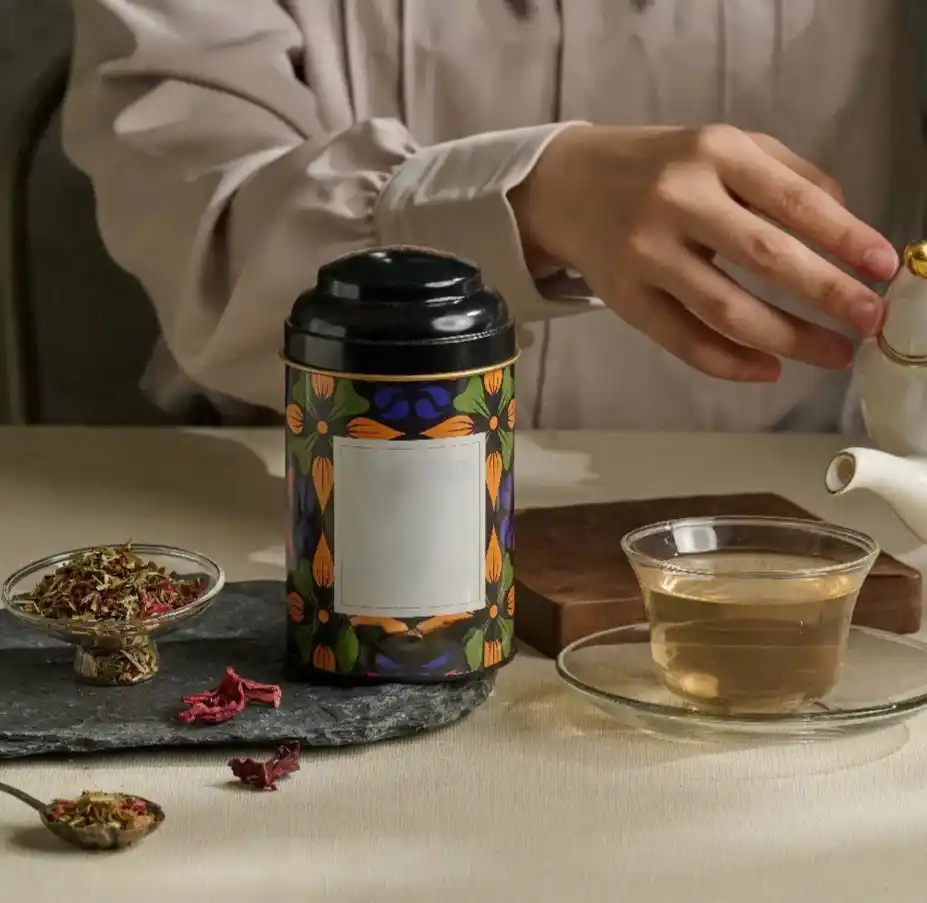
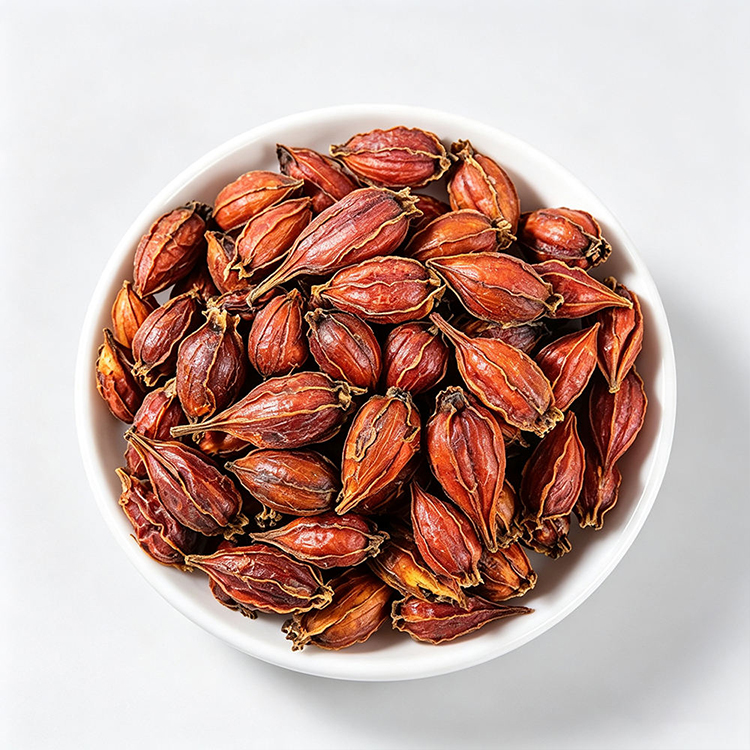
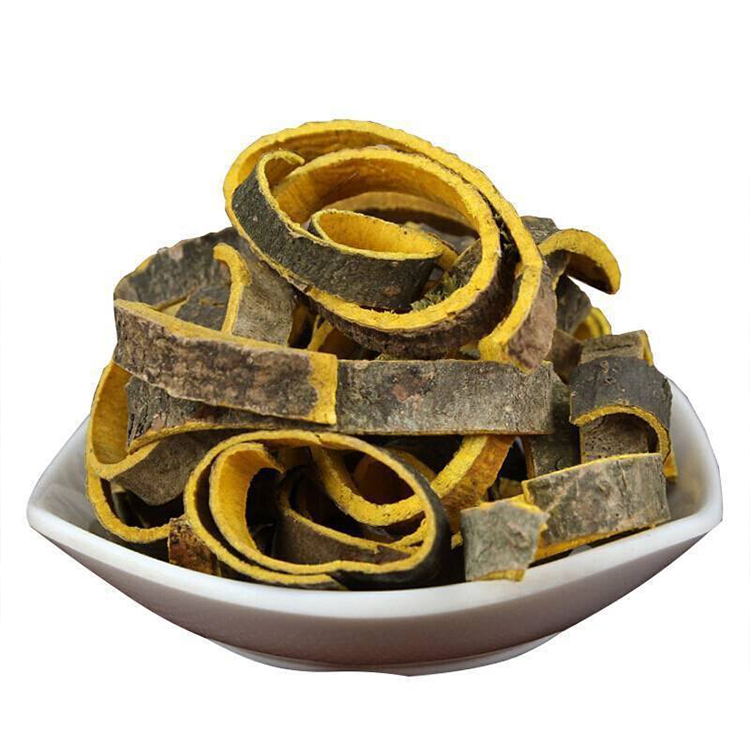
If you check the category of Chinese herbs and spices you see the backbone: roots and rhizomes, fruits and seeds, flowers and whole herbs, barks, animal and mineral materials. All of them can be sliced for decoction, packed into tea bags, or moved into fermentation tanks for enzyme drinks.
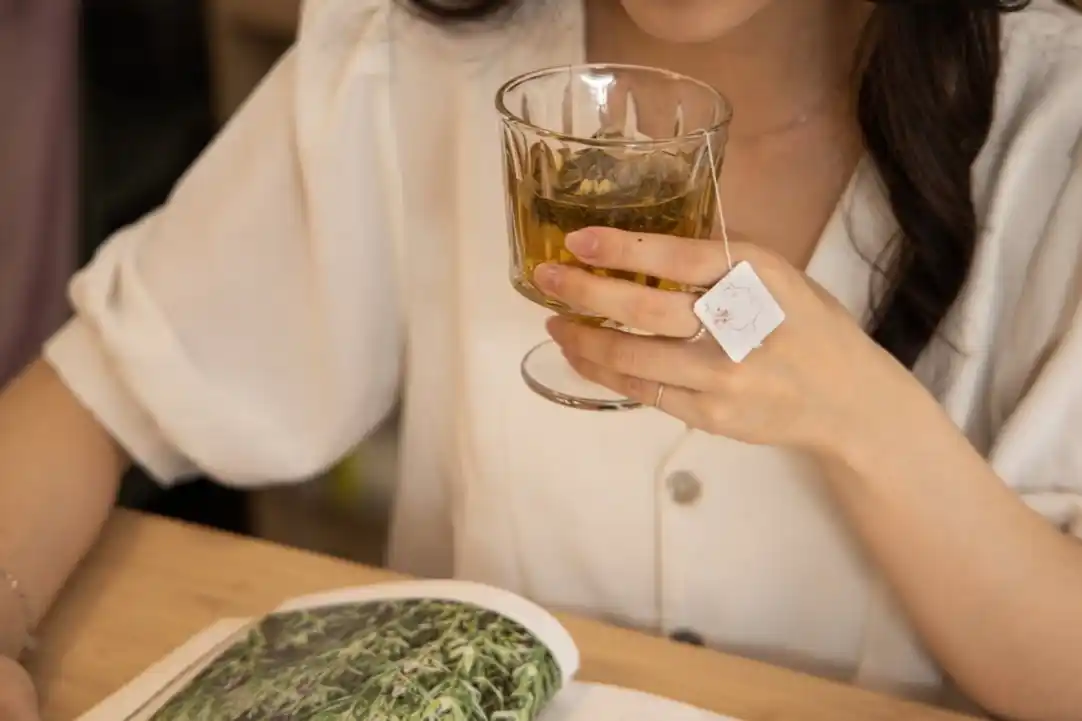
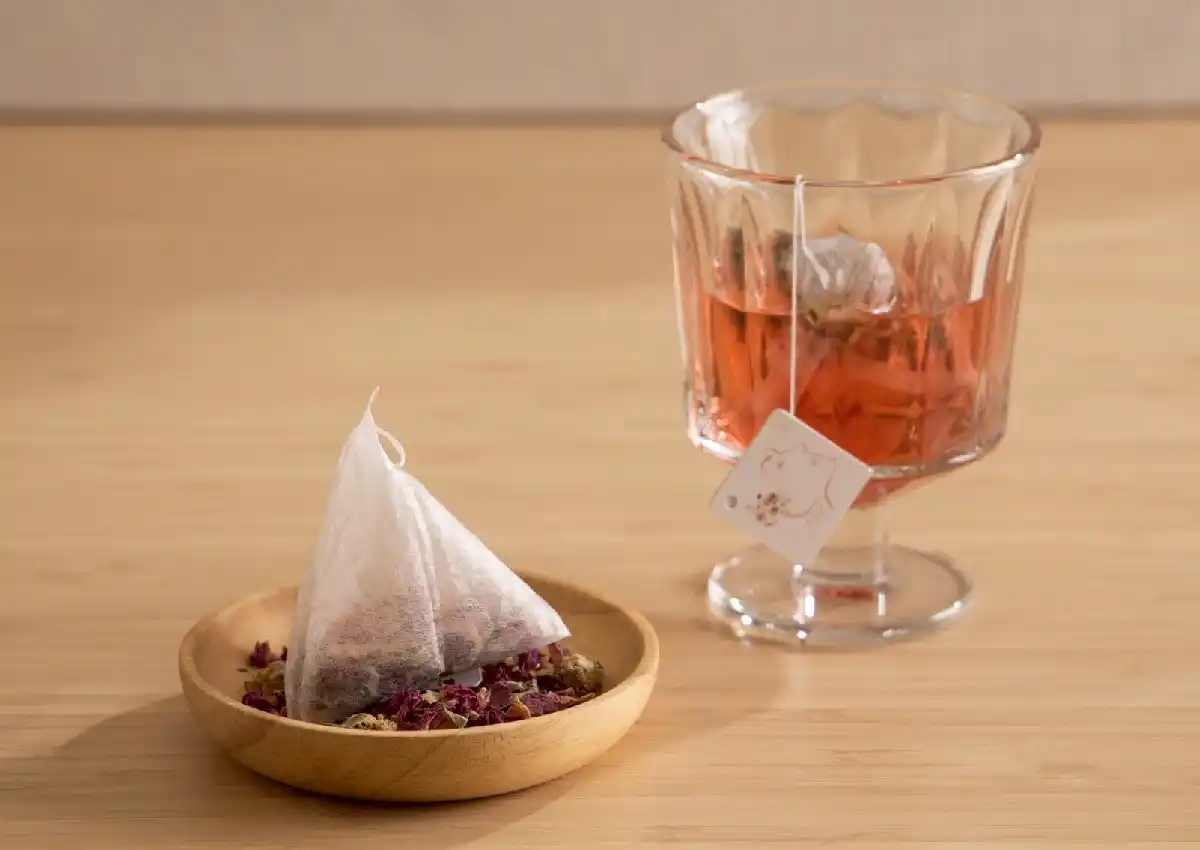
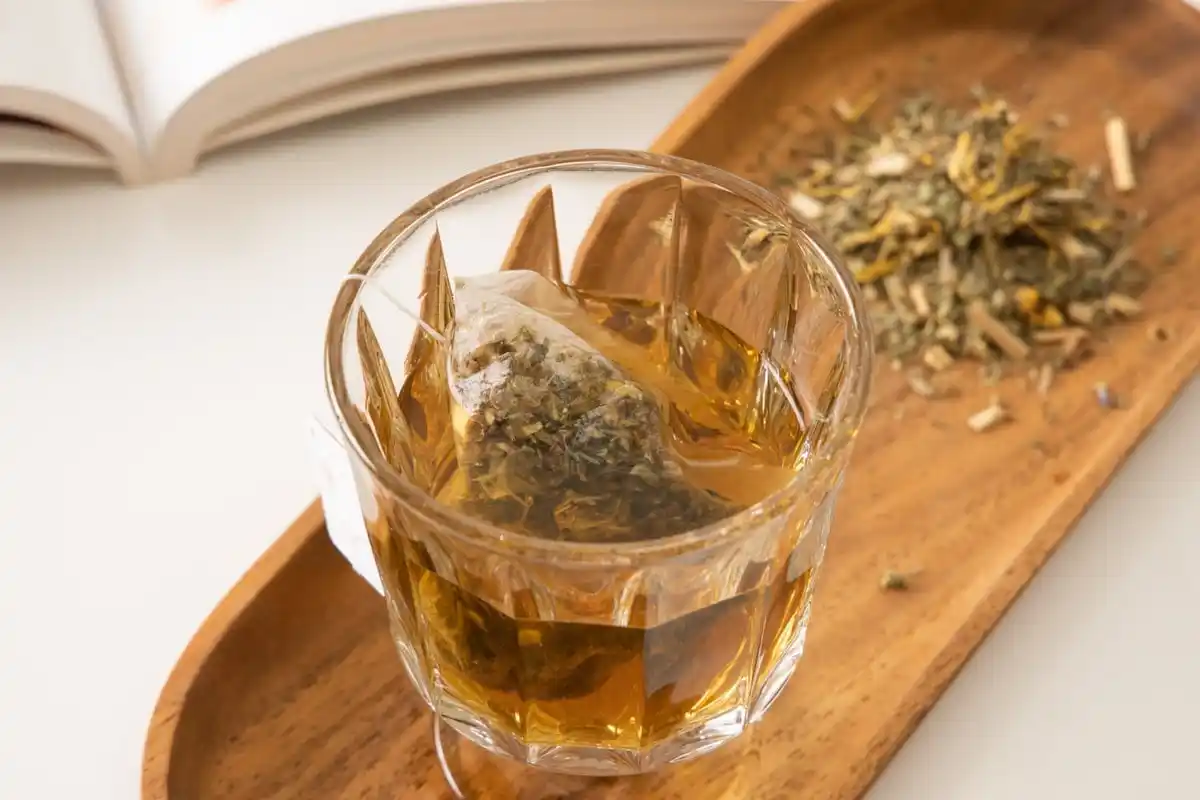
Chinese Herbal Tea Bags for Functional Tea Brands
GuoCao explains very clearly in its guide on what Chinese herbal tea bags are that tea bags are not just “crushed herbs in paper”. They design formulas like a small system.
Herbal Tea Bags Usage Scenarios
You can think in three layers:
- Function layer – roots and rhizomes such as ginseng, astragalus, bupleurum, cistanche, dong quai. This layer sets the main story: energy, liver balance, women’s cycle, immunity, blood circulation.
- Adjustment layer – flowers and whole herbs like chrysanthemum, honeysuckle, selfheal. This layer tweaks “temperature” and how the body feels after drinking.
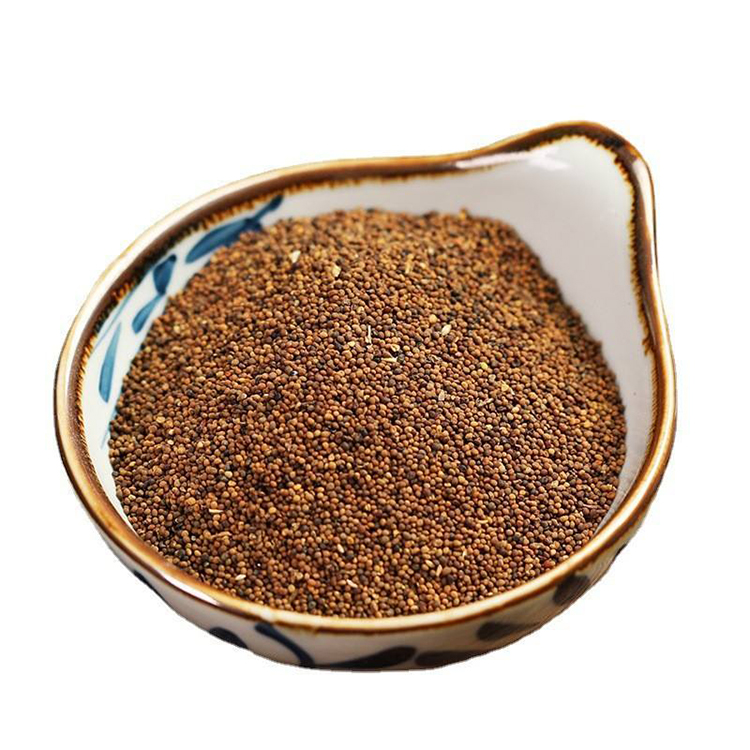
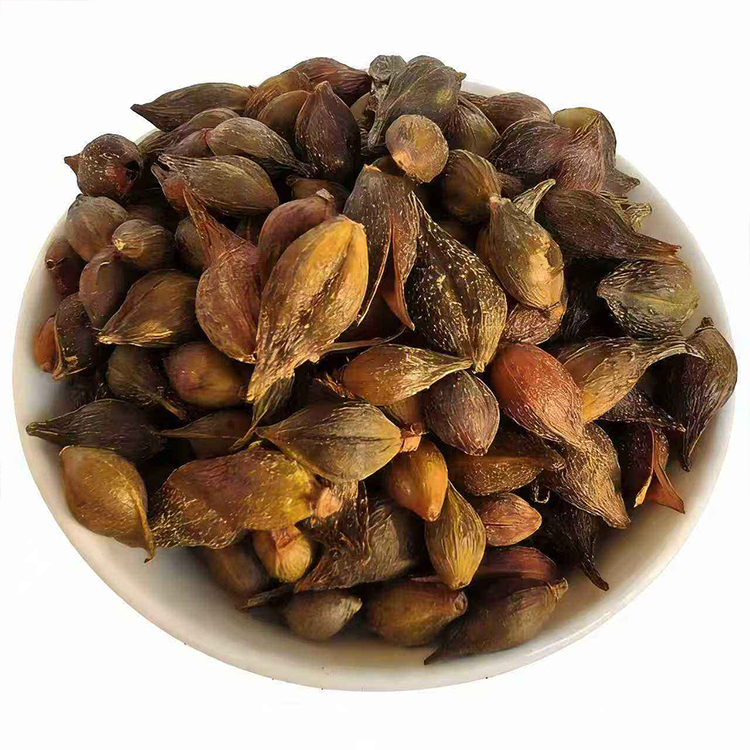
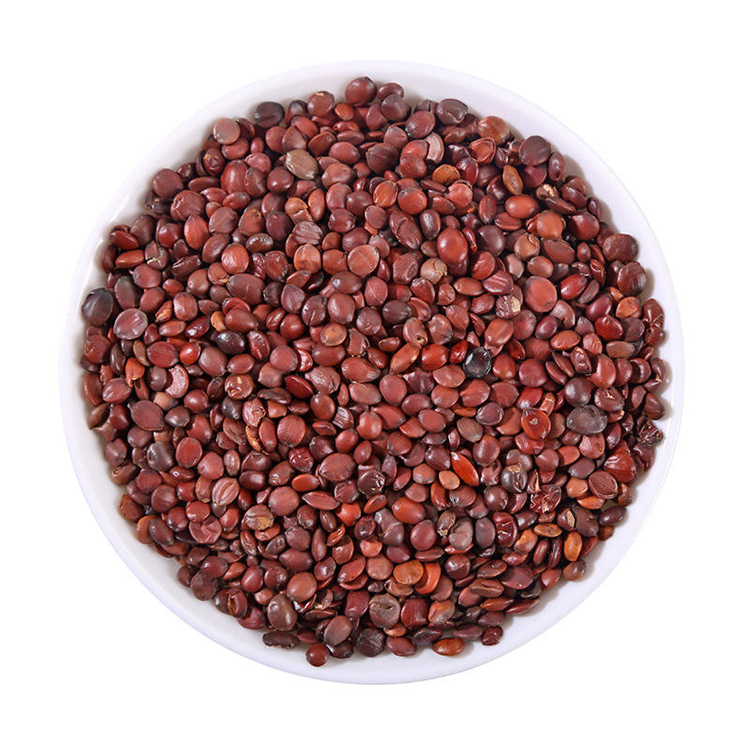
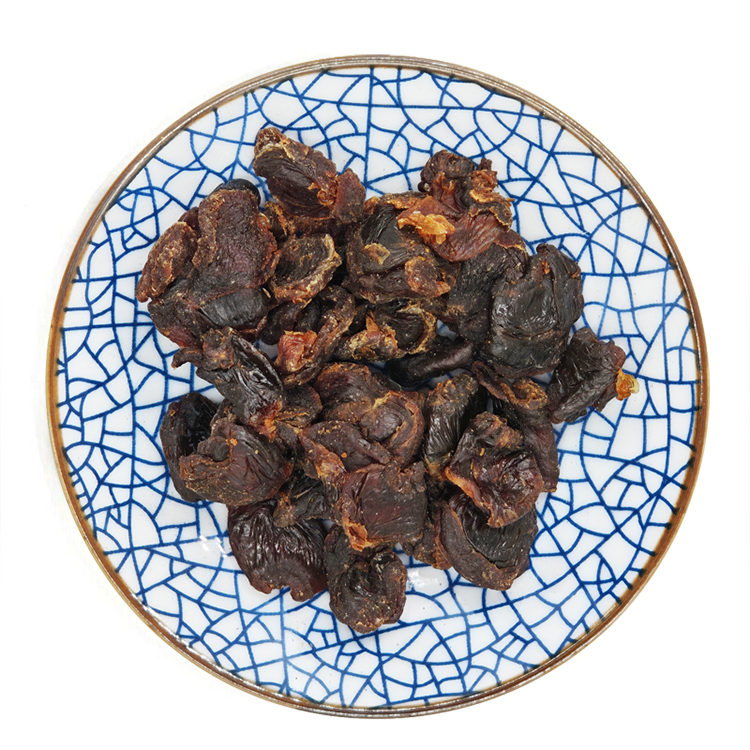
- Flavour layer – fruits, seeds and spices like goji berry, jujube, longan, tangerine peel, cassia seed, fennel. They handle taste, aroma and colour, so the brew feels friendly and not like medicine soup.
On the product side, GuoCao’s Chinese herbal tea bags already cover real life scenes:
- Energy and focus for office workers and drivers
- Sleep and relaxation after screens and late food
- Liver and metabolism support for night-shift and social drinkers
- Women’s wellness for cycle and blood/Qi balance
- Gout and joint comfort for middle-aged consumers
For sleep formulas there is even a detailed article on how to choose tea bag ingredients, explaining how chrysanthemum, ziziphus seed and other herbs work together. That kind of content saves your R&D team a lot of trial-and-error.
From a business view, tea bags win because:
- They sit well in pharmacies, health shops, online bundles and hotel amenities.
- You can build a SKU tree by benefit (sleep, liver, energy, beauty, digestion) without changing the backend too much.
- The COA is relatively standard: identity, moisture, ash, heavy metals, pesticide residues, micro limits.
So herbal tea bags become your “habit builder”. Once a consumer trusts that daily mug, you can safely cross-sell stronger formats.
Digestive Health Drinks Market and Herbal Enzyme Drinks
On the drink side, the global digestive health beverages market is already much larger than tea, and still growing at a healthy rate. Inside this big basket you find probiotic dairy, prebiotic fiber drinks, enzyme drinks, fermented fruit and grain beverages.
Asia in particular is moving fast. Data on fermented drinks shows strong year-on-year growth in topics like fruit enzyme beverages, lactic drinks and kombucha-style products. Fruit enzyme drinks in China have seen very high yearly growth, powered by “detox”, “digestion” and “beauty” stories.
GuoCao’s Herbal Enzymes line fits right into this curve. They make 50 mL postbiotic fermented shots based on herbs such as cistanche, gastrodia, job’s tears, kudzu root and Ganmai Ben. These are ready for OEM/ODM and white label projects, not just lab samples.
Typical usage scenes for herbal enzyme drinks:
- Daily gut-care ritual – one or two small shots a day, more like a drink than a pill
- Heavy meal companion – before or after rich food to feel less bloated
- Office fridge program – company buys for staff, people pick their flavor from the fridge
- Beauty and skin care combo – paired with collagen or skin-care supplements in a bundle
When these shots are designed right, they don’t fight with your tea bags. They sit next to them in the same brand story.
Herbal Enzyme Drinks Postbiotic Process and Buyer Pain Points
GuoCao has a technical article on strain selection for herbal enzyme drinks. It talks about combining lactic acid bacteria with yeast, running co-fermentation, and then moving to postbiotic products.
A few key points matter a lot for serious buyers:
- Strain bank and seed culture – not “random yogurt starter”. LAB such as L. plantarum or L. casei are selected for polyphenol conversion, antioxidant lift and flavour.
- Postbiotic concept – inactivated cells plus metabolites, with stable profile. This is friendly for warm-chain logistics and for regulators.
- ABV control – if alcohol goes above 0.5%, suddenly many markets treat the drink as alcohol. So spec lock for ABV is critical.
- Polyphenol and antioxidant spec – not every project needs an exact number, but having a target range means you can talk about real functionality, not only “feels healthy” claims.
In the 10 buyer FAQs for herbal enzyme drinks, you see the kind of black-box questions that always show up in B2B chats:
- Can you share micro limits and test items?
- How do you keep sugar and acidity stable during transport?
- What’s your shelf-life validation method?
- How do you handle COA bundle for different import countries?
Those are exactly the pain points. Many small factories can talk about taste, but they don’t want to touch ABV, micro spec, heavy metals and pesticide residues. When you work with a supplier who already runs herbal slices, tea bags and enzyme drinks under ISO 22000 and GMP, these questions feel less scary.
From Herbal Revival to Evidence-Based Products
Herbal products used to sell on “grandma said it works”. That era is fading. For tea bags and enzyme drinks, the long-term winners will be the ones that can connect traditional experience, modern research and clear compliance.
Several things are happening at the same time:
- Functional drinks are more and more described as a kind of preventive health investment, not just a tasty beverage. People read labels, search ingredients online, compare them with clinical papers.
- Postbiotic drinks follow scientific definitions. “Postbiotic” is no longer only a marketing word; there is a clear expert consensus behind it.
- Industry standards for edible plant enzymes define total polyphenols, acidity and other quality markers. That makes the category more solid and less wild-west.
GuoCao’s blog even talks about whole slices vs extracts. The idea is simple: you choose the right level of processing for the right format. Whole slices may be perfect for decoction and traditional clinics; small-cut or powdered material fits tea bags; fermented and filtered forms fit enzyme drinks. Same herb, different “engine”.
This is how herbal revival becomes evidence-based practice instead of pure nostalgia.
GMP, ISO 22000 and COA for Herbal Tea Bags and Enzyme Drinks
From the GuoCao side, the backend looks like this:
- GMP lines for Chinese herbal slices and tea-bag-grade material
- Normal, cool and air-controlled warehouses for different herbs
- ISO 22000 food-safety system, plus third-party COA testing for each batch
- OEM/ODM ability for tea bags, dry mixes, concentrates and fermented drinks
For you as a buyer or brand owner, this setup solves a few headaches:
- One backend, many formats – you dont need three suppliers for slices, tea bags and enzyme shots.
- Spec lock – moisture range, slicing size, microbial limits, ABV, °Brix, pH and so on are written into the spec, not decided “on feel”.
- COA bundle – identity tests, heavy metals, pesticides, micro panel; you don’t fight last-minute to pass customs.
- Batch traceability – from raw herb lot to finished tea bag or bottle. When something goes wrong, at least you can trace it.
You see more details in the about us page: clients include pharma companies, supplement manufacturers, functional beverage brands, cosmetic raw-material buyers, distributors and hospital channels. That means the system is already built for regulated buyers, not just tiny shops.
Practical Roadmap: Linking Herbal Tea Bags and Enzyme Drinks
So how do you connect everything for long term, instead of doing random SKUs every year? A simple roadmap can work:
- Start with the benefit scene
Think in human language: “sleep better after late shift”, “feel lighter after hotpot”, “support joint comfort in rainy days”, “keep skin clear during overtime season”. - Choose herbs from the slice catalog
Use the Chinese herbs and spices library to build a base formula.
One or two root herbs give the main function, flowers adjust the feeling, fruits and spices make the drink friendly. - Design the tea bag first
Tea bag is your low-risk entry. It teaches you about taste, brewing time, acceptance. You can test scenes like sleep, liver, energy, women’s wellness quickly. - Clone the story into an enzyme drink
Once a scene works, shift the same story into a postbiotic fermented drink. Use mixed LAB and yeast, aim for stable ABV under the threshold, fix pH and °Brix in your spec. Same herbs, different format, higher margin. - Lock specs and routes from day one
Push your supplier to freeze spec: micro limits, ABV, shelf-life test, packaging type, shipping temperature. This is normal industry talk, not “being difficult”. - Roll out across channels
Tea bags go to pharmacies, cross-border e-commerce, hotels, clinics. Enzyme shots go to cafés, offices, wellness subscription boxes. Same GuoCao backend feeding all of them.
It’s not about hitting a trend for one season. It’s about owning a herbal platform you can grow for ten-plus years.
What the Long Term Really Looks Like for Herbal Brands
If you zoom out, the direction is quite clear:
- Herbal tea bags stay a slow but steady climber, rooted in daily habits.
- Digestive health and gut-care drinks, including herbal enzyme shots, sit in a bigger and faster space.
- The border between traditional herb and scientific product keeps moving toward structured R&D, standardised fermentation and full COA reporting.
- Big buyers ask about ABV, micro spec, pesticide checks and traceability, not only stories and nice packaging.
GuoCao sits right in the middle: one supplier for Chinese herbal slices, tea bags and herbal enzyme drinks, with GMP, ISO 22000 and export experience to more than 30 countries. For a brand, that means you can focus on scenes, storytelling and channel building, while the heavy lifting of herbs, fermentation and documents runs quietly in the background.
Not so sexy maybe, but this is how herbal tea bags and enzyme drinks actually stay in the market for the long run.