1. Chinese Herbal Sleep Tea Bags: From Classic Formula to Teabag
When you build a sleep tea bag, you’re not just packing some “calming herbs” into a filter paper and hope people sleep.
You’re solving a few real pain points at the same time:
The tea has to taste ok, not like brown soup.
The herbs must have clear TCM logic and at least some modern data.
The raw material need GMP, COA and traceability so your buyer’s QA team doesn’t chase you every week.
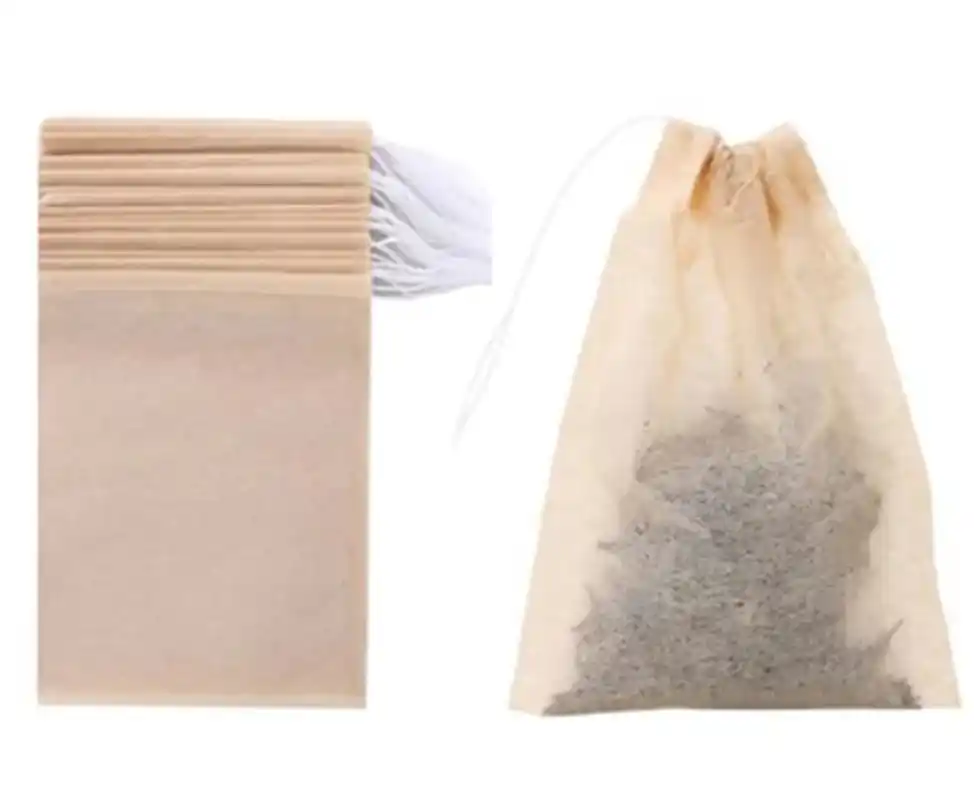
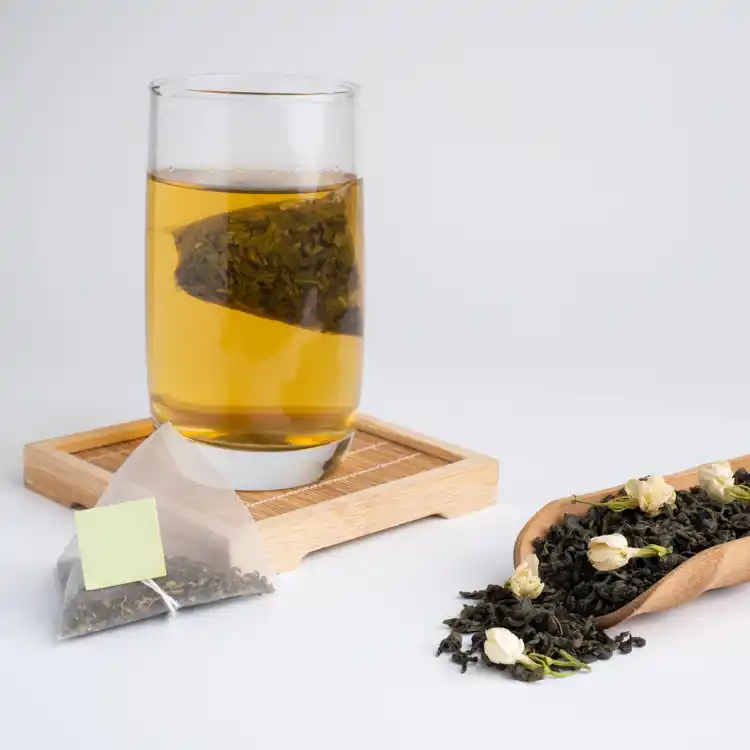
That’s why more brands move from random blends to Chinese herbal sleep formulas based on classic ideas like Suan Zao Ren Tang, then turn them into Chinese herbal tea bags for daily use.
GuoCao positions exactly here: a global supplier with GMP herbal slicing lines, ISO 22000 food safety, and third-party testing, as you show on chineseherbalslices.com. This means you can design one rational formula and then roll it out as bulk slices, tea bags, even functional beverages.
Let’s walk through the key herbs first, then look at real use scenes and business value.
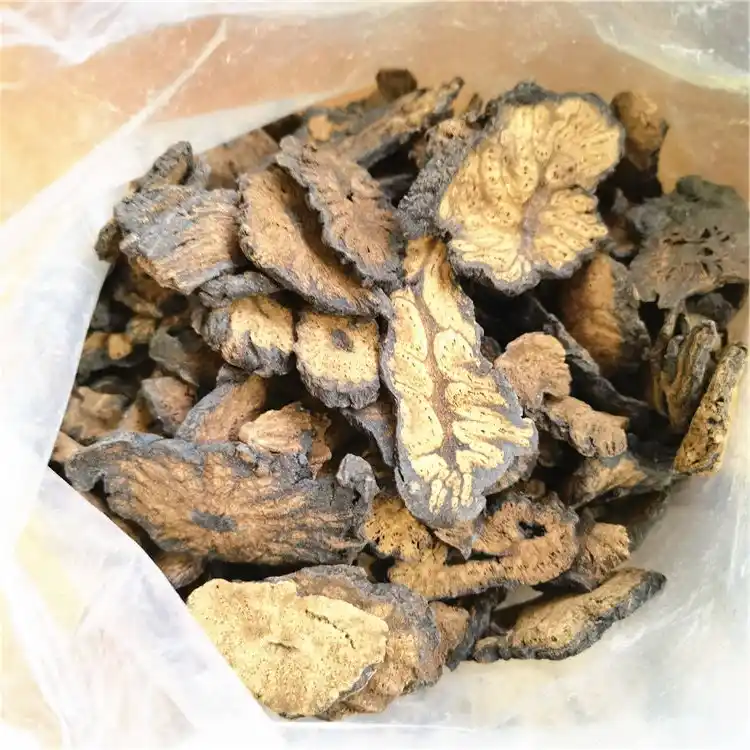
2. Ziziphus jujuba Seed (Suan Zao Ren) in Insomnia Formulas
If a TCM doctor hears “herbal sleep tea” and doesn’t see Suan Zao Ren inside, he usually just shakes head.
Why Suan Zao Ren sits in the center
It’s one of the most used single herbs for insomnia in Chinese formulas.
Clinical research over the last years shows formulas based on Suan Zao Ren can improve sleep quality scores, with fewer side effects compared with some common sleeping pills.
Modern lab work points to active pieces like jujubosides and spinosin that act on the GABA and serotonin systems, the same general pathway as many hypnotic drugs, but softer.
So if you want a sleep tea bag that sounds serious to hospitals, pharmacies, and supplement factories, Suan Zao Ren is your core asset.
How Suan Zao Ren behaves in a tea bag
In a teabag, Suan Zao Ren is the base note:
mild, a bit nutty, not aggressive
supports “falling asleep faster” and “less easy to wake up” type claims
easy to explain to professionals: Heart–Liver blood nourish + calm Shen
From the supply side, GuoCao can offer Jujube Seed slices under the fruits & seeds category at Chinese herbs & spices. Same ingredient can go into:
One spec, many channels. That’s real backend efficiency.
3. Chrysanthemum morifolium Flower Sleep Tea Use
Most people know Chrysanthemum flower (Ju Hua) for “eye fatigue, heat, computer use.” But it also has interesting sleep value.
What Ju Hua brings for sleep
Animal research shows Chrysanthemum extracts can:
extend sleep time in rodent models
boost deep sleep (delta waves) on EEG
work through GABA-related chloride channels
You don’t need to quote the lab paper to every customer. But you can confidently say:
“Chrysanthemum flower doesn’t only cool Liver and clear eyes. It also supports deep, more restful sleep on brain level.”
Role of Chrysanthemum in a sleep tea bag
Chrysanthemum is perfect as a flower layer in the formula:
bright yellow colour, high visual value in transparent teabag
light floral aroma that softens the heavier tonic herbs
traditional story: “after a long day on screen, Ju Hua relaxes Liver and eyes before bed”
At GuoCao, it sits in the flowers & whole herbs segment on Chinese herbs & spices. Same raw material can go to hot teabags, RTD drinks, even cosmetic infusions. So you unlock more SKUs with one supply chain.
4. Chamomile, Lavender and Other Herbal Sleep Tea Ingredients
You may want your product to look Chinese, but many of your buyers sit in the US, Europe, Australia. They expect Chamomile, maybe Lavender on the ingredient list of any sleep tea.
Chamomile: the global comfort herb
Studies in different age groups show chamomile can:
improve subjective sleep quality
ease mild anxiety and tiredness
work best after constant use for some weeks, not just one cup
Chamomile also has a very friendly taste profile. For people not used to TCM herbs, a blend of Suan Zao Ren + Chrysanthemum + Chamomile feels much more acceptable than a dark decoction-style liquid.
Lavender: aroma for nervous system and for branding
Lavender experiments and clinical trials often report:
better sleep quality scores
easier time falling asleep
reduced nervous tension
In a tea bag, you usually dose lavender low. Too much and it tastes like soap. But a small amount can give:
a clear, relaxing smell from the moment user opens the pouch
a strong branding hook for Western consumers
extra “calm Shen” feeling that matches Suan Zao Ren and Ju Hua very well
When you pitch to overseas buyers, these two herbs are almost like label insurance. They read quickly, they build trust fast.
5. Lily Bulb, Poria, Longan: Support Herbs in Chinese Herbal Sleep Formulas
Once the core and flower layer are ready, you still need support herbs to target different sleep problems: light anxiety, overthinking, waking up too early, heavy body, etc.
Here’s a simple table to guide selection.
Herb / Slice
TCM Function (sleep view)
Typical Use in Tea Bag
Best For
Lily Bulb (Bai He)
Nourish Yin, calm Heart, ease “empty heat” and irritability
Adds smooth texture and a soft, slightly sweet note
People who feel dry, hot in chest, emotionally tense at night
Poria (Fu Ling)
Drain damp, strengthen Spleen, calm Shen
Neutral taste, sits well with almost any blend
Users with “heavy head”, bloating, many dreams
Longan Flesh (Long Yan Rou)
Tonify blood and Qi, calm spirit
Natural sweetness, brown-gold tea colour
Middle-aged and elderly who feel tired + light palpitations
All of these belong to the roots & rhizomes, fruits & seeds or whole herbs sections on Chinese herbs & spices. You can combine them with the main sleep herbs into different SKUs without changing supplier.
6. Sleep Tea Bag Formulation Scenarios for OEM / ODM Brands
In real B2B business, you don’t sell “one magic sleep tea”. You sell a sleep line, each SKU aimed at a slightly different scenario. That gives distributors more shelf space and higher basket size.
Goal: easier sleep after laptop and phone, but still clear head in the morning.
Formula idea:
Suan Zao Ren (core sedative)
Chrysanthemum (Liver heat, eye fatigue)
Poria (damp, heavy head)
Chamomile (flavour, light calm)
Positioning: “Chinese herbal sleep tea bag for people who can’t switch off after work.”
Scenario B: Night-shift or irregular schedule
Goal: support sleep rhythm and mood after late or rotating shifts.
Formula idea:
Suan Zao Ren
Chrysanthemum
Goji Berry
Small mint or perilla leaf
Positioning: “Herbal night recovery tea,” not strong drug-like sedation, but help body cool down and mind settle.
Scenario C: Middle-aged and elderly, waking too early
Goal: deeper, more stable sleep, gentle effect, safe feeling.
Formula idea:
Suan Zao Ren
Longan Flesh
Poria
Tiny bit of Lily Bulb
Positioning: “Gentle nightly tonic tea,” warm, slightly sweet, easy to accept in families.
For each scenario you can use GuoCao as one-stop backend:
bulk slices for clinics and pharmacies
the same specs filled into branded tea bags via Chinese herbal tea bags OEM/ODM – if you later create more landing pages, you can link them
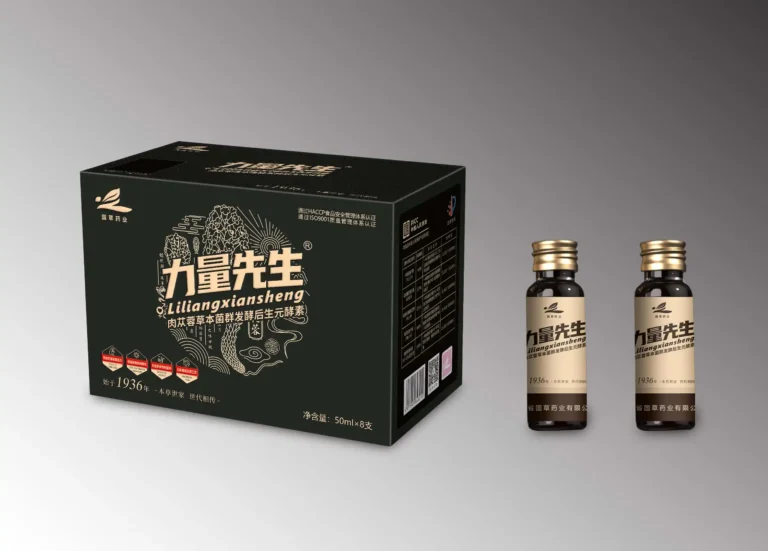
even enzyme drink or functional beverage versions using similar herb pool
You don’t need to re-negotiate specs with three different suppliers. This is real commercial value.
7. Quality, GMP, ISO 22000: What GuoCao Brings to Sleep Tea Bag Projects
Sleep is a sensitive category. People drink these teas every evening, sometimes together with other medicines or supplements. So buyers ask a lot of questions:
Is this GMP?
Do you have ISO 22000 or similar?
Where is the COA? Heavy metals? Pesticides? Micro?
According to your site, GuoCao runs:
GMP production lines for Chinese herbal slices
Normal temperature / cool / modified atmosphere warehouse to protect herb quality
ISO 22000 food-safety system
Third-party lab testing and COA for each batch
Plus, annual capacity about 2,500 tons of herbs and tea bag materials, and exports to more than 30 countries and regions including the US, EU, Japan, Korea, Canada, Southeast Asia. This scale is important. It shows:
You can support stable long-term supply for big distributors.
You understand compliance files for pharmaceutical companies, supplement factories, hospitals and cosmetics raw-material buyers.
You can handle OEM / ODM private label for many brands at the same time.
So when a customer asks, “Can you do our sleep tea bag with full documentation for import?” the answer from GuoCao side is simple: yes, this is standard job.
8. Simple Checklist for Choosing Chinese Herbal Tea Bag Ingredients for Sleep
To keep it practical, here’s a short checklist you can use next time you build or adjust a formula:
Who drinks it? Office worker, student, night-shift nurse, or older patient? Different group, different herb focus.
Lock the core herb first Usually Suan Zao Ren as anchor. If no Suan Zao Ren inside, your TCM story will always feel a bit weak.
Layer the flowers Add Chrysanthemum for deep sleep support and eye fatigue, plus colour. Decide if you need Chamomile or a little Lavender for international flavour and aroma.
Tired, palpitations, worry a lot: Longan Flesh, Suan Zao Ren.
Test in real teabag conditions Always test the blend in actual tea bags with standard water volume and brew time. Many formulas look nice on paper but taste too strong, too bitter or too weak in cup.
Check supply and documents early Before you launch a SKU, confirm that each herb is available from a GMP + ISO 22000 supplier like GuoCao with full COA packs. This saves lots of back-and-forth when your own buyer does audit.
Think product family, not single product Use the same herb pool from Chinese herbs & spices to build:
Daytime calm-focus teas
Night-time sleep blends
Enzyme drinks or functional beverages
Even skin or hair formulas with the same story
When you choose tea bag ingredients this way, your sleep products don’t look random. They follow TCM logic, fit modern sleep science, and sit on top of a solid manufacturing base.
That’s how a small teabag becomes a real, scalable sleep solution – and a long-term business – with GuoCao quietly working in the background as your herb engine.
Our low MOQ of 1 kg (2.2 lb) makes it easy to order Chinese herbal slices or wholesale Chinese medicine herbs. Private-label and bilingual labeling are also available.
Delivery Cycle & Support
We have a fast 7-day lead time. We provide free samples, COA reports, and technical support to help you bring high-quality bulk Chinese herbs to market.
Quality & Certifications
Our products are manufactured in a GMP-certified facility and meet ISO22000 standards. All Chinese herbs are third-party tested for heavy metals, pesticides, and microorganisms.