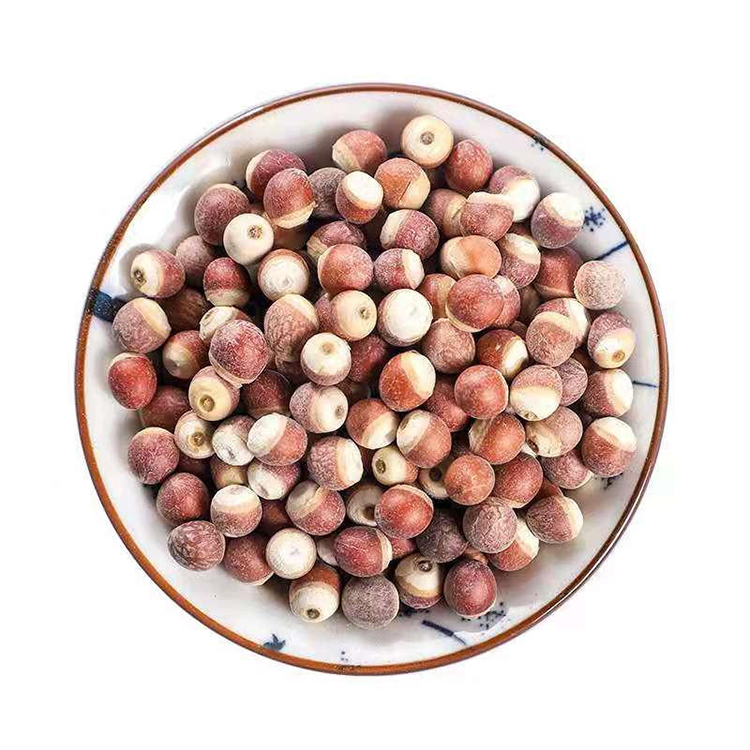
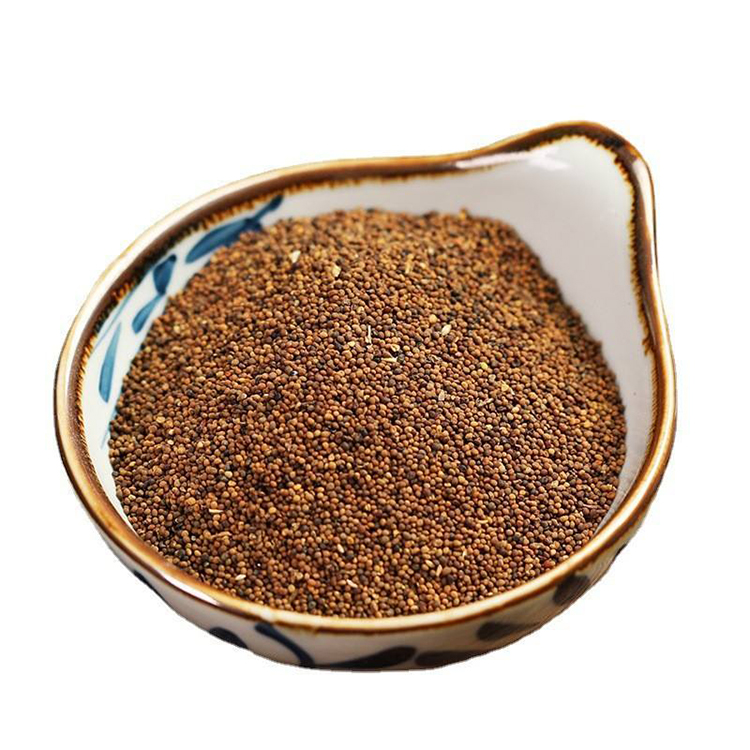
You’re building a herbal drink, maybe a TCM-style instant soup, maybe a capsule line for export. At some point you have to answer one hard question: do we stay with visible, traditional whole slices, or do we switch to botanical extracts? If you’re selling to pharma buyers, supplement factories, hospitals, beverage brands, cosmetic raw-material traders, and distributors at the same time, you can’t just say “it depends.” You need a frame.
This piece looks at that choice from the view of a manufacturer like GuoCao, a global supplier with GMP herbal-slice lines, ISO 22000, normal/cool/modified-atmosphere warehouses, third-party COA, and 2,500-ton annual capacity, serving 30+ countries. All examples below can be done with the product families shown on their site, like Chinese herbs & spices, root & rhizome herbs, flower & whole herbs, fruit & seed herbs, barks / cortex, animal & mineral items, and OEM / ODM services from GuoCao.
1. Whole Chinese Herbal Slices: what they really give you
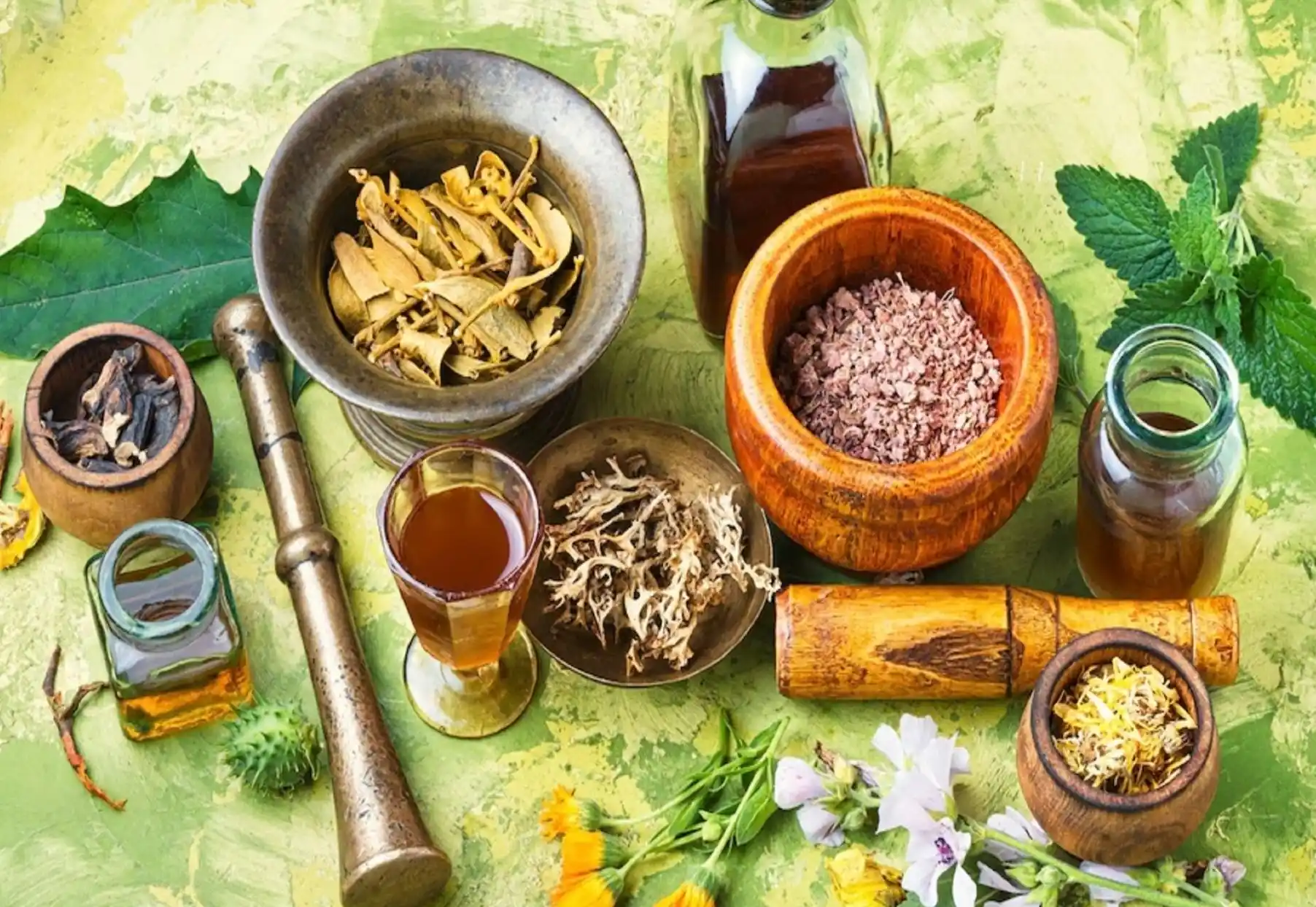
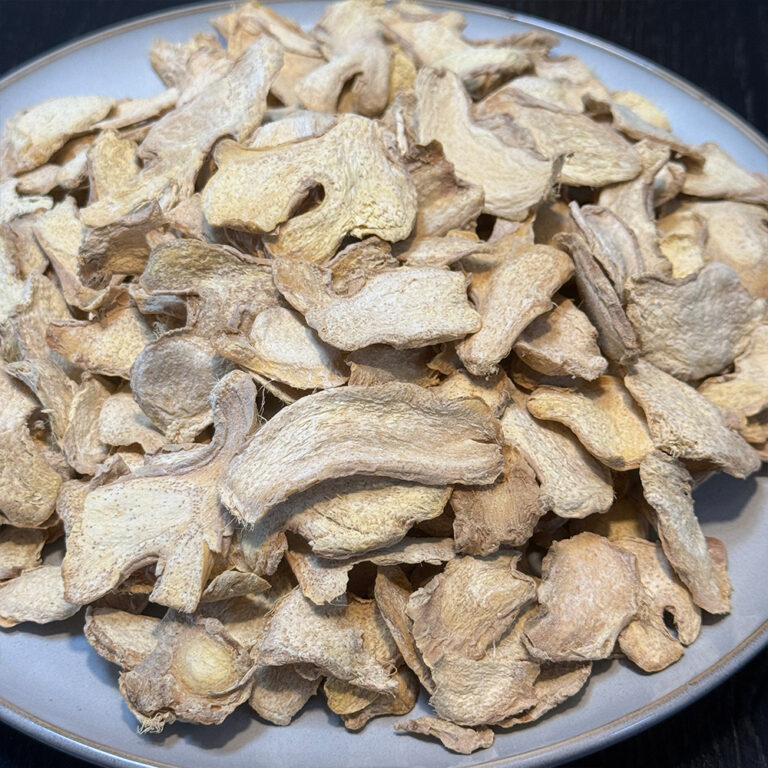
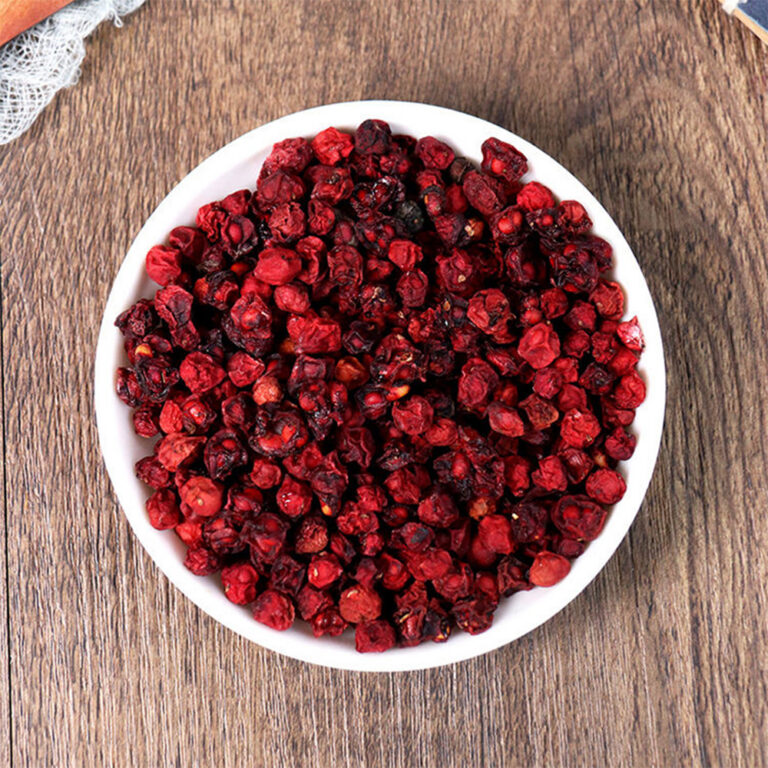
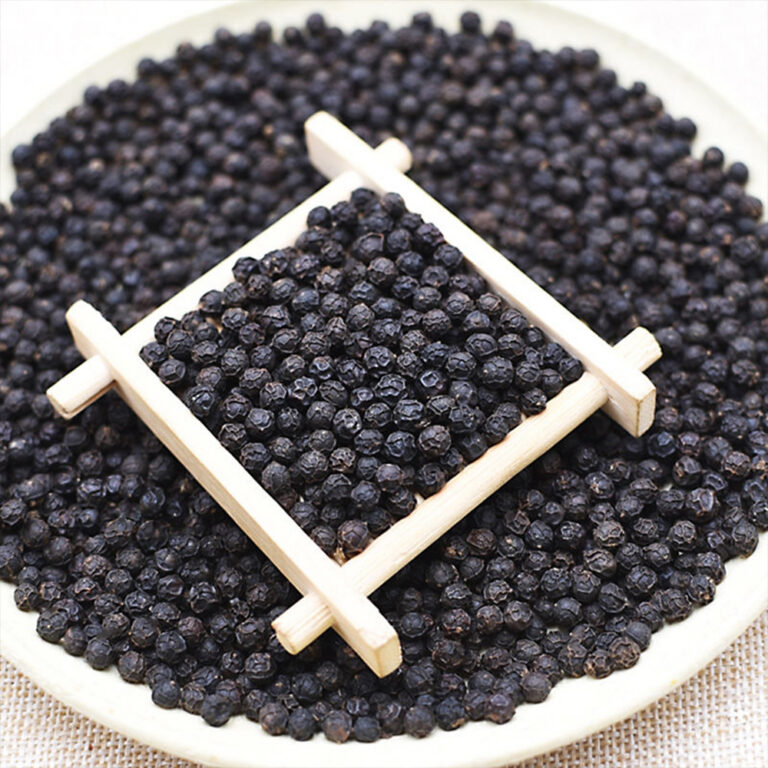
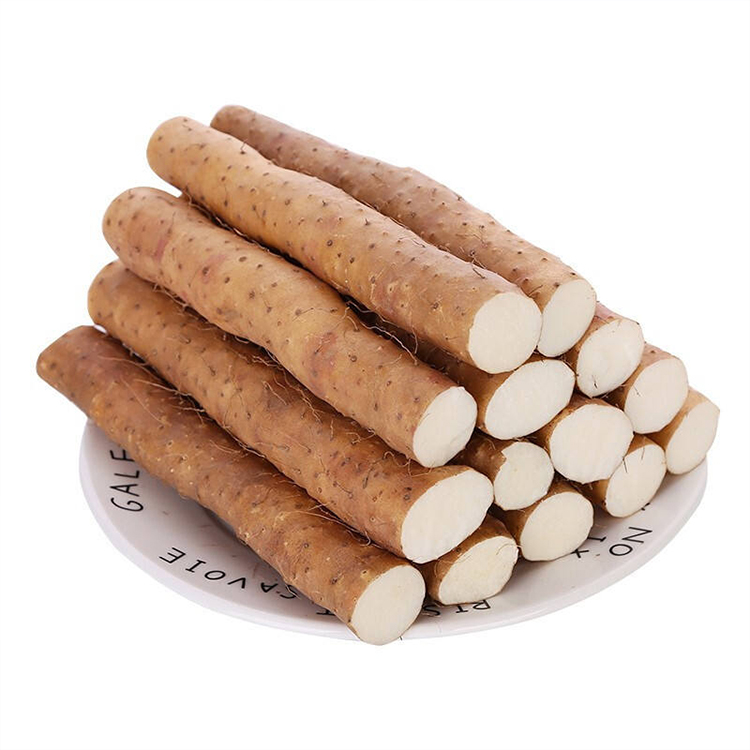
Definition. Whole slices here mean the classic TCM decoction cuts: roots, rhizomes, fruits, seeds, flowers, barks, even minerals and animal parts, washed, cut to spec, dried under control, and stored in proper warehouses. That’s the core of the GuoCao catalogue.
Why product people love them
Full plant logic. You keep the broad chemistry, not only one or two markers. That’s useful in formulas that rely on “together effect,” like cooling teas, tonic soups, or multi-herb drinks.
Visual trust. When your bag shows real chrysanthemum, astragalus wafers, jujube, or tangerine peel, customers stop doubting the material. You don’t need to teach them what a 10:1 extract is.
Easy storytelling. “Harvest → slicing → controlled drying → packaging.” That’s all. With a GMP line and third-party COA behind it, it sounds modern enough for pharmaceutical clients.
Fits traditional brewing. Hospital decoction rooms, Southeast-Asian slow-brew drinks, home use in Malaysia or the Philippines—these channels expect real slices.
Where slices make life harder
Batch variability. Climate, soil, harvest timing, and cut thickness can move the taste, color, and felt strength. If you’re doing an RTD that must taste the same in 10 markets, you’ll chase it.
Slow extraction. Coarse and beautiful slices look great, but they don’t always release fast—especially in cold brew, short-time infusion, or instant formats.
Dose density problem. If the spec says “per serving at least X mg actives,” slices alone may force you to add too much plant, which makes the drink too heavy or too bitter.
Process pain. Big slices can cause sediment, turbidity, or even mechanical issues in some filling and extraction systems.
So, slices win on authenticity, wide chemistry, and shelf appearance, but they’re weaker on speed, dose control, and batch uniformity.
Definition. Extracts are concentrated preparations of the same herbs, made by water or water-alcohol extraction, concentrated and standardized to a target range. They’re friendly to instant drinks, gummies, capsules, and any product where the active space is small.
Why R&D and QA teams like them
Predictable actives. You can tell the buyer or the regulator, “per bottle not less than …” and you can hit it every time. That’s the whole point of standardized extract.
Fast to formulate. You add the extract and it works. No long boil, no complicated decoction in the factory line.
Good for global files. With clear origin, plant part, assay, and COA, it’s easier to ship to the U.S., EU, Australia, Japan, Korea, Canada, Malaysia, and other markets GuoCao already serves.
Better shelf control. Lower moisture, lower variability, more stable color = better for large distributors and e-commerce.
Where extracts don’t shine
Less “real herb” look. Powders don’t tell stories unless you show the original slice next to them.
Possible loss of synergy. When you separate and dry, some soft compounds and volatiles may stay behind.
Taste load. High-polyphenol or high-saponin extracts can taste harsh. You’ll need counter-flavors or blend-back herbs.
Higher tech requirement. You must manage solvent, residues, micro, and often fingerprint. That’s fine for a factory with ISO 22000 and COA flow, but it’s still extra work.
So, extracts win on precision, speed, and regulatory clarity, but you pay with lower visual appeal and some flavor challenges.
3. Product-side comparison table
Factor / KPI
Whole herbal slices
Standardized extracts
Product note
Brand / TCM identity
Very strong, easy to show in pack
Needs explanation or photo
Use slices as hero material
Dose control
Medium, farming/weather dependent
High, easy to repeat
Extract for capsules, RTD, hospital
Brewing / processing time
Slow to medium
Fast
Instant drinks → extract
Sensory stability
Can drift by season
Tight, easier to keep
Export SKUs → extract
Visual trust
Excellent
Low
Use clear pouches with slices
QC & documentation
Needs strong supplier
Straightforward with COA
Both covered by GuoCao
OEM/ODM flexibility
Good for visible products
Good for high-active products
Mix both for better SKUs
This is the table you drop into a sourcing deck for your buyers.
4. Hybrid strategy: slices to show, extract to work
Most winning formulations don’t pick a side. They mix.
Show the plant. Put chrysanthemum, goji, tangerine peel, or licorice from the main herbal categories in the product so the customer can see it.
Hit the spec with extract. Add just enough standardized material to reach the active level, even when this year’s harvest is a bit weaker.
Fix flavor with herbal notes. If the extract tastes bitter, throw in one or two sweet/warm slices from the fruit & seed or flower categories. Consumers read it as “more natural,” not as masking.
Keep supply elastic. When slices are tight or price is high, you can lean more on extract. When harvest is strong, you reduce extract and keep costs healthy—no need to print numbers in public.
Because GuoCao has GMP slicing, multi-temp storage, COA issuing, and also runs enzyme/herbal drink production, this hybrid model can live in one factory instead of three.
5. SEO-friendly, product-driven headings you can reuse
“Whole herbal slices for TCM-style beverage projects” – talk about authenticity and consumer trust.
“Standardized extracts for fast brewing and export” – talk about dose control and documentation.
“Hybrid formulations: visible botanicals + active extract” – talk about what real factories actually do.
“GuoCao manufacturing capabilities for global buyers” – talk about GMP, ISO 22000, third-party COA, 2,500-ton capacity, OEM/ODM, and 30+ markets.
Each of these can link internally to one of the product categories above without showing the raw address.
6. How this helps different buyers
Pharma / hospital / clinic: they like whole slices because doctors still prescribe by herb name. But they also like extracts for high-value patients or when they must control dose. One supplier that can deliver both = lower audit cost.
Supplement factories: they want extracts for small-size capsules, but marketing sometimes wants to show original herb on the website. Source slices + extract from the same origin, problem solved.
Functional beverage brands: they want fast infusion, clear color, and long shelf life → extracts. But they also want consumer trust → some visible material.
Distributors / wholesalers: they need big volume, stable specs, and a brand they can point to. A site positioned as a wholesale Chinese medicinal herbs and spices supplier – GuoCao checks that box.
7. Why GuoCao fits the “both, not either” model
Runs GMP Chinese herbal slice lines → good for medical and traditional channels.
Runs ISO 22000 → good for food and beverage.
Has normal / cool / MAP warehouses → good for flowers and volatile herbs.
Issues third-party COA → good for North America / EU compliance.
Supports OEM/ODM and TCM strain enzyme drinks → good for brands that want to launch but don’t want plant CAPEX.
Ships to 30+ countries and regions → documents and certs are already road-tested.
All of that makes the “whole slices + extract” approach not just a nice theory but a manufacturable, shippable thing.
8. Takeaway
Don’t argue “whole slices vs extracts” like it’s a contest. Ask:
Does the buyer need to see the herb? → use whole slices from the core categories.
Does the spec need guaranteed actives, short brewing, export paperwork? → bring in standardized extract.
Does the market want a premium, TCM-flavored, globally compliant product? → blend them, document them, pack them cleanly, and let GuoCao run the line.
Our low MOQ of 1 kg (2.2 lb) makes it easy to order Chinese herbal slices or wholesale Chinese medicine herbs. Private-label and bilingual labeling are also available.
Delivery Cycle & Support
We have a fast 7-day lead time. We provide free samples, COA reports, and technical support to help you bring high-quality bulk Chinese herbs to market.
Quality & Certifications
Our products are manufactured in a GMP-certified facility and meet ISO22000 standards. All Chinese herbs are third-party tested for heavy metals, pesticides, and microorganisms.